If Jane Goodall Were An Alien

view of U.S. childhood, impeding humanity, how to better raise our children,

Imagine someone with Jane Goodall’s observational powers coming from outer space to observe us for a few days.

Let’s narrow this alien’s study down to something relatively simple. Our imaginary alien doesn’t have time to report on Earth’s progress toward peace, justice, and environmental balance. Our imaginary alien doesn’t even have time to cast her gaze across the whole planet.

Instead, the alien watches a few children in a typical American suburb before filing this report. (Alien disclaimer:  this report isn’t representational of all humans or all time spans on Earth.)

*

How to Impede Humanity

Each human is born with vast potential which unfolds in ways unique to that person’s talents and experiences. Human culture starts immediately to prevent that newborn’s potential from being fully realized.

The smallest humans are kept for much of their waking day in devices called car seats, booster seats, high chairs, playpens, cribs and strollers. Without sufficient and varied movement, learning can be impeded.

They are kept indoors most of the time. This limits their vision, their sense of connectedness, and their happiness.

Instead of foods harvested directly from nearby sources, the taste preferences of these small humans are developed on diets of lower nutrient but more expensive packaged substances. The health effects of these foods is beyond the scope of this report. It is, however, noted that transporting and purchasing these foods has an economic impact on the families of these small humans.

Humans are a people of story and image. As small humans get older they more readily absorb the lessons surrounding them from such objects as billboards, magazines, television, video games, and toys. These stories and images teach humans that success and happiness come through power, the right possessions, perfect appearance, rare skill, and of course, wealth. Small humans learn this quickly.

For example, appearance. They are repeatedly exposed to images of impossible bodies.  Note evidence—-a process called retouching applied to human Jennifer Anniston and to humans Twiggy and Keira Knightley.  As a result, five year old females judge their bodies harshly. By what humans call adolescence, 92 percent of females are unhappy with their bodily appearance.

Males also experience self-loathing due to impossible body images and behavior of heroes in movies, video games, and comics.

Movies, television, politics, and pundits teach small humans that the world is more violent than it is and games teach them that aggression is the best response.

The whole market-driven culture pushes materialistic values on young humans, which can leave them depressed, anxious and unhappy when they most need the powerful boost of optimism.

Even though young humans are perfectly suited to learn in ways matched to their abilities and interests without coercion, even though humanity has evolved throughout time by learning directly from wisdom-bearers in their own fields, these youth are put in institutions called schools. There each young human is judged by pre-determined standards. A large percentage don’t measure up.

It has been determined that the primary need of young humans is for self-expression, reasonably consistent guidance, and what on Earth is called love.

It is beyond the scope of this field report to discuss all the factors impeding humans but this observer notes that humanity flourishes due in large part to the overwhelming ability of human families to raise children using tools of kindness, laughter, and true affection. These behaviors are observed every moment, shared freely. This seems to be the essence of this species, so the report overall views humanity’s progress as positive.

(We prefer, however, that humans stick to their own planet. See the following video update.)

Image courtesy of Jean Kern’s flickr photostream 
How to Make Spiders Your Teachers, Trees Your Guides

amateur naturalist, spiders, mindfulness, nature, paying attention, field guide, children,

Pay close attention to anything. In it you’ll find wonders.

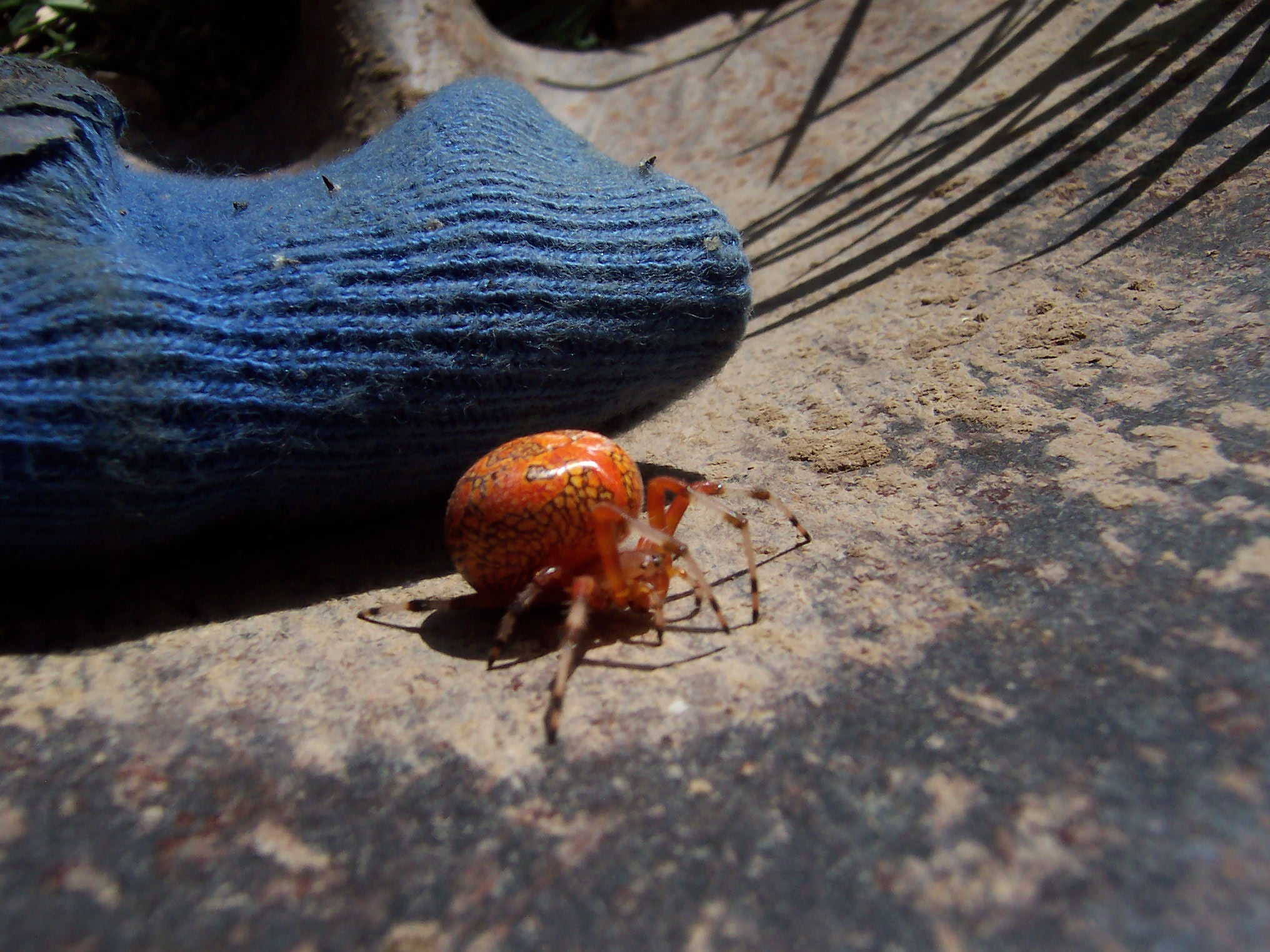
Consider the spider.

We appreciate spiders in our family. A large orb weaver lives just outside the front door. Every night when we take the dogs out before going to bed we pause to appreciate the intricate web she’s rewoven. It has a lot to teach us about strength, symmetry, impermanence and beauty.

I probably shouldn’t admit it, but a spider also hangs out on the ceiling of our pantry. Its continued presence means there are enough insects in the vicinity to keep it fed, which logically means there are that many fewer beasties getting into our potatoes, dry beans, oats and other stored foods. It has a lot to teach us about interdependence. I’m actually cheered to see it up there, a quiet brown chap making a life for itself high above my canning jars.

When we find the occasional spider elsewhere in the house we move it gently outdoors, unless it’s winter in which case we move it to a large potted plant. (I prefer spiders be relocated to basement plants but I suspect my family members free them in more conveniently located houseplants.)

No, our home isn’t teeming with creepy crawlies. It’s the same as your house. We’re all part of an ecosystem beyond our awareness. Our fellow Earth inhabitants proceed with lives of purpose everywhere around us whether we know it or not. As an example, beneficial bacteria reside in your gastrointestinal tract, contributing not only to digestion but overall health. These microbes outnumber the cells in your body 10 to 1, their types varying widely from person to person—perhaps accounting for major differences in weight, energy and wellness.

No amount of clean living sets us apart from the wider ecosystem we’re in.

It’s easier to think of nature as “out there” in the pristine wilderness. But we’re a part of nature every moment. It is air we breathe, plants we eat, birdsong we hear, weather slowing this morning’s traffic, our very cells dividing and yes, that high pitched whine signifying a mosquito is hovering nearby.

Tiny creeping and flying things around us are the creatures we’re most likely to encounter, reminders that we share our ecosystem with others. It’s even possible to notice them with pleasure.

My kids particularly appreciate spiders so we pay closer attention to these creatures. I don’t know much about arachnids, but what I learn through my offspring helps me to see more complexity, beauty and worth that I could have imagined.

I think it’s easier to pay attention when we keep the joyous curiosity we’re born with but it’s possible to recapture it, to expand it into awe at the wonders everywhere around us.

Consider making a nature study of a something nearby. A tree’s lifecycle through the seasons, the activity around a wasp nest in the eaves, the behavior of birds at a feeder. We’ve learned some techniques for the amateur naturalist from Lyanda Lynn Haupt’s wonderful book Crow Planet: Essential Wisdom from the Urban Wilderness.

  1. Learn names, proper as well as colloquial. Learn details about habitat, health and interdependence with other life forms.
  2. Have patience. The practice of seeing, really seeing, takes more than time. It also takes cultivated watchfulness.
  3. Respect wildness.
  4. Cultivate an obsession. Let questions unfold into more questions and whenever possible, find a community of fellow enthusiasts.
  5. Keep a notebook. Writing observations and making drawings are wonderfully wider ways to learn.
  6. Maintain a field trip mentality. Keep up your observations wherever you go.
  7. Make time for solitude.
  8. Stand in the lineage. Vital knowledge has been gained by a long history of people no different than you, people who let the world around them teach its wonders to those whose eyes are open.

*

*

*

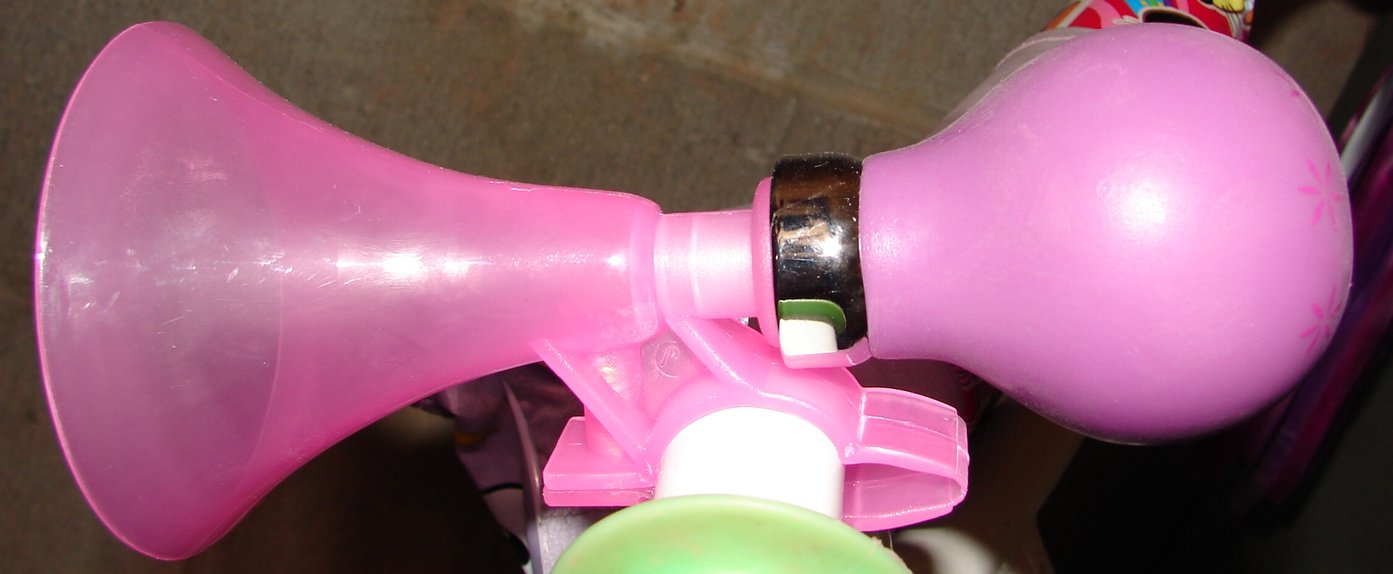
Anyone Hear A Horn Tooting?

book release, free range learning, hope, peace, natural learning, sustainability, I’ve been filling this space with hope, concern, peace and some attitude.

When I come across little-known books , music, documentaries and new research it’s a pleasure to share them.

I admit to feeling bashful when my publisher insisted I establish this site.  Sure, the net is teeming with people shining spotlights on themselves but I was raised to be polite and avoid attracting attention.  Not that I’m a credit to my upbringing. I’m too opinionated and sarcastic to qualify as polite. I’d be happy to avoid attracting attention but I can’t help it due to problems with gravity and a history of being attacked by vegetables.

But I know this site is a way of extending the work I do as a writer. Except…. I haven’t posted anything about my writing!

Well, I’m giving that a go right now.

That’s because today is the release date for my book. It’s titled Free Range Learning: How Homeschooling Changes Everything. What’s it about?

Free Range Learning celebrates the promise found in each person’s abilities and interests. It emphasizes community enrichment, connection to nature, purposeful work and much more.  This handbook on educating the whole child provides a wealth of ideas and resources that help to preserve curiosity, awe and intellectual vigor as lifelong attributes.

Free Range Learning doesn’t shy away from data. It cites research by neurologists, child development specialists, anthropologists, educators, historians and business innovators. And it offers insights and experiences shared by over 100 homeschoolers from around the world.

The book also takes a look at the impact of our educational choices. It asks the reader to consider alternative education as a cultural shift that is redefining success and reshaping the future of schooling. Free Range Learning asserts that innovative and ethical young people who are accustomed to critical thinking will be the best equipped to meet the challenges of our changing world.

Attention given the book hasn’t risen to a thunderous clamor by any means. I did enjoy two recent moments of attention, for the following reasons:

Participating in Writer’s Read gave me a glorious opportunity to promote the work of other authors (click “read on” to see all five books I’m reading).

And Campaign for the American Reader’s Coffee with a Canine let me talk about my hound friends ( click “read on” for photes and details).

If clamor erupts, I’ll share links to reviews (and rants too) on the main page. Right now you can find endorsements, an interview and a few articles based on the book.

Free Range Learning is published by Hohm Press, a wonderful independent press committed to books promoting harmony and integrity for the last 35 years. They don’t, however, do anything in the way of marketing.

So it’s up to me. I want this book to do a world of good. I’m trying to get the word out to people interested in educational alternatives, community enrichment and natural parenting. That may include parents, educators, administrators, policymakers, sustainability groups, homeschool groups, anyone who might be open to more holistic learning . If you are inclined, please help me spread the word.

And stay tuned, a book trailer is in the works!

*

*

*

Image courtesy of Fantasy Stock

Transferring Enthusiasm

transferring enthusiasm, infectious energy, alternative education, natural learning, community education, mentoring, entrepreneurship,

There is something vitally important transmitted when one person’s enthusiasm sets off a spark in others. This sort of spirit can’t be reproduced in any curriculum. That’s why, whenever possible, we learn from people who are passionate. Potters, chemists, bird watchers, dairy farmers, blacksmiths, historians, wildlife rehabilitators, wood carvers, entrepreneurs, air traffic controllers, geologists, musicians, engineers, chefs, astronomers, you name it.

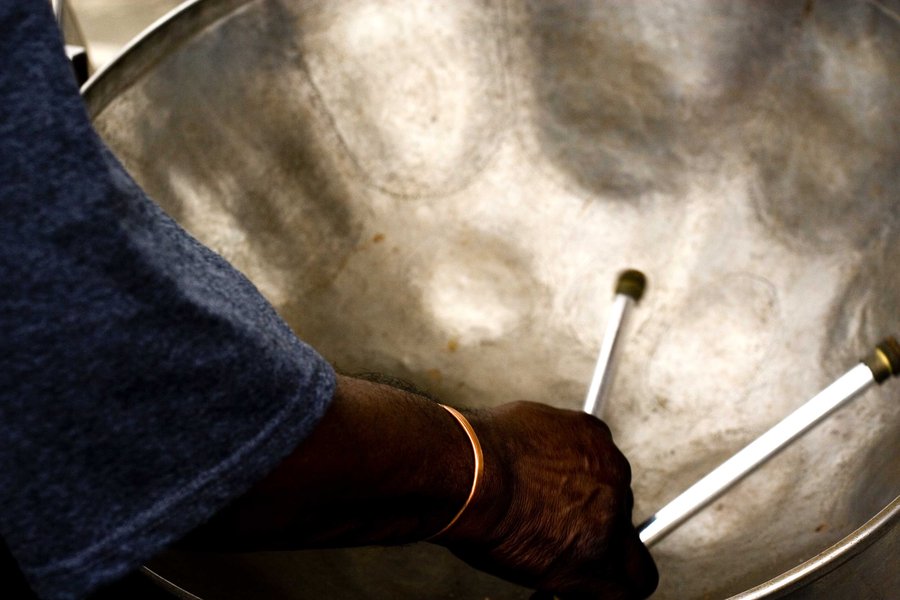
One time we drove to a part of town where we’d never gone. The address didn’t seem right, but around us friends were parking for a tour and discussion we’d scheduled at a local business. So we piled out and knocked at what looked like an abandoned warehouse. The door was pulled open by a man who welcomed us to his steel drum company. He seemed powered by perpetual gusto as he talked about the history of steel drums and his desire to preserve the music, factors which became the motivating force behind his company. He told about the shoestring nature of his own start-up and multiple problems with initial designs—- illustrating his tales with diagrams, tools and testimony from guys in the shop.

Our time there stretched out wonderfully as we played many different drums, including some extremely valuable models, and listened to recordings made in a studio he built on site. There’s no telling what particular element of that afternoon made an impression on the children and teens there. What he transmitted encompassed history, music, engineering, entrepreneurship, character-building, collaboration—all with an infectious energy.

Through any deep exploration we can uncover ever widening avenues of discovery, whether we search in archeology, cake decorating or steel drums. There are lessons to be learned that awaken us to greater wonders.

When we get a glimpse of those wonders through the eyes of others we’re not only learning. We’re sharing a source of pleasure. Asking people to impart some of what they’ve discovered and how they do it, well, that’s a gift because it lets them give us a taste of what, to them, has real sustenance.

That spark, carried from generation to generation, is how we humans have always built the future. As Antoine de Saint-Exupery wrote. “If you want to build a ship, don’t herd people together to collect wood and don’t assign them tasks and work but rather, teach them to long for the endless immensity of the sea.”

*

*

*

Steel Drum image courtesy of Michael Halley

Dancing Babies & World Peace

dancing for peace, babies smile to music, net and music, research babies and music,

The magnificent blues guitarist Robert Lockwood, Jr., performed regularly not far from my childhood home. But the divides of race and radio kept me from hearing him play until I was an adult. Even when I started spending my babysitting money on music I was limited to what was available in stores within walking distance. Just like everyone else born before the net, my musical ear was limited to narrow channels of exposure.

As I got older and discovered what to me was new music, I felt my smaller world crack open. Music pours in past filters. Music, perhaps more than any other form of art, evokes a personal response. Unique as it may be to each musician, it’s also an expression of our shared humanity.

Turns out we’re born to be more receptive to music than to speech. According to a recent study babies respond to music, even regular drumbeats, with increased smiling. Even more surprising, this research shows that babies correlate their movements with the tempo and rhythm. They dance! And music gets a much greater response than spoken words. No wonder adults all over the world naturally engage babies in a sort of singsong-like call and response. We’re translating our language into one that is more evocative.

That’s what music does. It makes us known to one another.

Music is used to lull small ones to sleep, rouse teams to competition, woo lovers, worship, commemorate solemn occasions and celebrate. In some parts of the world music is a medium to intentionally and peacefully resolve conflicts. Through music we more fully grasp that all of us feel grief, love, fear, injustice, joy and moments of transcendence.

My children enjoy wider access to music of all kinds. They’ve seen Chinese opera, Tibetan throat singing, Lakota flute playing, Balinese gamelan and much more. They know more than I ever will as they seek out and share music across a huge range of styles. Entranced I wander upstairs to my daughter’s room, lured by the sounds of Le Mystere des voix Bulgares. I pay attention as my son enthuses about Inon Zur, composer of the orchestral music for inCrysis.

Theirs is the first generation to have the full advantage of the net and other music sharing technology. Across all divides, music can be a peacemaker. It can let us slide past cultural differences and language barriers to a place of mutual understanding.  It can let our children keep on dancing and smiling as they were born to do.

*

*

*

*

Little Girl Dancing courtesy of James Lee

For Brainpower & Focus, Try Clapping

Mom was right.

The older I get the more I recognize the wisdom my mother applied in parenting. For example, she believed that traditional games held their value. We played croquet in the back yard—-a lawn game that went out of fashion soon after the Victorian era. We played Battleship using only graph paper and pencils. And we played all kinds of clapping games, from Pat a Cake to silly counting rhymes.

Turns out I owe my mother thanks for more than my straight hair and tendency to burn immediately upon exposure to the sun. I owe her thanks for those games, particularly the hand-clapping ones.

New research finds hand-clapping rhymes and songs are directly linked to cognitive skills.

Dr. Idit Sulkin, of the Ben-Gurion University Music Science Lab, found that young children who naturally play hand-clapping games are better spellers, have neater handwriting and better overall writing skills.

Intrigued, she conducted further research. For ten weeks she engaged groups of children, ages 6 to 10, in a program of either music appreciation or hand-clapping. Very quickly the children’s cognitive abilities improved, but only those taking part in hand-clapping songs.

She also interviewed teachers and joined in when children sang in their classrooms. She was trying to understand why they tend to enjoy hand-clapping songs until a certain age, when other activities such as sports become dominant. Dr. Sulkin observed, these activities serve as a developmental platform to enhance children’s needs — emotional, sociological, physiological and cognitive. It’s a transition stage that leads them to the next phases of growing up.”

Interestingly, Dr. Sulkin also found that hand-clapping songs also benefit adults. When adults engage in these games from childhood they report feeling less tense and their mood improves. They also become more focused and alert.

Clapping and singing, clapping and chanting—-this is found across all cultures in religious ceremonies, solemn rituals, joyous celebrations and to accompany storytellers.  The experience of calling and clapping may speak to something deeper in us.  Maybe we all should play a round of Miss Suzy or Cee Cee My Playmate at the start of every political debate, business meeting or extended family get-together.

*

*

*

*

Clapping Hands sketch courtesy of  sycen

Race to Nowhere?

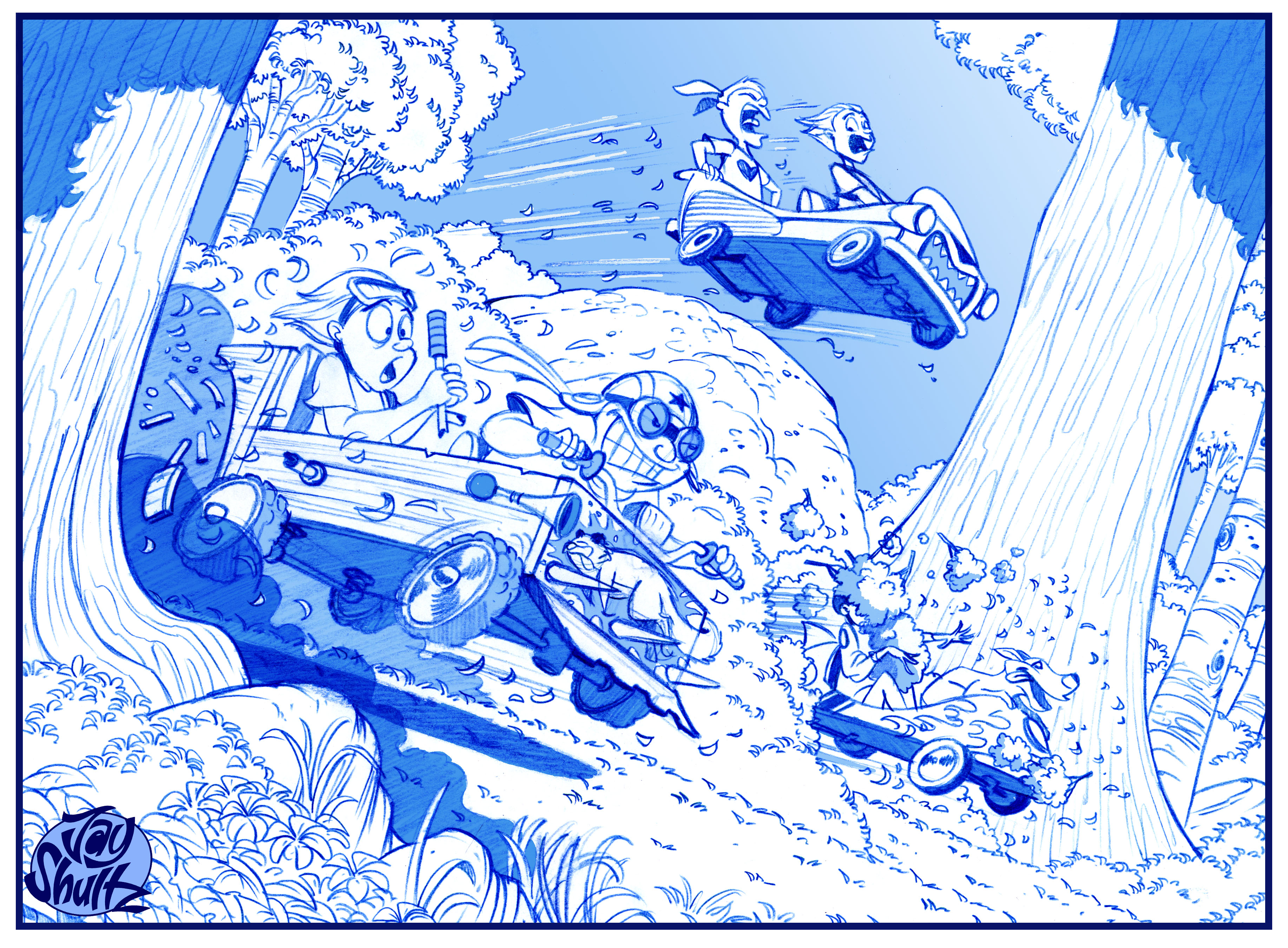
Most mornings of their lives my kids have slept until they were ready to wake and then curled up on the couch to read until they felt ready to leap into the day. They’ve delved into topics of interest to them, sometimes in great depth. They’ve explored, wandered and spent time with people of all ages. They’ve never had homework or tests. (Well, till they hit driver’s license exam age.) They’ve worked hard at chores because it’s necessary to keep our small farm going  but never had to work hard to look a certain way or fight for popularity. They’re a relaxed, confident bunch who define success on their own terms.

Homeschooling gives them time to grow into their own possibilities. Time to develop inner strength. Time to be themselves in a world that relentlessly pushes children toward narrow definitions of success. Apparently it also gives them a break from the crushing pressure portrayed in the documentary Race to Nowhere.

As one expert says in the documentary, “When success is defined by high grades, test scores and trophies we know that we end up with unprepared, disengaged, exhausted and unhealthy kids.”

Today’s current methods of schooling, despite noble intentions, work against curiosity, creativity, critical thinking, close relationships, community connections and a culture of collaboration.

Natural learning isn’t just the antidote to this kind of soul-crushing pressure. It’s the way young people have learned throughout time. It’s time to redefine success on our own terms. Let our children sleep in. Let them dream. Let them wake to their own possibilities.

*

*

*

Image courtesy of Jay Doodles

How to Raise Global Learners

raising global learners

Living on a farm we don’t have the time or the means to travel. But we want our children to be global citizens. We want them to truly understand how fully they are linked to their fellow beings on this beautiful blue green planet.

When they were small we read stories, ate the foods, played the games and celebrated festivals from far-off lands. As they got older we paid close attention to a rich variety of in-depth materials that helped us discover the global fibers that run through history, art, science, literature, really through any field of interest.

More than any materials we introduce, the connections my kids find most pivotal are those they make on their own, person-to-person across any distance. For example, one of my musician sons got interested in acoustics. He joined special interest forums to talk with fellow aficionados around the world about technical details of repairing historic microphones, the artistic nuances of found sound recordings, and other topics. Friendships developed. Now they converse about everything from politics to movies. Some day, when he travels overseas, he plans to take them up on their offers to stay in New Zealand, Finland, Brazil and elsewhere. Already he’s visited friends made online in the U.S., finding the rapport they developed holds fast in person as well.

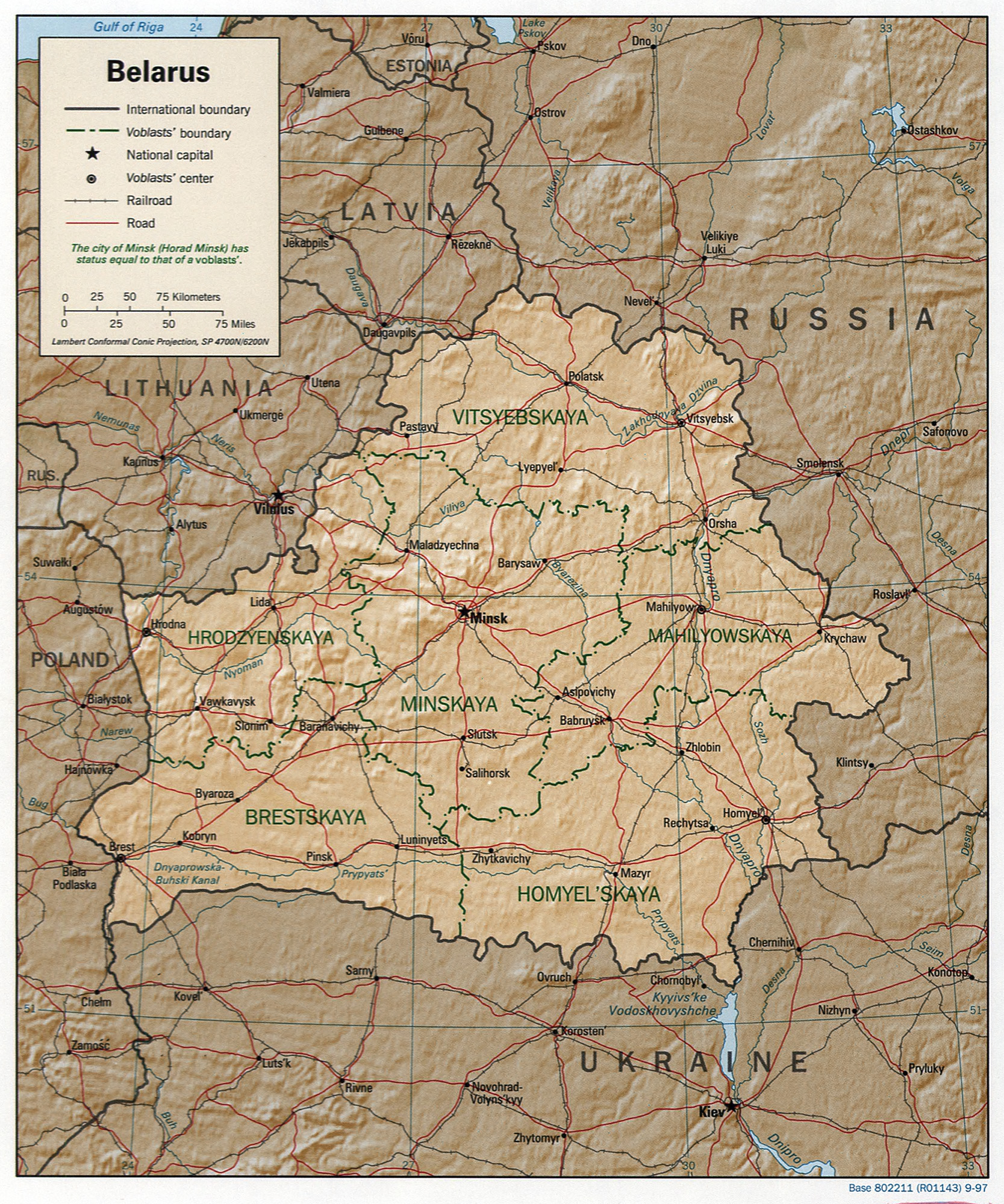
Perhaps the most important connections any of us can make are lasting, caring relationships with people who live far away. For our family, one of the most enduring relationships we made was with an effervescent girl from Belarus named Tatiana. She came as part of the medical program Children of Chernobyl. Even in her first week here, the strength of her personality more than made up for the few words of English she knew and our poor pronunciation of Russian words we thought we knew. Tatiana was horrified by my vegetarian meals, refused to participate in the activities my outdoor-loving children preferred and let us know that she hadn’t traveled so far to live like a peasant. She wanted to be entertained! Like anthropologists to our own culture, we explored shopping malls and tourist sites, we bought kids’ fast food meals for the prizes and went to amusement parks rather than wilderness areas. Tatiana displayed her brilliance in many ways, typically beating any of us at board games we’d played for years and she’d just learned. Tatiana lived with us for five summers. She became a member of our family, a family which feels to us as if it extends to Belarus.

Each connection made of understanding and caring warms our planet—but in a good way. Which leads me to recommend two new books about raising global citizens.

Growing Up Global: Raising Children to Be At Home in the World by Homa Sabet Tavangar is packed with enrichment ideas, games, service activities and resources to help raise children with the world in mind. Here are five great ideas from Tavangar’s book:

*Boost cultural understanding and fun by listening to pop music from around the world.  (I suggest using online translation to figure out the lyrics.)

*Talk about the origins and trading routes of products used every day in your home. Try tracing back a chocolate bar or t-shirt.

*Discover what foods are said to heal common health conditions. Lime juice in armpits is recommended in Paraguay to solve odor, ginger and green onion tea is recommended in China to cure a cold.

*Learn about practices for welcoming newborn babies into the family and community. Consider adapting customs to commemorate a new arrival in your family.

*Make humanitarian work a family affair. It’s possible to extend benevolent choices even to the search engine you use. Try http://www.ripple.org where 100% of search revenues help alleviate urgent global issues.

And for a vigorous “go there” perspective, give The New Global Student: Skip the SAT, Save Thousands on Tuition, and Get a Truly International Education by Maya Frost a read. A cure for any but the worst helicopter parents, Frost shows how learning in other countries best prepares today’s teens for the real global workplace. That means choices resulting in self-reliant, confident and bold adults.

Here are five great perspectives from Frost’s book.

*Stories throughout by young people who live and study abroad. Frost calls them “bold statements” and they offer invigorating examples of what travel can provide.

*Why Rotary International Youth Exchange program www.rotary.org offers the best exchange programs. Frost says it has to do with the network of volunteers around the globe providing support to families and students, the affordable price and the commitment to humanitarian work.

*The stage of life between fifteen and twenty, when pivotal life skills are being developed, the reach of our young people tends to be limited. As Frost writes, “They zero in on the fit of their jeans rather than on the fit of a cultural identity within a larger population, and they devote hours to enhancing the clarity of their skin instead of the clarity of their thinking. They are digging into a plate of pettiness because that is precisely what we’ve served them. They deserve–and are ready for–so much more.”

*How to arrange study abroad credits outside of university affiliated programs for more freedom and frugality.

*Ways to connect with helpful people in countries around the world.

*

May your children become global learners. May our shared home be one of peace and goodwill.

Singing From the Inside Out

I can’t sneeze in a roomful of my friends without hitting a number of talented singer-songwriters who’d love to make a living through music. (Yes, a metaphorical sneeze.) Yet nearly every gifted artist any of us know has to ignore his or her gifts in order to make a living.

What cultural transformation might we see if those drawn to poetry, sculpting, composing, painting or other mediums of expression had some hope of living by their art?

Well here’s some hope.

A homeschooled guy who chose to help out with a worthwhile project now appears with John Mayer, Sheryl Crow and the Dave Matthews Band. His songs are heard on House and Ugly Betty. And more importantly, he sings about what matters to him.

See if the questions posed by this deceptively beautiful piece, “Ain’t No Reason,” resound long after the music is over.

Brett Dennen grew up in rural California, homeschooled along with his brother and sister. In an interview with Frank Goodman for Puremusic.com Dennen describes his mother’s homeschooling approach as “experiential.”  He says, “…so she rarely had a lesson plan or anything like that. She would give us books, and we would read the books. And we did a lot of gardening, and we did a lot of science education through being outside. We took camping trips with other kids who were homeschooled. And when we were out camping, we learned about rivers and forests and mountains and geology. We’d take books out camping with us, and we’d read about it, and we’d look for what we’d read about. Experiential education basically means instead of being in a classroom and being taught or told something, to actually go out and see it, and see how it works and learn through experiencing it instead of learning through being taught or told it. And that was really valuable to me.”

Dennen took the same approach when learning music. As he says in the same interview, “Because of the way I was homeschooled, I got into the idea of trying to learn how to do things my own way. And so when I started playing guitar, I taught myself. I took lessons for a while, but I lost interest in them because I think I just didn’t like going to my lessons, I didn’t like my teacher, I didn’t like what I was learning. So then I quit. And after I quit, then I really started to learn.”

He went to college planning to become a teacher. While a student, Dennen met Lara Mendel at a wilderness-safety class and the two of them wrote a humorous song about backwoods diarrhea for a class assignment. Mendel happened to be developing a powerful hands-on program for children, one that tackles intolerance and violence head on. She named it The Mosaic Project. Dennen wrote songs to reinforce the activities. Now his music and her project teach hundreds of California children about acceptance, friendship and peace in each session of The Mosaic Project.

The creative and independent spirit of Dennen’s homeschooling background hasn’t left him. Goodman’s interview opens with these comments. “He’s like a new kind of human being to me, this Brett Dennen. After spending time with him this week, I feel that way even stronger than after the positively confounding impression that his new CD, There’s So Much More, left on me. If he’d said that he was an alien, I could have swallowed that; it would even have made sense to me. Because I’m simply not accustomed to meeting and spending time with people that appear to be so incorruptible, so odd and yet so self-assured; so, uh, enlightened and inner-directed, if I might venture all that.”

I don’t know if Dennen’s life up to this point says more about homeschooling or about doing the work of one’s heart. I do know there’s no separating the two.