26 Ways To Make History Relevant


put your child in history, family history activities, make history fun,

History is always relevant.

It’s the quiet reminder found in old buildings, tall trees and important decisions. It is present in the way we do things, although we rarely stop to realize that we do things a certain way because it was done that way in the past. When children ask “why” we often realize we don’t know. Figuring out the answer invariably leads us back to history.

Each of us is the product of history. Our lives today are evidence that our ancestors survived unbelievable odds stretching back to prehistory. The ground we stand on and the flesh we are composed of is not new, each atom has history.

Taking a fresh look at the past is a great way to provide meaning for our lives today. Here are some ways to make history come alive for you and your family.

history of natural places, seeing hidden history, making history come alive,  

Imagine history. Take a walk in a natural area while thinking about how earlier peoples used resources they encountered. What could be utilized to hold water, provide shelter and heat, to cut or pound foods, to heal, to defend? How would natural conditions affect the stories, celebrations and religion of the region? What evidence might be left behind by the earliest inhabitants?

Take a walk in the city and ask children to imagine it as it was long ago. Notice buildings that were standing more than 100 years ago, talk about what sounds may have been heard then, ask what sort of businesses and transportation they would have seen.

Investigate the past in your backyard. See what you find in the ground before putting in a new garden or extending the patio. Learn about the people who lived in the area long before you by researching the settlement of the town, early explorers, and original inhabitants. Discover what you can about the history of your home and previous owners. Check out Discovering the History of Your House: And Your Neighborhood by Betsy J. Green.

Develop a book of family lore. Compile family recipes and any anecdotes that go with these foods. Add family sayings, funny stories, traditions, timelines, anything you’d like to record for coming generations.

Enjoy history brought to life. Check out Living History offerings to witness life as it was in the past. Enter terms such as “open air museum,” “folk museum,” “living history” and “living farm museum” into a search engine to find listings for your area. Such places provide immersion experiences, hands-on workshops, and history theater.

Don’t forget historical reenactments. Reenactment organizations use meticulous care to replay pivotal events. And there are the ever popular Renaissance fairs filled with entertainment, jousting tournaments, art and foods.

Emphasize the importance of primary documents. Rather than relying on the interpretations of others, discover what history has to say through letters, photos, deeds and more. Consider Eyewitness to History and American Memory Project. For information on using primary documents go to The National Archives.

Use the past today. When facing an ordinary quandary, think back to how the same sort of problem was handled in the past. This is particularly effective on a personal level.  History helps us learn from the actions of others. We can see the long term effects of mistakes and faulty reasoning. We can also see the results of highly ethical choices. A consideration of history helps develop good judgment.

explore your ethnic roots,

Explore your heritage. It’s likely your family tree branches out into several regions or countries. Find out about the stories, customs, foods, inventions, struggles, and successes that make up your cultural background.

Dig into archeology. This field connects history, anthropology, art, geography and more. History is underground awaiting discovery, just as our era will someday be a mystery to future archeologists. Children may be inspired to set up a backyard dig. They may want to wire bleached chicken bones back into a skeleton or excavate a garbage can for lifestyle “clues.”

Dig offers links, art and a state guide to educational events. For younger children, try  Archaeologists Dig for Clues by Kate Duke. For preteens, look into Archaeology for Kids: Uncovering the Mysteries of Our Past by Richard Panchyk.

Maintain a special trunk, box or storage container as a personal history cache for each child. Keep copies of photos, artwork, letters, special ticket stubs and programs, mementos such as a forgotten toddler toy, notes about the child’s humorous sayings, a lock of hair, even a few baby teeth saved from the Tooth Fairy.

See history as a mystery. The clues in letters, photographs and everyday items tell the story of people who can no longer speak for themselves. Books that children will enjoy are   The Mary Celeste: An Unsolved Mystery from History and Roanoke: Roanoke: The Lost Colony–An Unsolved Mystery from History both by authors Jane Yolen and Heidi Elisabet Y Stemple. For older youth, enjoy Unsolved Mysteries of American History
by Robert Stewart.

Indulge in biographies and autobiographies. This is a great way to learn how the conditions of the time impacted individual lives. It also gives insight into character formation. It’s helpful to let your child choose who he or she would like to read about. Even if your child tends to prefer specific biographies, say only sports bios, he’ll be learning how different eras shape a person’s life.

Gain perspective by playing historical games. Playing long-forgotten games helps us recognize that people in earlier eras were also youngsters who longed to have fun. For example, nineteenth century immigrant children in crowded U.S. cities played games that fit on stoops, sidewalks or a section of the street. Classic pastimes like stickball, scully (bottle caps), marbles, and hopscotch were inexpensive amusements for children even in the poorest families. Enjoy games from other cultures. Check out or the book Kids Around the World Play!: The Best Fun and Games from Many Lands by Arlette N. Braman

Value stories from your own family history. Tell your children stories of your childhood and what current events were going on at the time. Solicit stories from older members of the family. Encourage your children to ask their elders questions such as, “What made your family come to this country?” and “What was your first job?” and “What was it like when you were my age?” Display photos of ancestors and mention what you knew of their history. This provides children with a sense of continuity. It also helps them recognize that those who came before them contributed to who they are now.

Record oral history. Family members are a good way to start, but consider those in the community as well. Everyone has stories to tell, it’s a matter of finding out what topics are the catalyst. Be prepared with questions but remember to avoid interrupting. Start out with comfortable topics and work toward any that may be more intense. Let the interviewee talk and the conversation go in unexpected directions.

You may want to collect oral histories of a specific era, relevant to your ancestry or on a topic of interest. Augment this oral history with photographs, music and artwork.

history activities for families, history for kids,

Springboard into history using interests.  If your daughter is an adventurer at heart, she can learn how explorers, inventors, navigators, and wanderers changed the course of history with the same intrepid desire to “find out” that she has. If your son likes cartoons, he can discover similar drawings made for political commentary, social satire, and storytelling that show such artists as unafraid to advance ideas through deceptively simple sketches. Those earlier cartoonists made the medium what it is today.

There’s a historical angle to any interest. Whether your child has a passion for airplanes, stand-up comedy, glassblowing, or skiing there’s a back story to be discovered that makes history relevant to who your child is right now.

Act it out. Learning about Napoléon? As a child the future emperor was bullied by older students, that is until he led younger boys to rout their elders in a successful snowball battle (hinting at his nascent leadership skills).  It might look something like this.  Dramatic moments in history are perfect to reenact in the back yard or park.

Learn about time capsules. Documents and artifacts are vital historical evidence. Sometimes such evidence is discovered hidden away in an attic, trunk or archeological dig, creating a kind of unintentional time capsule. Many people leave time capsules, either to be opened themselves a few decades later or to leave for future generations. Make a time capsule together, filling it with personally and historically relevant items.

Learn about Golden Record included in both Voyager spacecraft launched in the late 1970s. Find out what it included and why. This message was sent along: “This is a present from a small, distant world, a token of our sounds, our science, our images, our music, our thoughts and our feelings. We are attempting to survive our time so we may live into yours.”

Put yourself in history with fiction. Good books help young people imagine themselves in another place or era. Try an activity mentioned in the book such as darning a sock, shooting a slingshot, or foretelling the future through dreams. A Book in Time offers a chronological list of children’s books, plus crafts and other project ideas.


history enrichment ideas, making history fun, history for kids,

Time travel. Ask yourself “what if” questions to stimulate thinking about different outcomes. “What if the Black Plague never occurred?” or “What if the Allies had lost World War I?” Ask what event or decision in history you would most like to see altered, and why. Ask what person from the past you would most like to meet, and what you would ask him or her.

Let periodicals bring history to your door. A freshly delivered magazine is enticing. There are wonderful historical and cultural magazines for children including Calliope: World History for Kids, Cobblestone: American History for Kids and Faces: People, Places and Cultures.

Make a gift of family history. Give the tiny leather case with great grandma’s reading glasses to your daughter, along with your memory of this lady who loved to write. This might mean a great deal to a teenager who harbors ambitions of becoming a novelist. The pocketknife from a great uncle who left to seek his fortune as a merchant marine, and who sent letters from ports all over the world may be a meaningful gift for your son who talks of setting off on his own travels.

cook historically, history activities, family history fun,

Cook historically. Try some of the characteristic foods and preparation techniques from the past. Cook stew over a fire, taste plantain, make hasty pudding, grind buckwheat. Ever wonder when people began eating certain foods or developing distinct recipes? The Food Timeline offers a look back, with each foodstuff clickable to an historical article.

Hold a fair. Some homeschool and enrichment groups have a yearly fair oriented toward history or social studies. Consider a biography fair, genealogy fair, history fair, or international fair. For example, at an international fair each young person sets up a display for the country or region they’ve chosen. They might have posters, projects, foods to sample, crafts and interactive activities. Each participant comes prepared to lead a game from the country they studied, making the fair a lively event. Some groups might also require each participant to provide a hand-out so that everyone leaves with information about all countries featured at the fair.

explore graveyards with kids,

Visit graveyards. Cemeteries have stories to tell. Children can learn about family size, immigration and wartime. They can look for the most unusual names, notice the frequency of childhood death in different eras, write down interesting epitaphs. Discuss in advance the necessity for showing respect for gravesites and acting with decorum.

Oakland Chinatown StreetFest

Explore the impact of culture. Immerse yourself in a culture’s art, music and stories. Learn about legends and beliefs. How do these aspects affect the way those people organized their societies and lived their lives? Who would you be in that society? How would your worldview change if that were your culture? Notice similarities and differences in current times.

Look at your life as an historian or anthropologist might. What’s called “folklife” is simply the everyday creativity surrounding us right now. Jump rope chants, ghost stories, jokes, the way your parents or grandparents warn you to behave, celebrations and daily rituals—these are folklife. The memories you are building right now are history in the making.

These ideas are excerpted from Free Range Learning: How Homeschooling Changes Everything.  

Additional Resources

Online

Odyssey provides interactive learning about the Near East, Egypt, Greece, Rome, Africa, and ancient Americas.

BBC History offers a wealth of information from ancient to recent history through in-depth articles, animations, games and videos.

History Matters emphasizes the use of primary sources in text, image and audio.

HyperHistory Online presents world history through interactive timelines, maps, images and text files.

World Digital Library offers multilingual primary materials to promote current and historical understanding.


Books

Around The World Crafts: Great Activities For Kids Who Like History, Math, Art, Science And More! by Kathy Ceceri

A Street Through Time by Anne Millard

A City Through Time by Philip Steele

Constitution Translated for Kids  by Cathy Travis

Turn of the Century by Ellen Jackson

We Were There, Too!: Young People in U.S. History by Phillip Hoose

Six Ways Introduce Fine Arts Using The Happy Idiot Method

Artwork by Samuka

“You’re a frigging idiot.”

That’s what the guy behind us said. He spoke so loudly that two rows of concert-goers heard it. He didn’t even wait until the intermission to announce he considered us boorish.

I’m still not sure what upset him so much. My seven-year-old daughter had begged to attend what she called a “real performance” after enjoying a number of the Cleveland Orchestra’s Musical Rainbows concerts for young children. Nearly every day since she’d been three years old she put on recordings such as Beethoven Lives Upstairs,
Prokofiev – Peter and the Wolf,  Song of the Unicorn, and Mr. Bach Comes to Call.Sometimes she played,  sometimes she danced but mostly she drew pictures as she listened to compelling music woven around stories.

Going together to the concert was a rare night out for the two of us but I knew her three brothers weren’t as entranced by classical music. So that evening she and I dressed up, taking our eagerness to velvety seats not far from the stage. As the concert hall filled many people greeted us kindly. The musicians began to tune up and my daughter nodded at me. She knew this was her cue to be quiet until intermission.

Then the man behind us arrived. He squeezed past others, sat down and said aloud, “Oh no.” Because he exhaled so repeatedly and in such an exaggerated manner I wondered if he’d sat on something awful. Nope, the something awful was us.

Just as the conductor lifted his baton, the man behind us leaned forward as if to whisper, but his hissed words weren’t quiet at all. He said, “I paid good money for this seat. Your kid better not wreck it.” Then he muttered “idiot” under his breath. I turned around to look at him, more surprised than annoyed, but he wasn’t looking at me. He was glaring hatefully at my beautiful child.

The performance started and my daughter was enraptured. At times she looked over at me, squeezed my hand or leaned her head against me. Sometimes her hands floated just above her lap as if carried by sound. I paid close attention, hoping to hold the whole experience in my memory.

As the applause died down after the first piece the man behind us started sighing in exasperation. And he kept it up. I tried to notice what might have been bothering him. My daughter didn’t speak, didn’t hum along. She simply adored the music. But when the man started bumping my seat I turned my head to look at him. He was still glaring at my child.

For reasons of his own he was fed up. He looked at me and said loudly, “You’re a frigging idiot.”

The moment intermission began he stomped off and didn’t return. I hoped he’d find some peace despite possession by keep-children-out-of-concert-halls demons. But I’m no saint, I was pretty thrilled he left.

The woman next to my daughter assured us we weren’t the problem. An elderly gentleman at the end of our row, an orchestra patron for thirty years, said he hoped to see more children who loved classical music. By the time the musicians filed back some people had chatted with my daughter, happy to learn about her specific knowledge of that evening’s program. Others said, quite tactfully, that it was rare to see youngsters attend an evening concert.

A common perception is revealed by this experience. Fine arts and eager children don’t go together.

It’s not just one guy convinced the presence of a kid will ruin his evening. Most people set the arts aside as something special or worse, something for those who really know what they’re reading/seeing/hearing.

To me that’s the sort of separatist thinking that keeps fine arts in the underfunded, under appreciated realm where nearly extinct things go to die. But that’s how they’re introduced to most young people. Arts are imposed using the old “eat this spinach or you’ll be punished” method. Great way to inspire a hatred of spinach. And art. It isn’t woven into their lives and it doesn’t grab them (or at least many of them) in a way that’s personally meaningful. Instead fine arts are introduced in later grades. Students are lectured, assigned work, and graded. If they’re lucky they get extra doses of the arts doled out in guided museum visits and a class trip to see Shakespeare performed after weeks of preparation. The vitality is bled right out.

In Shakespeare’s time his plays were part of popular culture. People from all social classes crowded into the Globe Theatre where they enjoyed the bard’s social commentary, melodrama and comedy. Chances are they didn’t bother to analyze a thing. Chances are those plays did for them what art does when it means something to any of us, it illuminates.

I love the way young people discover and appreciate art when it isn’t imposed on them. These days my kids are older (teens and young adults). They enjoy fresh visual arts on YouTube, soaring new classical music scored for video games, and performances everywhere. Better yet, they aren’t passive. They connect and engage with it. During a recent discussion I overheard my kids relate the theme of a recent movie to Homer’s Odyssey, tie that to quotes from a Terry Pratchett book, then they were off parodying the theme using quotes from movies and song lyrics. Lightening fast, funny, and sharp. No curricula could possibly keep up.

My kids swam in the current of fine arts from the very beginning, as it flowed naturally with all the other influences in their lives.

Here’s the enjoyment-based, jump-right-in way we’ve always gotten comfy with fine arts in my family. (Caution, some may deem it idiotic.)

  1. Build in some fun. If you’re going to a concert in the park take along silent amusements for small people—a tiny stuffed animal that just might want to dance on its owner’s lap, drawing materials to capture impressions of the performers or the feeling of the music, a small treat that’s specific to concerts (consider bending that no lollipop rule). And if it isn’t much fun don’t stick around. Mosey off and wait until your children are older. And once your kids are older the experience is a greater pleasure for them if you let them invite a friend. We were often surprised to find that our 10th trip to a museum, where my kids clamored to see favorite sculptures and new exhibits, was the first trip for their friends.
  2. Make it an adventure. When you journey any distance to see a music performance, attend a play, or ramble through galleries make that stop one of several anticipated events.  Try to spot murals or other public art on the way. (When they were little my kids knew we’d arrived when they waved at the Guardians of Traffic pylons as we drove over the bridge to Cleveland.) Take a break in an ornate big city library, eat a packed lunch in a park, stroll through an open air market, pick up unusual snacks at an ethnic grocery, and let your child’s curiosity help guide the day’s events.  If part of the day incorporates a lot of sit down time (including the ride to and fro) be sure to balance that with movement, exploration, and sensory adventure.
  3. Tune it to the child’s level. Let preschoolers stroll as interest leads them through museums, especially art museums. You might decide to look for something specific on the way (one of my sons liked to spot animals, another son made it his quest to find anything airborne—birds, planes, angels, flying carpets).Make galleries a place of discovery. chat, ask questions, and when they lose interest it’s time to go.
  4. Make it an ordinary part of life. As with anything, it’s what you pay attention to that you magnify. Conversations about music, philosophy, or logic are just regular mealtime topics, brought up with the same casual interest as sports or the weather. Literary discussion with a four-year-old is easy. Simply talk about the picture book you’ve just read together. How could it have ended differently or gone on longer? Why do you think the main character acted that way or made that decision? Which character would you like to be in the story? Why?
  5. Start early. Listen to music as you nurse babies to sleep, imagining the wonderful association that child is making between sound and comfort (whether Bach or the blues). Hold up tiny ones to get a better look at paintings or sculpture. Indulge in sock puppet conversations with your toddlers. Dance and sing together unselfconsciously. Display your child’s artwork in frames and on shelves. Make CD’s available to kids for bedtime listening or quiet time, especially those by professional storytellers such as Odds Bodkins (who started my kids’ love of Homer’s Odyssey) and Jim Weiss. A great selection is available at Gentle Wind, Chinaberry, and your local library.
  6. Enjoy it the way you choose. Shakespeare’s work may spark fascination in a lavishly illustrated picture book such as Coville’s William Shakespeare’s The Tempest (Picture Yearling Book), an early chapter book such as Mayer’s The Tempest, or maybe a graphic novel like The Tempest The Graphic Novel (American English, Original Text). See The Tempest in any number of movies from productions done in 1928 to the newest, recasting Prospero as a woman. Check out how The Tempest has been interpreted by artists throughout the years. My kids appreciate a stage performance best after they know the story well, on their own terms, after bumping into it in books or movies or music. After seeing the play, one of my kids noted that it was written 400 years ago but names from The Tempest are still popular today— Miranda, Ariel, Antonio,Iris, Sebastian. That reminds me that the roots of what we care about today go much farther back than we imagine.

*

Find more suggestions in Free Range Learning.

*

*


*


Gathering Fifty Wise Homeschoolers in One Place

Award-winning Home Education Magazine has been published since 1984 by Mark and Helen Hegener and their third-generation homeschooling family. Each issue inspires, informs and invigorates readers.  Of all the magazines our family receives, this is one we keep. The copies are timeless. I share them, refer to them and treasure them.

A “best of” volume titled The Homeschool Reader: Series 1995-1999: Collected Articles from Home Education Magazine has just been released. It gathers nearly 50 homeschooling experts in one place.  I was honored to serve as editor for this project.
For a glimpse of what this very full little book offers, take a look at the bounty promised by the table of contents.

Starting Out

“Revelations of a Homeschooling Mom” by Carol Wanagel

“Keep It in the Family” by Catherine Daughton

“The Early Years Child’s Learning Assets” by Linda Dobson

“Leaving Public Education” by Ellen C. Bicheler

“Decompression – Frequently Asked Questions” by Cafi Cohen

“User Friendly Homeschooling Records” by Larry and Susan Kaseman

“Make Learning Fun” by Katie Fawcett

“A Word of Encouragement If Needed” by Rebekah Freedman

Family Life

“When Everything is a Mess…” by Katje Sabin-Newmiller

“And Baby Makes Trouble?” by Cindy Gaddis

“The Fabric of Home Education” by Kathy E. Waldorf

“My Kids Won’t Let Me Teach” by Ann Leadbetter

“On His Own Time” by Robin Ohlgren-Evans

“Anecdotes” by Helen Hegener

“All Play and No Work?” by Linda Kidwell

“Handmade, Homespun and Homeschooled” by Robin Ohlgren-Evans

Fathers’ Viewpoints

“The Forest Floor Theory of Love” by Odds Bodkin

“Notes From a Homeschooling Dad” by Jeff Kelety

“Homeschooling Fathers” by Gary Wyatt

“When Dad Homeschools: from Breadwinning to Baking” by Jim Dunn

Socialization

“Socialization” by Helen Hegener

Different Needs

“You’re Going To What?” by Melissa Wagner

“Personal Notes on ADD” by Janie Bowman

Math

“Learning to Love Math” by Alison Moore Smith

“Ten Counter-Intuitive Math Teaching Tips” by Cafi Cohen

Reading

“Learning to Read” by Sue Smith Heavenrich

“Learning to Read” by Christine Lozano

Reading Recovery Program” by Martine Palmiter

“A Family Book Club for Readers and Non-Readers” by Melinda Roth

Writing

“Getting It Down: Ways to Encourage a Reluctant Writer” by Sue Smith-

Heavenrich

“The Writing Club” by Jill Boone

“Haiku in my Pocket” by Sue Smith-Heavenrich

Art

“Art for the Younger Child” by Jan Brewington

“Art for the Older Child” by Jan Brewington

Physical Education

“Time For Family Baseball” by Earl Gary Stevens

Science

“Learning and Doing Science” by Cafi Cohen

“Learning High School Science Outside a Lab” by Sue Smith-Heavenrich

“Learning Nature’s Way: With Open Arms and Ample Interruptions” by

Gail McClelland Fenton

“Natural Nature Learning” by Deborah Taylor-Hough

History & Social Studies

“History At The Old Huff House” by Diane Huff

“Meet Travis The Traveling Bear” by Julie Hart

Philosophy & Ethics

“Philosophy and Learning at Home” by Jana Mohr Lone

“From Empathy to Altruism: Community Service” by Shalynn Ford

Discussing Unschooling and More Structured Homeschooling

“Unschooling” by Cheri Howard

“Keys to Successful Unschooling” by Susan Jordan

“What Do I Do?by Eileen Yoder

“Unschooling or School-At-Home?” by Chris Sims

“In Defense of Workbooks” by Joanne M. Billmers

First Day” by April Montgomery

Learning, Working and Heading Out on Their Own: Teen and Young Adults

“Ten Reasons to Homeschool Through High School” by Cafi Cohen

How to Help your Child Choose a Career” by Dr. Ferne Cherne

“Preparing for College: An Insider’s View” by Maggie Bryson

Travel Homeschooling

“A World of Learning” by Barbara Theisen

“A Year Abroad: A Family Learning Together” by Lantien Chu

Perspective

“Redefining Basics” by Earl Gary Stevens

“Reflections of a Homeschooled Homeschooler” by Rebecca Bangs Amos

“On Self-Doubt” by Lenita Harsch

“When Being a Mom Isn’t Enough” by Amy Hollingsworth

“I Told You Not to Do That” by Kathleen Creech

“Bad Homeschooling Days” by Selena Montoya

“My Kids Aren’t Geniuses!” by Sally Hunt

“Letting Go of the Reins” by Helen Hegener

“The Door’s Wide Open, Come Out and Play” by Kathleen Creech

If Jane Goodall Were An Alien

view of U.S. childhood, impeding humanity, how to better raise our children,

Imagine someone with Jane Goodall’s observational powers coming from outer space to observe us for a few days.

Let’s narrow this alien’s study down to something relatively simple. Our imaginary alien doesn’t have time to report on Earth’s progress toward peace, justice, and environmental balance. Our imaginary alien doesn’t even have time to cast her gaze across the whole planet.

Instead, the alien watches a few children in a typical American suburb before filing this report. (Alien disclaimer:  this report isn’t representational of all humans or all time spans on Earth.)

*

How to Impede Humanity

Each human is born with vast potential which unfolds in ways unique to that person’s talents and experiences. Human culture starts immediately to prevent that newborn’s potential from being fully realized.

The smallest humans are kept for much of their waking day in devices called car seats, booster seats, high chairs, playpens, cribs and strollers. Without sufficient and varied movement, learning can be impeded.

They are kept indoors most of the time. This limits their vision, their sense of connectedness, and their happiness.

Instead of foods harvested directly from nearby sources, the taste preferences of these small humans are developed on diets of lower nutrient but more expensive packaged substances. The health effects of these foods is beyond the scope of this report. It is, however, noted that transporting and purchasing these foods has an economic impact on the families of these small humans.

Humans are a people of story and image. As small humans get older they more readily absorb the lessons surrounding them from such objects as billboards, magazines, television, video games, and toys. These stories and images teach humans that success and happiness come through power, the right possessions, perfect appearance, rare skill, and of course, wealth. Small humans learn this quickly.

For example, appearance. They are repeatedly exposed to images of impossible bodies.  Note evidence—-a process called retouching applied to human Jennifer Anniston and to humans Twiggy and Keira Knightley.  As a result, five year old females judge their bodies harshly. By what humans call adolescence, 92 percent of females are unhappy with their bodily appearance.

Males also experience self-loathing due to impossible body images and behavior of heroes in movies, video games, and comics.

Movies, television, politics, and pundits teach small humans that the world is more violent than it is and games teach them that aggression is the best response.

The whole market-driven culture pushes materialistic values on young humans, which can leave them depressed, anxious and unhappy when they most need the powerful boost of optimism.

Even though young humans are perfectly suited to learn in ways matched to their abilities and interests without coercion, even though humanity has evolved throughout time by learning directly from wisdom-bearers in their own fields, these youth are put in institutions called schools. There each young human is judged by pre-determined standards. A large percentage don’t measure up.

It has been determined that the primary need of young humans is for self-expression, reasonably consistent guidance, and what on Earth is called love.

It is beyond the scope of this field report to discuss all the factors impeding humans but this observer notes that humanity flourishes due in large part to the overwhelming ability of human families to raise children using tools of kindness, laughter, and true affection. These behaviors are observed every moment, shared freely. This seems to be the essence of this species, so the report overall views humanity’s progress as positive.

(We prefer, however, that humans stick to their own planet. See the following video update.)

Image courtesy of Jean Kern’s flickr photostream 

How to Make Spiders Your Teachers, Trees Your Guides

amateur naturalist, spiders, mindfulness, nature, paying attention, field guide, children,

Pay close attention to anything. In it you’ll find wonders.

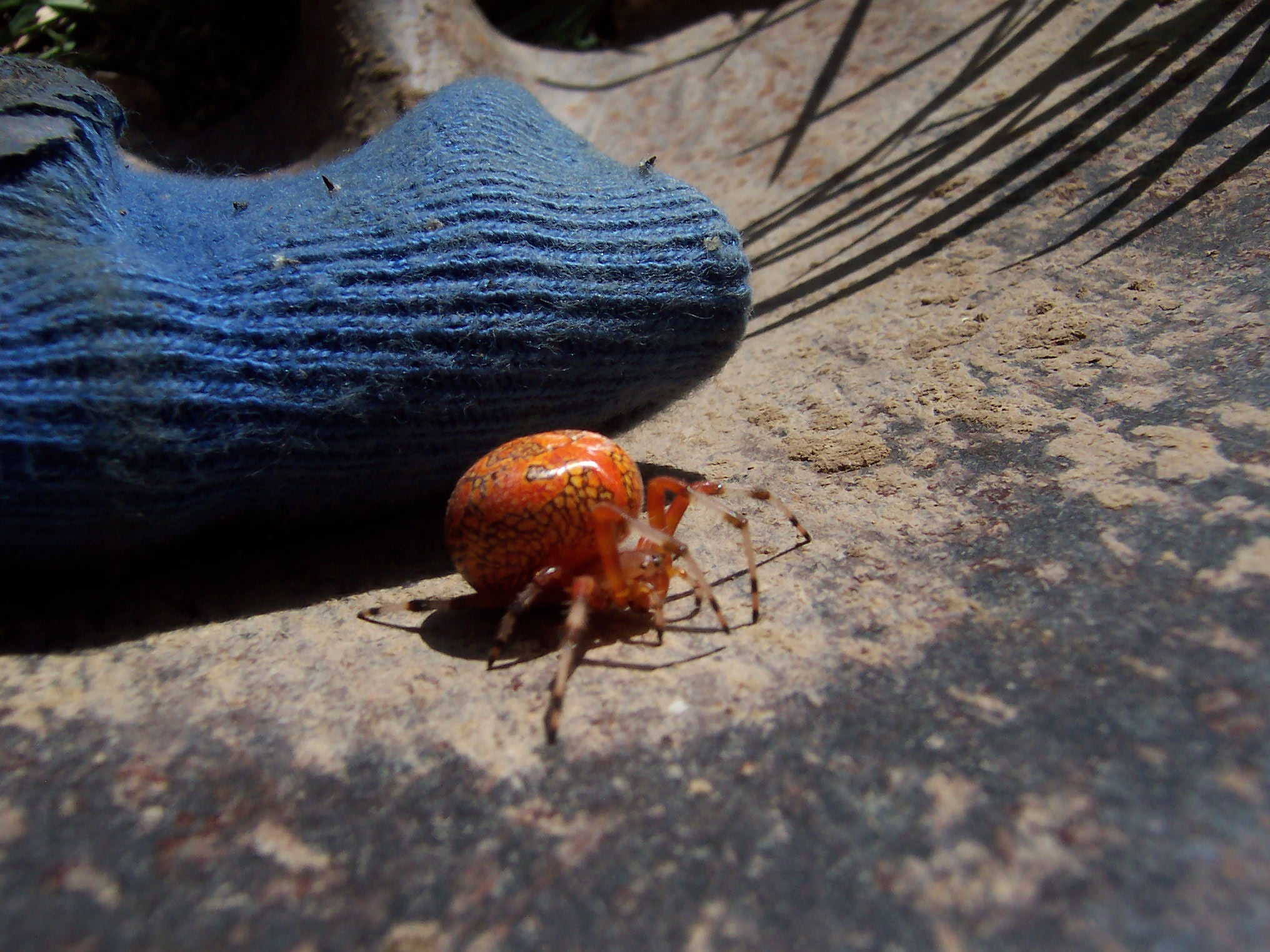
Consider the spider.

We appreciate spiders in our family. A large orb weaver lives just outside the front door. Every night when we take the dogs out before going to bed we pause to appreciate the intricate web she’s rewoven. It has a lot to teach us about strength, symmetry, impermanence and beauty.

I probably shouldn’t admit it, but a spider also hangs out on the ceiling of our pantry. Its continued presence means there are enough insects in the vicinity to keep it fed, which logically means there are that many fewer beasties getting into our potatoes, dry beans, oats and other stored foods. It has a lot to teach us about interdependence. I’m actually cheered to see it up there, a quiet brown chap making a life for itself high above my canning jars.

When we find the occasional spider elsewhere in the house we move it gently outdoors, unless it’s winter in which case we move it to a large potted plant. (I prefer spiders be relocated to basement plants but I suspect my family members free them in more conveniently located houseplants.)

No, our home isn’t teeming with creepy crawlies. It’s the same as your house. We’re all part of an ecosystem beyond our awareness. Our fellow Earth inhabitants proceed with lives of purpose everywhere around us whether we know it or not. As an example, beneficial bacteria reside in your gastrointestinal tract, contributing not only to digestion but overall health. These microbes outnumber the cells in your body 10 to 1, their types varying widely from person to person—perhaps accounting for major differences in weight, energy and wellness.

No amount of clean living sets us apart from the wider ecosystem we’re in.

It’s easier to think of nature as “out there” in the pristine wilderness. But we’re a part of nature every moment. It is air we breathe, plants we eat, birdsong we hear, weather slowing this morning’s traffic, our very cells dividing and yes, that high pitched whine signifying a mosquito is hovering nearby.

Tiny creeping and flying things around us are the creatures we’re most likely to encounter, reminders that we share our ecosystem with others. It’s even possible to notice them with pleasure.

My kids particularly appreciate spiders so we pay closer attention to these creatures. I don’t know much about arachnids, but what I learn through my offspring helps me to see more complexity, beauty and worth that I could have imagined.

I think it’s easier to pay attention when we keep the joyous curiosity we’re born with but it’s possible to recapture it, to expand it into awe at the wonders everywhere around us.

Consider making a nature study of a something nearby. A tree’s lifecycle through the seasons, the activity around a wasp nest in the eaves, the behavior of birds at a feeder. We’ve learned some techniques for the amateur naturalist from Lyanda Lynn Haupt’s wonderful book Crow Planet: Essential Wisdom from the Urban Wilderness.

  1. Learn names, proper as well as colloquial. Learn details about habitat, health and interdependence with other life forms.
  2. Have patience. The practice of seeing, really seeing, takes more than time. It also takes cultivated watchfulness.
  3. Respect wildness.
  4. Cultivate an obsession. Let questions unfold into more questions and whenever possible, find a community of fellow enthusiasts.
  5. Keep a notebook. Writing observations and making drawings are wonderfully wider ways to learn.
  6. Maintain a field trip mentality. Keep up your observations wherever you go.
  7. Make time for solitude.
  8. Stand in the lineage. Vital knowledge has been gained by a long history of people no different than you, people who let the world around them teach its wonders to those whose eyes are open.

*

*

*

Anyone Hear A Horn Tooting?

book release, free range learning, hope, peace, natural learning, sustainability, I’ve been filling this space with hope, concern, peace and some attitude.

When I come across little-known books , music, documentaries and new research it’s a pleasure to share them.

I admit to feeling bashful when my publisher insisted I establish this site.  Sure, the net is teeming with people shining spotlights on themselves but I was raised to be polite and avoid attracting attention.  Not that I’m a credit to my upbringing. I’m too opinionated and sarcastic to qualify as polite. I’d be happy to avoid attracting attention but I can’t help it due to problems with gravity and a history of being attacked by vegetables.

But I know this site is a way of extending the work I do as a writer. Except…. I haven’t posted anything about my writing!

Well, I’m giving that a go right now.

That’s because today is the release date for my book. It’s titled Free Range Learning: How Homeschooling Changes Everything. What’s it about?

Free Range Learning celebrates the promise found in each person’s abilities and interests. It emphasizes community enrichment, connection to nature, purposeful work and much more.  This handbook on educating the whole child provides a wealth of ideas and resources that help to preserve curiosity, awe and intellectual vigor as lifelong attributes.

Free Range Learning doesn’t shy away from data. It cites research by neurologists, child development specialists, anthropologists, educators, historians and business innovators. And it offers insights and experiences shared by over 100 homeschoolers from around the world.

The book also takes a look at the impact of our educational choices. It asks the reader to consider alternative education as a cultural shift that is redefining success and reshaping the future of schooling. Free Range Learning asserts that innovative and ethical young people who are accustomed to critical thinking will be the best equipped to meet the challenges of our changing world.

Attention given the book hasn’t risen to a thunderous clamor by any means. I did enjoy two recent moments of attention, for the following reasons:

Participating in Writer’s Read gave me a glorious opportunity to promote the work of other authors (click “read on” to see all five books I’m reading).

And Campaign for the American Reader’s Coffee with a Canine let me talk about my hound friends ( click “read on” for photes and details).

If clamor erupts, I’ll share links to reviews (and rants too) on the main page. Right now you can find endorsements, an interview and a few articles based on the book.

Free Range Learning is published by Hohm Press, a wonderful independent press committed to books promoting harmony and integrity for the last 35 years. They don’t, however, do anything in the way of marketing.

So it’s up to me. I want this book to do a world of good. I’m trying to get the word out to people interested in educational alternatives, community enrichment and natural parenting. That may include parents, educators, administrators, policymakers, sustainability groups, homeschool groups, anyone who might be open to more holistic learning . If you are inclined, please help me spread the word.

And stay tuned, a book trailer is in the works!

*

*

*

Image courtesy of Fantasy Stock

Transferring Enthusiasm

transferring enthusiasm, infectious energy, alternative education, natural learning, community education, mentoring, entrepreneurship,

There is something vitally important transmitted when one person’s enthusiasm sets off a spark in others. This sort of spirit can’t be reproduced in any curriculum. That’s why, whenever possible, we learn from people who are passionate. Potters, chemists, bird watchers, dairy farmers, blacksmiths, historians, wildlife rehabilitators, wood carvers, entrepreneurs, air traffic controllers, geologists, musicians, engineers, chefs, astronomers, you name it.

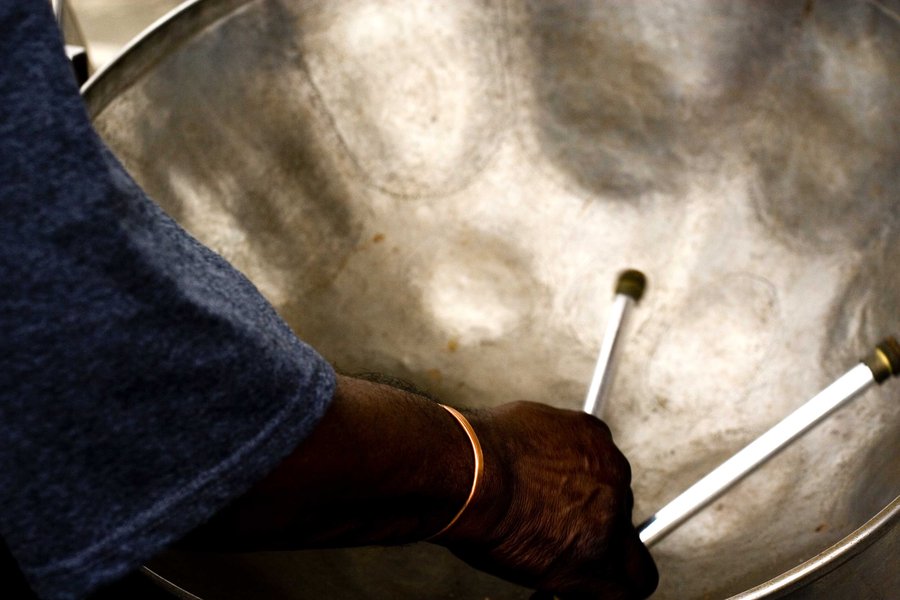
One time we drove to a part of town where we’d never gone. The address didn’t seem right, but around us friends were parking for a tour and discussion we’d scheduled at a local business. So we piled out and knocked at what looked like an abandoned warehouse. The door was pulled open by a man who welcomed us to his steel drum company. He seemed powered by perpetual gusto as he talked about the history of steel drums and his desire to preserve the music, factors which became the motivating force behind his company. He told about the shoestring nature of his own start-up and multiple problems with initial designs—- illustrating his tales with diagrams, tools and testimony from guys in the shop.

Our time there stretched out wonderfully as we played many different drums, including some extremely valuable models, and listened to recordings made in a studio he built on site. There’s no telling what particular element of that afternoon made an impression on the children and teens there. What he transmitted encompassed history, music, engineering, entrepreneurship, character-building, collaboration—all with an infectious energy.

Through any deep exploration we can uncover ever widening avenues of discovery, whether we search in archeology, cake decorating or steel drums. There are lessons to be learned that awaken us to greater wonders.

When we get a glimpse of those wonders through the eyes of others we’re not only learning. We’re sharing a source of pleasure. Asking people to impart some of what they’ve discovered and how they do it, well, that’s a gift because it lets them give us a taste of what, to them, has real sustenance.

That spark, carried from generation to generation, is how we humans have always built the future. As Antoine de Saint-Exupery wrote. “If you want to build a ship, don’t herd people together to collect wood and don’t assign them tasks and work but rather, teach them to long for the endless immensity of the sea.”

*

*

*

Steel Drum image courtesy of Michael Halley

Race to Nowhere?

Most mornings of their lives my kids have slept until they were ready to wake and then curled up on the couch to read until they felt ready to leap into the day. They’ve delved into topics of interest to them, sometimes in great depth. They’ve explored, wandered and spent time with people of all ages. They’ve never had homework or tests. (Well, till they hit driver’s license exam age.) They’ve worked hard at chores because it’s necessary to keep our small farm going  but never had to work hard to look a certain way or fight for popularity. They’re a relaxed, confident bunch who define success on their own terms.

Homeschooling gives them time to grow into their own possibilities. Time to develop inner strength. Time to be themselves in a world that relentlessly pushes children toward narrow definitions of success. Apparently it also gives them a break from the crushing pressure portrayed in the documentary Race to Nowhere.

As one expert says in the documentary, “When success is defined by high grades, test scores and trophies we know that we end up with unprepared, disengaged, exhausted and unhealthy kids.”

Today’s current methods of schooling, despite noble intentions, work against curiosity, creativity, critical thinking, close relationships, community connections and a culture of collaboration.

Natural learning isn’t just the antidote to this kind of soul-crushing pressure. It’s the way young people have learned throughout time. It’s time to redefine success on our own terms. Let our children sleep in. Let them dream. Let them wake to their own possibilities.

*

*

*

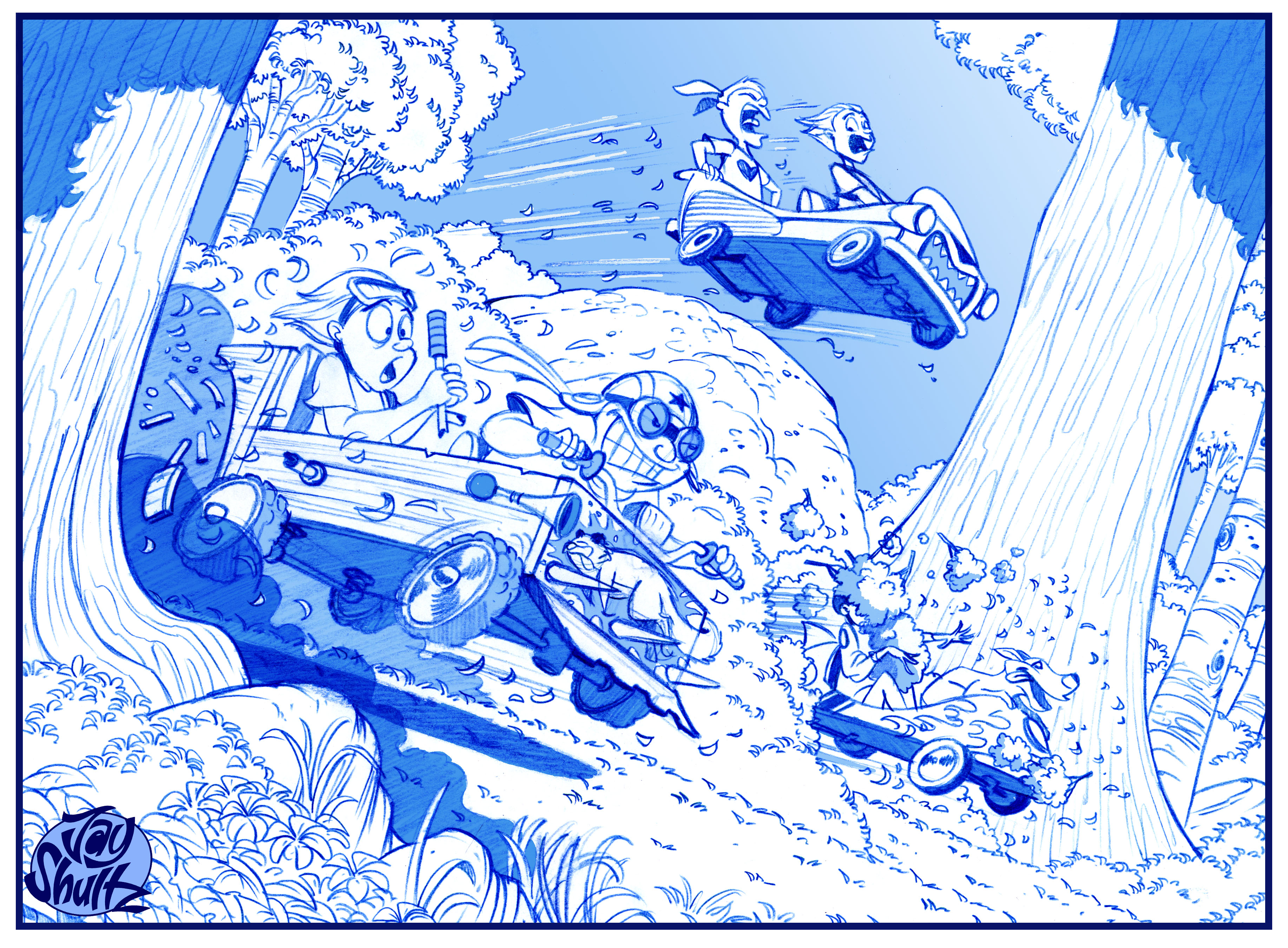
Image courtesy of Jay Doodles

How to Raise Global Learners

raising global learners

Living on a farm we don’t have the time or the means to travel. But we want our children to be global citizens. We want them to truly understand how fully they are linked to their fellow beings on this beautiful blue green planet.

When they were small we read stories, ate the foods, played the games and celebrated festivals from far-off lands. As they got older we paid close attention to a rich variety of in-depth materials that helped us discover the global fibers that run through history, art, science, literature, really through any field of interest.

More than any materials we introduce, the connections my kids find most pivotal are those they make on their own, person-to-person across any distance. For example, one of my musician sons got interested in acoustics. He joined special interest forums to talk with fellow aficionados around the world about technical details of repairing historic microphones, the artistic nuances of found sound recordings, and other topics. Friendships developed. Now they converse about everything from politics to movies. Some day, when he travels overseas, he plans to take them up on their offers to stay in New Zealand, Finland, Brazil and elsewhere. Already he’s visited friends made online in the U.S., finding the rapport they developed holds fast in person as well.

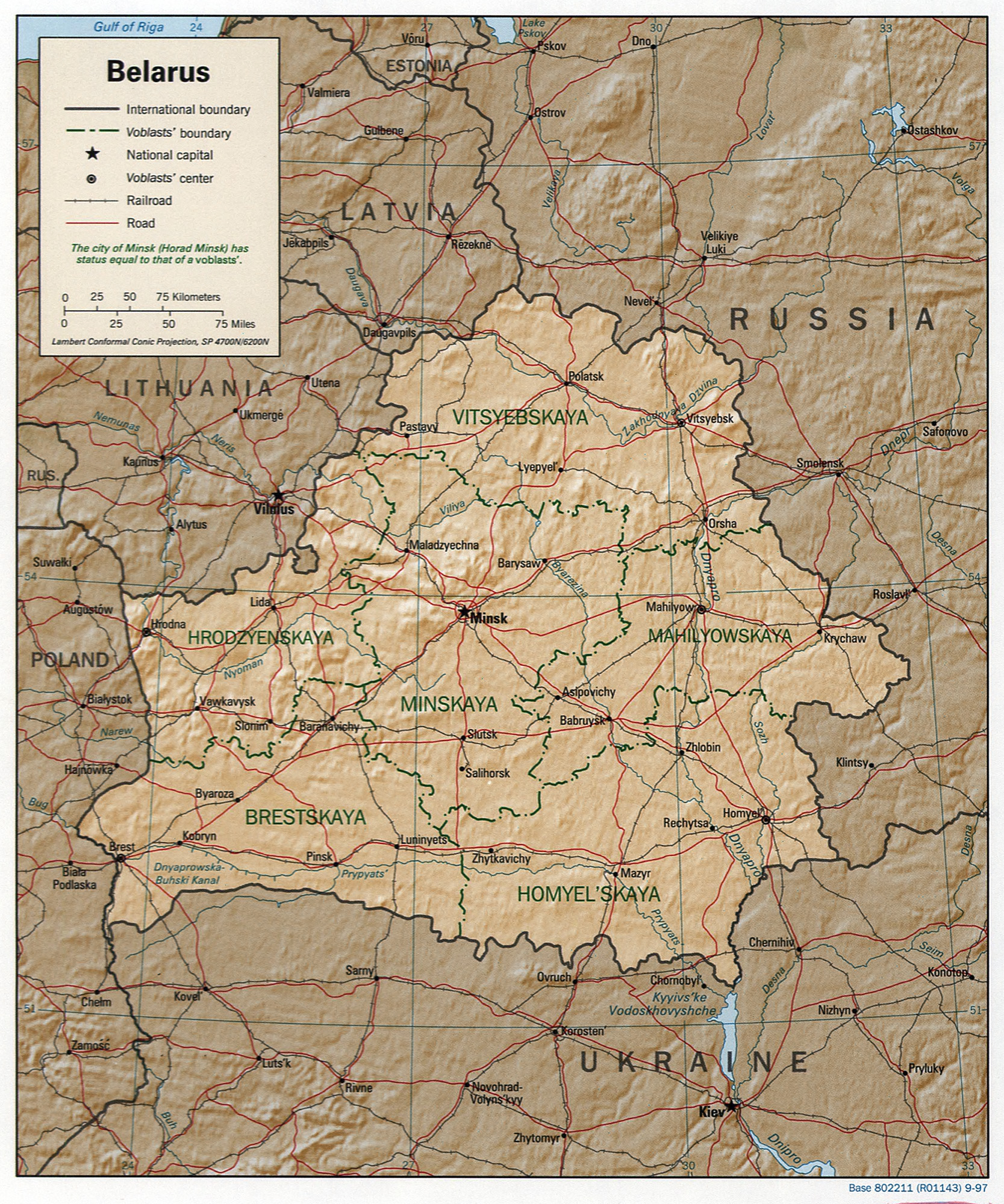
Perhaps the most important connections any of us can make are lasting, caring relationships with people who live far away. For our family, one of the most enduring relationships we made was with an effervescent girl from Belarus named Tatiana. She came as part of the medical program Children of Chernobyl. Even in her first week here, the strength of her personality more than made up for the few words of English she knew and our poor pronunciation of Russian words we thought we knew. Tatiana was horrified by my vegetarian meals, refused to participate in the activities my outdoor-loving children preferred and let us know that she hadn’t traveled so far to live like a peasant. She wanted to be entertained! Like anthropologists to our own culture, we explored shopping malls and tourist sites, we bought kids’ fast food meals for the prizes and went to amusement parks rather than wilderness areas. Tatiana displayed her brilliance in many ways, typically beating any of us at board games we’d played for years and she’d just learned. Tatiana lived with us for five summers. She became a member of our family, a family which feels to us as if it extends to Belarus.

Each connection made of understanding and caring warms our planet—but in a good way. Which leads me to recommend two new books about raising global citizens.

Growing Up Global: Raising Children to Be At Home in the World by Homa Sabet Tavangar is packed with enrichment ideas, games, service activities and resources to help raise children with the world in mind. Here are five great ideas from Tavangar’s book:

*Boost cultural understanding and fun by listening to pop music from around the world.  (I suggest using online translation to figure out the lyrics.)

*Talk about the origins and trading routes of products used every day in your home. Try tracing back a chocolate bar or t-shirt.

*Discover what foods are said to heal common health conditions. Lime juice in armpits is recommended in Paraguay to solve odor, ginger and green onion tea is recommended in China to cure a cold.

*Learn about practices for welcoming newborn babies into the family and community. Consider adapting customs to commemorate a new arrival in your family.

*Make humanitarian work a family affair. It’s possible to extend benevolent choices even to the search engine you use. Try http://www.ripple.org where 100% of search revenues help alleviate urgent global issues.

And for a vigorous “go there” perspective, give The New Global Student: Skip the SAT, Save Thousands on Tuition, and Get a Truly International Education by Maya Frost a read. A cure for any but the worst helicopter parents, Frost shows how learning in other countries best prepares today’s teens for the real global workplace. That means choices resulting in self-reliant, confident and bold adults.

Here are five great perspectives from Frost’s book.

*Stories throughout by young people who live and study abroad. Frost calls them “bold statements” and they offer invigorating examples of what travel can provide.

*Why Rotary International Youth Exchange program www.rotary.org offers the best exchange programs. Frost says it has to do with the network of volunteers around the globe providing support to families and students, the affordable price and the commitment to humanitarian work.

*The stage of life between fifteen and twenty, when pivotal life skills are being developed, the reach of our young people tends to be limited. As Frost writes, “They zero in on the fit of their jeans rather than on the fit of a cultural identity within a larger population, and they devote hours to enhancing the clarity of their skin instead of the clarity of their thinking. They are digging into a plate of pettiness because that is precisely what we’ve served them. They deserve–and are ready for–so much more.”

*How to arrange study abroad credits outside of university affiliated programs for more freedom and frugality.

*Ways to connect with helpful people in countries around the world.

*

May your children become global learners. May our shared home be one of peace and goodwill.