How to Make Spiders Your Teachers, Trees Your Guides

amateur naturalist, spiders, mindfulness, nature, paying attention, field guide, children,

Pay close attention to anything. In it you’ll find wonders.

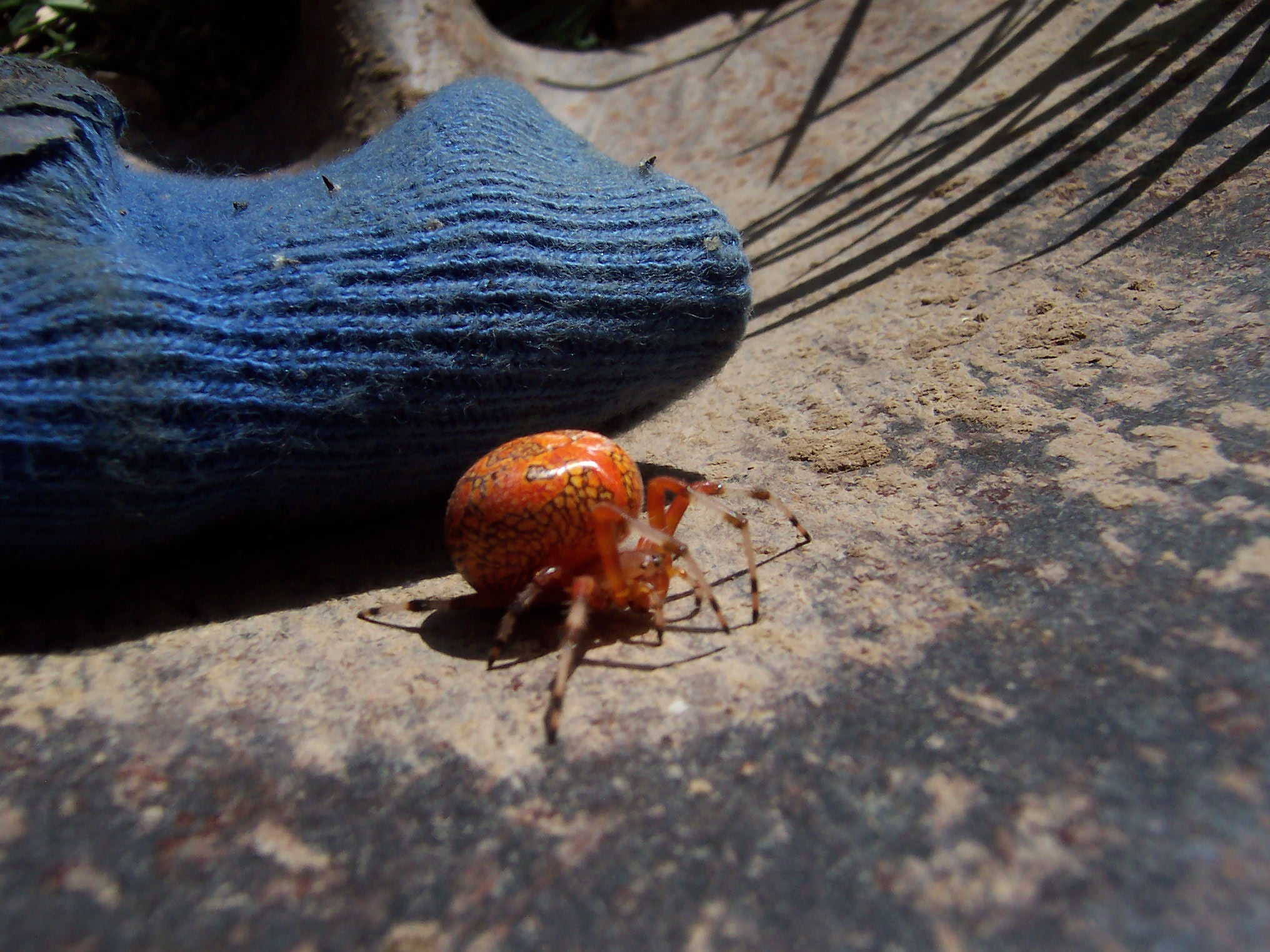
Consider the spider.

We appreciate spiders in our family. A large orb weaver lives just outside the front door. Every night when we take the dogs out before going to bed we pause to appreciate the intricate web she’s rewoven. It has a lot to teach us about strength, symmetry, impermanence and beauty.

I probably shouldn’t admit it, but a spider also hangs out on the ceiling of our pantry. Its continued presence means there are enough insects in the vicinity to keep it fed, which logically means there are that many fewer beasties getting into our potatoes, dry beans, oats and other stored foods. It has a lot to teach us about interdependence. I’m actually cheered to see it up there, a quiet brown chap making a life for itself high above my canning jars.

When we find the occasional spider elsewhere in the house we move it gently outdoors, unless it’s winter in which case we move it to a large potted plant. (I prefer spiders be relocated to basement plants but I suspect my family members free them in more conveniently located houseplants.)

No, our home isn’t teeming with creepy crawlies. It’s the same as your house. We’re all part of an ecosystem beyond our awareness. Our fellow Earth inhabitants proceed with lives of purpose everywhere around us whether we know it or not. As an example, beneficial bacteria reside in your gastrointestinal tract, contributing not only to digestion but overall health. These microbes outnumber the cells in your body 10 to 1, their types varying widely from person to person—perhaps accounting for major differences in weight, energy and wellness.

No amount of clean living sets us apart from the wider ecosystem we’re in.

It’s easier to think of nature as “out there” in the pristine wilderness. But we’re a part of nature every moment. It is air we breathe, plants we eat, birdsong we hear, weather slowing this morning’s traffic, our very cells dividing and yes, that high pitched whine signifying a mosquito is hovering nearby.

Tiny creeping and flying things around us are the creatures we’re most likely to encounter, reminders that we share our ecosystem with others. It’s even possible to notice them with pleasure.

My kids particularly appreciate spiders so we pay closer attention to these creatures. I don’t know much about arachnids, but what I learn through my offspring helps me to see more complexity, beauty and worth that I could have imagined.

I think it’s easier to pay attention when we keep the joyous curiosity we’re born with but it’s possible to recapture it, to expand it into awe at the wonders everywhere around us.

Consider making a nature study of a something nearby. A tree’s lifecycle through the seasons, the activity around a wasp nest in the eaves, the behavior of birds at a feeder. We’ve learned some techniques for the amateur naturalist from Lyanda Lynn Haupt’s wonderful book Crow Planet: Essential Wisdom from the Urban Wilderness.

  1. Learn names, proper as well as colloquial. Learn details about habitat, health and interdependence with other life forms.
  2. Have patience. The practice of seeing, really seeing, takes more than time. It also takes cultivated watchfulness.
  3. Respect wildness.
  4. Cultivate an obsession. Let questions unfold into more questions and whenever possible, find a community of fellow enthusiasts.
  5. Keep a notebook. Writing observations and making drawings are wonderfully wider ways to learn.
  6. Maintain a field trip mentality. Keep up your observations wherever you go.
  7. Make time for solitude.
  8. Stand in the lineage. Vital knowledge has been gained by a long history of people no different than you, people who let the world around them teach its wonders to those whose eyes are open.

*

*

*
Anyone Hear A Horn Tooting?

book release, free range learning, hope, peace, natural learning, sustainability, I’ve been filling this space with hope, concern, peace and some attitude.

When I come across little-known books , music, documentaries and new research it’s a pleasure to share them.

I admit to feeling bashful when my publisher insisted I establish this site.  Sure, the net is teeming with people shining spotlights on themselves but I was raised to be polite and avoid attracting attention.  Not that I’m a credit to my upbringing. I’m too opinionated and sarcastic to qualify as polite. I’d be happy to avoid attracting attention but I can’t help it due to problems with gravity and a history of being attacked by vegetables.

But I know this site is a way of extending the work I do as a writer. Except…. I haven’t posted anything about my writing!

Well, I’m giving that a go right now.

That’s because today is the release date for my book. It’s titled Free Range Learning: How Homeschooling Changes Everything. What’s it about?

Free Range Learning celebrates the promise found in each person’s abilities and interests. It emphasizes community enrichment, connection to nature, purposeful work and much more.  This handbook on educating the whole child provides a wealth of ideas and resources that help to preserve curiosity, awe and intellectual vigor as lifelong attributes.

Free Range Learning doesn’t shy away from data. It cites research by neurologists, child development specialists, anthropologists, educators, historians and business innovators. And it offers insights and experiences shared by over 100 homeschoolers from around the world.

The book also takes a look at the impact of our educational choices. It asks the reader to consider alternative education as a cultural shift that is redefining success and reshaping the future of schooling. Free Range Learning asserts that innovative and ethical young people who are accustomed to critical thinking will be the best equipped to meet the challenges of our changing world.

Attention given the book hasn’t risen to a thunderous clamor by any means. I did enjoy two recent moments of attention, for the following reasons:

Participating in Writer’s Read gave me a glorious opportunity to promote the work of other authors (click “read on” to see all five books I’m reading).

And Campaign for the American Reader’s Coffee with a Canine let me talk about my hound friends ( click “read on” for photes and details).

If clamor erupts, I’ll share links to reviews (and rants too) on the main page. Right now you can find endorsements, an interview and a few articles based on the book.

Free Range Learning is published by Hohm Press, a wonderful independent press committed to books promoting harmony and integrity for the last 35 years. They don’t, however, do anything in the way of marketing.

So it’s up to me. I want this book to do a world of good. I’m trying to get the word out to people interested in educational alternatives, community enrichment and natural parenting. That may include parents, educators, administrators, policymakers, sustainability groups, homeschool groups, anyone who might be open to more holistic learning . If you are inclined, please help me spread the word.

And stay tuned, a book trailer is in the works!

*

*

*

Image courtesy of Fantasy Stock

Race to Nowhere?

Most mornings of their lives my kids have slept until they were ready to wake and then curled up on the couch to read until they felt ready to leap into the day. They’ve delved into topics of interest to them, sometimes in great depth. They’ve explored, wandered and spent time with people of all ages. They’ve never had homework or tests. (Well, till they hit driver’s license exam age.) They’ve worked hard at chores because it’s necessary to keep our small farm going  but never had to work hard to look a certain way or fight for popularity. They’re a relaxed, confident bunch who define success on their own terms.

Homeschooling gives them time to grow into their own possibilities. Time to develop inner strength. Time to be themselves in a world that relentlessly pushes children toward narrow definitions of success. Apparently it also gives them a break from the crushing pressure portrayed in the documentary Race to Nowhere.

As one expert says in the documentary, “When success is defined by high grades, test scores and trophies we know that we end up with unprepared, disengaged, exhausted and unhealthy kids.”

Today’s current methods of schooling, despite noble intentions, work against curiosity, creativity, critical thinking, close relationships, community connections and a culture of collaboration.

Natural learning isn’t just the antidote to this kind of soul-crushing pressure. It’s the way young people have learned throughout time. It’s time to redefine success on our own terms. Let our children sleep in. Let them dream. Let them wake to their own possibilities.

*

*

*

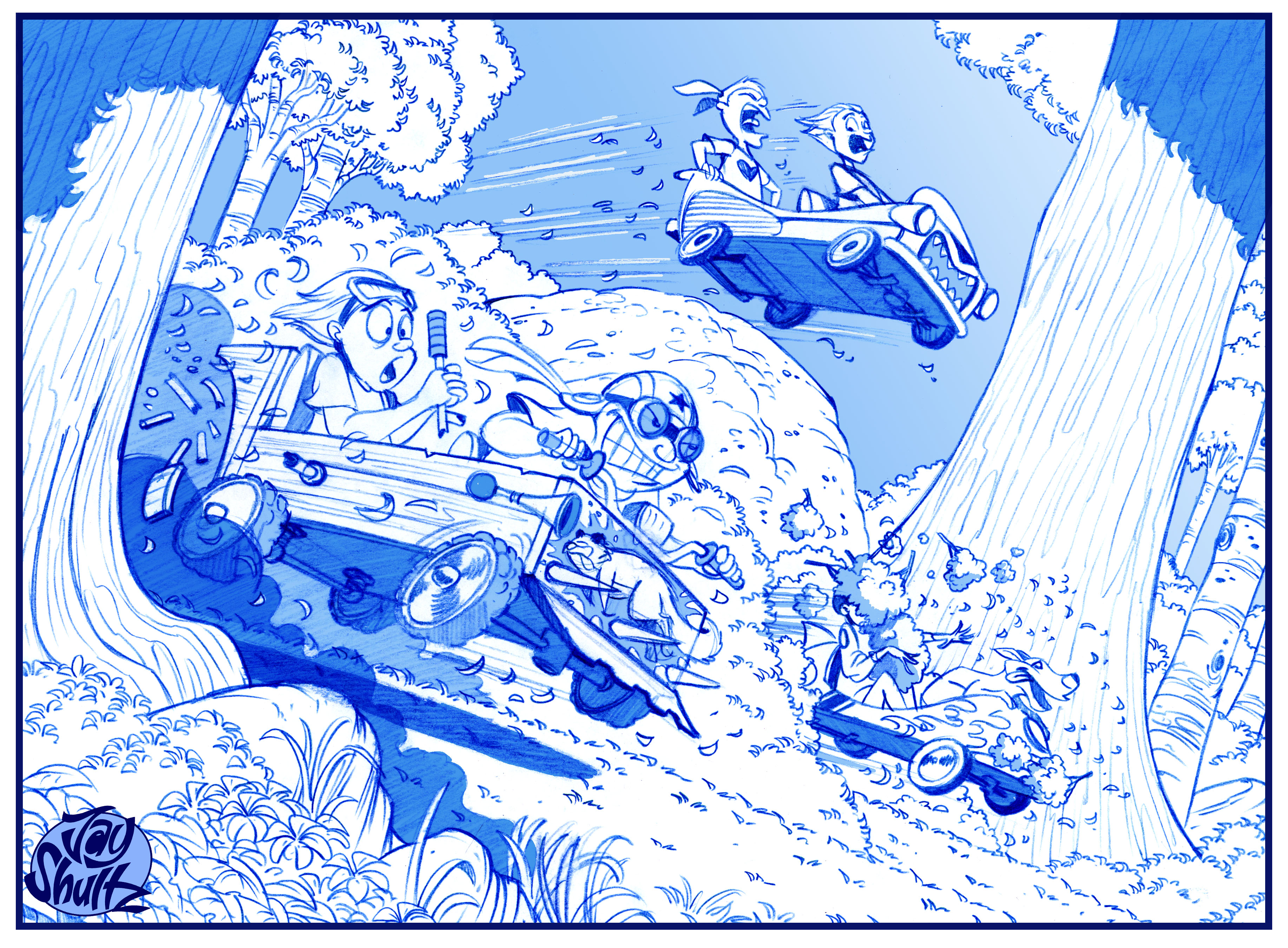
Image courtesy of Jay Doodles

How to Raise Global Learners

raising global learners

Living on a farm we don’t have the time or the means to travel. But we want our children to be global citizens. We want them to truly understand how fully they are linked to their fellow beings on this beautiful blue green planet.

When they were small we read stories, ate the foods, played the games and celebrated festivals from far-off lands. As they got older we paid close attention to a rich variety of in-depth materials that helped us discover the global fibers that run through history, art, science, literature, really through any field of interest.

More than any materials we introduce, the connections my kids find most pivotal are those they make on their own, person-to-person across any distance. For example, one of my musician sons got interested in acoustics. He joined special interest forums to talk with fellow aficionados around the world about technical details of repairing historic microphones, the artistic nuances of found sound recordings, and other topics. Friendships developed. Now they converse about everything from politics to movies. Some day, when he travels overseas, he plans to take them up on their offers to stay in New Zealand, Finland, Brazil and elsewhere. Already he’s visited friends made online in the U.S., finding the rapport they developed holds fast in person as well.

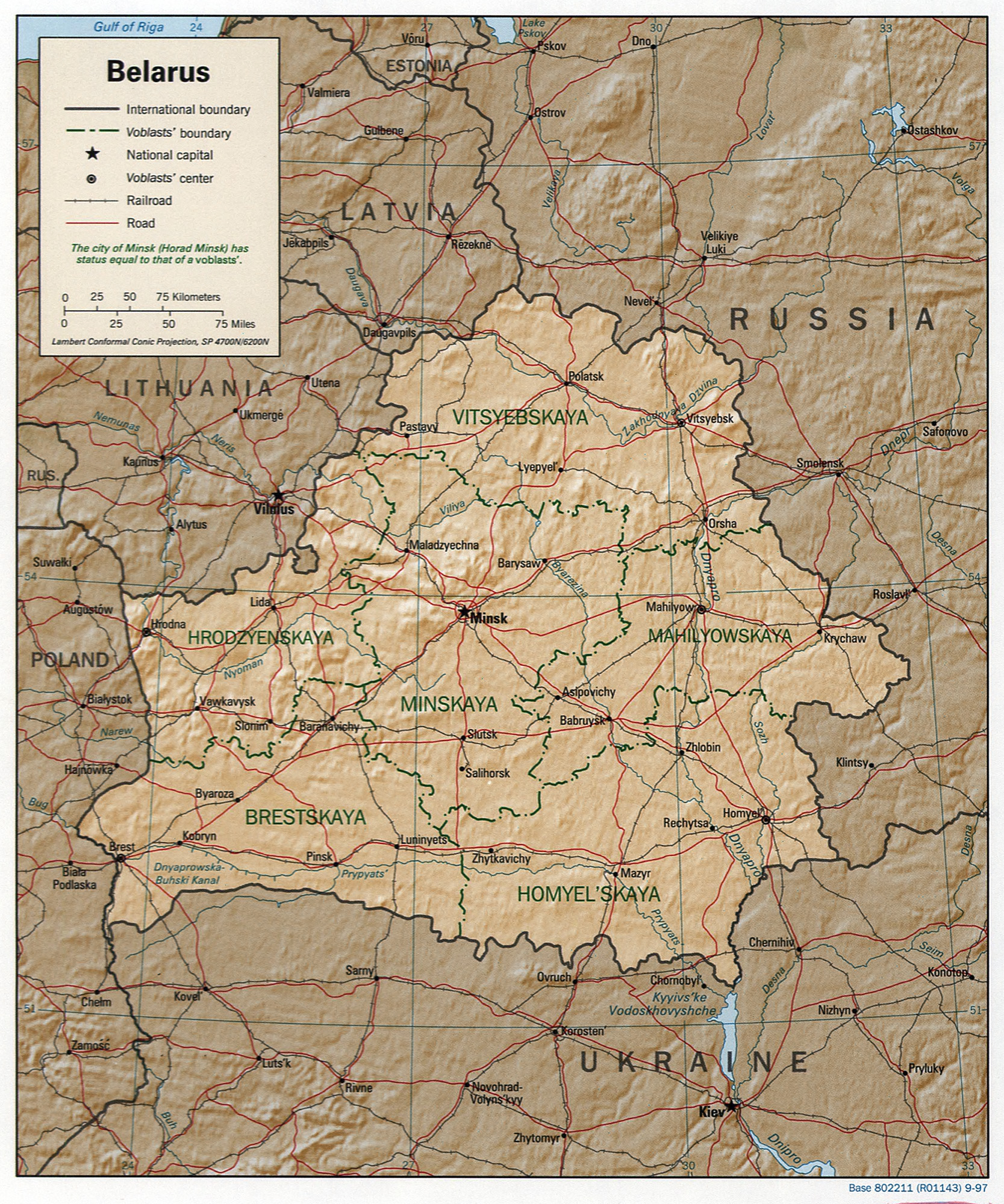
Perhaps the most important connections any of us can make are lasting, caring relationships with people who live far away. For our family, one of the most enduring relationships we made was with an effervescent girl from Belarus named Tatiana. She came as part of the medical program Children of Chernobyl. Even in her first week here, the strength of her personality more than made up for the few words of English she knew and our poor pronunciation of Russian words we thought we knew. Tatiana was horrified by my vegetarian meals, refused to participate in the activities my outdoor-loving children preferred and let us know that she hadn’t traveled so far to live like a peasant. She wanted to be entertained! Like anthropologists to our own culture, we explored shopping malls and tourist sites, we bought kids’ fast food meals for the prizes and went to amusement parks rather than wilderness areas. Tatiana displayed her brilliance in many ways, typically beating any of us at board games we’d played for years and she’d just learned. Tatiana lived with us for five summers. She became a member of our family, a family which feels to us as if it extends to Belarus.

Each connection made of understanding and caring warms our planet—but in a good way. Which leads me to recommend two new books about raising global citizens.

Growing Up Global: Raising Children to Be At Home in the World by Homa Sabet Tavangar is packed with enrichment ideas, games, service activities and resources to help raise children with the world in mind. Here are five great ideas from Tavangar’s book:

*Boost cultural understanding and fun by listening to pop music from around the world.  (I suggest using online translation to figure out the lyrics.)

*Talk about the origins and trading routes of products used every day in your home. Try tracing back a chocolate bar or t-shirt.

*Discover what foods are said to heal common health conditions. Lime juice in armpits is recommended in Paraguay to solve odor, ginger and green onion tea is recommended in China to cure a cold.

*Learn about practices for welcoming newborn babies into the family and community. Consider adapting customs to commemorate a new arrival in your family.

*Make humanitarian work a family affair. It’s possible to extend benevolent choices even to the search engine you use. Try http://www.ripple.org where 100% of search revenues help alleviate urgent global issues.

And for a vigorous “go there” perspective, give The New Global Student: Skip the SAT, Save Thousands on Tuition, and Get a Truly International Education by Maya Frost a read. A cure for any but the worst helicopter parents, Frost shows how learning in other countries best prepares today’s teens for the real global workplace. That means choices resulting in self-reliant, confident and bold adults.

Here are five great perspectives from Frost’s book.

*Stories throughout by young people who live and study abroad. Frost calls them “bold statements” and they offer invigorating examples of what travel can provide.

*Why Rotary International Youth Exchange program www.rotary.org offers the best exchange programs. Frost says it has to do with the network of volunteers around the globe providing support to families and students, the affordable price and the commitment to humanitarian work.

*The stage of life between fifteen and twenty, when pivotal life skills are being developed, the reach of our young people tends to be limited. As Frost writes, “They zero in on the fit of their jeans rather than on the fit of a cultural identity within a larger population, and they devote hours to enhancing the clarity of their skin instead of the clarity of their thinking. They are digging into a plate of pettiness because that is precisely what we’ve served them. They deserve–and are ready for–so much more.”

*How to arrange study abroad credits outside of university affiliated programs for more freedom and frugality.

*Ways to connect with helpful people in countries around the world.

*

May your children become global learners. May our shared home be one of peace and goodwill.

Our Kid’s Pursuits Are Their Own

Snake wrangler, computer geek, vintage auto restorer. These are a few of the identities one of my sons tries on as he masters areas of interest to him.

He used to patiently stalk alongside our creek and behind the woodpile to find snakes. He didn’t hurt them or even keep them for more than a few minutes. I’m not sure even now what the object was other than a pursuit of something that fascinated him. He brought many of his captives up to the house where we marveled at them before he released them. Personally I prefer to marvel at snakes from a healthy distance but I can squelch the shivers when necessary. He didn’t just wrangle snakes, he also studied huge reference books about snakes, drew pictures of snakes, talked about snakes. Then one day he moved on to other interests.

Mostly out of necessity he put together his first computer from cast-off parts. That started a new obsession: bettering computer operations. He became particularly intrigued by the cooling systems. I listened, or at least kept my head swiveled in his direction, as he gave excruciatingly in-depth explanations about cooling system modifications and the resultant effect on computer efficiency. He taught himself so well that he’s still paid to fix our friend’s computer problems, both software and hardware. Sometimes he shakes his head sadly at how poor cooling compromises these systems.

He became interested in auto restoration before he was old enough to drive. Using money earned by shoveling manure from horse stalls, he bought a 1973 Opel GT. He clearly relished the time and mess it took to carefully tear nearly everything out of the car. Now he is in the rebuilding phase, his progress limited to what parts he can afford.  He shares details with us at the dinner table and tracks each step with friends on forums. The day his little Opal is roadworthy I know that acclaim will come from friends, family and forum pals all over the world.

My husband owned his own computer business and has always fixed our cars, but he recognizes (sometimes to his chagrin) that our son prefers to go his own way as much as possible. In fact, when a question about computers or cars comes up it doesn’t always stay in the realm of consultation. It’s just as likely to become a spirited debate. That’s the nature of young people as they prove themselves, and we try to understand. (That is, as long as the tools are put away.)

We’ve noticed that eager parental encouragement doesn’t always translate to more eagerness on the part of our kids. Sometimes we like a hobby, lesson or interest much more than our kids do. Sometimes, even when they’re winning awards, they don’t want to continue. Or perhaps our excitement has put a damper on the pursuit. As our kids get older this becomes more evident.

We’ve learned our kids’ interests are their own. There’s no real value in forcing, cajoling or otherwise pressuring a young person to stay with an endeavor that has lost its allure. Kids in our house have to stick with chores and other work obligations, not interests.

Child development expert David Elkind notes in The Power of Play: Learning What Comes Naturally it’s a misconception that children should “stick” to a pursuit once they’ve started in order to build better staying power for adult challenges. As Elkind writes, “The common assumption that commitment transfers from one activity to another is wrong.”

Making sure that a young person pursues interests for his or her own reasons, not the parent’s, keeps motivation alive and passion genuine. Research backs this up.

Sure, we can foster our children’s enthusiasm with our approval and guidance when necessary. But we can also show them by example. We can pursue our own interests with the kind of joy and fervor that can’t help but inspire. That’s my newest excuse for my own art projects. I’m not making a mess, I’m providing a good example!

What Do You Do Every Day?

What do you do every day?

That’s what people wonder about homeschoolers. Sometimes they ask us point blank, “Okay you homeschool, but what do you DO every day?”

It seems like a huge mystery that we self-compose our days, living and learning without the structure school imposes. And yes, sometimes we ask each other too because it’s too easy to get in a rut, especially when we operate from a limited concept of what it means to educate.

It’s a blessed relief to happen upon accounts of other family’s homeschooling days in Home Education Magazine as well as books such as Real Lives: Eleven Teenagers Who Don’t Go to School Tell Their Own Stories by Grace Llewellyn, Homeschooling: A Patchwork of Days: Share a Day With 30 Homeschooling Families
by Nancy Lande and Homeschool Open House by Nancy Lande. Our grasp of the possibilities expand as we read each person’s perspective. We see that every homeschooling family flourishes somewhat differently. That is a freeing revelation.
The blog Homeschooling is Freedom is another place to glimpse tantalizingly different answers to “What do you do every day?” Here you can find new and archived interviews with homeschooling families. Through four simple questions, Debbie H.’s blog highlights the wonderfully flexible and enjoyable ways we learn in our own ways. Click here for some appalling revelations about the Weldon family.

*

*

Creative Commons image from Sean Dreilinger’s Flickr photostream

Calling Out the Buccaneer-Scholars

a

The word buccaneer is woefully underused. It’s vibrant, bringing to mind all sorts of lively images. Apparently, buccaneers in history were, aside from the pillaging, remarkably progressive. According to The Invisible Hook: The Hidden Economics of Pirates by Peter T. Leeson, pirates made use of constitutional democracy 50 years before the United States did so. They also regulated behaviors such as smoking and drinking, compensated their injured workers, and assured greater racial and class equality than could be found as law-abiding mariners.

Some believe that modern-day pirates are also, beyond the violence of hostage-taking and ransom demands, acting on a desperate need for greater global justice.

I’ve been ruminating every which way about buccaneer living ever since reading James Marcus Bach’s book, Secrets of a Buccaneer-Scholar: How Self-Education and the Pursuit of Passion Can Lead to a Lifetime of Success.

Bach is now an internationally recognized expert in software testing. He’s a self-taught man who thrives except when caged by conventional expectations. School and other strictures made him an angry youth. He got into so many fights that his mother and stepfather sent him off to a motel room, where he lived on his own for two years. There he learned to program his computer and skipped as many high school classes as he could before dropping out at age 16. He describes his education this way:

“I watched a huge amount of television and read a lot of science fiction and fantasy novels. I started lots of things I never finished. I purchased books I didn’t read. I daydreamed. I brooded. I wasted time in lots of ways. I also loved arguing, and learned a lot about logic from arguing. I honed my skills in early online bulletin board services, before the invention of the web. This aimlessness would become important later on, when I was introduced to general systems thinking, which is all about the underlying patterns that connect apparently different things.”

Bach’s own son tired of schooling after sixth grade, so now Oliver is an unschooling teen, which means in their family, “…we treat Oliver as a sovereign and trustworthy individual in all aspects of life, not just education.”

This philosophy dovetails perfectly into Bach’s concern with finding unifying patterns and consistencies in a society oriented to separations and justifying distinctions. As he says, “When I deal with my son I can’t tell him to turn off his moral judgment while I use threats to scare him into learning what I wish him to learn. He’s learning about morality and ethics continuously as he experiences the world around him.”

This buccaneer is also a man of wisdom. A passage from his blog deals with his stepfather’s long-ago attempt to comfort him. Bach writes,

When you speak to your child, and you feel that he is not listening, maybe he isn’t. When you speak to him and you suspect he’s silently ridiculing you, maybe he is. When the gift of your advice or sympathy fails in every way to touch him, and you believe yourself a failure, maybe you are. For now.

Bide your time.

Just imagine the man he will be, someday. His now subtle and caring mind clambering back through his life, looking for support in the events that shaped him– just imagine how he’ll come upon your words. The gift you tried to give. Faded on the outside, yet vital still inside, it will open like a blossom. Even thirty years later.

Thanks Jon.

When you speak to your children today, you are also speaking to every day of their future selves. Parenting is outside of time. Take care and take heart in that.

Bach gives us a great deal to think about. I’m ruminating about ways we tend to suppress the natural buccaneer spirit.  I’ll be trying to more fully enjoy the vibrant, difficult, ornery and completely unique people in my life who have blessedly held on to the buccaneering approach.

Two wise people in my life who are buccaneers as well as scholars.

Two wise people in my life who are buccaneers as well as scholars.

Edible Knowledge

cherrytomatoes Living on a farm we can’t help but be connected to the food on our table. We’re by no means perfect when it comes to eating locally. We’ll never come close unless chocolate and coffee start sprouting up in Ohio.

While more of us are paying attention to adopting better habits for our own health and planetary health, it’s easy to overlook the vital and wondrous learning that is directly related to food. For my family, those lessons often have to do with shared experiences.

~Many years we head out to pick apples together on a bright fall day. After an indulgent week of eating and baking with as many apples as possible, we devote a day to applesauce. We cook the remaining bushels of fruit down, cranking Grandma’s Victorio strainer that pushes with sauce out one side and pulp out the other (pulp eagerly eaten by the chickens), then can jars of applesauce to eat all winter long.

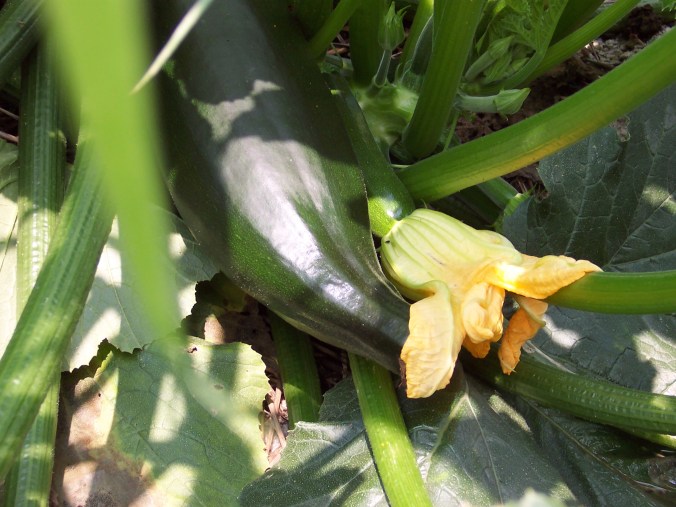
~We have encouraged each child to choose his or her own “crop” to plant and tend in the vegetable garden. Harvesting and sharing the bounty of one’s own fresh green beans teaches the satisfaction of work right along with lessons in botany and soil health.

~We try recipes from around the world, not only while learning about other cultures, but also because we freely trade garden bounty with friends, and have to do something with unfamiliar herbs, roots and fruits.

~We visit nearby farms. Observation and conversations with those who live on the land have been instructive, teaching us practices we want to emulate and those we hope to avoid.

~We eat meals together every day. Cooking frugally by choice as well as necessity has brought us myriad conversations about health, trends, politics and defining worth for ourselves. Of course our meals also precipitate family humor related to home ground grains that result in breads darker than wet cardboard and yes, we’ve had one or two loaded spatula chases around the kitchen. Oh wait, that didn’t involve the kids, just me thinking it might be funny to fling frosting at my husband.

~Unintentionally we learn by making plenty of mistakes. Ordering 25 pounds of organic buckwheat from the food co-op before knowing if anyone would eat it, raising our first flock of turkeys on faith more than fact, repeatedly attempting to make cheddar cheese although we can’t maintain the temperature needed to age it, well, this list could go on.

10 Things We Should Teach Every Kid About Food, recently posted on Every Kitchen Table, offers a handy list of important food-related categories to explore with our children.  The ideas are important and too often overlooked, such as the precepts of the industrial food system and the insidious effect of food advertising.

Here are some related resources:

Improve School Lunches With Locally Grown Food This article offers information plus strategies to bring positive change to your school district, whether you have children in school or not.

Don’t Buy It A non-profit site with learning games to help kids evaluate and analyze media messages.

I Buy Different A website sponsored by New Dream and World Wildlife Fund with tools to help tweens and teens be, live, and buy differently to make a difference.

Roots, Shoots, Buckets & Boots: Gardening Together with Children

I Love Dirt!: 52 Activities to Help You and Your Kids Discover the Wonders of Nature

What are some ways that learning, growing and eating work best in your family?100_5960