I Heckle, You Heckle, Let’s All Heckle

heckle, roots of word heckle, change the world,

I just got back from a workshop teaching us how to research injection wells for a citizen’s audit project. It’s boring and difficult. I’m appalled when I look closely at the data. I don’t want to do it, although I will because we’re currently mired in a struggle over fracking.

That may not be your issue but of course there are plenty of others that jab at our consciences. Drone strikes, refugees, melting polar regions and burning rainforests, poisons in our food, toxic tactics wielded by the powerful. The list goes on and on. We feel like screaming in the streets, but there are bills to pay and meals to make.

I haven’t thrown open my window to yell, “I’m mad as hell and I’m not going to take it any more.” But I want to affirm the heckling all of us do. These days the word “heckle” has entirely negative connotations. It conjures up images of rude people who interrupt performers and ruin the experience for everyone. Instead, lets hop on a wagon to the past where this word meant much more (as explained by Mark Forsyth in The Etymologicon).

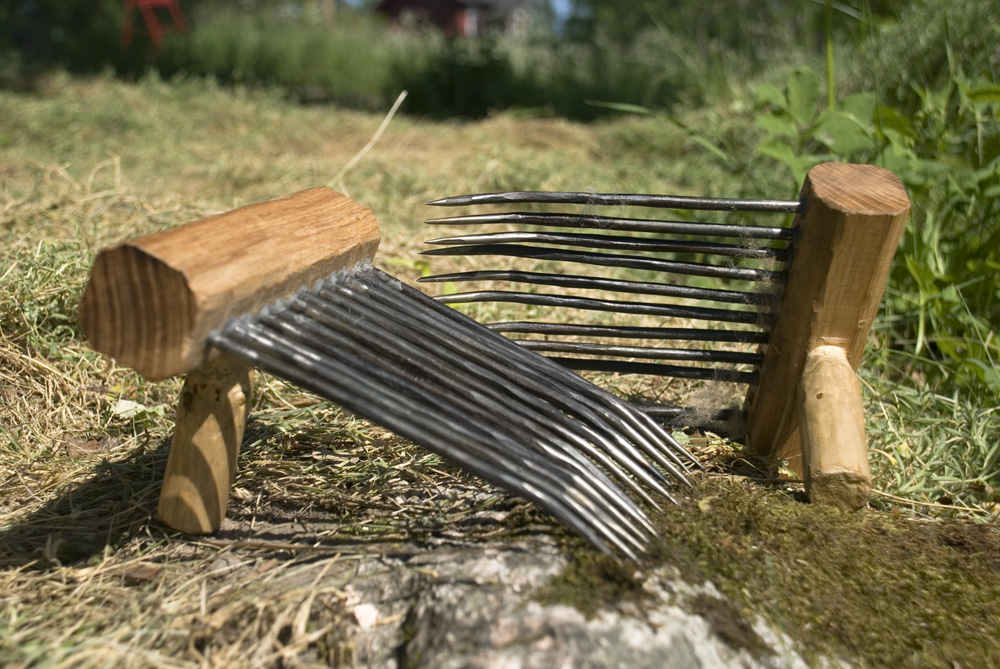
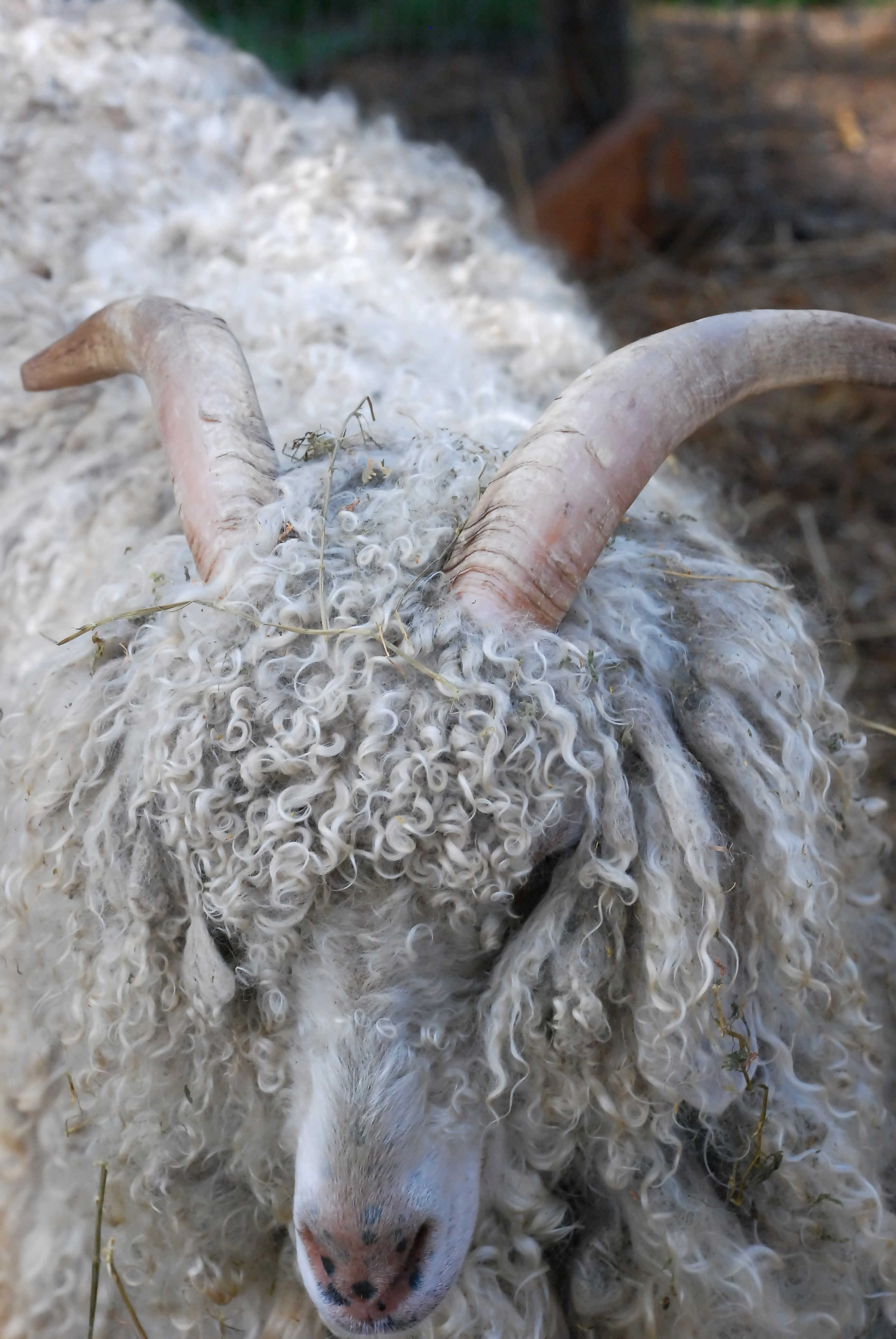
Heckling originally referred to the process of combing sticks, burrs, and knots from sheep’s wool so it could be spun into usable fibers. Sheep tend to ramble around without any concern for fleece-related loveliness, so this is quite a task.  People who did the combing were naturally called hecklers.

Back in the eighteenth century, the wool trade flourished in the town of Dundee, Scotland. Hecklers worked long hours together. In the morning as they set to work heckling, one of their fellow hecklers read aloud from the day’s news.  There was plenty to read, since this was an era when all sorts of publishers put out lots of newspapers, broadsheets, and handbills. The hecklers were thus well-informed in many subjects.

When politicians and power brokers of the day addressed the public, the hecklers combed over their speeches as thoroughly as they combed wool. They raised objections, pointed out contradictory facts, called people to account for their behavior. In other words, they heckled. These hecklers formed what would now be called trade unions, using their collective efforts to bargain for better pay and perks. They also stirred up awareness of worker’s rights while empowering ordinary people to speak up against injustice.

Hecklers were people who were knowledgeable and alert to hypocrisy. They were aware how easily something nasty can snag what’s useful into uselessness until it’s pulled free, no matter how arduous and smelly the process.

Heckling is a potent way to question the powerful. Over the centuries the term implied thoughtful questions from the audience which a speaker would answer before going on. In parliamentary proceedings it remains a method of engaging in open discourse with a speaker by someone who isn’t entitled to the floor.

Nearly everyone I know is actually a heckler. We’re well-informed. We care. We lean toward positive change, willing it into being by our words and thoughts as well as our actions.

The poet Lawrence Ferlinghetti joins other writers and thinkers who claim the masses are sheep, as he does in this evocative poem.

PITY THE NATION
(After Khalil Gibran)

Pity the nation whose people are sheep
and whose shepherds mislead them.
Pity the nation whose leaders are liars,
whose sages are silenced
and whose bigots haunt the airwaves.
Pity the nation that raises not its voice
except  to praise conquerors
and acclaim the bully as hero
and aims to rule the world
by force and by torture.
Pity the nation that knows
no other language but its own
and no other culture but its own.
Pity the nation whose breath is money
and sleeps the sleep of the too well fed.
Pity the nation—oh pity the people
who allow their rights to  erode
and their freedoms to be washed away.
My country, tears of thee
Sweet land of liberty!

With respect to Mr. Ferlinghetti, I disagree. His poem is packed with truth but it doesn’t acknowledge how these exact circumstances also propel people to deeper understanding and stronger commitment to change.

I see eyes opening. I see loving hearts broken by Earth’s sorrows, knitted back together with hope. I see the sort of consciousness rising that wakens more and more people.

We aren’t the sheep. We’re the hecklers.

social change, heckler,

Heckling combs. Image: nimpsu.deviantart.com

Odd Second Saturday Suppers

Odd Second Saturday Suppers, potluck inspiration, easiest party ever,

Image: 8o-clock.deviantart.com

The happiness glass fills when we spend time with people we love.  It’s startling and appalling to me how many friends I adore, but almost never see. When we do get together we can pick up right where we left off, laughing as well as diving into the deepest topics, yet we don’t make time to see each other very often. That’s just wrong. (I’ll keep myself from using the newest curse word although it applies here.)

Years ago we spontaneously invited friends over for dinner all the time. We hosted wildly silly kid events like BYOB parties (bring your own box) and pig pen parties. But lassitude set in after years of constant financial strain and the sadness of dealing with our parents’ last years. Lately I’ve been fighting back.

At the start of 2013 I decided to commit to a series of events at our house. I named them Odd Second Saturday Suppers. Last January I sent emails to a few friends who live nearby inviting them to potlucks here on the second Saturday of every odd month. That meant we committed in advance to hosting parties in January, March, May, July, September, and November. Because they were planned well in advance, I bypassed the vague “Oh we really should get together” intentions that are unlikely to happen. Here’s the invite:

Odd* Second Saturday Suppers

We’re starting a new tradition.

We are inviting friends to a regular gathering at our home for food, conversation, and simple relaxation. These will take place the second Saturday on odd months.

 I’ll send out reminders at the beginning of those odd months. We’ll provide an entree or two. Bring something to share if you can: beverage, appetizer, side, or dessert. Not sure about the time, I was thinking around five-ish but let’s stay flexible. Different months may offer different possibilities. You are invited to all but of course, come to the ones that best fit your schedule.**

 We also welcome new friends, so feel free to bring along a guest or two.

 Here are the dates:

January 12th

March 9th

May 11th

July 13th

September 14th

November 9th

*Odd as in quaint, funny, unusual. Also odd as in unevenly numbered months.

**If you abhor the idea or plan to be busy every one of those Saturdays let me know and I’ll spare you the reminders.

Sometimes as the date got closer we didn’t feel ready to have a houseful of guests. But when the day arrived we were eager to see everyone. Each event has been slightly different. We’ve sat out back to enjoy a bonfire, we’ve played Cards Against Humanity, I even cajoled people into playing absurd outdoor games, but mostly we’ve focused on eating and chatting. Because these are potlucks there’s minimal fuss. (Also, my husband and kids are great about hustling in advance of events to straighten the house, mow grass, and generally help prepare.)

By the last scheduled Odd Supper we weren’t sure if we’d continue. Difficulties cropped up as they do—a house needing repair, a job lost, a refrigerator that no one wanted to clean even if the Queen herself might be arriving.  But really, it’s not hard at all. It’s wonderful. (I was kidding about cleaning the refrigerator, we don’t invite people who care about my semi-awful refrigerator.)

So in 2014 year we’re throwing the invite list open a little wider and asking friends from a little farther away. And they won’t all be Odd Suppers. I’m plotting that several dates will be art parties or adventures far from our little farm.

How are you fighting back against the forces that keep you from enjoying friends near and far?

For A Fresher & Juicier Experience, Mix It Up!

This doesn’t bode well. I’ve been talked into a day-long workshop and I don’t know where to go.

There are two large conference rooms at the Cleveland Marriott. Their doors open across the hall from each other. There are also two different groups convening today, but someone has neglected to post signs at either one.

Now, to figure out which group is mine.

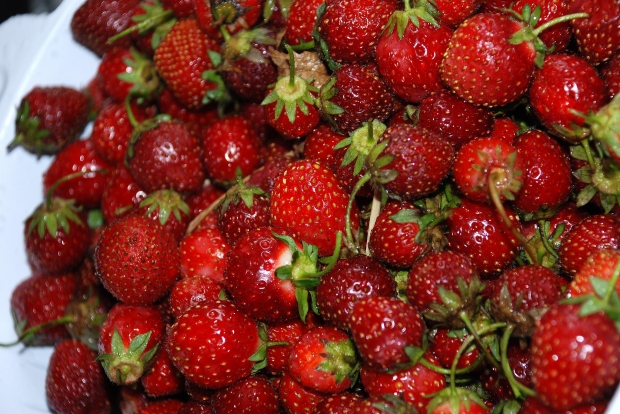
On one side waiters roll in carts of muffins, fresh fruit, and coffee. A tray of bright red strawberries passes tantalizingly close to me. I long to taste just one from the tray, but show uncharacteristic restraint due to the press of people entering that conference. Through those doors walk people who are impeccably dressed. Not only suits on the men but shined shoes, not only dresses on the women but elaborate hats. The attendees are all African-American.  I spy a few Bibles.  Seems to be an evangelical gathering of some sort.

On the other side there’s a lone table with water pitchers and glasses.  Folks are moseying in slowly. Their clothing is more diverse than their skin tone.  I spot Indonesian, African, and Japanese prints.  In front of me a man with long gray hair in a pony tail is saying something to a companion about “passing through a portal of enhanced energy.” I assume he is making an ironic comment about walking through such a blandly generic doorway, but he goes on to remark that this was the name of a workshop he’d attended in Phoenix recently.  Yup, this is my side of the hallway.

I find the friends who invited me and silently promise myself to sit still. (I’m not much for staying put.) Music starts, we sing, and I’m ready to have my consciousness raised.

I’ll give her this, the speaker is interesting.  She sets off my “Oh sheesh” meter a few times thanks to her quasi-scientific quantum physics references, but I already agree with what she’s saying. Each of us can be light workers who spread hope, and ultimately greater peace, through our daily words and actions.  We participate in group meditations, activating ourselves to take on greater responsibilities for uplifting others.  While not new, her message is certainly valuable.

But all that time we’re stuck in a meeting room. I don’t know how anyone can sit that long. I tend to wiggle and my mind wanders when my body is uncomfortable. I wonder how our brethren across the way are faring. When the fidgets get the best of me I excuse myself for a hallway ramble. I notice through open doors on the other side of the hall that those participants are also chair-bound, staring straight ahead with the glazed look that comes from hours of immobility.  Likely we are gathered in both conferences for similar purposes—-to enliven our spiritual lives and bring greater harmony to our bit of the planet.  And surely the experience is enriching.  But both meetings could be so much more if only we weren’t locked into a school-like format.

We humans learn as we make discoveries and face challenges. We learn by translating our experiences into story, song, art, into something created.  We learn through the wisdom of our bodies. We don’t learn as fully when passively sitting still and shutting up for long periods of time indoors. Opening conferences (and any educational venture) to more direct involvement lets the lessons sink in deeper, making whatever we’ve learned more easily applied in our real lives.

I’ve worked for years teaching non-violence techniques to teachers and community groups (and I hope making the workshop experience a lively one).  A key ingredient is finding common ground with those you perceive as dissimilar to yourself.  Connecting with others leads to rich possibilities.  The new combinations can be awesome.

Returning to my chair I can’t help but remember an old 80’s advertisement for candy.  Chocolate and peanut butter collide and find that together they are more delicious, creating a whole new confection that the world loves.

I imagine the doors to both conference rooms bursting wide open and the participants merging. Meditations combining with prayers.  Affirmations mixing with hymns. Our mutual dislike of sitting too long in these chairs turning into a joyous celebration that dances beyond the doors.  How much we all have to share with each other.

And yes, maybe I do imagine tasting those strawberries at last.

child

International Hosting: How Strangers Become Family

Children of Chernobyl, host a child,

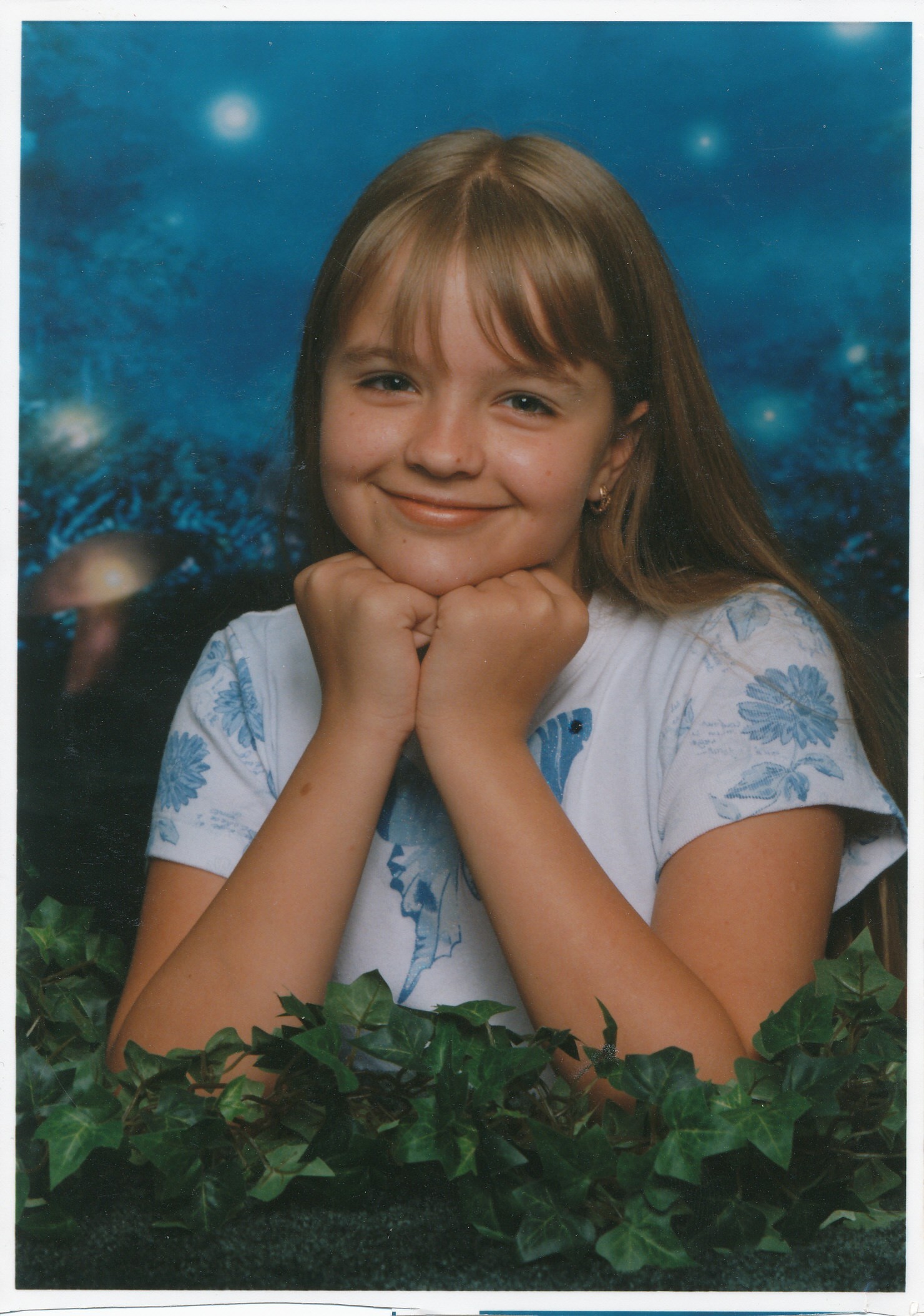
Tanya’s portrait.

“It’s a decision of the heart.”

Director Patty Knable sat at our kitchen table interviewing my family as potential hosts for the Children of Chernobyl Project.  It had taken almost two years to get the Ohio branch of this non-profit to consider us (based in Youngstown, they preferred families nearby). I hoped we passed muster.

The Children of Chernobyl Project brought kids each year from contaminated areas in Belarus to stay for the summer with host families. Vast amounts of radiation were released in the 1986 catastrophe at the Chernobyl nuclear power station. Radionuclides spread from the Ukraine across Europe, leaving 23 percent of the territory in Belarus highly contaminated. Food, water, even the dust exposed people to radiation. (It will continue to do so for countless generations.) The result? Much higher risks of cancers, genetic mutations, and other health problems. Getting kids out of that area for a few months each year to live with host families helped to boost their immune systems. We were told it had to do with eating uncontaminated food and getting medical care. Patty said extra happiness helped too.

I asked how she matched a child with a host family. She said it was hard to explain. She looked at the names of the children on her list, thought about the families who had applied, and let something past intuition guide her. “It’s amazing how it works out,” she said. “It’s a decision of the heart.”

A few weeks later we were told the little girl who would stay with us that summer was Tatiana, seven years old. We learned very little about her in advance other than she was an only child.

I knew she had to be a very brave little girl to travel thousands of miles away from home to stay with strangers, people who didn’t even speak her language. I knew her parents must be even braver. I wondered if I’d be able to muster the courage to send my children away if I were in the same situation. (Our home is closer to two nuclear power plants, along the shores of Lake Erie, than Tatiana’s family was to the ruined Chernobyl plant, so the consideration is important.) I’d long been driven to act in opposition to the splitting of the atom, but preparing to host this little girl felt entirely different than petitions and rallies and lobbying. It felt like simply extending a hand of friendship from our family to hers.

Finally the day arrived. We’d set up a bedroom for her with art supplies and puzzles, some new clothes, and simple wrapped gifts.  I’d ordered all sorts of Russian language kid’s books and audiotapes from the library. We’d hung a banner over the front porch with WELCOME in Cyrillic letters as well as English. And we’d prepared by learning Russian words and phrases. I even taped cheat sheets in the inside of cupboard doors so I could ask her questions like what she wanted for breakfast.

It was a long drive to the Youngstown airport, although nothing like the trip this little girl had been enduring. She’d been traveling with a group of other children and volunteers. The last leg of their trip would be in small aircraft flown by volunteer pilots. The tiny airport was aswirl with families welcoming kids returning for repeat visits. As each plane landed we stood at high fences watching their young passengers disembark. When seasoned host families,  carrying balloons and gifts, spotted a returning child they waved and screamed their names. Many planes landed before I saw a little girl with a honey-colored ponytail and a red baseball cap get off the plane. My heart leaped. I’d never seen a picture of her but I was sure this was our child.

When our names were finally called to the room where the children were waiting we were introduced to a different girl. Okay, I thought, my intuition was wrong. I knelt down to say privet to her. Just then she was pulled back by the volunteers, who apologized for the mix-up. Another girl was brought forward. The girl with the honey-colored hair and the red cap. Yes, my heart said, yes.

From the very first day this darling little girl’s personality shone brightly. She made it clear she preferred to be called “Tanya.” She told us, almost entirely through gestures, about her first plane ride by showing us that her seatmate Yulia cried for her Mama, that Yulia retched, that the stewardessa droned on in “angleesh.”

We thought we’d learned enough Russian to speak to her. We were wrong. But our pronunciation gave her something to laugh about, which helped. We spent a lot of time flipping through our illustrated Russian/English dictionary pointing and giggling at each other’s languages. My kids adored the Russian words she taught us (the belly button is called “poop”) and the Russian drinking songs she sang for us. That first night, thanks to library materials, we danced to the Hokey Pokey in Russian.

Tanya was horrified by my vegetarian meals, refused to participate in the activities my outdoor-loving children preferred, and let us know that she hadn’t traveled so far to live like a peasant. She wanted to be entertained!

Children of Chernobyl.

Amusing my new daughter from Belarus.

My scruples fell by the wayside. Like anthropologists to our own culture we explored shopping malls and tourist sites, went to amusement parks rather than wilderness areas, even bought some fast food meals. Tanya picked up English quickly. She displayed her brilliance in many other ways too, typically beating any of us at board games we’d played for years and she’d just learned.

She made friends in the neighborhood and particularly adored spending time with my daughter, her American sister. Her time here changed all of us, especially my four kids. She became a member of our family, a family that now joyfully extends to Belarus.

host a child, international hosting, homestay programs,

She stayed with us every summer until she turned thirteen.

That last summer she’d been hosted as many times as the program could allow. We did our best to stay in touch by sending letters as well as holiday and birthday gifts. We got a few letters back from her, each one ending with how much she loved and missed us and hoped we remembered her. Then those letters didn’t come any more. Finally she got computer access and got in touch. We learned she’d received none of our gifts the last few years and thought we’d forgotten her.

This year we managed to help her get a travel visa, not easy in a country like hers, and flew her here to stay with us. She’s a new university graduate now, a gracious and lovely young woman. She just left to return home few days ago. We can’t wait to visit her some day, to meet her parents and immerse ourselves in her culture. She’s a forever member of our family, a daughter of our hearts.

Children of Chernobyl, become a host, international hosting opportunities,

Our beloved Tanya, all grown up, enjoying one of our favorite restaurants.

Become a Host! 

I think we all need to love specific individuals in different places in the world instead of staying on our own little street corners. One way to do this is by hosting people in your home. You can do this informally, inviting far-off online friends or people you’ve met through other long-distance connections to stay if they come your way. There are also plenty of programs that bring people to your door, people who may very well become family to you in a short time. Here are a few ways.

Host a child:

There are many organizations with the name Children of Chernobyl operating in the UK, Canada, and the US, most with similar guidelines for hosting families.

Urban kids in the US are matched up with families living outside the city, where the kids stay for a week or two, via the Fresh Air Fund. This link is for the NYC program, but you may find one in your area. We hosted an engaging little boy through a similar Cleveland program, called Friendly Town, which no longer seems to be in operation. He came one summer, then a few weekends, but moved out of state before we could host him the next summer.

Exchange students are a lively way to connect. Some programs are short stay, others are a full school year. Check out well-established programs with support personnel in your area like American Field ServiceYouth for UnderstandingRotary Youth Exchange, or World Exchange. Friends of ours have hosted a high school student every year for the last 11 years. They stay in touch with these young people and their families, and have visited nearly every student in his or her home country.

Host an adult:

Check out groups you are affiliated with such as religious institution, charity, or club. Oftentimes these groups will need short term lodging for a speaker or visitor.

Welcome a visiting professional through the Fulbright Scholar Program. We know a retired couple who have opened their home for years to educators and researchers from dozens of countries around the world through this program.

Register with the AFS Intercultural Program to host young people performing community service or teachers doing foreign exchange service at a nearby school.

Sign up with the National Council for International Visitors. This organization connects visiting leaders from other countries to people in the community. You might welcome them for a meal, show them the highlights in your area, or host them for a few days.

Join Servas, the oldest of international exchange programs. You can serve as a day host or offer a homestay.

How To Learn From Experts

learn from experts, senior knowledge bank, skills clinic, DIY education, DIY homeschooling, cheap homeschooling, community learning, learn together, community apprenticeships, collaborative learning,

Image: drumminhands’ flickr photostream

Successful societies have always respected what the the wise can teach us. But it’s not easy to learn directly from people whose grasp of any subject well exceeds our own, in part because person-to-person learning is easily supplanted by online engagement.

I spend plenty of time staring at screens, yet I know from years of facilitating non-violence workshops that something important happens as we discuss, practice, and hone our skills together. Real learning is like a spark transferred. Going online is practically a reflex for us, but if our learning is confined there what’s lost is rich perspective and valuable hands-on experience.

If you know where to look you can find sculptors, farmers, astronomers, welders, storytellers, clock repair experts, and cartoonists right in your community. Let’s take my hometown of Cleveland as an example. I can learn glass blowing at the Glass Bubble Project, eviscerate and stuff a rat to look like a tiny tie-wearing butler during a taxidermy workshop at Sweet Not Salty, apply Brian Swimme’s cosmology to my life direction at River’s Edge, march with the Red Hackle Pipes & Drums band as I learn to play bagpipes from a former Pipe Major of Scotland’s Black Watch, let kids partner with working scientists at the Cleveland Museum of Natural History’s future scientist program, volunteer to rehabilitate injured birds at the Medina Raptor Center, and learn to make handmade books at the Cleveland Institute of Art. Museums, libraries, colleges and universities, cultural and ethnic organizations, recreational centers, and plenty of other places in your neighborhood are brimming with great workshops and classes for adults as well as kids.

This can happen more informally as well. As homeschoolers, we’ve found it doesn’t hurt to ask people to share a little of what they know. A steel drum company owner welcomed our group for a visit. He explained the history and science of drum-making, talked about the rewards and risks of entrepreneurship, then encouraged us to play the drums displayed there. A NASA engineer took us through a testing facility and showed us how materials are developed for the space program. A potter talked to us about the nature of clay, taught us how to form vessels on a wheel, then invited us back for the opening of his kiln to see our creations emerge.

We’ve spent days with woodworkers, architects, chemists, archaeologists, stagehands, chefs, paramedics, and many others. Despite offers of barter or pay, we’ve gotten all this expert instruction for free. People rarely turn us down when we request the chance to learn from them. Perhaps the desire to pass along wisdom and experience to the next generation is encoded in our genes. If someone possesses knowledge or abilities you’d like to gain, try asking. (Ask them to share their interests, not “teach” to get a positive response!) And don’t forget to look close to home. You might master pinochle while spending time with your brother-in-law, learn coding from your niece, gain new appreciation for fly fishing from your dad’s business partner, go bird-watching with your neighbor, and as we all know, learn more from your own kids than you’d ever imagined. I call these knowledge networks. Here’s how to activate yours.

Of course, there are plenty of platforms promoting person-to-person wisdom. Here are a few.

DIY and Maker movements have opened all sorts of avenues, with Maker Faires happening in more and more places. (Not in your area? Check out the Mini Maker Faire Starter Kit.) Find hackerspaces like NoisebridgePumping Station OneNYC ResistorTechShops, and Artisan’s Asylum. Or start your own hackerspace.

Trade School is a barter-based learning space, meaning you don’t have to pay to learn. You might barter for a class with a homemade pie or art supplies or research help. The founders describe it as “a global movement for community, connection, and educational justice.” The first Trade School was started by three friends in a NYC storefront in 2010. Now self-organized Trade Schools are opening up or running in places like Milan, Cologne, Virginia, Oakland, Singapore, New Delhi, and Paris. Want to start one in your area? Here’s how.

The Amazings offer non-traditional workshops and classes set up by ”amazings,” people over 50 with a passion to share what they know. Their site explains, “We want to make learning more fun, more friendly, more social, and more personal.” So far they have 45 people offering expertise in areas such as bookbinding, perfume making, foraging, carpentry, jazz guitar, philosophy, and corset making. The first branch is based in London, but they’re open to starting more around the world.

FreeSkools are created by participants. There’s no central organizing manifesto on one site or in one book. Some are informal gatherings to share knowledge, others are active networks meeting in parks, living rooms, and community centers. All are devoted to learning freely. You’ll find them in IthicaSanta Cruz, and dozens of other cities in the U.S., Canada, and U.K. Check out piece in Yes! about what to consider when setting up a FreeSkool.

Skillshare is like the eBay of localized education. You can learn what you want from someone in your community as well as teach others what you know. Some of the classes offered right now are Building Mobile Apps for Android Devices, Rock Poster Design from Concept to Execution, and Launch Your Startup for Less than $1,000. There’s a fee and many of these classes aren’t taught in person, but online.

The School of Life is teeming with great stuff. They feature secular sermons with big thinkers talking about big ideas. Classes by experts with titles like How to Be Creative and Finding a Job You Love. Bibliotherapy: basically book prescriptions custom-designed with your reading history, dilemmas, and desires in mind. The place is also teeming with activity beyond the sit still and think variety. There are engaging programs with transformative potential and weekend adventures developed by scientists, artists, and others. Oh, and what they call Utopian Feasts. So far there’s one in London with a branch opening in Australia. Not in London or Sydney? Start up something similar in your community.

Citizen Circles are small groups of people who meet to learn together for a limited period of time with an emphasis on collective learning and action. There’s no fee. Some Citizen Circle topics have included women as social innovators, systems dynamics, exploring indigenous knowledge, and design thinking. There’s plenty of information to help you start your own.

(un)classes are casual ways to meet and learn from local people. So far the idea has taken root in the San Francisco area. Any fees go to a designated charity and participants walk away with new knowledge as well as new connections. A recent class taught how to make gnocchi while benefiting the area food bank while another taught documentary photography while benefiting a scholarship program.

School of Everything, based in the U.K., connects those who want to learn with those who can share what they know. In Glasgow, for example, you can find instructors to teach you Mandarin, classical piano, acting audition techniques, hypnosis, and the tango. Some instructors charge for classes, others do not.

Go ahead. Get your hands right in that dirt, clay, dough, or paint as you build your expertise. Feel the spark. There’s else nothing like it.

Image: drumminhands' flickr photostream

Image: drumminhands’ flickr photostream

Homeschool Worries: Erased With Research & Experience

school versus homeschool, homeschooling research,

I never planned to homeschool. I am the daughter, niece, and granddaughter of excellent public school teachers. I cheerfully volunteered in my children’s classrooms and worked on parent committees. I believed in doing my best to change a flawed system from within.

Yet I kept seeing school wasn’t a good fit for my children. Our four-year-old already knew how to read, but had to practice sight words in preschool anyway. Our sweet but inattentive second-grader was deemed a good candidate for Ritalin by his teacher. Our fifth-grader could do college level work, but due to cuts in the gifted program had to follow grade-level curriculum along with the rest of her class. Our freshman was an honors student but detested school, not only the hours of homework but the trial of dealing with a few teens who were harassing him.

We became homeschoolers overnight when those teens pulled a gun on my oldest in the school hallway, telling him he wouldn’t live to see the end of the day. School officials, who had done nothing to ease the harassment, didn’t even call the police. The next morning every reason I had to avoid homeschooling stared me in the face. So did my kids. They were eager to learn on their own terms.

Here are a few of the misconceptions homeschooling erased for me.

growth mindset, homeschool, children's self-regulation,

1. Education that counts happens in school. My kids were growing up in an enriching home. We read aloud every day and enjoyed wide-ranging conversations. We went to parks, museums, and plays. But I was raised to believe that formal education is something separate and measurable.

Still, I saw that my kids learned most eagerly when filled with the aliveness we call curiosity. That’s true of all of us: learning sticks when we’re interested. When we’re not, much of what we learn tends to become inaccessible after the grade is earned. Hard as it is to believe, studies show that that shallow thinking is actually related to higher test scores. (Maybe we acknowledge this reality when we prepare kids for tests by saying, “Don’t overthink it.”)

When we’re curious we not only retain what we learn, we’re also inspired to pursue the interconnected directions it leads us. I saw this the summer before we began homeschooling. My eight-year-old, the one who barely paid attention in school, was playing with balsa airplanes brought to a picnic by a family friend who piloted his own plane. Other kids gave up after the planes broke, but my son worked to fashion the pieces into newly workable aircraft. This gentleman showed him a few modifications and the unlikely looking planes flew. After that my son was on a quest. He loaded up on books at each library visit, telling us about Bernoulli’s principle, aviation history, and experimental aircraft. He begged for balsa to make models of his own design, each somewhat more sophisticated as he overcame earlier mistakes. The next time we met up with this friend my son was offered a ride on his Cessna. It was the highlight of his summer. His interest in planes eventually waned, but not the knowledge he gained. He’d taught himself history, science, math, and more importantly, shown himself just how capable he was.

His pursuit is what researcher Carol Dweck, in her book Mindset, calls a growth mindset. It’s the understanding that achievement comes from purposeful engagement, that talent and smarts are not fixed traits but are developed through persistence. A growth mindset is linked to resilience and accomplishment throughout life. That’s education that counts!

late reading, early reading, homeschooling,

2. Kids have to follow grade-level standards. I once thought homeschoolers had to follow conventional school standards. You know what I mean, if it’s second grade it’s time to learn about ancient Rome, multiplication, and adverbs. For my family, an overly school-ish approach never made sense. I can give dozens of reasons, but here’s one that springs to mind.

Kids develop unevenly. They may be way ahead in reading and struggle in math, able to make up imaginative stories but not coordinated enough to easily to write or type them. If they don’t advance evenly in school, quite a bit of attention is focused on where they’re lacking (extra help, easier and more repetitive work, labels, poor grades). But outside of school it’s easy to emphasize their strengths while other areas are mastered gradually without ever being considered “deficiencies.” This has a basis in current research which shows that children are remarkably good at self-regulating. They’re cued to ignore information that’s too simple or too complex, but instead are drawn to learn from situations that offer the right amount of challenge.

For example, it’s well known in the homeschooling community that many kids aren’t ready to read at five or six. Some aren’t ready until they’re several years older. In school that’s a crisis, because every subject is taught using reading. The child who can’t read not only grows disheartened, he also feels stigmatized. But as a homeschooler he remains immersed in a learning-rich lifestyle whether he reads or not because homeschooling is infinitely adaptable. Stories abound of homeschooled children who move quickly from non-reading to zipping through Harry Potter books once they’re ready. A recent study showed that homeschooled children whose parents don’t push them to learn to read, but instead emphasize the joy of reading, end up with kids who are avid readers no matter if these kids started reading early or late. In our family, we found our kids eagerly accomplished far more in a whole range of subjects over time. “Grade-level” expectations were, to us, limitations.
easy homeschooling,

3. The parent has to be teacher/coach/principal. Being a mother to my children has always been richly rewarding (okay, maybe not in the colicky phase). I didn’t want to take on other roles. Turns out I didn’t have to. We found homeschooling to be an immediate stress reduction. My kids got enough sleep, woke rested, and don’t have to rush through the day. Instead they had ample time for conversation, reading, indulging in art projects and experiments, finding the answers to questions, and going on adventures. Our live were guided by fascination, not bells. Much less control on my part was required.

I found that our cultural emphasis on adult-led activities is somewhat counterproductive. We assume children benefit from the newest educational toys and electronics, coached sports, lots of lessons, and other adult-designed, adult-led endeavors. Well-intentioned parents work hard to provide their children with these advantages although there’s limited evidence that all this effort has value. We do this because we believe that learning stems from instruction. By that logic the more avenues of adult-directed learning, the more children will benefit.

But studies show that a child’s innate drive to creatively solve problems is actually impeded when adults provide direct instruction. This experience is repeated thousands of times a year in a child’s life, teaching her to look to authorities for solutions, and is known to shape more linear, less innovative thinking.

Research also shows that a child’s natural motivation tends to diminish in adult-led activities. Unless they’ve been raised on a steady diet of ready-made entertainment, children are naturally drawn to free play and discovery-based learning. They make up games, daydream, pretend, and launch their own projects–freely seeking out adults for resources and guidance when necessary. They are naturally drawn to achieve mastery. My kids have shown me how motivated self-direction can go into high gear in the teen years. They’ve earned their own money by shoveling stalls, which they spent to buy and restore a vintage car, go on a month-long backpacking trip, and build a bedroom-sized recording studio. And they have stick-to-it-iveness, devoting years to pursuits like a bagpipe band, wildlife rehabilitation, farming, and their own intensive scholarship. Homeschooling has helped us foster a young person’s growing need for independence while providing useful guidance.

hands-on learning, homeschooling,

4. I can’t afford to provide a decent education. Like many new homeschoolers, I thought I’d have to replicate everything from music class to chemistry lab. I knew I’d never have the time, energy, or money. But we quickly discovered we can activate our own knowledge networks and that the community around us is filled with people eager to impart skills and knowledge to the next generation, almost always for free.  They’re found at ethnic centers, museums, libraries, colleges, churches, service organizations, plus clubs like those for rock hounds, ham radio enthusiasts, and astronomy buffs. My children’s lives have been illuminated by spending time with biologists, potters, engineers, geologists, entrepreneurs, archaeologists, organic farmers, model railroaders, meteorologists—the list could take up this page. People seem honored when asked to share a little of what they know. It’s sad that young people are customarily segregated from adults doing fascinating things right in their own communities, especially in the teen years when they so desperately want more role models.

We’ve also gotten together with fellow homeschoolers for countless field trips, enrichment programs, game days, clubs, and learning co-op classes. My kids have re-enacted Shakespearean duels, toured factories, sheared sheep, raced sailboats, learned chemistry from a Ph.D chemist, debated Constitutional challenges, competed in robotics tournaments, built a hovercraft of their own design, learned fencing, calculated the position of the stars, played with world-class musicians, and spent an afternoon with an astronaut after winning a science contest. All free or practically free. When certain subjects got really challenging we easily bartered with an expert or found a community college class to cover it. And we’ve saved thousands by relying on the remarkable resources of our library system.

Sure, I envy those homeschooling families who learn while bike riding in Ecuador or rambling through European castles. But I realize my kids haven’t missed anything despite my penny pinching, especially since surveys indicate two-thirds of school kids say they’re bored in class.   Deep scholarship and hands-on learning are simply another homeschooling perk.
homeschool socialization, peer segregation,

5. Homeschooling will deprive my kids of friends.  I realized the school day isn’t really set up for socializing, although we’d come to rely on school as a source of same-age friendship. Sadly, according to Beyond the Classroom by Laurence Steinberg,
less than five percent of school kids belong to peer groups that value academic achievement, while pressure from prevailing peers steer young people toward underachievement. Even high-achieving students, when asked, say they’d prefer popularity over academic success.  That comes at a price, because members of those lower achievement groups are more likely to demonstrate negative behaviors like conduct problems and drug use. Not the kind of influence parents expect.

And it turns out studies show homeschooled children have better social skills and fewer behavior problems than their demographically matched schooled peers. Homeschooling families also tend to be more active in the community. Initially it took me a while to get used to homeschool gatherings where kids hung out with a wide range of ages and abilities. Sure, they’re kids and not beacons of perfection, but I was pleased to see so much overall good cheer.

As for friends, my kids kept many of their school friends. They also made more as we widened our circle of acquaintances. Many of their new friends were around the same age but some were decades older, bringing perspectives shaped by widely varying experiences. They offered my children a route to maturity they couldn’t have found in school among kids similar to themselves. Their friends include a Scottish gentleman in his 70’s, a group of automotive restoration enthusiasts, a wildlife rehabilitator in her 60’s, fellow backpackers, people with differing physical challenges, Christians, Buddhists, atheists, Wiccans, well, you get the idea. These friendships happened because they had the time to stretch in all sorts of interesting directions.
homeschool success, homeschool misconceptions,

6. Homeschooling is an experiment. Like any other parent, I’m driven to provide my children with the essential ingredients that lead to life-long happiness and success. Late at night, unable to sleep, I’ve entertained my share of doubts. What if homeschooling will limit their chances?  I finally realized I was looking at it from too narrow a perspective. Schooling is the experiment. For 99 percent of all our time on earth, the human race never conceived of this institution. Our species nurtured children close to extended family, within the rich educational milieu of the community, trusting that young people would grow into responsible adulthood. Worked like a charm for eons.

Taking my kids out of school liberated them from the test-heavy approach of today’s schools, one that actually has nothing to do with adult success. Instead of spending over 1,200 hours each year in school, they could devote time to what more directly builds happiness as well as future success. Things like innovation, hands-on learning, and meaningful responsibility. That doesn’t mean I lost all my doubts. Some days, all right, months, I worried. It’s hard to unlearn a mindset

Now all four of my kids are in college or launched into careers. I sat at a recent dinner with my family, appreciating our closeness. My kids take on challenges with grace, react with droll wit even under pressure, and haven’t lost their zest for learning. We laughed as their lively conversation covered Norse mythology, caddisfly pheromones, zeppelin history, and lines from new movies. I’m not sure how much I can credit to homeschooling, but I know it’s given my kids freedom to explore their own possibilities. That’s more than enough.


Portions of this post excerpted from Free Range Learning.
40 Ways Kids Can Volunteer, Toddler to Teen

teen volunteering, family service projects, service learning, young children can volunteer, family volunteering, kid volunteers,

“How wonderful that no one need wait a single moment to improve the world.”  Anne Frank

When we make service work a normal part of our lives we don’t simply teach our children strong core values, we demonstrate these values in action.

Often volunteering isn’t “official.” A family does yard work and errands for a housebound neighbor. Or they compile information and pass out fliers to get a safety initiative passed through city council. Or they put on a garage sale and donate all the proceeds to benefit a local shelter. They are making the community a better place through their own efforts. The side effect? They give their children a wonderful dose of can-do attitude.

When families reach out to help others, their children learn that this is a natural response. After all, the word “humane” is a variant of the word “human.” The definition of “humane” includes demonstrating better aspects of the human character such as kindness and compassion and showing respect for other people’s views. The word used to define us also describes the qualities essential to forging a society based on mutual regard.

And science tells us that giving makes us happy, from toddler on up.

There are many creative ways to volunteer based on local needs and your child’s interests.

1. Regularly visit a “grandfriend” at a nursing home, assisted living facility, or in the neighborhood. Play card games, do crafts together, teach each other new skills, make up stories, exchange advice, and build a real connection.

2, Volunteer to deliver Meals on Wheels in your neighborhood, perfect for parent and young children.

3. Raise a service dog, typically a puppy training commitment of two years. There are many organizations. Here’s a partial list:

4. Grow vegetables and offer extra produce to people who don’t have space to garden, to new parents who don’t have time to garden, to a hunger center.

5. Set up a playgroup for babies at your local nursing home or assisted living facility. This is something I did, which started a family tradition of getting kids involved in the community.

6. Have little kids draw special pictures. Use these as wrapping paper, tucking inside them a piece of wrapped candy or silk flower, along with a note like “thanks for being so nice” or “you made my day.” Then keep these in the diaper bag and when you’re out together, stay on the lookout for a nice cashier, helpful librarian, or kind friend to hand out a surprise package. It cues kids to see goodness everywhere.

7. Let little kids offer popsicles to garbage truck workers. For more ways the smallest kids can engage in acts of kindness, check here.

8. Create ways to share with your neighbors, from a toy swaps to co-ops. Consult the Center for a New American Dream guide and any of the great guides offered by Shareable.

9. As a family or with a group of kids, develop a program to present at a nearby library, daycare, or community center. It might be a puppet show, play, or craft project. Or get your dance class, choir, or martial arts school to give a demonstration at such places.

10. Form a band or acting troupe with friends and give free performances.

11.  Make some no-sew dog toys for animals in shelters using inexpensive fleece remnants or old torn jeans. Use old blankets, pillows, or fabric remnants to make pet beds for shelters. Ask if you can volunteer to walk dogs. Raise funds to buy food, litter, and other items the shelter needs. And consider adopting a rescue animal. There are rescue organizations for all sorts of companions, from horses to hamsters.

12. Do errands, cook for or otherwise help out a someone dealing with an illness.

13. Pick up litter in your neighborhood or wildlife area. It’s safest to do this wearing gloves and using a pick up tool or a reacher. Put each piece of trash in a box or garbage bag, then recycle or throw away when you’re done.

14. Protect natural, cultural, and historical resources by volunteering for the National Park Service Youth Conservation Corps (age 16 and up).

15. Work on sets, distribute tickets, usher patrons to their seats, or perform for your local community theater.

16. Learn rehabbing skills while volunteering with Habitat for Humanity. Rules may vary, in our area older kids can volunteer along with a parent or guardian.

17. See if your local food shelter will let families work together to stock supplies in the facility. Or more directly set tables, serve beverages, and clean up free meals. If not, you can raise funds to donate food. We know a family that twice-monthly cooks an entrée for 15 people, along with several other families cooking the same entrée, so it can be served that evening at a free dinner offering.

18. Walk dogs, collect mail, shovel snow, or rake leaves for someone in your neighborhood who needs the help.

19. Serve as unofficial welcoming friends for immigrants who could use help navigating unfamiliar streets and who need assistance learning the customs and colloquialisms that aren’t in any handbook. Check to see if your area has a resettlement agency, immigration project, or faith-based program available.

20. Repair and donate such items as toys, household items, bikes, or computers.

21. Volunteer with Red Cross Youth Services through your local Red Cross branch. And make sure kids and parents take a CPR/first-aid course so everyone is ready to volunteer lifesaving services if necessary.

22. Write letters to deployed service members. For more snail mail ideas, check out 38 Unexpected Ways to Revel in Snail Mail.

23. Produce a neighborhood newspaper or e-letter.

24. Volunteer to help out with Special Olympics.

25. Connect with teens around the world through Unicef-sponsored Voices of Youth.

26. Certify your backyard, even your apartment balcony, as a wildlife garden through the National Wildlife Federation.

27. Greet new people on your street with a small gift such as a houseplant or plate of cookies.

28. Network with other young people working on causes and get small grants to fund your project through Do Something.

29. Certify your dog as a therapy dog to volunteer in hospitals and schools.

30. Form a Peace Jam club and work on positive projects together. (pre-teen, teen)

31. Adopt a town monument and keep it clean.

32. Volunteer to help your library run an Edible Book Festival.  For more library-related service ideas, check out Celebrate Hug Your Librarian Day.

33. Make treats and deliver them to your local police or fire station.

34. Volunteer as a family to help at a Ronald McDonald House in your area.

35. Make warm scarves to donate. Collect clothing, blankets, toys, disposable diapers, and personal care items and donate to homeless shelters.

36. Get involved with Youth Volunteer Corps.

37. Plant extra seeds and share the plants. You might set up a seed or a plant exchange in your 4-H club, church, or other organization.

38. Organize to build a playground in your neighborhood.

39. Earn a President’s Volunteer Service Award for your volunteer work. People of all ages can sign up, track their hours, and search for volunteer opportunities through United We Serve.

40. Earn the Congressional Award, which recognizes initiative by American youth in four self-determined goals areas: Volunteer Public Service, Personal Development, Physical Fitness and Expedition/Exploration. The award is earned individually or with friends, at one’s own pace. 

Portions of this post are excerpted from Free Range Learning.

  

Many More Ideas 

The Giving Book: Open the Door to a Lifetime of Giving

The Busy Family’s Guide to Volunteering: Do Good, Have Fun, Make a Difference as a Family!

The Kid’s Guide to Service Projects: Over 500 Service Ideas for Young People Who Want to Make a Difference

The Teen Guide to Global Action: How to Connect with Others (Near & Far) to Create Social Change

It’s Your World–If You Don’t Like It, Change It: Activism for Teenagers

A Kids’ Guide to Protecting & Caring for Animals: How to Take Action! (How to Take Action! Series)

77 Creative Ways Kids Can Serve

How to Be an Everyday Philanthropist: 330 Ways to Make a Difference in Your Home, Community, and World – at No Cost!

Playborhood: Turn Your Neighborhood Into a Place for Play

The Great Neighborhood Book: A Do-it-Yourself Guide to Placemaking

Build Community Using Bookish Goodwill

sharing economy, free books, little libraries,

You can’t have too much of a good thing, unless you’re averse to bliss. One of life’s Very Good Things, in my book (pun!) is the library. There’s a movement afoot to augment our public libraries with other ways of spreading bookish goodwill. This doesn’t just get books into more hands, it actually builds positive networks between people and strengthens our communities.

Roaming Libraries

One unique venture is BookCrossings.  Started in 2001, it’s a read and release method of sharing books. Once you’ve read and enjoyed a book, simply go online to print out a label, then leave your book in a public place like a coffee shop, hair salon, playground, or doctor’s office. The label assures others the book is free to anyone interested. The label also contains a code so readers can track and follow books as they are read, discussed, and released again elsewhere in the world. Currently over 8 million books are traveling through 132 countries.

Handmade Book Libraries

In the art world, hand crafted books of all kinds have long traveled on round robin circuits allowing artists to collaborate in making and appreciating these unique creations.

Handmade books are also released in limited runs to appreciative readers who share the works through lending programs such as the Underground Library in Brooklyn. Here experimental literature is bound using labor intensive traditional methods, then distributed to members who pass the book along to a dozen other people before it’s returned to the library.

Banned Book Libraries

Surely people have been sharing what authorities don’t want them to know long before information was stored on papyrus scrolls. Remember the parochial school student who stocked her locker with banned books, using a check out system and due dates to keep track? This may be an urban myth but we know full well when reading material is banned it attracts even more dedicated readers.

This is true even when real danger is involved. As Azar Nafisi described in her memoir, Reading Lolita in Tehran, after Ayatollah Khomeini banned Western influences she gathered students in her home to read and discuss books, some photocopied page by page, despite the risk.
Micro Libraries

Tiny libraries are appearing in all sorts of places. For example in San Jose four new libraries don’t have funding to hire staff.  Instead, volunteers run a Friends of the Library book lending program out of a small room in a community center.

In San Francisco, a few shelves in the Viracocha antique store have become a tiny library called Ourshelves which is “curated by local authors and readers eager to share their favorite works with fellow book lovers.”

Free-standing libraries, called Corner Libraries are popping up in NYC. These tiny buildings evade zoning requirements by remaining on hand trucks, usually chained to a stationery object. One is a four foot tall clapboard structure offering books, maps, even a CD featuring baby photos of world dictators. Another Corner Library, named the East Harlem Seed & Recipe Library, looks like a planter but has a drawer with seed packets and recipe cards.

Stranger Exchange boxes are also appearing, asking people to take or leave items of interest. In Boston the first such library, a repurposed newspaper box, has featured such items as CD mixes, hand drawn maps, batteries, party invitations, and artwork.

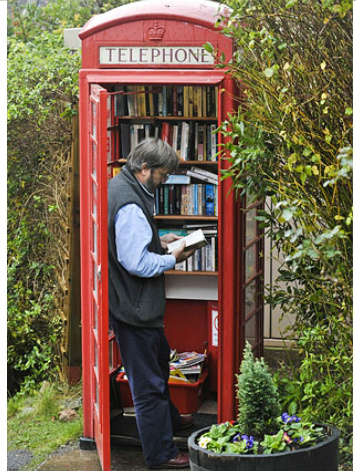
These free-standing libraries have a precedent in the UK, where a phone booth was turned into a 24 hour library,recently followed by a phone booth library in New York.

And a non-profit called Little Free Library aims to establish thousands of new libraries (no bigger than large bird feeders) all over the world.  It has inspired people everywhere, like 82-year-old Bob Cheshier, whose goal was to get little libraries outside of all 71 elementary schools in the Cleveland district. Teachers and kids loved him. He died recently, only partway to that goal, but the community is carrying on his vision.

The process is simple.

  • Figure out where you’d like to place a Little Free Library. A community garden, bike path, civic center, or your front yard?
  • Determine who will be the steward of the Little Free Library.
  • Decide if you’ll build it or order it pre-made to decorate as you choose. You may choose to endow it for someone else (tax deductible) or set it up to honor a certain person, place, or organization.
  • Build support. You may want to find business or civic sponsorship, host a design contest, and in other ways spread the word about your Little Free Library.
  • Contact Little Free Library to register your library on the map, get updates, and more
  • Enjoy. Encourage people to visit, keep it stocked, and watch how sharing affects your neighborhood.

I hope traditional libraries as we know and love them will always exist. They are vital, vibrant institutions ready to be an important part of every person’s life.

But these smaller exchanges actually enlarge our potential. They foster connections between us each time we share, lend, and collaborate. They’re another way of making our communities work.

More Community-Building Inspiration

Engage the Window Box Effect

Bring Kids Back to the Commons

Front Porch Forum

i-Neighbors

Better Together: Restoring the American Community

The Abundant Community: Awakening the Power of Families and Neighborhoods

All That We Share

community building through books, neighbor to neighbor, micro library, book sharing, birdhouse library,

It Really Does Take A Village

takes a village to raise a child, don't raise children alone, parenting in isolation, isolated mother, community supported parenting,

onurrus.deviantart.com


You’ve heard the African proverb, “It takes a village to raise a child.” You’ve probably also noticed slap backs like, “I’ve seen the village and it’s not raising my kids.”

If we actually consider the proverb we see the wisdom it contains. Throughout nearly all eras of human history, parents weren’t isolated from a supportive network of other people. Grandparents, siblings, cousins, and friends not only nurtured children, they made good parenting much easier. When a baby cried there were other arms to carry it or carry on the mother’s tasks as she nursed. When a toddler played there were other eyes keeping watch. When a child was ready to learn there were people available to show him how to fashion reeds into a basket, to fish in the river, to tan hides, to choose the right plants to make medicines. When a teen sought role models there were many to emulate, people who had been guiding forces her whole life. Children grew up with an invaluable sense of connection to kinfolk and community.

Today we don’t benefit from the educational richness of traditional village life where children can see and take part in the real work necessary to sustain life. Few of us live near extended family members. But we can foster the development of our own “villages” in at least three ways. Here’s how it worked for me.

1. Establish a supportive network.

When my first child arrived I didn’t know another soul mothering a newborn. Although my parenting and life choices were far different than my mother’s, I found myself calling her nearly every day. It was comforting to talk to someone who cared that I’d been up all night, even if I had to filter out suggestions like feeding rice cereal to a newborn. I also started attending a nearby Le Leche League group to be around other mothers with small babies. There I found women who shared ideas, laughter, and lightly used baby clothes.

When we began homeschooling, once again I felt isolated. All my friends’ children were school bound. So I linked up with several homeschooling groups. Online is great but in-person is better in dozens of ways. My new homeschooling buddies and I had approaches to learning that spanned the spectrum from unschooling to school-at-home, but our lively conversations veered away from judgment. We cared about each other, looking forward to field trips and park days as much as our kids. We particularly enjoyed the way our kids’ unique curiosities blended, creating the kind of quirky fun so typical of homeschooled kids.

2. Create a “chosen” extended family.

Sure, I felt closer to my parents once I became a mother, but I also needed to expand my tribe. The first woman I met with a newborn became like a sister to me. We didn’t always agree on politics or religion but it didn’t matter. As more children came into both our families we watched each other’s kids, exchanged household items, went on day trips, and supported each other through crises.

My group of parent-friends expanded. This made it easy to take turns carpooling and babysitting. It also made for wonderfully boisterous get-togethers. My extended family also included a group of women who called themselves “crones,” new farming friends, and an elderly Scottish bagpipe instructor. These people cast all sorts of light in our lives.

3. Develop rich connections in the community.

When I moved it took a year to meet the people across the street. It was not an overtly friendly place. I was determined to make it into a real neighborhood. I invited people over for potlucks, Halloween parties, and all sorts of kid-centric fun. When new families moved in, I greeted them with homemade goods and an invite to my next event. It became a place where my kids felt known and accepted. One son learned small engine repair from a retired man who liked to tinker, another son liked to visit the guy a few doors down who sculpted in stone, my daughter sang impromptu operas in the front yard without a moment’s self-consciousness.

We stretched to make community connections as well. We struck up conversations that turned into remarkable learning experiences, giving us access to experts in all sorts of fields. My kids have spent years volunteering in Red Cross, recreation programs, wildlife rescue, and more. We make our home part of a larger village, for example hosting people from overseas, running a food co-op, and holding social action meetings. Like our home, the community became a place where my children’s interests were nourished. We have a village now. Whatever direction we extend a hand, we find a friendly hand waiting

Village building resources.

*Get in touch with family members, near or far. Reach out for support even if it doesn’t come in the exact flavor you’d prefer.

*Connect with other parents at the park, playgroups, and nature preserve. Build mutually supportive networks by exchanging your time and talents.

*Join groups that sustain your interests in a positive way. Ask for information about homeschooling groups and programs at your public library. If you are nursing a child, try your local Le Leche League chapter.  Consider joining the Holistic Moms Network. Find or start any sort of group on Meetup.com, from a stroller-pushing-dog-walking get-together to a kids’ chess club. 

*Enjoy the sense of belonging found in active membership in a church, charity, outdoor group, or any organization where families are welcome.

*Establish connections by becoming “regulars.” You may choose to go out for breakfast each Saturday at the same locally owned place where the staff knows your kids. You may help out at a CSA farm as a family. You’ll also feel more at home in your community through regular visits to your library, recreation center, and park.

*Be the neighbor you’d like to have. Extend kindness and warmth as you get to know people. Perform acts of service along with your kids, whether shoveling the driveway of an elderly neighbor or volunteering with Meals on Wheels. Even the smallest children can perform acts of kindness.

*Develop a tradition of community service. There are plenty of ways for kids, toddler to teen, can volunteer.  And help them get involved in civic affairs, clubs, and community organizations. They’re creating their own place in the village too.

it takes a village, community building for families,  isolated parents, parent friendships,

cozplayinsmed.deviantart.com