Successful Teen Homeschooling: Two Vital Factors

homeschooling teens, meaningful work for teens, responsibility for teens, teen interests,

The teenaged years are actually the most rewarding of the homeschooling years. That’s what we’ve found with our four homeschooled children. And that’s what I was told by many of the 110 families I interviewed for my book Free Range Learning:: How Homeschooling Changes Everything. People in Ireland, Australia, India, Germany, and the U.S. described coming to this realization in similar ways. Their concerns about helping a young child master the basics or their struggles to find the right homeschooling style gradually resolved. Parents grew to trust the process of learning much more completely and, perhaps as a result, they saw their children mature into capable and self-directed young people.

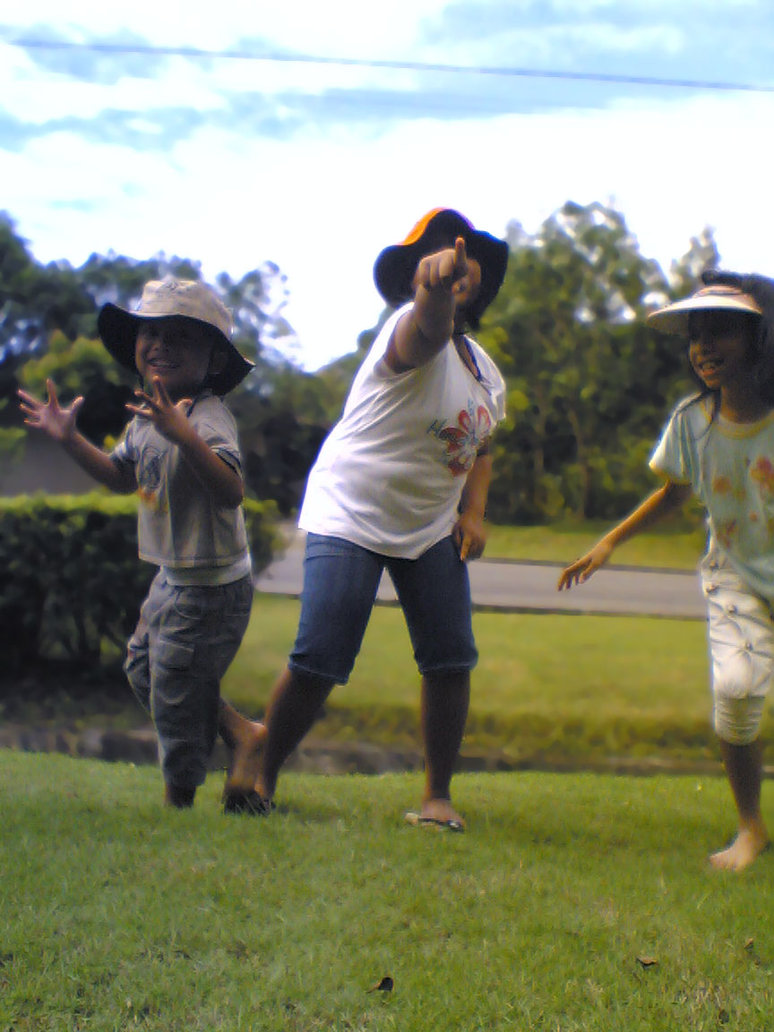
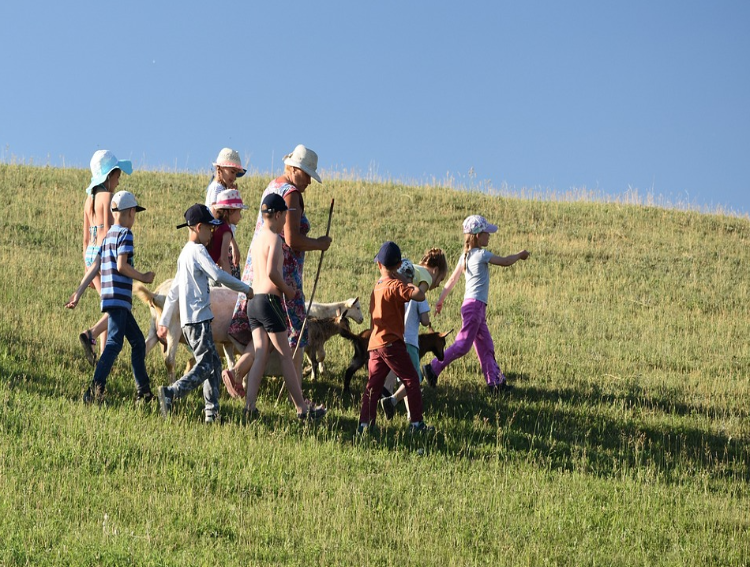
Homeschooling isn’t the cure-all, by any means, for a culture that barely recognizes a young person’s need for identity and meaning. But homeschooled teens are not limited to the strictures of a same-aged peer culture or weighed down by a test-heavy form of education. They also have more time. This provides ample opportunity to stretch and explore in ways that can benefit them for life.

There are a number of pivotal elements in the period we call adolescence. Two significant ones are the pursuit of interests and meaningful work. These factors are just as important for teens in school as those who are homeschooling. But homeschoolers are freer to fill their time with what’s significant to them. That can make all the difference.

INTERESTS

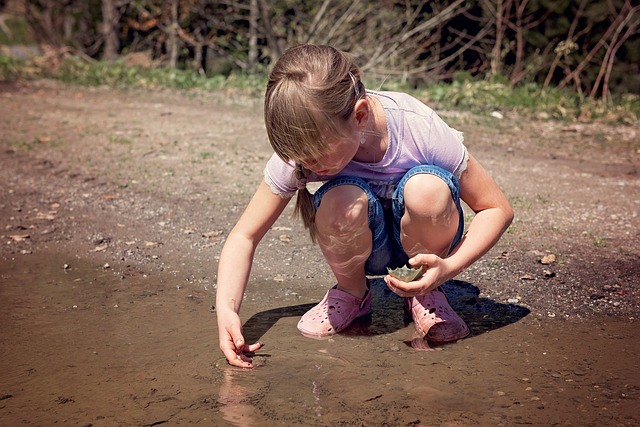
Pursuing interests builds character traits that benefit us for life.


In my family, we’ve noticed that interest-based learning builds competence across a whole range of seemingly unrelated fields. For example, as a preteen one of my sons put together a few rubber-band powered airplanes at a picnic. When they broke, he tried fashioning the pieces into other workable flying machines. This got him interested in flight. He eagerly found out more through library books, documentaries, museum visits, and You Tube. Soon he was explaining Bernoulli’s principle to us, expounding on changing features of planes through the last century, and talking about the effect of flight on society. He designed increasingly sophisticated custom models. He read biographies of test pilots, inventors, and industrialists. He won a state award for one of his planes through 4H and got a family friend to take him for a ride in a small plane. What he picked up, largely on his own, advanced his understanding in fields including math, history, engineering, and physics. All inspired by learning that felt like fun.

This particular passion didn’t last, but the pursuit of his interests continued. He built spud guns with friends, played bagpipes in a highland band, bred tarantulas, repaired recording equipment, and tried his hand at woodworking. He wasn’t always at full tilt (never missing a chance to sleep in). Now a college student, he’s surprised that his fellow students are so turned off by learning.

Interests engaged him, as they do each one of us, in the pleasure of exploring and building our capabilities. They teach us to take risks, make mistakes, and persist despite disappointment as we work toward mastery. Making sure that a young person pursues interests for his or her own reasons, not the parent’s, keeps motivation alive and passion genuine. Research backs this up. Pursuing our interests builds character traits that benefit us for life.

Self-directed young people really take off in their teen years

Long-term homeschooling families know that self-directed young people really take off in their teen years. Comfortable with their ability to find out what they need to know, they often challenge themselves in their own ways. Some add ambitious schedules to previously unstructured days, others seek out heavy doses of academic work to meet their own goals, still others don’t appear to be remotely interested in conventional educational attainment but instead create new pathways for themselves.

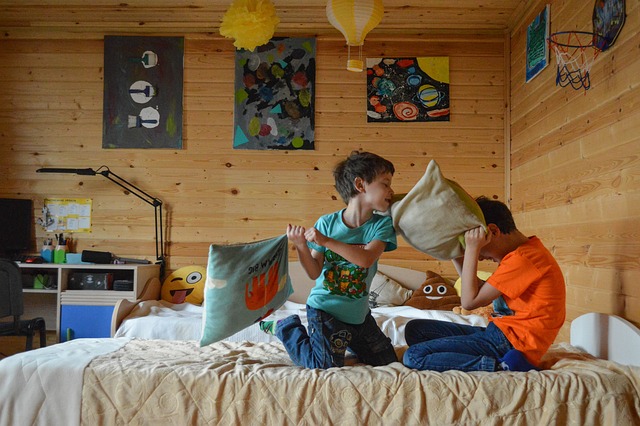
Children as well as teens tend to have lengthy pauses between interests. A boy may not want to act in any more plays despite the promise he’s shown, a girl may not choose to sign up again for the fencing team just when she was starting to win most of her matches. During these slack times they are incorporating gains made in maturity and understanding before charging ahead, oftentimes toward totally new interests. The hiatus may be lengthy. They need time to process, daydream, create, and grow from within. They need to be bored and resolve their own boredom.

Decades ago educational researcher Benjamin Bloom wondered how innate potential was best nurtured. He was convinced that test-based education wasn’t bringing out the best of each child’s ability. So he studied adults who were highly successful in areas such as mathematics, sports, neurology, and music. These adults, as well as people significant to them (teachers, family, and others), were interviewed to determine what factors led to such high levels of accomplishment. In nearly every case, it was found that as children, these successful people had been encouraged by their families to follow their own interests. Adults in their lives believed time invested in interests was time well spent. Due to their interests, these individuals developed a strong achievement ethic and a drive to learn for mastery.

This makes sense. We recognize that young people gain immeasurably as they pursue their interests. And not only in terms of success. When caring adults support a teen who loves to play baseball, study sea turtles, and draw comics, he’s likely to recognize, “I’m okay for who I am.” The interests well up from within him and are reinforced by those around him, so there’s coherence between his interior life and exterior persona. This reinforces a strong sense of self. All of us need sturdy selfhood to hold us in good stead while so many forces around us emphasize unhealthy and negative behaviors.

Interests have a great deal to do with promoting a young person’s feelings of worthiness. There’s an enhanced quality of life, a sense of being completely present that’s hard to name but recognized by those who “find” themselves within a compelling pursuit. A girl may love speed skating, or writing short stories, or designing websites. When she’s engaged in her interests, she knows herself to be profoundly alive. That feeling doesn’t go away, even when she has to deal with other tasks which are not as entrancing. Everyone needs to belong, contribute, and feel significant. The teen who knows his or her interests provide fulfillment is already aware that self-worth doesn’t come from popularity or possessions.

MEANINGFUL WORK

Teens want challenges and the accompanying responsibilities.


A group of homeschoolers touring a rural historical society noticed that storage areas were stuffed with uncataloged documents, some crumbling from age. They offered to digitally scan and reference these materials with the museum’s coordinator. Several other teens researched the requirements for a dog park in their suburb. Working with a group of interested citizens, they petitioned city council for a permit and eventually won a grant to construct the dog park. Another teen started a business fixing and modifying bicycles. He also earns revenue from videos of his mods. These examples from my book indicate how young people eagerly take on challenges and the accompanying responsibilities.

Throughout human history teens have fully participated in the work necessary to help their families and communities flourish. They were needed for their energy as well as their fresh perspective, and they built valuable skills in the process. Working alongside adults helped motivate them to become fully contributing adults themselves. Most of today’s young people are separated from this kind of meaningful work. They have fewer opportunities to encounter inspiring people of all ages who show them how to run a business or foster a strong community. Now that teens aren’t needed to run a farm or shop, they also don’t get as many real world lessons in taking initiative, practicing cooperation, deferring gratification, and working toward a goal.

Ideally young people have taken part in real work from an early age. Many studies bear out the wisdom of giving children responsibility starting in their earliest years. In fact, having consistent chores starting in early childhood is a predictive factor for adult stability.

Although work is largely valued for monetary reasons in our society, the kind of meaningful work I’m talking about has inherent worth. Chances are it is unpaid. (Here are dozens of service ideas for kids.)Through this work young people learn that it’s the attitude brought to any task, whether shoveling manure or performing a sonata, that elevates its meaning. Often an endeavor that’s inspiring doesn’t always feel like work. It may include establishing an informal apprenticeship, developing a small business, traveling independently, or volunteering with a non-profit.

It’s the attitude brought to any task that elevates its meaning.

What is meaningful work may be different for each person. A homeschooled teen may put up a shed for a neighbor, make a documentary with fellow parkour enthusiasts, perform puppet shows at a nearby daycare, help a zither club record their music, become a volunteer firefighter, assist an equine therapy program, coach a kids’ chess team, tend beehives, walk puppies at a dog shelter, or help a chemist in the lab. Through such work they tend to get more involved in their communities and connect with inspiring role models.

Meaningful work may not always be interesting, let alone fun. It has to do with putting in sustained effort to get results, even when the hours become long and the endeavor doesn’t feel rewarding. Through this work young people gain direct experience in making a valuable contribution. They know their efforts make a difference. That’s a powerfully rewarding experience at any age.

  Learning of the highest value extends well beyond measurable dimension. It can’t be fit into any curriculum or evaluated by any test. It is activated by experiences which develop our humanity such as finding meaning, expressing moral courage, building lasting relationships, channeling anger into purposeful action, recognizing one’s place in nature, acting out of love. This leads to comprehension that includes and transcends knowledge. It teaches us to be our best selves.

Originally published in Lilipoh Magazine, Winter 2012

Pride Goeth Before Tiny Bite Marks

raising non-compliant kids, non-conformist kids, when kids bite, biting toddler, kids labeled, parents learn from kids, parents don't know everything,

Image courtesy of biohazard-101.deviantart.com

I don’t take credit for my children’s many accomplishments. They are their own remarkable people.

As a new mother I didn’t have this quite figured out. Yes, I recognized that babies arrive on this planet with all sorts of traits wired in. I knew it’s up to us to gently nurture them, shelter them from harm (including the damage cynicism can do), allow them to take on challenges, help them learn to trust themselves, and let learning unfold in delight.

But I had a few early years when I thought, probably with obnoxious smugness, that my wonderful parenting had something to do with how well my kids were turning out. They were very young and so was I.

My oldest, a boy, was thoughtful and clever. He liked to take my face between his little hands and call me every superlative he could think of (“dear, sweet, wonderful Mama). Isn’t this positively swoonable? He rescued insects from the sidewalk, telling them “go in peace little brother,” a line he picked up from one of his favorite picture books. When his father and I tried to talk over our little one’s head about issues we thought he shouldn’t hear, we used Shakespearean language to obscure our meaning. We had to stop, because our toddler began regularly using words like “doth” and “whence.”  What made things work fascinated this little boy, from the bones in our bodies to the engine in our cars, and he insisted on learning about them.

My next child, a daughter, was assertive and talented. She drew, danced, and sang made-up songs of such pure wonder that, I kid you not, birds clustered in trees near her. The force of personality in that tiny girl led us all to laugh at her improbable jokes and enter into her complicated realms of make-believe. Born into a home without pets, her drive to be close to animals was so intense that she kept trying to make worms her friends. Entirely due to her persistence we ended up with several pets by the time she was three.

Although our beautiful little children had medical problems, we had money problems, and other crises kept popping up I felt as if I lived in paradise each day. There’s something remarkable about seeing the world anew through the eyes of the planet’s most recent inhabitants. It’s like using an awe-shaped lens.

But I still had plenty to learn about parenting.

I recall being quietly horrified at a Le Leche League meeting when one toddler bit another. I thought about it for days, wondering what sort of parenting resulted in such an impulsive child. All the parenting books I read, all the non-violence courses I taught assured me there was a right way. Of course my comeuppance would arrive.

My third child was born soon after. This endearing, curious, and constantly cheerful little boy possessed relentless energy. By the time he was 14 months old we had to twine rope around all the chairs, lashing them to the table between meals, otherwise this diapered chap would drag a chair across the room to climb on top of furniture in the few seconds it took me to fill a teakettle. Before he could say more than a few words he’d learned to slide open our windows, unclip the safety latches on the screens, and toss the screens to the ground. He liked to grab the hand vacuum for experiments on his sister’s hair, houseplants, and other normally non-suckable items. He watched with fascination as drips from his sippy cup fell into heat vents, the hamster cage, the pile of laundry I was folding. We had no idea he could climb out of his crib till the evening he opened all the wrapped Christmas presents I had hidden in my room (keeping them safe from him) while we thought he was in bed. The look of complete joy on his face nearly made up for the hours of work it took me to rewrap. I found myself making up new rules I never thought I’d utter, like:

“Don’t poop in Daddy’s hat.”

“We never run with straws up our noses.”

He became a little more civilized by the time he was three, but not, as you might imagine, before he bit a few children.

Utterly besotted by the bright-eyed charm and endless curiosity of this dear little boy, I never suspected the labels doctors and schools so easily affix on non-conformist kids might be slapped on my child.  I never realized how much he would teach me about what real motivation and learning look like. And I never imagined how much he’d show me about what it means to pursue success on one’s own terms.

Today he is one accomplished young man, in part because he continues to see the world through an awe-shaped lens. And I am still learning from the remarkable people who came to this world as my children.

The Boy With No Toys

why toys are bad for kids, overstimulated kids,

Before he was born, his mother decided her son would have no toys. Abandoned by the father, she was already a single parent. She made a living cleaning for other people. Most days she took the bus to affluent streets where children never seemed to play outside. As she vacuumed and scrubbed beautiful homes overfilled with possessions she paid close attention to what children did all day. Often they were gone at lessons, after school programs, or playdates. When they were home they usually sat staring at screens. Toys in their carefully decorated rooms appeared to be tossed around as if the small owners had no idea how to play, only how to root restlessly for entertainment.

She thought about it, talked to the oldest people she knew, and read everything she could. Then she informed anyone who cared to listen that her child would not have toys. Not a single purchased plaything.

Will (name changed) and his mother live in a small mobile home park. By most standards they are poor. Their income is well below the poverty line. They don’t have a TV or computer (although Will uses the computer at the library and watches the occasional TV program at babysitters’ homes). But their lives are rich in what matters. Together Will and his mom grow food on several shares of a community garden, bartering when they have extra produce. They make all their meals from scratch. These routines activate a whole array of learning opportunities for Will, quite naturally.

They are close to most of their neighbors in proximity as well as in friendliness. While his mother is working Will is cared for by several different seniors in their trailer park. He not only likes to help his mother garden, cook, and take care of their small home but he also likes to take part in helping his neighbors with small tasks. He carries groceries for certain ladies, helps an older gentleman with a birdhouse building hobby, and sometimes gets to assist another neighbor in automotive repairs.  He gets a lot out of these meaningful tasks.  Children long to take on real responsibility and make useful contributions. Giving them these opportunities promotes their development in important ways.

Sounds nice. But what about play?

natural play best for kids, free play, no toys,

When Will was a baby his mother made all sorts of toys. Most took no time at all. Food containers became stacking toys, a small water bottle with beans inside became a rattle, a sock stuffed with drier fuzz and tied in knots became a soft animal.

Will is now six years old. He plays as any child naturally does. He makes up games and turns all sorts of objects into toys. His mother saves money by not owning a car, so Will has commandeered a large portion of the shed that would normally be used as a garage. Mostly he uses it to stockpile his own resources. He has scrap wood, a few tools, and cans of nails. He likes to straighten bent nails for future projects, working carefully now that he recently discovered what smacking his fingers with a hammer feels like. Recently he found a discarded lawn mower tire, so he’s looking for three more tires to make a go-cart. In the evenings he likes to draw elaborate pictures of this upcoming project. He particularly enjoys playing in the soft dirt along the side of the shed where “robot men” he makes out of kitchen utensils use their potato peeler and wisk limbs to churn through the soil, leaving tracks as they clink. When he visits friends he happily plays with their toys, although he doesn’t always “get” that certain TV or movie-themed toys are limited to the plot-related storylines. So far he seems to have no urge to possess the same toys.

What about birthdays and holidays? Will’s mother does give him gifts. But she limits her gifts to useful items—crayons, clothes, tools, a compass. Each weekend her folk band practices at their mobile home. Will quickly mastered the harmonica and begged for time on the fiddle, so her big gift to him this year was a used child-sized fiddle. She urges the other adults in his life to gift him with experiences—a trip to the beach, a day of horseback riding, a visit to a museum. Out-of-town relatives now renew a children’s magazine subscription and send him regular snail mail letters, both of which are helping him learn to read with very little prompting.

natural child development,

Will’s childhood has a lot in common with the way children have learned and grown throughout history. As historian Howard Chudacoff notes in Children at Play: An American History, play is vital to development. It’s has everything to do with autonomy, exploration, imagination, and fun. It has very little to do with purchased playthings. In fact, structured programs and commercial toys actually tend to co-opt play.

Studies with rodents show those raised in enriched environments (toys and changing items in cage) have enhanced brain development compared to rats raised in a standard environment (plain cage, unchanging). We’ve misinterpreted these results. Rats don’t naturally live in boring, unchanging cages. They live in nature, which is by definition a challenging often constantly changing environment. In nature rats have far more complex lives than they ever might in a cage. Such an interesting life IS an enriched environment. It’s the same for children.

Sure there are devices that will “read” to a child. These are not more enriching than being read to by a responsive adult. And there are all sorts of adult-designed games. They’re not more fun or enticing than games kids make up on their own or with friends.

In fact, the overstimulation of blinking, beeping, passive entertainment isn’t beneficial for children. Joseph Chilton Pearce wrote in Evolution’s End: Claiming the Potential of Our Intelligence that the overload of television, electronics, and too many toys limits a child’s sensory awareness. Their brains and nervous systems accommodate intense bursts of sound, light, and color during their earliest years. Rather than developing the subtle awareness fostered by time spent in nature, in conversation, and in play they instead are wired to expect overstimulation. Without it, says Peace, they’re bored.

And yet, so many people are amused when tiny children are clearly pushed to the limits by a toy too overwhelming for them. (Every search for a video to illustrate this seems to think “baby scared by toy” is funny.)

The children Will’s mother cleans for, who are kept busy in adult-run programs and have access to electronic distractions, don’t have Will’s advantages. As he plays and innovates he’s actually promoting the kind of learning that translates to a lifetime of passionate interests. Studies show that children who are free to explore their interests without adult pressure and interference  are more autonomous, eagerly pursuing excellence through healthy engagement rather than heavy-handed adult pressure.

Ask the oldest person you know to share some memories about play from his or her childhood. Chances are you’ll hear about pick-up games, handmade toys, and free time that spun long summer days into marvels of imagination. That’s what Will’s mother wants for her child.

play develops intelligence, benefits of free play, deprive your kids of toys, handmade toys,

First published in Natural Life Magazine

Let The Youngest Teach You Mindfulness

child-paced, slow down, slow to appreciate,

Image from jesse.millan’s Flickr photostream

Ask any child. When adults meet them for the first time, standard questions include, “What do you want to be when you grow up?” right after classics like, “What grade are you in?” and “What’s your favorite subject?”

Such questions, unintentionally, gauge a child’s progress toward adulthood. That’s because adults tend to be future oriented. We’re distracted from the present moment by the need to plan and work toward any number of goals—what to do about dinner, how to juggle next week’s schedule, when bills can be paid. These distractions take our attention away from what is in the here and now. When we think ahead so often we have less time to notice, let alone appreciate, what makes up our lives minute by minute.

What is impatience except denying the value of the present moment? The watercolor effect of rain on the window, the meandering quality of a child’s conversation, the long wait for a pot to boil—these can be occasions to experience impatience or opportunities to breathe deeply and be present, gratefully.

Leaning so often toward the future unconsciously demonstrates to our children that later is more important than now. Yet as we know, later never comes. As long as we’re alive there’s always “later” to strive toward. Worse, we are surrounded by advertiser-driven messages telling us that we aren’t there yet, that we need to do more or become something more in order to have friends, be successful, find love.

The nature of early childhood is the perfect antidote to this hurry-up attitude. That is, if adults truly pay attention to the lessons the youngest model for us. Young children who are not yet pulled by the adult world’s messages are oriented to the present moment. When forced to disregard what is vital to their bodies and spirits—pretending, daydreaming, playing, snuggling—they rebel. They are who they are, where they are. They’re not caught up in the future tense which dimishes the here and now. They demonstrate the oldest way of knowing.

Pay close attention to the youngest children in your life. Let them help you learn solutions to our cultural overdrive.

As we slow down we have time to truly know each other and to truly know ourselves. We’re more aware of the messages our bodies send us and can act on those signals before they become symptoms. We have time to reflect. Time to remember our dreams when we awaken. After all, time is the only true wealth we have to spend.

slowing down, slow movement, child-pace, mindfulness, mindful living, mindful parenting,

Image from kla!’s Flicrk photostream

Mentor: Fancy Name For Grown-Ups Kids Need

mentor, role model, adult pals for kids, children in the neighborhood, real work for kids,

image courtesy of LisaW123’s Flickr photostream

The little boy just wanted to “do stuff.”

His parents let him traipse around with his wagon on garbage collection day. He’d take home pieces of wood, carefully pulling out nails to store in a can, so he and his friends would have the necessary materials to build forts or go-carts. Occasionally he found small engines that he’d do his best to fix. No one intervened to tell him his pursuits weren’t safe, although he was expected to clean up any mess as well help around the house.

His neighbors didn’t mind having this kid appear whenever they did something interesting—fix a car, build a shed, tend a greenhouse full of plants, run a garage sale. He was eager to learn and even more eager to help, so they did what adults have done throughout time. They shooed him away occasionally but mostly they shared what they knew.

He made use of what he learned. By the time he was 12 or 13 years old, these neighbors let him take on their home and car repairs, recognizing he was able to do a more exacting job than they might have done themselves. He gained more than skills from the adults in his life. He may have been leaning over a car hood with Clyde, but he was also learning how to understand the function of each system by paying attention. It seemed he was only helping Mr. Christman with the heavy tasks of operated a greenhouse but he was also taking in something important about growing old with dignity. It appeared he was working alongside his grandfather but he was also seeing how reputation, honesty, and treating each person with respect builds a small business.

Because he developed richly rewarding relationships with people of all ages, relatives as well as neighbors, he had plenty of examples to draw on as he matured. He saw how different people handled decisions, disciplined their children, laughed off trouble, solved problems, stayed in love.

His experience was rare. It’s becoming rarer all the time.

Throughout nearly all of their childhood and teen years our kids are segregated in day care, school, sports, and other activities. Even when they benefit from the very best programs, if they’re restricted to the company of same-aged peers doing what adults consider educational and enriching they are deprived of the riches found through fully engaging in the wider world. This subverts the way youth have matured throughout human history, when children learned right in the context of family and community—freely able to watch, imitate, and foster relationships with people of all ages.

We put kids in an oddly uncomfortable position when most adults in their lives are focused on them. Children want to center themselves, not have adult attention centered on them. Kids long to model themselves after adults who are engaged in meaningful, interesting, and useful activities of their own. When their experience of adults is limited to those who are there to care for, educate, or entertain children (important callings but not all that adults can do) the dynamic is shifted. The age-old desire to gain mastery and take on responsibility, eagerly becoming a capable adult, doesn’t have the same pull.

There are plenty of educational initiatives to bridge this gap, particularly for teens. These programs connect students with mentors or bring community members into schools to talk about their careers. While these efforts are admirable, such stopgap measures aren’t the way young people learn best. They need to spend appreciable time with people of all ages—observing, conversing and taking on responsibility. Real responsibilities, real relationships.

How can we remedy this?

That little boy? He grew up to be a remarkably capable, beautifully open-hearted, and endlessly positive person. I married him.

mentor, building competence through imitation, children at work,

Fun Theory

I’m not aware of any official Fun Theory in the field of learning. But fun shimmers under the surface of motivation and focus like a very big fish. And the fish named Fun shouldn’t be ignored.

I lifted the term Fun Theory from an old Volkswagen campaign. One of their videos shows busy commuters choosing an escalator instead of a staircase. People are rarely motivated to do otherwise. But when the same stairs were transformed into a giant electronic piano sixty-six percent more people chose to hop, dance and run up those musical steps. Fun works. (It also sends the Volkswagen logo around the world in a great example of viral marketing.)

It’s no surprise that pleasure is motivating, although what one person finds enjoyable may not be remotely engaging for the next person.

That’s the key. Fun is highly individual. It can’t be easily pre-packaged, even though promoters of textbooks, curricula, and enrichment programs assert their products do just that.

You can tell when educational materials and experiences don’t engage the young people in your life. They exhibit, shall we say, obvious symptoms. I won’t list them here. These symptoms tend to cause us all kinds of angst.

A child’s stubborn insistence that learning be meaningful and interesting is actually a sign of positive selfhood. We need to pay close attention to each child to really see what sparks enthusiasm, evokes awe, sharpens focus, builds on interests, and challenges abilities. That’s what advances learning.

The elements that make an activity or interest compelling for any one person can’t be neatly summed up, nor should they. A person is too complex to reduce to a List of Handy Motivators. But you might want to consider such factors if you’d like to understand why your child prefers to do things his or her way, or why some enriching activities “work” and others don’t. Below you’ll find brief notes about some of the factors that make learning intrinsically pleasurable and interesting. Think of your child as you read over the list. Think of yourself too. You’ll recognize many unique ways that lively, engaged learning happens quite naturally.

                Trial and Error 

Learning is fun when errors don’t feel like failures. Watch a group of friends figure out what tools and design elements they’ll use to make bracelets from a cast-off metal objects. Their initial results will likely be both positive and negative. Their mistakes will help to guide and refine their progress. Thomas Edison said of trial and error, “Results! Why man, I have gotten a lot of results. I know several thousand things that won’t work.”

When your child is building a fort out of branches she may experiment with several approaches. This open-ended process allows her to repeat successes and learn from errors, getting ever closer to the desired result. Trial and error often pulls the learner forward to greater mastery. It’s also tremendously enjoyable.

                 Meaning  

Full engagement in any pursuit that is meaningful to the individual may not sound like a prescription for fun. But it is, because it tends to lead to what is called flow:  a sense of focusing so fully that we lose sense of time, discomfort, even self.

Artists and athletes aren’t the only ones who experience flow, children easily merge into this state. A child may experience flow while engaging in make-believe, drawing, swinging on a backyard swing, playing the guitar, fixing a bicycle, even organizing a shelf.

You may not be able to predict what has meaning for your child, but chances are it fuels learning. Your daughter’s fascination with horses may lead her to equine-related mathematics, history and science. Her learning is enlivened with wonder and purpose. That absorption is also fun.

                Discovery/Exploration    

Discovery is highly motivating and feels quite a bit like fun. It lures babies to put everything into their mouths. It propels us to try new music, peer around forbidden corners, travel to distant places.

When a friend brings up an obscure bit of information, your preteen may check it out later only to find an unexpectedly engaging exploration through subjects that never interested her before. Or perhaps your son’s curiosity is piqued by a new venture he wants to try like making homemade cheese. The project opens up to ever wider explorations such as homesteading skills, the claims of raw milk advocates, and recipes using artisan cheeses. For most of us independent discovery has the greatest allure.

                Novelty

What is new and unexpected heightens attention and activates all kinds of interest. That’s why marketers are constantly coming out with newer versions of the same thing. Novelty leads readily to exploration or play. By itself, novelty wears off quickly. (Those commuters will tire of the musical stairs and probably go back to using the escalator.)

You can rely on something new to stimulate interest. Just remember that too much reliance on novelty doesn’t help children build their own deeper resources of attention and interest.

                Play

Play isn’t “just” for fun. It’s an essential component of learning. Stuart Brown, author of Play: How It Shapes the Brain, Opens the Imagination, and Invigorates the Soul said in an interview, “…evidence continues to accumulate that the learning of emotional control, social competency, personal resiliency and continuing curiosity plus other life benefits accrue largely through rich developmentally appropriate play experiences.”  Unstructured free play is particularly important. We already know it’s fun.

                Direct Experience

Hands-on efforts make learning come alive with pleasure and satisfaction. Frank R. Wilson notes in  The Hand: How Its Use Shapes the Brain, Language, and Human Culture that brain and hand use have always been connected. When a young child is put in charge of preparing vegetables for a stir fry dinner his efforts may not be entirely helpful, but the sensory experience of washing, chopping, and tasting offer him much more than growing competence in meal preparation. The sensory experiences enhance comprehension and lock in learning. When a child expresses interest in puppetry she may want the opportunity to make puppets, stage puppet shows, and go to puppet guild meetings. The more fully involved a child can be the more direct (and lasting) his or her learning will be.
                Challenge 

Challenges are fun as well as educational because they keep us right at the edge of our competence, pushing us on to the next level (exactly why video games are so compelling). A ten-year-old may enjoy the logical challenge of debating his older brother, the practical difficulties of planning and filming his own scary movie, the physical and social risks of showing off at the skating rink. These self-selected activities push him to advance a whole range of abilities. Challenges keep us too absorbed to grin but for our own good reasons.

There are plenty of other “fun in learning” factors such as relationship development, collaboration, sensory pleasure—surely you can think of more. All these elements are intertwined so completely that they only make sense when we see them as connected.

I think that’s why we need to pay attention to what’s fun about learning. Yes it’s different for each person. But what’s universal is that each of us is capable of fascination, excitement, and wonder. Why fish around for methods to motivate and sustain a child’s attention when joy is right there, showing us the way?

Portions of this post excerpted from Free Range Learning.

Healing The Next Generation

reducing parental stress, epigenics, improving the future,

Image courtesy of corazondedios.deviantart.com

The science of epigenetics shows that the choices we make today will resonate in the minds and bodies of our grandchildren.

How? Each of us has biochemical markers that signal our genes in response to input such as nutrients, toxins, even behavior. As a result potential gene expression is switched on or off.

epigenic healing, epigenics and society, parental stress and children,

Nucleosome Wikipedia

These epigenetic changes persist well after the original stimulus for change is gone. Some of them pass on through generations like biologic memories of what our ancestors ate and breathed, as well has how they felt about their experiences. This also means that our personal choices today can become a living inheritance sent on to those we won’t live to see.

As Duke University genetics researcher Randy Jirtle, Ph. D recently commented,

We can no longer argue whether genes or environment has a greater impact on our health and development, because both are inextricably linked. Each nutrient, each interaction, each experience can manifest itself through biochemical changes that ultimately dictate gene expression, whether at birth or 40 years down the road.

epigenic changes, effects of parental nurturance,

Image courtesy of corazondedios.deviantart.com

Much of the research about epigenetics correlates to earlier studies showing that parental stress has a negative and long-lasting effect on their children, often well into adulthood. That’s true of the effect of prenatal stress, parental stress during early childhood,  parental depression, conflict in the home, unemployment, poverty, and homelessness. Epigenetics may, in part, explain the strong correlation between these stressors and resulting poor mental and physical health in the next generation.

But there’s good news too. Studies have shown that early nurturance can flip “dimmer switches” on genes related to stress, permanently shaping offspring to be calmer and better able to handle new situations. Healthier too.

healing generational depression, healing generational anxiety,

Chances are good that I was born with genes predisposing me to anxiety or depression.  My sorrowful grandmother nurtured my own mother as best she could despite very stressful circumstances. In turn, I was lovingly nurtured and well attached to my parents. As a result, these predispositions were more likely to be dimmed or switched off in me. I hope to carry on this legacy of positive epigenetic changes by gently parenting my children. Epigenetics show us that grandparents and parents can bless children to come (including foster children and adopted children) even if they don’t live to see those children.

As a society, we’ve known for a long time that serious parental stress leaves a legacy of pain into the next generation. Maybe the science of epigenetics will be enough to convince us that parental support and nurturance doesn’t just benefit the child. It also benefits society as a whole.

healing future generations,

Image courtesy of corazondedios.deviantart.com

Additional resources

Epigenetics: The Ultimate Mystery of Inheritance by Richard C. Francis

The Genie in Your Genes by Dawson Church

The Genius in All of Us: New Insights into Genetics, Talent, and IQ by David Shenk

Five Ways Frugal Living Benefits Kids

Sophie is a single mother raising a five-year-old boy. She’s working to establish her own house cleaning business after losing her job nearly two years ago. Sophie and her son live in a small trailer home.

Marissa and Jack run a thriving dental practice while raising five-year-old twin daughters. They live in a suburban home on several acres.

The five-year-olds from these families are at opposite ends of the economic spectrum. But their parents are raising them in remarkably similar ways. Frugally.

Although Sophie would prefer a more reliable income, she wouldn’t spend a cent more than she already does on herself or her son. She adheres closely to simple living tenets. Sophie grows as much food as possible in a community garden plot and makes meals from scratch. She and her son fully enjoy the free benefits of the local library and park system. On weekends, Sophie’s folk band crowds into her trailer for practice sessions. Her son is already learning how to play the harmonica and fiddle. Sophie believes he should rely on his imagination for fun rather than on toys. When she does buy him gifts, they tend to be modest items such as crayons or socks, or ones that have long- term use such as simple tools or sheet music.

Marissa and Jack choose to live simply in their own way. They buy clothing and their children’s playthings from thrift stores, exchange only homemade gifts, and emphasize having fun outdoors. They carefully consider expenditures based on their ethics. Health is a priority, so they buy only organic foods and belong to a CSA. Supporting the arts is another priority so they invest in original works to hang on their walls and regularly attend plays, concerts, and gallery events. They strongly believe in the importance of international travel. When they go to far-off places, they get around by bike or local mass transit, a method they find brings them closer to the cultures they’re visiting.

Many of us are living more frugally. It certainly eases financial strain. It also makes a difference in wider ways, from reducing our ecological footprint to promoting social justice.

Today’s relentlessly materialistic culture tells young people in every way possible that their identity is built on wearing, playing with, and using the very latest consumer products. That’s a heavy tide to fight against on the home front. But that tide is worth turning.

Living simply puts the emphasis on exactly the conditions that are best for our kids, now and as they grow into adulthood.

Shelter From Commercialism

Humanity has always raised her children with the stories, foods, rituals, and values of particular meaning to the people close to them. While there are undeniable benefits to today’s connections and conveniences, a major drawback is the way advertisers have insinuated themselves into the lives of even the youngest children. Nowadays, a child’s stories, foods, rituals, and values are more likely than ever provided by the marketplace. And we know what’s preached there – that meaning comes from what can be bought.

Every year, a 15 to 17 billion dollar marketing industry is aimed at our kids. That money is spent because it’s effective. It’s estimated that 565 billion dollars in purchases are influenced by four- to twelve-year-olds.

Susan Linn, who teaches psychiatry at Harvard Medical School, notes in Consuming Kids: The Hostile Takeover of Childhood, that psychological and neurological research is used to exploit the vulnerabilities of children. She writes, “The explosion of marketing aimed at kids today is precisely targeted, refined by scientific method, and honed by child psychologists – in short, it is more pervasive and intrusive than ever before.”
These strategies are not only employed in advertising itself but are embedded in Internet sites, video games, television, and movies. They’re designed into packaging, implicit in many playthings, and nearly ubiquitous in schools.

Young people have minimal defenses against such tactics. Children under the age of eight aren’t even able to understand the persuasive intent of advertising. And studies show that a network in the brain necessary for many introspective abilities – forming a self-image, understanding the ongoing story of one’s own life, and gaining insight into other people’s behavior – is profoundly weaker in young people. Those brain networks aren’t fully established until adulthood. Just at the stage when selfhood is forming, our children are most vulnerable to the messages of a consumer culture.

Those of us who live simply shelter our kids in different ways and to differing degrees. No matter what approach we take, it’s neither possible nor desirable to shelter teens the same way we shelter toddlers. That’s why it’s vital to raise our kids to be critical thinkers with a strong sense of self. Then they’re empowered to make their own fully informed choices.

Delayed Gratification

This is a biggie in the “you’ll thank me later” department because kids who are able to delay gratification are much more likely to do well as they grow up.

We model delayed gratification each time we choose to save, make do, or make it ourselves. We demonstrate it when the whole family adds coins to a jar until there’s enough to finance an anticipated event. We teach it when we help children find ways to earn and save for their own aims. And we show that it’s expected whether our kids have to wait to see a movie until it’s available at the library or wait until the next birthday for a new pair of jeans.

This may seem negative, particularly when popular culture constantly screams “have it now” and “get what you want.” But there are enormous positives. Our children become familiar with the pleasures of anticipation, which multiplies the eventual delight when a goal is reached. They also begin to internalize the ability to delay gratification. In multiple studies (cited in Daniel Goleman’s book Emotional Intelligence) children who were able to defer gratification grew into teens and young adults who were more socially competent, better able to deal with frustration, more dependable, reached higher educational attainments, and were effectively able to make and reach long-term goals.

Delayed gratification is related to impulse control. Research shows that a child’s ability to control his or her impulses at an early age is predictive of success even decades later as a healthy, financially stable, and positive member of the community. There are many ways to help kids gain the positive coping skills that help them control their impulses and delay gratification. It may be about waiting, but the outcome is extraordinary.

Happiness

Despite advertisers’ images of happy children playing with new toys and giddy teens dancing in designer hoodies, the facts are glaringly obvious. Things don’t make us happier. Children seem to understand the “time is money” conundrum. When their parents spend more time away from home earning an income, they have less time to spend with the family. In a nationwide poll of American kids ages nine to fourteen, ninety percent said they’d prefer increased time with friends and family over material possessions. And when asked if they could have one wish to change their parents’ jobs, sixty-three percent said they would like their mom or dad to have a job that gave them more time to do things together. Only thirteen percent wished their parents made more money.

The more materialistic young people are, the unhappier they tend to be. According to research cited in The High Price of Materialism by Tim Kasser, people who hold materialistic values are more likely to suffer from a whole dumpster load of problems. This includes aggressive behavior, insecurity, depression, low self-esteem, narcissism, even physical maladies. And when people place high value on material aims, they’re prone to have trouble with interpersonal relationships and intimacy. Materialism is also related to less independent thinking and lower value placed on being “true to oneself.” Of course, we want to spare our kids this festering personal mess.

How? We recognize that a sense of well-being depends on intangible qualities like warm interpersonal relationships and reasonable autonomy in one’s choices, exactly those things that money can’t buy. But what’s interesting is that materialism and unhappiness seem to “cause” each other. We all know people who exemplify this. Unhappy people tend to seek status and satisfaction in more transitory ways such as acquisition and appearance. When they do, they feel a temporary boost in happiness, which reinforces even greater materialism.

Studies show that happiness has much more to do with experiences than with possessions. A family camping trip will provide more lasting pleasure than a large purchase. That may be due to the way we access memories. Long after the experience is over, we have fuller sensory-based recall that’s invariably richer than any a purchase can provide.

It’s important to model a cheerful approach to simple living for our kids, but that’s not enough. To ward off materialistic attitudes, our children need the personal strength found in the self- worth that comes from supportive relationships and a sense of accomplishment. In a marvelous example of synchronicity, these are precisely what simple living reinforces in our daily lives. We consciously choose to do for our- selves, to spend more family time together, and to focus on active rather than passive entertainment.

Creativity and Enthusiasm

Many adults seem determined to keep kids busy by enrolling them in supervised activities. And they provide kids with plenty of distractions like toys, video games, and television. Unintentionally, these efforts teach children that fallow time is undesirable. But brain studies show that daydreaming, contemplation, even that uncomfortable condition we identify as “boredom” is vitally important. These natural periods of down time are necessary to incorporate higher level learning and to generate new ideas.

If we expect children to resolve their own boredom without resorting to electronic or other distractions, we help them access a wellspring of ideas that seem to come from nowhere, a wellspring they discover within. Frugal living is one way to preserve a slow pace and minimal distraction load, letting our children become familiar with generating their own ideas.

When we live frugally, we also tend to avoid popular methods of “enriching” our children’s lives such as academic preschool, specialty classes, coached sports, and other paid programs. That saves on fees. It also fosters the kind of expansive learning that’s natural for our species. Research continues to show that when adults are highly directive and exert influence even in the form of rewards or evaluation, their efforts actually diminish a child’s motivation, enthusiasm, creativity, and ability to innovate. Well-intended efforts to hone a child’s abilities through early instruction tend to be counterproductive.

That’s also true of play. Our kids don’t need expensive toys or games. Children’s creativity and resourcefulness flourish when they play without the structure imposed by most playthings. Imagination flows freely when they use what they find in the backyard to play act, build hideouts, or create their own games. In contrast, a toy linked to a movie release or a game with structured rules has predetermined uses and children are much less likely to innovate.

Stuart Brown and Christopher Vaughn write in Play: How it Shapes the Brain, Opens the Imagination, and Invigorates the Soul that, “play lies at the core of creativity and innovation.” It enhances development in areas such as emotional health, social skills, motivation, confidence, a sense of justice, and much more. Young people who maintain a playful nature into adulthood are, according to Brown and Vaughn, remarkably well suited for success. A playful adult is more flexible, humorous, optimistic, and efficient. They note that throughout life, “the ability to play is critical not only to being happy, but also to sustaining social relationships and being a creative, innovative person.”

When our frugal homes provide plenty of raw materials necessary for play without up-to-the-minute popular toys, we’re putting into place the best conditions for sustaining creativity and playfulness.

Self-Reliance And Responsibility

There’s a resoundingly positive impact on our children when we include them in the real work of maintaining our family home, yard, vehicles, and more. Children growing up in frugal households often have regular chores. While some complaining is natural, chores help children understand how things work. They see the benefits of saving as they do calculations for the family budget. They recognize what happens if they forget to take the dog out or don’t bring the laundry in from the line before it rains. They take extra pleasure in the warm fire from firewood they helped to stack. Chores also enable children to master useful skills that will help them become more self-reliant adults.

Taking on early responsibility brings long-term consequences. A study, starting in the 1930s, followed men from young adulthood to death. These men had very different lives; some were affluent Harvard graduates and others were impoverished inner city residents. The men who helped out with regular tasks starting at a young age were most likely to enjoy stability and good mental health.

And there’s more evidence. A long-term study followed children from early childhood to their mid-twenties. What led to success? Balancing all other variables, it was found that the best predictor of a young adult’s success was participation in household tasks at a young age. And we’re talking resounding success – including educational attainment, high intellectual capabilities, a career, and good relationships with family and friends.

The optimum age to get started is three or four years old. According to researchers, starting in the preteen or teen years doesn’t have a strong association with success, although children who take an active role early continue to help out as teens. It’s important to gear the task to the child. Parents should take care to present tasks that aren’t too difficult and that fit the child’s learning style, and not to “pay” for tasks directly or through an allowance tied to the work. Researchers also suggest that children be involved in choosing tasks, perhaps through family meetings or rotating chore charts.

They key to success may also lie in the sensory riches gained by hands-on tasks. Those of us who live simply tend to do more for ourselves. We may grind our own grain and make our own bread, we may raise chickens and barter the extra eggs for a local beekeeper’s honey, we may fix rather than replace what’s broken. And when our kids take part they also gain learning experiences that apply to many other areas of life.

Neurologist Frank Wilson explains in The Hand: How Its Use Shapes the Brain, Language, and Human Culture that brain development and hand use is inextricably connected. And Wilson found a transfer effect. As he studied people who were masters in all sorts of fields (surgeon, puppeteer, and guitarist to name a few), he found each of them had engaged in regular hands-on efforts during their formative years. Whether they grew up doing farm work, playing a musical instrument, or helping grandpa build birdhouses,Wilson says the hand-brain link activated “hidden physical roots . . . of passionate and creative work.”

Starting our kids on tasks at an early age blesses them with self-reliance and a greater likelihood of success. It also demonstrates to them day after day that their efforts are needed. A child can see the outcome of his or her efforts in a meal the whole family worked to get on the table. It feels good. It feels even better is when a parent says, “Thanks, I couldn’t have done it without you.” There’s not a commercial product out there that can create the same genuine satisfaction.

Sophie’s little boy and Marissa and Jack’s twin daughters know that satisfaction. Their young lives have ample time for play, working alongside adults, and warm family conversation. The children soak up their parents’ values while learning and growing largely free of commercial influences, at least for now. Their parents have never met each other but they have the same focus. They see simple living as an integral way to bring forth a more conscious and life sustaining future for their children.

First published in Natural Life Magazine  

Resources

Fairplay: childhood beyond brands

Alliance For Childhood

Shareable: solutions for the common good

Accepting Challenges, Embracing Mistakes

children need challenges, mistakes can be good,

Escalera al cielo by David Oliva

Interesting problems and exciting risks are life’s calisthenics. They stretch us in directions we need to grow. Children are particularly oriented this way. They think up huge questions and search for the answers. They face fears. They puzzle over inconsistencies in what is said and done around them. They relentlessly challenge themselves to achieve social, physical, or intellectual feats that (from a child’s perspective) seem daunting. They struggle for mastery even when dozens of attempts don’t provide them any success. It’s a testament to courage that they continue to try.

let children face challenges,

Illustration from ”Lustige Gesellschaft” by Franz, Count von Pocci

Sometimes children are accused of “looking for trouble” when they simply yearn to vanquish dragons of their own making. A child’s desire to challenge him- or herself is at times as unrelenting as physical growth.

As adults we do this in our own way. If we don’t have enticing challenges, we may develop a state of mental friction to compensate. It seems to be a very human trait to clutter up our days with trouble if we have no more engaging prospects. We worry, rehash old issues, overreact, or find complications where there may be none. As the roots of a plant become more tightly entangled once they are pot bound, an individual without the freedom to take on greater challenges often gets caught up in the same confining struggles.

challenges are necessary, life without risk, take risks,

Image by Keith Williamson

One thing we can learn from children is the way they are attracted to dilemmas that help them learn and grow. Children who are nurtured in a healthy, free range learning environment are invigorated by the challenges they seek out. They expand their own frontiers on a comfortable, self-regulating timetable. Perhaps people of all ages define themselves, in part, through the challenges they take on and the way they resolve those challenges.

Oftentimes we deprive children of normal day-to-day challenges because of our own time constraints. As adults we are often distracted and focused on moving forward. It takes considerable tolerance to keep from stepping in and doing for children what will take them much longer to do for themselves, such as solving problems, making choices, completing tasks, and accepting the consequences. But when we recognize that even these small challenges are catalysts for growth, it is easier for us to step back and let children face them as they occur. These are normal stressors. Dealing with them gives children the critical experiences that lead to self-reliance.

accept challenges, embrace mistakes,

pdphoto.org

So much about today’s “managed childhood” has developed in order to prevent young people from making mistakes. We think we know the prescription for success, but as we’ve seen, a one-size-fits-all approach doesn’t allow individuals to thrive. It also denies them the very human right to learn in the way best for them and to listen to the callings that prompt them. The “right way” to proceed in our culture usually means health, popularity, good grades, attractiveness, college degree, career, marriage, mortgage, and so on. We’ve created these societal expectations largely to cushion our youth from mistakes. But error is inevitable even if we avoid all risks. That narrow, preordained path is anathema to genuine experience. Setting rigid standards for children sends a message. It says to them that failure is the worst outcome and that our acceptance is conditional.

What we might do instead is recognize that courage is required to go one’s own way, that mistakes are inevitable, and that the outcome is authenticity. The real challenge lies in accepting each person’s possibilities. That’s how each of us proceeds when we do what we can with what we have in order to live our lives fully. The path not taken may be the journey regretted forever. That’s why we need to honor mistakes as important passages in our lives too. They help us face the next challenge with a wry smile and new determination, knowing another lesson has been learned.

Excerpt from Free Range Learning: How Homeschooling Changes Everything