Critical thinking without media overload. It’s possible. (image: Kids in America)
We want to raise kids to be informed and active citizens without subjecting them to an information overload or current events-related despair. Here some activities and resources to make that easier.
1. Let current events become a regular topic. Just as you’d bring up any other subject that interests you, talk about topical issues in front of your kids. This is easy to do informally while driving or sitting around the dinner table.
2. Welcome their interests and opinions without trying to push your point of view. As they get older, help them see that using facts to bolster their talking points helps to convince others.
3. Model civil discourse. When people who disagree can engage in conversations with respect and integrity, they’re on the way to creating solutions. This is true in backyard squabbles, regional disputes, and diplomatic negotiations. A key is finding common ground. That happens after every person involved has access to the same information and feels that their input is understood. This is a critical skill to practice. Make it a part of your daily life for smaller issues so you can more easily use it when harder issues arise. Notice it in use by individuals and groups around the world.
4. Emphasize accurate and varied information sources so kids are equipped to think for themselves rather than led by popular opinion.
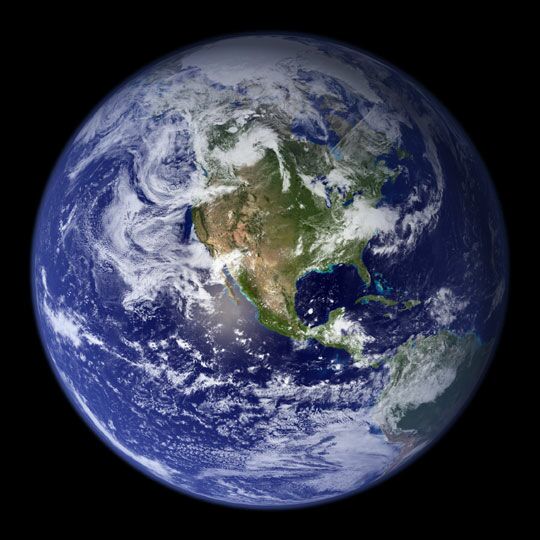
5. Hang a laminated world map on the wall. Notice where news happens and where friends travel. Mark places you’d like to go. Whiteboard markers wipe off this surface, so it’s easy to write directly on oceans and continents. This is also a subversive way to advance geographical knowledge.
6. Make timelines of your lives. Once kids have added details to their timelines such as when they lost the first tooth, got a dog, and moved into a new neighborhood help them go back to add events and discoveries that happened the same time. Continue the timeline on toward the future, speculating where you will live, what you will do, and what will be happening in the world around you. Getting kids to predict the future gives a lot of insight into their worldview. You can also make a timeline for a grandparent, filling in newsworthy events, particularly those impacting the person’s life.
7. Get to know logical fallacies like guilt by association, appeal to fear, or red herring. By avoiding fallacies you can craft well-reasoned opinions while pointing out fallacies to deconstruct faulty arguments. Write some of the most common fallacies on place mats you use everyday or hang a list on the refrigerator to defuse squabbles. Get everyone involved by playing Logic Shrink, an entirely free game you can enjoy as you choose (basically everyone shouts out logical fallacies as they notice them committed by politicians, pundits, and others). Enjoy Ali Almossawi’s wonderful book An Illustrated Book of Bad Arguments, free online and also available hardcover or audio format.
8. Pay attention to positive news. Don’t let the family news diet center heavily on the negative. Subscribe to high quality children’s magazines such as Muse, Skipping Stones, Odyssey, New Moon Girls, and Kazoo. Get updates from KarmaTube and Good News Network. Talk about what kids have seen or heard that makes them feel optimistic.
12. Analyze the news. Check out the same story from different information outlets, maybe a major television station, a major newspaper, an alternative newspaper or site, social media, or blog commentary. Notice what angles are reflected differently and what’s missing from a single news source. Is the media the message? Is there a commercial slant? Find out what’s behind the reporting with Source Watch which tracks the people and organizations shaping our public agenda and PR Watch which exposes public relations spin and propaganda.
13. Open up to reporting and commentary from other countries. PEARL World Youth News is an online international news service managed by students from around the world. OneWorld is a global information network designed to link people who see and share the news. Survival International and Cultural Survival are organizations sharing news about and advocating for the rights of indigenous peoples around the world. And check out links to dozens of links to far-flung news sources.
14. Play video games. Socially responsible games combine challenges with real life lessons about current situations. (Some are pretty heavy on the message.) Check out listings at Games for Change.
15. Report your own news. Capture the sights and sounds of your family, neighborhood, or travels in a family newspaper, blog, or video diary.
16. Consider the source. Watch the same topics covered in different news shows, such as conservative Fox and Friends versus liberal Rachel Maddow. Weigh assertions made by leaders in politics or business against historical example. Look up what a politician or pundit said on the topic years ago compared to now.
17. Look at coverage. Why are some stories headliners, others barely covered, and still others never reported? You might consider immediacy, negative impact (“bad” sells better than good), celebrity connection, and surprise factor. What about stories Project Censored claims aren’t covered by mainstream outlets?
18.Think globally. Notice where toys, clothing and other household purchases are made, perhaps locating the country of origin on a map. Focus your interest on an area in the world, paying attention to the news, weather, and celebrations taking place there. Put into place suggestions found in Growing Up Global: Raising Children to Be At Home in the World by Homa Sabet Tavangar and consider changes suggested in The New Global Student by Maya Frost. Check out the information shared by the United Nations Cyber School Bus.
19. Connect with people around the world. Talk about issues with people on forums and social media. Pose and answer questions on Dropping Knowledge, an incredible resource where there are dozens of current discussions such as, “Why don’t schools teach us to form our own opinions?” and “Would a universal language help us get along?”
20. Compete. Student Cam is C-SPAN’s annual documentary competition for young people. We The People hosts competitions for middle school and high school students. Do Something honors young volunteers. Academic WorldQuestis a team game testing competitors’ knowledge of international affairs, geography, history, and culture.
I just got back from a workshop teaching us how to research injection wells for a citizen’s audit project. It’s boring and difficult. I’m appalled when I look closely at the data. I don’t want to do it, although I will because we’re currently mired in a struggle over fracking.
That may not be your issue but of course there are plenty of others that jab at our consciences. Drone strikes, refugees, melting polar regions and burning rainforests, poisons in our food, toxic tactics wielded by the powerful. The list goes on and on. We feel like screaming in the streets, but there are bills to pay and meals to make.
I haven’t thrown open my window to yell, “I’m mad as hell and I’m not going to take it any more.” But I want to affirm the heckling all of us do. These days the word “heckle” has entirely negative connotations. It conjures up images of rude people who interrupt performers and ruin the experience for everyone. Instead, lets hop on a wagon to the past where this word meant much more (as explained by Mark Forsyth in The Etymologicon).
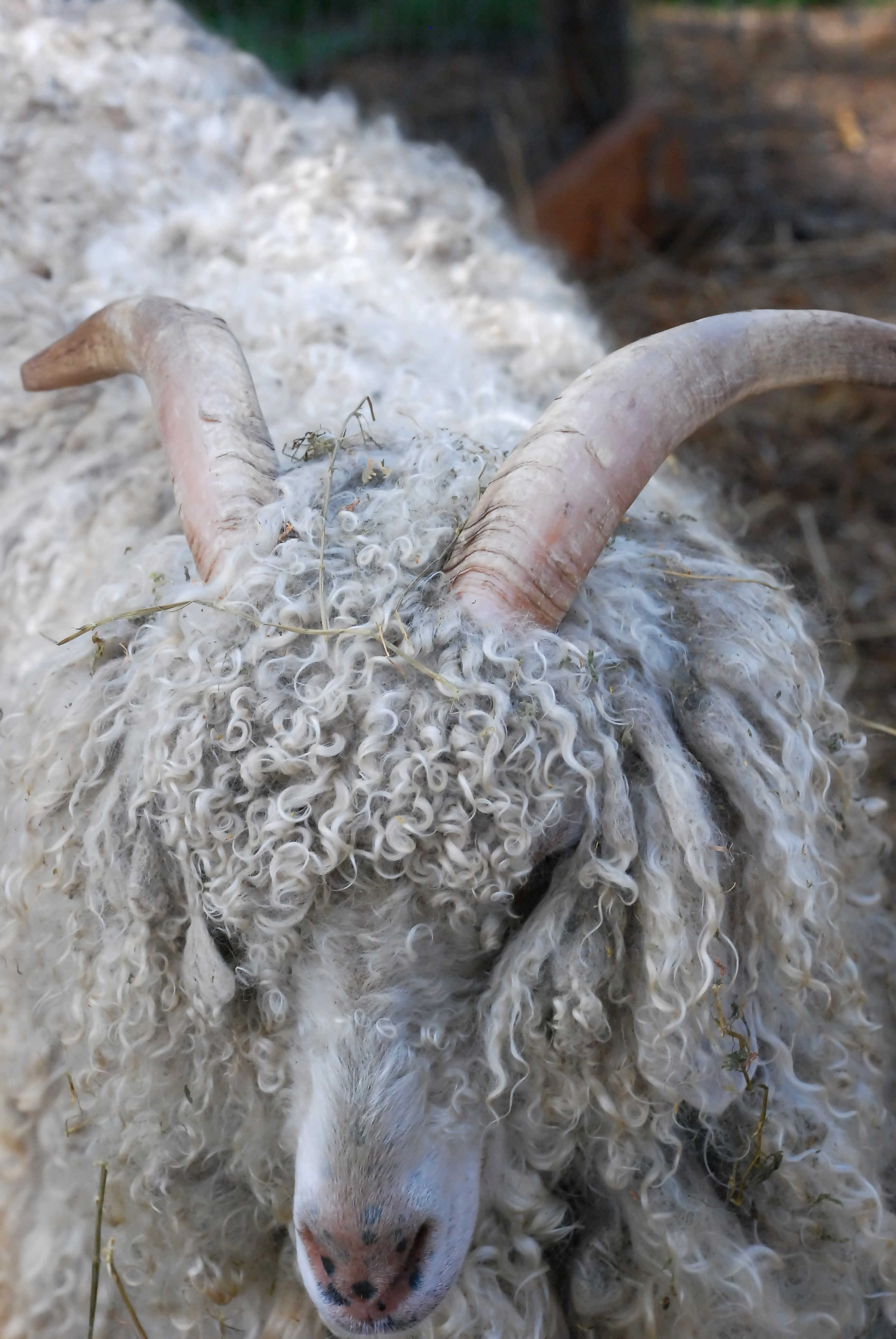
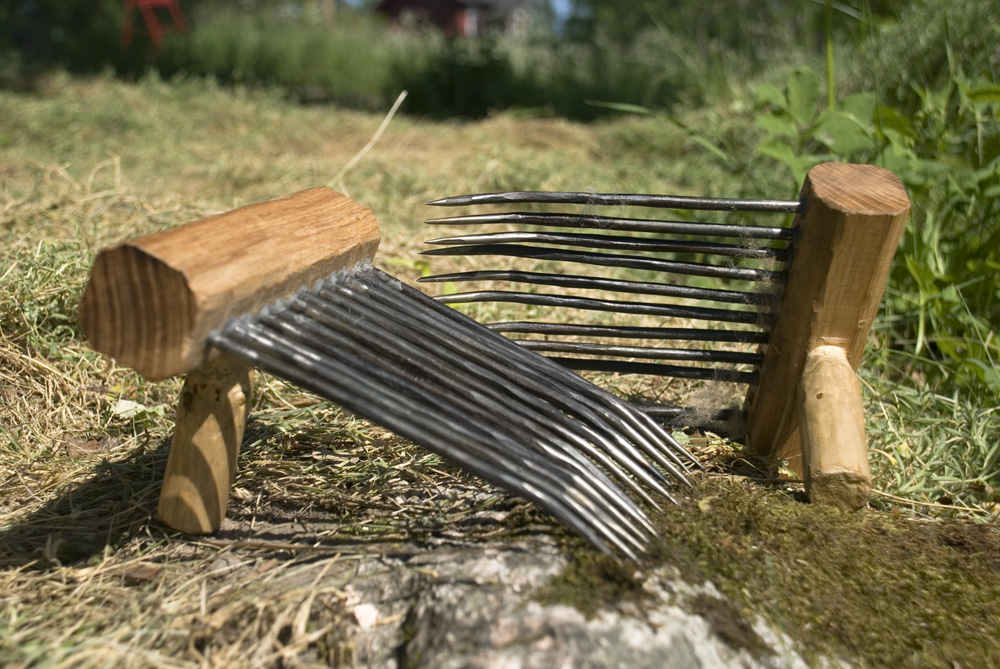
Heckling originally referred to the process of combing sticks, burrs, and knots from sheep’s wool so it could be spun into usable fibers. Sheep tend to ramble around without any concern for fleece-related loveliness, so this is quite a task. People who did the combing were naturally called hecklers.
Back in the eighteenth century, the wool trade flourished in the town of Dundee, Scotland. Hecklers worked long hours together. In the morning as they set to work heckling, one of their fellow hecklers read aloud from the day’s news. There was plenty to read, since this was an era when all sorts of publishers put out lots of newspapers, broadsheets, and handbills. The hecklers were thus well-informed in many subjects.
When politicians and power brokers of the day addressed the public, the hecklers combed over their speeches as thoroughly as they combed wool. They raised objections, pointed out contradictory facts, called people to account for their behavior. In other words, they heckled. These hecklers formed what would now be called trade unions, using their collective efforts to bargain for better pay and perks. They also stirred up awareness of worker’s rights while empowering ordinary people to speak up against injustice.
Hecklers were people who were knowledgeable and alert to hypocrisy. They were aware how easily something nasty can snag what’s useful into uselessness until it’s pulled free, no matter how arduous and smelly the process.
Heckling is a potent way to question the powerful. Over the centuries the term implied thoughtful questions from the audience which a speaker would answer before going on. In parliamentary proceedings it remains a method of engaging in open discourse with a speaker by someone who isn’t entitled to the floor.
The poet Lawrence Ferlinghetti joins other writers and thinkers who claim the masses are sheep, as he does in this evocative poem.
PITY THE NATION
(After Khalil Gibran)
Pity the nation whose people are sheep
and whose shepherds mislead them.
Pity the nation whose leaders are liars,
whose sages are silenced
and whose bigots haunt the airwaves.
Pity the nation that raises not its voice
except to praise conquerors
and acclaim the bully as hero
and aims to rule the world
by force and by torture.
Pity the nation that knows
no other language but its own
and no other culture but its own.
Pity the nation whose breath is money
and sleeps the sleep of the too well fed.
Pity the nation—oh pity the people
who allow their rights to erode
and their freedoms to be washed away. My country, tears of thee
Sweet land of liberty!
With respect to Mr. Ferlinghetti, I disagree. His poem is packed with truth but it doesn’t acknowledge how these exact circumstances also propel people to deeper understanding and stronger commitment to change.
I see eyes opening. I see loving hearts broken by Earth’s sorrows, knitted back together with hope. I see the sort of consciousness rising that wakens more and more people.
Director Patty Knable sat at our kitchen table interviewing my family as potential hosts for the Children of Chernobyl Project. It had taken almost two years to get the Ohio branch of this non-profit to consider us (based in Youngstown, they preferred families nearby). I hoped we passed muster.
The Children of Chernobyl Project brought kids each year from contaminated areas in Belarus to stay for the summer with host families. Vast amounts of radiation were released in the 1986 catastrophe at the Chernobyl nuclear power station. Radionuclides spread from the Ukraine across Europe, leaving 23 percent of the territory in Belarus highly contaminated. Food, water, even the dust exposed people to radiation. (It will continue to do so for countless generations.) The result? Much higher risks of cancers, genetic mutations, and other health problems. Getting kids out of that area for a few months each year to live with host families helped to boost their immune systems. We were told it had to do with eating uncontaminated food and getting medical care. Patty said extra happiness helped too.
I asked how she matched a child with a host family. She said it was hard to explain. She looked at the names of the children on her list, thought about the families who had applied, and let something past intuition guide her. “It’s amazing how it works out,” she said. “It’s a decision of the heart.”
A few weeks later we were told the little girl who would stay with us that summer was Tatiana, seven years old. We learned very little about her in advance other than she was an only child.
I knew she had to be a very brave little girl to travel thousands of miles away from home to stay with strangers, people who didn’t even speak her language. I knew her parents must be even braver. I wondered if I’d be able to muster the courage to send my children away if I were in the same situation. (Our home is closer to two nuclear power plants, along the shores of Lake Erie, than Tatiana’s family was to the ruined Chernobyl plant, so the consideration is important.) I’d long been driven to act in opposition to the splitting of the atom, but preparing to host this little girl felt entirely different than petitions and rallies and lobbying. It felt like simply extending a hand of friendship from our family to hers.
Finally the day arrived. We’d set up a bedroom for her with art supplies and puzzles, some new clothes, and simple wrapped gifts. I’d ordered all sorts of Russian language kid’s books and audiotapes from the library. We’d hung a banner over the front porch with WELCOME in Cyrillic letters as well as English. And we’d prepared by learning Russian words and phrases. I even taped cheat sheets in the inside of cupboard doors so I could ask her questions like what she wanted for breakfast.
It was a long drive to the Youngstown airport, although nothing like the trip this little girl had been enduring. She’d been traveling with a group of other children and volunteers. The last leg of their trip would be in small aircraft flown by volunteer pilots. The tiny airport was aswirl with families welcoming kids returning for repeat visits. As each plane landed we stood at high fences watching their young passengers disembark. When seasoned host families, carrying balloons and gifts, spotted a returning child they waved and screamed their names. Many planes landed before I saw a little girl with a honey-colored ponytail and a red baseball cap get off the plane. My heart leaped. I’d never seen a picture of her but I was sure this was our child.
When our names were finally called to the room where the children were waiting we were introduced to a different girl. Okay, I thought, my intuition was wrong. I knelt down to say privet to her. Just then she was pulled back by the volunteers, who apologized for the mix-up. Another girl was brought forward. The girl with the honey-colored hair and the red cap. Yes, my heart said, yes.
From the very first day this darling little girl’s personality shone brightly. She made it clear she preferred to be called “Tanya.” She told us, almost entirely through gestures, about her first plane ride by showing us that her seatmate Yulia cried for her Mama, that Yulia retched, that the stewardessa droned on in “angleesh.”
We thought we’d learned enough Russian to speak to her. We were wrong. But our pronunciation gave her something to laugh about, which helped. We spent a lot of time flipping through our illustrated Russian/English dictionary pointing and giggling at each other’s languages. My kids adored the Russian words she taught us (the belly button is called “poop”) and the Russian drinking songs she sang for us. That first night, thanks to library materials, we danced to the Hokey Pokey in Russian.
Tanya was horrified by my vegetarian meals, refused to participate in the activities my outdoor-loving children preferred, and let us know that she hadn’t traveled so far to live like a peasant. She wanted to be entertained!
Amusing my new daughter from Belarus.
My scruples fell by the wayside. Like anthropologists to our own culture we explored shopping malls and tourist sites, went to amusement parks rather than wilderness areas, even bought some fast food meals. Tanya picked up English quickly. She displayed her brilliance in many other ways too, typically beating any of us at board games we’d played for years and she’d just learned.
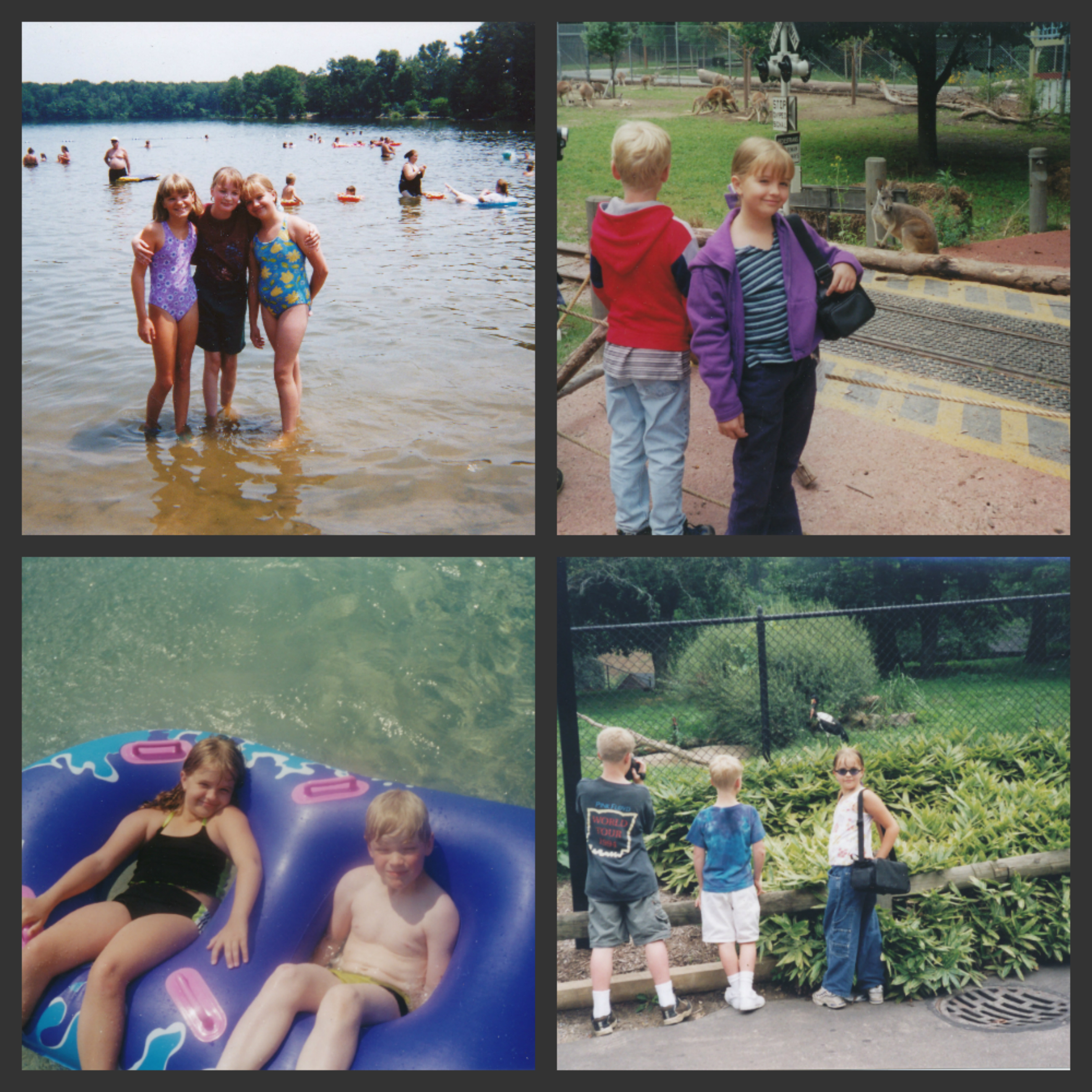
She made friends in the neighborhood and particularly adored spending time with my daughter, her American sister. Her time here changed all of us, especially my four kids. She became a member of our family, a family that now joyfully extends to Belarus.
She stayed with us every summer until she turned thirteen.
That last summer she’d been hosted as many times as the program could allow. We did our best to stay in touch by sending letters as well as holiday and birthday gifts. We got a few letters back from her, each one ending with how much she loved and missed us and hoped we remembered her. Then those letters didn’t come any more. Finally she got computer access and got in touch. We learned she’d received none of our gifts the last few years and thought we’d forgotten her.
This year we managed to help her get a travel visa, not easy in a country like hers, and flew her here to stay with us. She’s a new university graduate now, a gracious and lovely young woman. She just left to return home few days ago. We can’t wait to visit her some day, to meet her parents and immerse ourselves in her culture. She’s a forever member of our family, a daughter of our hearts.
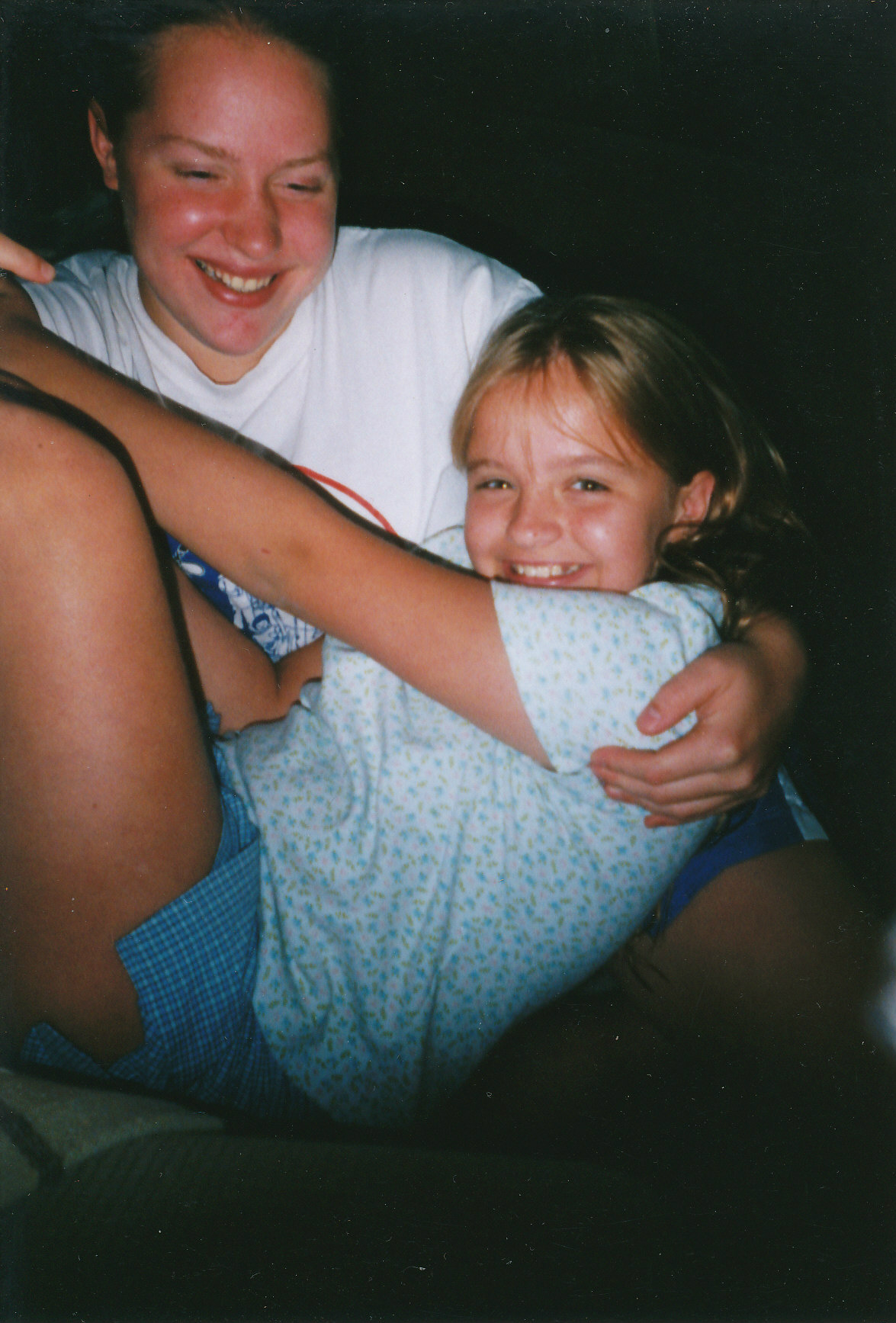
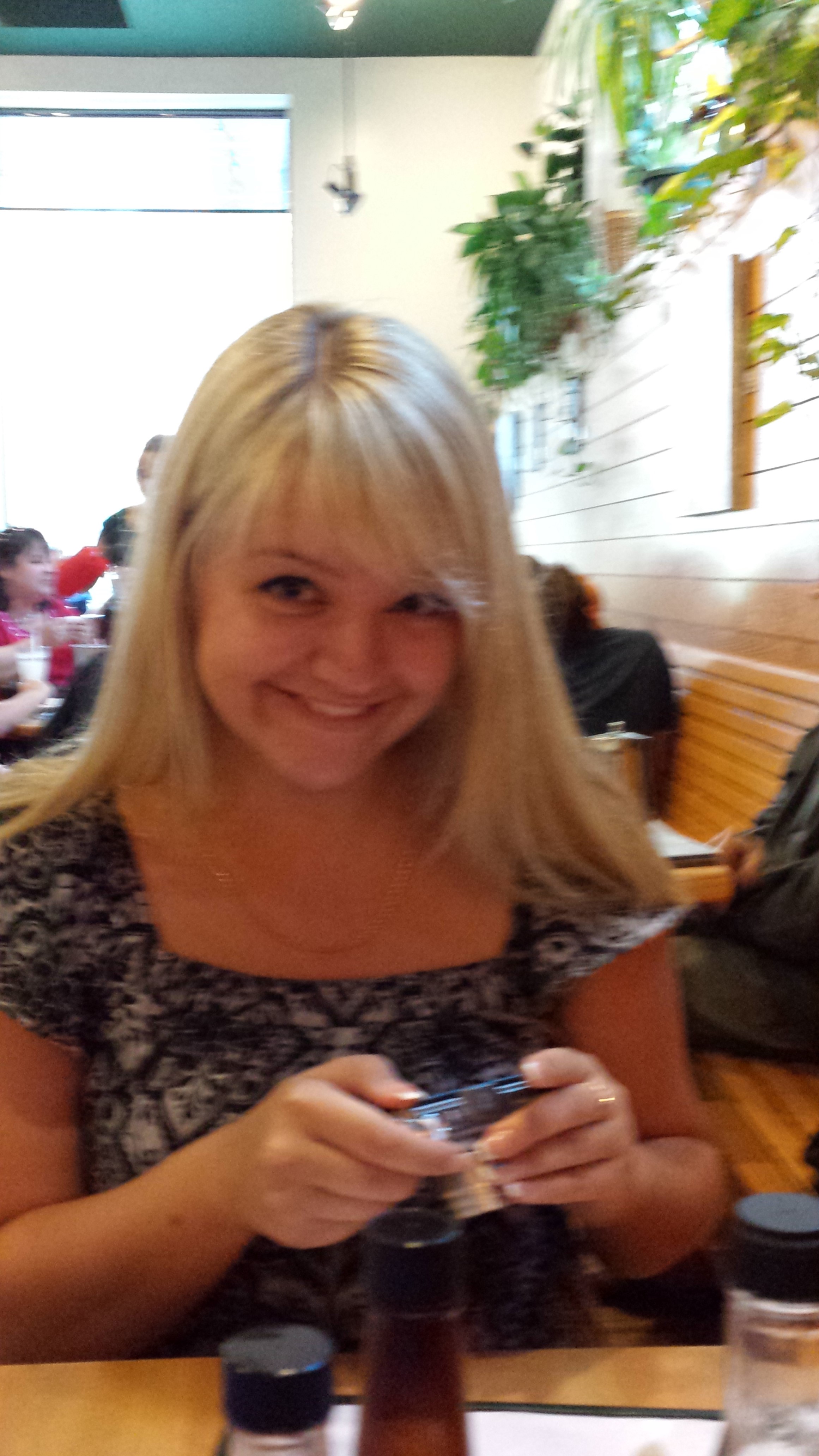
Our beloved Tanya, all grown up, enjoying one of our favorite restaurants.
Become a Host!
I think we all need to love specific individuals in different places in the world instead of staying on our own little street corners. One way to do this is by hosting people in your home. You can do this informally, inviting far-off online friends or people you’ve met through other long-distance connections to stay if they come your way. There are also plenty of programs that bring people to your door, people who may very well become family to you in a short time. Here are a few ways.
Urban kids in the US are matched up with families living outside the city, where the kids stay for a week or two, via the Fresh Air Fund. This link is for the NYC program, but you may find one in your area. We hosted an engaging little boy through a similar Cleveland program, called Friendly Town, which no longer seems to be in operation. He came one summer, then a few weekends, but moved out of state before we could host him the next summer.
Exchange students are a lively way to connect. Some programs are short stay, others are a full school year. Check out well-established programs with support personnel in your area like American Field Service, Youth for Understanding, Rotary Youth Exchange, or World Exchange. Friends of ours have hosted a high school student every year for the last 11 years. They stay in touch with these young people and their families, and have visited nearly every student in his or her home country.
Host an adult:
Check out groups you are affiliated with such as religious institution, charity, or club. Oftentimes these groups will need short term lodging for a speaker or visitor.
Welcome a visiting professional through the Fulbright Scholar Program. We know a retired couple who have opened their home for years to educators and researchers from dozens of countries around the world through this program.
Register with the AFS Intercultural Program to host young people performing community service or teachers doing foreign exchange service at a nearby school.
Sign up with the National Council for International Visitors. This organization connects visiting leaders from other countries to people in the community. You might welcome them for a meal, show them the highlights in your area, or host them for a few days.
Join Servas, the oldest of international exchange programs. You can serve as a day host or offer a homestay.
Shopping is cheaper and more convenient at big box stores. And on that giant site that shares its name with South America’s longest river. But we know more all the time about the environmental and economic impact of our spending choices. Our wallets really do change the marketplace.
Yes, it’s more complicated than making an effort to buy what’s produced in our own country. We live in a globally interdependent world. What we use to communicate, fuel, and enhance our lives is a combination of innovation and resources from around the globe. Yes, I’ve read convincing articles about why people in the developing world need factory jobs to pull their families toward greater prosperity. I just have trouble reconciling that concept with the millions of child laborers still at work today, the grim details about sweatshops turning out electronics and shoes, the conditions at garment factories like those in Bangladesh where over 800 workers recently died in a building fire just one day after owners refused to evacuate when told it was unsafe. Know how much it would cost to afford decent working conditions? About ten cents more per item of clothing.
Besides, that gotta-have outfit on sale doesn’t feel like a great bargain when we look at wages. Most clothes coming to the US are made in China where the minimum wage is 93 cents an hour. Second largest importer is Vietnam, where wages are 52 cents an hour. Third largest is Bangladesh, where it’s 21 cents an hour.Ouch. Gotta have more fairness.
I’m not a fanatic, heck, I buy wonderful imports on purpose, but I’ve also walked out of Bed, Bath, and Beyond when I couldn’t find a single thing on a wedding registry that wasn’t imported from places in the world where working conditions and environmental standards are appalling. And I admit to a personal bias. My husband was unemployed for nearly three and a half years, his job loss related to outsourcing. He’s lucky to be back at work, considering the the US trade deficit set a new record.
In my house, we make our own or repurpose whenever possible. When we can’t, we do our best to buy from artists, craftspeople, and from ethical companies. We also try to search for products locally as well as in our home country. Buying quality items means we need to purchase fewer goods. It’s a simple effort, really.
Here’s a list of goods made entirely in the U.S. Please add your own links in the comment section. And don’t forget to bookmark this list! Continue reading →
When I was growing up I was told I could be anything I wanted to be if I worked hard enough. The examples I was given at school and church were daunting. Heroes who did no wrong and martyrs who suffered for a cause without wavering. The media showed me examples too. People who were celebrities because of their talent for acting or playing games or for their appearance alone. All these people seemed larger than life.
I didn’t want fame but I did want to accomplish important things. I wanted to find the source of sorrow, injustice, and suffering so that it could be alleviated. The urge to do this was constantly with me and often overpowering. When I was very small I wanted to bring peace to every caged puppy or crying baby I encountered. I couldn’t, although I did absorb the misery I perceived, turning it into questions that the adults around me couldn’t answer. As I approached my teen years I searched for my own answers. I learned all I could about the world’s wrongs, hoping to find out why greed and cruelty happened. I committed myself to do something important. An ordinary life that did nothing to turn the world around seemed unthinkable. Whatever I did, it had to be big. My time on earth had to make a difference.
My quest to understand all that was wrong turned me in the opposite direction from hope. It showed me the worst of humanity. Slowly I came to realize that building on what’s positive brings greater possibilities into being. My days as an adult have proceeded without accomplishing anything Big. But I’ve come to think it’s the countless small actions, even thoughts, that truly have significance. We’re faced with these choices every day.
Do I wave to my neighbor, the one who condemns me?
Do I give the cash in my pocket to a street person or do I look away?
Will I cook tonight’s dinner from scratch, perhaps making enough to bring some to a friend recovering from an illness?
Do I turn from what I’m doing to truly look and listen when someone talks to me?
Should I go to yet another activist meeting, surrounded by often despairing people? Would it be better to write an article about the issue or simply to focus my energy on new possibilities that make the issue obsolete?
Do I fritter away time on tasks that feel like “shoulds” even though time seems to be slipping away like escalator stairs?
Do I read too much, blotting out my own experiences, or is it fine to indulge this obsession of mine?
Do I believe that humanity is becoming more aware, more kindly, more open?
And because my answer is yes, do I live that yes?
None of these are major challenges, but how I answer such questions is how I live my life. They have to do with how I conduct myself and how I see the world around me. The questions aren’t clear-cut, so it’s not always easy to discern where on the scale my answer falls. Leaning toward loving attention or apathy? Joy or bitterness? Eagerness or weary resignation? Considering larger implications or thinking only of my whims?
I’m undisciplined and prone to stubbornness, so I make plenty of choices that wouldn’t pass an ethical stink test. Still, each one matters.
We’ve been taught that only Big people with “real” influence make a difference. That makes us feel powerless. Chances are, that’s what Big money and those who control it want us to think. If we feel powerless we give up before we try. After all, the advertisements surrounding us insist our major choices have to do with what we wear, the cell phones we use, the cars we drive, the vacations we take. Oh and having teeth so white they shine like LED lights each time we smile. Larger social, environmental, and political concerns may keep us in a state of anxiety but are nothing we have any control over. Or so we’re told. Hush about unemployment and income disparity. Hush about erosion of Constitutional rights, climate change, drone strikes. Just stimulate the economy like a nice shopper. As soon as the Big experts are done distracting us with their divisiveness they’ll handle it.
That’s true only if we agree with the idea that Big matters. Because all around us is the present, which appears little and inconsequential, but isn’t. Acting in the present may mean choosing to slow down, to meet our neighbors, to take a deep breath and be grateful, to speak up against a wrong, to step outside and look at the sky, to turn off all devices and spend time with someone, to eat while savoring each bite, to do something difficult with no assured outcome. It doesn’t mean ignoring injustice or wastefulness.
A response in the present is corrective. Even fixing the largest problems requires small steps. Incremental progress, both in attitude and action, is behind great social and environmental change. In fact, the idea that only Big change can fix problems is part of the problem. When bureaucrats or corporations institute top-down changes they often make situations worse. Real progress happens when the same people who are affected by a problem take power over the choices and act on that power. This rises from small choices, values elevated to action.
We’ve all heard of the butterfly effect. A butterfly flaps its wings in the rainforest, as a consequence weeks later there are tornadoes in Texas instead of clear skies. The effect, coined by mathematician Edward Lorenz, basically says that small change in one place can result in large differences later. It’s a fascinating look at chaos theory, but it also means nothing we or anyone (even a butterfly) does is without consequence. Just as a butterfly in Brazil has no way of knowing it may affect weather patterns a continent away, we often can’t predict the consequences of our choices let alone understand the long term impact. Our choices are those butterfly wings. Who I am today might be a disappointment to the determined child I once was, but I know now that worthwhile doesn’t have to mean big. How I fill a day is how I fill a life.
The kids had a bunch of boards, some old nails, a hand saw, and a few hammers. They also had the two most important ingredients, the desire to make something and the freedom to do so.
They spent an afternoon planning their tree fort, enthusiastically arguing over whose plan was best. Their first few attempts failed spectacularly. They were undaunted, even bragged a little bit about the noise the boards made falling down. Several of them asked family members for advice. A few others paged through books and watched YouTube videos as they tried to figure out basic construction techniques. They started again, measuring more carefully as they built a frame. The process took much longer than they’d expected but they stuck with it. When they ran out of materials they scavenged tree lawns on garbage pickup day, dragging back pieces of wood. They got a few cuts and bruises. They were proud of those too. As they worked they talked about how they’d use their clubhouse. It didn’t occur to them how much they were learning.
Conventional thinking tells us that children benefit from the newest educational toys and electronics, lessons, coached sports, and other adult-designed, adult-led endeavors. Well-intentioned parents work hard to provide their children with these advantages. They do this because they believe that learning flows from instruction. By that logic the more avenues of adult-directed learning, the more their children will benefit.
But learning has much more to do with curiosity, exploration, problem solving, and innovation. For example, if baby encounters a toy she’s never seen before, she will investigate to figure out the best way or a number of different ways to use it. That is, unless an adult demonstrates how to use it. Then all those other potential avenues tend to close. Studies show that “helpful” adults providing direct instruction actually impede a child’s innate drive to creatively solve problems. This experience is repeated thousands of times a year in a child’s life, teaching her to look to authorities for solutions, and is known to shape more linear, less creative thinking. That’s true of a baby as well as older children and teens.
It’s also well-known that a child’s natural motivation tends to diminish in adult-led activities. Unless they’ve been raised on a steady diet of ready-made entertainment, children are naturally drawn to free play. They pretend, make up games, daydream, wonder, and launch their own projects. They are discovering not only the world around them but a rich inner life as well.
Of course adults are vital to young people’s lives. They provide safety, guidance, love, and much more. Kids know they can ask trusted adults for help or advice. They do so more eagerly when they recognize these adults won’t overwhelm them with information, quiz them on what they are learning, or take over. Adult responses simply need to stay in proportion to a young person’s request.
For an example of how powerful the drive to discover can be, let’s take a brief detour to two Ethiopian villages. These places may be rich in intangibles like family and tradition, but they are poor in every other way. The illiteracy rate is practically 100 percent. There aren’t even written words around for children to see: no books, no labels on packaged foods, no street signs. That’s where the One Laptop Per Child (OLPC) project dropped off 1,000 tablet PCs with solar chargers. They weren’t handed out in a school, but to kids. The devices were pre-loaded with English-language operating systems and software that tracked how the tablets were used. The boxes were taped shut, with no instruction given at all.
In less than five minutes, one child (who’d never seen an on/off switch) powered up a system. The kids collaborated as they learned. Within a few days they were using 47 apps per child, within five months they were taking pictures. That took a while since the kids had to teach themselves to hack Android because the tablet cameras were mistakenly deactivated. The OLPC project is finding, all over the world, that kids are learning to read and speak in multiple languages. They easily search, program, and connect using inexpensive tablets. These kids are also teaching adults in their villages to read and use computers. They’re doing it without adult instruction.
So how did our fort-builders do? They had three sides framed and were working on the fourth when one boy’s father stepped in to help. His help may have been welcomed if they’d asked or if he simply contributed to the team effort, but this very well-meaning man decided the kids weren’t doing a good job. He took over, telling the kids to re-do some of their work and to build the rest of it according to his instructions. They did, but without much gusto. The resulting fort was more sturdily built yet they only used it a few times.
A year or so later they scavenged some boards from it to make a go-cart, and then another go-cart. This time they welcomed the help of another child’s grandfather who worked alongside them, learning together as the project unfolded. Their enthusiasm had returned.
My mother tried throughout her pregnancies to get hospitals and doctors to change their rules. She wanted a natural birth, she wanted her husband with her, she wanted to hold her babies after they were born. Instead regulations were followed— every decision excluding her. That meant her labors were induced, she was given painkillers, my father had to stay in the waiting room, and except for standard in-room hours her babies were kept apart from her in the hospital nursery. Such procedures made it easier for the institution and less trouble for doctors.
By the time I had babies her futile requests were standard policy. Every woman was encouraged to have one or more support people with her, to room in with her baby, and to give birth naturally. It took change-makers to turn those policies around. Those change-makers were ordinary people who had a vision of something better. Some of them actively worked to see those changes happen but I suspect most of them simply talked, read, wrote, and otherwise carried on with what looked like everyday lives while activating awareness in people around them.
This is how real progress happens. Yes, there’s the much cited quote by Margaret Mead, “Never doubt that a small group of thoughtful, committed citizens can change the world. Indeed, it is the only thing that ever has.” And yes, there are torchbearers for our big changes who are often misunderstood, even persecuted, while they lead the way. But lets not assume that we don’t qualify as “thoughtful, committed citizens” if we aren’t at the front of any movement. It’s about action but it’s also about attitude. Those attitudes make justice, ecological harmony, and peace possible.
Those “in charge” are often well behind the consciousness of the people they supposedly lead. Many in authority impose the same order, same rules, same limited thinking on people who have opened themselves to bigger possibilities. That’s true when we look at mainstream medicine, education, organized religion, finance and banking, government, science for hire, and multinational corporations. Such established institutions tend to become more rigid in response to vital change shaking their structures loose. The lower levels of moral reasoning that often hold those structures so restrictively in place (might makes right, or an eye for an eye, or conformity to norms) have less relevance when more and more people are in touch with deeper wisdom.
You may be activating change right now by the content of your conversations, the ideas you see taking hold around you, the way you stay informed, the way you raise your children and treat your friends, how you choose to spend your money and not spend your money, the way you make a living, the causes you advocate and believe in, and how you interact with our living planet. You, like so many change-makers, may already be living through deeply felt, personally lived ethics. That itself causes rippling change. Torchbearers of the last century who brought about so much good could do so because awareness shifted and deepened.
It may seem that small personal efforts make little difference when the problems facing the world are so huge. But bemoaning what’s wrong usually doesn’t effect much positive change. It may very well just entrench the feeling that we’re victims of all that’s Big and Bad. Instead we can see how truly interconnected everything is. Mind and matter, internal and external, thought and deed–all are aspects of the same essential aliveness in a universe where nothing is really separate.
My mother didn’t go looking for causes but when they were in front of her, she stood up for what was right. This happened often when she was a young registered nurse working in a large Chicago hospital. She defied rules requiring nurses to stop laboring women from delivering until a physician was present (perhaps to collect higher fees for attending the birth). Nurses were expected to keep women from pushing, and in extreme cases, to hold back the head of the emerging baby. As you might imagine, some infants were deprived of oxygen or worse. My mother refused to follow the policy, more than once delivering a baby herself if the doctor didn’t arrive in time. She also refused to follow the policy that restricted incubators to private pay patients. When necessary she simply went to another ward, took an incubator, and faced the consequences. She got in trouble over and over. She did it anyway.
Once she had children of her own, my mother spent much of her life as what she’d call a homemaker. She did all sorts of good on a small level. She herself been a lonely child, perhaps as a result she was remarkably skilled at staying closely connected with and supportive of people. My mother functioned as a sort of informal Wikipedia for her wide network of friends, always putting her hands on information to help others. I often didn’t agree with her political opinions but I saw from her example that activating change often has more to do with living as if compassion is not just necessary, it is essential.
Who or what in your life reminds you that progress is happening, even on a small personal level?
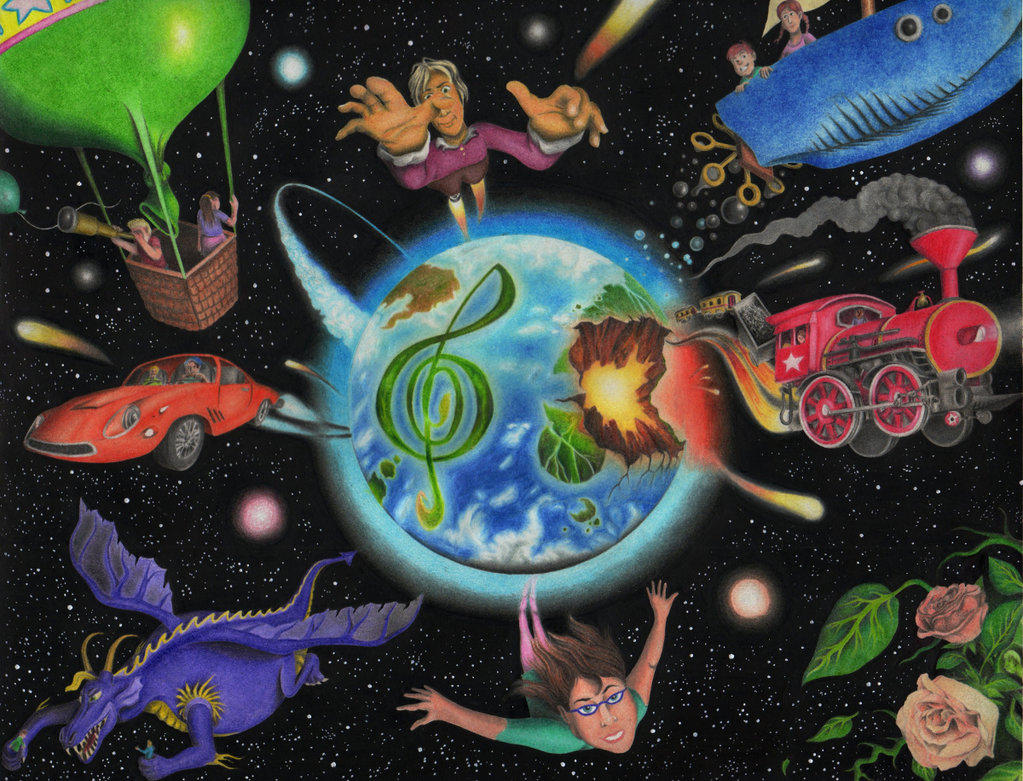
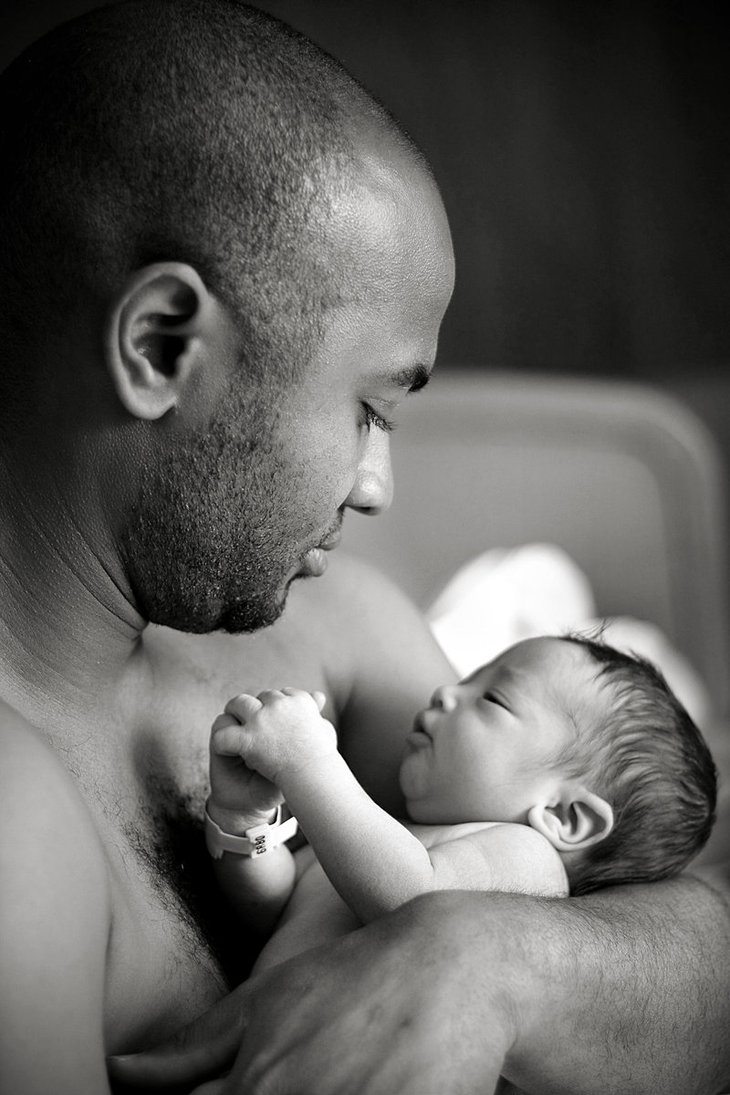
A hundred million babies are being soothed in loving arms, lulled to sleep by songs in every language. Those gently nurtured babies will grow up to change our lives in ways too marvelous to imagine.
siobhan68.deviantart.com
Today Muslims pray, “Praise be to the Lord of the Universe who has created us and made us into tribes and nations. That we may know each other, not that we may despise each other.” Cloistered nuns petition God that our world be blessed with the wine of Christ’s love and peace. Tibetan Buddhists practice tonglen, breathing in the suffering of others and breathing out happiness for all beings. Individuals meditate, chant, pray, or contemplate nature while sending light to each soul on earth. People of all faiths dance and sing in Dances of Universal Peace.
Right now, artists are creating something that never before existed. Their medium may be cake batter, dance steps, paint, tiny gems, huge beams, words, reclaimed trash, wool, glass, musical notes, or curved light. They bring vision into reality. The way they see transforms the way we see.
onebadcat.net
Right now people in crisis are rising up, acting out of deep regard for one another in an ongoing testament to the compassion that defines us. Every second millions of people are selflessly working around the world to advance ecological sustainability, economic justice, human rights, political accountability, and peace. Unnoticed ordinary acts of kindness allow life to flourish as we nurture the youngest and tend to the oldest, share with those in need, and weave the web of mutuality that holds us together.
samlim.deviantart.com
Right now people assumed to be dead are reviving, changed forever after by a near-death experience. They reawaken to a life less focused on material success or narrow beliefs, and instead emphasize love, curiosity, and awe.
flickr.com/photos/qthomasbower
Right now you are fueled by a perfect circle: sunlight, soil, and the seed’s mysterious will. At this moment your extraordinary body is replacing millions of cells, pumping quarts of blood, actively defending your immunity, releasing precisely timed hormones and enzymes, operating on rhythms well beyond your perceptions.
gajitz.com
Today in an unimaginably vast universe, clouds of interstellar dust reflect the light of nearby stars. We are made of elements forged inside of stars that died out long before our own solar system emerged.
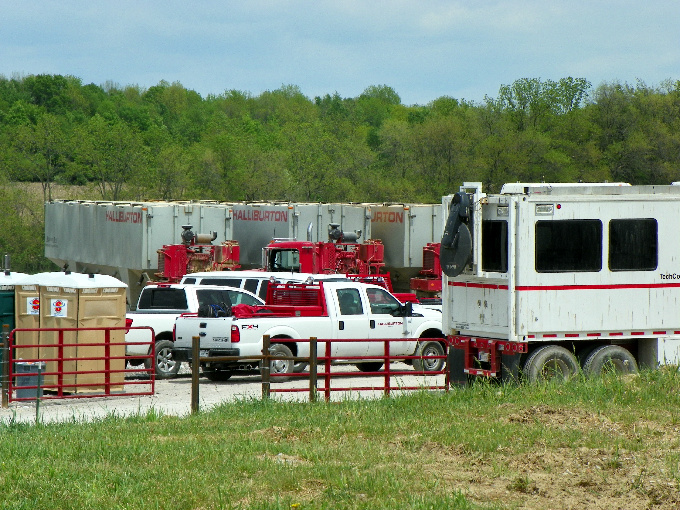
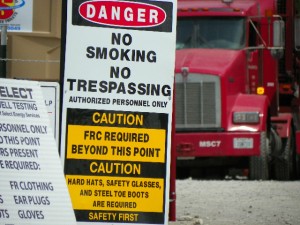
Equipment arrives at this dairy farm. (Image: fafaohio.org)
Have you heard about fracking? It may seem like it will have no impact on your or your family. But take a look at the facts.
A dairy farm not far from us is the first in our area to begin hydraulic fracturing. This process was developed to extract formerly unattainable gas and oil from rock a mile or more below the surface. Unlike old style wells bored straight down or at a slant, these go down and then proceed horizontally. Using a mixture of water, sand, and chemicals the rock is fractured (hence the name) to release fossil fuels. This is commonly called fracking.
I went to look for myself. The bucolic farm is snuggled along gentle hillsides. An Amish buggy went by as I took in the dissonant sight of Holsteins grazing and huge rigs marked Halliburton parked just off the narrow rural road. Drilling hadn’t started. I wondered if fracking chemicals could possibly affect those cows and wind up in their milk. How many of us know where our yogurt once grazed?
I’m as energy dependent as the next person. But I wanted to know more about fracking, especially how it might affect my family and community, so I started hunting down information.
Sorting through the confusion
My husband and I attended a public meeting held to promote leasing by landowners. There were lots of glossy handouts and a power point presentation. The speakers said that 60 years of gas well drilling had never caused a health or safety problem. I found the same reassuring claims by the oil and gas industry in advertising campaigns and online reports. Friends who’ve already signed fracking leases repeat this too.
It seems to me they’re blurring the distinction between decades of experience in vertical drilling methods and the much newer process of fracking. It’s not hard to find incidents around my hometown of older-style wells causing trouble. That includes homes with explosive levels of methane as well as a house explosion linked to inadequate cementing of well casings. Apparently such problems have occurred in both vertically drilled wells and fracked wells.
But technically, assertions that fracking is safe are largely true. That’s because industry and government regulatory agencies use the term “fracking” only as it relates to the actual process of pumping fluids into the ground to break apart rock. So when they make claims about fracking safety, they don’t include what happens while drilling, constructing the well, setting off explosions, dealing with blowouts or well fires, storing waste water in open containment basins, vapors emitted from condensate tanks, open flaring to burn off gasses, transporting waste, injecting waste water into deep disposal wells, or at any point in the future when the wells may leak.
That’s convenient, because a University of Texas study found that these are the activities actually contaminating air, water, and soil. So both sides are “right” in the fracking debate. The industry is correct when they say that fracking is largely safe because of their limited definition of the word. People concerned about the environmental and health consequences lump all activities associated with the process under the term “fracking,” making their claims of risk correct too.
I think it’s time we developed a new word or phrase to discuss the issue more clearly. For now I’ll use “fracking-related activity.”
Disclosure and rights
Those of us who live in areas said to be rich in shale oil are being romanced. Industry representatives hold open houses. Lawyers eager to get a share of leasing money by selling pooled rights do too. I’ve paid close attention at these meetings. The emphasis is mostly on how much money can be made. We’re told that those who get their land drilled first will have the highest yields and the most money. One speaker demonstrated with a straw and a cup of soda, showing that wherever drillers (his straw) first pierced would have access to the most gas (soda) below. He slurped loudly, then asked if anyone thought he’d leave much behind for those who leased their land later.
Many participants eagerly signed up. Any concerns raised were quickly soothed. At a meeting held in a rural church we were told that landowners would be left with trees, grass, and a single wellhead providing substantial income for 30 or more years. Big money, restored land–sounds good, right?
The promise of a hefty income rising from the ground well below our feet comes at a time when many Americans are reeling from unemployment, poor housing prices, and debt. And all over the country, property owners like small to medium dairy farms are losing their livestock and often their land because they can’t turn a profit. Fracking seems like a life line.
But when I talk to people who have already signed a lease many are upset, believing they haven’t gotten as much money as they deserved. Others believe they’ve been lied to about the environmental impact. Surely there are happy lease-holders out there, I just keep running into those who feel they’ve been deceived.
At an open house meeting last fall, a conversation between an Ohio property owner and industry representatives was tape recorded. The property owner asked about chemicals used in fracking. He was told, “We don’t put any chemicals down in the ground. We just use regular, fresh water.” Another industry representative coming into the room later said the process uses household chemicals like dish washing detergent.
These are common claims. At one meeting we were told that fracking chemicals are no more dangerous than cleaning products in the average home. Cheerful articles online tell us that the same chemicals using in fracking can be found in hand sanitizer, fabric softener, even hot dogs. (I’ll take a brief look at why that’s not the whole story in a bit.)
A majority of leases do not require companies to compensate landowners for water contamination or damages to the land.
Even if state regulations force industry to replace contaminated drinking water, not all costs are covered nor are needs of crops or livestock included.
Many consumer protection laws do not apply.
Some leases deduct costs such as hauling to or from the site.
Energy companies can use the property to build roads, store chemicals, cut down trees, run equipment 24 hours a day, and build containment ponds (in some instances covering them with dirt rather than hauling away the waste).
Few landowners are fully aware that their property becomes, in essence, an industrial site.
But local citizens have very little control over fracking. Depending where they live, fracking may occur under cemeteries and in state parks. Some cities as well as colleges are considering lease offers. Despite regulations that normally zone residential areas apart from industrial areas, drilling can take place near homes and schools. Residents in Colorado, Texas, West Virginia, and elsewhere are advocating for stronger regulations to protect schoolchildren from the noise and dust generated by these sites. In some areas drilling sites are only required to be 350 feet from schools and 200 feet from homes. (In New Mexico, one school playground is 150 feet from a well.) No matter how vehemently citizens object, the ability to pass local ordinances regulating gas and oil producers can be superseded by state or federal regulations. This provides the industry rights normally not allowed under the law.
For example, in 38 states you can’t say no to fracking on your land if others in your area have already signed leases. It’s called by all sorts of names such as “mandatory pooling” or “compulsory integration.” This means a horizontal drilling line can run under your property whether you want it there or not. It’s really eminent domain by private enterprise. Such laws make it easy for gas and oil representatives to tell people they might as well sign up, because underground reserves will be extracted anyway. That’s the reason people we know are signing leases. That there’s no legal recourse shocks some homeowners when drilling begins.
For many of us, fracking operations (called “plays”) seem like a distant threat. But they’re taking place not only in rural areas but cities, suburbs, and park lands with several hundred thousand new wells scheduled for drilling in the next few years.
Economics
We also heard lots of talk about how much good this gas and oil will do to boost the local economy and help our nation to get back national energy independence. These are laudable goals. I’m not sure they’re more than optimistic projections.
Any talk of jobs is likely to generate enthusiasm in our still flagging economy. Those of us living in shale oil areas have been told that an employment boom is around the corner. In Ohio we’re assured that our state will see 65,000 jobs and $3.3 billion in wages within two years. But analysis of data from states already experiencing a fracking boom finds only a modest rise in employment, even when factoring in supply chain jobs and increased spending by workers and landowners. Looking more closely at the numbers, it’s clear that the majority of the energy paychecks are going to out-of-state contract workers who handle drilling and hauling.
They don’t have the most enviable jobs. Oil field workers are exempt from certain safety rules, leading to a higher rate of accidents than other industries. In one state alone, police found that 40 percent of the 2,200 oil and gas industry trucks inspected were in such serious disrepair they were taken off the road. The Centers for Disease Control and Prevention reports that fatality rates for oil workers are seven times the national average.
Fracking-related activity actually places a heavy burden on municipalities. The industry estimates over 200,000 new wells will be fracked across the U.S. in the next decade. Each one requires 500 to 1,500 truck trips to haul equipment, water, and waste. Massively increased traffic brought by these heavy rigs is likely to hasten the deterioration of roads and bridges. The American Society of Civil Engineers (ASCE) puts out regular report cards on the country’s infrastructure. They note that bridges are normally built to last 50 years. The average U.S. bridge is now 43 years old. Overall, the ASCE gives U.S. infrastructure (including roads, bridges, and water supply) a grade of ”D.”
It costs in city services as well. Police have reported increased calls in some areas due to the surge in temporary workers associated with drilling. And first responders such as fire fighters and paramedics may not have the equipment, training, or funds to handle new perils that come with drilling and disposal operations.
Maybe this is the price we have to pay. After all, we’re told that fracking is a reliable means to achieve energy independence. I hear lots of these talking points repeated in meetings and in print, often along with some patriotic fervor tossed in for emphasis, but it isn’t easy to figure out energy facts in all the hubbub. As a concerned parent and citizen, I’m still trying to sort it out.
Here are some things I’m mulling over. The U.S. exports more gasoline than it imports, so energy independence isn’t as simple as the “drill, baby, drill” signs I see in my community. And shale oil, which can be extracted along with natural gas from the fracking process in some areas, is more expensive to extract and refine than crude oil. But most of the energy generated by fracking comes in the form of natural gases and liquid gases such as ethane, propane, and butane. Over the last ten years this industry has spent 20.5 million dollars on donations to Congress and 726 million dollars on lobbying to continue steering subsidies toward fossil fuel, keep regulation minimal, and boost incentives. Government policy decisions are locking in tax dollars for years to come on natural gas incentives based on industry and Wall Street speculation about the amount of gas that can be extracted. It will cost 700 billion to convert just some of our coal-fired plants to natural gas, a pricey venture when estimates of these reserves keep dropping.
At the same time, reports from financial and energy sectors indicate such speculation is shaky. Huge investments made in leasing and supplies are not returning profits as projected. The U.K.’s Financial Times called it the next economic bubble, comparing it to the financial disaster caused by real estate financing. For some companies, such as Chesapeake Energy, the bubble may already be bursting.
It’s not just a financial bubble, there’s also a gap between the industry’s wildly optimistic estimates and the realities of extraction. Petroleum engineers note that initial production rates are high but dropping. Although President Obama’s State of the Union address repeated industry claims that we’re sitting on a 100 year supply of natural gas, a week later the Energy Information Administration revised its estimatesof Marcellus Shale gas downward by 66 percent and overall potential U.S. reserves by 40 percent. ASlate report takes a close look at the numbers. The estimated supply actually lumps ”proved reserves” (meaning it’s known to exist and is recoverable) with those that are “probable,” “possible,” and “speculative.” In other words, most of the so-called surplus of gas may not exist or be recoverable. Only an 11 year supply falls into the “proven” category, and that’s if our usage doesn’t go up. As Slate dryly notes, “By the same logic, you can claim to be a multibillionaire, including all your ‘probable, possible, and speculative resources.’”
Government and industry continue to insist that a boom is on although a well-by-well analysis notes that gas production is much flatter than hyped and “the gold rush is over.” The number of drill rigs operating in North America continues to fall and production per well, on average, declines by 44 percent per year compared to 23 percent for wells in traditional gas fields.
Some people we know who have leased their property worry that the companies owning their leases are simply speculating in land and will sell those leases to foreign companies. I held up my hand at one meeting and asked an industry representative if any leases might ever be sold to non-U.S. companies. “Absolutely not,” I was told. “This is about American energy independence.”
I came home and looked it up. All sorts of huge foreign companies are buying up rights. For example, the Australian company BHP Billiton bought 4.75 billion worth of shale assets in Arkansas, the French company Total will pay 2.25 billion for shale assets in Texas and 2.32 billion for assets in Ohio, and the Chinese firm, Sinopec, is spending billions to scoop up assets across the U.S. from firms like Devon and Chesapeake. Selling these assets is, of course, the prerogative of any company owning them. Obscuring the truth about it to landowners before they sign the leases doesn’t seem to be a priority.
We also attended public meetings run by several area groups hastily formed to oppose fracking. They brought speakers in from across the state and beyond. I listened to Joe Logan, a representative of the Ohio Environmental Council, explain how fracking-related activity can affect the food we eat. His charts showed that heavy metals and chemicals migrate into air, soil, and water. These contaminants can diminish crop yield, affect the health of livestock, and imperil organic certification. He noted that current laws are not sufficient to protect the food supply or food producing areas from the effects of fracking.
I listened to Doug Shields, former member of the Pittsburgh City Council, explain how fracking-related activity is exempt from major environmental laws that currently protect the public. The oil and gas industry does not have to comply with key provisions of the Safe Drinking Water Act, Clean Air Act, Clean Water Act, Superfund Act, Resource Conservation and Recovery Act, the Environmental Policy Act, or the Emergency Planning and Community Right to Know Act.
A local man stood up with a jug of brown water from his once clear well. Since his land was fracked the water has been foul smelling and murky, although state officials told him it was okay to drink. Another woman said brine was dumped on a road by her house and when she paid to have it tested it was found to contain chemicals associated with fracking, although state officials declined to investigate. I talked to many other people at these meetings: college students, farmers, retirees, mothers with small children living near active fracking sites. The information they shared was alarming. Here’s a little of what I’ve been able to confirm.
Each fracking operation takes 1.2 million gallons to 5 million gallons of water, sometimes more. Each additional time a site is fracked more water is required. Water stress (an imbalance between water use and water resources) is fast becoming an alarming global issue. When water is withdrawn from natural sources for drinking, irrigation, and other typical uses it normally finds its way back into the global water supply. But a substantial portion (15 to 40 percent) of the water used in fracking operations is left deep in the ground. What does come back up (called “flowback” as well as “produced water” which naturally occurs in shale) is often put in deep injection wells for long-term storage. This method not only edges up the potential for earthquakes, it also takes much-needed water out of planetary circulation.
Chemical components make up only about 0.5 percent of fluids used in fracking-related activity, the rest being water and sand. This sounds like a reassuringly small amount, until you multiply the millions of gallons of water used per fracking site with the number of sites being fracked. Some estimate that 20 tons of chemicals are used per million gallons of fracking fluid. (This number does not include drilling fluids and other chemicals that augment fracking-related activity.)
A 2011 Congressional report lists 750 known fracking chemicals in order of most common usage. Here’s a partial account of those used in highest amounts.
Some of these chemicals are indeed similar to chemicals used around the home. But a 2011 analysis found that 25 percent are carcinogens; 37 percent are endocrine disruptors; more than 40 percent can impair the immune system and nervous system; and three-quarters can irritate the eyes and lungs. It’s important to remember that some chemicals are toxic in concentrations much less than one part-per-million and the synergistic effect of most chemicals is largely unknown.
The fluid that comes back up also contains ingredients that didn’t go in. This means naturally occurring matter such as heavy metals, volatile organic compounds (including benzene, toluene, xylene), radioactive materials (including lead, arsenic, strontium), even acidic microbes. It also means chemical compounds created by the reactions of chemicals during any stage of the process. Claims of air, ground, and water pollution due to fracking-related activity are often dismissed by industry and government officials because some contaminants are considered “naturally occurring.” And let’s not forget the water’s salinity. Fracking wastewater has two to three times more salt than sea water and more than 180 times the level considered acceptable to drink by the EPA.
Although the industry insists that all chemicals used in fracking are on the record there are still rules in place allowing them to claim chemicals are proprietary or to disclose what’s used only after the drilling has been completed. In several states including Pennsylvania and Ohio, physicians are bound by a “gag rule” which prevents doctors from sharing information about symptoms, diagnoses, and disease clusters related to fracking chemicals even with other doctors and public health officials. Some doctors say they’re not sure if the laws permit them to inform patients either. Frightening stories abound, like the one about a nurse treating a gas field worker whose clothes were drenched in chemicals. She fell ill herself. While she was in ICU with multiple organ failure the worker’s company refused to identify those chemicals. Turned out that story was true. (Her state of Colorado now has forms to get that information although doctors are still bound by non-disclosure rules.) Limited information hampers the ability ofmedical practitioners to link health problems to environmental contaminants.
How do these and other toxins linked to fracking-related activity get into the environment? Here are a few routes.
Leaks and spills during transportation, mixing, or other fracking-related activity. The industry reportsmillions of gallons spilled in one state alone.
Liners that leak or burst, spilling fluids into the soil. Birds and other wildlife are known to be affected.
Exhaust from diesel trucks and diesel generators running day and night.
Flaring of gas (burning into the air), venting of gas (directly releasing into the air), as well as air release via dehydration units and condensate tanks.
Evaporating unknown quantities of chemicals into the air from open containment “ponds” of fracking waste. Misters often spray the liquid in the air to speed up the process. This is standard across much of the industry.
Contamination of ground water at depths used for drinking water, typically caused by failures of well casings but also possibly due to increased permeability of rock layers.
Burning natural gas itself is cleaner than other forms of fossil fuel, as long as larger environmental costs of the energy-intensive and toxic process of fracking aren’t added to the equation. In fact a Cornell study concluded that as much as eight percent of the methane in shale oil leaks into the air due to fracking, twice the amount released by conventional gas production. Since methane is a far more damaging greenhouse gas than CO2, researcher Robert Howarth concluded that shale gas is less “clean” than conventional gas, coal, or oil. Studies released by the American Petroleum Institute and American Natural Gas Alliance show much lower methane emissions. Reports and research funded by the gas and oil industry tend to find results more favorable to that industry, putting the science itself into question.
There are always risks in fracking, ExxonMobil CEO Rex Tillerson said in a recent speech, but he believes the public has been alarmed by “manufactured fear.” As he sees it, the biggest problem is “taking an illiterate public and try to help them understand why we can manage these risks.”
For a variety of fracking perspectives, check out YouTube. You’ll find plenty of videos presenting the industry’s viewpoint, as well as stories of people living near fracking sites, and this quasi-humorous skewering of what’s being called an industry-wide cover-up of fracking dangers. It’s hard to find footage simply showing what a fracking operation looks like, but here’s one filmed by a Penn State extension service.
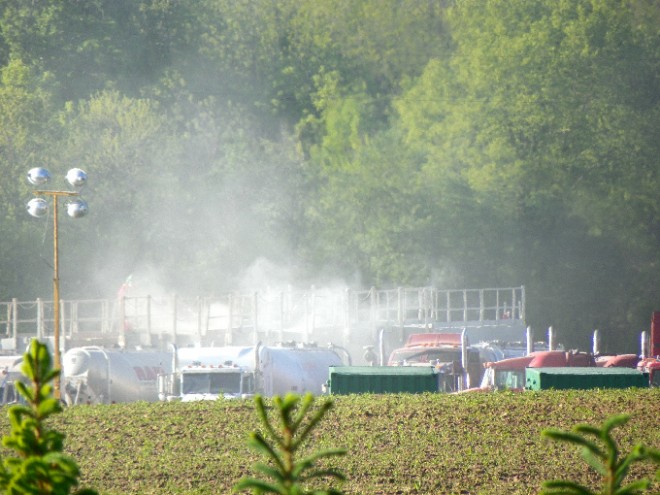
I went back to take another look at the dairy farm near us, now being fracked. The area was covered with heavy equipment. A few employees outfitted in fire retardant suits, masks, and hard hats worked in the distance. The quiet morning was filled with noise. Gray dust rose in the air and my throat burned.
When I set out to find out all I could about fracking I didn’t anticipate such disturbing information. I couldn’t have known fracking would soon intrude on our lives. I recently learned that fracking leases have been signed within sight of us to the west, north, and south. I’m concerned about our land where our cows graze and our chickens scratch. I’m concerned about my family’s health. And I’m wondering if you’re concerned too.
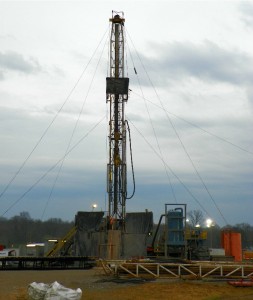
This is what fracking looks like. (Image:fafaohio.org)
Kids are their own people. Any of us can see this is an underlying theme in drama (in books, on the screen, and in real life dramas). It’s obvious from a quick look at how much our friends differ from their own parents. Years ago I joked that my anti-establishment neighbor’s son might just grow up to be a conservative stockbroker and that my frantically risk-averse friend could end up with a thrill-seeking daughter. I learned pretty quickly such jokes are not appreciated.
But I thought I understood that kids go their own way reasonably well. I’ve managed to celebrate the unique passions my own kids pursue, even though their interests are nothing like mine. I’m glad to see that we’re largely in sync on bigger issues. My kids and I tend to agree on politics and religion, we share a disinterest in most sports, and we’re all somewhat introverted. What we don’t share? A desire to stay close to our roots, geographically speaking. I’ve tried to raise them to be global citizens. Is it possible to take that too far? I’ve always lived close to my hometown and extended family. One or two of my four kids may not have that gene.
One of my sons is entranced by Finland. I think it started while chatting with online Finnish friends. Hankering to drive, he told me that kids in Finland are encouraged to get driving experience starting at a very young age and given training to handle slippery and hazardous road conditions (ice + moose, for example). The licensing requirements are some of the strictest in the world, he explained, a pointed contrast to the jerk on the road in front of us at the time who was cutting off cars and weaving across lanes.
My son also has a thing for Finnish music, starting with the now iconic band Apocalyptica formed by classically trained cellists.
Finnish musicians offer plenty of diversity, including partially submerged folk singers
and dancing puffballs.
And he is inspired by the Finnish spirit. He sees it in their traditions and history (I never thought I’d hear so much about the Winter War). Finnish character is said to have a lot to do with the term sisu. This doesn’t translate easily. It’s related to inner will and the determination to persist despite the odds. This spirit, as my son sees it, also has to do with the Finnish way of doing things. That includes summer competitions that Finns call “world championships” in swamp soccer, mobile phone throwing, and wife carrying. Or a recent proposal in Parliament to extend the annual four-week paid holiday by another week, for a “love holiday.”
But another of my kids is talking up New Zealand. Land of fascinating spider species, amazing diversity, and gorgeous vistas.
Also home to the compelling Haka, traditional ancestral war cry of the Maori people, now performed by the All Blacks, NZ’s rugby team, before their matches.
Serves me right for joking about other people’s children. Come to think of it, my attempts at humor weren’t all that far off. My anti-establishment neighbor’s son is now in college getting a degree in business, hoping to work in investment banking. The daughter of my risk-averse friend is into barefoot climbing.
Guess I’d better make sure my passport is in order.
 on the wall. Notice where news happens and where friends travel. Mark places you’d like to go. Whiteboard markers wipe off this surface, so it’s easy to write directly on oceans and continents. This is also a
 by Shari Graydon (for kids) and
  by Jean Kilbourne.
 by Homa Sabet Tavangar and consider changes suggested in
  by Maya Frost. Check out the information shared by the

 ).
).









 it was noted that people in Finland are remarkably content. Of course we’ve all heard about
 Laura Grace Weldon