Witty Bitching

witty bitching, creative complaining, complaint choirs,

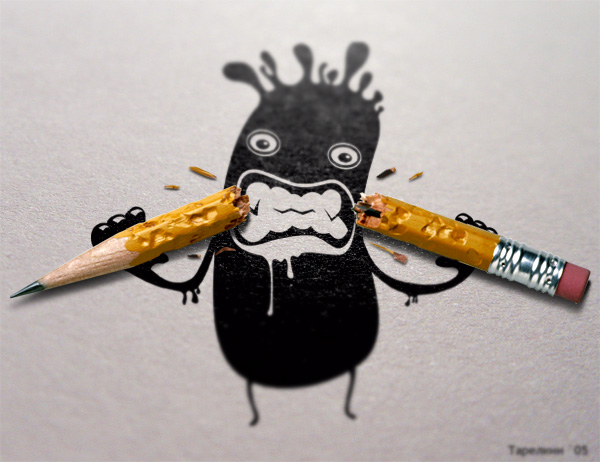
Image: tarelkin

I write a lot about mindfulness and gratitude. These are survival skill for many of us. I’m all about being positive, but I like to kvetch as much as the next person. It’s cathartic, necessary, and downright fun as long as it’s done with good humor.

Witty bitching, expressed with some measure of sensitivity, is actually one of the many ways nonviolence works. It’s a creative way to ease tension. More importantly, it humanizes us to whoever is annoying us while not denigrating the annoying person.

Let’s start with the easiest method—swearing. Apparently swearing is a good idea. Studies show that it can help relieve pain, but only for those of us who don’t swear often. It can also reduce stress, elevate endorphins, even promote group solidarity

I don’t swear often. I lean more toward creative cursing, you know, when you string together words that don’t usually go together for a specific-to-the-situation denunciation. Better yet are those phrases unique to your friends and family, memes within boundaries of shared experience, that are not only inside jokes but useful forms of communication. We have dozens of them. “You no see big thing like train?” is one. I’ll explain.

A friend drove a truck for a business started by an immigrant whose English wasn’t easy to understand. The business made money mostly because of the owner’s extreme frugality — he barely even maintained the truck. One day the friend was making a delivery when the truck’s brakes failed. Unfortunately they failed as he was approaching railroad tracks where a train was stopped. It was a heavily loaded truck and much as he tried he only managed to slow down. He crashed into the train. He was fine, the truck was not. He called his boss to explain. The boss yelled, “What, you no see big thing like train?” This line has proven itself handy in many circumstances, thankfully none involving real trains or failed brakes.

benefits of swearing, why swear,

Then there are written forms of bitching. I indulge in it regularly. For example, a few years ago a publication that had asked me to submit an article didn’t respond. It’s hard to remonstrate the very people who are supposed to pay you. So this is what I emailed.

Dear ___,

I can take rejection, really. But it’s nice to finally get rejected. I sent as requested  _________ on ________. I know, I know, I should have given up by now but hope is a feisty creature, not easily strangled by silence.

In case the clarity and understated wit of my piece knocked an editor to the floor, unintentionally hurtling my submission under a desk, it is attached again for your perusal.  Less dusty this way.

ever optimistically, Laura Weldon

They sent a very charming response that didn’t end up quite as I hoped. Turns out they were going out of business. (Story of what I call my writing career…)

Kvetch notes can be used to great effect on a neighbor’s door, the office coffeepot, and elsewhere.

kvetch, funny complaint, witty bitching,

Then there’s singing. In my family we tend to burst into spontaneous songs with made-up-in-the-moment lyrics. A mini opera about dog poo on the floor, a whining country-ish ditty when someone uses up the milk, a warbling ode to overflowing laundry baskets. Even Mozart wrote satirical tunes, including “Leck Mich Im Arsh” which, if you can’t tell, translates to something like “Lick my ass.”

The pinnacle of witty bitching? Complaint Choirs. The concept was dreamed up by Finnish artists Oliver Kochta-Kalleinen and Tellervo Kalleinen. Now people all over the world are putting their daily grievances to music. Their collaborative performances aren’t just hilarious, they build a sense of community. 

It’s all too easy to get mired in life’s minor irritations. A little witty bitching helps us move through them. That’s a survival skill too.

April’s Energy Fingerprint

April tragedy, energy fingerprint, life energy,

image: andrewpoison.deviantart.com

April is a month for blooms unfurling and songbirds hatching. A month when gray skies turn blue. It’s a changeable month that promises new life.

Or not. A friend recently asked, “What is it about mid-April that brings so much tragedy?” She offered plenty of evidence. Even looking at tragedy specifically affecting the U.S., there’s a lot of it.

April 15

– Abraham Lincoln assassinated

– Titanic sank

– Great Mississippi Flood (1927, worst flood in US history)

-Boston Marathon bombing

April 16

– VA Tech shooting

April 17

-USS Iowa Explosion

-West Fertilizer Plant explosion

April 18

– 1906 earthquake in San Francisco

-US Embassy bombing in Lebanon

April 19

– Lethal end of the Branch Davidian standoff

– Oklahoma City bombing

April 20

– Columbine school shooting

– Deepwater Horizon explosion

Horrific events, every one. It’s entirely natural that our attention is drawn to such disasters, especially as they’re happening. Way back in prehistory, those who paid close attention when others were injured or killed were more likely to avoid the same fate. Their bodies and minds were primed with vividly awful but useful information, helping them to survive and pass along disaster-attentive genes. These days our attention is pulled toward all sorts of disasters, although the information isn’t useful in the same way. Too much attention to what’s wrong in the world, and we’re likely to end up with Mean World Syndrome.

Threat also compels us to engage our full potential, to “rise to the occasion” whatever it might be. No wonder that those who want us to marshal our resources for their own purposes try to convince us there’s a grave threat. This is done by football coaches trying to motivate teams right up to political pundits spewing angry conspiracy theories, because it works.

But rising to our full potential actually means we humans pull together in a crisis. Author Rebecca Solnit takes a close look at large-scale disasters including earthquakes, floods, and explosions in her book A Paradise Built in Hell: The Extraordinary Communities That Arise in Disaster. She finds tragedy and grief, but something else too, something rarely noticed. During and after horrific crises there shines from the wreckage something extraordinary. People rise up as if liberated, regardless of their differences, to act out of deep regard for one another. They improvise, coordinate, create new social ties, and pour themselves into work that has no personal gain other than a sense of meaning. Such people express strangely transcendent feelings of joy, envisioning a greater and more altruistic community in the making. Even those suffering the greatest misfortune often turn around to aid others and later remember it as the defining moment of their lives. This is a testament to the human spirit, as if disaster cracks us open to our better selves. Solnit says, “The possibility of paradise is already within us as a default setting.”
By some counts, mid-April leans closer to tragedy than many other times of the year. But let’s remember, this month is isn’t defined by disaster. Instead, like every moment on Earth, it’s packed with constant, unsung acts of cooperation and beauty.

I dreamed once that what each of us contribute to this world, maybe to worlds beyond, is an energy fingerprint. All our striving and accomplishments are wisps, quickly lost to time, but this fingerprint of energy remains and affects all other energy. It’s the overall attitude that matters—grateful or bitter, loving or hateful, aware or dismissive.

Whether my dream has any truth or not, I do believe that even in the midst of tragedy we can choose an attitude of hope and compassion. Anger, fear, and vindictiveness isn’t the fingerprint I want to leave.

April tragedy, April curse, energy imprint,

Image:michammer.deviantart.com

This is a repost from our farm blog

On Being A Frugal Geek

cheap geek, materialism, frugal living, cheap interests, cheap homeschooling, There are plenty of assumptions about what geeks do. We own the most advanced technology. We see the latest movies, watch the newest series on subscription channels, play the most recently released video games. wouldn’t miss Maker Faire. If we collect anything, it’s probably awesomely obscure and sure to gain in value. All these things cost money.

I tend to geek out over less expensive interests. Outsider art, foreign films, poetry, recent neuroscience findings, nonviolence, mindfulness practices, the new acquisition section of the library—that sort of thing.

Still, stark economic realities have made penny pinching essential. Long ago I assumed I could afford more geeky indulgences once I got past pricey milestones like college, marriage, and new babies. Didn’t happen. Turns out sick kids, unemployment, and falling down houses are also expensive.

Instead, I’ve geeked out on frugality itself. I garden, preserve food, make homemade cheese, sew, repurpose, and concoct herbal remedies that look so vile my household prefers to stay healthy. I’ve advanced my career with little more than a not-so-new computer, a love of research, and library privileges. My kids have been dragged to every free concert and science program available, and know area nature preserves like their own backyard. They’ve become Makers almost entirely out of necessity, turning junk and other dirt cheap materials into marvels. Because every one of us goes deep into passions like forensics, turbocharger modifications, bagpipe playing, arachnid study, and advanced plasma welding techniques our dinner table conversations are strangely fascinating. We’re geeks all right, just frugal geeks. Maybe you are too. Mainstream assumptions about geeks don’t define us. GeekMom, where I’m a senior editor, agrees. As explained on the “about” page:

Being a geek is a state of mind, and that state of mind leads us to intensely explore our interests and approach the world with endless curiosity. When we want to get involved in something cool, we get really involved. In other words, we get geeky about it.

I know the research shows that frugal living benefits kids while materialism doesn’t. And I believe that living simply is good for the planet. That doesn’t mean I wouldn’t like a few geek frills, some day. More movies, newer gadgets, and the bucks to finally get to Maker Faire. While I’m dreaming, I’d like an invisible bike helmet too.

How does living frugally affect your geeky or not-so-geeky passions?

child

A New Curse Word

 relax your words,

We hear it all the time. Chances are we say it all the time.

I swear (hah!) it’s the curse of our era.

What’s up with you?

Busy

How’s work?

Busy

How are the kids?

Busy

What was your vacation like?

Busy

What’s next week like for you?

Busy

Ack!

We are busy, pulled in so many directions that we don’t have words powerful enough to describe how time starved we feel. Swamped, hectic, rushed, hurried, slammed, or crazy busy can’t come close.

I suspect that we aren’t busier, in terms of obligations using up our time, than someone our age might have been 100 years ago. Chances are those folks kept the house warm with coal shoveled into a furnace; worked long hours for poor pay in factories, mines, slaughterhouses or worse; traveled at low speeds to get where they were going; struggled to stay healthy in a population easily ravaged by flu, tuberculosis, polio, and other diseases; and put a lot of hands-on hours looking after their homes and families. Talk about busy.

But there’s something going on, because so many of us are constantly overwhelmed. I planned to have some handy studies to cite but the books I meant to consult, The Distraction Addiction and Time Warped were overdue before I’d gotten more than a few chapters in. (Partially the fault of more alluring library books like Someone, The Name of the WindAnd the Mountains Echoed.) And I was busy!

Since the sun’s magnetic field is about to flip, I’d be happy to blame our time hunger on a wavering magnetic sheet and extra cosmic rays but science tells us there’s not a noticeable effect.

Mostly, I’m tempted to point the finger at all those things fracturing our attention. I’m pretty sure that ample time for daydreaming and contemplation is essential to a sense of peace, no matter what’s going on in our lives.

Which gets me back to the curse word of our times, busy. I’ve decided that using it is a form of negative self-talk. So I’m not saying it anymore. It is banished from my vocabulary.

My friend Margaret is sure that our perception of time will slow down to a more manageable pace if we replace frantically busy words with words that describe a slower, more relaxed attitude. Maybe then our lives will slow down too. She suggests words like,

meander

amble

mosey

saunter

dawdle

You may be flinging yourself from store to store to get errands done. But consider describing it to yourself as strolling through stores, pondering some purchases, relaxing in check-out lines. A time-shift may just happen.

But give that attitude shift time, lots of room-to-stretch time.

no time, slow vocabulary, slow conversation, self-talk

Delight-Driven Willpower

positive habits, joyous willpower, happy habits,

Willpower isn’t a trait mastered by the strongest among us. It’s a form of energy that wears down if overused.

When you exert a lot of effort to stop several habits, you may be subtracting the very energy necessary to fulfill your intentions. For example, if frugality is new to you, you might vow to give up the morning latte, lunch out, buying magazines at the newsstand, and scrolling through online stores. You may give up so many habits at once that your willpower is taxed and you find yourself spending more or drinking more or arguing more once the weekend arrives. I don’t have a spending problem, not even close, but I do have plenty of habits I’d like to drop. They jangle at me like annoying wind chimes made entirely of what I want to change about myself.

We’re more likely to be successful when we take on one or two changes at a time, letting them become comfortable patterns before adding more. It’s commonly said that it takes at least 21 days to create a habit. Not too sure about that. If it’s a rewarding new habit it may have significant sticking power in a few days. If it’s a tough habit to drop (like my departure from eating wheat), it may still seem alluring years later. I know all about this. (Pizza, why do you call my name?)

And we have to remember there’s typically a gap between what we know and how well we apply it to our lives. A big gap that extends through four stages of competence. No wonder it’s hard to change.

We often associate self-discipline with the loss of short term pleasure (lose weight, save money, stop wasting so much time on Facebook). But for some of us with pretty decent impulse control, self-discipline can too easily tip into self-berating. Negativity gets us nowhere. It’s essential to be attuned to the positive, to see how we’re making progress rather than focusing on where we’re going wrong.

I think we should use willpower to cultivate delight in our lives rather than seeing it as a way of dropping bad habits. Those lovely new joys we’re practicing may very well nudge out what we don’t want in our lives as a side benefit.

Oh, and one more thought. Sharing our goals is a way of augmenting our willpower. That’s why I’m sharing my list.

Delights to Cultivate

1. Be a person who wears interesting hats.

2. Lie in the grass whenever possible.

3. Lean toward single-tasking. (That means you Pinterest.)

4. Tune in to sensory pleasure: birdsong, soft blankets, wind in the trees, warm soup. 

5. Keep ice water by my desk to inspire hydration (not to inspire klutz moves that might dampen my keyboard or phone).

6. Say positive things about myself (no more predicting future klutz moves).

7. Sigh whenever I want to, because it stimulates the vagus nerve. Ahhhh, that feels good.

8. Go barefoot more often.

9. Send oddities via snail mail.

10. Use gifts given to me rather than setting them aside for “good.”

11. Develop life lists.

12. Stretch my creativity by sketching for fun, without judgment.

13. Be happy with what I’m getting done rather than focus on what I haven’t accomplished.

14. Go on out-of-the-ordinary dates with my beloved. Maybe I can talk him into glassblowing lessons!

15.  Dye my hair pink. Okay, maybe a few streaks.

16. Honor the wisdom found in doing nothing.

What delights do YOU want to cultivate?

positive willpower, habits of joy,

Image:pixoti.deviantart.com

Politeness Recovery In Progress


politeness recovery, good girl syndrome, kind versus nice,

deskridge.deviantart.com

Politeness is the dodo bird of our times. No one is quite sure what killed off civility but it’s obvious that two-year-olds aren’t growing out of tantrums or a sense of entitlement. Instead they just get bigger, becoming toddler adults. They drive like idiots, foster workplace stress, simultaneously overindulge and ignore their own kids, feed on the negative energy of angry pundits, and blame everyone else for their own problems. They need to learn a little empathy, or at least the rudiments of feigned empathy we call politeness.

But some of us are way on the other side of the spectrum. We’re so empathetic that we tremble with concern for the feelings of other people. And animals. And plants. (I even tremble with empathy for spiders.) It wouldn’t occur to us to put ourselves first or to act rudely (although my good intentions may come across as annoying, just ask my family).

Some may have been hardwired this way from birth. The rest of us were trained to be too polite for our own good. Right around the time we started crawling we were taught to be respectful and considerate at all times. No exceptions. If asked how we are, we learned the answer should always be affirmative followed by a kindly inquiry about the other person. Never mention any peril you may be in, the object is to focus on others. This means if you’re bleeding, you deny there’s any real problem (oh it’s nothing), don’t bleed conspicuously, and God forbid, don’t complain about whatever caused you to bleed. If you are offered a favor, graciously decline. Even if it’s chocolate. If someone is actively causing you difficulty, either put up with it without complaint or extricate yourself in a way that doesn’t embarrass the other person.

Maintaining this level of politeness rarely leads to an authentically lived life. It’s more like an affliction. We do our best to avoid winning games, getting the best grades, pushing ahead at work, sticking up for ourselves, saying what we mean unless it’s “nice.”  Being too polite actually put me in dangerous situations more than once. Nice at all costs has got to go. Kind, yes. Honest, yes. Nice, not always.

Politeness recovery is a slow process and often difficult. It’s complicated because I’m naturally opinionated, sardonic, and forthright. And sometimes silly. Suppressing that side of myself has never been easy. But I’m not giving up my polite side by any means. Politeness is essential if we’re to live together in any kind of harmony. I’ve found genuine politeness has a surprising way of bringing out the best in other people. It presumes they are basically good (a core principle of non-violence) and many times, that’s all that required. (Now, if only that principle were applied on talk radio and in snarky web threads.)

More importantly, I want to be authentic. Treating people with respect and understanding simply feels right. It comes from true compassion, far richer than any thin soup of poor self-worth. The generosity and love of kindness stimulates more of the same.

I aim to give up only the parts of my Good Girl upbringing that hold me back from my eventual goal of becoming a rowdy old lady. My politeness recovery is still ongoing but my friends are amazing role models. They’re well ahead, evolving before my eyes. Some days I’m swimming in the muck, other days I join them on land. I’m often awkward, occasionally splattering mud as I go, but I’m a creature in progress trying to be polite as well as real, empathetic as well as centered, serious but silly too. Like a dodo bird who hasn’t given up on her wings.


Changing The World One Choice At A Time


small steps big change, history is small decisions, change world through love, daily choices change world,

ArtbyJude CC by 3.0


When I was growing up I was told I could be anything I wanted to be if I worked hard enough. The examples I was given at school and church were daunting. Heroes who did no wrong and martyrs who suffered for a cause without wavering. The media showed me examples too. People who were celebrities because of their talent for acting or playing games or for their appearance alone. All these people seemed larger than life.

I didn’t want fame but I did want to accomplish important things. I wanted to find the source of sorrow, injustice, and suffering so that it could be alleviated. The urge to do this was constantly with me and often overpowering. When I was very small I wanted to bring peace to every caged puppy or crying baby I encountered. I couldn’t, although I did absorb the misery I perceived, turning it into questions that the adults around me couldn’t answer. As I approached my teen years I searched for my own answers. I learned all I could about the world’s wrongs, hoping to find out why greed and cruelty happened. I committed myself to do something important. An ordinary life that did nothing to turn the world around seemed unthinkable. Whatever I did, it had to be big. My time on earth had to make a difference.

My quest to understand all that was wrong turned me in the opposite direction from hope. It showed me the worst of humanity. Slowly I came to realize that building on what’s positive brings greater possibilities into being. My days as an adult have proceeded without accomplishing anything Big. But I’ve come to think it’s the countless small actions, even thoughts, that truly have significance. We’re faced with these choices every day.

  • Do I wave to my neighbor, the one who condemns me?
  • Do I give the cash in my pocket to a street person or do I look away?
  • Will I cook tonight’s dinner from scratch, perhaps making enough to bring some to a friend recovering from an illness?
  • Do I turn from what I’m doing to truly look and listen when someone talks to me?
  • Should I go to yet another activist meeting, surrounded by often despairing people? Would it be better to write an article about the issue or simply to focus my energy on new possibilities that make the issue obsolete?
  • Do I fritter away time on tasks that feel like “shoulds” even though time seems to be slipping away like escalator stairs?
  • Do I read too much, blotting out my own experiences, or is it fine to indulge this obsession of mine?
  • Do I believe that humanity is becoming more aware, more kindly, more open?
  • And because my answer is yes, do I live that yes?

None of these are major challenges, but how I answer such questions is how I live my life. They have to do with how I conduct myself and how I see the world around me. The questions aren’t clear-cut, so it’s not always easy to discern where on the scale my answer falls. Leaning toward loving attention or apathy? Joy or bitterness? Eagerness or weary resignation? Considering larger implications or thinking only of my whims?

I’m undisciplined and prone to stubbornness, so I make plenty of choices that wouldn’t pass an ethical stink test. Still, each one matters.

We’ve been taught that only Big people with “real” influence make a difference. That makes us feel powerless. Chances are, that’s what Big money and those who control it want us to think. If we feel powerless we give up before we try. After all, the advertisements surrounding us insist our major choices have to do with what we wear, the cell phones we use, the cars we drive, the vacations we take. Oh and having teeth so white they shine like LED lights each time we smile. Larger social, environmental, and political concerns may keep us in a state of anxiety but are nothing we have any control over. Or so we’re told. Hush about unemployment and income disparity. Hush about erosion of Constitutional rights, climate change, drone strikes. Just stimulate the economy like a nice shopper. As soon as the Big experts are done distracting us with their divisiveness they’ll handle it.

That’s true only if we agree with the idea that Big matters. Because all around us is the present, which appears little and inconsequential, but isn’t. Acting in the present may mean choosing to slow down, to meet our neighbors, to take a deep breath and be grateful, to speak up against a wrong, to step outside and look at the sky, to turn off all devices and spend time with someone, to eat while savoring each bite, to do something difficult with no assured outcome. It doesn’t mean ignoring injustice or wastefulness.

A response in the present is corrective. Even fixing the largest problems requires small steps. Incremental progress, both in attitude and action, is behind great social and environmental change.  In fact, the idea that only Big change can fix problems is part of the problem. When bureaucrats or corporations institute top-down changes they often make situations worse. Real progress happens when the same people who are affected by a problem take power over the choices and act on that power. This rises from small choices, values elevated to action.

We’ve all heard of the butterfly effect. A butterfly flaps its wings in the rainforest, as a consequence weeks later there are tornadoes in Texas instead of clear skies. The effect, coined by mathematician Edward Lorenz, basically says that small change in one place can result in large differences later. It’s a fascinating look at chaos theory, but it also means nothing we or anyone (even a butterfly) does is without consequence. Just as a butterfly in Brazil has no way of knowing it may affect weather patterns a continent away, we often can’t predict the consequences of our choices let alone understand the long term impact. Our choices are those butterfly wings. Who I am today might be a disappointment to the determined child I once was, but I know now that worthwhile doesn’t have to mean big. How I fill a day is how I fill a life.

Right Now You Are Activating Change

attitude change saves world, global consciousness, gay rights, human rights, change makers,

(ssuunnddeeww.deviantart.com)

My mother tried throughout her pregnancies to get hospitals and doctors to change their rules. She wanted a natural birth, she wanted her husband with her, she wanted to hold her babies after they were born. Instead regulations were followed— every decision excluding her. That meant her labors were induced, she was given painkillers, my father had to stay in the waiting room, and except for standard in-room hours her babies were kept apart from her in the hospital nursery. Such procedures made it easier for the institution and less trouble for doctors.

By the time I had babies her futile requests were standard policy. Every woman was encouraged to have one or more support people with her, to room in with her baby, and to give birth naturally. It took change-makers to turn those policies around. Those change-makers were ordinary people who had a vision of something better. Some of them actively worked to see those changes happen but I suspect most of them simply talked, read, wrote, and otherwise carried on with what looked like everyday lives while activating awareness in people around them.

This is how real progress happens. Yes, there’s the much cited quote by Margaret Mead, “Never doubt that a small group of thoughtful, committed citizens can change the world. Indeed, it is the only thing that ever has.” And yes, there are torchbearers for our big changes who are often misunderstood, even persecuted, while they lead the way. But lets not assume that we don’t qualify as “thoughtful, committed citizens” if we aren’t at the front of any movement. It’s about action but it’s also about attitude. Those attitudes make justice, ecological harmony, and peace possible.

Those “in charge” are often well behind the consciousness of the people they supposedly lead. Many in authority impose the same order, same rules, same limited thinking on people who have opened themselves to bigger possibilities. That’s true when we look at mainstream medicine, education, organized religion, finance and banking, government, science for hire, and multinational corporations. Such established institutions tend to become more rigid in response to vital change shaking their structures loose. The lower levels of moral reasoning that often hold those structures so restrictively in place (might makes right, or an eye for an eye, or conformity to norms) have less relevance when more and more people are in touch with deeper wisdom.

You may be activating change right now by the content of your conversations, the ideas you see taking hold around you, the way you stay informed, the way you raise your children and treat your friends, how you choose to spend your money and not spend your money, the way you make a living, the causes you advocate and believe in, and how you interact with our living planet. You, like so many change-makers, may already be living through deeply felt, personally lived ethics. That itself causes rippling change. Torchbearers of the last century who brought about so much good could do so because awareness shifted and deepened.

It may seem that small personal efforts make little difference when the problems facing the world are so huge. But bemoaning what’s wrong usually doesn’t effect much positive change. It may very well just entrench the feeling that we’re victims of all that’s Big and Bad. Instead we can see how truly interconnected everything is. Mind and matter, internal and external, thought and deed–all are aspects of the same essential aliveness in a universe where nothing is really separate.

My mother didn’t go looking for causes but when they were in front of her, she stood up for what was right. This happened often when she was a young registered nurse working in a large Chicago hospital. She defied rules requiring nurses to stop laboring women from delivering until a physician was present (perhaps to collect higher fees for attending the birth). Nurses were expected to keep women from pushing, and in extreme cases, to hold back the head of the emerging baby. As you might imagine, some infants were deprived of oxygen or worse. My mother refused to follow the policy, more than once delivering a baby herself if the doctor didn’t arrive in time. She also refused to follow the policy that restricted incubators to private pay patients. When necessary she simply went to another ward, took an incubator, and faced the consequences. She got in trouble over and over. She did it anyway.

Once she had children of her own, my mother spent much of her life as what she’d call a homemaker. She did all sorts of good on a small level. She herself been a lonely child, perhaps as a result she was remarkably skilled at staying closely connected with and supportive of people. My mother functioned as a sort of informal Wikipedia for her wide network of friends, always putting her hands on information to help others. I often didn’t agree with her political opinions but I saw from her example that activating change often has more to do with living as if compassion is not just necessary, it is essential.

Who or what in your life reminds you that progress is happening, even on a small personal level? 

What’s The Perfect Age?

what is the perfect age,growing older is perfect, child is not an ungrown adult, baby is not an unformed child,

(Image:littlefantasy.deviantart.com)

There must be an ideal age floating around in our collective unconscious. This is such a fixed part of our media-driven culture that it’s hard to focus on it. But let’s give it a try. Allow a number come to you as you consider the following questions.

 What age do parents have in mind as they groom their kids for success?

 What age do kids have in mind as they imagine growing up?

 What age do older adults have in mind as they try to look and act younger?

I’m guessing it’s somewhere between 21 and 35, a time when we’re supposed to be brimming with youthful good looks and potential. Or maybe it’s not a number but just a fundamental belief that young adulthood is some sort of peak. Everything before that is preparation, everything after a slide toward old age.

Consciously or unconsciously, believing in this ideal age uses up a large part of all our other ages.

Consider how relentlessly the adult world prods children to get (or at least act) older. I know I’m somewhat guilty. I did my very best to savor the baby and toddler years but honestly, it’s hard. I found myself thinking that it would just get better after they finished teething, or could talk, or finally mastered toilet training. Even the most sainted in-the-moment parent will find him or herself bombarded with well-intended, future-oriented inquiries from others like, “Is she sleeping through the night?” and “Does he talk in sentences yet?” Such questions don’t stop as the child gets older, instead they have to do with bigger topics like academic abilities, athletic achievement, even popularity. Admiration is heaped on little ones who act much older than their developmental age, especially those children who exhibit social poise beyond their years, as if six-year-olds who act like six-year-olds are already somehow behind.

The pressure becomes more intense with each passing year. Parents often find themselves buying all sorts of educational toys and electronics, filling what could be free time with an ambitious schedule of practices and enrichment programs, and of course, pushing educational achievement. We’re told that these efforts “count” as if there’s a permanent record for eight-year-olds or 13-year-olds. There isn’t.

We’re assured that getting kids ahead in sports or hobbies will create passionate engagement, but research affirms that children build rewardingly intense interests when they are free to explore activities without adult pressure and interference

We’re led to believe that early academic accomplishment is the path to later success. Too often, that’s not true either. Success is closely linked to much more nuanced personal factors which develop quite nicely, research tells us, during free play, early participation in household tasks, conversation, and other experiences that foster self- control as well as an internal locus of control

Pushing our children toward adulthood takes us (and them) away from seeing that each of us are whole people exactly as we are. A baby is not an unformed child, a child is not an ungrown adult, an elder is not an age-ruined version of a once younger self.

Each of us is wonderfully unique. Of course we’re flawed and often foundering. But at the same time we are also brimming with emerging possibilities. We don’t have to paddle away from the moment we live in toward some ideal age. Doing so doesn’t just wish away right now, it also condemns every other age we live in to be something less.

Truly seeing our children and our elders as complete and whole, right now, means seeing ourselves that way too.

You’re Having A Perfect Day

today is perfect, unique day, gratitude reasons,

ilovemcl.deviantart.com

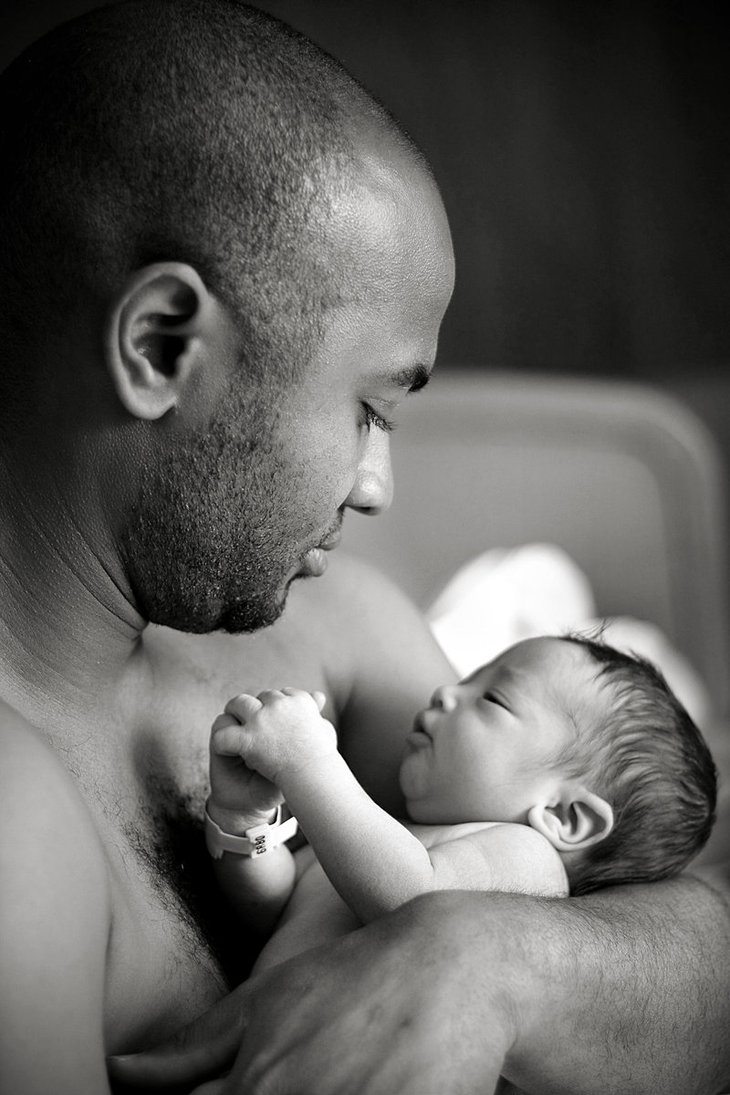
A hundred million babies are being soothed in loving arms, lulled to sleep by songs in every language. Those gently nurtured babies will grow up to change our lives in ways too marvelous to imagine.

children change the world, imagine future,

siobhan68.deviantart.com

Today Muslims pray, “Praise be to the Lord of the Universe who has created us and made us into tribes and nations. That we may know each other, not that we may despise each other.” Cloistered nuns petition God that our world be blessed with the wine of Christ’s love and peace. Tibetan Buddhists practice tonglen, breathing in the suffering of others and breathing out happiness for all beings.  Individuals meditate, chant, pray, or contemplate nature while sending light to each soul on earth. People of all faiths dance and sing in Dances of Universal Peace.

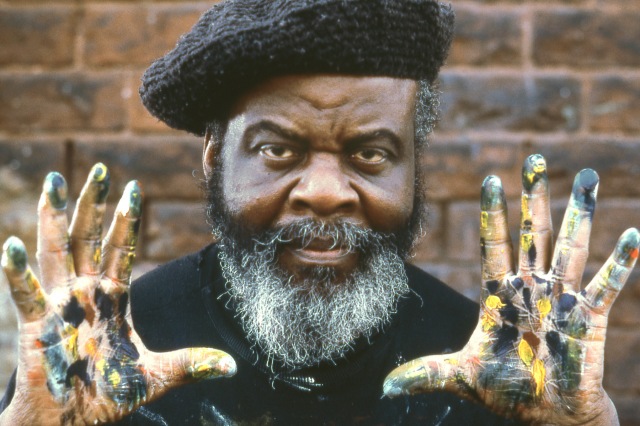
Right now, artists are creating something that never before existed. Their medium may be cake batter, dance steps, paint, tiny gems, huge beams, words, reclaimed trash, wool, glass, musical notes, or curved light. They bring vision into reality. The way they see transforms the way we see.

art, vision into reality, art shapes world,

onebadcat.net

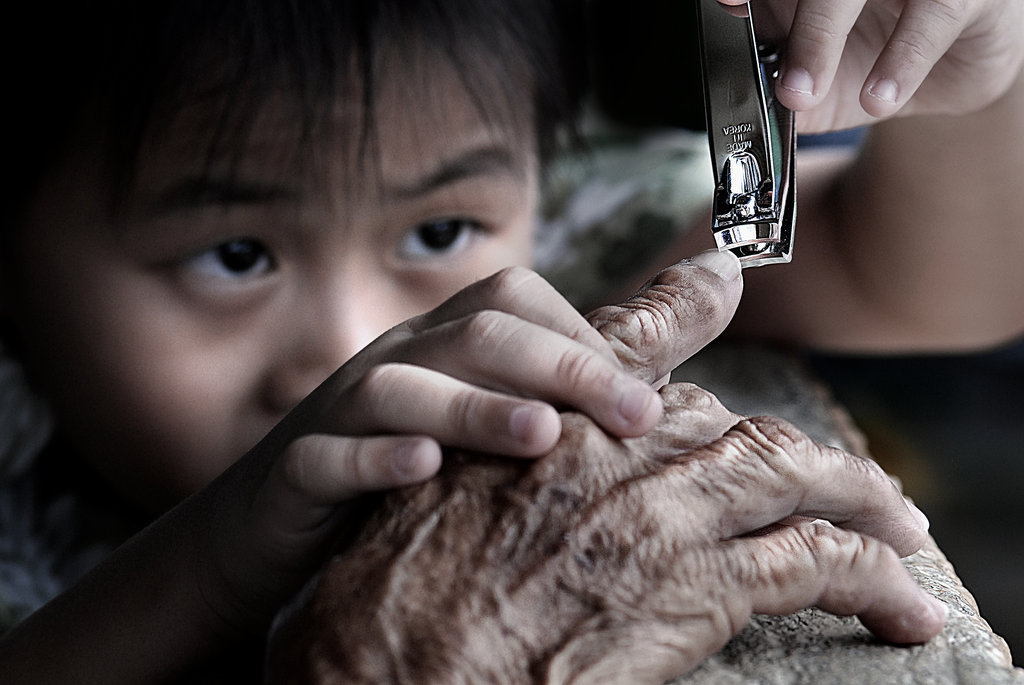
Right now people in crisis are rising up, acting out of deep regard for one another in an ongoing testament to the compassion that defines us. Every second millions of people are selflessly working around the world to advance ecological sustainability, economic justice, human rights, political accountability, and peace. Unnoticed ordinary acts of kindness allow life to flourish as we nurture the youngest and tend to the oldest, share with those in need, and weave the web of mutuality that holds us together.

reasons for gratitude, inspiration, appreciate today,

samlim.deviantart.com

Right now people assumed to be dead are reviving, changed forever after by a near-death experience.  They reawaken to a life less focused on material success or narrow beliefs, and instead emphasize love, curiosity, and awe.

living in awe, it's all love,

flickr.com/photos/qthomasbower

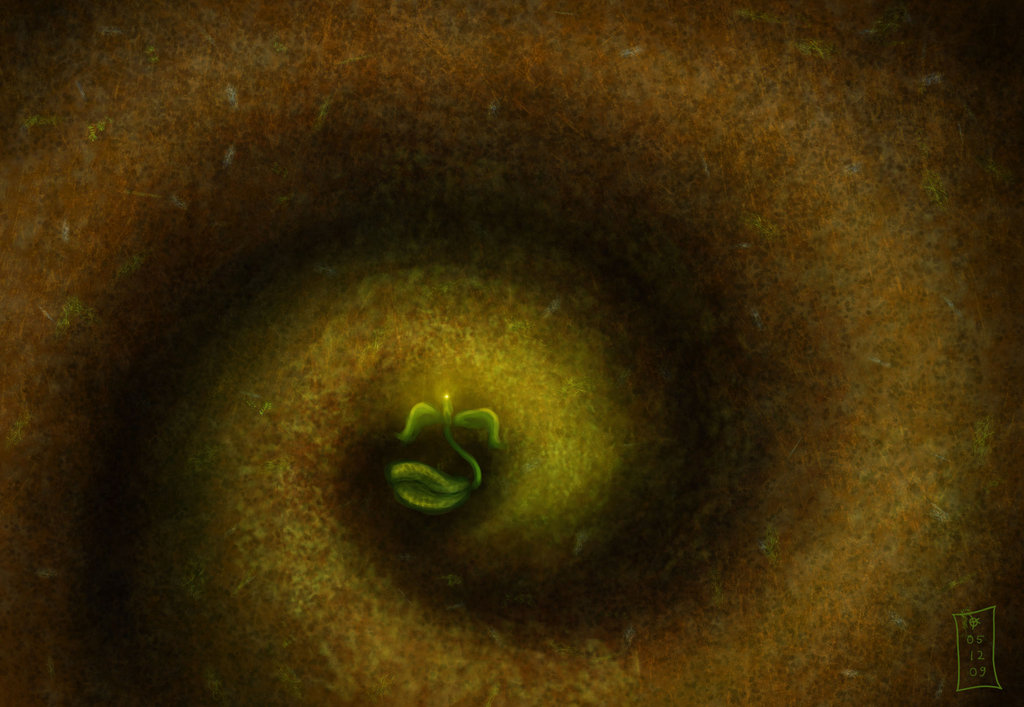
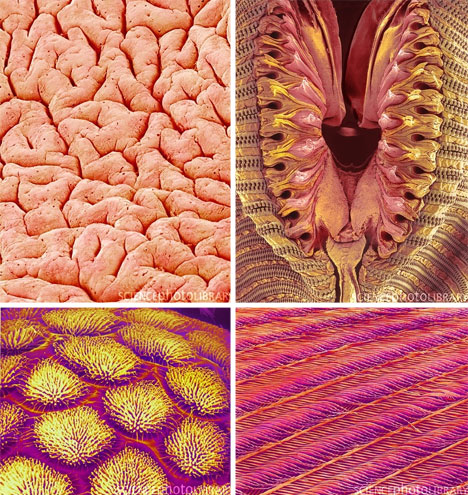
Right now you are fueled by a perfect circle: sunlight, soil, and the seed’s mysterious will. At this moment your extraordinary body is replacing millions of cells, pumping quarts of blood, actively defending your immunity, releasing precisely timed hormones and enzymes, operating on rhythms well beyond your perceptions.

perfect body, how body works,

gajitz.com

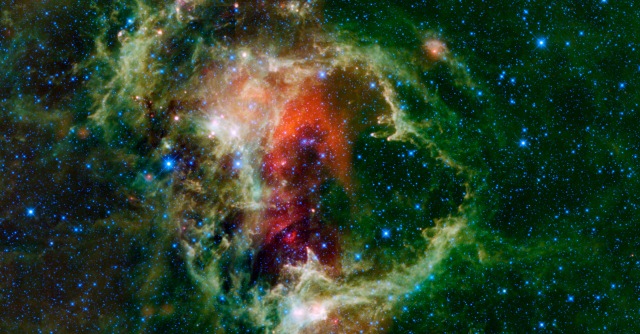
Today in an unimaginably vast universe, clouds of interstellar dust reflect the light of nearby stars. We are made of elements forged inside of stars that died out long before our own solar system emerged.

we are made of stars, perfect day,

nasa.gov

Each of us is unique, yet we are one being.

What an amazing day.