Are You A Jackhammer or a Hummingbird?

Hummingbird or Jackhammer: styles of full spectrum learning

What lures you to full spectrum learning?

“When we try to pick out anything by itself, we find it hitched to everything else in the Universe.” ~John Muir

Ten-year-old Matias is enthusiastic about all things automotive. He calls out model and year of cars passing the street in front of his apartment in an impressive display of mental acuity. He learned every detail of how engines work by quizzing everyone he could who knew anything about cars, then turned to YouTube for more in-depth information. That led to inquiries about types of fuels and manufacturing processes, which led to questions about the history of the assembly line and the formation of unions. Books and documentaries have made him familiar with figures such as Nikolaus Otto and Karl Benz as well as Elon Musk. Matias loves going to auto museums, car shows, and races. Although he says a visit to a demolition derby didn’t upset him, he’s been talking ever since about ways to save cars from junkyards. He’s excited about the potential for energy-efficient vehicles and he really hopes self-driving cars don’t become a thing before he gets to drive.

Notice how this fascination leads him eagerly through all sorts of fields?

Natural learning takes place across a spectrum. History, math, music, science, art, literature, business, philosophy, and athletics don’t neatly divide into “subjects.” They’re interrelated. A child notices one bare sliver of a topic, and intrigued, follows it. That pursuit lights up a totally new subject until a dazzling array of possibilities opens, each refracting new angles. The thrill of exploring is inseparable from a love of learning.

Some children, like Matias, become so absorbed in a single subject that it seems their personalities are inseparable from that passion. Their bemused families can’t help but stoke the fire of that interest. Activities and discussions with the child take on a distinct tone. Indeed, family members are changed by close association with someone who loves the world in such a focused manner.

Most of the time children learn in far more unobtrusive manner. It may seem they go through their days unaffected by the influences that pour in all around them. Yet gradually their comprehension deepens. This is a mysterious process, an ongoing improvisation that weaves together previous experiences with new comprehension and insight. But then, our children are changed by what they’ve come to understand in ways none of us can measure or assess.

Few of us are absorbed by the sort of overwhelming fascination Matias shows for all things automotive. Instead we’re open to many directions, staying with our interests as long as inspiration calls us before moving on.  We have what polymath Emilie Wapnick calls “multipotentiality.”  As she writes,

The only constant in my life is shape-shifting, exploration and evolution… There’s something that draws me to each of my interests and it’s not “excellence.” I have no interest in committing to one thing forever. Once I no longer feel inspired in a field, I simply move on. Some people call this “quitting,” I call it growth.

You’ll notice, however, that “find your passion” is the recommended approach.  The pressure starts in childhood, with well-meaning people doing their very best to get kids on a fast track to success in sports or music or STEM.  The push to find, pursue, and excel in a particular field doesn’t stop after graduation. Throughout adulthood we’re told “find your passion” in our careers, our creative lives, even our spiritual development.

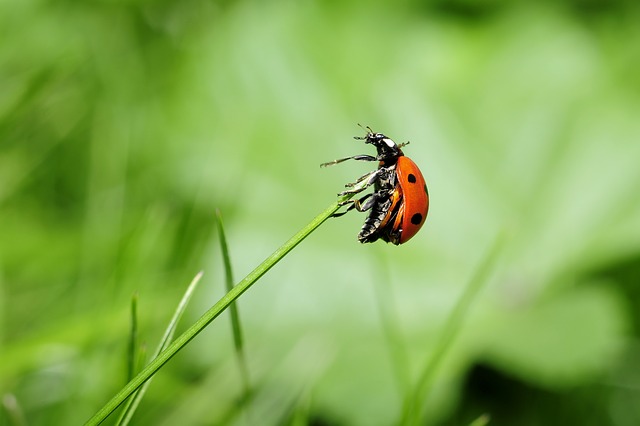
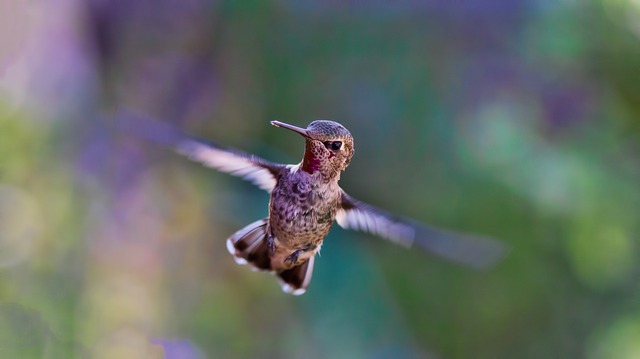
I think writer Elizabeth Gilbert shares an apt metaphor in her recent talk. She says some people are like her, driven to focus on one pursuit. She calls such people jackhammers. Other people flit from curiosity to curiosity. This, she says, is the “flight of the natural born hummingbird.” She admits that for years she exhorted people to act like jackhammers in order to reach their goals. Then she had an epiphany — the world needs more than jackhammers. When people allow themselves the freedom to be hummingbirds, she says,

Two things happen. One, they create incredibly rich complex lives for themselves. and they also end up cross-pollinating the world. That’s the service you do. You bring an idea from here and you weave in and take up the next thing, because your entire being brings a different perspective. It ends up aerating the culture.

Chances are, most of us can’t be fully described by terms like jackhammer or a hummingbird.  The larger lesson here is the wisdom of freeing ourselves (and our children) to explore what intrigues us. Then we understand on our own terms that full spectrum learning is inseparable from life.


Portions of this post are excerpted from Free Range Learning

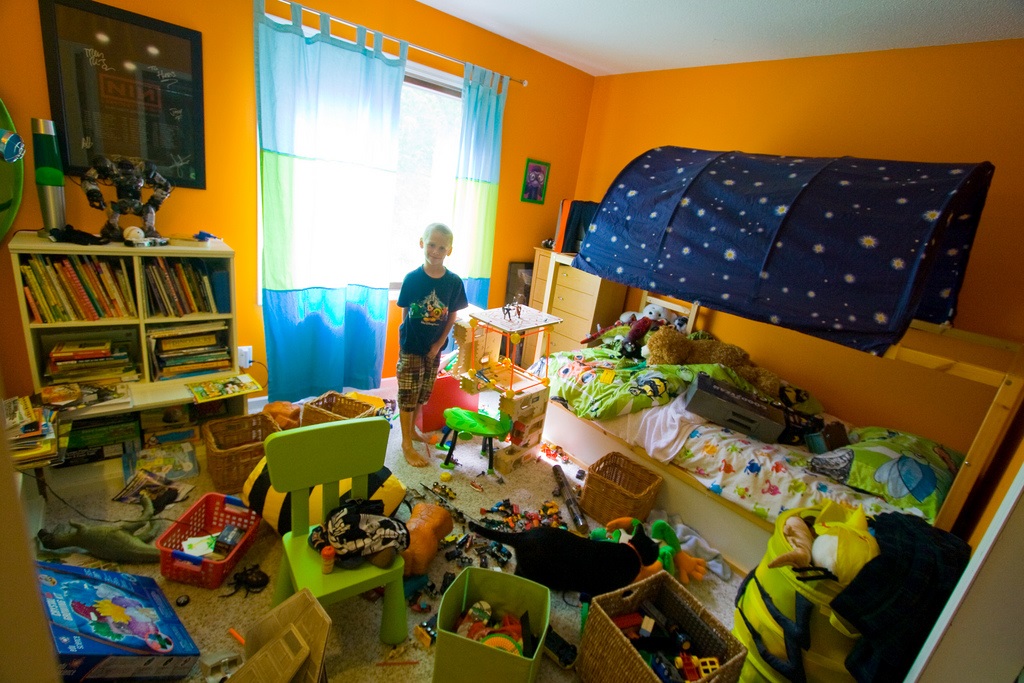
18 Playful Cures for a Toy Overload

toy overload, play without toys,

But there’s nothing to do! (CC by 2.0 Dennis Brekke)

Friends of ours were burdened with a serious toy overload. Their four children had generous weekly allowances and lots of gift-giving relatives. As a result, there were more toys than I’ve ever seen in one home. When the family room was overrun,  their father would use a snow shovel to scoop the floor clean. He dumped the shovelfuls in big plastic bins and hauled them to the basement. After doing this a few times he realized the kids rarely bothered to get out those particular playthings. They didn’t really miss them at all.

I deeply admire the mother I interviewed for The Boy With No Toys although we’ve personally never taken an anti-toy stance in our family. Over the years we’ve happily accumulated dolls, trucks, building sets, art supplies, stuffed animals, as well as lots of books. We emphasize quality, not quantity. It’s one way of sparing our planet the burden of sweatshop-made, eco-unfriendly products.  And more importantly, we think it’s part of raising kids who aren’t oriented toward materialism for their own well-being, both now and in the future.

Too often the typical options for childhood amusement include overly structured activities, lots of screen time, and commercial playthings that do the entertaining for them. Unfortunately, kids can become accustomed to someone or something else providing the fun for them. As a result they may not be attuned to the slower pace of conversation, the expansive pleasure of make-believe, or the subtle wonders found in nature. They may actually have trouble generating their own fun.

Even if you limit screen time and emphasize free play, young children can still be overwhelmed by too many playthings. A study  done in Britain found the average 10-year-old owns 238 toys, but mostly plays with 12 favorite items!

Simply reducing a toy overload can help children play more creatively, cooperate more easily, and become more resourceful. Here are some toy overload solutions.


Rotate toys

Make it a family policy to have fewer playthings available any one time. This way your child can deal with a smaller selection and play areas are less cluttered. Take a sensitive approach. Pick up a few things that have been long ignored and put them away for that proverbial rainy day. When you do get out a toy or stuffed animal that has been “resting” you’ll want to put away another object. If children notice, it’s common for them to feel sudden affection for the toy you’re putting into hibernation. When you face objections, don’t make the policy painful. Work together to find another toy that your child can agree to put away. You’ll find the same old toys take on a new luster when a young child hasn’t seen them for a while.


Reserve toys for specific situations.

It’s helpful to deem some toys for use only under certain conditions. These might be perfect opportunities to use toys that require a parent close by, or a way to minimize use of passive entertainment toys they’ve been given. Keep such items for situations when your child is forced to be passive anyway such as the car seat, at a restaurant, or while you’re on an important call. Even very young children come to recognize that such toys are kept in a diaper bag, a parent’s car, or on a high shelf for special occasions. Explanations before and after use, “We only use this in the car” or “This is a Mama’s-on-a-work-call toy” help keep the boundaries drawn and make it easy to put the toy away for the next time.


Join or set up a toy lending library 

Collections of donated toys can be found through some museums, community centers, and public libraries. Toy lending programs give families access to a wider range of ordinary playthings and more expensive toys than they might ordinarily afford, as well as toys for special needs children. Search online to find a toy library near you or for helpful advice on starting a collaborative toy lending service. Find a toy library near you using USA Toy Library Association listings and find out more via the International Toy Library Association.


Assemble play kits using non-toy items

You can throw together kits that stimulate imaginative play while repurposing old objects. (Of course, these suggestions are not appropriate for children who put objects in their mouths or are too young to use the items safely.) To keep up the appeal factor, put the kits away between use. They are great to get out when kids have friends over.

Office: Use a briefcase or file box. Tuck in office-type items such as memo pad, non-working cell phone, calendar, writing implements, round-tip scissors, post-it notes, and calculator. A big thrill is a tape dispenser—this alone can keep small kids happily occupied. A major coup is finding a manual typewriter at a thrift store. You’ll need to help kids understand how to type one letter at a time to keep the keys from becoming tangled.

Doctor: Fill a small suitcase with a stethoscope, tongue depressors, tiny flashlight, notebook for doctor’s notes, and plenty of gauze to bind up injuries. Children particularly enjoy using the items to diagnose and treat dolls or stuffed animals.

Costume: A costume box or trunk is a childhood classic. Add cast-off and thrift store items likely to enhance make-believe. Don’t worry about actual costumes, just toss in a range of imagination-sparking things. Include work wear, dress-up, jewelry, wallets, purses, shoes, vests, tool belt, badges, lengths of fabric that can be used as capes or veils, and plenty of hats.

Building: Fill a large container with heavy cardboard tubes as well as sturdy cardboard boxes. Add a roll or two of masking tape, string, clean yogurt cups, egg cartons, popsicle sticks, corks, plus hardware cast-offs such as nuts and bolts. Encourage children to build whatever they choose from the cardboard supply. They might need help punching holes in the cardboard to insert bolts or string. When you can, bring home the largest cardboard box you can wheedle out of an appliance store. Children will find all sorts of ways to use it.

Market:  Save empty clean food packages, reglue boxes shut so they look new, and keep them in a bin along with any toy fruits and vegetables you may already have. Children can set up a play shop with these items, adding their own toys or books for additional merchandise. Lend them your fabric shopping bags to load pretend purchases. They may want to swipe a pretend debit card, use homemade money, or barter to cover their transactions. (They can use a similar concept to play Library with their books, Car Repair Shop with their riding toys, and so on.)


Encourage Deconstruction

Grandparents on both sides of our family kept a lookout for broken items our kids could take apart. This is marvelously fun as well as educational. It also requires very close supervision! Kids will need flat head and Phillips screwdrivers, needle-nosed pliers, safety glasses, wire cutters or heavy-duty scissors, and possibly some child-sized work gloves. Before letting them start, cut off and discard any electric plugs as well as cords on the item. Also check for glass parts or batteries that can cause injury, and make sure the item doesn’t have tubes (as old radios and televisions once did) Be forewarned, kids may encounter sharp bits of metal, coiled springs, and other surprises.

We put small deconstruction items in a shallow box (to catch the pieces) . Normally they’d work at the kitchen table to take apart things like a watch, Dymo labelmaker, motherboard, hand-held mixer, clock, printer, VHS or DVD player,  can opener, camera, radio, household fan, remote control car, and once a Furby (which creepily resumed its ability to talk once it was little more than a Furby skeleton), Large items they’d take apart outside on the driveway, with a big open box where they could put pieces. They took apart a microwave, several different bikes, and a lawn tractor. (This led one of my sons to drag a neighbor’s lawn tractor out of the trash, whereupon he fixed it and used it to make money mowing lawns!)


Permit hideouts

Most children like making their own realms under blankets, in closets, and behind furniture. Outdoors they make dens and forts out of a few branches or leftover planks. Provide sheets or blankets to drape over the furniture for an indoor hiding place, with couch cushions for support. On occasion, try to get a large packing box from stores selling refrigerators and washing machines. Your child can direct you to cut a few openings to transform the box into a boat, space ship, or castle. Once inside a hideout, children are in another entirely necessary world.


Let them play with water

Little kids adore water play. Pull up a stool to the sink and let them wash a few unbreakable dishes or toys with mild soap. They’ll stay busy pouring water from soup ladle to funnel to pitcher to cup. Add to the fun by putting a few ice cubes in the sink, giving them foil to shape into boats, or letting them add food coloring. Encourage them to gather a few water safe objects (perhaps a block, a spoon, a popsicle stick, a ball, a rubber band) and guess which ones will float before putting them in the water.  Or you might let them play in the tub for an hour or more while you sit nearby reading a book or getting some work done on the laptop.

Outdoors there are many more water options. On a hot day, water wiped on the house or driveway with a brush temporarily darkens the surface, giving toddlers the satisfying impression they are “painting.” It dries quickly so they can paint again. You can also give them a bucket and sponge to let them wash a tricycle, a watering can to give the plants a drink, or a sprinkler to run through. Don’t forget the pleasures of water added to dirt. Mud pies are a childhood classic.


Help kids set up obstacle courses

A rainy day indoor course might consist of a few chairs to wriggle under, a rope to hop over, four pillows to leap on in a row, three somersaults through the hall, and a quick climb up the bunk bed ladder.  Outdoors they can set up a bike, trike, or scooter obstacle course. Mark the course with sidewalk chalk or masking tape. The course may lead them around cones, through a sprinkler, under crepe paper streamers hanging from a tree branch, and on to a finish line. More fun? Setting up obstacle courses on their own.


Bring back legacy games

All that’s needed for most sidewalk games are chalk, while backyard games only require a ball and a sense of fun. For instructions you may have forgotten or never learned, check out Preschooler’s Busy Book, Great Big Book of Children’s Games, or Team Challenges.  Or dig into the game database offered by Bernie DeKoven at DeepFun. And remember to add those classic hand-clapping games, typically played while chanting a rhyme. A few rounds of Miss Mary Mack or Say Say My Playmate aren’t just fun, studies show they’re also brain boosters.


Stage treasure hunts

 First hide a prize. Then place clues throughout the house or yard. For very young children, those clues can be pictures or rebus sentences. For older children, the clues can be written as poems or riddles. Each clue leads to the next set of clues before the treasure is discovered. The prize doesn’t need to be a toy or goodies, since the hunt itself is the real fun. Try “hide a packed lunch day” and let everyone search for the cache of lunches. Those who find sustenance first need to help others so the kids can eat together. Or hide the book you’re been reading aloud so kids can search for the treasure of the next chapter. Once they’re familiar with treasure hunts, children can create them for each other.


Let them help

Even the smallest children want to participate in the real work that makes a household function. They want to tear lettuce for a salad, clean crumbs with a small whisk broom, measure beans and pour them in the coffee grinder, sort socks, carry kindling for the fireplace, water the garden, basically anything they see their elders doing. They benefit in remarkable ways, from greater dexterity to the development of character traits that lead to long-term success. What’s more, they have fun doing it.


Emphasize non-toy gifts for holidays and birthdays

It’s disheartening to give a highly anticipated toy or the newest gadget only to see it ignored a week or even a day later. You can give things like real tools for working with wood, crafting with fiber, or exploring the outdoors. These tools will be used over and over again as kids build valuable skills. You can give passes to events, subscriptions, and much more. For a listing of over 100 non-toy gifts, check here.


Encourage loose parts play

Loose parts are anything kids can join together, line up, dig with, pour, dump out, take apart, swing around, push, lift, drag, climb on, or otherwise use as curiosity leads them. That is, as long as the adults in their lives give them the permission and the time to do so. No need to buy special objects for loose parts play. Nature is full of loose parts. So is a kitchen cupboard. Here’s more on encouraging loose parts play.

Take advantage of temporary circumstances

A large tree with damage from a lightning strike had to be taken down in our back yard. What was left behind were perfect playthings. There were large slices of wood the kids used as blocks and wheels. There were piles of brush they cut up with small hack saws and used to make forts. There was the stump itself, the best home base ever for games of tag.

One time my husband hauled home a junk car he’d bought for next to nothing so he could cannibalize it for parts. The few days it sat in our driveway were a delight for our five-year-old. We put one of his dad’s old shirts on him, mixed up a whole bucket of thick red tempera paint, and handed him a large paintbrush. He dragged a step stool around and painted the whole car, windows included. When they could, neighborhood kids came over to add second and third coats.

The septic system had to be dug up and fixed at our next house. When the company was done they left a towering pile of dirt. It was there for months until we had the money to rent the equipment necessary to move it. The kids called it their “mountain.” It inspired lots of imaginative play, one day they might be explorers running over the top and the next day they might be sitting in the dirt playing with toy trucks. They were sorry to see it go.

You may never have these particular circumstances, but there’s a good chance you’ll have others. Mother-in-law coming for a visit? Get her to teach your kids something she enjoys doing, maybe knitting or playing chess or Tai Chi. Power disrupted due to a storm? Let the kids play hide and seek or flashlight tag in your suddenly spooky dark house.  Invited to a wedding? Find some instruction on YouTube and practice the dances that are likely to happen at the reception. Nothing like kids who’ve got the moves! Your kids won’t have much trouble finding the most playful options for any circumstances. All you have to do is say “yes.”


Portions of this article were first published in Natural Life Magazine

Everyone Is A Poet

everyone is a poet

When people tell me their largest stories I am helpless as a page under pen.

A woman told me how, as a child of 11, she struck out when her grandparents were ignored rather than served at a restaurant in the deep South. Her anger was so heated that she used the restaurant’s complementary matches to start the place on fire.

It wasn’t entirely the content of the memory or the force in her voice. It was the way she strung words together; spare yet detailed. She talked about her grandmother’s arthritic hands picking up and putting down a salt shaker. She described her grandmother’s dark green dress and sensible heels, the patient smile she wore even though no one came to take their order. Before this raised-up-North granddaughter could utter a word of complaint she was shushed by her grandmother’s stern look. As her grandparents stood to go the girl ducked into the cloakroom and in seconds set to smoldering the hair oil soaked fedoras left there by white gentlemen. Of the fire she said little, except that the restaurant was forced to turn everyone away that day.

A teen described how, when he was a small child, his mother got so strung out that she’d leave him alone for days at a time.

He ended most sentences with “you hear me” and “wasn’t nothing” as he talked about licking his fingers before running them along the insides of drawers and cupboards to find crumbs. He said his mother got angry if she caught him sleeping curled next to the apartment door. She’d yell “I didn’t raise no dog.” When his story ended a refrain continued. He said “wasn’t nothing” four times, each repetition softer until his moving lips made no sound at all.

An elderly woman recounted the story of union busters coming by their cabin at supper time to beat up her father, who’d been organizing his fellow coal miners.

She didn’t recognize her own family any longer but vividly remembered this tale from her earliest years. Her words were impressions. I saw her mother standing fearfully at the door insisting her husband wasn’t home, children clustered behind her wide-mouthed with alarm. I envisioned this little girl with the presence of mind to hide her father’s dinner dishes. “Just laid em in the stove with a cloth over,” she said. When the men barged in they found only enough place settings for mother and children on the table. They left, never looking under the porch where her father hid. She had no other stories left to tell. This one was large enough for a lifetime.

Not only do I feel what they’re saying, I’m awestruck by how they say it.

When people talk about extremes they’ve experienced they speak as poets do. They rely on verbal shorthand made up of sensory description and metaphor. They drift from past to present, change viewpoints, dip into myth and scripture. Often they end abruptly, as if what they’re trying to say can’t truly be said. Their stories, powerful already, gain a sort of beauty that sends ordinary language aloft. It’s truth that trembles. To me, it’s poetry.


This essay first published in Poet’s Quarterly.


17 Ways to Show Authors Your Love

image: vjcx.com

We know how to love celebrities and athletes in our culture. We hashtag them, go to their performances/games, read about them, imitate them, talk about them, and in many other ways make these people an ongoing presence in our lives. (Note: there may be a strange reason we’re so obsessed with celebrities.)

It’s less common to love writers, far less common to show it.

Today’s publishing houses expect authors (other than the most commercially promising ones) to do their own book marketing. We’re expected to blog, tweet, arrange book signings and readings, do interviews, and otherwise connect with potential readers as if there’s nothing awkward about begging people to buy our words.

But we know that books, articles, essays, poems, posts, (actually, all forms of writing) live on only when they’re read. It’s even better if they’re discussed, shared, and remembered. My writer friends and I do our best to promote one another’s work to a wider audience. Most writers do this for each other. If you’re inspired, take a tip or two from us and show some authors your love.

Share a great author interview or book review. Share a passage from a book, article, blog post, or poem. Toss it out there on Twitter, Instagram, Facebook, whatever platform you use.

Quote. If you’re writing a report or giving a presentation, sprinkle in a relevant quote or line of poetry. It’ll add another dimension to your work.

Review books you love on Goodreads.com, LibraryThing.com, Amazon.com, BarnesandNoble.com, wherever you go to check reader reviews. You can make it easy on yourself by simply leaving a bunch of stars. Take it up a notch with a glowing one-line opinion. On Amazon, you only need to click “like” to boost a book or other people’s reviews of the book. Your viewpoint really does help potential readers find what to read next.

Advocate for writing that has changed your outlook, expanded your interests, led you in entirely new directions. A few months ago Facebook bristled with personal lists of 10 Life Changing Books. I love hearing what books impact other people and I’m often inspired to read those titles too. (Here are 10 that occur to me at the moment: The Secret GardenOriginal Wisdom, The Continuum Concept,  Nature and the Human Soul,  A Paradise Built in Hell Pronoia Is the Antidote for ParanoiaMan’s Search for MeaningBeyond WarSpontaneous EvolutionListening for the Heartbeat of God.

Give books as gifts. They make wonderful presents for birthday, holidays, and milestone celebrations. They make wonderful business gifts for clients and great promotions for related products. They’re great to give simply when it occurs to you that a specific book and a specific person might go well together. Give books to children for special occasions but also for fun. Don’t forget to leave an inscription even for the youngest. If you like, pair a book with a small related present. Tea, coffee, or something more spirited is a perfect accompaniment to any book gift.

Try something different. Indulge in your favorite genres and let yourself branch out from there. A fan of historical novels set in a certain era? Try poetry from that time period, non-fiction books about the art or science of the era, biographies of people from that time, as well as history magazines and related sites. I’ve come across writing I normally wouldn’t read only to discover a passion for science-y novels, tomes on evolutionary biology, sites offering vintage maps, work by outsider artists, and other fascinations.

Request. I couldn’t possibly afford to buy a fraction of the books I read. Instead, I’m a unrepentant library addict. If there’s a book you’d like, order it from your local library. They’ll call or email you when it’s available. If they don’t own a copy, ask them to purchase it. Some library systems put request forms online, other systems prefer you go directly to a librarian to request a book acquisition.

Hang out with other book lovers. I’m a long-time member of a book club. It prompts me to read books I wouldn’t normally read and our wide-ranging discussions are a delight. And our boys’ book club lasted till our kids all went off to college, over nine years of lively bookish gatherings.  You can start up a book club with friends or join an existing group. Check out nearby clubs through Reader’s Circle, your local library, or Meetup.

Offer books for sale through your business. If you have a bike repair shop, offer guides to bike trails along with some bike-riding memoirs. If you run a stand at a farmer’s market, offer a few cookbooks and urban farming volumes. If you own an art gallery, sprinkle a few poetry and art books among your offerings.

Give magazine subscriptions as gifts. There’s a wealth of not-so-mainstream options, from boat-building magazines to literary journals to kids’ science publications.

Recommend. Create your own list of favorites on a topic via Amazon’s Listmania. Perhaps “Little-Known Poetry Books You Should Read…” or “Alternative Education Books We Use….” While you’re at it, search all the Listmania lists of interest to you.

Link. An insight or idea sticking with you? Link to (or at least attribute) books or author sites when you write about ideas they’ve prompted in you.

Talk about writing you love. I tend to go on and on with vast enthusiasm about what I’m reading. I adore memoirs from the sublime to the hilarious: A Private History of Awe by Scott Russell Sanders, A Girl Named Zippy by Haven Kimmel, and Kick Me by Paul Feig. Beautifully written, unforgettable novels such as All the Light We Cannot See by Anthony Doerr,  The History of Love by Nicole Kraus, State of Wonder by Ann Patchett, and Peace Like a River by Leif Enger. Animal books, a worthy indulgence, including The Good Good Pig by Sy Montgomery and A Small Furry Prayer: Dog Rescue and the Meaning of Life by Steven Kotler. Sci-fi like The Kin of Ata Are Waiting for You by Dorothy Bryant and Agent to the Stars by John Scalzi. And  books that don’t fit in any category like Sum: Forty Tales from the Afterlives by David Eagleman. Really, read these books!

Expose local authors. Ask an author to serve as an expert, answering a question or two for an interview to be published online or in print. Invite an author to do a reading or give a talk to your organization, club, or business either in-person or via Skype. Talk up local authors with people you know.

Promote. The Southern Independent Booksellers Association started a YouTube channel called Parapalooza! Submit a video of yourself reading a passage from a favorite book to parapalooza@sibaweb.com. If you live in the UK, contact Steve Wasserman of Read Me Something You Love. He’ll come out to record your reading of a passage you choose, along with some conversation. If it’s poetry you adore, read one you love aloud for Record-a-Poem. You can also reach out to others in your community who’d like to share a favorite poem through the Favorite Poem Project or start up a poetry-sharing group on Meetup.

Read already. Titles piling up on your Kindle, overdue library books, a teetering stack of magazines next to the couch are all evidence that you want to read. But you’ve got more to do than you’ve got time. Admit it to yourself, you’ll never defeat your in-box. Might as well go lie on the grass or in the tub or on your couch and read!

Connect. Follow authors on Facebook or follow their tweets. Write to them care of their publishers. You might send a brief note about how much you enjoyed a book or how it or improved your life. You might send suggestions, questions, a cheerful aside. Writing is a solitary occupation. When an author hears that his or her work made a difference, I guarantee it’ll have an impact. On a few rare occasions readers of my first book let me know it changed the way they parent or educate and how that’s impacted their lives. These communications are the sort of wealth I’d never believed possible. Utterly priceless.

Some days I like to imagine a world where we love our writers and artists and scientists and volunteers with the same passion we show celebrities. A girl can dream.

Alejandro Mallea's flickr photostream

Alejandro Mallea’s flickr photostream

“The writer’s way is rough and lonely, and who would choose it while there are vacancies in more gracious professions, such as, say, cleaning out ferryboats.”

Dorothy Parker

A Sandwich Made of Kindness

how to help a parent whose child is hospitalized

CC by 2.0 Kyle Simourd

Waiting for medical test results is itself a stress test. I play mental games, especially the one where I won’t let myself check the time even though I’m also cheating by checking the time. I keep busy with small tasks. Mostly I try to smother dread by piling on layer after layer of positive thoughts.

This is what I was doing the day we took our firstborn baby for an upper GI. Benjamin was a bright-eyed delight, so enthralling to his new parents that we’d watch him sleep while commenting like giddy sportscasters at his every facial expression.  But as weeks went by, we realized he was sick and getting sicker. He’d nurse contentedly but the milk didn’t stay down. Sometimes immediately, sometimes not for almost an hour, he’d struggle as if in pain until he vomited the milk back up in forceful plumes. By the time he was two and a half weeks old he was nursing almost continually, desperate to keep something in his stomach.

Doctors, nurses, friends who were parents, and our own parents all said he was fine. We were told we were overreacting as first-time parents tend to do. We were assured that he was allergic to breastmilk or that he wasn’t being burped correctly or that he needed rice cereal to settle his stomach.  We were told he had reflux or colic. The usual refrain was, “He’ll grow out of it.”

Being me, I researched every possibility for our baby’s symptoms. One that stood out was pyloric stenosis. This is a narrowing of the pylorus, the lower part of the stomach through which food passes to enter the small intestine. The opening continues to narrow as the disease progresses, eventually preventing the baby from getting any nutrition at all. Our doctor said that diagnosis was unlikely with a “big, strapping boy” like ours, and not to worry. My mother, an RN, showed me pictures of babies diagnosed with the disease. They looked like famine victims, not at all like my baby.

By the time he was four weeks old Benjamin’s weight had stalled. The doctor said if we insisted, he could schedule an upper GI, but he was sure the baby was just fine. I ordered John Gofman’s Radiation and Human Health from the library and was horrified to read that the earlier a child is exposed to x-rays, the greater his lifetime risk of cancer. That didn’t make the decision easier.

I also read more about pyloric stenosis. Like some kind of Biblical plague, it’s most likely to occur in firstborn male babies. It also runs in families. I remembered hearing that the first son in my father’s family had died in infancy.  (My grandmother blamed herself and refused to nurse her subsequent children. The formula she used caused my poor father to have eczema so severe that the doctor ordered her to spare his skin the pressure of being picked up, that instead he should have his arms tied to his crib all day so he couldn’t scratch. I’d like to reach through time and throttle that doctor.)

After putting it off for a few days, my husband and I were sure we saw desperation in our nearly five week old son’s eyes. We took him for the test. Then we waited. And waited.

Finally the doctor called with the results. He told us to take our baby directly to the hospital for emergency surgery. Benjamin had the blocked digestive tract indicative of advanced pyloric stenosis.

When we got there our baby was deemed so severely dehydrated that it was too dangerous to take him to surgery right away. After many attempts to insert an IV, each second a screaming misery for our child, Benjamin ended up with a line running into his head. Worse, I wasn’t allowed to nurse him in case surgery was scheduled soon, so he screamed with hunger as well. Hours passed and the surgeon didn’t show up to examine him or talk to us.

I was frantic, knowing that my baby had been starving and yet I wasn’t able to feed him. One nurse assured me that the glucose drip was as good for the baby as mother’s milk. Another nurse, seeing that we were holding him rather than letting him wail in the crib, told us “I don’t have much use for pick-me-up-shut-me-up kids.” That explained the largely ignored toddler in the next crib who cried mournfully, so traumatized that he barely paused his crying when we tried talking to him and playing with him.

Hours dragged by and the surgeon still hadn’t arrived.  I went to the nurses’ desk and said as politely as I could that if the surgeon didn’t speak to us in the next half hour I would nurse my inconsolable baby on the way to another hospital.

That did it. A sleepy-voiced surgeon roused himself to call, saying with annoyance that he’d operate in the morning.  And he did. The stenosis was repaired and our baby faced a few more days of hospitalization  to recover.

My husband and I, first time parents at 22 and 24 years old, were so focused on our baby’s health that we were barely aware of our own stress. We had already decided to live on one salary. Our budget had space for homemade meals and quiet pleasures like taking a walk. It didn’t have space for my husband to take off more than the day before and day of our baby’s surgery. It didn’t have space for parking fees in the hospital lot. It didn’t have space for meals in the hospital cafeteria.

I stayed at the hospital with Benjamin as he recovered. Nurses snuck me cans of apple juice and crackers. They brought me pillows so I could lie back in the chair holding my baby. They looked at my bedraggled state and hinted that I could go home to shower. I was still not allowed to nurse until my baby had healed, a source of misery for both of us.  And I suffered over every procedure I could hear being performed on crying children up and down the halls.  Every beeping monitor and rattling cart jangled at what was left of my nerves.

Plenty of people offered to help. I was entrenched in such moment-to-moment care that had no idea what help I needed. My husband was there every spare hour, other than that no one came to visit.

Then one afternoon my husband’s Aunt Grace showed up.  Despite our affection for her we rarely got to see her. She was and still is a private person who is a busy volunteer and active grandmother. Just seeing her familiar face was a blessed relief. She said she wasn’t going to stay long, she just wanted to hold the baby for a bit to give me a break. I hadn’t imagined such a break, but passing him over let me take what felt like the first deep breath in a long while.

Then she gave me a white bag. When I smelled it I realized I’d been hungry for days. Ravenous, actually.  I pulled out a warm foil-wrapped sandwich with deep gratitude. As I unwrapped it my hope flagged. I’d been a whole food vegetarian for years, yet here was a white roll with roast beef and mayonnaise  — a trifecta of What Laura Doesn’t Eat.

I didn’t want to seem unappreciative. Maybe I could wrap it back in the foil and pretend I’d eat it later. I looked at her holding my baby on her shoulder, her cheek against his cheek.  She looked back with such deep kindness that I bit into that sandwich, wiped the goo from my lips, and took another bite.

I could practically feel every cell in my body embrace those nutrients.  Never before or since have I eaten something so powerful. That sandwich tasted like love.

~

Life is full of tests that have no assured results. A big one is how to help someone in crisis. If you’re not sure what to do, take it from Aunt Grace. Show up. Hold whoever needs holding. And bring a sandwich.

Kids Can’t Filter Out Advertising

kids don't understand advertisements

Image: Dad Zen CC by 2.0

My son was invited to take part in a market research session when he was eight years old.  The whole idea seemed bizarre to me. We were raising him in a frugal household out of necessity, but also because materialism isn’t great for people (or the planet).

Naturally, my hand-me-down-wearing kid was eager to participate. The program checked out as reputable, the entire process would take less than a half hour, and a parent was welcome to stay. I let him sign up, not only in response to his enthusiasm but also because I thought it might be an interesting experience for him. And yes, I had the smug idea that he might actually  show marketers they can’t sway every child’s opinion.

When we learned he’d be giving his impression of a Huffy bike commercial I knew he’d already established some strong opinions. His older brother, at 14, worked a few hours a week for a local bike shop assembling bicycles for a big box store. Most were inexpensive bikes with low-quality parts, some bent or broken before they’d ever been used. Quite a few were Huffy bikes. Many nights his observations steered our dinner table conversation toward the tactics companies use to maximize profit and how advertisements can dupe prospective buyers.

As we drove to the market research session I explained to my eight-year-old how they might try to influence him. “There’s no way they can convince me Huffys are anything but junk,” he said fervently. “No way.”

We were shown into room with a one-way mirror and a large video screen. I was relegated to a folding chair in the back while my son sat in a comfy seat at a table with a woman who asked him warm-up questions clearly designed to establish rapport. When she asked about bikes and bike riding he explained he’d learned to ride on a older model Murray bike, then graduated to his uncle’s childhood Schwinn bike (yes, the kind with a  banana seat and high handlebars).  He told the interviewer his (brother-influenced) opinions on how offshore manufacturing affected quality and his (parent-influenced) opinions  about the importance of buying products designed to last for decades. He reiterated in several ways that he would never consider asking for a Huffy bike.

Then she played a 90 second advertisement. It showed a boy hurtling over hills at high speeds and skidding sideways in a triumphant finish.

In those few seconds he changed his mind.

He wanted nothing more than a Huffy bike, he told the interviewer. He couldn’t explain why. He had no language for the powerful effect of the stirring music, symbolic language, and rapidly flitting images. He just wanted one.

Every year, a 17 billion dollar marketing industry is aimed at our kids. That money is spent because it’s effective.

Susan Linn, who teaches psychiatry at Harvard Medical School, notes in Consuming Kids: The Hostile Takeover of Childhood that psychological and neurological research is used to exploit the vulnerabilities of children. She writes, “The explosion of marketing aimed at kids today is precisely targeted, refined by scientific method, and honed by child psychologists – in short, it is more pervasive and intrusive than ever before.”

These advertising strategies are embedded in websites, video games, television, and movies. They’re designed into packaging and implicit in many toys. They’re built into “advergames” targeted at young children  in free apps and downloads. They’re nearly ubiquitous in schools.

Let’s take a quick glimpse at one aspect of advertising, fast food, to see how well advertising works.

*Twenty percent of commercials on kids’ programs are food-related, and of those, 70 percent advertise sugary food, chips, crackers, and sugar-added beverages, and fast food restaurants.

*Preschoolers surprised researchers when they were able to recognize up to 92% of corporate logos.

*There’s a strong link between fast food branding recognition and obesity in preschoolers.

*One study discovered that familiar food logos stimulate the parts of children’s brains associated with motivation. The researchers noted, “Considering the pervasiveness of advertising, research should further investigate how children respond at the neural level to marketing.”

*A more extensive three-part study showed the mere act of thinking about fast food makes people more impatient, more eager to use time-saving products, and less likely to save.

Young people have minimal defenses against advertisers’ tactics. Children under the age of eight may easily recognize advertising, but not understand that they’re being persuaded to buy a product. That means they take in the information as uncritically as they might from a parent or teacher. Older children often fail to see product placement as advertising and typically don’t recognize marketing tactics at work.

network in the brain necessary for many introspective abilities – forming a self-image, understanding the ongoing story of one’s own life, and gaining insight into other people’s behavior – is profoundly weaker in young people. Those brain networks aren’t fully established until adulthood. Just at the stage when selfhood is forming, our children are most vulnerable to the messages of a consumer culture.

My son’s desire for the specific model bike he saw didn’t wane for weeks. He  may have been more easily influenced by that 90 second advertisement because he’d been exposed to very little commercial television. Still, the experience rattled me. I’d believed that a close family and strong values were sufficient insulation from a culture of rabid consumerism.  I was wrong. There’s much more we need to do to protect our kids.

BTW, he never did get a Huffy bike. Although kids weigh in on over one-third of purchase decisions, in the final analysis, parents are the ones who make the spending choices.


Resources

 Materialistic attitudes are related to unhappiness, low self-esteem, antisocial behavior, even health problems.

10 Ways to Reclaim Childhood from Corporate Marketers 

Raising Media Aware and Current Events Savvy Kids

Protest corporate marketing in schools.

Avoid screen time for young children.

How the boy without toys is being raised with no commercial playthings at all.

Survivors of Child Abuse Support Group


a

Survivors of Child Abuse Support Group


Tuesday evenings I can’t think of my baby

or the current between us

more elemental than love,

switches my milk on,

wetting the shirt

under my buttoned blazer.

My job is to listen

as people unknot the past.


The guy who constantly flirts,

his smile sugar white,

admits to road rage. Others

laugh in recognition,

their cars monsters too.


A young mother,

chandelier of dreads shaking,

mocks overheard endearments

like “Precious” and “Sweetie Pie,”

the same names I call my baby.


An older woman, beautiful

and resolutely friendless, agrees.

Affection shown children in public

sickens her. At home

kids are tied in the attic

or locked in a dog cage.

She knows this for sure.


Then Wilson speaks up,

says he feels good.

He’s taken his stove apart,

cleaned filth under and behind.

Wilson’s father dragged him from bed

to scrub for hours, sometimes his tongue

the rag. Or dragged him to the basement

to menace more than his tongue.


Empathy rises from Wilson

freely as other people sweat.

He and his wife cared for foster children

from the time their own sons were small.

Wilson kept the house clean,

took them to church, taught them the secret

of balancing a two-wheeler

(keep pedaling, that’s right),

but his sons became angry strangers.

Since the divorce they don’t speak to him at all.


He now knows

through all those years of dinner together

and homework done neatly,

older boys carrying hurt too large to contain

tormented his children in their own beds.

Wilson, his hands raw from scrubbing,

smiles as he says softly,

The stove is spotless.

Everyone in the circle of folding chairs

nods, understanding.


Laura Grace Weldon

Recently published by Literary Mama.  Find more poems in my collection, Tending.

Do Brain Training Games Work?

Nurturing neurons

Nurturing neurons

We listen to a lot of public radio in my house. Shows like RadiolabThis American Life, and Science 360  make chores go faster and often lead to great conversations. But I bristle every time I hear another sponsorship slogan by a certain program underwriter. It goes something like this: “Lumosity, the brain training program to improve memory and performance, for life.”

Every time I hear it, I think of my dad’s experience. My father moved back to his childhood hometown when he was in his seventies. He was delighted to run across people he’d known decades earlier. They recognized him, asked about his family, reminisced about his mother (who’d been a popular high school teacher), and shared stories of their own lives. It was an absolute thrill for him. He felt rooted, more truly at home than he’d felt for years. “Who you are,” he told me, “is all in what you remember.”

The most gut-wrenching part of moving back, for my dad, was meeting up with his old friend Mitchell.* Our language doesn’t yet have a word for the moment when any of us meets up with someone we’ve known for years, only to realize the other person is suffering from dementia.

Developing dementia of any sort was my father’s worst nightmare. He read every article on prevention and subscribed to various journals so he could keep up with the latest Alzheimer’s disease research. He modified his already stringent diet and intensified his rigorous memory preservation efforts; influenced, in part, by advertisements from “brain training” companies that relentlessly targeted his age group.

He’d recently and very happily remarried, sang in the church choir, went on bike rides, was an enthusiastic bird watcher and gardener. But he’d turn down going to lunch with friends and skip interesting programs at the senior center because he prioritized brain training. He memorized sequential pictures and lists of words, did math problems and crossword puzzles, and clicked through brain training programs for hours every day. He couldn’t have known that his active life would suddenly be cut short by an aneurysm. I’m still saddened by the time he spent indoors hunched over a computer screen instead of letting himself more fully engage in life’s pleasures.

Here’s what’s particularly galling. Experts tell us that more frequent social activities (like the ones my dad kept skipping) offer a protective effect. Studies show that a larger network of regular social contacts is associated with better semantic and working memory well into old age.

Do brain training programs offer similarly protective effects? Not even close.

As the population ages, more and more people are trying to ward off cognitive decline by using brain games like Brain HQ, Dakim Brain Fitness, My Brain Trainer, and of course, Lumosity. (Over 70 million people use Lumosity, many paying $15 a month.) Customers are assured that such programs will improve memory and thinking skills. They’re told these games are backed by scientific evidence. In fact, Lumosity‘s site lists a number of studies.

Those studies, however, may only tangentially relate to the product or cannot be replicated by more exacting researchers. Some of this research is conducted by individuals or institutions with financial links to brain training companies.

And here’s the thing: Improvements in game scores don’t really translate into better cognitive functioning in daily life, especially long-term, even though that’s what motivates people to play in the first place.

A few years ago, the Alzheimer’s Society teamed up with the BBC to launch the Brain Test Britain study. Over 13,000 people participated. The results weren’t promising. People under 60 got better at individual games, but their overall mental fitness didn’t improve. An expanded study to test those over 60 is still being analyzed, but it doesn’t sound like breaking news either.

Sure, players will improve their scores on games they enjoy, but if time spent playing subtracts from other more beneficial activities, it’s time squandered. There’s also worry that when brain training customers believe these games protect them from dementia, they may be less likely to eat right, get enough exercise, and pay attention to other means of prevention.

Scientists are speaking up about this. A joint statement titled “A Consensus on the Brain Training Industry from the Scientific Community” was released last year by the Stanford Center on Longevity and the Max Planck Institute for Human Development in Berlin. The 70 scientists who participated summed it up this way,

We object to the claim that brain games offer consumers a scientifically grounded avenue to reduce or reverse cognitive decline when there is no compelling scientific evidence to date that they do. The promise of a magic bullet detracts from the best evidence to date, which is that cognitive health in old age reflects the long-term effects of healthy, engaged lifestyles. In the judgment of the signatories, exaggerated and misleading claims exploit the anxiety of older adults about impending cognitive decline.

All of us are used to companies stretching the truth in order to get more customers. But we live at a time when one in three seniors dies with Alzheimer’s disease or another form of dementia.  It’s estimated that the number of people with Alzheimer’s disease will triple in the next 40 years.  (I’m going to be pretty old in 40 years. I bet you will be too.) It’s particularly heinous when companies exploit very realistic fears. When trusted news outlets accept money from these companies, that’s when I turn off the radio.

*Name changed to protect identity.

Update. The creators of Lumosity have agreed to pay the Federal Trade Commission a 2 million dollar fine for lying to customers. “Lumosity preyed on consumers’ fears about age-related cognitive decline, suggesting their games could stave off memory loss, dementia, and even Alzheimer’s disease,” said Jessica Rich, Director of the FTC’s Bureau of Consumer Protection. “But Lumosity simply did not have the science to back up its ads.”

34 Ways to Raise Nature-Loving Kids

family outdoor activities

“Man’s heart, away from nature, becomes hard.”–– Luther Standing Bear

Kids can’t help but explore when they’re in natural areas. They climb on fallen logs, leap over tiny streams, and wander through tall grasses. Their imaginations are as activated as their senses. These kinds of experiences open new worlds to them.

In Sharing Nature with ChildrenJoseph Cornell writes,

It is very helpful—almost essential—for people at first to have startling, captivating experiences in nature. This kind of first contact extinguishes for a moment the self-enclosing preoccupations and worries that keep us from feeling our identity with other expressions of life. From that release into expanded awareness and concern, love naturally follows. And memories of moments of love and expansion act as reminders of, and incentives to, a more sensitive way of living.

Cornell suggests expanding on outdoor experiences. For example, he describes a unique game of hide and seek. Hiders try to blend in with natural objects to “feel that they are a natural part of the objects around them, and the searchers can try to sense a foreign presence among the rocks and leaves.”

Although time spent in unspoiled areas is vitally important, children can experience nature in their own way and on their own terms every day, even in the smallest city apartment, as they pay attention to the weather, observe insects, grow plants from seed, and watch birds. Children can notice seasonal changes around them in the constellations, nearby trees, and the changing patterns of light falling on surrounding buildings. We are not separate from the ecosystems enfolding us.  Nature is essential for every child’s emotional, physical, and ethical development. (Please, read more about this in Richard Louv’s excellent book, Last Child in the Woods.)

Here are some ways to let our kids experience the lessons generously available to them in every aspect of nature.

~Go hiking. Before leaving, you might decide what each of you will keep your eyes open to see. Your son might decide to look for things that fly. Your daughter might decide to look for what’s blooming. It’s interesting how much more cued all of you will be to your surroundings when really looking.  You might enjoy Take a City Nature Walk or any in the series of Take A Walk books by Jane Kirkland.

nature-loving kids

~ Appoint a child as the hike navigator when setting off on a nature walk. For safety’s sake note the trail taken and the way back, but encourage your child to pay attention along the way so that he or she can guide your return. If the child is confused, assist by pointing out signs found in nature such as the position of the sun and direction of nearby water flow. Note signpost items like rock outcroppings, elevations, and unusually formed trees.

developing kids' love of nature

~ Build specific memories that encourage children to identify with nature. Go back to the same wilderness area year after year to check out a certain stream where you saw a beaver dam. Remember to notice the growth of a sapling in a nearby park as it matures into a young tree. Casually name places something unique to your family, such as “shoe-tying rock” or “Dad’s-go-no-further bend in the trail.” And let your children find their own special places in your backyard, in the park, and in the creek at the end of the street. This way natural areas become touchstones for your child and your family. They remain distinctly in memory even if the places themselves may eventually no longer exist.

love of nature in kids

~Allow time for solitude in nature. A child’s time alone, even when a parent is within hearing, helps them feel grounded and whole as beings in a world teeming with less meaningful distractions. Given enough time, they will see and hear the natural world with more complexity than they ever could through quick observation.

raising kids and teens who love the outdoors

~Draw attention to the sky. Take time to look up each time you go outdoors. Notice how the sunset and sunrise change on the horizon as the seasons turn.  Whenever possible, lie on the ground and look at the sky from that perspective. Some children like to lie still, watching the sky long enough to claim they can feel the earth’s rotation. You might take photos, sending your favorite cloud photos to The Cloud Appreciation Society.

raising outdoorsy kids

~Play outside after dark.  Make a habit of taking a walk at dusk. See who can be first to notice the first faint sliver of a new moon. Point out constellations to one another. Look for shooting stars. Play games perfect for dusk and beyond. Sing lullabies to animals you imagine settling down to sleep in nests and burrows. Or just go out, hold hands, and enjoy the darkness.

family fun at dusk

~Go on micro level explorations. Closely watch what goes on in a small area of a tide pool. Observe sand, rocks, and water. Look for invertebrates, fish, crustaceans. What actions are they taking? Why? Cover a carton with clear plastic over the bottom in order to see more easily. Or sit on the ground in an overgrown area, even a weedy part of the garden, and observe the same tiny section for fifteen minutes or so. Notice plants, rocks, and soil. Check the effect of wind. Listen to nearby sounds. Watch for insects. Use a magnifying glass. Or don’t make an effort to watch at all. Just lie on your stomach in the grass, in a forested area, or near water and just be.

science-y family activities

~Consider macro viewpoints. Go from the close-up to farther away. Step away from the tide pool to a pier or hill. Get up off the grass and climb a tree. Observe from that vantage point. What conditions might affect the soil, water, and creatures you were watching so intently? Consider a more distant perspective of the habitat you’re in.

kids nature learning activities

~Bike, canoe, walk the dog, swim, sail, surf, climb, go horseback riding, skate, kayak — share with your kids whatever you love to do outside.

outdoor family fun

~Take indoor activities outside. Read books on a swing, play board games or cards on the grass, play with dolls and trucks under a tree, paint plein air, play an instrument. We can’t expect kids to do this unless we eagerly do as well. It’s becoming common for people to meditate, do tai chi, and work on laptops in parks. Simply being outside changes the experience.
~Learn wilderness survival skills. It’s entirely satisfying to know how to start a fire, follow animal tracks, forage for edible plants, and find shelter. The resonance of these ancestral skills haven’t diminished in our today’s world. It’s best to learn directly from others, but if that’s not an option check out these wonderful handbooks: Willy Whitefeather’s Outdoor Survival Handbook for Kids and Tom Brown’s Field Guide to Nature and Survival for Children

~Leave room for silence. Make it a tradition to quiet yourselves, even for a few minutes. Really listen to the wind in the trees, chittering insects, rustling leaves, moving water, and other auditory feasts.

encouraging kids to play outside

~Get involved in bird science. Audubon Society has local chapters that host bird walks, advocacy campaigns, nature outings, and educational programs. Audubon teamed up with the Cornell Ornithology Lab for citizen science programs including the Great Backyard Bird Count.

raising nature lovers

~Welcome dirt. It’s not simply something to scrub off, it is integral to the nourishment we take in every day. Certain bacteria found in soil are even linked to positive mood and enhanced learning.   Let kids play in the mud, run outside in the rain, climb trees, play with sticks, and otherwise indulge in direct sensory experiences outdoors. Perhaps you can designate an area of the yard where kids can play right in the dirt. They might want to use it to build mountains and valleys for their toy dinosaurs, cars, or action figures. They might want to dig holes, perhaps looking for archaeological finds using Hands-On Archaeology: Real-Life Activities for Kids as a guide. For a real mess, give them enough water to make a mud pit. Your status as an epic parent will linger (so will the stains).

raise nature loving kids

~Get involved as a family in pursuits upholding the importance of natural systems. Volunteer with a group to restore a wetlands area or to pull invasive plant species. In your own backyard make sure to leave wild areas so native pollinators, birds and other creatures have access to diverse materials for forage and nesting.  You might create wildlife habitat in your backyard, schoolyard, or church property with tips from the National Wildlife Federation and the Xerces Society.  If you get really involved, check out the President’s Environmental Youth Awards, recognizing youth for environmental projects.

Keep lists. For those who like to log their activities, lists are a great motivator. You might list species you’ve seen or paths you’ve hiked or nature areas you’ve visited. More on keeping unusual lists, check here.

Eat outside. Take your dinner to the park or the beach or far in the back yard. If at all possible, cook some of it outside over a flame. Everything tastes better whether cooked on a grill, over a fire pit, or over a real campfire. Slice a few inches open on an unpeeled banana, stuff in a dollop of peanut butter and a few chocolate chips, then grill till it becomes a warm pudding in its own banana container. Bake brownies or cake inside hollowed out oranges over a fire pit.  Bury baking potatoes in the coals till they’re cooked to roasty goodness. For more ideas check out Campfire CookingScout’s Outdoor Cookbook and Easy Campfire Cooking

Sleep outside. It’s great if you can get away, especially to state or national parks, but you can also say yes to sleeping on an open porch or in a hammock slung between trees or in a backyard tent. If your kids are young, sleep out there with them, maybe just one kid at a time for some special adult-child togetherness. When kids get older, let them do it on their own. My oldest liked to haul a little tent to the back of our yard and settle in. By the time he was 11 he managed to stay out all night!

raise outdoor loving kids

Create a seasonal table.  Many of us enjoy setting a space aside for a nature table. In our home it has always been a simple display of seasonal items, but you can get more elaborate. Some feature folktale scenes with felted figures and wood turnings. It’s a celebratory way of bringing inside a few things from the natural world. More on this here.

~Garden together. Let each child plant one “crop” in the garden that’s his or hers to tend. Fast-growing plants like sugar snap peas, radishes, and green beans are ideal. Let the kid farmer in charge be the one to check regularly for weeds, watering needs, and harvest times. For more ideas check out Gardening Projects for Kids and for those of you without yards or community garden plots, try Kids’ Container Gardening.  Growing their own foods has been found to inspire children to be more adventurous eaters.

raising nature lovers

~Eat local. Go to pick-your-own farms. Your kids will happily to dig into baskets of blueberries and bags of apples for a taste, but they’re just as likely to be eager to try radishes, endive, broccoli, pecans, and other treats they pick themselves. Join a CSA that encourages members to donate time on the farm.  Find nearby farms through Local Harvest; some have open houses or welcome visitors.

~Cook with the sun. Use a solar oven to cook at home or on campouts using nature’s free energy supply.  Assemble your own solar cooker and make lunch using only the sun’s rays for heat, you can find all sorts of plans here.

raising outdoorsy kids

~Pay attention to subtext. Look behind a promotional campaign or news story to discover more about the situation. How do efforts to control or “help” nature overlook interdependent natural systems? How do corporate and media messages shape our view of nature? There are lots of ways to help kids of all ages become media aware.

 ~Explore recycling. Buying easily recyclable items aids the process of reclamation, but  buying less in the first place leads to fewer items requiring disposal. Find out what happens to recyclable products. Visit an artist who relies on used materials. Call your local recycling, solid waste, or public works department for information, tours, or speakers. If there are items you cannot easily recycle (furniture, batteries, paint) locate organizations that will take them from the resources from Earth911.  Save worn-out sneakers to donate to a recycling program. Heck, start a Stinky Shoe Drive so your family can work toward a goal of 25 pounds of shoes or more. Here are organizations that recycle them.  Enjoy recyclable products too. Toys from Trash provides instructions for making a variety of playthings from repurposed items.

earth-friendly kids

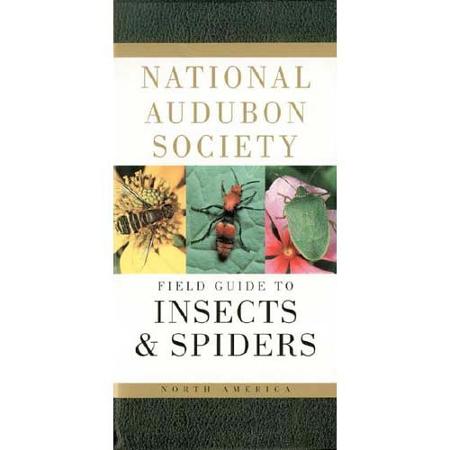
~Bring useful information. Along with water and snacks in your backpacks, you can bring field guides and take-along science ideas. Instructions to measure a slope using a string and jar of water, the methods of testing for rock hardness, charts of constellations are all great to have on hand when the timing is right. Sure, you can look these things up on your phone but kids running off clutching a dust-darkened field guide somehow feels right. There are plenty of guides for kids but my family likes standards like  Peterson guides and Audubon field guides. (Smithsonian guides are appealing, but not durable.) 

~Set off on a search. Brainstorm indications of animal life or other areas of interest, then set out with your list and check off what can be found   Another time, try a nature scavenger hunt. You might have to make tree rubbings, spot a certain bird, collect rocks, and so on. For toddlers, try a color hunt.

outdoor family fun

~Pay close attention to weather. Notice how the air feels different before the storm and how you can “smell” snow coming. Put together a DIY weather station.  Find out if you really predict weather using pinecones. Go out and experience windy days, rainy days, snowy days, all of weather’s moods where you live.

~Ignore inclement weather. There are all sort of things to be learned when you’re snowed in!

nature learning in winter

~Allow kids the allure of hidden places. Explore to find little hideaways or even an afternoon’s hideout made from a sheet draped over a branch. This gives kids a sense of their own place outdoors.

kids who love to play outside

~Let fiction build a love of nature. When I was a kid I loved books told from the perspective of an animal, giving me a compelling glimpse of the lives of other creatures. I still remember reading dusty old library copies of An Otter’s Story Rabbit Hill, and White Fang The most popular from-an-animal’s perspective these days is the delightful book, The Tale of Despereaux.  Here’s a list for younger children and here’s one more appropriate for older kids.

build a love for nature

~Keep a nature journal. This doesn’t have to be anything more than a blank book. Take it along when you go outdoors and set aside time to draw, write observations, or make up stories. Don’t expect kids to use their nature journals if you aren’t avidly using one yourself!

kids nature journal

~Emphasize hands-on fun. Run, climb, roll, and revel in being outdoors. Kids, especially the youngest among us, are great models for our own fun. You can find more ideas in books like  Nature’s Playground: Activities, Crafts, and Games to Encourage Children to Get Outdoors and Go Wild!: 101 Things to Do Outdoors Before You Grow Up.

outdoor family fun

~Focus on one thing over time. Pick out a tree right past your window or a stream nearby. Describe it fully to yourself, perhaps writing about it or drawing it. Spend time regularly observing it. Notice changes in different seasons. Pay attention to everything that’s beautiful, distressing, and hard to understand. As questions arise, look for the answers.

kids who love nature

 ~Stay positive. Simply enjoy and observe. Don’t allow yourself to make dire observations no matter how much you worry about issues affecting our lovely planet. The first step for children is love of the natural world, from that flows the desire to save it. When choosing resources, focus on those which help young people become informed and active in positive ways. Emphasize joy.

“If we want children to flourish, to become truly empowered, then let us allow them to love the earth before we ask them to save it. Perhaps this is what Thoreau had in mind when he said, “the more slowly trees grow at first, the sounder they are at the core, and I think the same is true of human beings.”
-David Sobel

love nature to save nature

What activities and resources do you suggest?

PORTIONs OF THIS POST Are EXCERPTED FROM FREE RANGE LEARNING
Use It Till It’s Tattered

Porch peace flags still hanging in there.

Porch peace flags still hanging in there.

Erma Bombeck, comedian of all things domestic, once wrote,

My mother won’t admit it, but I’ve always been a disappointment to her. Deep down inside, she’ll never forgive herself for giving birth to a daughter who refuses to launder aluminum foil and use it over again.

My parents used what they had until it couldn’t be used again. Clothes that couldn’t be repaired became rags (although I refused to use my father’s old underwear for a dust cloth). Bread bags were washed and turned inside out to dry. And yes Erma, sometimes foil was reused too.

My kids would surely say I uphold that tradition. It might be frugality, but I think there’s more to it. I have sort of a Velveteen Rabbit feeling about objects worn from use. I like using the same cloth bag to carry library books home. Sure it’s frayed, with straps ever shorter from being sewn back on, but the bag has life left in it. I wear shoes until sunlight shows through, then relegate them to gardening shoes. I save old jeans too, using them for everything from a jeans quilt to trying out my weird idea for jeans-based weed control.

I once wrote a post about the psychological effects of materialism, illustrating it with an image of my toe peeking through a hole in one of our very old blankets. My toe really didn’t appreciate the publicity. Yet here’s that photo again because it really illustrates my point.

Use it till it's tattered.

Who takes pictures of their own toes in a past-its-prime blanket?

We have dear ones over for dinner on a regular basis. Each time, I use trivets that were probably given to my parents as wedding gifts over 50 years ago. The cork covering has degraded pretty badly, but they deflect heat as well as they ever did.

Useful, just unattractive.

Useful, just unattractive.

I also use the best hot pads ever. These were crocheted in tight little stitches by my grandmother sometime in the 1960’s. They still work perfectly even if marred by scorch marks. I’ve tried all sorts of replacements, from thermal fabric to silicone. Nothing is as flexible and washable as these handmade spirals.

In use for decades. Stained but still perfectly functional.

In use for decades. Stained but still perfectly functional.

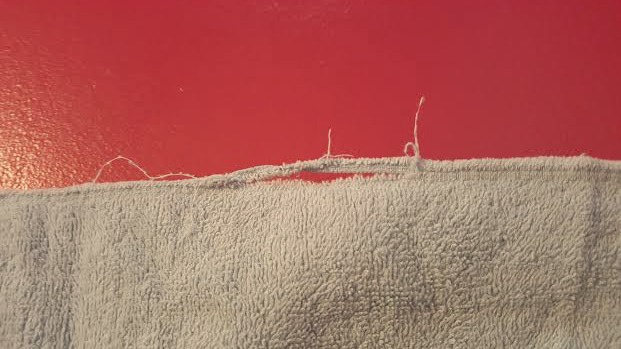
Our towels are, as you might imagine, pretty tattered. Of course they absorb moisture as well as they did when their side seams were perfect.

Old towels need love too.

Old towels need love too.

Even the kitchen floor is giving up.

No, that's not a giant spider. Not dirt. Just a floor after years of service.

No, that’s not a giant spider. Not dirt. Just a floor after years of service.

We actually do buy new things. I can prove it.

The comforter on our bed had been worn through for years. I repaired it over and over until the fabric got so thin that it simply split. It had also been indelibly stained. I remember the origins of some of those stains. Like the time one of my son’s friends came in our bedroom late at night to seek our counsel on some apparently vital adolescent matter, sitting on the edge of our bed (with bib overalls greasy from working on his car in our garage) while chatting with my husband and me. Those stains wouldn’t launder out.

Bedspread of 20 years.

Bedspread of 20 years.

We used it with peek-a-boo batting for years until we broke down and bought a (severely marked down) bedspread. “A new bedspread? Who are you?” my daughter asked, “It’s like I don’t know you any more.”

Something new. It happens, even here.

Something new. It happens, even here.

There’s a heightened beauty in things we use everyday. I see it in our daily tablecloth, our heirloom dishes, our antique furniture. I like the sense of completion that comes when using something fully.  We’re supposed to use ourselves up too.

While we’re not defined by our things, they do say quite a bit about us. I guess I’ve said this already in a poem.  Nuff said.


Object Lesson  


18 and in love

I heard

Too young.

Won’t last.


Yet each solid thing unwrapped

from fussy wedding paper

made it real.


The cutting board

too thin to last

split into kindling.

Paint chipped off leaky flowerpots,

used until they cracked.


Bath towels, coarse and cheap,

wore down to barn rags.

Bed sheets, gone to tatters, torn

to tie tomato plants and peonies.


One last gift, a satin-edged coverlet

saved for good till every other blanket

fell to pieces. Pretty but polyester,

it too frayed to shreds.

Nothing temporal

remains inviolate.


All that’s left are

clear glass canisters

holding exactly what we put in them

right here on the counter

for us to see

each day of our long marriage.


Laura Grace Weldon, from Tending


This post is shared from our farm site.