Engage The Window Box Effect

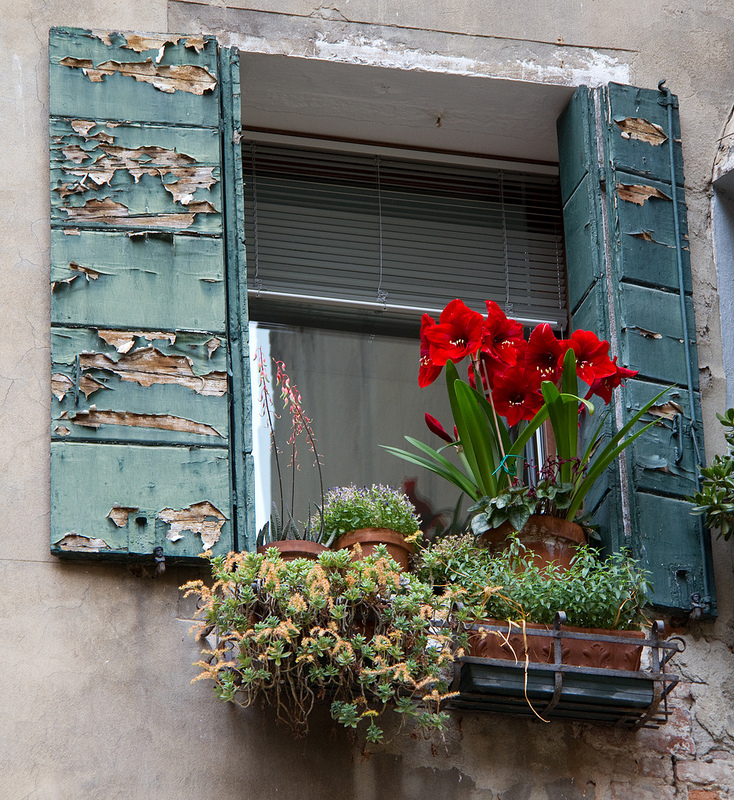
beauty heals, finding the positive, reversing urban decay, building a neighborhood,

CC 2.0 by ahisgett

When I was in college my professors enjoyed crushing what was left of our youthful optimism with miserable statistics about how bad everything was and how rapidly it was getting worse. (Even their cynicism was too small to envision our current issues.) I remember a semester-long course that had to do with reversing urban blight. After being taught about this dire and growing problem we were introduced to the standard remedies. Our professor scornfully dismissed every effort to reverse urban blight. The worst thing that could be done? Coming in from outside the community to impose a do-gooder solution. The only right thing to do was a vast overhaul of our economic structures. (Those structures are even shakier today.) I wrote sufficiently miserable papers to get an A but was left with quiet despair in my ever-hopeful heart.

Soon after that class I read about one woman’s experience of urban blight. She’d lived in the same house for decades, watching her neighborhood decline. There were few jobs and the ones available paid poorly, with no benefits or job security. She sadly listed the local businesses that had left, leaving her area with no grocery, beauty shop, or movie theater. The only places that remained were bars and corner stores selling little in the way of real food. People lost their homes and landlords took over, rarely keeping up the property. The city lost revenue, doing little to keep up with residents’ complaints. It seemed to her that young people were lost too. They swore in front of tiny children and their elders, hung out all hours on street corners, got into public fights, abused drugs. She was quoted as saying that people complained they got no respect from young people, when really the young people had no respect for themselves.

The reason she was being interviewed? She was credited with beginning a tiny urban renaissance that was evident on her street and slowly spreading through the neighborhood.

Here’s how it happened. She’d been in poor health and adjusting to widowhood. Her home had been well maintained over the years but like many wood-sided homes, it began to look shabby when too much time went by without new paint. After her husband died she didn’t do well keeping up with yard work and because the street had changed she rarely sat on the porch as she used to do in years past, chatting with neighbors and greeting young people by name as they went by. It wasn’t just friendliness. When everyone knows everyone, word of misdeeds travels home quicker than an unruly child can get in the door. And when a child really knows the elders on his or her street, they have many more potential role models to benefit them as they grow up. That’s the proverbial “village” it takes to raise a child.

This woman wanted to do something. All she could afford was a few packets of flower seeds. She got out on a spring day to plant the seeds in her long-unused window boxes. She started sitting on her porch every afternoon after watering them, greeting those who went by even though she didn’t know them. Renters in houses where her friends once lived began talking to her. By the time the flowers were in bloom she noticed a difference on the street. She said that people were sweeping their porches and planting flowers of their own. Because they were trying, she got out there to do her part, attempting to take better care of her lawn, telling people who passed by that it was a good way to get exercise she needed. Every time she couldn’t get her mower to start she’d ask a teenager walking down the street to help her. Then before starting to mow, she’d ask for his or her name, shake hands, and thank that youth for doing a good deed by helping her. She made sure to greet those young people by name every time she saw them afterwards.

That summer one family painted their front door. Someone else cleaned up an empty lot that had been a dumping place for trash. People started sitting on their porches, waving to each other, stopping for conversation. It began to feel like a neighborhood again. Building on what’s positive is powerful indeed.

There are plenty of ways people are revitalizing their communities these days. They’re reclaiming empty lots as gardens or play places for their kids, running micro-businesses out of their homes, starting up tool-shares and neighborhood work groups. They’re using social media to connect and collaborate with each other. They’re mentoring kids in the neighborhood and finding ways to get kids more involved in the larger community.  Studies show that urban gardens and other revitalizing efforts make a difference, reducing the crime rate and fostering all sorts of positive relationships. An old theory, kind of the flip side of what I’m calling the Window Box Effect, was called Broken Windows Theory. It posited that minor examples of breakdown (like a few broken windows) leads to greater disorder, dragging down not only the appearance of an area but also leading to crime and property damage. This has largely been disproven because crime is actually deterred when people know they have the power to affect their communities and benefit from strong networks within those communities.

Sure, we have a lot to work to do rebuilding our sorry infrastructure and easing the ever-widening income gap. But it doesn’t hurt to remember that noticing a little beauty can amplify the greater beauty that’s everywhere, waiting to bloom.

There are plenty of ways to apply the Window Box Effect.

Tell me how the Window Box Effect works in your life.
25 Ways To Spread Some Kindness

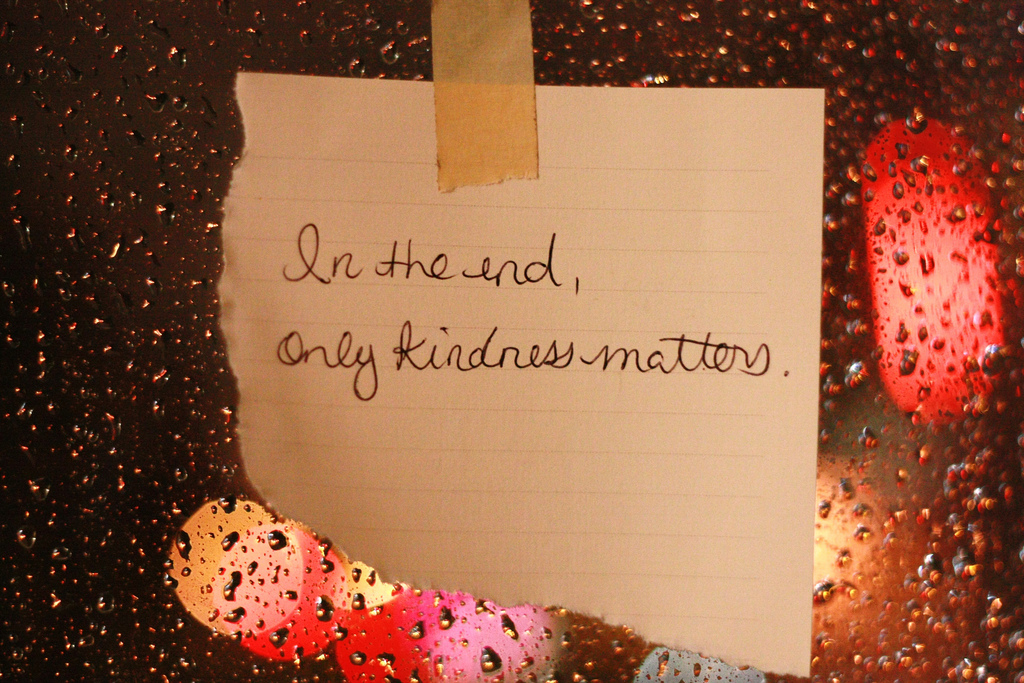
Image: SweetOnVeg’s flickr photostream

1. Take your compliments about an employee to management. Chances are you’ll never see the impact. Chances are, it’ll be greater than you imagine.

2. Give up a great parking space for the car behind you. Parking farther away simply gives you more exercise.

3. Call an elderly relative or neighbor once a week to chat. You may think you’re enriching that person’s life. They’re enriching yours too.

4. Hold the door open for the person behind you.

5. Write a thank you note. To see the powerful impact this practice can have, check out A Simple Act of Gratitude: How Learning to Say Thank You Changed My Life.

6. Write an anti-thank you. Sure, it seems counter-intuitive but it’s a way of using a  negative experience to help others.

7. Leave money in vending machines, especially in hospitals and detention centers.

8. Leave a positive review for a local business on Merchant Circle, ThinkLocal, or Yelp. And don’t forget writers. Leave stars on sites such as Goodreads and Amazon, recommend books you’ve enjoyed to friends, maybe give a shout-out on social media to authors whose work impacted you.

9. Listen. You know how it feels when someone really listens to you. They look into your eyes, they react to your words, and you feel understood. Check your listening skills against the Scale of Attuned Responses.

10. Meet your needs and those in your community, maybe with other new parents or people in your neighborhood, by collaborating. Check Shareable for all sorts of guides. These include How to Create a Walking School Bus in Your Neighborhood, How To Host a MamaBake Food Swap Session, How to Share an Education, How to Plant a Habitat Garden at the Local Playground, How to Build a Better Neighborhood, and How to Set Up a Neighborhood Exchange Box in 4 Easy Steps.

11. Give genuine compliments. You might want to challenge yourself to give compliments to five people a day. It keeps you on the lookout for truth and beauty. Tell a clerk she has a lovely voice, a child that his smile made your day, a loved one that their eyes are beautiful.

12. That kid who keeps hanging around, looking as you grill dinner or wanting to talk while you wash the car? He may be longing for encouragement. Even a few kind words may be the kind of mentoring he needs.

13. Help budding entrepreners through Kickstarter or Indiegogo. Make your money go farther by lending to a Kiva project.

14. Greet new people on your street with a small gift such as a houseplant or plate of cookies. The neighbors you’ve never met? Try online resources to connect such as NextDoor or front porch forum.

15. Give gifts that do some good.

16. See an act of aggression? Get involved even if it seems like none of your business. That’s a kindness too.

17. Set books free. Donate them to a good cause (a nearby school, your library’s book sale?) or leave them ala Book Crossing to find new readers.

18. Donate pet food to the nearest animal shelter. While you’re there, offer to walk a few dogs.

19. Patronize kids’ car washes and lemonade stands.

20. Be aware of newcomers to your workplace, school, house of worship, or other organization. Make a point of greeting them and introducing them to others.

21. Keep duplicates of your child’s toys and books in the diaper bag. When you encounter fussy children, offer an extra to their parents.

22. Smile. Find out 10 ways this face stretcher benefits you as well as those on the receiving end.

23. Donate blood. One pint of blood can save up to three lives.  

24. Designate a tiny container as your family’s Pass It Forward box. Tuck it somewhere one member of the family will find it (under the bed pillow works) with a little surprise inside (a loving note, a handmade coupon for an unexpected perk, some chocolates, a drawing, a map of a place you’re going that day, a compliment). That person is expected to put something else in the box and leave it for another family member, so kindness can circle around and around.

25. Set a good example, be kind to yourself.

Life Lists

life lists, journaling, paying attention,

What do you want to remember?

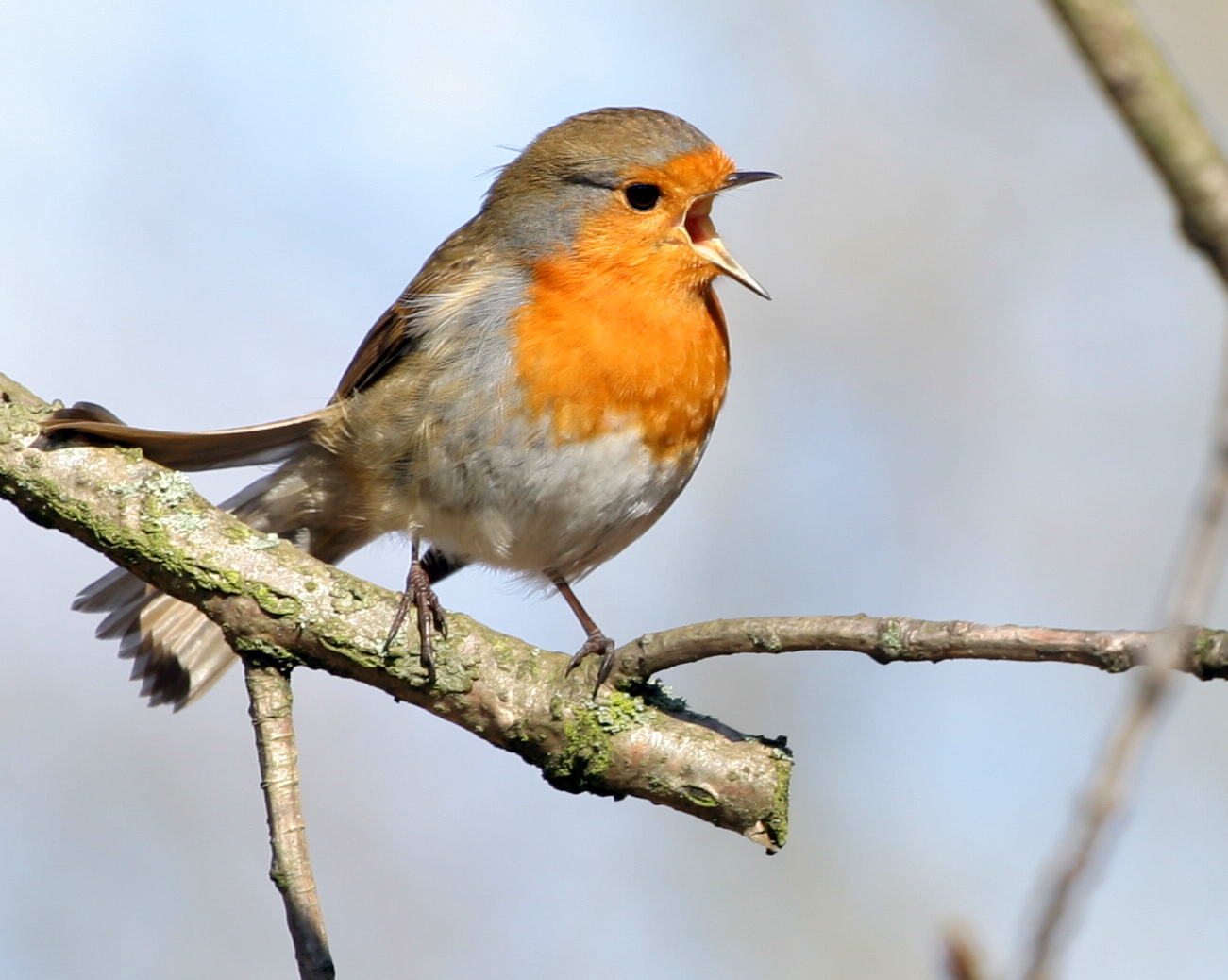
The most avid bird watchers keep Life Lists, tracking the first time they sight a bird. They write down information like order, genus, and species. Usually they note much more. Things like date and place the bird was spotted. The more detail, the more a birder’s Life List becomes something greater than a factual log of avian sightings. Years later the pages can return that person to an afternoon standing in the dappled sunlight of a New England forest when a blue, orange, and yellow flash heralded the arrival of a Painted Bunting. It can evoke a remarkable trip to Mexico where along a riverbank three distinctive wavery notes of a Great Tinamou were heard, and all the rest of that day bird after bird was sighted until darkness arrived. It can bring back time spent with dear friends in whispered conversation waiting hours for a glimpse of a single Black-Capped Vireo.

I’m no birder. I appreciate but know next to nothing about our feathery friends. But I am intrigued by the Life List concept. Life Lists keep birders motivated. The lists also alert them to a wavelength most of us ignore. A wavelength sensitive to birdsong, flight, and the faint hush of a wings on a nearby branch. Keeping track of any one thing is entirely unnecessary but such lists cue us to a chosen frequency.

What do you want to notice and cultivate in your life? Here are some possible Life Lists to consider.

Books That Made A Difference   I’ve often thought of books that changed my worldview or opened doors inside me with their insights. Do I remember the titles and authors? Only sometimes. I truly believe there are pivotal books that make us who we are. I started such a list years ago but let it lapse.

If you keep such a list, add more than title and author. Include a quote or two, some quibbles you have with the text, questions you’d like to ask the author, why this book came at the right time for you, where you were when you read it, what it means to you. Many people are keeping their book lists on GoodReads and Library Thing.

Wildlife Seen  Like a hugely expanded birder’s list, this could be open to all species or your own particular fascination, perhaps spiders (that would keep you busy with something like 38,000 species). And like a birder’s list, you could note species, location, description, your impressions, and much more.

Trips Taken  My mother made an effort to write about the long summer trips my family took, filling spiral notebooks with destinations and mileage and her impressions. I cherish them now, even if those trips left me with the wrong kind of lust.

If you keep such a list, fill it with photos and memorabilia. Make notes about your expectations and how they were fulfilled, about sights and sounds and tastes, about conversations and funny moments.

Favorite Movies (or Movies Seen)  This can be remarkably helpful if, like me, you find yourself starting to watch a movie that sounds good only to realize you’ve seen it. A list of movies seen, with details about favorites, is something I marginally keep up on Netflix just to keep myself from re-watching something I didn’t enjoy in the first place. I have friends who attend yearly film festivals, keeping extensive notes that they share with non-festival goers like me when those movies are released. Again, the more details the better. Write down who you were with when you saw the movie, where you saw it, snippets of meme-worthy dialogue, your favorite scene, actors you predict will go places, and your review.

People Who Have Influenced You  So many people flit in and out of our lives. Sometimes we don’t realize their impact until years later when we see they served as role models (like the woman I met during my brief espionage career) or anti-role models (a surprisingly important motivator). This is one of the few lists that can be made retroactively. Think of neighbors, friends, classmates as well as public figures. Note what they did and said along with behaviors that contributed to that influence. Once you start writing these observations down you may be more attuned to daily influences of people in your life, from the spirit-lifting cheer of a clerk to the resolutely calm example of a friend in trouble.

Dream List  Sure, you could write a bucket list and cross off each experience. But I’m talking about keeping a list of dreams you remember. I’ve written down only my most memorable and startling dreams for years, usually the ones that refuse to leave my mind. There are potent messages in dreams, coming to us from deep places where wisdom waits to inform us. If you want to more fully remember your dreams, try this. Before falling asleep, remind yourself to remember and understand your dreams. As you waken, pull the threads of your dreams into your conscious awareness. Whenever possible, write them down. It helps to take the images in the dream (ladder, teacher, highway, blue car) and note what each means to you. Look back at your dream list every now and then, you may find themes unspooling into new awareness.

Paths Hiked  There’s something about coming upon new vistas along the trail that prompt reflection. Those musings might be interesting to record along with hike data like location, distance traveled, terrain, weather, and date. Note who you hiked with and maybe what you talked about or laughed over. Include photos. Some folks contribute their photos and thoughts on Tumblr sites or blogs.

Words That Cut To The Center   This is a list I’ve kept on and off since I was a teenager. I find a quote or poem that distills meaning to the essence and write it in a journal (or now, on a Word doc). I’ve lost several of these lists, only to find them years later and catch a glimpse of what occupied my heart during those times. I’ve also found such lists remarkably useful, perfect when I want to share a poem or quote with a friend.

Gratitude List    This is a popular one, even recommended by mental health experts. I’ve learned it’s possible to look past what we label “good” and “bad” to appreciate mistakes, doubt, and crisis. I’m sure a gratitude list filled with sweetness and light can lift a mood. But I suspect a gratitude list more fully fleshed out might lift our spirits into a realm of blessed understanding.

Belly Laughs, Inside Jokes, Made-Up Words  Laughter is good for us, but we rarely remember what caused us to laugh ourselves into tears. I wish I’d started a list years ago with just a few notes about who, where, and particularly what we found so funny. I suspect I’d laugh all over again.

I’d also love a list of all the inside jokes and words unique to my family and friends. Some trigger us to laugh, some promote a feeling of solidarity because they remind us of shared experiences. How easily we forget.

Here’s one my family still uses, “You no see big thing like train?”  A friend drove a truck for a business started by an immigrant whose English wasn’t easy to understand. The business made money in part because of the owner’s extreme frugality, he barely even maintained the truck. One day the friend was making a delivery when the truck’s brakes failed. Unfortunately they failed as he was approaching railroad tracks where a train was stopped. It was a large truck and much as he tried, he only managed to slow down. He crashed into the train. He was fine, the truck was not. He called his boss to explain. The boss yelled, “What, you no see big thing like train?” This line has proven itself handy in many circumstances, thankfully none involving real trains or failed brakes.

Tastings  Savoring the good things is a tasty reason to start a list.  Consider wines, beer, cheeses, chocolate, or heck, start a list of Chomping Something From Every Street Cart I Can Find. Take notes on subtle flavors, good pairings, and circumstances such as where you were and who you were with. Highlight the very best. Hmmm, I like that street cart idea…

Perfect Moments   We live in a happiness-chasing culture, perhaps because advertisers tell us in every possible way that it’s easily purchased. But if we pay attention we find that perfect moments happen all by themselves. It’s a father rocking a baby to sleep, a calf taking first tottering steps in a pasture, a turn on the dance floor made of movement and beat and sheer exuberance.  These moments aren’t easily remembered. They enlarge our lives only briefly before drifting into fragments of memory. Taking time to sketch a perfect moment is an unexpectedly rich way to capture it (try these drawing hacks for non-artists). You might also draw a mind map or write a poem. Who said lists have to be list-like?

Juncture List  You know those junctures when a decision is made that shifts the course of your life. Sometimes we realize something big is about to happen: picking which college to attend or starting a job or ending a relationship.  Sometimes the choices seem minor at the time, like not answering the phone or telling a white lie or ignoring a symptom. This is another list that is more easily written while looking back. It may not seem valuable to parse out where things changed, but it helps us see larger patterns, feel synchronicity’s strange power, and appreciate the mysterious paths we’ve taken to arrive at this moment.

It's about paying attention.

The Antidote Is Awe

cure for stress, coffee ritual, easing worry, finding peace,

My husband and I seek refuge on the porch each afternoon in a ritual known simply as “time for coffee.” Somehow just out the door we’re a step away from the pull of obligations and worries. Here we feel centered by the light through the trees or the sounds of birds or the strange lumbering grace of a bumblebee in the flowers.

Our lives, and yours too, are twisted into knots so complicated we can’t see where they start or end. Those complications are made of bills to be paid, old arguments that didn’t heal, long hours and too little sleep, by endless political bluster and the fallout it causes. It’s good to let go of those tangles, even for a while.

Today on the porch we watched an insect we’d never seen before. It skittered without visible wings, its body open like the spokes on a wheel or the arms of a star. It looked improbable as an undersea creature swimming in the air. We gaped in quiet wonder until it was out of sight.

A few moments of awe are all it takes to remind us that our lives aren’t about those knots. We are pulsing, breathing wonders ourselves in a world bursting with miracles.  It takes looking closely at only one thing to see those miracles, whether watching a spider spin her web or looking at fungi that seemed to spring up overnight.  We exist for so short a time on this beautiful planet. We clamor over concerns when our lives may be better measured by how much awe we allow ourselves.

I have things to do, but it’s time for coffee. I’m heading for the porch. Hope you do the same.

We are, perhaps, uniquely among the earth’s creatures, the worrying animal. We worry away our lives, fearing the future, discontent with the present, unable to take in the idea of dying, unable to sit still.   Lewis Thomas 

Reprint from my farm site Bit of Earth Farm

Pride Goeth Before Tiny Bite Marks

raising non-compliant kids, non-conformist kids, when kids bite, biting toddler, kids labeled, parents learn from kids, parents don't know everything,

Image courtesy of biohazard-101.deviantart.com

I don’t take credit for my children’s many accomplishments. They are their own remarkable people.

As a new mother I didn’t have this quite figured out. Yes, I recognized that babies arrive on this planet with all sorts of traits wired in. I knew it’s up to us to gently nurture them, shelter them from harm (including the damage cynicism can do), allow them to take on challenges, help them learn to trust themselves, and let learning unfold in delight.

But I had a few early years when I thought, probably with obnoxious smugness, that my wonderful parenting had something to do with how well my kids were turning out. They were very young and so was I.

My oldest, a boy, was thoughtful and clever. He liked to take my face between his little hands and call me every superlative he could think of (“dear, sweet, wonderful Mama). Isn’t this positively swoonable? He rescued insects from the sidewalk, telling them “go in peace little brother,” a line he picked up from one of his favorite picture books. When his father and I tried to talk over our little one’s head about issues we thought he shouldn’t hear, we used Shakespearean language to obscure our meaning. We had to stop, because our toddler began regularly using words like “doth” and “whence.”  What made things work fascinated this little boy, from the bones in our bodies to the engine in our cars, and he insisted on learning about them.

My next child, a daughter, was assertive and talented. She drew, danced, and sang made-up songs of such pure wonder that, I kid you not, birds clustered in trees near her. The force of personality in that tiny girl led us all to laugh at her improbable jokes and enter into her complicated realms of make-believe. Born into a home without pets, her drive to be close to animals was so intense that she kept trying to make worms her friends. Entirely due to her persistence we ended up with several pets by the time she was three.

Although our beautiful little children had medical problems, we had money problems, and other crises kept popping up I felt as if I lived in paradise each day. There’s something remarkable about seeing the world anew through the eyes of the planet’s most recent inhabitants. It’s like using an awe-shaped lens.

But I still had plenty to learn about parenting.

I recall being quietly horrified at a Le Leche League meeting when one toddler bit another. I thought about it for days, wondering what sort of parenting resulted in such an impulsive child. All the parenting books I read, all the non-violence courses I taught assured me there was a right way. Of course my comeuppance would arrive.

My third child was born soon after. This endearing, curious, and constantly cheerful little boy possessed relentless energy. By the time he was 14 months old we had to twine rope around all the chairs, lashing them to the table between meals, otherwise this diapered chap would drag a chair across the room to climb on top of furniture in the few seconds it took me to fill a teakettle. Before he could say more than a few words he’d learned to slide open our windows, unclip the safety latches on the screens, and toss the screens to the ground. He liked to grab the hand vacuum for experiments on his sister’s hair, houseplants, and other normally non-suckable items. He watched with fascination as drips from his sippy cup fell into heat vents, the hamster cage, the pile of laundry I was folding. We had no idea he could climb out of his crib till the evening he opened all the wrapped Christmas presents I had hidden in my room (keeping them safe from him) while we thought he was in bed. The look of complete joy on his face nearly made up for the hours of work it took me to rewrap. I found myself making up new rules I never thought I’d utter, like:

“Don’t poop in Daddy’s hat.”

“We never run with straws up our noses.”

He became a little more civilized by the time he was three, but not, as you might imagine, before he bit a few children.

Utterly besotted by the bright-eyed charm and endless curiosity of this dear little boy, I never suspected the labels doctors and schools so easily affix on non-conformist kids might be slapped on my child.  I never realized how much he would teach me about what real motivation and learning look like. And I never imagined how much he’d show me about what it means to pursue success on one’s own terms.

Today he is one accomplished young man, in part because he continues to see the world through an awe-shaped lens. And I am still learning from the remarkable people who came to this world as my children.

Eat Your Dandelions

dandelion recipe, dandelions for health, eat dandelions, don't kill dandelions,

Image courtesy of thaowurr.deviantart.com

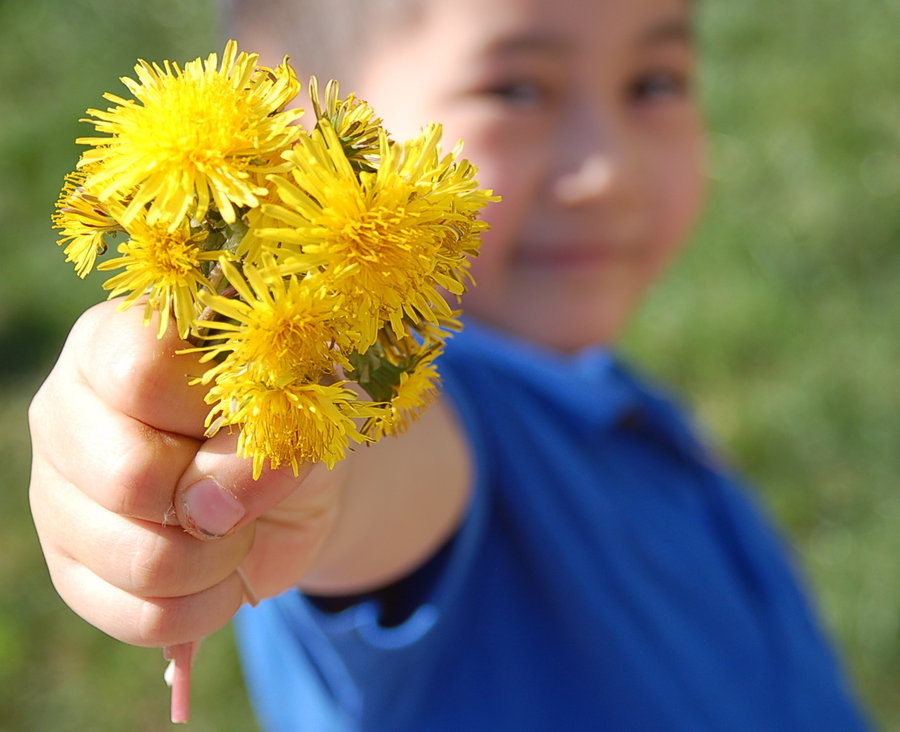
“You EAT them?” a little boy new to the neighborhood asks. He leans forward for the answer, his face ready to constrict in doubt.

Children already well acquainted with our family’s springtime ritual stop picking.

“Yeah!” they eagerly assure him, “They’re really good.”

They aren’t referring to a new vegetable in our garden. They’re talking about dandelions.

Herbalists tell us exactly what we need grows nearby. Those plants we call “weeds” may in fact remedy what ails us. They are so common that their properties are easily overlooked in a culture searching for packaged wellness. Plantain, mullein, comfrey,mint, mugwort,St. John’s wort, chicory and purslane spring up wild in my untreated lawn and garden. Weeds, but also powerful healers.

Today we’re picking dandelions in full flower. It isn’t about finding a remedy. For me the harvest is has to do with celebrating spring and affirming the beauty around us. For my children and our neighbors it’s about fun. I wait until the blooms are at their peak. Then I call friends and neighbors to announce, “Today is the day!”

Children spread out across the yard holding little baskets. A girl squats in front of each plant, pausing a long moment before she reaches out to pluck a flower from its stem. The  oldest boy in the group walks by many dandelion plants to pick only those growing in clusters. And the newest little boy falls silent, as the rest of the children do, taking delight in the seriousness of the harvest.

European settlers brought the dandelion plant to this continent for food and medicinal purposes. The perennial spread easily across most states. It’s a testament to the power of herbicide marketers that such a useful plant became so thoroughly despised. Standing under today’s blue sky, I look at exuberant yellow rosettes growing in bright green grass and feel sheer aesthetic pleasure.

After the children tire of picking we sit together on the porch and snip off the dandelion stems right up to the flower. We mothers look over their busy heads—blonde, brown, black—and smile as we watch them stay at this task with the kind of close attention children give to real work. One girl remarks that the flowers look like the sun. Another child says her grandmother told her that in the Old Country they call the plant by the same name as milk because of its white sap. The newest boy chooses to line the stems neatly along the wide porch planking, arranging and rearranging them by length.

Every aspect of a ritual holds significance so I pay attention to the warm breeze, the comfortable pulse of friendship, and flowers so soft against my fingers they remind me of a newborn’s hair.

When we’re done the flowers are rinsed in a colander, then it’s time to cook them. I’m not a fan of frying. There are better ways to preserve the flavor and nutrients in food. Consequently I’m not very skilled. But this is easy. The children, their mothers and I drop the flowers in a thin batter, scoop them out with slotted spoons and fry them a dozen at a time in shallow pans.

After the blossoms cool slightly on paper towels they’re put on two platters. One is tossed with powdered sugar and cinnamon, the other sprinkled with salt and pepper. Handfuls are eaten in the kitchen while we cook. Then we carry the platters outside. Children run off to play in grass polka dotted with bright yellow flowers. We adults sit on the porch laughing and talking.

It’s suggested that we should be eating healthfully prepared dandelion greens and roots rather than indulging in delectable fried blossoms. That sentence fades into a quiet moment as a breeze stirs new leaves on the trees and lifts our children’s hair. I feel enlivened. Everywhere, around me and inside me, it is spring.

eat dandelions, healthy dandelions, dandelion flower recipe, fried dandelions, dandelion blossom recipe, Flower Power Recipe

Gather dandelion flowers from areas free of chemical treatments or fertilizer. Pick in a sunny part of the day so the flowers are fully open, then prepare right away so flowers don’t close.

Cut away stem, as this is bitter, leaving only the green part holding the flower together.
Douse briefly in salt water (to flush out any lurking bugs). Dry flowers on dish towels while you prepare batter.
Ingredients
3 to 4 cups dandelion flowers, prepared as above

1 cup milk (dairy, soy, almond, coconut, any variety)

1 egg (or equivalent egg replacer product)
1 cup flour (slightly smaller amount of any whole grain alternative)
½ teaspoon salt
oil (frying is best with healthful oils which don’t break down at high temperatures, try safflower oil, coconut oil or olive oil)

Method

1. Combine milk, egg, flour and salt in wide bowl. Mix well. Heat an inch or two of oil in skillet (350-375 degrees).
2.  Drop a dozen or so blossoms into the batter, stir gently to coat. Lift out with slotted spoon or fork. It’s best to hold the bowl over the skillet as you drop each blossom into the hot oil.
3. Turn flowers over to brown on both sides. Remove with slotted spatula to drain briefly on paper towels. Continue to fry remaining flowers using same steps. Toss cooked dandelions with sugar and cinnamon. Or salt and your choice of savory flavoring such as garlic, pepper or chili powder.
4. Making flower fritters is a speedier method than frying individual flowers. Simply drop flowers and batter into the oil by the spoonful, then turn like a pancake. Serve with jam, maple syrup or honey. Or try savory toppings like mustard, ketchup or barbeque sauce. These fritters are endlessly adaptable. Try adding sunflower or sesame seeds to the batter and serve with either the sweet or savory toppings.

a (2)

What You May Not Know About Dandelions

The common dandelion, Taraxacum officinal, has been used in traditional medical systems around the world to boost nutrition as well as treat conditions of the liver, kidney and spleen; slow abnormal growths; improve digestion and more. Recently science has taken a closer look at this often scorned plant. No surprise, traditional wisdom holds up under scrutiny.

~Dandelion root stimulates the growth of 14 strains of bifidobacteria. This is good news, because bifidobacteria aid in digestion. Their presence in the gut is correlated with a lower incidence of allergies.

~Dandelions appear to fight cancer. Researchers testing for biologically active components to combat cancer proliferation and invasion note that dandelion extracts have value as “novel anti-cancer agent[s].” Their studies show dandelion leaf extract decreases growth of certain breast cancer cells and blocks invasion of prostate cancer. The root extract blocks invasion of other specific breast cancer cells  and also shows promise inhibiting skin cancer.

~Dandelions work as an anti-inflammatory and pain relieving agent.

~Dandelion extract lowers cholesterol. This, plus its anti-inflammatory and antioxidant qualities leads some researchers to believe that the plant may reduce the risk of atherosclerosis (hardening of the arteries).

~The plant’s leaves are an effective diuretic.

~Dandelion shows promise in diabetic treatment. It slows the glycemic response to carbohydrates, thereby helping to control blood sugar.

~Dandelion extract increases the action of estrogen and progesterone receptors. It may prove to be a useful treatment for reproductive hormone-related problems including PMS.

~ Leaves, roots and flowers of the humble dandelion are fully edible. USDA National Nutrient Database analysis proves that a festive array of nutrition awaits any lawn harvester. One cup of chopped fresh dandelion greens are extremely rich in vitamins K, A and C as well as good source of vitamin E, thiamin, riboflavin, vitamin B6,  calcium, iron, ,magnesium, manganese, fiber and omega-3 fatty acids.

~The flavonoids found in dandelions are valuable antioxidants and free radical scavengers.


This post is reprinted from an article that first appeared in Natural Life Magazine. 

Staring Down Worry

mystical experience of fear, metaphysical encounter with darkness, overcoming evil, facing worry, staring at Satan, prince of darkness in my room,

Image courtesy of pitrisek.deviantart.com

Something happened the night Worry appeared to me.

Some of us are chronic worriers. There’s probably an adaptive reason for this, since humans who envisioned potential dangers would be more likely to survive and pass on their genes. But saber-toothed tigers aren’t lurking by our front doors these days. I know for a fact that worry generates misery while producing absolutely no benefit. Giving it up, however, isn’t an easy matter. Worry runs in our heads like movies of disaster to come, unbidden yet powerful, making some of us wary of the smallest choices.

I worried from the earliest time I can remember. It may have an adaptive start in my life too. As a tiny child I spent many nights struggling to breathe through asthma attacks. When I was five years old I got a bit of food lodged in my esophagus. When my worried mother called the doctor he said it couldn’t possibly still be stuck hours later, I was just overreacting. I stayed awake all night spitting my saliva into a bowl, since even a moment’s inattention caused it to run down my windpipe and sent me into fits of choking. The next morning my parents took me to the ER where a surgeon removed a very stuck bit of food. The year I turned nine my grandparents all died, catapulting me into years of obsessive worry that everyone else I loved would die too. I was assaulted by an adult when I was 13, telling no one until years later. The focus of my worry widened as I spent years searching for the causes of evil and suffering. Worry continued to be my companion when I hit my 20’s. Each of my babies were born with medical problems. The unknown dangers threatening even the most innocent lives suddenly resided in my house. Chances are my chronic insomnia has roots in all this worry.

One night as I lay awake worrying, I had an experience that profoundly changed me. That night I had plenty of things to worry about: serious concerns about my children’s health, our finances, and other problems. Normally I fought off worry with gratitude—focusing on the comfort of my family sleeping safely nearby and the many blessings in my life. But worry was there haunting my mind and hollowing my body.

Sudden as a car crash, something happened.

I know it sounds bizarre but it was as real as the lamp on my desk is now. I became aware of a huge black column next to my bed. It was comprised of the most immense energy I’d ever experienced. It was dark and powerful with a presence that seemed alive and completely aware of my thoughts.

I had the sense that it was of such infinite size and strength that it went through the floor and out the roof, stretching far in both directions. I should have been more frightened, but the moment this column appeared I realized, as if the message hit all my cells at once, that I had summoned this darkness.

It was born of my own intense worry. It was a profound lesson that went through me the way wisdom does, filling not just our brains but also our bodies and souls. Lying there, I resolved to bring forth every ounce of light I could muster.

The instant I thought to do this, whatever that column was disappeared.

I woke my husband to tell him. He kindly assured me that I was nuts. Until this post I’ve only told one other friend. But in today’s atmosphere of worry, I wanted to share this image—of fear so huge that it manifests next to you. It taught me that worry is a kind of unintentional evil. It presupposes things will go wrong. It’s the opposite of faith.

I’m not entirely cured of worrying nor would I ever change those earlier years of worry. They’ve made me stronger, more open to the beauty found just beyond despair, and left me with a positive quest. But ever since that moment, years ago, I have made a conscious effort to reorient myself.

Ironically, my family has been through times more difficult than I could have imagined back when this happened—crime, financial hardship, loss, and grief. But I know the antidote—to shine forth with all the light I can. Some days I’m practically optimism’s parasite.

But really, if all my moments of hope coalesce into some kind of vision, I can’t wait to see it.

metaphysical experience of evil, starting at evil, facing Satan, summoning fear, transcending worry, transcending fear, overcoming worry, renewing optimism,

Image courtesy of m0thyyku.deviantart.com

Let The Youngest Teach You Mindfulness

child-paced, slow down, slow to appreciate,

Image from jesse.millan’s Flickr photostream

Ask any child. When adults meet them for the first time, standard questions include, “What do you want to be when you grow up?” right after classics like, “What grade are you in?” and “What’s your favorite subject?”

Such questions, unintentionally, gauge a child’s progress toward adulthood. That’s because adults tend to be future oriented. We’re distracted from the present moment by the need to plan and work toward any number of goals—what to do about dinner, how to juggle next week’s schedule, when bills can be paid. These distractions take our attention away from what is in the here and now. When we think ahead so often we have less time to notice, let alone appreciate, what makes up our lives minute by minute.

What is impatience except denying the value of the present moment? The watercolor effect of rain on the window, the meandering quality of a child’s conversation, the long wait for a pot to boil—these can be occasions to experience impatience or opportunities to breathe deeply and be present, gratefully.

Leaning so often toward the future unconsciously demonstrates to our children that later is more important than now. Yet as we know, later never comes. As long as we’re alive there’s always “later” to strive toward. Worse, we are surrounded by advertiser-driven messages telling us that we aren’t there yet, that we need to do more or become something more in order to have friends, be successful, find love.

The nature of early childhood is the perfect antidote to this hurry-up attitude. That is, if adults truly pay attention to the lessons the youngest model for us. Young children who are not yet pulled by the adult world’s messages are oriented to the present moment. When forced to disregard what is vital to their bodies and spirits—pretending, daydreaming, playing, snuggling—they rebel. They are who they are, where they are. They’re not caught up in the future tense which dimishes the here and now. They demonstrate the oldest way of knowing.

Pay close attention to the youngest children in your life. Let them help you learn solutions to our cultural overdrive.

As we slow down we have time to truly know each other and to truly know ourselves. We’re more aware of the messages our bodies send us and can act on those signals before they become symptoms. We have time to reflect. Time to remember our dreams when we awaken. After all, time is the only true wealth we have to spend.

slowing down, slow movement, child-pace, mindfulness, mindful living, mindful parenting,

Image from kla!’s Flicrk photostream

Guerrilla Encouragement Efforts

random acts of encouragement, small children can volunteer, guerrilla encouragement,  spreading happiness with kids,

Image courtesy of drillina.deviantart.com

Chances are at some point in your life you’ve received encouragement from someone you didn’t know well or even know at all. It may have been a tiny gesture but it came at the right time.

~Maybe a note left in a library book serendipitously answered a question you’d been mulling over.

~Maybe a store clerk commented on how wonderfully inquisitive your child was just when you were despairing of her constant questions.

~Maybe something as simple as a stranger’s thoughtful compliment boosted your flagging spirits.

Such instances feel as if they’re meant to happen, stretching our perspective beyond the ordinary and helping us pause, contemplate, and renew the way we see our lives. Often they inspire us to spread the same feeling of encouragement to others.

I’ve had plenty of those moments. That’s why when my kids were very small we had a secret indulgence—-guerrilla encouragement efforts. Let’s call these GEE for short. They’re similar to the widely known Random Acts of Kindness but for us GEE were specifically focused on encouragement.  Here’s how we proceeded.

The easiest GEE are letting people know the job they do is appreciated. Since my kids were too little to write at that time, occasionally they dictated gratitude notes, like the one my oldest insisted on writing to a particular nurse’s aide he saw each week during nursing home visits. My kids gave homemade cookies to firefighters and freshly picked strawberries to librarians. A few times we were driving through a slow intersection at just the right pace for us to roll down the car window and give a cold bottle of water to a traffic cop. Handing over GEE offerings requires little more than simply saying, “thanks for what you do.” The look on our recipients’ faces filled us with expansiveness, as if the air suddenly became lighter. My kids liked to talk about these moments again and again.

Their favorite GEE giveaway involved grocery store popsicles, a treat normally illicit in our annoyingly make-it-from-scratch household. I let my little ones stand out front with a box of these popsicles. They could barely stand the excitement as the garbage truck rumbled closer and closer. Patiently they waited until the workers had finished upending our garbage cans, then they held out the popsicles shouting “thank you” over the roar of the truck’s grinder.  The guys were more thrilled than any of us anticipated, waving all the way down the street as they hung on the truck with purple, orange and red popsicles in their mouths.

What kept us talking and thinking much longer were GEE for people we would never meet. One time we decorated little film canisters with tiny sticker letters spelling out “treasure” or “for you.” We rolled up fortunes we’d made inside, then filled the canisters with nickels, dimes and quarters. We put them in the diaper bag planning to tuck them out-of-the-way spots for strangers to find. I thought it would take us weeks to locate perfect drop off places but the kids made a quest out of hiding every one the first time we went out. Our canisters ended up at the library, health food store, and park. For weeks afterward my kids speculated about who might have found these little treasures and they told each other stories about the outcomes they envisioned. My daughter announced one could have been found by a lady who needed exactly that amount to buy a kitten (my daughter named the kitten and recounted its adventures as she imagined the scenario). My son decided it one could have been found by a boy who needed to buy a compass to draw maps (and then my son promptly drew a whole series of maps). Although they asked to do this project over and over again, we only did it that once. Secretly I was concerned that the canisters would be tossed as junk before anyone ever opened them. I also had come to rely on household change for necessities, so that moment of largesse was a one time sacrifice.

Another GEE that really captured our imaginations? Talking stones. We were walking along Lake Erie and spied quite a few flat water-washed stones. Perfect surface for an encouraging note. The kids ran around the beach collecting the largest stones. They carefully washed the sand off at the water’s edge and set them out on our beach towel to dry in the sun. I used a permanent marker (although a finer point marker would have let me squeeze more words on each stone). Our plan was to write something encouraging on one side, then leave the stones scattered well above the high tide line. We came up with messages like “you rock” and “everything is just fine” and “be tender.” Schmucky, but it’s hard to think with preschoolers clamoring to redistribute stones in a gleeful reverse scavenger hunt. The kids liked the idea of leaving them for strangers to find and chortled over the idea of stones “talking.” We left that day happily speculating about who might find a stone and what it might mean to them. Quite possibly nothing. Or who knows, one of our stones might have spoken to just the right person.

With all that’s going on in the world, guerilla encouragement efforts seem strange, funny, and innocently optimistic. But each child is born to dance on this beautiful planet that’s turning, turning, turning toward greater hope. GEE, why not?

“As far as we can discern, the sole purpose of human existence is to kindle a light in the darkness of mere being.”    Carl G. Jung

Fostering the Flip Side of Gratitude

dark side of gratitude, responding to nay-sayers, when those in authority predict doom, when doctors are wrong, when teachers are wrong, when therapists are wrong,

Cajoled into seeing a friend’s obstetrician, the one she praised so highly, I came prepared with a list of questions folded in my jeans pocket. But I didn’t get a chance to ask about a doula, the Leboyer method, or anything else. The doctor walked in, greeted me and looked me over without performing an exam. Then he announced with certainty that I had “insufficient pelvic capacity.” He assured me that my petite size meant I would never be able to deliver a full-term baby.

“What do you mean?” I gasped.

“It’s nothing to worry about,” he said. “It just means you’ll require a Cesarean.”

I was six weeks pregnant.

I may have been young and expecting my first child, but I dared to question his judgment. He became indignant. A lecture followed about the number of babies he’d delivered. He went on about anoxia and brain damage, then intoned the words that surely convinced legions of women before me, “Do you want to endanger the life of your baby?”

That was all it took.

I never returned.

But how was this self-satisfied man to know if his assertion turned out to be valid?  I didn’t get back to him. Nor did I refute the next obstetrician whose office I also left after he told me my vegetarian diet would result in a sickly, underweight baby.

Although these physicians never knew if their dire predictions came true, I went on to deliver a 9 lb, 10 oz baby quite naturally. In subsequent years I had three more sizeable vegetarian-grown babies.

On behalf of each of my children I learned to speak up–forcefully and often. This pushed me right past the shyness I thought was an indelible part of my personality. Once I became comfortable speaking up I felt empowered to assert my feelings of gratitude as well.

According to Thanks!: How Practicing Gratitude Can Make You Happier and Living Life as a Thank You: The Transformative Power of Daily Gratitude, regularly practicing gratitude boosts our health and well-being. Small acts of kindness also create a ripple effect, generating more compassion in others. Sometimes it’s easier to thank those who are close to us but it’s powerful to acknowledge people who are consequential strangers or people we’ve never met but whose efforts make a difference.
My gratitude practice often takes the form of appreciative letter to strangers. I leave a note for a waitress whose cheery demeanor has healed me of some common sadness. I send a letter to a nursing home administrator describing the tender affection I witnessed an aide show a patient. I send written kudos to the cast of a locally produced play. They don’t take long to write although occasionally I have to make an effort to find out where to send one.

Not long ago I was delighted to finally locate the address of a local school bus driver. I regularly wait in my car as he stops on a 55 mph road and in only a few moments backs into a narrow entry way with the grace and dexterity of a ballroom dancer. So I wrote a letter to explain that seeing him drive with such skill gave me the sense one day I too might develop true mastery in my line of work.

I never sign my name. I think it’s better to write “your customer” or “fellow traveler” or whatever fits the situation. That way it isn’t about me, it’s about a wider sense of appreciation. Although I have to admit, I benefit too. Looking for the good in a situation changes my energy in a positive way.

But really, paying attention only to sweetness and light ignores the shadow. People in positions of authority need to know when their judgments or actions are harmful. All of us can learn from mistakes, unless somehow we’re deprived of the consequences of our words or actions. Today, many professionals are well insulated from those consequences unless they reach litigation.

I don’t advocate griping or threatening. I’m talking about communication that fosters understanding. A simple letter can spare future clients, students or patients the same struggles your family may have endured. Of course this isn’t necessary when the situation can be handled right away. But how many of us have faced long term predictions of doom? A family bed is nothing but bad parenting.  Without this surgery you’ll end up crippled. Homeschool and you’ll have a maladjusted child on your hands. Ritalin is the only solution for that behavior. After years of hearing such pronouncements I have come to realize that updating a professional on his or her assessment is another form of kindness. It’s the flip side of gratitude.

If you choose to get in touch with someone for these same reasons, here are guidelines that have worked for me.

1. Be clear about your own goals before writing that letter or email. Wait until you can proceed without anger. The person you are contacting will be unlikely to learn anything unless you maintain a positive and respectful tone throughout.

2. Refresh the recipient about your situation as it was when you were last in contact.

3. State clearly and kindly that (as a physician, teacher, therapist) he or she is in a position to help many people. You assume that as a matter of professional interest it would be helpful to know about the outcome of a situation he/she assessed.

4. Sticking only to the facts, explain how in your situation their judgment or actions were misguided. Then update with pertinent details.

5. If relevant, include research or other data which the professional can use to gain insight.

6. Wish this person well. Don’t expect or ask for follow up contact.

The highest response to nay-sayers is to flourish joyfully in our choices. So I respond  to those who predicted doom for my children who were held long and nursed often, to those who judged our learning and lifestyle choices harshly—we are well. For that I’m endlessly appreciative.

Lets try, whenever possible, to find the freedom right beyond the boundaries of old ideas. To do that we need to share the insight that comes from experience. There, even the flip side of gratitude turns toward wisdom.

when professional advice is wrong, shadow side of gratitude, finding peace rather than revenge, gratitude's underbelly,

A version of this piece first appeared in the Sept/Oct 2010 issue of Natural Life magazine

Writing Hands image courtesy of Jggy

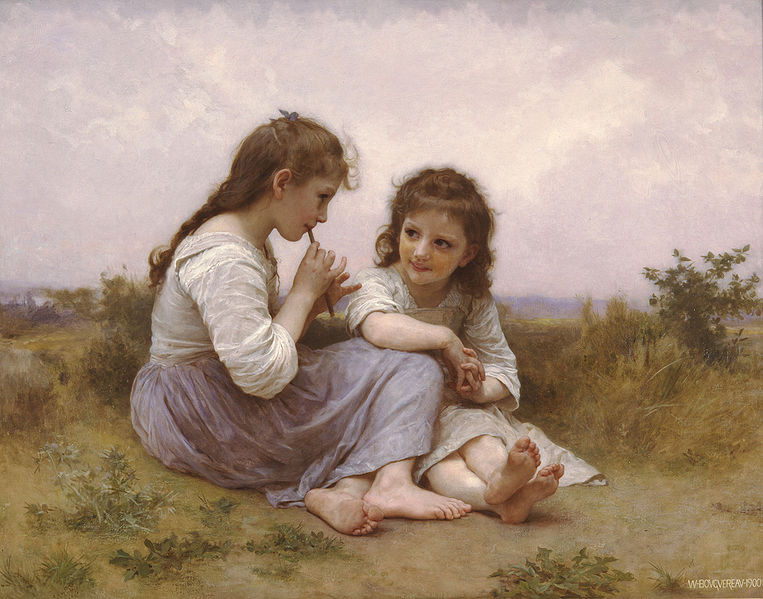
A Childhood Idyll by William-Adolphe Bouguereau