100+ Non-Toy Gifts for Toddlers to Teens

What do we really want when we offer gifts to our kids? I’m guessing excitement, happiness, hopefully some lasting joy. It’s disheartening to give a highly anticipated toy or the newest gadget only to see it ignored a day or a week later. The antidote? Fewer presents of better quality, as well as an emphasis on experiences. According to science, these are the gifts that result in real pleasure.

Real Tools for Real Work

Young kids beg to help out.  When we let them, they’re learning skills as well as the satisfaction of taking on responsibilities. Rather than toy versions of tools, get them appropriately sized real tools (to use with supervision). You can get plenty of useful, not-too-large tools at your local hardware and home goods stores. As kids get older, invest in adult-sized tools they can use for a lifetime.

Starting at four years old we got our own kids woodworking tools and gave them access to scrap wood. We also kept a stool handy for little kids to help at the kitchen counter, and whenever possible let them pour their own drinks from a tiny pitcher into a tiny cup during mealtimes—-cultivating coordination as well as a sense of involvement. When our oldest was three and loved to turn machines on and off, we got him a hand vac as a gift. He used it for years, immediately on the scene to vacuum up crumbs like a man on a mission. Saying yes when a child offers to help is more important than we might imagine.

Woodworking tools: Rubber mallet, vintage manual hand drill ,work gloves, level, sandpaper, safety glasses, tool belt, battery-powered drill, cordless screwdriver, measuring tape, wood glue, tool box, and low sturdy work bench. Consider books such as Builder Boards: How to Build the Take-Apart Playhouse14 Woodworking Projects For Parents and Kids To Build Togetherand The Kids’ Building Workshop. For teens, more complex project books as well as power tools, adult-sized hand tools, a sturdy workbench, and the freedom to work on their own.

Kitchen-y enticements: Apron, egg slicer, small rolling pin, small pitcher, rotary egg beater, small mixing bowls, tongs, whisk, wooden spoon, cutting board, safe Curious Chef knives, a step stool or adjustable kitchen helper stoolEngaging cookbooks like The Do It Myself Kids’ CookbookTwist It Up, and Kids’ First Cookbook. A sturdy kid-sized apron, made by hand in Nebraska in an eco-friendly workshop. For teens, a high quality kitchen utensil of their own (a good chef’s knife is a classic gift) along with cookbooks they’ll be eager to test out such as Cooking for GeeksThe Everything College Cookbook, or a cookbook aimed at particular tastes.

Gardening tools: Seeds, small gloves, trowel, bucket, watering can, small rake and shovel, (there are lots of child-sized tools at For Small Hands), containers to start indoor plants (like starting plants from sweet potato pieces and avocado pits), a kit to grow sprouts for salads and stir fries, books such as Gardening Lab for Kids and Gardening Projects for Kids.Teens with horticultural interests will appreciate adult-sized tools, gift certificates for seed companies, and specialty books.

Fiber work tools: A lucet ,a medieval era wooden tool to help make braided cords and necklaces, knitting needles and yarn along with My First Knitting Book, or Kids Knitting: Projects for Kids of all Ages
First Knitter is a device to help small hands learn to knit., Embroidery hoop and embroidery thread. Fabric scraps and a sewing box with some essentials like needles, thread, thimble, and scissors. Needle felting kit and wool roving.  Try a small weaving loom, a larger loom, or make one out of cardboard.

Outdoor exploration tools: magnifying glass, collapsible cup or collapsible water bottle, sleeping bag, flashlight, spork, or crank flashlight, hand-warmers, Stick-Lets, field guides, vest with lots of pockets for gear, binoculars, telescope, raincoat or rain parka, headlamp, compass,, lantern, multi-tool. Wildness survival guides teaching kids how to navigate, make shelter, perform first aid, and other useful skills include Survivor Kid, Wilderness Survival Guide For Kids, and Ultimate Survival Guide For Kids.

Process-Oriented Art Supplies

Materials (plus the freedom) to explore and make using open-ended creative supplies. Process-oriented art doesn’t offer step-by-step instruction or expected outcomes.

Scissors, glue, tape of all kinds, modeling clay, quality paper, paints (such as finger paints, tempera, acrylics, and watercolors), brushes, oil pastels, gel crayons, beeswax block crayons and stick crayons, colored pencils, ruler, compass

Any materials that foster experimentation in making (toothpicks, cardboard tubes, pipe cleaners, string, twigs, shells, rocks, ribbon, beads, dowels, wire, etc).

Right-sized place for creating (desk, small table or bench, drafting table).

Process-oriented art for teens include Journal Sparks, Conscious Creativity and/or Conscious Creativity: The Workbook.  Books to help guide younger children include Art Workshop for Children, Play, Make, Create, and Wonder Art Workshop.

To make your own materials together, consider The Organic Artist for Kids: DIY Guide to Making Art Materials from Nature  or The Organic Artist.

For more ideas on open-ended creativity look into the possibilities offered by loose parts. 

Quality Musical Instruments 

Real instruments, scaled for a child’s size, sound great and inspire interest. Even very young children can pluck along to sheet music tucked under the strings of a lap harp. For impromptu playing at my house we leave out a number of instruments including a wooden flute,  set of panpipes, ukulele, small pentatonic scale harp, and a small accordion. And one of the best gifts we gave one of our sons was a used electric guitar when he turned 13. You might want to start with something affordable, such as a harmonica or ocarina. Here are some sources for child-sized instruments.

Lap harp easy enough for preschooler

16-string lyre harp (here’s more on choosing a harp)

Schylling accordian or Woodstock accordion

For Small Hands percussion instruments such as shakers and drums

Erhu (Chinese two-string instrument)

ocarinas and harmonicas

Woodstock chimes and children’s hand bells

steel tongue drum

Hohner acoustic guitars 

Bella Luna pentatonic flute or hand drum

bowed psaltery or a Roosebeck psaltery

Interest-Based Classes 

One of my kids’ favorite activities was surprisingly affordable bagpiping lessons with a gentleman who’d once been Pipe Major for Scotland’s Black Watch. One-time or ongoing classes can expand on nearly every interest or create new ones. For teens, one-on-one mentoring in an area of passionate interest is even better.  Here are some ways you can connect teens to experts in all sorts of fields. Class ideas?

  • coding
  • whittling
  • primitive skills
  • fencing
  • cartooning
  • dance
  • pottery
  • rock climbing
  • archery
  • fencing
  • gymnastics
  • parkour
  • glass blowing
  • kayaking

Membership or Season Passes

My oldest son was the youngest member of a model railroad club and almost never missed their regular meetings. Give a membership to an organization that fits your child’s quirky passions. You can purchase memberships to a local historical society, rock collector’s group, chess club, amateur archaeology organization, herpetology society, magician’s guild, whatever builds on a young person’s fascination. Be sure to read newsletters, attend classes, and otherwise enjoy member benefits. Other possibilities include:

  • museum
  • aviary
  • botanical garden
  • wildlife area
  • Maker programs
  • amusement park
  • recreation center
  • aquarium
  • trampoline park

One Time Passes

Make this an adult-child activity for young children, for older kids buy two or more passes so they can go with friends.

  • ski slopes
  • challenge courses
  • escape room
  • paintball range
  • waterpark
  • climbing gym
  • skating rink
  • go-kart track
  • bowling alley

Event Tickets

These are special occasions, ones that’ll stay in their memories. Don’t forget to take pictures when you arrive.

Things to do Together 

These ideas are great coming from a parent, they may be even more thrilling coming from relatives who want to spend some one-on-one time with younger members of the family. Simply give materials, instructions, or brochures for something you’ll be doing together.  When you give the gift, make sure to set a date!

Print out a recipe or an entire dinner you’ve never tried, include ingredients, and set a date to make it together.

Go on a train ride.

Make a fairy garden together. Gift a few supplies for the project, like a tiny watering can fairies might use.

Give a bunch of boxes along with the inspiration of Welcome to Your Awesome Robot or find even bigger boxes to throw a kids BYOB party (bring-your-own-box).

Give fabric markers and white or light-colored plain pillowcases (well-worn ones from thrift stores are perfect for this) to decorate one’s dreams with drawings, quotes, or wishes.

Take a road trip, maybe aiming to see oddball attractions in your state.

Give some beanbags and learn to juggle together.

Go on a hike. Give hike-related gear and maybe a book like My Nature Book or any of Jane Kirland’s books in the Take a Walk series

Go on a more challenging hike with teens, maybe take along a book like Wreck This Journal Everywhere

Enjoy plein air art experiences together. You might want to give the youngest child a special tote bag to bring art supplies to the park, zoo, or local wildlife spot to draw or paint. For older youth, consider gifting a small sketchbook along with a  compact set of watercolorsoil pastels,  sketch pencilsor charcoal.

Try stand up paddle boarding together.

Take trail riding lessons together.

Give a roll of quarters to play at a place that still has arcade games.

Try geocaching. This modern-day treasure hunt is made possible with a GPS.  Learn more at geocaching.com or navicache.com

Participate in a mud run scheduled in your area.

Construct an insect hotel together. You might give a related book like Insectigations. Teens may enjoy creating larger-scale insect habitat.

Build a clay oven together. Test it out by baking homemade pizza.

Give a bird feeder or binoculars, and sign up together to log bird sightings at eBird or participate together in the Great Backyard Bird Count.

Give rubber stamps and a logbook to go letterboxing together.  Learn more at letterboxing.org and atlasquest.com

Buy some supplies and aside time to make skincare products with tweens/teens using a guide like The Big Book of Homemade Products for Your Skin, Health, & Home or Natural Skincare At Home.

Go cloud watching. Consult The Cloud Collector’s Handbook as you “collect” different cloud types. Post photos to the online gallery of the Cloud Appreciation Society.

Make treats for  birds and animals including pinecones rolled in peanut butter and birdseed, popcorn strings, and cranberry garlands. Then go outside to hang them on a tree together.

Mark cardboard squares with Scrabble letters for a giant game to be played outside.

Arrange a weekend trip together.

Set aside open-ended project time together. Get inspiration from books such as RoboticsTinkerlab, and Unbored.

Subscriptions

Magazines are often the only things kids receive in the mail. (Although you can change this with strange and interesting ways to send snail mail.) Ad-free magazines cost a bit more, but are worth it.

For babies there’s Babybug, toddler to preschool ages consider Ladybug, National Geographic Little Kids, Click, and Ranger Rick Jr..

For elementary-age kids, Kazoo, Muse, Faces, and OWL.

For tweens and teens, Illustoria, New Moon Girls, andOyla.

Boomerang subscriptions are like a radio show wrapped up in an audio magazine, covered with a delicious layer of smart. Perfect for long trips.

For teens, find a publication that meets their interests, whether hip hop or high fashion. Look for indie magazines when you can.

Come up with your own version of a subscription box. Send a themed box every month or every season with projects, snacks, or other small surprises. Or send a letter every week or two with another installment of an ongoing story you make up as you go along. Or try some other strange and interesting snail mail surprises.


Parent-Made Gifts

There’s something special about gifts you make. A snuggly fleece blanket, a second-hand riding toy with a custom paint job, a refinished child-sized rocking chair. You can find plenty of ideas online, but don’t forget these old standbys.

Homemade coupons they can “spend.”

  • Get-out-of-one chore.
  • Stay up an hour past bedtime.
  • Solo time with mom or dad all Saturday, kid’s choice of activities.
  • Sleep-over party.
  • After dark walk.
  • Scary storytelling around a fire.
  • A “yes” to any one project on Instructibles.com.

A dress-up trunk with lengths of fabric for capes, interesting hats, strange shirts and skirts, badges, belts, purses, jewelry, masks, and more.

A recording. Perhaps great-grandma telling stories of her childhood, mom reading aloud from a favorite book, or a song composed by dad for his child.

Make a “Who Loves Me” board book with pictures of family and friends (and pets) for the newest baby. For an older child write an adventure story featuring them, or stage and then photograph Dinovember scenes when they’re asleep. For a teen, maybe a silly book with pictures of relatives back when they were teens. Such books are easily created on Snapfish.com and other sites.

Memorabilia to celebrate a teen’s birthday. Find a newspaper issued on the day of his or her birth. You can add a magazine from the month of his or her birth, music popular that year, a political button, a piece of vintage clothing, etc.

A collection of family-favorite recipes. This is particularly useful for older teens and young adults. Just scan them and print out, or use one of the many services that prints hardbound books with your content.

A legacy present. If you’re lucky enough to have things from earlier generations, pass them on. Give grandpa’s fountain pen to your daughter, explaining that he loved to write as much as she does. Give a great uncle’s watch to a teen who shares his wanderlust. Give the funky afghan your aunt made to the kid who is as offbeat as she was. Write down or tell some stories about these relatives when you give such gifts!
What A Cow Taught Us About Free Range Learning

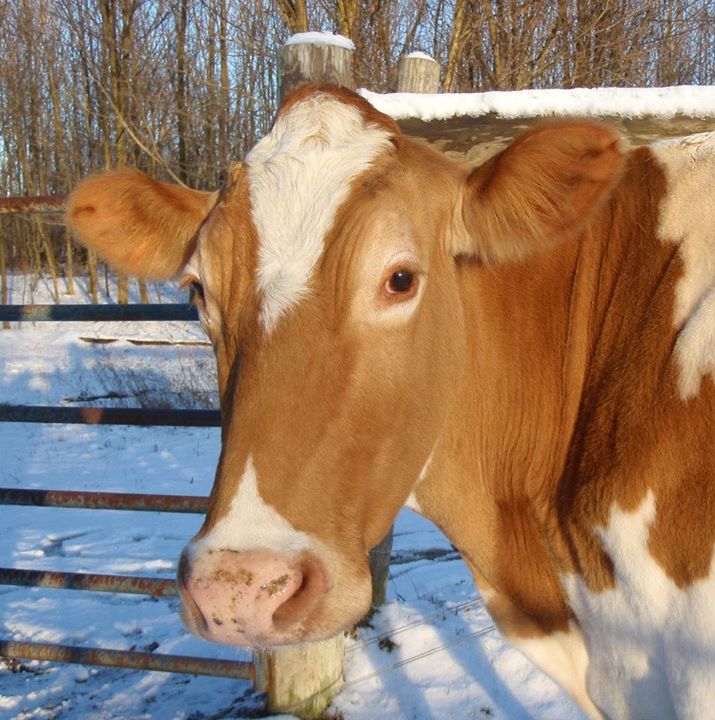
Isabelle. (Photo by Claire Weldon)

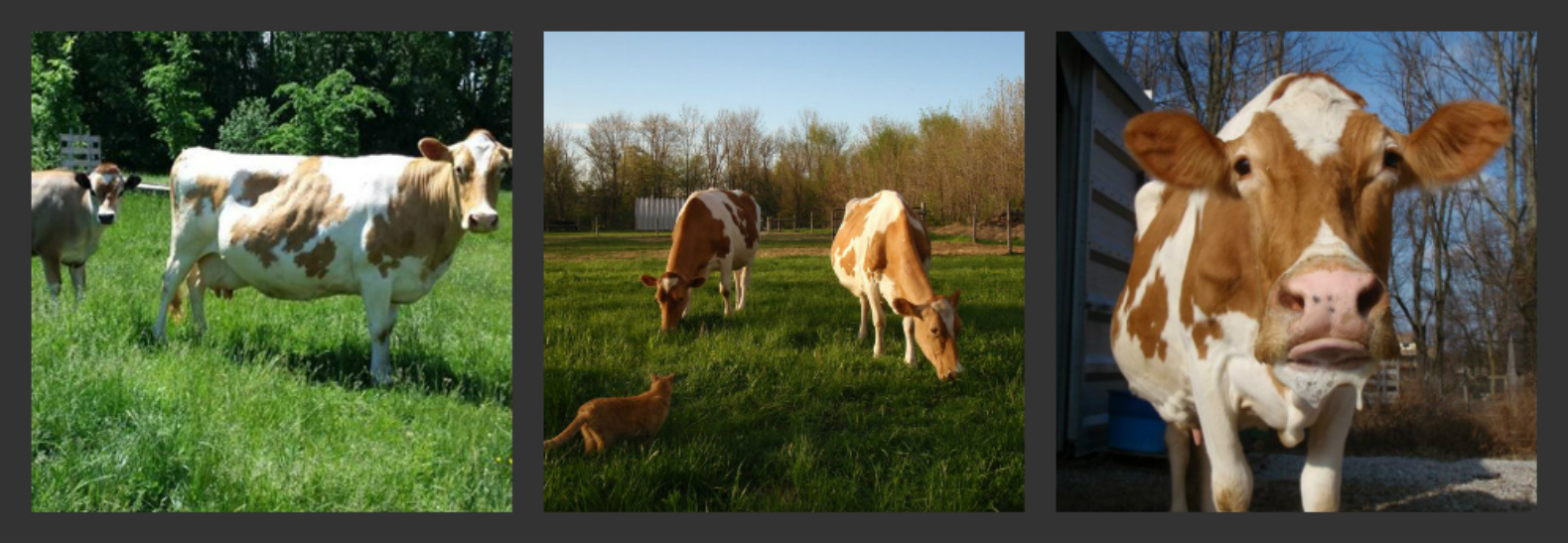
Isabelle. (Photo by Claire Weldon)

Look closely at any one thing long enough and you start to see how much more there is to know, stretching your mind (and often your heart) well beyond the supposed “right” answers. You also may notice the way this one thing interconnects with everything else. A cow helped us see that.

Years ago we were only raising chickens and honeybees on our small farm. My daughter researched, did the numbers, and convinced us that keeping a cow would not only provide an amazing learning experience but would be an excellent way to supply our own milk, butter, yogurt, and cheese. That’s why Isabelle, a gentle Guernsey, entered our lives. And every single day since my daughter has worked hard to care for her, without fail.

Isabelle taught us more than we could have imagined about thinking for ourselves, about tenderly raising animals, and much more. When it was time for college, my daughter wrote her entrance essay about this and was awarded an amazing scholarship.

Today Isabelle is 16 years old. She continues to teach us, our vet, and a community of people who participate in a family cow forum. To celebrate her birthday, I’ll be bringing her extra carrots and apples. I invite you to celebrate too by reading about Isabelle’s life on our farm

family cow, homestead dairy,

Isabelle (Photos by Claire Weldon)

On Being A Frugal Geek

cheap geek, materialism, frugal living, cheap interests, cheap homeschooling, There are plenty of assumptions about what geeks do. We own the most advanced technology. We see the latest movies, watch the newest series on subscription channels, play the most recently released video games. wouldn’t miss Maker Faire. If we collect anything, it’s probably awesomely obscure and sure to gain in value. All these things cost money.

I tend to geek out over less expensive interests. Outsider art, foreign films, poetry, recent neuroscience findings, nonviolence, mindfulness practices, the new acquisition section of the library—that sort of thing.

Still, stark economic realities have made penny pinching essential. Long ago I assumed I could afford more geeky indulgences once I got past pricey milestones like college, marriage, and new babies. Didn’t happen. Turns out sick kids, unemployment, and falling down houses are also expensive.

Instead, I’ve geeked out on frugality itself. I garden, preserve food, make homemade cheese, sew, repurpose, and concoct herbal remedies that look so vile my household prefers to stay healthy. I’ve advanced my career with little more than a not-so-new computer, a love of research, and library privileges. My kids have been dragged to every free concert and science program available, and know area nature preserves like their own backyard. They’ve become Makers almost entirely out of necessity, turning junk and other dirt cheap materials into marvels. Because every one of us goes deep into passions like forensics, turbocharger modifications, bagpipe playing, arachnid study, and advanced plasma welding techniques our dinner table conversations are strangely fascinating. We’re geeks all right, just frugal geeks. Maybe you are too. Mainstream assumptions about geeks don’t define us. GeekMom, where I’m a senior editor, agrees. As explained on the “about” page:

Being a geek is a state of mind, and that state of mind leads us to intensely explore our interests and approach the world with endless curiosity. When we want to get involved in something cool, we get really involved. In other words, we get geeky about it.

I know the research shows that frugal living benefits kids while materialism doesn’t. And I believe that living simply is good for the planet. That doesn’t mean I wouldn’t like a few geek frills, some day. More movies, newer gadgets, and the bucks to finally get to Maker Faire. While I’m dreaming, I’d like an invisible bike helmet too.

How does living frugally affect your geeky or not-so-geeky passions?

child

Resources for Simple Holiday Gifts & Fun

non-materialistic christmas, handmade holidays, simple holidays, no Black Friday, no cyber monday, no shopping on Thanksgiving,

Enjoy tradition or create new ones.

Some families choose to generate their own fun and meaningful traditions that have little emphasis on gifts. Here are just a few examples.

The children in one Florida family wake on Christmas morning to lollipop trees: dozens of lollipops and other tiny items tied by ribbon to tree branches in their yard. After scrambling to harvest from trees tagged with their names, the family heads the beach for a picnic with extended family before going home to play games.

Inspired by the book Night Tree, a family from British Columbia spends a day with friends and family making treats for birds and animals. They roll pinecones in peanut butter and birdseed, string popcorn, make cranberry garlands. At dusk they bundle up, carrying these treats along with cracked corn and suet cakes, to decorate on and around trees while singing Christmas carols. Afterwards they go back to sit by the fireplace and eat dinner together. Their children now insist that they decorate trees with food all winter long, spreading holiday good cheer throughout the season. 

A Michigan family gives one main gift that benefits everyone, other gifts must either be handmade or repurposed.

An Austrian family has stopped loading up children with Hanukkah presents. Instead each family member creates clues for a scavenger hunt to find wrapped and hidden gifts. As the children have gotten older the clues and hiding places have become more elaborate. Instead of hiding gifts in the house, now gifts are stashed at distances requiring hikes to reach them.

A New Jersey family chooses to remember a much-loved grandmother by making huge batches of her best recipe for the holidays. It keeps them in a flurry of preparations for several days. Then on the afternoon of Christmas they top her pecan rolls with icing and deliver them, as a surprise, to those who have to work on Christmas. They stop by the local fire station, police station, hospital, and nursing home leaving trays of rolls along with crayoned good wishes. They feel they’re sharing a little of grandma’s love with the community where she lived all her life. It’s their favorite part of the holiday.

For more inspiration, consider the following resources.

Ten Ways To Take Back The Holidays” (New Urban Habitat)

Avoiding Consumerism at Christmas” (Natural Life Magazine)

A Non-Consumer Christmas” (Get Rich Slowly)

Hundred Dollar Holiday: The Case For A More Joyful Christmas

Simple Pleasures for the Holidays

Unplug the Christmas Machine: A Complete Guide to Putting Love and Joy Back into the Season

*

Make it yourself.

Overspending to show we care has gotten out of hand. American Consumer Credit Council reports the average American family has approximately $5,000 in credit card debt, but will spend $704 for holiday gifts. Longstanding movements against rampant materialism such as Buy Nothing Day and Buy Nothing Christmas ask us to consider a different approach. They advocate handmade gifts, gifts of service, and simple holiday togetherness as alternatives to spending. In my family, kids make a gift for everyone, putting the focus on giving as well as receiving.

For ideas, check out the following resources.

34 Homemade Gifts to Make Yourself” (Get Rich Slowly)

Gift Ideas” (Make It and Love It)

Holiday Gifts Kids Can Make

FamilyFun Homemade Holidays

Christmas Crafting with Kids

*

Spend consciously.

Your spending choices have a powerful impact. One in four Americans is now identified as a consumer attracted to “goods and services focused on health, the environment, social justice, personal development, and sustainable living.” These consumers are a 290 billion dollar market. Simply by purchase decisions, shoppers have forced industries to limit the use of BPA, avoid bovine growth hormone in dairy products, reduce packaging on all sorts of products, and make organics more widely available. We do vote with our dollars.

Each time you spend, you’re saying “yes” to the businesses and products your money supports. Choose who gets your “yes.” You can easily find out how big companies are rated in such areas as environmental responsibility, gender equality, and worker’s rights using the following resources.

Knowmore is a web community sharing information about corporate responsibility with a searchable database for conscious consumers and activists.

Crocodyl provides searchable profiles of corporations. This service, offered by CorpWatch.org, is based on extensive information provided by researchers, journalists and non-profit organizations.

Environmental Working Group provides up-to-date reports for conscientious shoppers. Recent ratings include least polluting cars and safest personal care products.

Center for a New American Dream offers detailed resources for making one’s own ethical choices, aimed at both adults and children.

The Better World Shopping Guide: Every Dollar Makes a Difference is a pocket reference grading companies in a range of sectors, from department stores to prepared foods.

*

Cut Down on Toys

Not in a Grinch-y way, just a don’t-go-crazy way. Here are some useful ways to make your gifts fun and meaningful without burdening your house (and the planet).

100 Non-Toy Gifts for Toddlers to Teens 

Give four gifts in the categories of Want, Need, Wear, Read.

Give gifts that support a good cause.

The holidays may inspire you to donate, particularly in the names of people important to you. It’s particularly meaningful when that gesture connects to what the recipient means to you. You can protect endangered land for someone who grounds you, donate baby chicks for your favorite chick pals, give the gift of vision for someone who helped you see in a new way. Let them know what they mean to you and why you chose that donation. Sometimes donation gifts don’t seem particularly festive when others are unwrapping presents. It’s easy to pair a donation with a small related gift. For someone who has sweetened your life, you might tie a gift tag on a jar of local honey, add a donation of bees and a beehive for new beekeepers in the developing world.

Gifts: Personal As Well As Global” (Wired) for more gift pairing ideas.

Glorious Do-Gooder Gifts” (Wired) to support charities. Or make a donation to a local charity, arts organization, or other cause dear to the heart of your recipient.

When you buy a gift from a museum, house of worship, or any non-profit you know part of the purchase price helps to benefit that institution. It’s easy to find beautiful, useful, or just plain fun gifts that also do some good.

Consider a giving a certificate to a charity clearinghouse, allowing your gift recipient to choose his or her own causes.

Give wisely. Before donating to any cause, check them out using Charity Navigator or Charity Watch.

*Buy right in your community

When you do buy gifts, consider shifting your money to independently owned businesses. Research shows that only $13 of every $100 spent at a big box store stays in the community. But when you shop at a locally owned store, $45 of $100 remains to boost your area’s economy. Other studies have found somewhat different figures, but all indicate that supporting locally owned stores is a viable way to promote jobs and increase economic activity.

Don’t limit your local present-buying to something that will fit in a gift bag. Consider the following ideas.

Give gift certificates from locally owned landscaping companies and greenhouses, restaurants and coffee shops, golf courses, skating rinks, city tours, and galleries.

Give memberships to museums, theater companies, recreation centers, gyms, clubs, and art centers.

Pay for a lesson or two in horseback riding, yoga, sculpture, glass blowing, tai chi, skiing, or whittling.

Find a local worker who specializes in house cleaning, home repair, car repair, lawn mowing, driveway plowing, or plumbing, then pay for a few hours of his or her time in advance.

Buy from area artists including potters, knitters, jewelry makers, calligraphers, woodworkers, and painters.

*

We try to say something with our gifts: I care about you, I’m thinking of you, I get you.  We also say something about ourselves and our values with each choice we make too. It’s possible to welcome the brightest possible future even through our holiday gift-giving choices. Are you making a shift?

simple holidays, frugal holiday resources, saving money over the holidays, handmade Christmas, alternative Christmas traditions,

10 Reasons To Become A Library Addict

library addiction, book zombie, build a library habit,

Image: CC by 2.0 ricardo266)

My name is Laura. I have a chronic library habit.

Sure, I have other, less socially acceptable habits. We can talk about those another day. Right now I’m trying to convince you to become a fellow library fanatic.

I’ve already been successful with my kids. The stacks of books my family brings home may be pushing up the state average. Now that my kids are older they are surprised most of their peers don’t bother with libraries, in person or online. And I’m surprised to see how many of my friends don’t use libraries either. Some haven’t been since high school. For those of you who don’t bliss out over libraries, or worse, dismiss libraries as dim places with a distinctive old book smell, here are the ten best reasons to get hooked on libraries.

*

1. Magic water.

magic water,

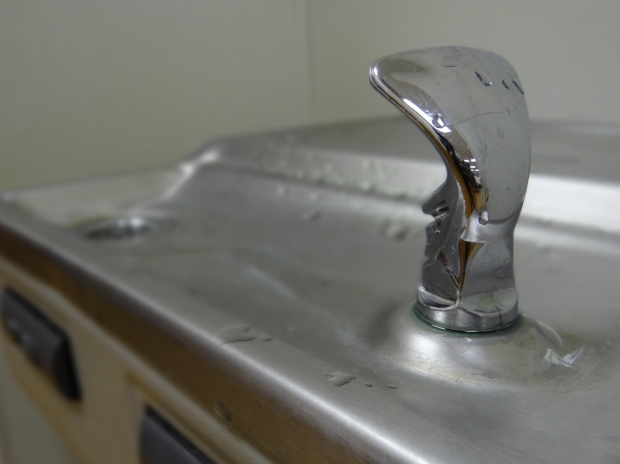
As a small child, I was convinced there was something magical about the water coming out of our local library’s drinking fountain. It tasted better than any water, anywhere else. I assumed this had to do with its enviable proximity to all those books.

When I had my own children, I intentionally carried on the magic water belief. And they’ve always been able to taste the difference. Although I realize there’s no factual basis for this, library water still seems more deeply refreshing than ordinary water. See for yourself!


2. Awe.

library addict, library love, A much more vital magic is evident in libraries around the world.

It has to do with a sense of history, of freely shared knowledge, and awe-inspiring architecture. When traveling I make sure to hang out in libraries. Most recently I found time to soak up the atmosphere of one of NYC’s awesome libraries.

*

3. Librarians.

love librarians, librarian stereotypes,

ala.org

Surely you celebrate the annual Hug Your Librarian Day. These folks are amazing. As  Erica Firment writes on Librarian Avengers,

People become librarians because they know too much. Their knowledge extends beyond mere categories. They cannot be confined to disciplines. Librarians are all-knowing and all-seeing. They bring order to chaos. They bring wisdom and culture to the masses. They preserve every aspect of human knowledge. Librarians rule. And they will kick the crap out of anyone who says otherwise.

Librarian stereotypes aren’t relevant or cute. Don’t believe me? Check out Library Shenanigans, Librarian Problems, and Your Librarian Hates You.

*

4. Library materials are free!

new library services, Our taxes pay for them whether you use them or not. Only suckers don’t get in there to scoop up books, magazines, movies, digital downloads, recorded books, electronic readers, programs, classes, performances, and more. My kids and I have strolled out after a library visit with well over 100 items checked out on a card or two.

Today’s libraries offer much more than well-worn books and a chaotic Story Hour. Click over to your library’s website. You’ll find an amazing array of offerings well beyond the newest bestsellers. There are probably programs to get you started in fencing or felting or fraternizing with fellow foodies, just this week alone.

*

5. Ordering.

order library materials, library request, OMG, I love ordering materials. In my area library systems are linked, so holdings can be sent from libraries in quite a few counties right to my own little branch. I can read a review of a book before it’s released, then go to the library site to pre-order it. I can order special book group offerings for our book group (up to 20 of the same book) that come organized by some saintly librarian with supplemental materials. I order obscure specialty books that were published back in the 1920’s and earlier.

We’ve homeschooled on the cheap thanks to our library system and the wonders of ordering materials. No way could I afford to expose my kids to the depth of information and range of experiences they’ve gained via libraries.

*

6. Online renewal.

library perks, I don’t know about your library system, but mine permits renewals up to five times. Online. That gives me several months to adore most materials. Those months are necessary. I use books in my work, take them with me to ward off dull moments, and leave them around the house for family members to pick up when their eyeballs are unoccupied.

Sometimes I find books so precious that when they are finally and irrevocably due, I end up buying a copy. But let me point out, I only buy books after proving their worth to myself. No regrettable book purchases here. Yay savings.

*

7. Library privileges.

I’ve been in a steady human relationship for a loooong time, but I’m a non-monogamous library user. Judging by the number of library cards in my name, I’m a pushover for the sweet allure of any library’s New Acquisitions section.

It’s hard to unearn library privileges. Late fees are usually minimal and in many systems there are no late fees for seniors, teachers, and homeschoolers. Even when my account is labeled “delinquent” due to a late book or two I’m still able to check out and reserve materials. I don’t mind a few dollars here and there to make up for my late return crimes. Totally worth it. Unlike most human relationships, my library is always buying me something new, forgiving me when I atone, and consistently planning unexpected ways to lure me.

*

8. Research databases.

library search functions,Library systems subscribe to pricey online database services that none of us could afford on our own. I access most of them from my home computer, simply logging in with my library card number. These databases include genealogy, academic research, news archives, digital images, health, and much more. I relied almost entirely on the resources of my award-winning Medina County Library for the research necessary to write my book.

*

9. Book Zombie Fuel

book diet, reading addict,

sundaykofax via Flickr, CC by 2.0

A wealth of materials is essential for those of us who are Book Zombies. We absolutely must gorge on fresh brains books, feeding an insatiable hunger for that oblivious-to-the-world swoon we call reading. We don’t hear or see what’s happening in our “real” lives when lost in a book.

Libraries feed that hunger, gladly buying books for us and storing them until we’re ready for more.

*

10. That smell.

foreign language library, Children of Chernobyl, Libraries don’t smell like someone’s musty basement. The odor is something entirely different. I’ll tell you what it reminds me of, right after I tell you about how much I appreciate Russian language library materials.

For five summers we hosted a little girl from Belarus  through the Children of Chernobyl project. And every summer before she arrived I called the librarian in charge of the foreign language collection at the Cleveland Public Library. We talked over Tatiana’s age and interests, then every few weeks through her three month stay this librarian sent to our rural library branch a wonderful selection of Russian materials including Harry Potter books, children’s magazines, recorded children’s books, popular music, and much more. When my kids curled up with books or went to bed listening to CD’s, Tanya was able to do so as well. I hoped it eased the hunger she must have felt to hear her own language. Beyond that, it built connections between us almost immediately.

The first day she arrived, exhausted from long flights and weak from some medical problems, there was no way we could really communicate. It became obvious that our efforts to learn Russian had been laughable and as a seven-year-old her grasp of English was limited to “yes” and “thank you.” Then I remembered those blessed library materials. In a few minutes all of us were dancing to the Russian version of “Hokey Pokey” and laughing before collapsing in a heap on the couch together to giggle as we paged through a Russian/English picture book, challenging each other to pronounce the words. That stack of Russian library materials smelled, more than anything, like home. To me, every library smells like my place. Bet they smell like your place too.

100 Companies Selling U.S. Made Products Only

no-sweatshop shopping, US only shopping, US company links, eco-friendly shopping,

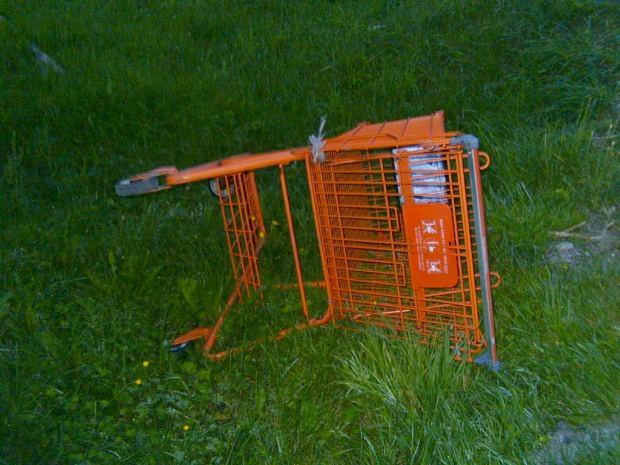
The cart stops here.

Shopping is cheaper and more convenient at big box stores. And on that giant site that shares its name with South America’s longest river. But we know more all the time about the environmental and economic impact of our spending choices. Our wallets really do change the marketplace.

Yes, it’s more complicated than making an effort to buy what’s produced in our own country. We live in a globally interdependent world. What we use to communicate, fuel, and enhance our lives is a combination of innovation and resources from around the globe. Yes, I’ve read convincing articles about why people in the developing world need factory jobs to pull their families toward greater prosperity. I just have trouble reconciling that concept with the millions of child laborers still at work today, the grim details about sweatshops turning out electronics and shoes, the conditions at garment factories like those in Bangladesh where over 800 workers recently died in a building fire just one day after owners refused to evacuate when told it was unsafe. Know how much it would cost to afford decent working conditions? About ten cents more per item of clothing.

Besides, that gotta-have outfit on sale doesn’t feel like a great bargain when we look at wages. Most clothes coming to the US are made in China where the minimum wage is 93 cents an hour. Second largest importer is Vietnam, where wages are 52 cents an hour. Third largest is Bangladesh, where it’s 21 cents an hour. Ouch. Gotta have more fairness.

I’m not a fanatic, heck, I buy wonderful imports on purpose, but I’ve also walked out of Bed, Bath, and Beyond when I couldn’t find a single thing on a wedding registry that wasn’t imported from places in the world where working conditions and environmental standards are appalling. And I admit to a personal bias. My husband was unemployed for nearly three and a half years, his job loss related to outsourcing. He’s lucky to be back at work, considering the the US trade deficit set a new record.

In my house, we make our own or repurpose whenever possible. When we can’t, we do our best to buy from artists, craftspeople, and from ethical companies.  We also try to search for products locally as well as in our home country. Buying quality items means we need to purchase fewer goods. It’s a simple effort, really.

Here’s a list of goods made entirely in the U.S. Please add your own links in the comment section. And don’t forget to bookmark this list!  Continue reading

Plan A $100 Wedding

$100 wedding, most frugal wedding, marry cheap, cheap wedding,

For a frugal wedding, just add friends.

The most memorable wedding I ever attended was by far the cheapest. The bride and groom were moving from a small apartment to a three acre homestead they could barely afford. They wanted to start their life on the land without another cent of debt. So they invited everyone they knew to celebrate with them at a Wedding Potluck & MusicFest.

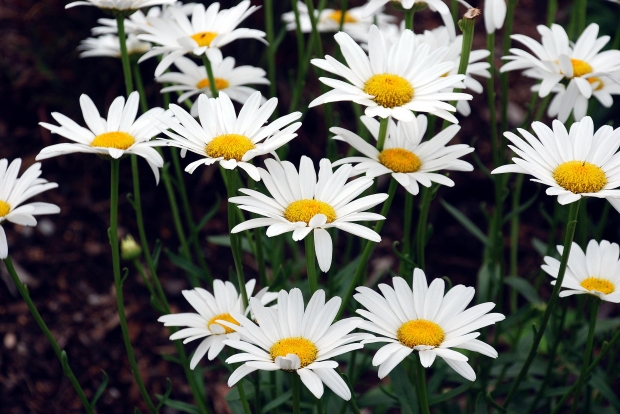
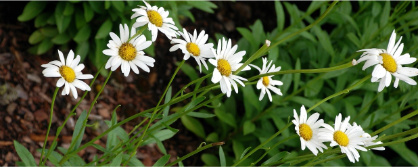
They reserved space for free at a park pavilion in an out-of-the-way nature preserve. Everything they purchased could be reused on their homestead. Tables were made from sawhorses and planks using wood scavenged from her father’s workshop, covered with thrift shop fabric they intended to make into curtains. The centerpieces were daisies in thrift store mason jars while jelly jars were used as eco-friendly drinking glasses (they planned to use all the jars for years to come in home canning). More daisies were strung together into daisy chain garlands worn in the bride’s hair.

The couple requested no gifts. They simply asked that friends make the celebration possible by bringing food, drink, and music to share. The bounty was overwhelming. Tables were heaped with a wonderful array of dishes. Drinks were kept cold in galvanized stock tanks (planned for the couple’s eventual livestock) filled with ice.
After the ceremony itself, performed under fragrant flowering locust trees, guests enjoyed a banquet with a greater variety than any pricey caterer could have provided. The wedding cake (made by the bride’s aunt) made an entrance in a new bright red wheelbarrow.

Then the evening’s entertainment began. Guests who chose to participate offered all sorts of music. There were saxophone and guitar jazz pieces, clever skits, lively bluegrass numbers, humorous duets, and impromptu sing-alongs. By the end of the evening everyone was playing an instrument, singing, or dancing.

I’ve never been to a wedding filled with so much laughter and love. Such happiness is a wonderful way to inaugurate a new life together.

And it was cheap.

The average wedding today costs $28,000. For creatively inexpensive wedding ideas check out:

Offbeat Bride: Creative Alternatives for Independent Brides and companion site OffBeat Bride

The Broke-Ass Bride

18 Tips For a Frugal Wedding

A Practical Wedding: Creative Ideas for Planning a Beautiful, Affordable, and Meaningful Celebration and companion site A Practical Wedding.

The Green Bride Guide: How to Create an Earth-Friendly Wedding on Any Budget and companion site Green Bride Guide

The DIY Wedding: Celebrate Your Day Your Way

Do It For Less! Weddings: How to Create Your Dream Wedding Without Breaking the Bank  (mostly ideas for self-catering) 

Fighting Crazed Holiday Syndrome

un-busy your holiday, un-crazy Christmas, slow Christmas, slow holiday,

Who isn’t busy all the time? But around the holidays we’re crazy busy. I venture to say women are especially busy and those lights in our lives we call children make the pace even more frantic.

Sure we make all sorts of efforts to simplify and de-stress but for most of us the joys of holiday shopping, gifting, cooking, decorating, visiting, hosting and merrymaking have to fit right into our regular (overburdened) schedules.

It’s not like we can make more time where there is none. Well, maybe we can. Or at least use our time differently. I confess to the Crazed Holiday Syndrome but I fight back with these tactics.

~

Screw Tradition. No, I don’t mean avoiding your house of worship or shunning Grandma’s house. I do mean it’s possible to celebrate the season without so much of the heavy Gotta Do It weight hanging over you.

Some of our most memorable holidays have actually been those that veered wildly from tradition. My family will not forget a holiday dinner at Becky’s house featuring walls of wet paint, an oven on fire, and a dog getting sick everywhere. The zinger? She was eager to show foreign guests how we celebrate here in the U.S.

Try doing things a little differently, a little more slowly. If you’ve always gone to the movie theater to see the newest holiday releases after a day of shopping, skip both and go to a play at your community theater. If you’ve accepted every holiday invitation despite the costs of babysitters, travel, and lost sleep instead limit your selections to a few events that are reliably warm and wonderful. If you’ve always made a big meal, consider ordering take-out from a locally owned restaurant and serve it on your best plates. If you’ve always accommodated your kids’ requests for gifts because it’s Christmas or Hanukah or Kwanzaa put new limits on materialism, letting them know you’ll consider one or two items they mark as their highest priorities. If you’ve always driven around to see the holiday lights, go outside on a frosty night to sing together (even if only to a lone tree lit by moonlight). You’ll not only save time and money, you’ll also create new traditions.

~

Renounce the How-Does-She-Do-It-All Disease. You know the symptoms. You show excessive responsible because you’re sure no one else will do it (or do it right). You uphold traditions your family counts on. You pay close attention to get just the right gifts. You worry about money more than usual. You try to keep the focus on intangibles like faith and togetherness. When the frenzy is over you end up with an empty feeling. I’m the first to stand and admit that I’m still in recovery from this disease.

The cure? Talk to your loved ones about what means the most to them, slice away the rest. If that doesn’t work, slice anyway.

~

Shun Those Voices. They’re everywhere around the holidays. They seem so genuine and alluring but their sole aim is to make you feel insufficient. They speak to you from Pinterest, Insta, store displays, TV commercials— let’s admit they’re ubiquitous. These voices tell you that you’re not enough. To compensate you must do more. Dress beautifully, make elaborate meals, buy lavish gifts (and wrap them a whole lot better too).

This is the only diet you need to go on. Don’t watch a single cooking show, don’t open one slick women’s magazine, avoid influencers on social media, and it’s best if you avoid stores as much as possible. You’ll have a lot more time plus you won’t have to reassemble what’s left of your self esteem.

~

Rethink Gift-Giving. Things have gotten out of hand. Children in this country once looked forward to a fresh orange, maybe a piece of candy and if they were lucky a toy or useful gift like a pocketknife or sewing kit. Historian Howard Chudacoff writes in Children at Play: An American History that most toys co-opt and control a child’s play. They’re better off with free time and objects they can use to fuel their imaginations (yes, a cardboard box). I even know a child being raised, quite happily, without a single purchased toy.

I admit things got out of hand in my own house. In a quest for meaning (let’s rephrase that to my quest for meaning) we’ve always had handmade holidays. Yes, I’m one of those annoying people….. Meals from scratch, homemade organic cookies, handmade gifts. Each of my four children made gifts for everyone every year, gifts that took substantial effort such as woodworking, felting, and ceramics. My teens still make some of the gifts they give although thankfully I’m not the one coming up with the ideas and supervising the process. The last few years economic realities have made hand made gifts ever more necessary, for other gifts I turn to non-profit and artisan sources. Try products offered by non-profits you support, works of art sold at local galleries, and consider these suggestions– memorable non-toy gifts for kids.

~

Last Resort. This tactic is heavy duty, the one I bring out when I start to feel sorry for myself. Because we’re not crazy busy in comparison to women throughout history. We think we’re stressed? Our foremothers hauled water; carded, spun and sewed clothes; chopped firewood and maintained the fire they cooked on; ground grain and made bread each day; planted and weeded gardens, then canned or dried the harvest; stretched limited food reserves with careful planning to last until the next harvest; cared for babies, children and the elderly with no professional help; treated the sick, stitched wounds and prepared the dead for burial; well, you get the idea.

Worse, many many women in the world still do this sort of grinding labor each day. Typically, women in developing countries work 17 hours a day.  Our sisters receive a tenth of the world’s income while performing two-thirds of the world’s work. These harsh realities put any concept of busy or stressed right out of my head. (For more information and ways to help, check out the wonderful book Half the Sky: Turning Oppression into Opportunity for Women Worldwide.)

So fight the Crazy Busy Syndrome with all you’ve got. Remember to count your blessings, including the joy of not eating my homemade buckwheat cookies.

How Kids Benefit From Real Responsibilities

hands on responsibilities for toddlers, household chores benefit kids,

Years ago my two older kids, about seven and nine at the time, were getting ready to wash the floor. A neighbor girl knocked at the door asking to play. When my son told her he was going to wash the floor first she begged to be included. Although this girl had more monetary advantages than my children could have imagined, she was entranced. She’d never seen kids doing chores, let alone kids in charge of cleaning a floor.

She pitched right in as they scooted furniture out of the way, then swept. I gave them a bucket of slightly soapy water and they went to work with rags, scooting across the wet floor on their knees like crabs, giggling as the floor got wetter and their scooting became sloshy sliding. Their method didn’t matter to me. I was holding the baby and diverting the toddler while peeling potatoes and finishing up a work-related call. I was pretty sure the floor would be somewhat cleaner when they were done. They dried it with towels, moved the furniture back with appropriate grunting and groaning, then slumped on the couch. They looked entirely relaxed, as people do when satisfied with a job well done. When I got off the phone I came in to thank them. They were admiring how the floor caught the light and cautioning our toddler to keep his sippy cup on the table.

After that day the neighbor girl asked if she could do chores every time she came over. It seemed funny at the time, but I think now that she recognized she’d been missing the sense of accomplishment and camaraderie found in working together.

The floors aren’t spotless in my house. The bathrooms are also far from perfect. But I’m totally at peace with this. That’s because my kids handle much of the cleaning around here. I’m happy to do the cooking (or more truthfully I have control issues about what goes into the food my family eats). And I don’t mind being the family laundry wench, although I know kids are capable of handling their own laundering tasks. But in the spirit of “we’re all in this together” I’ve expected my kids to handle a sizeable share of household (and farm) work ever since they were small. I still do.

Timing

Actually, starting young is the key. When toddlers beg to help fold laundry or wash the car with us it’s easier to send them off to play so we can get the job done ourselves. But this is exactly the time to foster a child’s natural helpfulness.

It’s also a powerful way to promote positive development in all sorts of areas. Research shows that children who participate in household tasks are more likely to succeed in adulthood.

Twenty years of data analyzed by professor Marty Rossmann at the University of Minnesota found that the best predictor of success in young adulthood on measures related to education completion, meeting career goals, and maintaining good relationships with family and friends was whether they had begun doing chores in the preschool years. This association did not hold up when young people did not begin helping out around the house until the mid-teen years. Even I.Q. scores had a weaker correlation with success than giving children early responsibilities.

Forty-five years of data from the Glueck Study of inner-city males (part of the longer-running Harvard Grant Study) found that willingness and ability to work in childhood — shown by holding part-time jobs, participating in household chores, or taking part in school clubs or sports — was a stronger predictor of adult mental health than factors such as social class or family problems.

The 2019 study “Associations Between Household Chores and Childhood Self-Competency” of nearly 10,000 U.S. children entering kindergarten in 2010/2011 assessed how regularly they participated in household chores. These same children were assessed again when they reached third grade for prosocial behavior, prosocial behavior, academics, and life satisfaction. Researchers concluded, “The frequency of chores in kindergarten was positively associated with a child’s perception of social, academic, and life satisfaction competencies in the third grade, independent of sex, family income, and parent education… Compared with children who regularly performed chores, children who rarely performed chores had greater odds of scoring in the bottom quintile on self-reported prosocial, academic ability, peer relationship, and life satisfaction scores.”

A small, more recent 2022 study, “Executive functions and household chores: Does engagement in chores predict children’s cognition?” of five to thirteen-year-old children affirms that both self-care chores (such as making one’s own snack) and family-care chores (such as helping make a family meal) significantly predicted improved executive functioning including working memory, flexible thinking, problem solving, follow-through, and self-control.

We tend to spend a lot on activities and products for our children assuming this enriches their lives but if they don’t get the chance to take on real responsibilities, we’re depriving them of key components of adult competency.

Young children clamor to be included. When a preschooler begs to help prepare dinner, he doesn’t want to play with cooking toys, he wants to participate in the real work that’s taking place. It slows us down to let him cut fresh mushrooms with a butter knife (and restraint to avoid criticizing or re-cutting), but a child recognizes his contribution toward dinner. He’s also more likely to eat it.

Movement and Hands-on Experience

how movement builds bodies and brains, chores=success,

Helping out engages young children in activities that promote movement-cued development. This includes large motor activities like digging in the garden, carrying a watering can, putting away groceries, and sweeping with a broom. It also includes fine motor tasks like using a screwdriver and tearing lettuce for a salad.

Childhood is a period of major neuroplasticity, when learning actually changes the brain’s functional anatomy. Hands-on experiences are particularly vital at this time. In fact, the child who regularly engages with manipulatives (arranging veggies on a platter, setting the table, sorting socks) and applies real-world math (measuring and pouring coffee beans in the grinder, taking things apart and putting them together, following recipes) has a strong foundation of representational experience, which enables better understanding of abstract mathematical concepts when they are introduced later. These movement-based tasks are also closely linked to the brain development necessary for reading and writing. (Find out more about this in Sally Goddard Blythe’s wonderful book, The Well Balanced Child: Movement and Early Learning.)

Growing as a Person and a Family

chores build relationships,

Children accustomed to flashy toys and rapidly changing screen images may become so wired to this overstimulation that without it they’re bored. The slower pace of yard and household tasks can be an important antidote, especially when we’re willing to go at a child’s pace. Young children tend to balk when they’re hurried or left out. They show us, stubbornly and often loudly, that there’s nothing more important to them than the here and now. So whenever possible, slow down so you can make working together enjoyable. Letting a small child spread peanut butter, cut sandwiches, and pour milk into cups from a small pitcher affirms the value of the present moment. It also makes an ordinary lunch into a tea party.

The benefits don’t end for older children. Hands-on experience in all sorts of tasks and hobbies promotes learning, builds character, and helps to form the basis of our future selves. When neurologist Frank R. Wilson interviewed high achievers he found many credited their expertise to attributes learned through hands-on activities. In his book, The Hand: How Its Use Shapes the Brain, Language, and Human Culture, Wilson emphasizes that resourcefulness and self-definition arise from the use of our hands more than from the dictates of our educational system.

In a way, doing tasks together puts parent and child on more even ground. So often we parents are rushing to schlep our kids to practice or lessons or other kid-oriented events, making them the pivot around which a family’s activities revolve. Taking part in regular tasks together, even if we’re pulling weeds on opposite sides of the garden, affirms the sort of mutuality that advertisers tell us is only found in pricey vacations. Of course time afterwards for a nice game of hoops and some cold lemonade builds bonds too.

As our children grow, doing tasks together can continue to strengthen our relationships. Moments of meaningful interaction happen easily when washing dishes, folding laundry, fixing the car, or walking the dog together. Working on shared chores helps a child’s contemplative side emerge, prompting discussions that may never have happened otherwise. This is true between parent and child as well as between siblings. I remember my mother bemoaning the arrival of our dishwasher because we no longer took turns washing and drying, ending a relaxed half hour of post-dinner conversation each evening.

It’s easy to make these activities a tradition. Teenagers who have always helped out when a parent puts on snow tires, cleans out the basement for a yearly garage sale, or cans pickles may grumble when asked, but chances are they’d feel excluded if left out too. In part, who we are is defined by what we do. Growing up with hands-on lessons in taking initiative, practicing cooperation, and working towards a goal helps to shape character. And it transforms pickle-making from drudgery to an important family ritual.

Delayed Gratification

early responsibility for success in adulthood,

This is a biggie in the “you’ll thank me later” department because kids who are able to delay gratification are much more likely to do well as they grow up.

We model delayed gratification each time we choose to work for a later or larger goal. This includes saving, making do, and making it ourselves. We demonstrate it when the whole family pitches in to rake a neighbor’s leaves while she’s recovering from a broken hip. We teach it when we let a child see that if he doesn’t do the laundry when it’s his turn, there won’t be a clean team shirt to wear to the game. And we show that it’s expected every time our kids pitch in with the ordinary jobs necessary to run a household.

This may seem negative, particularly when popular culture constantly screams “have it now” and “get what you want.” But there are enormous positives. Our children become familiar with the pleasures of anticipation, which multiplies the eventual delight when a goal is reached. They also begin to internalize the ability to delay gratification.

This is pivotal for success. Multiple studies (cited in Daniel Goleman’s book Emotional Intelligence) found that children who were able to defer gratification grew into teens and young adults who were more socially competent, better able to deal with frustration, more dependable, reached higher educational attainments, and were effectively able to make and reach long-term goals. Delayed gratification is also related to impulse control. Research shows that a child’s ability to control his or her impulses at an early age is predictive of success even decades later as a healthy, financially stable, and positive member of the community.

Expecting children and teens to take an active part in running a household gives them plenty of opportunity to gain the positive coping skills that help them control their impulses and delay gratification. It may seem like returning to the old adage, work first, play later, but the benefits can be extraordinary.

Skill building

give kids real work, make chores meaningful,

Regular tasks allow our children to see for themselves how the world works. They grasp principles of science and math as a seed becomes a tree, as boards are transformed into bookshelves, as flour and yeast turn into bread. They develop traits such as patience. They are motivated to apply what they’re learning to more challenging endeavors of their own. Sure, it doesn’t hurt to know what it takes to grow the tomatoes, make the sauce, and prepare the beans for tonight’s enchiladas. But more importantly, as our children become proficient at the jobs necessary to sustain their families, they also see themselves as capable. That perception transfers across all endeavors.

There’s no denying that children who participate pick up useful skills. They see that maintenance is easier than waiting till the car or laptop breaks. They can set the table, toss a salad, make a sandwich, and boil pasta. Not right away, but eventually. While they are making real contributions to running the household they’re actively learning how to cook, launder, clean, make repairs, maintain a vehicle, budget expenses, and handle other tasks which are essential for an independent life once they’re adults. Wonderful lessons in cause and effect are reinforced when children complete work and benefit from the results. Seeing oneself as an agent of useful change, priceless.

They also learn from the examples we show them, such as how to handle pressure and ways to learn from mistakes. Whether we’re four or 40, gaining competency feels good. It doesn’t hurt to give credit where it’s due. So if your child has been busy chopping mangoes, strawberries, and pineapple into tasty chunks, try renaming the result “Sophie’s Special Fruit Salad” for extra reinforcement.

Purpose

meaningful chores for kids, finding purpose in chores, raising responsible kids, teaching delayed gratification, building impulse control,

When we stack firewood to prepare for the upcoming winter, make a gift to celebrate a friend’s good news, or change a favorite recipe to accommodate Grandpa’s diabetes, our efforts have purpose and value. As our children participate along with us, they feel the intrinsic satisfaction of doing something that has meaning.

So many educational tasks put before our children serve no purpose other than to instruct. But when learning is connected to something truly purposeful, it can’t help but kindle motivation.

From the earliest time our species lived on planet Earth, young children benefitted from the purposeful learning that comes when adults around them are engaged in practical activities — welcoming a child’s questions and eagerness to be included as entirely natural parts of growing up. It acknowledges that these essential skills are necessary for maintaining and belonging in a community.

Children feel honored to be included in real work that includes real challenges. If we pay attention, we see that’s just what they pretend to do when they play.

Beyond Chores

teaching impulse control, delaying gratification, families working together,

I’m not fond of the word “chores.” It implies that kids and adults have tasks that are set apart from the rest of our lives. Making work around the house and yard a regular part of our lives together seems more natural.

I think it’s valuable to get work done together as much as possible. For me, the simplest way to respond to grumbling has always been, “that’s just how we do it in our family,” without engaging in arguments on the topic. And of course balance is essential. Children and teens (well, all of us) need time for daydreaming, play, socializing, relaxation, projects, and all of life’s other joys.

My kids have their own chores, which they sometimes rotate. They haven’t always done them well or on time by any means. Accepting a floor as clean as a child will get it is part of having children participate. And I’m pretty laid back about things like clean bedrooms. (I remind them we try to adhere to the Firefighter Rule: Could emergency workers navigate a bedroom if necessary?) I understand that kids put less energy into tasks that don’t seem to have much importance. They recognize that a clean bedroom doesn’t affect our family’s functioning, while they know for sure that cutting and stacking firewood will keep our house warm. Hence, the firewood is done right while their rooms are often just short of scandalous.

We’ve never given them an allowance, mostly because we haven’t been able to afford it. Families have counted on children throughout history for work that was reliable and essential. Today we are fortunate that we don’t have to rely on our kids to survive, but we can expect them to contribute. The tasks may not be fun or interesting but they are necessary. They demonstrate to every child that he or she is a valuable contributor to the well-being of the family. And hearing, “Thanks, we couldn’t have done it without you,” feels good too.

I’m pretty sure growing up this way has contributed to how super responsible my kids are now in their teen and young adult years. They see a pile of boxes I need to load for our food co-op and carry them, never waiting for me to ask. They gladly stop whatever they’re doing to pitch in for an hour or all day when help is needed in the garage or barn or back yard. They are incredibly capable people who are far more astute and skilled than I’ll ever be. They can milk cows, fix tractors and cars, cut and bale hay, install plumbing, make meals, diagnose a sick chicken, hang drywall, identify spiders, back up their political opinions, weld, put on a roof, well, you get the idea. Sure, they have busy social lives and enjoy keeping their faces aimed at screens just like everyone else. But they recently spent an entire weekend helping a family member pack, move, and make repairs. They worked hard and displayed nothing but their usual good cheer. After exhausting 14 hour days I asked if they’d rather have skipped this particular task. Every one of them affirmed that it was no big deal. And I heard my words come back to me, “It’s just the way we do things in our family.”

Portions of this article were excerpted from Free Range Learning.

25 Ways To Spread Some Kindness

Image: SweetOnVeg’s flickr photostream

1. Take your compliments about an employee to management. Chances are you’ll never see the impact. Chances are, it’ll be greater than you imagine.

2. Give up a great parking space for the car behind you. Parking farther away simply gives you more exercise.

3. Call an elderly relative or neighbor once a week to chat. You may think you’re enriching that person’s life. They’re enriching yours too.

4. Hold the door open for the person behind you.

5. Write a thank you note. To see the powerful impact this practice can have, check out A Simple Act of Gratitude: How Learning to Say Thank You Changed My Life.

6. Write an anti-thank you. Sure, it seems counter-intuitive but it’s a way of using a  negative experience to help others.

7. Leave money in vending machines, especially in hospitals and detention centers.

8. Leave a positive review for a local business on Merchant Circle, ThinkLocal, or Yelp. And don’t forget writers. Leave stars on sites such as Goodreads and Amazon, recommend books you’ve enjoyed to friends, maybe give a shout-out on social media to authors whose work impacted you.

9. Listen. You know how it feels when someone really listens to you. They look into your eyes, they react to your words, and you feel understood. Check your listening skills against the Scale of Attuned Responses.

10. Meet your needs and those in your community, maybe with other new parents or people in your neighborhood, by collaborating. Check Shareable for all sorts of guides. These include How to Create a Walking School Bus in Your Neighborhood, How To Host a MamaBake Food Swap Session, How to Share an Education, How to Plant a Habitat Garden at the Local Playground, How to Build a Better Neighborhood, and How to Set Up a Neighborhood Exchange Box in 4 Easy Steps.

11. Give genuine compliments. You might want to challenge yourself to give compliments to five people a day. It keeps you on the lookout for truth and beauty. Tell a clerk she has a lovely voice, a child that his smile made your day, a loved one that their eyes are beautiful.

12. That kid who keeps hanging around, looking as you grill dinner or wanting to talk while you wash the car? He may be longing for encouragement. Even a few kind words may be the kind of mentoring he needs.

13. Help budding entrepreners through Kickstarter or Indiegogo. Make your money go farther by lending to a Kiva project.

14. Greet new people on your street with a small gift such as a houseplant or plate of cookies. The neighbors you’ve never met? Try online resources to connect such as NextDoor or front porch forum.

15. Give gifts that do some good.

16. See an act of aggression? Get involved even if it seems like none of your business. That’s a kindness too.

17. Set books free. Donate them to a good cause (a nearby school, your library’s book sale?) or leave them ala Book Crossing to find new readers.

18. Donate pet food to the nearest animal shelter. While you’re there, offer to walk a few dogs.

19. Patronize kids’ car washes and lemonade stands.

20. Be aware of newcomers to your workplace, school, house of worship, or other organization. Make a point of greeting them and introducing them to others.

21. Keep duplicates of your child’s toys and books in the diaper bag. When you encounter fussy children, offer an extra to their parents.

22. Smile. Find out 10 ways this face stretcher benefits you as well as those on the receiving end.

23. Donate blood. One pint of blood can save up to three lives.  

24. Designate a tiny container as your family’s Pass It Forward box. Tuck it somewhere one member of the family will find it (under the bed pillow works) with a little surprise inside (a loving note, a handmade coupon for an unexpected perk, some chocolates, a drawing, a map of a place you’re going that day, a compliment). That person is expected to put something else in the box and leave it for another family member, so kindness can circle around and around.

25. Set a good example, be kind to yourself.