Newcomers To God’s Country

move to country bad idea, angry rural neighbors, rural life hilarity, rural living problems, religion as a weapon, angry Christians, We left behind gangs and sexual predators when we moved to the country. After city living, settling our family on a small farm seemed like coming to the Promised Land. Even the weather was welcoming as we made more and more repairs to the house we could barely afford. No matter. We hiked through the woods and crouched by the pond, watching frogs, fish, and goggle-eyed insects with a sense of gratitude that felt as solid as a good decision.

Then we got to know our neighbors.

Though we’d moved less than an hour away it seemed we’d crossed an unmarked border. Lovely pastoral stillness was regularly broken by target shooting, 4-wheelers careening around pastures, and barking from what sounded like a dog breeding operation. Some neighbors chose to burn garbage rather than pay the requisite fee for trash pickup, which explained the toxic stench of burnt plastic that sometimes hung in the air. And we quickly learned that some neighbors didn’t talk to other neighbors due to longstanding feuds. Allegedly these conflicts had escalated to bodily harm, lawsuits, and the biggest threat — eternal damnation.

This was the most overtly foreign to us, religion right out front as a beacon or bludgeon. Religious paraphernalia was evident everywhere; on bumper stickers, yard signs, and lapel pins. “Where do you go to church?” was the question people typically asked upon meeting us, right after “Where are you from?”

Realizing the only correct answer would be the exact denomination of the questioner, I gave vague relies. If pressed I said truthfully that we headed back north each Sunday to go to our old church before spending the afternoon visiting relatives. Then I quickly changed the subject. This conversational maneuver seemed to leave my new neighbors unsure of whether to save my soul or shun me. Left in the dreaded middle ground, many of them parted with helpful advice about sins I should take care to avoid.

“Don’t vote for the library levy, because you know the library is an agent of Satan. It has that Internet thing.”

“Don’t celebrate Halloween. That pleases the devil’s minions.”

But we couldn’t remain anonymous for long. Our children ventured down the street to scout out playmates. They returned quickly. Apparently the neighborhood children posed a single-question quiz before agreeing to make friends with newcomers. When our children didn’t know the answer to “Are you born again?” they weren’t allowed to stay.

Soon after we arrived, I was invited by a neighbor to her home. I brought muffins. She nodded as I handed them to her, saying, “God told me not to bake.” While ranging around her kitchen swatting flies and yelling at her children, this woman crisply explained why those who didn’t ascribe to her exact version of Christianity were destined for hell. With joyous fervor she started listing houses on the street by the sins of the occupants, from her next door neighbor (“She’s a Catholic, you know, one of those so-called Christians.”) to the woman who lived at the end of the street (“Don’t talk to her, she uses a hyphenated name. Probably a feminist.”) 

I demurred, saying something about seeing the light in each person. She swiveled her full attention in my direction, fly swatter in hand, and asked me where I went to church. No middle ground left, I told her that I attended a Unitarian Universalist fellowship.

She was shocked.

“Oh, you people believe anything goes,” she gasped.

“Not intolerance,” I said.

She kicked me out of her house.

It seemed that my admission branded me, and not in the correct tattoo-for-Christ way. Word spread quickly. A man who lived a few doors down called soon after. When I answered the phone he asked to speak to my husband.

“Let your wife know she shouldn’t be hiking in the woods,” he said before adding gruffly, “I target shoot there and I don’t look first.”

I hoped school presented better possibilities.

Our children were assigned to two different rural elementary schools, miles apart. I picked our kindergartner up every day at lunchtime. Other parents also waited in the school hallway. It was immediately apparent that two factions leaned against opposite walls. This presented a difficult choice. If I spoke to the woman with frosted lipstick and tight shirt who stood on the less populated side, the woman with the heavy necklace and shag haircut on the other side would glare at me. And vice versa.

Frosted Lipstick talked to me more often. She told me about her well-muscled prayer partner and how she felt called to meet with him alone even though this made her husband jealous. She told me that Jesus gave her too many challenges. She told me I would be cuter if I wore lipstick.

Shag Haircut was more interesting, or maybe I just enjoyed her sardonic commentary. One day Shag Haircut told me what was behind the hallway glaring. A group of mothers were trying to remove Frosted Lipstick from membership in the school’s parent/teacher organization over a dispute concerning craft supplies. Ribbon and scissors worth something like $36 had not been returned. Shag Haircut and her cohorts considered Frosted Lipstick a thief.

I made what I hoped were reasonable suggestions to solve the problem. No luck.

I’ve taught conflict resolution for years but apparently peace wasn’t nearly as enticing as the entertainment value of scandal. A few weeks later the superintendent acted. Weary of the dispute, he threatened to eliminate the entire parent/teacher organization. Both sides of the hallway were deliciously shocked.

Frantically, Frosted Lipstick asked me to babysit after kindergarten so she could meet with him and solve the problem. I was relieved that she seemed to be taking my advice about talking the issue over, finding common ground, and healing the breach. I agreed to babysit, but explained that I needed to pick up my third-grader at the other school by three-thirty for a dentist appointment.

I assumed that she would drop off her kindergartner to play with my child. I was wrong. She appeared at my door with three additional boys. When she saw my surprise she said, “Everyone knows I operate a home daycare business.”

Everyone but the newcomer.

She went back to her minivan and returned with a woman she called Grandma. This woman was not her relative. Frosted Lipstick was branching out in the daycare business and had taken in an elderly confused person who needed supervision. Frosted Lipstick left quickly after I reminded her I needed to leave at three sharp. I made additional places at the table and invited these guests to lunch.

It became apparent that the boys were not accustomed to eating while sitting or eating without throwing food. They also used God’s name in vain frequently, surely a habit they didn’t indulge in while in the care of a woman who talked so much about her prayer life. I gave up the silly idea of showing them how to make sandwich shapes with cookies cutters and simply tried to impose order. It wasn’t working well.

Grandma wouldn’t sit. She smelled as if she might have damp undergarments but her waistband was fastened with some kind of dementia-proof catch. I couldn’t figure the thing out.

The afternoon deteriorated rapidly. My five-year-old normally enjoyed eating while I read to him, then he played Legos after lunch, but these boys were only amused by diversions such as hitting each other and slamming themselves into furniture. Grandma sidled along the walls with her hands up touching everything as if she read a form of Braille expressed in window frames and light switches. At one point she nearly escaped through the locked front door. Like hostages, my son and I exchanged repeated sympathy glances at each other as the home invasion dragged on.

Despite the chaos around me I was cheered by the knowledge that a greater good was being served — the conflict was being talked out at the superintendent’s office. In fact I was beginning to feel a sense of peace about the whole ordeal. Three o’clock was approaching. Frosted Lipstick would ring the doorbell and then I’d be free to retrieve my third grader. By now my son had retreated completely from the boys, who were bouncing around in a frenzy like ping pong balls. I couldn’t imagine the inner clamor their behavior was expressing. I also felt a generous amount of sorrow for Grandma, left here with strangers when she’d already lost so much.

Three o’clock got closer and closer. Frosted Lipstick still didn’t arrive. My smug sense of peace was evaporating. A few minutes after three, she called. Her tone was casual. She said she couldn’t get to my house but had made other arrangements. I was to drop off the kids and Grandma at the school’s aftercare program, she knew everyone there.

I had no time to express my indignation. I loaded the boys and Grandma in the van, checked seat belts, and turned onto the road. In moments the boys had taken off their seat belts and were beginning to crawl over the seats. That did it. I pulled over, trucks hurtling past, and told the boys to get their seat belts on using the slow dispassionate voice that my own children know indicates true rage. As I merged back into traffic I realized my vindictive thoughts were an indicator of how far I had to go before calling myself a pacifist.

In moments I was hurrying across the school parking lot holding many hands at once. We crammed into the tiny school office. I stood at the counter assuring the secretary that arrangements had been made for the boys to stay in the aftercare program. She seemed entirely unaware of such arrangements. Then I uttered Frosted Lipstick’s name. The school secretary’s face slackened into disgust. I leaned over the counter, trying to hear her response but the boys were arguing and shoving the hard-backed chairs back and forth on the linoleum. Grandma was running her hands along the corporate-sponsored posters on the walls. Clearly none of us wanted to be in this office but my own child was waiting miles away and I needed to assert some control over the situation. A chair tipped over, one boy slapped another.

I turned to the boys, hissing furiously over the din, “Stop it right now or I’ll tie you to those chairs!” Unfortunately just at that moment the principal came through the door with what appeared to be a new family. Upon seeing her, the boys stopped their noise immediately. Sudden silence turned my threat into a broadcast. Grandma strolled right into the principal, her upraised hands roaming across the guests’ bodies, along the door hinge, and onto the next wall. I’d been in the township less than two months and now was heard threatening to use restraints on a confused woman and three disorderly little boys.

The secretary said there was no protocol for leaving the boys without parental consent slips, and of course the elderly woman whose name I didn’t know could not stay. Trying to keep from hyperventilating, I asked the secretary to call the other school about my child, now surely left in the office. She tried. She told me no one was answering, Her tone assured everyone in the room that I was indeed a bad mother.

I did what I had to do. I subdued my hysteria, gathered my charges, and walked down the hall to the aftercare program. Both women working there said they knew the boys and the Grandma, as most people in the township seem to know everyone else. I informed them that Frosted Lipstick had told me to leave them for just a few minutes till she got back.

“Even the old lady?” asked one of the aides.

I nodded, wishing I had never stopped in the school office.

“Okay,” said the other aide. The first woman looked skeptical, but the moment the word “okay” left the mouth of a human being able to watch these four I took my son’s hand and ran from the building—past a janitor, several parents, and a blur of faces in the school office. I wondered if I abandonment charges were possible.

We pulled out of the parking lot and almost immediately found ourselves behind a line of traffic on the way to the other school. Cars, vans, trucks, and at the front, a school bus. It takes a single school bus to clog a rural road for miles. Worse, directly in front of us was a tractor pulling a manure spreader. Dark clumps fell onto the road and the heavy odor drifted in through our closed windows.

That drawn-out stinky scene wasn’t the final act of our little drama. Nor was it the sight of my third grader waiting for me in front of his school building, his face confident but his backpack sagging. No, it was the phone call from Frosted Lipstick later that evening. At the sound of her voice I was confident I would hear that the day’s calamities had been for a good cause.

“So did you resolve your differences?” I asked her.

“I went there to serve them with papers,” she said. “I’m suing the superintendent, the school, and the officers of the parent/teacher organization. God told me to seek vengeance.”

Are Your Past Loves Hidden?

telling all in a relationship, total truth in relationship, sexual honesty,

Flickr photostream of qthomasbower

I was a teenaged bride (really). I began dating a tall, open-hearted 16-year-old guy when I was 14. I had a few middle school boyfriends before him, as well as a crush on a Jesus lookalike named Joe (which ended before it began when I fell headfirst into his locker while trying to coolly walk by) but never a true “past love.” We married when I was 18 and he was 20. Depending on how you look at it, either we missed out on all the fun of falling in love with other people or we were spared the emotional damage of falling in love with other people.

Everyone else I know has been in relationships that ended, often badly. Many of them in marriages that ended, also badly. When they talk about these former partners they tend to emphasize the negative. Surely this is a necessary part of the healing process, helping them to recognize where they were wounded as well as where they may have done some wounding. But sometimes, from my very limited experience in this area, I wonder why pain and anger seem to weigh down the rest of their memories— the funny ones, tender ones, and ordinary ones—memories that are an integral part of their earlier years. In truth, every fully lived moment goes into making a person who she or he is today.

Until I talked to Kate Harper and Leon Marasco, authors of If Only I Could Tell You..: Where Past Loves and Current Intimacy Meet, I hadn’t given much thought to past loves. They told me when they fell in love they learned to share the stories of their hearts’ travels as well as the feelings those stories still evoked. Doing so brought their relationship to profoundly deeper levels of intimacy and acceptance. They didn’t have to close off or reframe any part of their emotional lives. For example, Kate only heard a certain song the time her former partner Ted tenderly sang it to her. One day while she and Leon were sitting in a café, that song came on. Her eyes filled with tears, tears she didn’t have to pretend weren’t there. Leon already knew about Ted and how much that song meant to her. He reached across the table to hold her hand and they sat together sharing those feelings safely within their own cherished relationship.

They acknowledge that there are reasons to avoid talking about memories, but find even more reasons for speaking openly. As they write,

We are forever changed through what we have felt and experienced within an intimate relationship. That in itself is worth knowing. In the light remaining from each previous love, we can better see our inner world, see who we are. No matter how the romance ended, it began in hopes and dreams and that mysterious spark, not all of it physical, that brings lovers together. All of this is true whether we find a new love or remain alone.

And why does it matter if we recognize this? It matters in that we are creatures who thrive on the natural flow of what sustains us, nourishes us, strengthens us. Past loves—the special and profound energy fields they still engender—are one source of our lifeblood.

Their book includes interviews with 28 men and women, each talking frankly about how memories of former loves echo in their current lives. They also write about what is important to consider before sharing, as well as ways to think about when, how, and why that sharing might take place.

I have no memories of past loves to share, beyond those first self-doubting and all too often klutzy moments shared with middle school boyfriends equally new to romance. So I ask you to help me out of this ignorance. Do you hide the tender, funny, ordinary memories shared with your past loves?

The Bomb & Me

alive because of the bomb, believe in fate, anti-war, nonviolence, anti-nuclear activist,

Why do we take any one path in our lives? Perhaps a mix of choices and abilities are simply stirred in the cauldron we call childhood. Or maybe there are elements we can’t fathom.

Here’s one reason for my wonderment.

I was one of those kids who worried about every chained dog and crying baby. I wanted to understand why the world contained cruelty and more, how I could fix it.  When I was ten years old I learned about the splitting of the atom. It struck me with cold horror, although I couldn’t articulate why. Before that I assumed most adults were looking out for the welfare of kids and trees and animals under their care. But once that information sank in I was afraid that grown ups were terribly misguided. When I asked questions I found out my country had dropped two atom bombs on Japan and that it now used nuclear power. Adult logic suddenly seemed like a fairy tale. It wasn’t until years later that I heard what J. Robert Oppenheimer, called the “father of the atomic bomb,” thought when the first one was detonated. A verse from the Bhagavad Gita came to his mind: “Now, I am become Death, the destroyer of worlds.” Cold horror indeed. Even on sunny days I thought about death.

As the child of conservative parents, I don’t recall any family discussions about nuclear weapons or nuclear energy, pro or con. The few times I asked I was told the bombs had to be dropped to end the war and nuclear power was a safe, clean form of energy. I kept to myself the chilling fear I felt whenever I thought about the splitting of atoms. That is, until my father’s old college roommate was in town. Before his visit I was told he was a smart man who had done well for himself. (In other words, little girls must be extra polite.) And I knew my father hadn’t seen this friend since before I was born. All good reasons to mind my manners and listen quietly to the adults talk. Which I did, until I heard him mention he was an engineer for a nuclear power plant. I gasped (not a polite response) and asked him about the dangers of radioactive waste.

He gestured to the light switch on the wall dismissively, asking, “Do you expect the lights to go on or do you know how to generate your own electricity?” As a child still afraid of the dark, I didn’t have much to say. But his response didn’t ease my concerns. That experience taught me to get the facts before I introduced a subject and also to do something about my concerns. Thank you sir.

I’m sure my ten-year-old self would be disappointed with me. I haven’t devoted myself to freeing the world of nuclear waste and nuclear weapons, nor to advancing peace. But it’s an issue that has resounded in my life. I worked with anti-nuclear weapons activist groups for years and taught nonviolence workshops even longer. I campaigned and testified against the opening of two nuclear plants in Ohio (unsuccessfully) and against a five state radioactive waste dump (successfully). When my children were small we attended Hiroshima Day observances each year, floating traditional lantern boats with messages of peace to commemorate the lives lost.  We also hosted a child from the Chernobyl region for five summers, a child we grew to love and whose health is still threatened by elevated background radiation in her homeland.

Then I learned what splitting the atom meant to me, personally.

My father never had much to say about serving in the U.S. Navy in the closing months of World War II except that he had been a radar man. But in the last years of his life we heard more. He told us about one day in particular. He and the entire crew of their ship were called on deck. They thought it was to formally welcome a new commander. Instead they were given a classified briefing.

They were told all leaves were cancelled and all communication with home would be heavily censored. Their ship was being retrofitted to leave for an upcoming top-secret coordinated air and sea attack on Japan. Their ship would be third in line of the first fleet. It was considered a “sacrifice” ship. My father, a quiet religious teen who got drafted right out of high school, faced certain death along with the rest of his shipmates.

The US had commissioned a study on the human toll of invading Japan. It was estimated that somewhere between 1.7 to four million Allied casualties with between 400,000 to 800,000 lives lost, while a far more horrific five to ten million Japanese lives lost. The United States manufactured a half million Purple Hearts they expected to award after this invasion, so many that today they’re still using of the stockpile of those medals 80 years later.

A very short time later, the U.S. dropped two atomic bombs on Japan. My father lived to attend college, become a teacher, get married, and have a family because of the unspeakable violence wrought by those bombs. I am alive because of those bombs.

That I’ve felt driven since earliest childhood to advance a peaceful, nuclear free world now seems to have roots more mysterious than I can comprehend. I don’t know if that’s destiny at work,  but it calls me to believe that our paths are far more complex than we imagine.

fate, destiny, predestination, peacemaker, Now, I am become Death, the destroyer of worlds

How To Time Travel

time travel, memory is time travel, storing memory, preserving memory,

Wikimedia Commons

My oldest is getting married. Yes, that outs me as old enough to have become a mother the year I graduated from college.

That itself seems strange, because I feel pretty much the same as I did at 14, back when I used to sneak out of the house wearing a halter top under whatever mom-approved top I wore over it. It’s such a distinct feeling that when I walk past my reflection in a store window I don’t instantly recognize the person hustling along, the woman carrying my purse and wearing my jacket. I have to remind myself, that’s me. My skinny insecure 14-year-old self is history.

Why can I access that time in my life so easily? Because I really remember being 14. Everything was new. Testing out the forbidden, suffering daily angst, uncovering adult hypocrisy, lying on my bedroom floor memorizing music lyrics. And vivid memory is the key to time travel.

In essence, our lives are made from what we notice and remember. When you look back at any particular phase of your life what you recall is constructed from what captured your attention, particularly those times when your emotions as well as your senses were engaged.

It’s a nasty surprise to realize how few truly full memories we manage to form. That’s because we only efficiently latch on to memories when we pay attention. We’re more likely to do so when the experience is new. That’s probably why we seek out emotionally charged thrills (roller coasters or white water rafting), get so much out of travel, and remember firsts like our first kiss or first attempt driving a stick shift.

The emotional and sensory experience of one’s first baby makes for lasting memories. Ordinary moments remain imprinted on my body as well as my mind from my son’s early years: a newborn slumped against me in sleep, a toddler crouching on sturdy legs to watch a beetle, an inquisitive child taking everything apart. As I watch this tall and capable young man go through the many rituals surrounding his upcoming wedding, I feel as if I exist in multifaceted time, sensing the layers of his childhood simultaneously with the present.

I know it’s easy to miss the simple grandeur all around us. I do it all the time. I get distracted, I multitask, I’m too busy to make eye contact and when I do I might very well be thinking of something else. But we have to live in the fullness of our lives right now. That means engaging in the sights, sounds, tastes, thoughts, and feelings unique to our own experience.

This moment, this day is yours to remember. Pay attention in such a way that you can time travel back to visit it.

And if you’d care to, describe in the comments the sights, sounds, and feelings of a memory that lets you travel in time.

Geeky Year

GeekMom.com

If you define a geek as tech informed and sci fi savvy, I’m no geek. But define geek as “a person so immersed in an interest that he or she is out of the mainstream,” and I’m in. According to my kids, I’m obsessed with topics even geeks find obscure. That includes but isn’t limited to subversive cooking, neuroscience, simple living, natural health, outsider art, foreign films, non-violence, and anthropology.

So I was thrilled last year when invited to write for a start-up called GeekMom.com. It’s associated with GeekDad.com, which is some kind of media cousin to Wired. My first piece was published on September 1st, 2010. Since then I’ve written 125 posts and won’t be slowing down. I happen to adore clattering away about topics that fascinate, amuse, or infuriate me. If you’ve never moseyed over to the site, here are random samples of my clattering.


being strange, me versus world,

Image: Kirby Weldon

What it’s like to be strange

Confessions of a Bag Lady

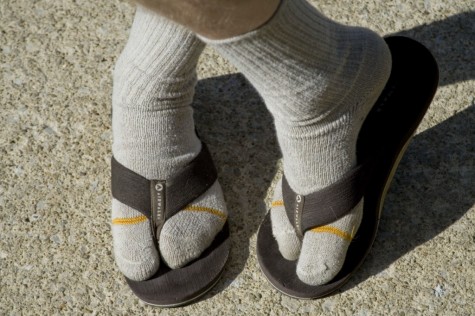
Confused By The Socks With Sandals Thing

Not My Best Side

Extreme Product Testing


subversive cooking

Image: L. Weldon

Subversive Cooking Ideas

Why My Kid Is A Cooking Geek

Go Lick Your Veggies

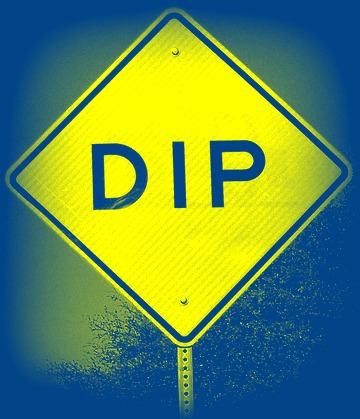
What A Dip

Green-eyed Eggs


Image: charizard110011.deviantart.com

Why I’m expected to watch You Tube and what I find there

Don’t Take You Tube Literally

Animated Character Seizes Control

Rescued By Pudding

I Always Pick the Slowest Line

A Cure For Oregon Trail-itis

Hip Hop History


people to admire

Image: Page Hodel

People to admire

Mama, Let Your Girls Grow Up To Be Like Cowgirls

Monday Hearts For Madalene

Empowering People One Bike At A Time

A Small Act of Kindness


Obscurities

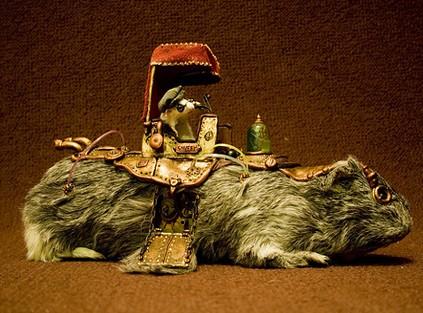
“The Art of Repurposed Rodents

You Deserve a Merit Badge

A More Perfectly Explained Union

Gentlemen Broncos Take On Geekdom


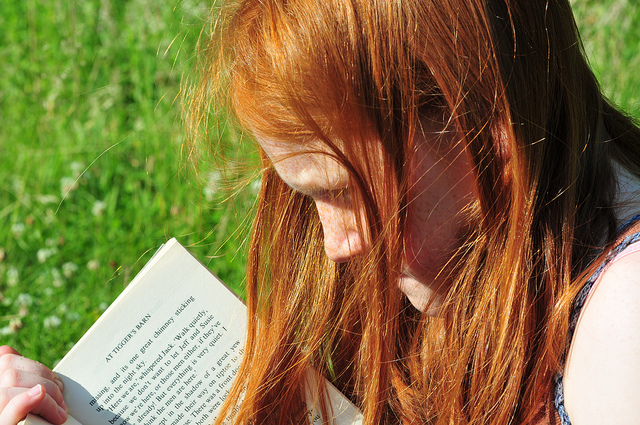
Flickr : Andy Carter's photostream

Book suggestions

How Childhood Books Make Us Who We Are

Infinite Sum of Possibilianism

Little Princes

Asperger Self-Help Author An Aspie Herself

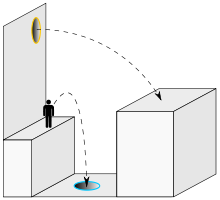
Portal 2: Wikipedia

Daydreaming

Sex & the Ditty

Fantasy Investing Preferred

Holiday Interlude

I’ve spared you a taste of long posts and ranting posts I regularly fling on GeekMom (you get enough of that right here). But I would like to ask something of you. Actually, two things.

I’m guessing you’re obsessed with a few topics yourself. Why not fess up? I’d love to hear what gives you that lovely serotonin and dopamine rush.

And I’m open for topic suggestions. What would you like to see covered on GeekMom? Or here on this site? Please pass along ideas and links, silly as well as serious.


Save Moments In A Memory Jar

make a memory jar, how to save family memories,

Today is a wonderfully ordinary day. Lots of laughter and no squabbles. Will we remember any of it? Probably not.

It’s hard to understand why we hang on to some memories but not others. The process isn’t about how much effort or money we expend trying to make something memorable.

Long-term retrievable memories are built by what we notice, fully notice, with our minds as well as our bodies. (They aren’t made when we multitask.) Look back at any particular memory. What you recall is constructed from the sights, sounds, tastes, thoughts, and feelings unique to your experience. The way you pay attention to those elements forms your memories. The shocking part? Looking back and realizing how few rich and full memories we really form.

That’s because we only really latch on to memories when we pay attention. When we’re engaged in the moment. Recall the last really memorable meal you had. It probably wasn’t one you ate in the car or standing at the kitchen counter. It was one you savored with full awareness of flavor, texture, scent. Most likely there were other important elements as well. Perhaps it was a meal shared with a new friend or made from a challenging cookbook. Perhaps it was a last meal you had before a loved one passed away, a meal you now try reconstruct in detail.

Emotion plays a part in memory formation. And our five senses are integral when forming strong memories. Particularly smell, perhaps because the olfactory bulb is closely connected to the hippocampus (related to learning) and the amygdale (related to emotion).

For years I’ve encouraged my family to take “sensory snapshots.” We may be standing out back together, having just finished stacking firewood (because togetherness on our little farm often has to do with work) and I urge them to remember the moment in their bodies as well as their minds. We notice the scent of blackberry and milkweed blossoms, listen to frogs croaking in the pond, feel the evening’s coolness on our skin, look at the fireflies beginning to arc through the dusky sky. I don’t just want the moment to linger, I want to be able to retrieve it long after today. I want to hang on to our easy banter and feeling of shared accomplishment.

That’s where memory-storing traditions come into play. Yes, it’s easier than ever to take photos and videos. But there’s something about writing down our impressions that augments the process of locking them into place.

hang on to memories, write down family memories, unique memory traditions,

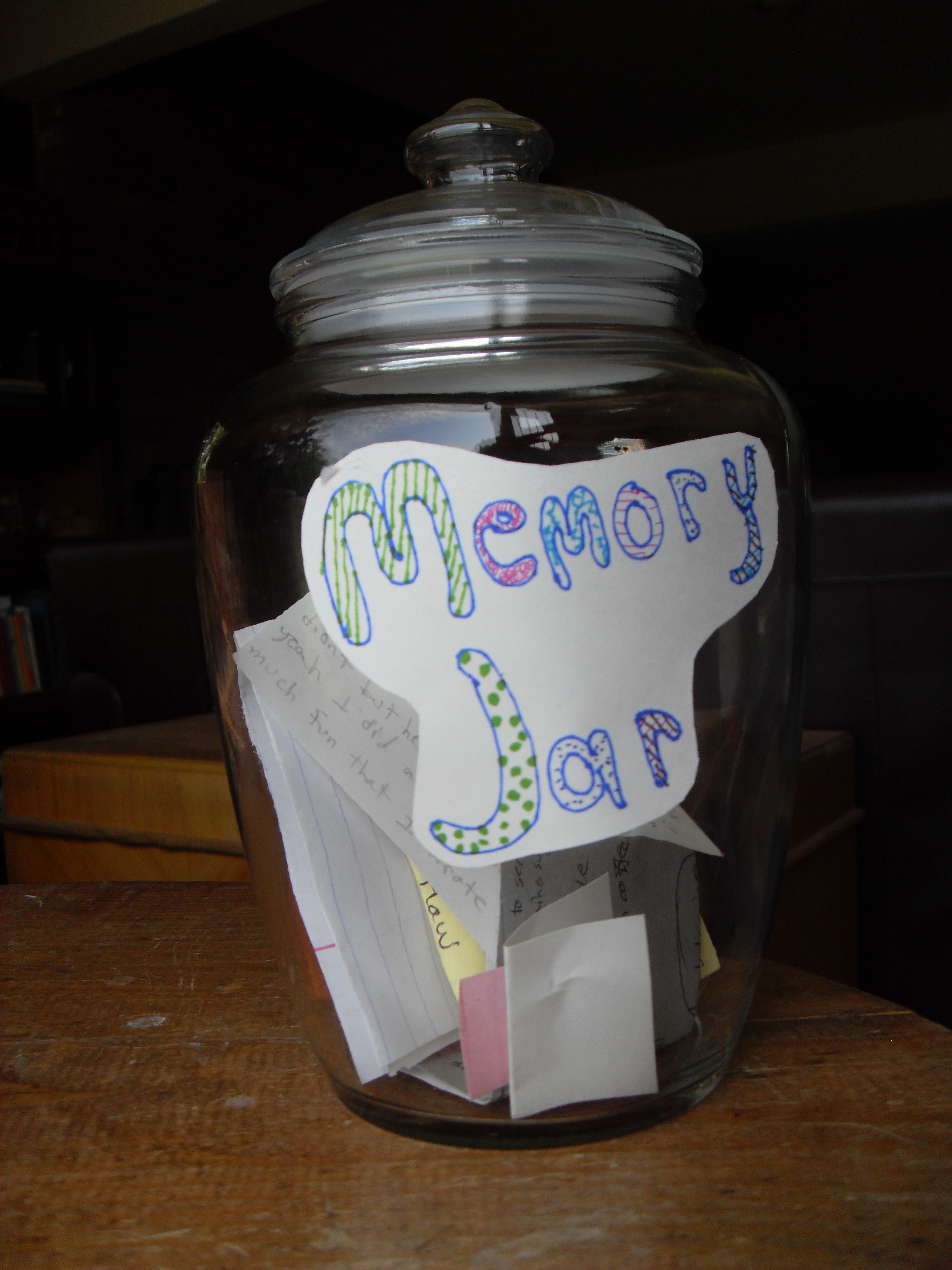
One tradition you might want to start in your family is a memory jar. Grab any jar, name it the Memory Jar, and keep it in an accessible place. Filling it is pretty easy. Encourage your family members to scrawl memories on any piece of paper, sign their names, add a date if they can, and stuff these memory scraps in the jar. Let the youngest ones dictate their memories to you and pop them in as well.

You’ll be interested to note what different family members regard as significant enough for the memory jar. Good grades on a test probably won’t get in. Watching the neighbor’s puppies born probably will. Your five year old may stuff in a new memory each day, your teenager may add one only at your prompting, you may tend to write down funny things the kids say. But if they’re not noted and saved, chances are they’re lost.

It’s helpful to have a “no grudge” rule. Memories don’t have to be happy, of course. The most powerful are probably those that aren’t. Your daughter may write,

“I was really scared when Max fell off the slide. We went right from the park to the hospital. We waited a long time and I fell asleep watching a TV high on the wall. Max got a green cast on his arm and I was first to sign it. I was mad my name didn’t come out too good because it’s not easy writing on a cast. The letters are kinda bumpy. We were so hungry Mom stopped for ice cream on the way home. I got peach, Max got chocolate chip, Mom got a smoothie. I think it would be fun to have a cast too but I don’t want to fall off a slide to get it.”

There are plenty of options that go along with opening and sharing the tidbits from your Memory Jar. You might choose to have a memory ceremony once a year. That’s a day when the jar is opened and the memories are read. You might want to do this on Thanksgiving, New Year’s Day, or every July 13th because that’s your family’s yearly Dad Finished His Tour of Duty party.

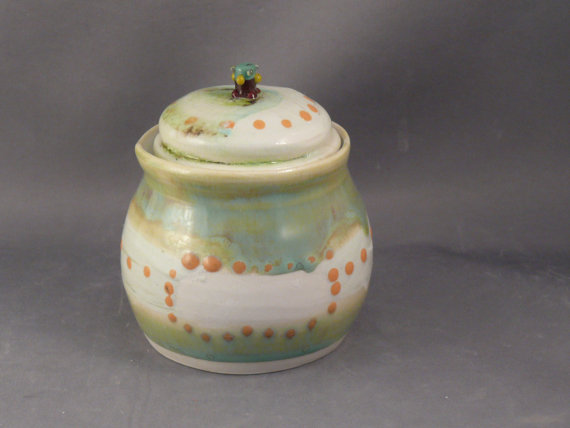
And you’ll want to store these memories safely. It’s easiest to start a new jar every year. Label last year’s jar and tuck it in the back of your closet. If you’re ambitious, carefully scrapbook each slip of paper next to photos or turn them into a photo collage to hang on the wall. Or, your family may prefer to keep adding to a collective jar of memories without going over the contents together, happy to make the jar a sort of time capsule to be opened well into their adult years.

While a memory jar is well-suited for family use, there are other great ways to use this random-memories-on-scraps-of-paper approach.

how to hang on to memories, memory-making for couples

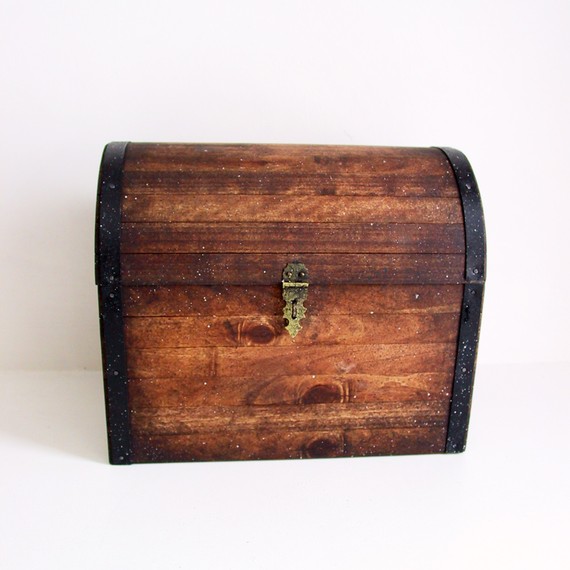
For couples, why not start a Memory Bank? This is best made with an opening no bigger than a piggybank. This way the memories each of you contribute can’t be fished out and read in private. It’s a way of noting little tidbits about your lives together without the pressure to contribute. Of course a “no grudge” rule is still important. And when a Memory Bank is shared by a couple, it’s best to make it a long-term project. Vow to keep it sealed until your 25th anniversary or some other far off date. By then neither of you will care if she contributed 95% of the memories, you’ll both simply have fun going over recollections you thought were long gone.

Perhaps the best impetus for storing and retrieve memories is in partnership with the oldest members of the family. On each Father’s Day card I used to share a reminiscence about my childhood to let my Dad know how much he factored into my happiness then and my resilience now. I thought I was doing it for him but I know now that sharing these memories was one way I strengthened a link with someone so dear to me.

preserve memories with your elders, keep a memory book, daily log book for seniors,

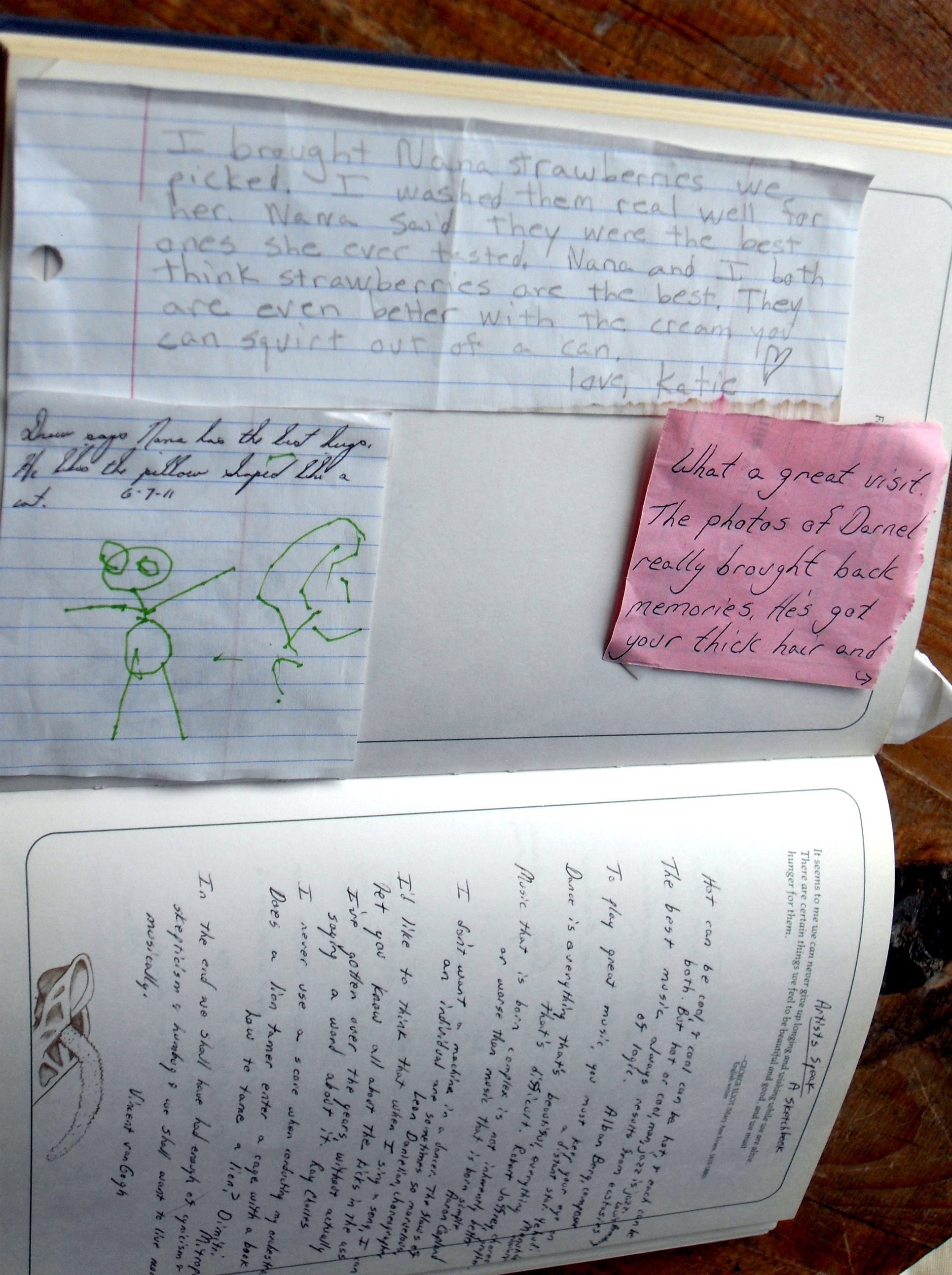
You can keep track of up-to-date memories with the elders in your family using a Memory Book, one that’s always open. A large format blank book is especially good for this purpose. With each visit write down a recollection (old or new) to paste in the log book. Add drawings and photos. If you’ve exchanged memorable phone calls, texts, and other communications remember to add notes about them when you visit. The Memory Book is a warm reminder of your affection. It’s also helpful if your loved one is in an assisted living facility or nursing home because other visitors can flip through the pages, starting conversations by talking about these and other memories while making new ones.

Thinking about the ways we form and hold on to memories is inspiring me to have more fun with my family than stacking firewood!

Imaginary Motherhood

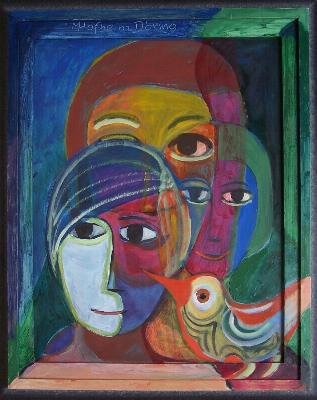
Belakane und Feirefil by Margret Hofheinz-Döring

I’m a much better mother in my imagination than in reality.

That imaginary mother has casual grace and unflappable calm. She doesn’t speak in funny accents or talk to inanimate objects. She also has the confidence to wear a bathing suit. In public. Without scuttling around using a small hut as a beach wrap. But I digress.

In my imagination I sparkle with enthusiasm for trigonometry and better yet, can explain it. I drive everywhere for everyone without grumbling about contributing to global warming. In fact, I am the mother my teens long for. I tell them I’ve secretly been saving up for one son’s trip to New Zealand to study spiders and another son’s year long trek along the Pan-American trail. As they leave I wave goodbye cheerfully.

The real me doesn’t sparkle unless craft supplies get loose.

I’m guilty of excusing myself to hide in the bathroom when my offspring go into lengthy monologues about topics I’ll never fathom. I ply my family with goodies in a not-so-subtle way of getting them to watch the documentaries I want to watch, even though it is entirely necessity after that endless German film about Mongolian salt miners. The stories retold with great hilarity by my kids usually feature my tendency to trip over invisible objects and my exaggerated startle reflex.

In my imagination I cook using recipes instead of improvising. When my children ask, “What are we having for dinner?” I’m able to answer with the names of actual dishes. This reassures them that someone, somewhere has taste-tested the food before them. This also spares me the daily trauma of watching my offspring tolerate meals made with home grown vegetables, dark scary grains, spontaneously seasoned sauces, and no names for anything.

“Why,” my son once asked, “can’t we try the kind of macaroni and cheese that comes in a box? It’s really bright yellow!” He regretted the question instantly, because unlike that imaginary mother who laughs sweetly at such questions, the real mother explains things. Or according to the daughter in the family, she rants.

In my imagination I am never preoccupied, never busy. When sought out I’m fully attentive. When my children look up from their pursuits they find my adoring eyes, but not often enough that they think I’m creepy and plot to institutionalize me. My wonderfully creative life inspires my children to live their own dreams (while still getting their omega-3 fatty acids and sufficient rest).

The real me falls terribly short.

I kvetch. I get tears in my eyes easily, even from poignant long distance ads. I juggle obligations badly while tossing out sarcastic asides like a performing seal. I plot giant world-saving accomplishments while forgetting to water the plants. I fuss and grumble and speaking of short, I’m also shorter than everyone in the house. That can’t be right. In my imagination I am tall.

In my imagination our family spends every evening together as we used to when the kids were small, back when we snuggled on the couch reading books, making puppets out of our socks, and making up games out of nothing. Although now we wouldn’t all fit on the same couch and the kids would suffer withdrawal symptoms away from glowing screens and friends.

But still, the vision of togetherness keeps the imaginary mother in me happy. She is able to hold on to every moment of the kids’ earliest years. She builds precise memories of each squabble and laugh and each child’s way of drifting slowly toward his or her larger self because she knows the actual mother, me, never could have imagined how fast time would go by. For real.

bittersweet motherhood, children nearly grown, being a better mom,

Nachtgespräch by Margret Hofheinz-Döring


How The Secret Garden Saved Me

inner life of children, kids' religious worries, what kids hide from their parents,

My mother gave me an old clothbound book when I was nine years old.  It was her childhood copy of The Secret Garden by Frances Hodgson Burnett.  I felt a sudden tug of connection to the little girl my mother once was, especially when I found her name carefully penciled on the inside cover.  Right away, I signed my name under hers.
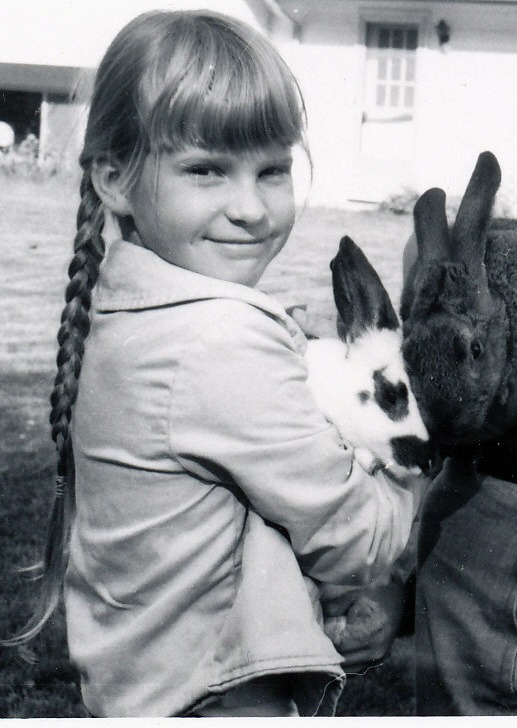
Although written in 1911 and clotted with Yorkshire dialect, that book became an essential nutrient to me.  It told the story of orphaned Mary Lennox who was sent to live with her silent brooding uncle on the English moor. Little Mary had no lessons imposed on her and was given the opportunity to explore.  I envied her freedom.  A character named Dickon befriended animals so easily that they gathered at his feet and ate from his hand. I, too, liked to go in the forest behind our house in hopes that woodland creatures there would come to accept me.  And I understood Mary’s response when her uncle inquired if she wanted anything. He suggested toys or dolls.  Instead she asked, “Might I have a bit of earth?”

More than my favorite book, The Secret Garden provided comfort at a time when I could find no other solace.  The year I received my mother’s copy was also the year that one after another of my grandparents succumbed to long, painful illnesses. By the time I turned ten, all my grandparents had died.

I’d watched them struggle for each breath but it hadn’t occurred to me that they wouldn’t get better. That’s what doctors and medicine were for. That’s what prayer was for. Now we would never have Sunday dinner together again. The seasons would come and go without canning applesauce or planting bulbs or going to the lake with my grandparents as we always did. I couldn’t stop thinking about death.

children's literature and positive mental health, saved by a book, children find meaning in fiction,

Other children probably weather grief with more resilience but that year was a dividing line for me. The blithe happiness of my childhood came to a halt. I couldn’t bear the idea that everyone I loved would die some day—my pet rabbits, my friends, and worst of all, my parents. My mother assured me that God simply called people home to heaven when it was their time. I kept asking why, if God were all-powerful, would He allow people like my grandparents to suffer so horribly before they died. She said His wisdom was beyond our understanding. Her answers left me with more and more questions. I could see asking them only intensified the sorrow she felt. So I tried to keep my worries to myself.

Now added to my fear of this unknown thing called death a new bleakness was added. Where I once prayed and worshipped without doubts, I was set adrift somewhere beyond my parents’ beliefs. Religion seemed piteously small when confronted with bigger dilemmas. And more of them occurred to me each day. What was the purpose of existence in a universe of unimaginably vast time and space? How did everything start when it had to come from somewhere? How did our tiny lives matter? I didn’t like the thought that adults believed in something that made no sense. I felt I was standing in a blizzard outside the warmth of answers that faith provided. It was lonely.

I tried to reconstruct my comfortably safe worldview with the tools I’d been taught were the most powerful: good behavior and prayer. I knew I wasn’t really the good girl I seemed to be. I was a picky eater, I argued with my sister, and I was lazy about chores. So I tried hard to be better, to be so worthy that no one else I loved would be taken away. The effort was a useful distraction from my preoccupation with big questions about death, meaninglessness, and infinity.

And I prayed, fiercely and in my own way, using pictures in my head and silent words. It was a gamble because I was no longer sure that God existed or if He did how on the job He was, but I had to do my best to keep my family alive. Here’s how my keep-them-alive game worked. If I thought of people I loved I had to pray for them. This was somewhat less burdensome at school because I was busy. It was overwhelming when my parents went out for the evening. I thought of my mother and father constantly, each time silently praying that they would come home safely. I summoned up images of my parents driving, chatting with their friends, driving home, then walking in the door. My whole body could feel the relief of their imaginary return. But as the evening wore on my prayers got more fervent and I took up a position watching cars go down the street. Their return was always later than I expected, probably because I was constantly willing them home. As soon as their car pulled in the driveway I ran to bed, feeling a sense of blessed completeness I couldn’t explain. They were back. Everything was okay.

It was exhausting.

importance of stories to girls, what books mean to kids,

I couldn’t imagine how but my parents weren’t fooled by the cheery act I put on. My mother told me that sometimes people need more help getting over their grief. She made an appointment for me to see a psychotherapist. I knew full well what this meant. I’d read my share of children’s books where unfortunate characters are locked up in institutions or sent away for their own good. It rarely went well for them. I was determined to act as un-crazy as possible. The day of my first appointment my mother made me wear a summer dress, sweater, and saddle shoes—the clunkiest fashion statement imaginable even to my ten-year-old sensibilities.

My mother usually stayed with me in the pediatrician’s office so I expected the same. Instead I was ushered in to see the doctor by myself. An older lady sat behind a large desk. She asked me to sit facing her in a chair much too large for me. I sat, my throat clenched with so much tension that it was hard to swallow. She asked me how I felt about coming in. I knew it wasn’t polite to admit my true feelings. Kids constantly have to filter what they do and say to please adults. So even though I feared and despised everything about the appointment I told her I was fine and didn’t need to be there and I was perfectly happy except for the embarrassing outfit I was wearing. I said it nicely. In fact I thought my comment about the outfit was a light-hearted joke. The doctor turned it into the topic of a lengthy question and answer session. She seemed to think I hated my mother for making me wear clothes I didn’t like. I couldn’t imagine that she’d had a mother recently or she would know that mothers make you do all sorts of things you don’t want to do. Eat all your dinner, clean your room, write thank you notes, well the list was endless. Frankly a dorky outfit was the least of it. Clearly I would have to filter what I said even more carefully.

Next she got out a series of large black and white photographs. She said it was a fun kind of test. I always got good grades on tests at school but the rules were pretty flimsy for this one. All I had to do was look at the pictures and tell her a story about what was happening. That included what happened right before the picture was taken and what would happen immediately afterwards. The first picture showed a dark-haired woman walking by herself on a beach. She didn’t look all that happy.Right behind her was a man with his arms reaching up in such a way that he seemed ready to choke her. The look on his face was creepy as well as dangerous. But I put the lightest tone possible in my voice and told the doctor that it was the woman’s birthday and she didn’t know her friend had come to surprise her. He was going to put his hands over her eyes and ask her to guess who and she’d be delighted. Nearly every picture was equally disturbing. I churned through them with Pollyanna-ish stories in my attempt to demonstrate just how mentally healthy I could be.

Next she brought up my grandparents’ deaths. The questions she asked were so upsetting and intrusive that I couldn’t answer. I shouldn’t have been shocked but I was. Having a stranger try to get me to tell her things about those who were dead alarmed my whole body. I could feel every inch of the chair touching me. The smell of the office, dusty and airless, made me want to choke. Although I willed them away, tears kept springing up in my eyes, and I set my mouth as tightly closed as I could.

The doctor changed her tactics back to the earlier conversation about my mother. I tried to unlock my mouth into a polite smile but I desperately wanted to run out the door. I knew my mother would be waiting and ready with a comforting hug. All I needed to do was just hold on until the appointment was over. Then the doctor made a statement so insane that it seemed whole adult world might be slipping away on a raft built without logic. She said I was upset because I wanted my mother dead.

That was it. I was willing to sacrifice the time I’d invested in good girl behavior but I would never go back there. I would do whatever it took. I would throw fits if necessary but I would not speak to that doctor again. On the drive home and all through supper I tried to figure out how to best make my stand. I decided to be logical and calm, although I wanted more than anything else to climb into my mother’s lap. That evening I sat with my mother, the person I prayed for most often, and lost my struggle to keeping from crying. I told her the unspeakable thing the doctor had said. My mother was gratifyingly appalled. She hugged me for a long time and then we talked as if we were on one side and the doctor on the other. It was delicious.

My mother called the doctor the next day and afterwards confirmed that I was a good judge of character. I would not have to go back. I overheard her telling my father that the doctor “didn’t have her head screwed on tight.” But my mother did think the doctor was right about one thing. I wasn’t getting over my grandparents’ deaths.

That wasn’t it. The loss of my grandparents had tossed me into a realm of questions I couldn’t ask and worries that faith couldn’t explain. I knew my parents were concerned about me so I ramped up the cheerful act. Masking my fears actually helped, at least during the day. But at night I couldn’t sleep. If I didn’t work hard to steer my mind relentlessly toward peaceful thoughts I’d feel as if I were falling into dark nothingness. The galaxies we learned about in fourth grade, black and endless, seemed like a void that would swallow up everything I knew. On the worst nights I could feel the fabric of the ordinary world stretched thin over a much larger unknown. Then I couldn’t even cry myself to sleep.

So I resorted to the distraction of reading. As soon as the rest of my family went to bed I turned my light back on. Most often I chose The Secret Garden. I turned to the same passages over and over. I read about the garden that seemed dead in the early spring chill until Mary cleared away branches and leaves to find tender green sprouts in the soil. I read about the crippled boy whose limitations Mary refused to accept and of his triumphant recovery in that garden. I read about her sorrowful uncle who awakened to joy after years of despair. Then I could sleep.

~

I don’t regret the fears and doubts of my childhood. They set me on a richly rewarding lifelong path of seeking answers to big questions. But I didn’t realize why I turned to The Secret Garden until I found the book years later. I opened it to see two childish signatures, my mother’s and my own. Rereading it, I recognized the passages that sustained me when I felt most lost. Each one was about about redemption, nature’s wisdom, and offered what I needed most of all, simple hope.

If I could meet a person from history I’d choose Frances Hodgson Burnett. I now know about the losses she suffered, the despair she fought, and the writing that was her life’s work. I’d tell her, a bit shyly, that I make a living as a writer too. I don’t think I could express how profoundly her book calmed a little girl too upset to sleep but I’d want her to know that her words were a soothing balm during those dark nights.

And I’d tell her that The Secret Garden didn’t just save me, it also shaped my future. Today I live on a small farm where my children have no lessons imposed, just like Mary. The animals here eat from my hand, as those in the book did from Dickon’s hand. Maybe I’d simply say, “Frances, our land is named after lines you wrote. We call it Bit of Earth Farm.”

Laura Grace Weldon

Mine Is The Wrong Kind Of Lust

don't make me travel, why I stay put,

Image: babyoctopuss.deviantart.com

Let me explain.

My schoolteacher father had summers off, so my parents made the best use of that time. That meant teaching their children geography and history through travel. Each winter my mother started planning our frugal summer trips. She sat at the kitchen table with maps and guidebooks arrayed in front of her as she carefully plotted a route that maximized educational stops along the way. Old battlegrounds, restored villages, and scenic natural wonders were her priority. The other priority? No admission fees.

*

why I don't travel,

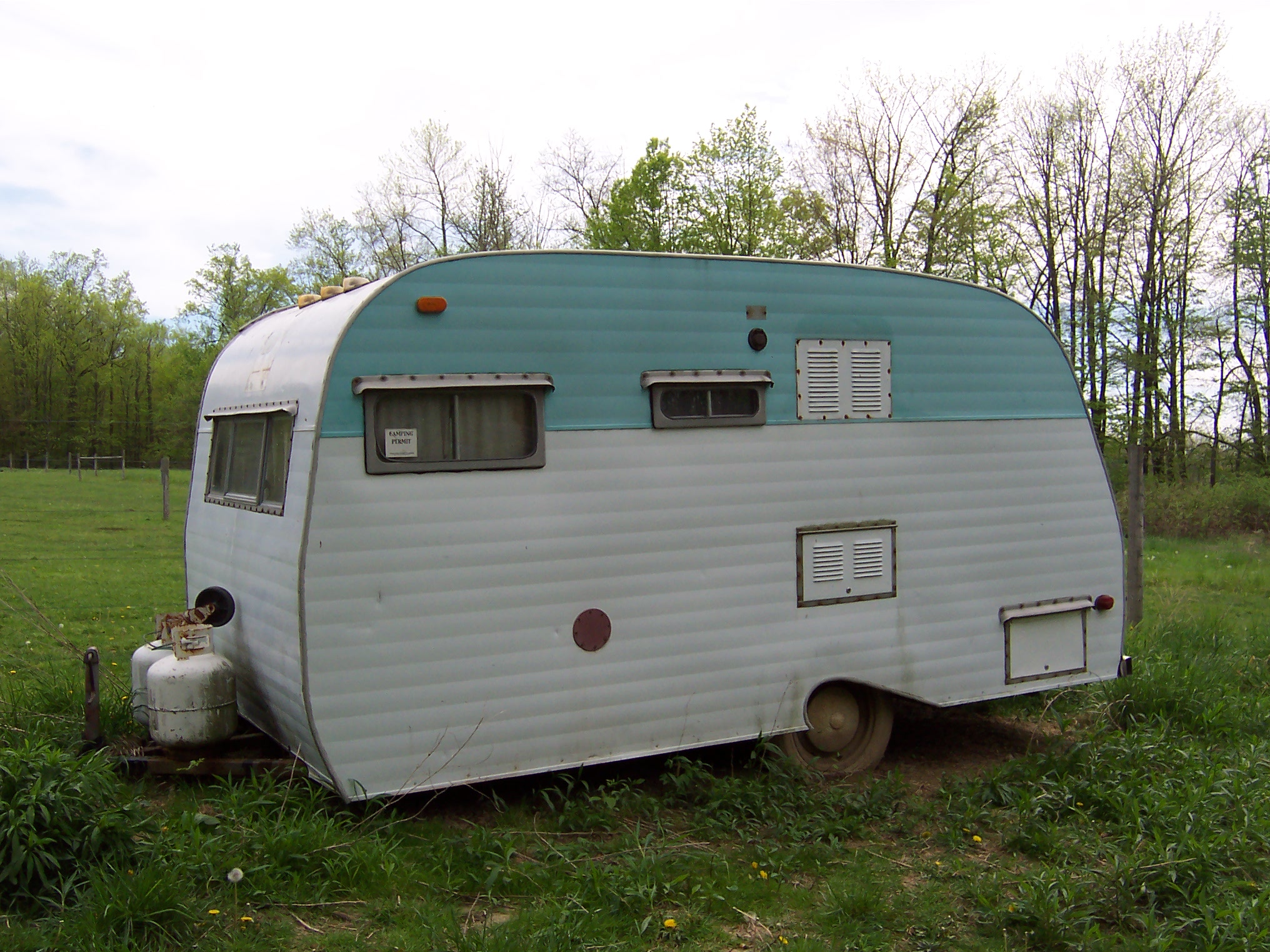
One summer we traveled over 6,000 miles. Most days we had an early breakfast, drove for six hours, spent the late afternoon sightseeing in the steamy heat, then went on to a trailer park where our 15 foot Scotty was invariably the smallest trailer around. Other folks in these places looked like there were staying a few days. They sat in lawn chairs and chatted around campfires. My parents meant business. Ours was a carefully planned agenda which meant we kids showered soon after supper in those ubiquitous cement block restrooms and went to bed early, usually lying awake in the hot metal trailer listening to other families laugh and talk under the trees.

*

why I don't travel,

Our trips were strictly no-frills in every way. My parents spent as little as possible on food—we never had fast food or restaurant meals while we traveled. I ate a peanut butter minus jelly sandwich chased by Tang every day at lunchtime. They scouted out the cheapest gas and took only the most carefully considered photos in those pre-digital days. Miraculously they maintained family peace in very close proximity for weeks on end, although we kids found minor parental spats over directions and mileage calculations secretly hilarious.

Don’t get me wrong, my parents had wonderful motives. They piled three kids in a small car and showed us the country. But I was a lethargic and grumpy traveler. Hurtling down the highway with windows open (air conditioning allegedly reduced fuel economy) only aggravated my asthma and hay fever, plus I suffered with relentless headaches and nausea from car sickness. Yet I wasn’t sufficiently self-aware to let anyone know that I felt dizzy, woozy, and short of breath. I longed for the comforts of home: library books, a familiar bathtub, my trusty bike, and some control over my own life. As soon as my mother got out the maps to start planning I felt nothing but dread, which I masked with a facade of eager anticipation lest I be called “ungrateful.” But every minute our car headed farther away from home seemed wrong somewhere in the center of my being. Until we returned I felt suspended from my own completeness—a weary, one-dimensional version of myself.

*

I refuse to travel,

Perhaps these long yearly trips, taken when I was unwell and unwilling, served to inoculate me against travel. As an adult I still struggle to feel wholly myself when I’m away. That marks me as seriously maladjusted. Wanderlust, or at least the urge to get away, is the norm. All sorts of well-meaning people mock non-travelers as people with no sense of adventure.

Oh sure, I long to go places. I’ve even traveled of my own volition. But I rail against the backward century in which I’ve been born, or perhaps the backward planet I’ve been born on, because I can’t adjust to the concept that it’s not possible to mosey over to Belarus or Uruguay or Finland this afternoon, have a wonderful lunch, meet some new friends and assure them that I’ll stop by next Friday. The problem isn’t the destination, it’s getting there. I know poets and sages say it’s all about the journey. I’ve journeyed, believe me. I say all of life is a journey, every single moment that we’re wide awake and fully participating in the process of living.

hermit's rationale, staying home, peace in place,

Besides, aren’t poets and sages all about being true to oneself? Being true to myself means giving in to the lust to stay rooted.

I experience a kind of delicious completion as I perform the simple rituals of life right here every day. I make cheese from our cow’s milk, walk the dogs, chop vegetables, work at my desk—-all in view of the fields and trees that sustain me season after season with their subtle, incremental changes.

I hope those of us who are truly rooted have something to offer this ever faster world. Our insights may be simple. I pay attention to the vegetable gardens, the beehives, to blackbirds convening in a clamor across the treetops. Changes I see are those that take place slowly and noticing them is part of the pleasure I find in being fully here. To me there’s soul-drenching nourishment that comes of contemplation, quiet, and service. Thank goodness we can fulfill the desires we choose, leaning eagerly toward the excitement of travel or to answering longings that serve a quieter nature.

You know where to find me. I’m right here.

*

staying home, anti-traveler, delights of home,

What Do Your Gifts Say?

gifts of love, meaning in gift giving, making gifts magical,

It’s upon us in full force, the biggest buying season of the year. A giant transfer is taking place. The life energy we call money (representing hours of work) or credit (hours of future work) is exchanged for stuff. Lots of stuff—toys, clothes, perfume, electronics, fancy foods, plus those novelty items that no one ever uses. (Okay, I actually wear the silly socks given to me and wear them with glee. I may be the only one.)

We transfer more than time and money. That’s because there’s meaning embedded in our gifts. We have certain intentions as we shop, wrap, anticipate giving, and finally offer the gift. Our efforts try to say something.

What? It’s complicated. Our gifts say different things to different people. A well-made carving knife for a friend who has recently taken up woodcarving shows you pay attention to what brings him delight and what you hope will enhance that delight. A box filled with birthday, get-well, sympathy, and thank you cards plus a roll of stamps for a great grandparent shows that you appreciate the way she keeps in touch with the extended family. It also helps her keep up that tradition now that she’s no longer driving.

Of course what we try to say with our gifts differs depending on whether we’re giving them to our children, our lovers, or our bosses. Still, most of us hope for that rare happenstance, when our gift brings our recipient more joy than we could have imagined. It’s almost like magic.

Maybe I take this too seriously. The first time I bought gifts on my own I was five years old. That year our church set up a Santa Shop in the basement where kids with a handful of change could buy gifts. Volunteers dressed as elves led each child to  tables where merchandise was arrayed. After making selections and paying, these elves helped the child wrap and tag each gift. The elf outfits didn’t fool me. These were the same nice older ladies whose wrinkled hands pretty much ran the whole church.

The elf who walked me from table to table was patient as I tried to choose. I knew that money wasn’t to be spent carelessly. My frugal parents always impressed upon me the importance of saving money. They made do with what they had, using it up until it was worn out and then fixing it to last a little longer. That was true of our car, the floorboards recently patched so I could no longer see the road rippling past in a dizzying gray stripe as we drove. That was true of my hand-me-down clothes, sagging at the knees and stitched at the elbows. So I shopped carefully.

I spent fifty cents on a super-sized paperclip for my schoolteacher father. I spent a quarter on a plastic optical illusion toy for my older sister. I couldn’t find anything for my mother. The elf told me a large strangely shaped bottle of perfume would be perfect. She nodded so much as she talked that the bell on her hat tinkled and the flesh under her chin wobbled. The liquid inside the bottle was dark. She unscrewed the cap and let me smell it. It smelled awful. She told me it was the best deal there. I knew “deal” meant a good thing. I’d heard my parents use that word. So I bought it, even though it cost a dollar and twenty-five cents.

The days before Christmas weren’t filled with delicious anticipation. I woke each morning with a heavy feeling. My Santa Shop gifts under our Christmas tree were terrible. I’d wanted to get my father a gift that would make him feel like whistling little tunes all day, the way he did when he was lighthearted. I’d wanted to get my sister something she liked so much that she’d never let me play with it. And I’d wanted to get my mother something special. When I thought of that bottle of perfume I knew it was what she called “vulgar.” It hit me then, the days leading up to my kindergarten year Christmas, that no gift could show people how much I loved them. It was a sad realization, particularly when every holiday commercial on TV told me the opposite.

I’m a lot more cheerful than my five-year-old self but I keep trying to give gifts that say the impossible. Every birthday and holiday I try. I realize holiday gift-giving is overhyped. Are we really supposed to show someone we care by presenting them with a mass-produced item? “I got you one of the 3 million identical objects made by underpaid workers in an overseas factory. Merry Christmas!”

I love to give all sorts of gifts. Books, music, tools. Handmade gifts (or gifts others make by hand).  Gifts of service, do-gooder gifts , gifts that support non-profit organizations, Fair Trade gifts, gifts to local restaurants/theaters/galleries, and of course, specific gifts the recipient requested. What I want to give is so much more. I want each person to know how much they are cherished. That can’t be wrapped.

If the cliché “it’s the thought that counts” really counted, my gifts would shimmer with magic. Instead my loved ones may be getting this year’s equivalent of a paper clip, plastic toy, and vulgar bottle of perfume despite my best attempts.

Do you suffer from gift-related dilemmas? What are you really trying to say with your gifts? What gifts have you given that were downright wondrous? Rest assured, one of my favorite gift-giving memories is finding a bagpipe action figure (that made farting sounds rather than pipe music) for a certain teenager. Sometimes silliness is magic too.

*

*


“Presents” illustration courtesy of BulletsInGunn