If you define a geek as tech informed and sci fi savvy, I’m no geek. But define geek as “a person so immersed in an interest that he or she is out of the mainstream,” and I’m in. According to my kids, I’m obsessed with topics even geeks find obscure. That includes but isn’t limited to subversive cooking, neuroscience, simple living, natural health, outsider art, foreign films, non-violence, and anthropology.
So I was thrilled last year when invited to write for a start-up called GeekMom.com. It’s associated with GeekDad.com, which is some kind of media cousin to Wired. My first piece was published on September 1st, 2010. Since then I’ve written 125 posts and won’t be slowing down. I happen to adore clattering away about topics that fascinate, amuse, or infuriate me. If you’ve never moseyed over to the site, here are random samples of my clattering.
I’ve spared you a taste of long posts and ranting posts I regularly fling on GeekMom (you get enough of that right here). But I would like to ask something of you. Actually, two things.
I’m guessing you’re obsessed with a few topics yourself. Why not fess up? I’d love to hear what gives you that lovely serotonin and dopamine rush.
And I’m open for topic suggestions. What would you like to see covered on GeekMom? Or here on this site? Please pass along ideas and links, silly as well as serious.
The science of epigenetics shows that the choices we make today will resonate in the minds and bodies of our grandchildren.
How? Each of us has biochemical markers that signal our genes in response to input such as nutrients, toxins, even behavior. As a result potential gene expression is switched on or off.
Nucleosome Wikipedia
These epigenetic changes persist well after the original stimulus for change is gone. Some of them pass on through generations like biologic memories of what our ancestors ate and breathed, as well has how they felt about their experiences. This also means that our personal choices today can become a living inheritance sent on to those we won’t live to see.
As Duke University genetics researcher Randy Jirtle, Ph. D recently commented,
We can no longer argue whether genes or environment has a greater impact on our health and development, because both are inextricably linked. Each nutrient, each interaction, each experience can manifest itself through biochemical changes that ultimately dictate gene expression, whether at birth or 40 years down the road.
Image courtesy of corazondedios.deviantart.com
Much of the research about epigenetics correlates to earlier studies showing that parental stress has a negative and long-lasting effect on their children, often well into adulthood. That’s true of the effect of prenatal stress, parental stress during early childhood, parental depression, conflict in the home, unemployment, poverty, and homelessness. Epigenetics may, in part, explain the strong correlation between these stressors and resulting poor mental and physical health in the next generation.
But there’s good news too. Studies have shown that early nurturance can flip “dimmer switches” on genes related to stress, permanently shaping offspring to be calmer and better able to handle new situations. Healthier too.
Chances are good that I was born with genes predisposing me to anxiety or depression. My sorrowful grandmother nurtured my own mother as best she could despite very stressful circumstances. In turn, I was lovingly nurtured and well attached to my parents. As a result, these predispositions were more likely to be dimmed or switched off in me. I hope to carry on this legacy of positive epigenetic changes by gently parenting my children. Epigenetics show us that grandparents and parents can bless children to come (including foster children and adopted children) even if they don’t live to see those children.
As a society, we’ve known for a long time that serious parental stress leaves a legacy of pain into the next generation. Maybe the science of epigenetics will be enough to convince us that parental support and nurturance doesn’t just benefit the child. It also benefits society as a whole.
Today’s guest post is by Karyn Van Der Zwet from New Zealand. Her parenting advice is brilliant, based on science and loving interaction, and I can’t wait until her e-book is ready.
When Germaine Greer wrote The Female Eunuch, at the height of The Feminist Revolution, she suggested that motherhood should not be considered a substitute to a career. By the time she wrote The Whole Woman in 1999, she had done a complete 180 degree turn and called for proper state-funding for Stay at Home Mums.
She realised full-time mothering is as valuable to many women as being in paid work. She also realised there were benefits to society as a whole.
Children who feel well attached to their mothers do better at life. They make better decisions; they chose more mature friends and partners, and their relationships are more likely to last; they have a work ethic which is balanced with a sense of play; they are physically healthier and they have a stronger sense of community. And becoming properly attached takes intense commitment from one main carer for a long time.
Of course, just being at home doesn’t automatically mean that we’re doing the job that our children need us to do. Likewise, being at home doesn’t have to mean being a house-slave or turning off our brains. Attachment Theory (the science) suggests that a great mother is one who understands (intellectually or not) what her children need, according to their biology, and does her best to provide it. When she can’t manage the full-time commitment (or chooses not to make it), she is the one who finds nurturing care for her child and does what she can to connect when she is at home. Great attachment can happen, and often does, but it’s a much more emotionally demanding experience for mothers when they aren’t around 24/7 for the first few years.
Truly giving children the emotional support their biology demands, especially in the first three years, is tough going for many of us. What we can give emotionally and consistently is largely dependent on the amount and degree of positive emotional experiences we have received. It’s the difference between intellectually understanding that we are loved by our parents, and feeling/knowing/living that experience of love. Remembering that our mothers had their own burdens to carry, and as adults we can make sense of their stories and understand they did the best they could at the time.
It’s much easier to understand how difficult things may have been for our mothers, when we’ve been mothers ourselves. We’ve all lived it: the act of mothering can be overwhelming, intense and, at times, threatening to our sense of self.
It seems odd to our modern-day western lives that the biology of human babies is so intensely demanding of their mothers. Of us. For many women it seems unfair. But equally, human biology never expected that we would have to mother in isolation or that we would have to do everything. Alone. Or that we would have to make the unnatural choice between our children and social isolation, and paid work and social contact.
Modern women were told we could do anything.
Which evolved into – we should do everything.
And now many of us have no option: we have to do everything.
The point? Well, to me, the main tenents of feminism are: honouring and respect women’s bodies; equity; and choice. Western women did not have the choice to work or to be educated in the past. Now many of us do not have the choice to stay at home as full-time mothers for as long as we want to.
Ten years ago in New Zealand when I was pregnant with our eldest son, the average single income could service a mortgage or pay the rent and still feed and clothe a family. Because of this, we have a much smaller mortgage than most people, and I have been able to choose to stay at home. It’s been tough going at times and luxuries are definitely luxuries – but I am content with my decision. Since we bought, house prices have more than doubled. Most New Zealand women cannot be at home with their children beyond basic maternity-leave for financial reasons. I understand this means we have ‘caught up’ with the rest of the western world. I am not convinced it’s progress.
In light of all this, here’s my questions for you all:
Have we traded supression by men for suppression by economics?
Did you have the choice to stay at home with your children for as long as you wished?
This was originally posted to World Moms Blog by Karyn Van Der Zwet of Napier, New Zealand. Karyn can also be found on her blog, kloppenmum on twitter @kloppenmum and on facebook: Karyn At Kloppenmum.
References:
The Whole Woman, Germaine Greer, Anchor Books 1999
The Developing Mind, Daniel J Siegel, Guilford Press, 1999
Becoming Attached, Robert Karen, Oxford University Press, 1994
I don’t meditate at an ashram or study ancient tracts.
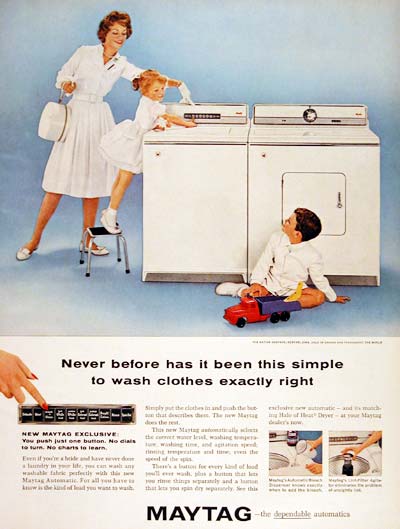
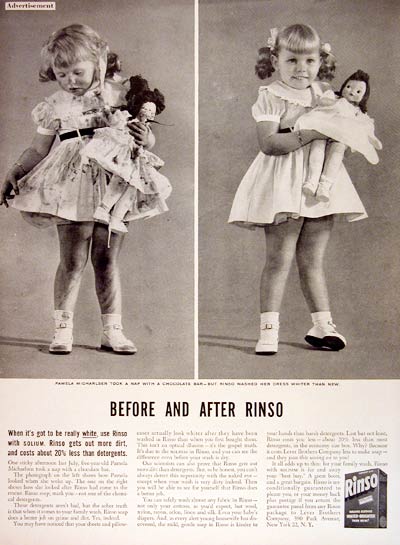
I do laundry.
I’ve found a certain peace in this mundane task. When my family cries out, “Where are you?” I answer from the laundry room, “I’m looking for the meaning of life.” (If I’m cooking, I answer, “Saving the world.”) I used to say this sarcastically.
Sure, sometimes I resent the messy parts of motherhood. I was raised to believe I could be anything I wanted to be. Right now I want to be right where I am, but when I’m gripping a pair of mud-encrusted socks my United Nations career aspirations do provide a stark contrast.
Wisdom gathers slowly. Very gradually I’ve learned that meaning can be encountered in everyday tasks. Even laundering. Gratitude comes to mind first. Conveniences do the real work. Right now my washing machine is purposefully churning away dirt and worse with my homemade laundry soap. Being clean is a luxury I take for granted. I don’t have to haul and boil water, then scrub clothes with caustic lye soap. Generations before me labored this way. What’s saved is the most precious resource, time. It’s up to me to honor that resource by the way I spend my time elsewhere.
I’ve found that doing for others without expecting notice, let alone acclaim, also deepens my perspective. The simple physical act of sorting and folding causes my thoughts to drift effortlessly to my family. As our children grow, laundry tasks change. Booties give way to socks. Diapers to undies. We tuck matching outfits together for one child, clean away evidence of bedwetting for another, soak out menstrual blood for the newest of women. Their hand-me-downs remind us cousins and friends. The fibers themselves hold the bodies we love.
We may loathe inside out shirts and socks wadded into tight fists, but turning them right side out again is a simple gesture of kindness. The cycle of reciprocity may be largely invisible when children are small but my children are old enough to be of real service around our home and farm. Yes, I unfold their shirts but they bring in the eggs, stack firewood, wash the floors, and shovel manure. It’s a good trade off.
Sometimes symbolism pops up as a teacher. My underwear works its way into a sleeve of my mate’s shirt, asking me how much closeness we have shared recently. A disregarded sock toy hides behind the laundry basket till missed and appreciated again. My oldest son, a man now, keeps T-shirts that are too small. They mark the path behind him as he forges ahead in his quiet, earnest manner. Sometimes the lint tray is resplendent with fuschia or blue fluff when a new towel graces the drier. We’ve made clay from this dryer lint which, when cured, looks like artfully molded felt. I guess meaning is wherever we see it.
Oddly, I was pleased when our drier kept giving out. The repair guy came to our house so often that the company gave up and exchanged the machine for a new one. By then I was used to hanging laundry outside. It didn’t take much extra time. I loved to see the clothes swaying in the wind, them fold them against my belly as my grandmother used to do. There is a cycle apparent in laundry just as there is in nature. As clothes wear out in that circle of wear-wash-fold, wear-wash-fold, they remind me of eternity. I try to repurpose old pillowcases and jeans to give them a better shot at that eternity. And I still hang clothes most of the year.
The last gift of insight offered by laundry? Humor, a hint that one is on the right path, is often present when I pay attention to ordinary life. I ‘lost’ something the other day. It wasn’t something I’d go around asking about. I’d been wearing rayon pants at the time. I laundered them without a thought to my missing item. I noticed nothing different when I pulled them on at the start of another busy day. But then in a crowded elevator I saw something white creeping from the inside of my pant leg and, in a moment of ill advised curiosity, pulled it out. It was my missing pantyliner, adhesive backing now mottled with lint. Apparently it had survived the rigors of laundering and nestled in my pant’s leg the whole day waiting for the right moment to give me the gift of laughter and humility. (I don’t think anyone on the elevator noticed what I was doing, but my snickering was hard to miss.)
Every task has truth to teach, something I hope my children learn from weekly chores. The other day while my youngest child was washing the kitchen floor he said, “I can see pictures in the tiles that aren’t there from farther away. It makes a difference how you look at things doesn’t it?”
It’s the quiet reminder found in old buildings, tall trees and important decisions. It is present in the way we do things, although we rarely stop to realize that we do things a certain way because it was done that way in the past. When children ask “why” we often realize we don’t know. Figuring out the answer invariably leads us back to history.
Each of us is the product of history. Our lives today are evidence that our ancestors survived unbelievable odds stretching back to prehistory. The ground we stand on and the flesh we are composed of is not new, each atom has history.
Taking a fresh look at the past is a great way to provide meaning for our lives today. Here are some ways to make history come alive for you and your family.
Imagine history. Take a walk in a natural area while thinking about how earlier peoples used resources they encountered. What could be utilized to hold water, provide shelter and heat, to cut or pound foods, to heal, to defend? How would natural conditions affect the stories, celebrations and religion of the region? What evidence might be left behind by the earliest inhabitants?
Take a walk in the city and ask children to imagine it as it was long ago. Notice buildings that were standing more than 100 years ago, talk about what sounds may have been heard then, ask what sort of businesses and transportation they would have seen.
Investigate the past in your backyard. See what you find in the ground before putting in a new garden or extending the patio. Learn about the people who lived in the area long before you by researching the settlement of the town, early explorers, and original inhabitants. Discover what you can about the history of your home and previous owners. Check out Discovering the History of Your House: And Your Neighborhood by Betsy J. Green.
Develop a book of family lore. Compile family recipes and any anecdotes that go with these foods. Add family sayings, funny stories, traditions, timelines, anything you’d like to record for coming generations.
Enjoy history brought to life. Check out Living History offerings to witness life as it was in the past. Enter terms such as “open air museum,” “folk museum,” “living history” and “living farm museum” into a search engine to find listings for your area. Such places provide immersion experiences, hands-on workshops, and history theater.
Don’t forget historical reenactments. Reenactment organizations use meticulous care to replay pivotal events. And there are the ever popular Renaissance fairs filled with entertainment, jousting tournaments, art and foods.
Emphasize the importance of primary documents. Rather than relying on the interpretations of others, discover what history has to say through letters, photos, deeds and more. Consider Eyewitness to History and American Memory Project. For information on using primary documents go to The National Archives.
Use the past today. When facing an ordinary quandary, think back to how the same sort of problem was handled in the past. This is particularly effective on a personal level. History helps us learn from the actions of others. We can see the long term effects of mistakes and faulty reasoning. We can also see the results of highly ethical choices. A consideration of history helps develop good judgment.
Explore your heritage. It’s likely your family tree branches out into several regions or countries. Find out about the stories, customs, foods, inventions, struggles, and successes that make up your cultural background.
Dig into archeology. This field connects history, anthropology, art, geography and more. History is underground awaiting discovery, just as our era will someday be a mystery to future archeologists. Children may be inspired to set up a backyard dig. They may want to wire bleached chicken bones back into a skeleton or excavate a garbage can for lifestyle “clues.”
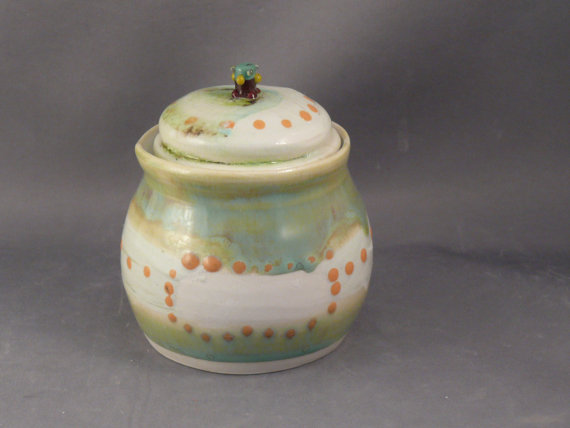
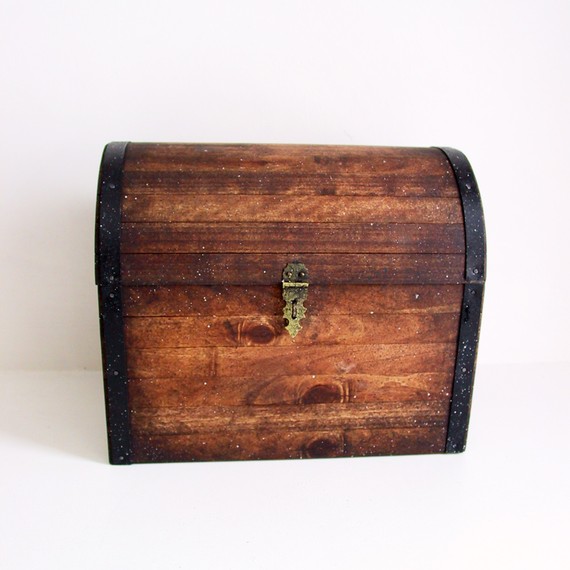
Maintain a special trunk, box or storage container as a personal history cache for each child. Keep copies of photos, artwork, letters, special ticket stubs and programs, mementos such as a forgotten toddler toy, notes about the child’s humorous sayings, a lock of hair, even a few baby teeth saved from the Tooth Fairy.
Indulge in biographies and autobiographies. This is a great way to learn how the conditions of the time impacted individual lives. It also gives insight into character formation. It’s helpful to let your child choose who he or she would like to read about. Even if your child tends to prefer specific biographies, say only sports bios, he’ll be learning how different eras shape a person’s life.
Gain perspective by playing historical games. Playing long-forgotten games helps us recognize that people in earlier eras were also youngsters who longed to have fun. For example, nineteenth century immigrant children in crowded U.S. cities played games that fit on stoops, sidewalks or a section of the street. Classic pastimes like stickball, scully (bottle caps), marbles, and hopscotch were inexpensive amusements for children even in the poorest families. Enjoy games from other cultures. Check out or the book Kids Around the World Play!: The Best Fun and Games from Many Lands by Arlette N. Braman
Value stories from your own family history. Tell your children stories of your childhood and what current events were going on at the time. Solicit stories from older members of the family. Encourage your children to ask their elders questions such as, “What made your family come to this country?” and “What was your first job?” and “What was it like when you were my age?” Display photos of ancestors and mention what you knew of their history. This provides children with a sense of continuity. It also helps them recognize that those who came before them contributed to who they are now.
Record oral history. Family members are a good way to start, but consider those in the community as well. Everyone has stories to tell, it’s a matter of finding out what topics are the catalyst. Be prepared with questions but remember to avoid interrupting. Start out with comfortable topics and work toward any that may be more intense. Let the interviewee talk and the conversation go in unexpected directions.
You may want to collect oral histories of a specific era, relevant to your ancestry or on a topic of interest. Augment this oral history with photographs, music and artwork.
Springboard into history using interests. If your daughter is an adventurer at heart, she can learn how explorers, inventors, navigators, and wanderers changed the course of history with the same intrepid desire to “find out” that she has. If your son likes cartoons, he can discover similar drawings made for political commentary, social satire, and storytelling that show such artists as unafraid to advance ideas through deceptively simple sketches. Those earlier cartoonists made the medium what it is today.
There’s a historical angle to any interest. Whether your child has a passion for airplanes, stand-up comedy, glassblowing, or skiing there’s a back story to be discovered that makes history relevant to who your child is right now.
Act it out. Learning about Napoléon? As a child the future emperor was bullied by older students, that is until he led younger boys to rout their elders in a successful snowball battle (hinting at his nascent leadership skills). It might look something like this. Dramatic moments in history are perfect to reenact in the back yard or park.
Learn about time capsules. Documents and artifacts are vital historical evidence. Sometimes such evidence is discovered hidden away in an attic, trunk or archeological dig, creating a kind of unintentional time capsule. Many people leave time capsules, either to be opened themselves a few decades later or to leave for future generations. Make a time capsule together, filling it with personally and historically relevant items.
Learn about Golden Record included in both Voyager spacecraft launched in the late 1970s. Find out what it included and why. This message was sent along: “This is a present from a small, distant world, a token of our sounds, our science, our images, our music, our thoughts and our feelings. We are attempting to survive our time so we may live into yours.”
Put yourself in history with fiction. Good books help young people imagine themselves in another place or era. Try an activity mentioned in the book such as darning a sock, shooting a slingshot, or foretelling the future through dreams. A Book in Time offers a chronological list of children’s books, plus crafts and other project ideas.
Time travel. Ask yourself “what if” questions to stimulate thinking about different outcomes. “What if the Black Plague never occurred?” or “What if the Allies had lost World War I?” Ask what event or decision in history you would most like to see altered, and why. Ask what person from the past you would most like to meet, and what you would ask him or her.
Let periodicals bring history to your door. A freshly delivered magazine is enticing. There are wonderful historical and cultural magazines for children including Calliope: World History for Kids, Cobblestone: American History for Kids and Faces: People, Places and Cultures.
Make a gift of family history. Give the tiny leather case with great grandma’s reading glasses to your daughter, along with your memory of this lady who loved to write. This might mean a great deal to a teenager who harbors ambitions of becoming a novelist. The pocketknife from a great uncle who left to seek his fortune as a merchant marine, and who sent letters from ports all over the world may be a meaningful gift for your son who talks of setting off on his own travels.
Cook historically. Try some of the characteristic foods and preparation techniques from the past. Cook stew over a fire, taste plantain, make hasty pudding, grind buckwheat. Ever wonder when people began eating certain foods or developing distinct recipes? The Food Timeline offers a look back, with each foodstuff clickable to an historical article.
Hold a fair. Some homeschool and enrichment groups have a yearly fair oriented toward history or social studies. Consider a biography fair, genealogy fair, history fair, or international fair. For example, at an international fair each young person sets up a display for the country or region they’ve chosen. They might have posters, projects, foods to sample, crafts and interactive activities. Each participant comes prepared to lead a game from the country they studied, making the fair a lively event. Some groups might also require each participant to provide a hand-out so that everyone leaves with information about all countries featured at the fair.
Visit graveyards. Cemeteries have stories to tell. Children can learn about family size, immigration and wartime. They can look for the most unusual names, notice the frequency of childhood death in different eras, write down interesting epitaphs. Discuss in advance the necessity for showing respect for gravesites and acting with decorum.
Oakland Chinatown StreetFest
Explore the impact of culture. Immerse yourself in a culture’s art, music and stories. Learn about legends and beliefs. How do these aspects affect the way those people organized their societies and lived their lives? Who would you be in that society? How would your worldview change if that were your culture? Notice similarities and differences in current times.
Look at your life as an historian or anthropologist might. What’s called “folklife” is simply the everyday creativity surrounding us right now. Jump rope chants, ghost stories, jokes, the way your parents or grandparents warn you to behave, celebrations and daily rituals—these are folklife. The memories you are building right now are history in the making.
I am burdened by positive motivations. I am convinced that I’m on this planet to spread peace, deepen truth, and create joy. Unfortunately details get in the way.
This is my daily to-do list:
1. Live fully
2. Work for the greatest good.
3. Make family life about levity as well as empathy.
4. Minimize my addiction to books (or at least pretend to listen to people who interrupt me while I’m reading).
5. Emphasize creativity, ethical truth, and deeper spiritual meaning in all I do.
6. Floss
7. Oh yeah, stand up straight.
See what I mean? Where is the time for all that bigger peace, truth, and joy stuff? When am I gonna change the world?
Other things get in the way too: the pesky allure of social networking, earning bucks to pay bills, making cheese and herbal tinctures, doing laundry, walking dogs, watching foreign films, plus lying awake nights thinking about my quest. I let these things block my life’s work all the time.
This path I have taken, entertaining grandiose visions while submerging myself in mundane necessities, is contradictory but comfortable. I’m too comfortable with those contradictions.
I’ve been known to blame this on my parents. They were the loving, nurturing types who encouraged their offspring to believe they could accomplish anything. Anything? That’s a heavy burden to carry around.
I’ve blamed society, the society that promises success to those willing to sacrifice important things like relationships and health.
I’ve blamed the Do What You Love, The Money Will Follow mentality which deluded me into believing that I could work at saving the world, get a paycheck, and still be home in time to make a healthful dinner brimming with those all important omega 3 fatty acids.
I’ve taken refuge behind my theory about stages in life, this being my Busy With Everything stage and my Noble Heroine stage coming up at some nebulous time in the future.
But I’m on to my newest excuse—–beneficial thought waves. I run errands, but my mind is sending loving energy to those suffering from fear or pain or despair. I sit through a meeting, but I am praying for the wholeness of the planet. I do laundry, but I am meditating on Unity of All.
I remain convinced I’m here to carry out my quest, yet how much is still undone weighs on me.
The principles of non-violence are little known and desperately needed. Here’s a simple take-away lesson. One major characteristic of violence, verbal as well as physical, is that it tends to escalate. It is most easily reversed at the beginning and becomes progressively more difficult to stop as it spirals into more intense violence. Those who study the effects of intervention in violent situations have found that when others object or actively intervene, their efforts tend to slow or stop the violence. Dr. Ervin Staub, who survived under Nazi rule, reports in The Roots of Evil, that the Khmer Rouge in Cambodia and the Nazis in Germany began their campaigns of genocide with small persecutions which citizens allowed to continue. He reports that action by “bystanders” (those who are not victim or perpetrator) empowers the victim and diminishes the power of the aggressor. But ignoring the suffering of others allows the violence to escalate.
We’ve seen this principle in action more recently. Hate talk spread unchecked across all forms of media played a major part in creating the horrific ethnic violence in Serbia, in Rwanda, and in the Congo. Yes, there were reasoned objections but they weren’t loud enough or frequent enough to turn the tide.
Hate talk and repressive policies put into place sounds familiar. Today Muslim headscarves are banned in France, the construction of minarets are banned in Switzerland, Muslim travelers are profiled, and pundits advance the cause of prejudice unchecked. And now, the recent horrific acts of violence by Anders Breivik, an anti-Muslim terrorist.
Step beyond a limiting cultural framework. If you have no Muslim friends, seek to make them in your community.
Take action when newscasters and pundits utter anti-Islamic rhetoric. Contact the network with your objections. Also let the sponsors of the show know you’ll boycott their products if these violations continue.
Take action when politicians use anti-Islamic rhetoric. Contact them to explain you’ll be voting them out of office.
Actively object if you hear anti-Islamic rhetoric in a personal conversation. Silence is generally taken for agreement.
Actively object if you witness prejudice against any Muslim person. This means intervening in your school or workplace as well as in public. Here are some tactics for non-violent intervention.
Today is a wonderfully ordinary day. Lots of laughter and no squabbles. Will we remember any of it? Probably not.
It’s hard to understand why we hang on to some memories but not others. The process isn’t about how much effort or money we expend trying to make something memorable.
Long-term retrievable memories are built by what we notice, fully notice, with our minds as well as our bodies. (They aren’t made when we multitask.) Look back at any particular memory. What you recall is constructed from the sights, sounds, tastes, thoughts, and feelings unique to your experience. The way you pay attention to those elements forms your memories. The shocking part? Looking back and realizing how few rich and full memories we really form.
That’s because we only really latch on to memories when we pay attention. When we’re engaged in the moment. Recall the last really memorable meal you had. It probably wasn’t one you ate in the car or standing at the kitchen counter. It was one you savored with full awareness of flavor, texture, scent. Most likely there were other important elements as well. Perhaps it was a meal shared with a new friend or made from a challenging cookbook. Perhaps it was a last meal you had before a loved one passed away, a meal you now try reconstruct in detail.
Emotion plays a part in memory formation. And our five senses are integral when forming strong memories.Particularly smell, perhaps because the olfactory bulb is closely connected to the hippocampus (related to learning) and the amygdale (related to emotion).
For years I’ve encouraged my family to take “sensory snapshots.” We may be standing out back together, having just finished stacking firewood (because togetherness on our little farm often has to do with work) and I urge them to remember the moment in their bodies as well as their minds. We notice the scent of blackberry and milkweed blossoms, listen to frogs croaking in the pond, feel the evening’s coolness on our skin, look at the fireflies beginning to arc through the dusky sky. I don’t just want the moment to linger, I want to be able to retrieve it long after today. I want to hang on to our easy banter and feeling of shared accomplishment.
That’s where memory-storing traditions come into play. Yes, it’s easier than ever to take photos and videos. But there’s something about writing down our impressions that augments the process of locking them into place.
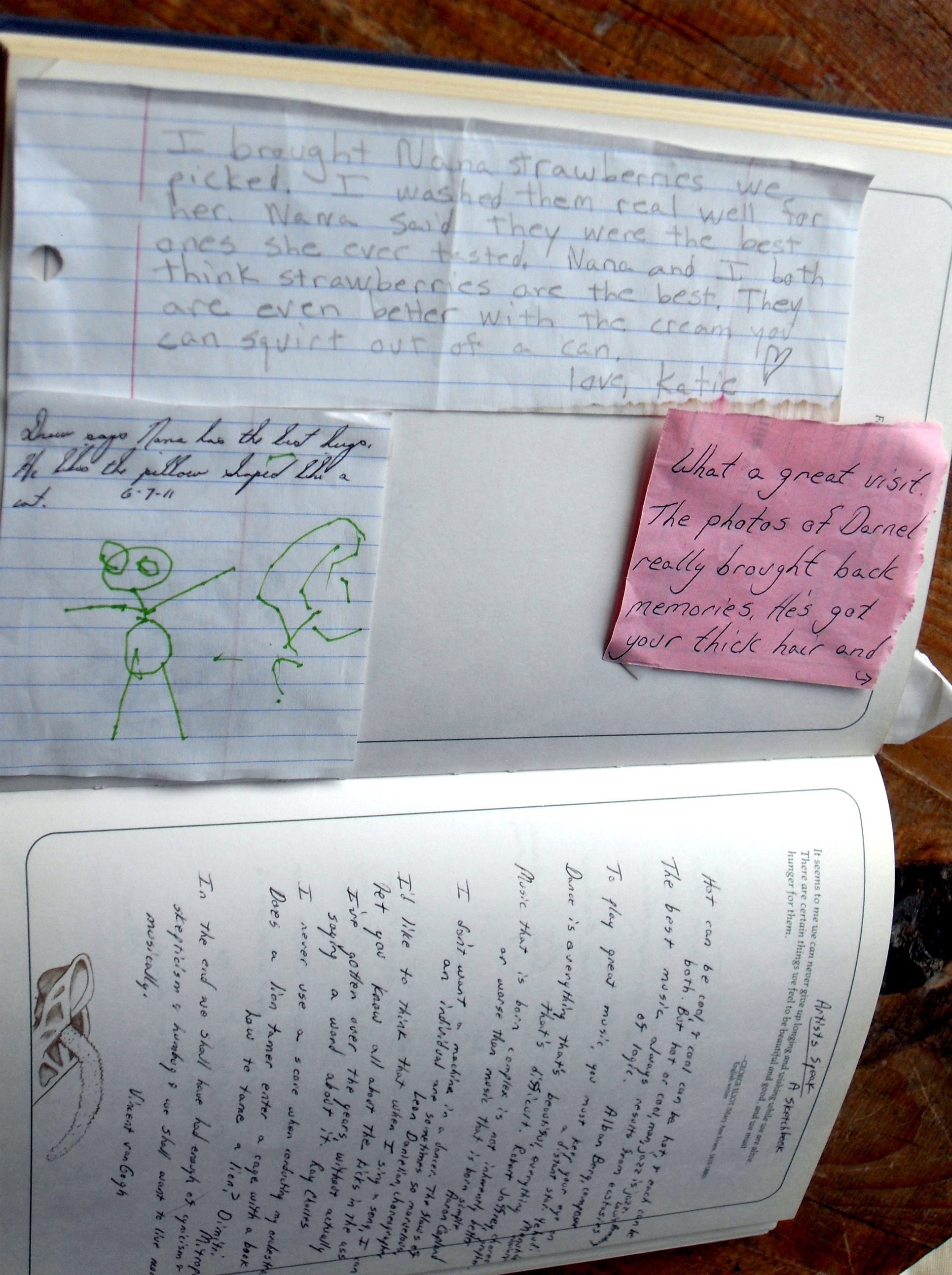
One tradition you might want to start in your family is a memory jar. Grab any jar, name it the Memory Jar, and keep it in an accessible place. Filling it is pretty easy. Encourage your family members to scrawl memories on any piece of paper, sign their names, add a date if they can, and stuff these memory scraps in the jar. Let the youngest ones dictate their memories to you and pop them in as well.
You’ll be interested to note what different family members regard as significant enough for the memory jar. Good grades on a test probably won’t get in. Watching the neighbor’s puppies born probably will. Your five year old may stuff in a new memory each day, your teenager may add one only at your prompting, you may tend to write down funny things the kids say. But if they’re not noted and saved, chances are they’re lost.
It’s helpful to have a “no grudge” rule. Memories don’t have to be happy, of course. The most powerful are probably those that aren’t. Your daughter may write,
“I was really scared when Max fell off the slide. We went right from the park to the hospital. We waited a long time and I fell asleep watching a TV high on the wall. Max got a green cast on his arm and I was first to sign it. I was mad my name didn’t come out too good because it’s not easy writing on a cast. The letters are kinda bumpy. We were so hungry Mom stopped for ice cream on the way home. I got peach, Max got chocolate chip, Mom got a smoothie. I think it would be fun to have a cast too but I don’t want to fall off a slide to get it.”
There are plenty of options that go along with opening and sharing the tidbits from your Memory Jar. You might choose to have a memory ceremony once a year. That’s a day when the jar is opened and the memories are read. You might want to do this on Thanksgiving, New Year’s Day, or every July 13th because that’s your family’s yearly Dad Finished His Tour of Duty party.
And you’ll want to store these memories safely. It’s easiest to start a new jar every year. Label last year’s jar and tuck it in the back of your closet. If you’re ambitious, carefully scrapbook each slip of paper next to photos or turn them into a photo collage to hang on the wall. Or, your family may prefer to keep adding to a collective jar of memories without going over the contents together, happy to make the jar a sort of time capsule to be opened well into their adult years.
While a memory jar is well-suited for family use, there are other great ways to use this random-memories-on-scraps-of-paper approach.
For couples, why not start a Memory Bank? This is best made with an opening no bigger than a piggybank. This way the memories each of you contribute can’t be fished out and read in private. It’s a way of noting little tidbits about your lives together without the pressure to contribute. Of course a “no grudge” rule is still important. And when a Memory Bank is shared by a couple, it’s best to make it a long-term project. Vow to keep it sealed until your 25th anniversary or some other far off date. By then neither of you will care if she contributed 95% of the memories, you’ll both simply have fun going over recollections you thought were long gone.
Perhaps the best impetus for storing and retrieve memories is in partnership with the oldest members of the family. On each Father’s Day card I used to share a reminiscence about my childhood to let my Dad know how much he factored into my happiness then and my resilience now. I thought I was doing it for him but I know now that sharing these memories was one way I strengthened a link with someone so dear to me.
You can keep track of up-to-date memories with the elders in your family using a Memory Book, one that’s always open. A large format blank book is especially good for this purpose. With each visit write down a recollection (old or new) to paste in the log book. Add drawings and photos. If you’ve exchanged memorable phone calls, texts, and other communications remember to add notes about them when you visit. The Memory Book is a warm reminder of your affection. It’s also helpful if your loved one is in an assisted living facility or nursing home because other visitors can flip through the pages, starting conversations by talking about these and other memories while making new ones.
Thinking about the ways we form and hold on to memories is inspiring me to have more fun with my family than stacking firewood!
Sophie is a single mother raising a five-year-old boy. She’s working to establish her own house cleaning business after losing her job nearly two years ago. Sophie and her son live in a small trailer home.
Marissa and Jack run a thriving dental practice while raising five-year-old twin daughters. They live in a suburban home on several acres.
The five-year-olds from these families are at opposite ends of the economic spectrum. But their parents are raising them in remarkably similar ways. Frugally.
Although Sophie would prefer a more reliable income, she wouldn’t spend a cent more than she already does on herself or her son. She adheres closely to simple living tenets. Sophie grows as much food as possible in a community garden plot and makes meals from scratch. She and her son fully enjoy the free benefits of the local library and park system. On weekends, Sophie’s folk band crowds into her trailer for practice sessions. Her son is already learning how to play the harmonica and fiddle. Sophie believes he should rely on his imagination for fun rather than on toys. When she does buy him gifts, they tend to be modest items such as crayons or socks, or ones that have long- term use such as simple tools or sheet music.
Marissa and Jack choose to live simply in their own way. They buy clothing and their children’s playthings from thrift stores, exchange only homemade gifts, and emphasize having fun outdoors. They carefully consider expenditures based on their ethics. Health is a priority, so they buy only organic foods and belong to a CSA. Supporting the arts is another priority so they invest in original works to hang on their walls and regularly attend plays, concerts, and gallery events. They strongly believe in the importance of international travel. When they go to far-off places, they get around by bike or local mass transit, a method they find brings them closer to the cultures they’re visiting.
Many of us are living more frugally. It certainly eases financial strain. It also makes a difference in wider ways, from reducing our ecological footprint to promoting social justice.
Today’s relentlessly materialistic culture tells young people in every way possible that their identity is built on wearing, playing with, and using the very latest consumer products. That’s a heavy tide to fight against on the home front. But that tide is worth turning.
Living simply puts the emphasis on exactly the conditions that are best for our kids, now and as they grow into adulthood.
Shelter From Commercialism
Humanity has always raised her children with the stories, foods, rituals, and values of particular meaning to the people close to them. While there are undeniable benefits to today’s connections and conveniences, a major drawback is the way advertisers have insinuated themselves into the lives of even the youngest children. Nowadays, a child’s stories, foods, rituals, and values are more likely than ever provided by the marketplace. And we know what’s preached there – that meaning comes from what can be bought.
Every year, a 15 to 17 billion dollar marketing industry is aimed at our kids. That money is spent because it’s effective. It’s estimated that 565 billion dollars in purchases are influenced by four- to twelve-year-olds.
Susan Linn, who teaches psychiatry at Harvard Medical School, notes in Consuming Kids: The Hostile Takeover of Childhood, that psychological and neurological research is used to exploit the vulnerabilities of children. She writes, “The explosion of marketing aimed at kids today is precisely targeted, refined by scientific method, and honed by child psychologists – in short, it is more pervasive and intrusive than ever before.”
These strategies are not only employed in advertising itself but are embedded in Internet sites, video games, television, and movies. They’re designed into packaging, implicit in many playthings, and nearly ubiquitous in schools.
Those of us who live simply shelter our kids in different ways and to differing degrees. No matter what approach we take, it’s neither possible nor desirable to shelter teens the same way we shelter toddlers. That’s why it’s vital to raise our kids to be critical thinkers with a strong sense of self. Then they’re empowered to make their own fully informed choices.
Delayed Gratification
This is a biggie in the “you’ll thank me later” department because kids who are able to delay gratification are much more likely to do well as they grow up.
We model delayed gratification each time we choose to save, make do, or make it ourselves. We demonstrate it when the whole family adds coins to a jar until there’s enough to finance an anticipated event. We teach it when we help children find ways to earn and save for their own aims. And we show that it’s expected whether our kids have to wait to see a movie until it’s available at the library or wait until the next birthday for a new pair of jeans.
This may seem negative, particularly when popular culture constantly screams “have it now” and “get what you want.” But there are enormous positives. Our children become familiar with the pleasures of anticipation, which multiplies the eventual delight when a goal is reached. They also begin to internalize the ability to delay gratification. In multiple studies (cited in Daniel Goleman’s book Emotional Intelligence) children who were able to defer gratification grew into teens and young adults who were more socially competent, better able to deal with frustration, more dependable, reached higher educational attainments, and were effectively able to make and reach long-term goals.
Delayed gratification is related to impulse control. Research shows that a child’s ability to control his or her impulses at an early age is predictive of success even decades later as a healthy, financially stable, and positive member of the community. There are many ways to help kids gain the positive coping skills that help them control their impulses and delay gratification. It may be about waiting, but the outcome is extraordinary.
Happiness
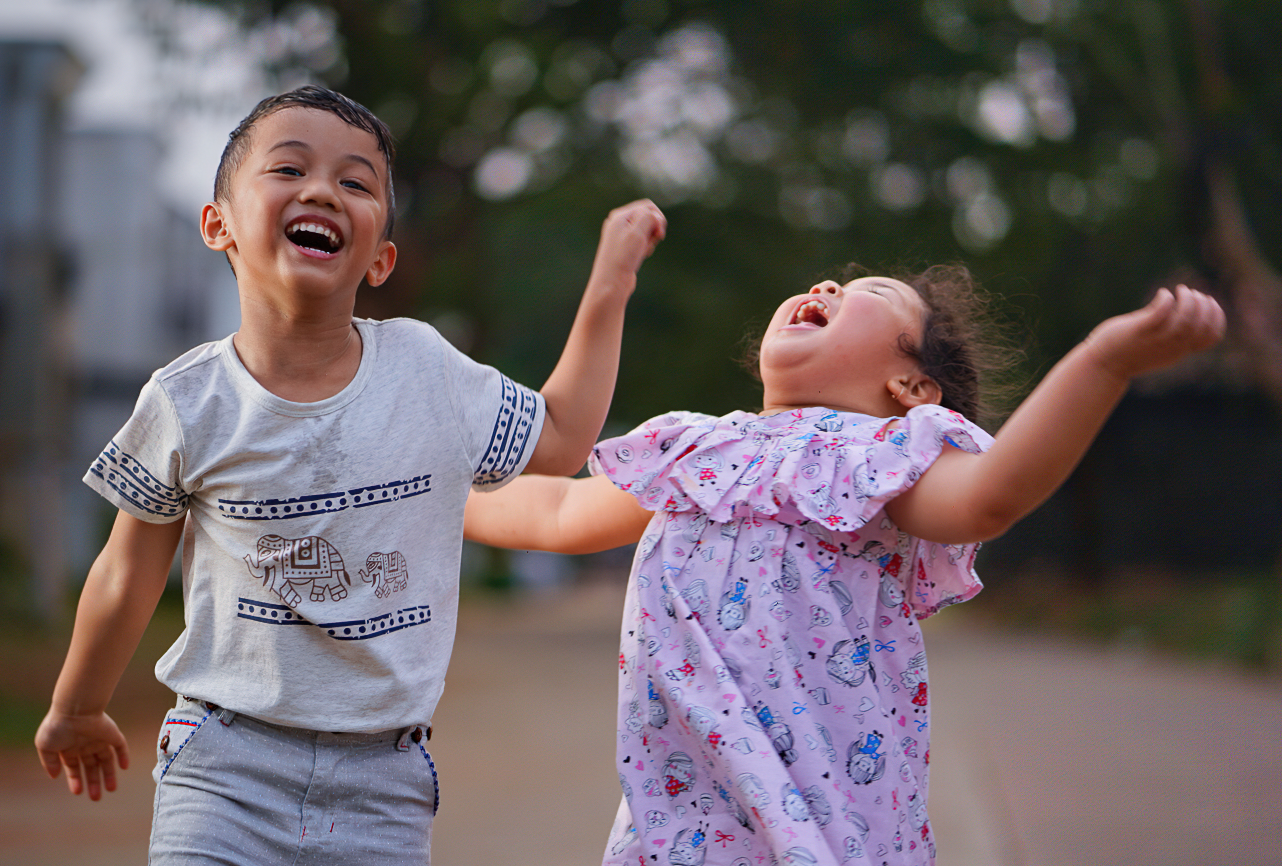
Despite advertisers’ images of happy children playing with new toys and giddy teens dancing in designer hoodies, the facts are glaringly obvious. Things don’t make us happier. Children seem to understand the “time is money” conundrum. When their parents spend more time away from home earning an income, they have less time to spend with the family. In a nationwide poll of American kids ages nine to fourteen, ninety percent said they’d prefer increased time with friends and family over material possessions. And when asked if they could have one wish to change their parents’ jobs, sixty-three percent said they would like their mom or dad to have a job that gave them more time to do things together. Only thirteen percent wished their parents made more money.
The more materialistic young people are, the unhappier they tend to be. According to research cited in The High Price of Materialism by Tim Kasser, people who hold materialistic values are more likely to suffer from a whole dumpster load of problems. This includes aggressive behavior, insecurity, depression, low self-esteem, narcissism, even physical maladies. And when people place high value on material aims, they’re prone to have trouble with interpersonal relationships and intimacy. Materialism is also related to less independent thinking and lower value placed on being “true to oneself.” Of course, we want to spare our kids this festering personal mess.
How? We recognize that a sense of well-being depends on intangible qualities like warm interpersonal relationships and reasonable autonomy in one’s choices, exactly those things that money can’t buy. But what’s interesting is that materialism and unhappiness seem to “cause” each other. We all know people who exemplify this. Unhappy people tend to seek status and satisfaction in more transitory ways such as acquisition and appearance. When they do, they feel a temporary boost in happiness, which reinforces even greater materialism.
Studies show that happiness has much more to do with experiences than with possessions. A family camping trip will provide more lasting pleasure than a large purchase. That may be due to the way we access memories. Long after the experience is over, we have fuller sensory-based recall that’s invariably richer than any a purchase can provide.
It’s important to model a cheerful approach to simple living for our kids, but that’s not enough. To ward off materialistic attitudes, our children need the personal strength found in the self- worth that comes from supportive relationships and a sense of accomplishment. In a marvelous example of synchronicity, these are precisely what simple living reinforces in our daily lives. We consciously choose to do for our- selves, to spend more family time together, and to focus on active rather than passive entertainment.
Creativity and Enthusiasm
Many adults seem determined to keep kids busy by enrolling them in supervised activities. And they provide kids with plenty of distractions like toys, video games, and television. Unintentionally, these efforts teach children that fallow time is undesirable. But brain studies show that daydreaming, contemplation, even that uncomfortable condition we identify as “boredom” is vitally important. These natural periods of down time are necessary to incorporate higher level learning and to generate new ideas.
If we expect children to resolve their own boredom without resorting to electronic or other distractions, we help them access a wellspring of ideas that seem to come from nowhere, a wellspring they discover within. Frugal living is one way to preserve a slow pace and minimal distraction load, letting our children become familiar with generating their own ideas.
When we live frugally, we also tend to avoid popular methods of “enriching” our children’s lives such as academic preschool, specialty classes, coached sports, and other paid programs. That saves on fees. It also fosters the kind of expansive learning that’s natural for our species. Research continues to show that when adults are highly directive and exert influence even in the form of rewards or evaluation, their efforts actually diminish a child’s motivation, enthusiasm, creativity, and ability to innovate. Well-intended efforts to hone a child’s abilities through early instruction tend to be counterproductive.
That’s also true of play. Our kids don’t need expensive toys or games. Children’s creativity and resourcefulness flourish when they play without the structure imposed by most playthings. Imagination flows freely when they use what they find in the backyard to play act, build hideouts, or create their own games. In contrast, a toy linked to a movie release or a game with structured rules has predetermined uses and children are much less likely to innovate.
Stuart Brown and Christopher Vaughn write in Play: How it Shapes the Brain, Opens the Imagination, and Invigorates the Soul that, “play lies at the core of creativity and innovation.” It enhances development in areas such as emotional health, social skills, motivation, confidence, a sense of justice, and much more. Young people who maintain a playful nature into adulthood are, according to Brown and Vaughn, remarkably well suited for success. A playful adult is more flexible, humorous, optimistic, and efficient. They note that throughout life, “the ability to play is critical not only to being happy, but also to sustaining social relationships and being a creative, innovative person.”
When our frugal homes provide plenty of raw materials necessary for play without up-to-the-minute popular toys, we’re putting into place the best conditions for sustaining creativity and playfulness.
Self-Reliance And Responsibility
There’s a resoundingly positive impact on our children when we include them in the real work of maintaining our family home, yard, vehicles, and more. Children growing up in frugal households often have regular chores. While some complaining is natural, chores help children understand how things work. They see the benefits of saving as they do calculations for the family budget. They recognize what happens if they forget to take the dog out or don’t bring the laundry in from the line before it rains. They take extra pleasure in the warm fire from firewood they helped to stack. Chores also enable children to master useful skills that will help them become more self-reliant adults.
Taking on early responsibility brings long-term consequences. A study, starting in the 1930s, followed men from young adulthood to death. These men had very different lives; some were affluent Harvard graduates and others were impoverished inner city residents. The men who helped out with regular tasks starting at a young age were most likely to enjoy stability and good mental health.
And there’s more evidence. A long-term study followed children from early childhood to their mid-twenties. What led to success? Balancing all other variables, it was found that the best predictor of a young adult’s success was participation in household tasks at a young age. And we’re talking resounding success – including educational attainment, high intellectual capabilities, a career, and good relationships with family and friends.
The optimum age to get started is three or four years old. According to researchers, starting in the preteen or teen years doesn’t have a strong association with success, although children who take an active role early continue to help out as teens. It’s important to gear the task to the child. Parents should take care to present tasks that aren’t too difficult and that fit the child’s learning style, and not to “pay” for tasks directly or through an allowance tied to the work. Researchers also suggest that children be involved in choosing tasks, perhaps through family meetings or rotating chore charts.
They key to success may also lie in the sensory riches gained by hands-on tasks. Those of us who live simply tend to do more for ourselves. We may grind our own grain and make our own bread, we may raise chickens and barter the extra eggs for a local beekeeper’s honey, we may fix rather than replace what’s broken. And when our kids take part they also gain learning experiences that apply to many other areas of life.
Neurologist Frank Wilson explains in The Hand: How Its Use Shapes the Brain, Language, and Human Culture that brain development and hand use is inextricably connected. And Wilson found a transfer effect. As he studied people who were masters in all sorts of fields (surgeon, puppeteer, and guitarist to name a few), he found each of them had engaged in regular hands-on efforts during their formative years. Whether they grew up doing farm work, playing a musical instrument, or helping grandpa build birdhouses,Wilson says the hand-brain link activated “hidden physical roots . . . of passionate and creative work.”
Starting our kids on tasks at an early age blesses them with self-reliance and a greater likelihood of success. It also demonstrates to them day after day that their efforts are needed. A child can see the outcome of his or her efforts in a meal the whole family worked to get on the table. It feels good. It feels even better is when a parent says, “Thanks, I couldn’t have done it without you.” There’s not a commercial product out there that can create the same genuine satisfaction.
Sophie’s little boy and Marissa and Jack’s twin daughters know that satisfaction. Their young lives have ample time for play, working alongside adults, and warm family conversation. The children soak up their parents’ values while learning and growing largely free of commercial influences, at least for now. Their parents have never met each other but they have the same focus. They see simple living as an integral way to bring forth a more conscious and life sustaining future for their children.
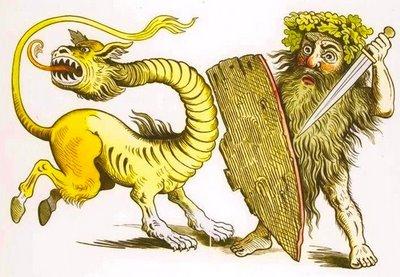
Interesting problems and exciting risks are life’s calisthenics. They stretch us in directions we need to grow. Children are particularly oriented this way. They think up huge questions and search for the answers. They face fears. They puzzle over inconsistencies in what is said and done around them. They relentlessly challenge themselves to achieve social, physical, or intellectual feats that (from a child’s perspective) seem daunting. They struggle for mastery even when dozens of attempts don’t provide them any success. It’s a testament to courage that they continue to try.
Illustration from ”Lustige Gesellschaft” by Franz, Count von Pocci
Sometimes children are accused of “looking for trouble” when they simply yearn to vanquish dragons of their own making. A child’s desire to challenge him- or herself is at times as unrelenting as physical growth.
As adults we do this in our own way. If we don’t have enticing challenges, we may develop a state of mental friction to compensate. It seems to be a very human trait to clutter up our days with trouble if we have no more engaging prospects. We worry, rehash old issues, overreact, or find complications where there may be none. As the roots of a plant become more tightly entangled once they are pot bound, an individual without the freedom to take on greater challenges often gets caught up in the same confining struggles.
Image by Keith Williamson
One thing we can learn from children is the way they are attracted to dilemmas that help them learn and grow. Children who are nurtured in a healthy, free range learning environment are invigorated by the challenges they seek out. They expand their own frontiers on a comfortable, self-regulating timetable. Perhaps people of all ages define themselves, in part, through the challenges they take on and the way they resolve those challenges.
Oftentimes we deprive children of normal day-to-day challenges because of our own time constraints. As adults we are often distracted and focused on moving forward. It takes considerable tolerance to keep from stepping in and doing for children what will take them much longer to do for themselves, such as solving problems, making choices, completing tasks, and accepting the consequences. But when we recognize that even these small challenges are catalysts for growth, it is easier for us to step back and let children face them as they occur. These are normal stressors. Dealing with them gives children the critical experiences that lead to self-reliance.
pdphoto.org
So much about today’s “managed childhood” has developed in order to prevent young people from making mistakes. We think we know the prescription for success, but as we’ve seen, a one-size-fits-all approach doesn’t allow individuals to thrive. It also denies them the very human right to learn in the way best for them and to listen to the callings that prompt them. The “right way” to proceed in our culture usually means health, popularity, good grades, attractiveness, college degree, career, marriage, mortgage, and so on. We’ve created these societal expectations largely to cushion our youth from mistakes. But error is inevitable even if we avoid all risks. That narrow, preordained path is anathema to genuine experience. Setting rigid standards for children sends a message. It says to them that failure is the worst outcome and that our acceptance is conditional.
What we might do instead is recognize that courage is required to go one’s own way, that mistakes are inevitable, and that the outcome is authenticity. The real challenge lies in accepting each person’s possibilities. That’s how each of us proceeds when we do what we can with what we have in order to live our lives fully. The path not taken may be the journey regretted forever. That’s why we need to honor mistakes as important passages in our lives too. They help us face the next challenge with a wry smile and new determination, knowing another lesson has been learned.


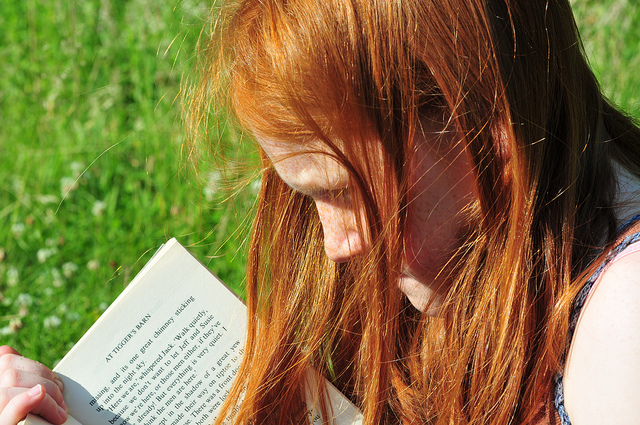
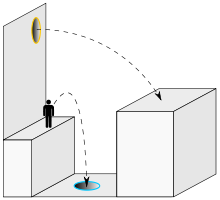


 by Richard C. Francis
 by Dawson Church
 by David Shenk








 by Betsy J. Green.

 by Kate Duke. For preteens, look into
  by Richard Panchyk.
 and Roanoke:
  both by authors Jane Yolen and Heidi Elisabet Y Stemple. For older youth, enjoy

 by Arlette N. Braman


 by Kathy Ceceri
 by Anne Millard
 by Philip Steele
 by Cathy Travis
 by Ellen Jackson
 by Phillip Hoose


 , that the Khmer Rouge in Cambodia and the Nazis in Germany began their campaigns of genocide with small persecutions which citizens allowed to continue. He reports that action by “bystanders” (those who are not victim or perpetrator) empowers the victim and diminishes the power of the aggressor. But ignoring the suffering of others allows the violence to escalate.
 by Chris Hedges and
  by Reza Aslan.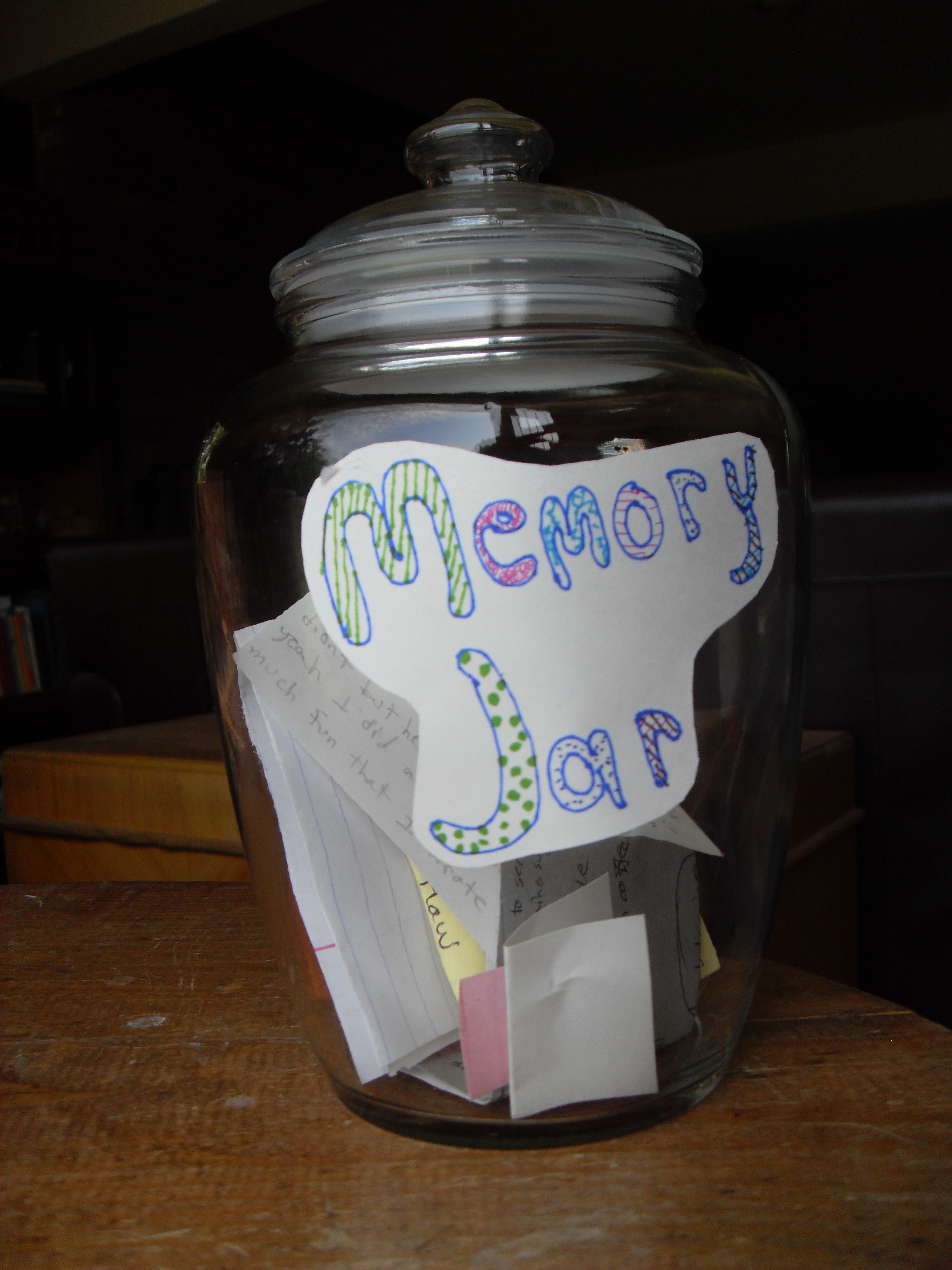


 , that psychological and neurological research is used to exploit the vulnerabilities of children. She writes, “The explosion of marketing aimed at kids today is precisely targeted, refined by scientific method, and honed by child psychologists – in short, it is more pervasive and intrusive than ever before.”
 by Tim Kasser, people who hold materialistic values are more likely to suffer from a whole dumpster load of problems. This includes aggressive behavior, insecurity, depression, low self-esteem, narcissism, even physical maladies. And when people place high value on material aims, they’re prone to have trouble with interpersonal relationships and intimacy. Materialism is also related to less independent thinking and lower value placed on being “true to oneself.” Of course, we want to spare our kids this festering personal mess.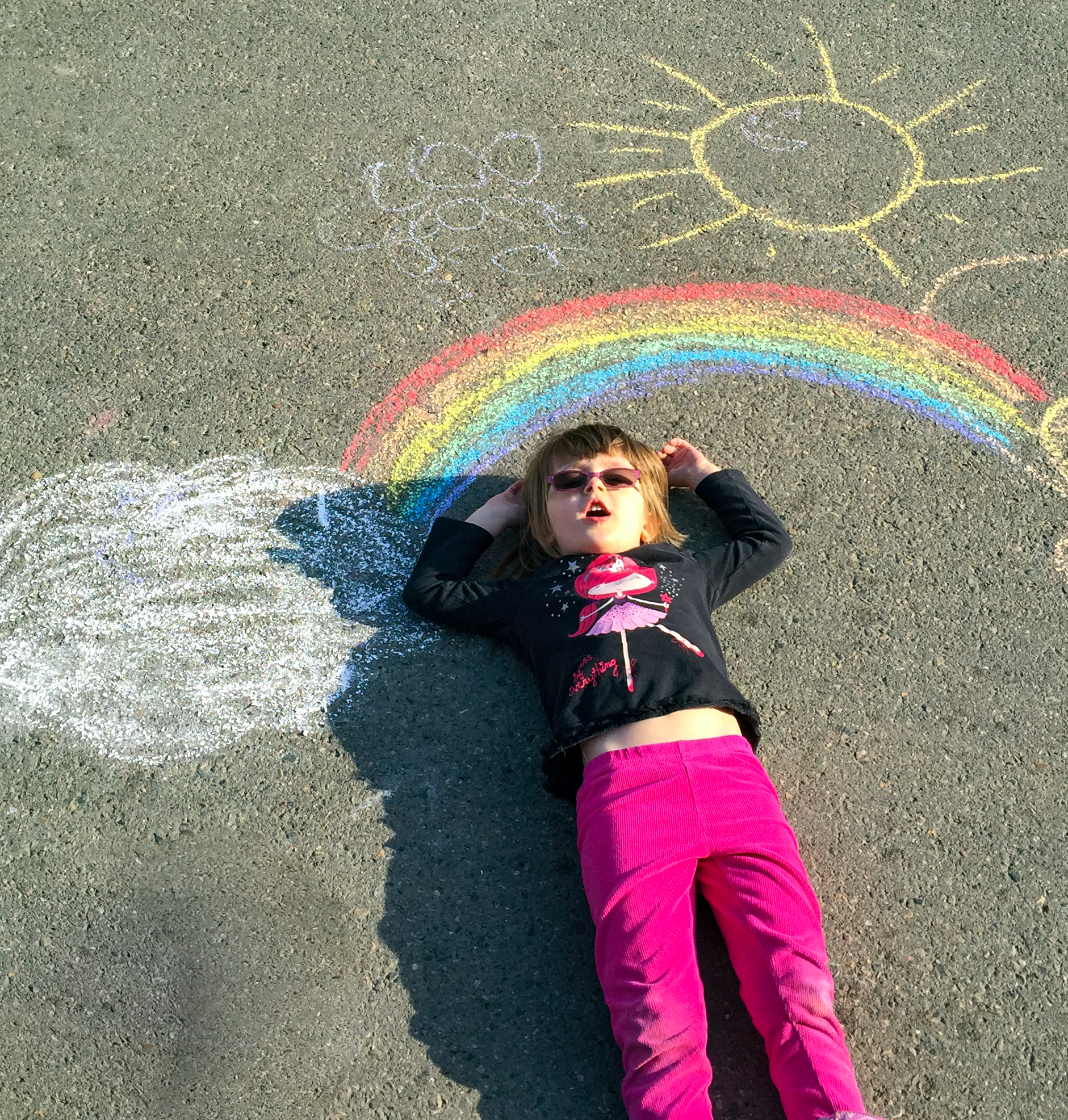
 that, “play lies at the core of creativity and innovation.” It enhances development in areas such as emotional health, social skills, motivation, confidence, a sense of justice, and much more. Young people who maintain a playful nature into adulthood are, according to Brown and Vaughn, remarkably well suited for success. A playful adult is more flexible, humorous, optimistic, and efficient. They note that throughout life, “the ability to play is critical not only to being happy, but also to sustaining social relationships and being a creative, innovative person.”
 that brain development and hand use is inextricably connected. And Wilson found a transfer effect. As he studied people who were masters in all sorts of fields (surgeon, puppeteer, and guitarist to name a few), he found each of them had engaged in regular hands-on efforts during their formative years. Whether they grew up doing farm work, playing a musical instrument, or helping grandpa build birdhouses,Wilson says the hand-brain link activated “hidden physical roots . . . of passionate and creative work.”




 Laura Grace Weldon