Play Outside After Dark

The word "lunar" derives from lunaticus, meaning "of the moon" or "moonstruck".

The word “lunar” derives from lunaticus, meaning “of the moon” or “moonstruck”.

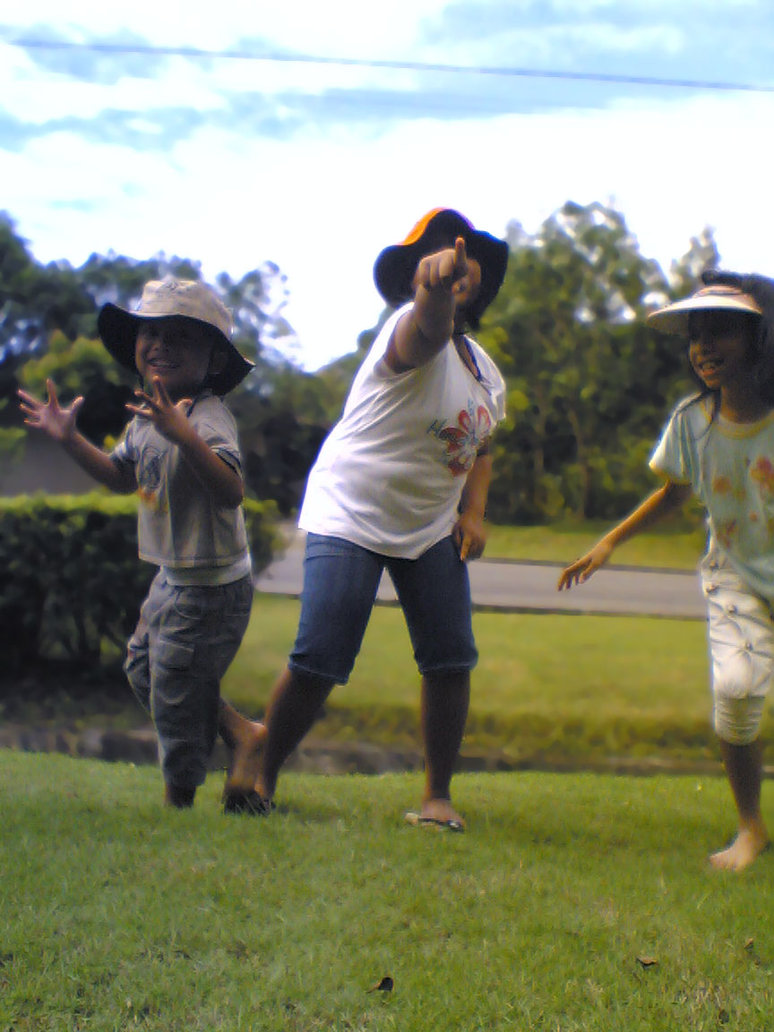
The wheel of the year is turning toward shorter days. Early darkness adds a whole new dimension to the evening. There’s something magical about being outside as the sun goes down and dusk turns to night.

Tonight, go outside.

It might bring on awed contemplation. It might inspire conversation. It might turn ordinary fun into something extraordinary.  

Try one of these eleven ideas. They aren’t just for kids. Why not invite friends over or create a “backyard merriment” meetup or use some of these ideas for an upcoming family reunion? (The game Sardines takes on a whole different vibe when you’re playing with adults.) Free fun shouldn’t stop once childhood does.

“Play is the exaltation of the possible.” Martin Buber


1. Start the tradition of taking a walk when the moon is full. You’ll find inspiration in the delightful children’s books Owl Moon by Jane Yolen and Walk When the Moon Is Full
by Frances Hamerstrom. Our full moon walks are simply walks around the neighborhood, sometimes just around the yard. Familiar landmarks look different and the walk takes on a sort of enchanted feeling that only happens after dark.

2. Go outside and sing. Yes, really. It’s somehow more freeing to lift up your voice in the dark. I used to get together with friends who loved to go caroling any time of year. I know it sounds strange but it made an ordinary evening entirely celebratory. We waited until after dusk, then strolled nearby streets singing. (Rounds are particularly nice for anytime caroling.) After caroling a few times near Lake Erie we decided that singing to nature felt particularly wonderful and, if we weren’t by the lake, dedicated our songs to the trees and grass and sky. 

3. Sit around a fire. If you can’t build a campfire, use a fire bowl or fire pit. There’s something timeless about watching flames. Silence feels comfortable and thoughts drift. Each generation of our ancestors, stretching back to earliest humanity, sat before flames too. Perhaps the reflective mood evoked by fire has been passed down by those ancestors.

4. Eat outside. Take your dinner to the park or the beach or far in the back yard. If at all possible, cook some of it outside over a flame. Anything you cook together, outside under night skies, somehow tastes better.   

5. Shine a light onto the house or fence or a sheet hanging on the clothesline, setting the stage for some shadow puppets. Try hand shadow puppetry, called shadowgraphy or ombromanie, to cast moving images with your hands. Or put together some shadow puppets out of black posterboard and wire

6. Sleep outside on an open porch or in a hammock slung between trees or in a backyard tent. If your kids are small, sleep out there with them, maybe just one kid at a time for some special adult-child togetherness. When kids get older, let them do it on their own. One of my kids loved to do this when he was around eleven years old. He’d haul a tent and supplies as far out back as possible, taking along a camp lantern and books to read and plenty of food. He’d set up a tiny camp stove to make a late supper. Sometimes he did this alone, sometimes with friends. It’s a not-too-threatening way for kids to challenge themselves. For grown-ups, a night outdoors can be a much-needed respite from those distracting screens that take up so much of our time.

7. Go out on the steps or the swing or the grass to make music. When it’s too dark to see sheet music you’re more likely to improvise. Your neighbors probably won’t appreciate tuba practice at night but the soft chords of an acoustic guitar or sweet notes from a flute will flavor the air with mystery. 

8. Play with flashlights.  Darkness fun amps up when kids have flashlights. Everything looks a little different in that not-so-bright gleam. They’ll discover for themselves how creepy they look shining the light straight up from their chins or inside their mouths. For people of any age, flashlight games are fun. Here are two such games. 

Statues. One person is It and the other players strike a statue pose. The person who is It walks up to each player in turn, shines a light on them, and tries (without touching them) to make them laugh. First player to laugh is the next person to be It. Strange noises and silly faces will happen. 

Follow the firefly. One person is selected to be the firefly and hides outside in the dark, away from the other players. After counting to 20 everyone goes in search of the firefly, who is constantly moving around from hiding spot to hiding spot. Every 60 seconds, the firefly must quickly flick his or her flashlight on and off. When caught, a new firefly is appointed. This is best played with a small pocket flashlight so that the beam is not too easy to spot. For extra fun, and to reassure small children, let every player have a flashlight they can turn on and off but cover each light with different colored tissue or plastic. That way the yard will flicker with twinkling lights, but players concentrate on finding the color of that round’s firefly.  

9. Play after dark games. 

Sardines: This is like reverse hide-and-seek. One person is the hider and finds a place to hide while the rest of the players count to 50 with their eyes shut. Then everyone splits up to search for the hider. Once the hider is found, each person must squeeze into the same hiding spot along with the hider, being careful not to make any noise. The first person to find the hider is the next person to be the new hider. But that round isn’t over until there’s only one person left searching.

Ghost in the Graveyard: Designate the boundaries of the graveyard/playing field. Pick a home base where players can stand or all touch at the same time such as a large tree, front stoop, or back patio. Choose the ghost. Everyone but the ghost stays at home base while the ghost hides. Players chant, “One o’clock… two o’clock… three o’clock…” and so on, up to twelve o’clock, then shout, “Midnight! I hope I don’t see the ghost tonight!” Players leave the home base and search for the ghost. The ghost’s job is to jump out, surprise, and tag players. When anyone encounters the ghost they yell, “Ghost in the graveyard!” and try to run away. Home base is safe, where no one can be tagged. All the people who are caught also become ghosts and hide with (or close to) the original ghost. Continue the game until everyone is caught. The last person caught becomes the ghost for the next round.

10. Darkness lends itself to imagination, making it a perfect backdrop for telling tales. Try true stories, Darwin Awards, scary stories, funny stories, and tall tales. Don’t forget to share memories—of your kids as babies, of your own growing up years, of long-gone loved ones. And try round-robin storytelling. Someone starts off the story, then after adding a dramatic twist turns it over to the next person, and so on. The ritual of telling tales after it becomes too dark to work is nearly as old as language.

11. Look at the stars, not only to find constellations but to widen your perspective. The best way is to lie on your back, maybe in some nice soft grass. If you look long enough you’ll get the impression that you’re not facing up, but out, with the cosmos surrounding you. Possible bonus: shooting stars.

Look Up

nature exposure linked to nearsightedness, cloud appreciation, cloud collectors,

Summer. Perfect for lounging around doing nothing more than gazing at clouds. It’s a completely free pastime.

The traditional spot to indulge in this pleasurable activity is sitting in the grass. Better yet, lying on the grass. Stay there as clouds drift into view over treetops and roofs, slowly changing form. Linger long enough, you might insist you can feel the planet moving.

Looking at clouds is a perfect way to disengage from all the buzzing, ringing distractions that claw our attention to shreds. Those puffs of air vapor seem to invite contemplation. And that’s good. Daydreaming is so rejuvenating that it can boost creativity. It also helps us to relax, review emotion-laden situations calmly, generate new ideas, and get to know ourselves better.

When we let our minds wander, we’re in what neuroscience calls the “default mode network.”  An L.A. Times article titled, “An Idle Brain May Be The Self’s Workshop” notes,

“Just as sleep appears to play an important role in learning, memory consolidation and maintaining the body’s metabolic function, some scientists wonder whether unstructured mental time — time to zone out and daydream — might also play a key role in our mental well-being. If so, that’s a cautionary tale for a society that prizes productivity and takes a dim view of mind-wandering.”

Even when you don’t have time to lie in the grass, take the time to look up. You may notice there’s really no such thing as a less-than-fascinating sky. Raining, snowing, overcast, starry, it’s all lovely and always in a slightly different way.  It has to do with seeing, really seeing.

I learned this when I helped conduct a psychology study in college.  We went to urban office buildings and asked people two questions. First, we asked each person to describe his or her mood. Second, we asked them to describe the current appearance of the sky. These people were in their offices or hallways when we talked to them and the windows in most buildings were shuttered with horizontal blinds ubiquitous during that decade, so the only way they could have described the sky is if they had paid attention on their way to work or during a break. Here’s the interesting part. The people who identified themselves as pessimistic, angry, depressed or in other negative terms were also the ones unable to describe the sky’s appearance. You guessed it. The happiest and most optimistic people either correctly described the sky or came very close.

That study was never published, but research these days now indicates that pausing to experience nature in our daily lives is powerfully positive. Just a few minutes of regular exposure has been shown to improve our emotional and physical health. It leads us to be more generous, to enhance relationships and value community. The effect of nature, even looking out a window at nearby trees, seems to lead us, as one researcher noted, to be “our best selves.”

Go ahead, look at some clouds right now. You may see a cloud pig sailing a cloud boat. The sailboat may morph into French fries before the whole thing breaks apart into a shape resembling a bongo-playing octopus. Good thing the images we see in clouds aren’t a meterological Rorschach test.

stress relief, look at the sky,

Resources

Find out how nature-deprivation can affect your child’s eyesight.

Check out the Cloud Appreciation Society.  You can post photos to the online gallery, chat about all things cloudy on the forum, and live by their manifesto which includes a pledge to fight “blue-sky thinking.”

Consider becoming cloud collectors. Bird watchers keep a life list of their sightings, now cloud watchers can do the same with The Cloud Collector’s Handbook by Gavin Pretor-Pinney. Packed with beautiful photos, this is a perfect book for adults and kids to share as they “collect” different cloud types.

You might want to keep a handbook near a window or in your car, ready to help with identifications. Two of the best are The Cloudspotter’s Guide: The Science, History, and Culture of Clouds also by Gavin Pretor-Pinney and The Book of Clouds by John A. Day, who was known through his long career as Cloudman. Check out resources on Cloudman’s site including instructions for making a cloud discovery notebook, tips for photographing clouds, and cloud history.

More information available through the National Oceanic and Atmospheric Administration.

family fun cloud watching,

The Antidote Is Awe

cure for stress, coffee ritual, easing worry, finding peace,

My husband and I seek refuge on the porch each afternoon in a ritual known simply as “time for coffee.” Somehow just out the door we’re a step away from the pull of obligations and worries. Here we feel centered by the light through the trees or the sounds of birds or the strange lumbering grace of a bumblebee in the flowers.

Our lives, and yours too, are twisted into knots so complicated we can’t see where they start or end. Those complications are made of bills to be paid, old arguments that didn’t heal, long hours and too little sleep, by endless political bluster and the fallout it causes. It’s good to let go of those tangles, even for a while.

Today on the porch we watched an insect we’d never seen before. It skittered without visible wings, its body open like the spokes on a wheel or the arms of a star. It looked improbable as an undersea creature swimming in the air. We gaped in quiet wonder until it was out of sight.

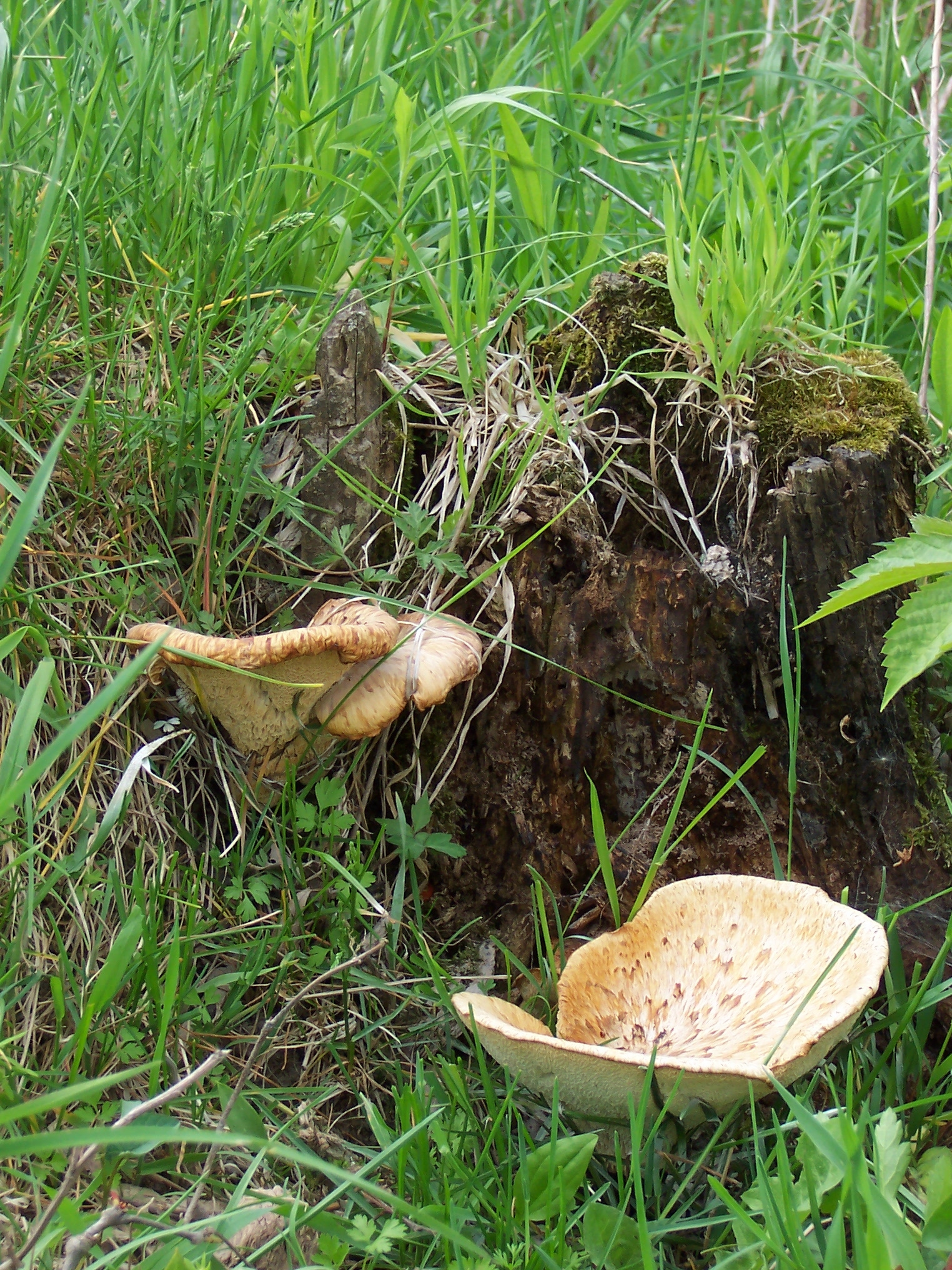
A few moments of awe are all it takes to remind us that our lives aren’t about those knots. We are pulsing, breathing wonders ourselves in a world bursting with miracles.  It takes looking closely at only one thing to see those miracles, whether watching a spider spin her web or looking at fungi that seemed to spring up overnight.  We exist for so short a time on this beautiful planet. We clamor over concerns when our lives may be better measured by how much awe we allow ourselves.

I have things to do, but it’s time for coffee. I’m heading for the porch. Hope you do the same.

We are, perhaps, uniquely among the earth’s creatures, the worrying animal. We worry away our lives, fearing the future, discontent with the present, unable to take in the idea of dying, unable to sit still.   Lewis Thomas 

Reprint from my farm site Bit of Earth Farm

Natural Antidote To Bullying

antidote to bullying, free play prevents bullying, bullies made by restrictions, nature prevents bullies,

Wikimedia Commons

Children are drawn to challenge themselves. They need to take risks of all kinds—physical, social, emotional, intellectual—in order to grow into mature self-reliance.

Where do such challenges most naturally occur? Outdoors. As detailed in Last Child in the Woods, when children spend time in natural areas their play is more creative and they self-manage risk more appropriately. They’re more likely to incorporate each other’s ideas into expressive make-believe scenarios using their dynamic surroundings—tall grasses become a savannah, tree roots become elf houses, boulders become a fort. Their games are more likely to incorporate peers of differing ages and abilities. Regular outdoor experiences not only boost emotional health, memory, and problem solving, they also help children learn how to get along with each other in ever-changing circumstances. Free outdoor play with others, especially when it’s not hampered by adult interference, teaches kids to interact with others while also maintaining self-control. Otherwise, no one wants to play with them. It’s the best sort of learning because it’s fun. Sounds like the perfect way to raise bully-proof kids doesn’t it?

But the opportunity for free play and risk is funneled into very narrow options for today’s children. They are shuttled from one adult-run activity to another. Time between these obligations is often spent indoors. And children’s outdoor play is restricted by excessive rules designed to keep them safe from dangers out of proportion to any real safety issue.

So kids don’t get natural challenges like climbing trees, exploring fields, building forts. They are deprived of the rich lessons of cooperation and self-control found in free play. And they don’t develop biophilia, that essential sense of connection with nature. Then we expect them to get along and recognize real risk. Any wonder that bullying is a growing problem?

Here are examples of playground designs that, in institutions like schools and daycare programs, foster free play using natural materials. Sensory play, places for solitude, and opportunities for physical risk are built in and, no surprise, children get along better.

It’s a step in the right direction. A few steps farther and we’ll let kids back in nature herself, playing in woods and fields and beaches. Too bad all the money thrown at anti-bullying programs aren’t used to fling open the doors to the natural world. “Go out and play,” may very well be the best anti-bullying advice yet.

The Boy With No Toys

why toys are bad for kids, overstimulated kids,

Before he was born, his mother decided her son would have no toys. Abandoned by the father, she was already a single parent. She made a living cleaning for other people. Most days she took the bus to affluent streets where children never seemed to play outside. As she vacuumed and scrubbed beautiful homes overfilled with possessions she paid close attention to what children did all day. Often they were gone at lessons, after school programs, or playdates. When they were home they usually sat staring at screens. Toys in their carefully decorated rooms appeared to be tossed around as if the small owners had no idea how to play, only how to root restlessly for entertainment.

She thought about it, talked to the oldest people she knew, and read everything she could. Then she informed anyone who cared to listen that her child would not have toys. Not a single purchased plaything.

Will (name changed) and his mother live in a small mobile home park. By most standards they are poor. Their income is well below the poverty line. They don’t have a TV or computer (although Will uses the computer at the library and watches the occasional TV program at babysitters’ homes). But their lives are rich in what matters. Together Will and his mom grow food on several shares of a community garden, bartering when they have extra produce. They make all their meals from scratch. These routines activate a whole array of learning opportunities for Will, quite naturally.

They are close to most of their neighbors in proximity as well as in friendliness. While his mother is working Will is cared for by several different seniors in their trailer park. He not only likes to help his mother garden, cook, and take care of their small home but he also likes to take part in helping his neighbors with small tasks. He carries groceries for certain ladies, helps an older gentleman with a birdhouse building hobby, and sometimes gets to assist another neighbor in automotive repairs.  He gets a lot out of these meaningful tasks.  Children long to take on real responsibility and make useful contributions. Giving them these opportunities promotes their development in important ways.

Sounds nice. But what about play?

natural play best for kids, free play, no toys,

When Will was a baby his mother made all sorts of toys. Most took no time at all. Food containers became stacking toys, a small water bottle with beans inside became a rattle, a sock stuffed with drier fuzz and tied in knots became a soft animal.

Will is now six years old. He plays as any child naturally does. He makes up games and turns all sorts of objects into toys. His mother saves money by not owning a car, so Will has commandeered a large portion of the shed that would normally be used as a garage. Mostly he uses it to stockpile his own resources. He has scrap wood, a few tools, and cans of nails. He likes to straighten bent nails for future projects, working carefully now that he recently discovered what smacking his fingers with a hammer feels like. Recently he found a discarded lawn mower tire, so he’s looking for three more tires to make a go-cart. In the evenings he likes to draw elaborate pictures of this upcoming project. He particularly enjoys playing in the soft dirt along the side of the shed where “robot men” he makes out of kitchen utensils use their potato peeler and wisk limbs to churn through the soil, leaving tracks as they clink. When he visits friends he happily plays with their toys, although he doesn’t always “get” that certain TV or movie-themed toys are limited to the plot-related storylines. So far he seems to have no urge to possess the same toys.

What about birthdays and holidays? Will’s mother does give him gifts. But she limits her gifts to useful items—crayons, clothes, tools, a compass. Each weekend her folk band practices at their mobile home. Will quickly mastered the harmonica and begged for time on the fiddle, so her big gift to him this year was a used child-sized fiddle. She urges the other adults in his life to gift him with experiences—a trip to the beach, a day of horseback riding, a visit to a museum. Out-of-town relatives now renew a children’s magazine subscription and send him regular snail mail letters, both of which are helping him learn to read with very little prompting.

natural child development,

Will’s childhood has a lot in common with the way children have learned and grown throughout history. As historian Howard Chudacoff notes in Children at Play: An American History, play is vital to development. It’s has everything to do with autonomy, exploration, imagination, and fun. It has very little to do with purchased playthings. In fact, structured programs and commercial toys actually tend to co-opt play.

Studies with rodents show those raised in enriched environments (toys and changing items in cage) have enhanced brain development compared to rats raised in a standard environment (plain cage, unchanging). We’ve misinterpreted these results. Rats don’t naturally live in boring, unchanging cages. They live in nature, which is by definition a challenging often constantly changing environment. In nature rats have far more complex lives than they ever might in a cage. Such an interesting life IS an enriched environment. It’s the same for children.

Sure there are devices that will “read” to a child. These are not more enriching than being read to by a responsive adult. And there are all sorts of adult-designed games. They’re not more fun or enticing than games kids make up on their own or with friends.

In fact, the overstimulation of blinking, beeping, passive entertainment isn’t beneficial for children. Joseph Chilton Pearce wrote in Evolution’s End: Claiming the Potential of Our Intelligence that the overload of television, electronics, and too many toys limits a child’s sensory awareness. Their brains and nervous systems accommodate intense bursts of sound, light, and color during their earliest years. Rather than developing the subtle awareness fostered by time spent in nature, in conversation, and in play they instead are wired to expect overstimulation. Without it, says Peace, they’re bored.
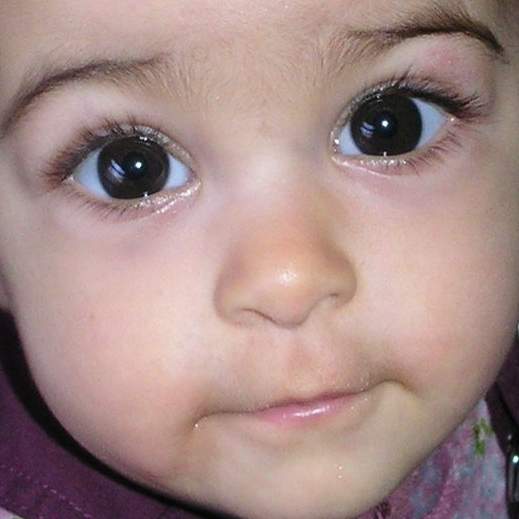
And yet, so many people are amused when tiny children are clearly pushed to the limits by a toy too overwhelming for them. (Every search for a video to illustrate this seems to think “baby scared by toy” is funny.)

The children Will’s mother cleans for, who are kept busy in adult-run programs and have access to electronic distractions, don’t have Will’s advantages. As he plays and innovates he’s actually promoting the kind of learning that translates to a lifetime of passionate interests. Studies show that children who are free to explore their interests without adult pressure and interference  are more autonomous, eagerly pursuing excellence through healthy engagement rather than heavy-handed adult pressure.

Ask the oldest person you know to share some memories about play from his or her childhood. Chances are you’ll hear about pick-up games, handmade toys, and free time that spun long summer days into marvels of imagination. That’s what Will’s mother wants for her child.

play develops intelligence, benefits of free play, deprive your kids of toys, handmade toys,

First published in Natural Life Magazine

7 Ways To Access Your Body’s Unique “Knowing”

developing body based awareness, raising consciousness, paying attention,

Ever notice that the smallest children seem to be one with their bodies? Unlike us, they don’t value their thoughts over their senses. They also don’t get caught up in ruminating about what isn’t directly part of the moment. Past or future: irrelevant. Other people’s opinions of their appearance: irrelevant. They are tuned to the sensory world around and within them.

This state of awareness may be similar to the state that was essential for our earliest ancestors, whose attention to the here-and-now ensured survival. Eons ago, hunter-gatherers had to be alert for scents, sights, and sounds of potential food or danger. Chances are this alertness included respect for the body’s way of knowing—unease felt in the belly, anticipation in the throat, restlessness in the limbs—signaling awareness transcending overt indicators. And they had to be able to respond appropriately and meaningfully in an instant. Pausing to consider their options would have let the antelope get away or given the bear time to attack. The people who were most attuned to their body’s perceptions (inner as well as outer) were more likely to live, passing along those abilities to the next generation. We have the same capacities today although typically they’re pushed well below our awareness.

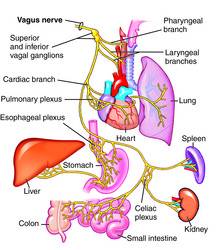
Powerful nerves connect our brains with our digestive system, heart, lungs, and other organs. And this communication is sensory. It isn’t top down, with our brains bossing around our bodies. Instead 90 percent of the information goes the other way, with the gut informing the brain.  The network of nerves along our digestive system is so significant that researchers call it the enteric brain.

Our impulses and emotions are influenced (perhaps generated) by the nerves in our gut. Our brains then work to logically explain the emotion, as Candace Pert explains in her groundbreaking book, Molecules Of Emotion.

Our intuition and reasoning is also influenced by our enteric brain. This ability to know without thinking about it is what Malcolm Gladwell termed “adaptive unconscious” in his bestseller Blink. We constantly process data from all around us (as well as within us) below the level of conscious awareness. Accessing and understanding this information is part of what makes us safe and happy.  What we call feeling good is a sense of accord with this innate bodily knowing, transmitted to us directly as a visceral sensation.

We drive ourselves and our children away from this awareness when we emphasize head over body, when we value thoughts but dismiss that knowing  in our very cells. We worsen the problem when we adopt the standard practice of valuing one hemisphere of the brain over the other.

So what are some ways to tune ourselves to this bodily knowing? 

1. Notice how the youngest children perceive reality. They have an innate ability to assign unique meanings and interpret creatively. They haven’t yet learned the boundaries of acceptable/unacceptable forms of knowing. Simply watching, listening to, and living within the reality of a very young child can stretch your perceptions and re-awaken your awareness.

2. Avoid the distraction of multitasking. This fractures your attention into tiny (often useless) pieces.

3. Devote time each day to simple practices which cultivate awareness. Daydream. Contemplate a flame, or the evening sky, or a tree. Meditate. Take a walk that’s focused entirely on sensation—-the feeling of your feet as they touch and push away from the ground with each step, the whoosh of air in and out of your lungs, the temperature of the outdoor air as it contacts your exposed skin. Eat slowly. Look into a loved one’s eyes.

4. Practice using your intuition. With regular use, your gut sense and intuitive hunches will become more reliable. Try using the classic Intuition Workout by Nancy Rosanoff.

5. Check out what Eugene Gendlin calls focusing.   We’ve been talking about the feeling of knowing that lies deep in us, related to the way our bodies carry concerns or life situations. According to Gendlin’s book Focusing, these perceptions can be accessed using specific steps of clear bodily attention. This opens up knowingness as it is “felt” and garners direct information that comes from the center of one’s being.

6. Pay attention to your dreams. When you waken, spend a few moments relishing the feelings and images you just experienced in the dreamworld. Let them enter your waking body and waking consciousness. They are specific to you, and have unique purpose that transcends analysis. They are another form of direct knowing.

7. Ask your body questions and “listen” as answers arrive in the form of images, physical sensations, memories, or emotions. You may want to ask a headache why it’s occurring or ask your throat why it feels tight. Learn to recognize metaphors in your body’s answers.

“My belief is in the blood and flesh as being wiser than the intellect. The body-unconscious is where life bubbles up in us. It is how we know that we are alive, alive to the depths of our souls and in touch somewhere with the vivid reaches of the cosmos.” D.H. Lawrence 


We Are One Being

We are one being, linked in profound and essential ways even though we rarely pause to consider them.

The surface of Earth is seventy percent water just as we are made up of seventy percent water. This is the same water that has been on Earth for four and a half billion years. It flows in and out of each one of us. In cycles too infinite to imagine this water has been drawn up in plant cells, swirled in oceans, circulated in bloodstreams, sweated, excreted, wept out tearfully, drunk up thirstily, formed into new life, risen into vapor, and locked into ice. The saliva in your mouth is made of water molecules intimately shared with beings that lived long ago and will be shared with all who come after us.

We breathe about 600 million breaths in a lifetime. The air we rely on is a balance of nitrogen, oxygen, argon, carbon dioxide, and a dozen or so other gases perfect suited to our existence. It circulates through endless forms and uses, moved by the wind of our planet and by each exhale of living beings—-trees, crows, humpback whales, and newborn babies. It recycles just as the calcium in your jawbone may well have been quicklime poured on a criminal’s grave, a garnet on a nobleman’s finger, cheese carried by a nomadic herder, and a coral reef in a tropical ocean.

Nothing about our bodies is separate from what’s around us. We are nourished by what has grown from the sun’s energy and we remake ourselves constantly, replacing millions of cells every second using only the materials that have been on this planet for millennia.

Quantum physics tells us the principle of entanglement explains how particles, once linked, can remain connected even when physically separated by vast distances, possibly even by time. Entanglement occurs between living beings as well, both human and animal, indicating a greater connection same call a morphic field and others call a holographic universe.

On this planet we are linked to every particle and every life form so intimately that science is beginning to echo what poets and sages have been saying for thousands of years. We. Are. One.

Each person is truly your kin. Our human connection begins with common ancestors. Genealogist Gary Boyd Roberts estimates that everyone on the planet is at least a 40th cousin. That’s because the family tree expands as each generation traces back. You have eight great-grandparents. Their parents had 16 parents. Go back 40 generations and you’d find a trillion grandparents at a time when there were fewer than 15 million people on the planet. That means we share 40th great-grandparents. In that way you are connected to eighty percent of the people on this planet. That includes the guy driving the delivery truck right outside your window and the woman thousands of miles away struggling to find water in a drought.

The smallest children seem to recognize that existence is an “alive poem.” They find kinship with rocks, animals, as well as people. Our human family, built on kindness and cooperation, helps one another heroically. We are waking to the ways our Earth sustains us, working harder than ever to restore justice and ecological balance. We are reaching out to share, laugh, explain, and find kinship with one another.

We are entangled in a universe so holographic that we can’t help but sense the oneness that has been there all along.

Mine Is The Wrong Kind Of Lust

don't make me travel, why I stay put,

Image: babyoctopuss.deviantart.com

Let me explain.

My schoolteacher father had summers off, so my parents made the best use of that time. That meant teaching their children geography and history through travel. Each winter my mother started planning our frugal summer trips. She sat at the kitchen table with maps and guidebooks arrayed in front of her as she carefully plotted a route that maximized educational stops along the way. Old battlegrounds, restored villages, and scenic natural wonders were her priority. The other priority? No admission fees.

*

why I don't travel,

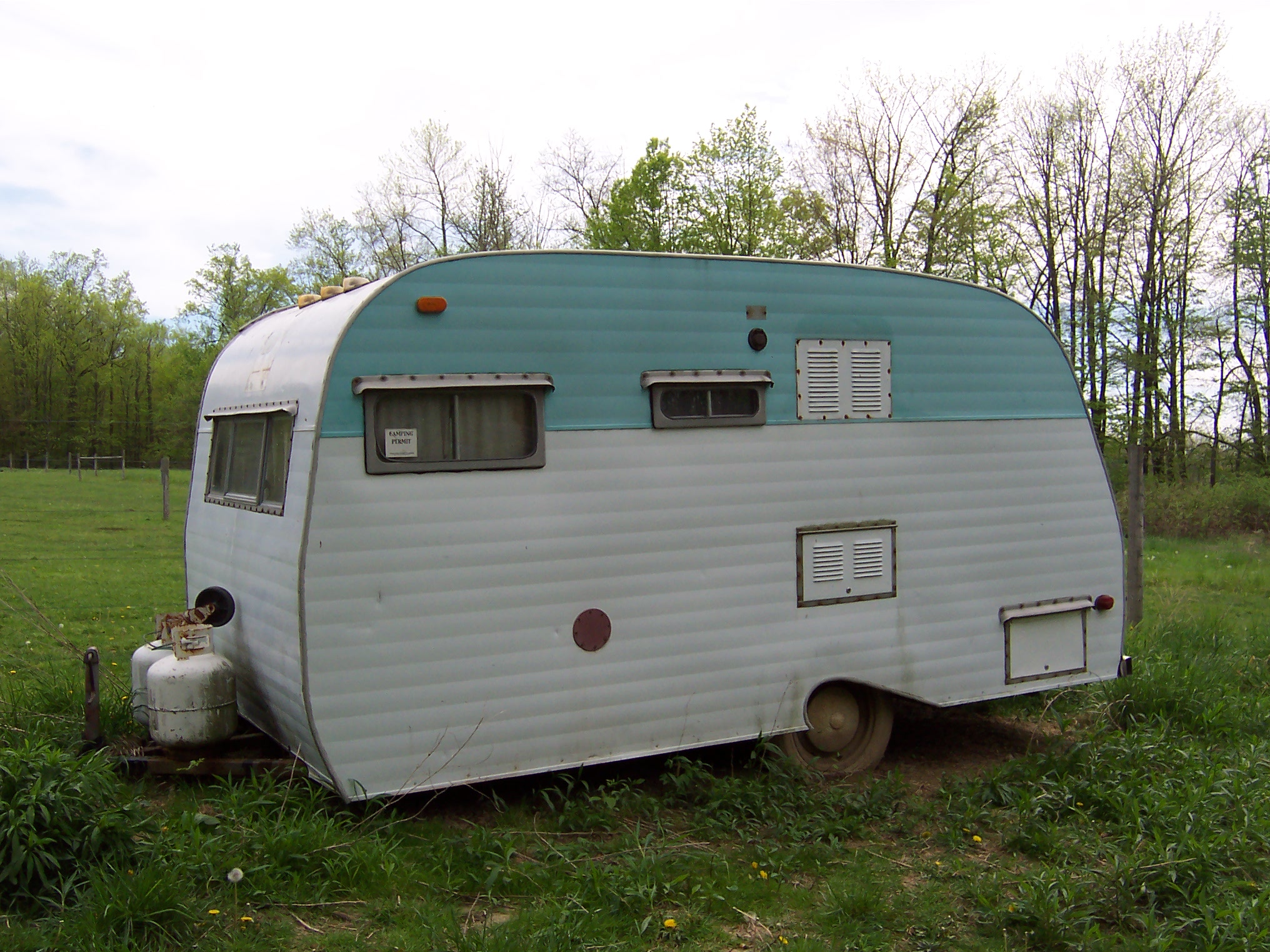
One summer we traveled over 6,000 miles. Most days we had an early breakfast, drove for six hours, spent the late afternoon sightseeing in the steamy heat, then went on to a trailer park where our 15 foot Scotty was invariably the smallest trailer around. Other folks in these places looked like there were staying a few days. They sat in lawn chairs and chatted around campfires. My parents meant business. Ours was a carefully planned agenda which meant we kids showered soon after supper in those ubiquitous cement block restrooms and went to bed early, usually lying awake in the hot metal trailer listening to other families laugh and talk under the trees.

*

why I don't travel,

Our trips were strictly no-frills in every way. My parents spent as little as possible on food—we never had fast food or restaurant meals while we traveled. I ate a peanut butter minus jelly sandwich chased by Tang every day at lunchtime. They scouted out the cheapest gas and took only the most carefully considered photos in those pre-digital days. Miraculously they maintained family peace in very close proximity for weeks on end, although we kids found minor parental spats over directions and mileage calculations secretly hilarious.

Don’t get me wrong, my parents had wonderful motives. They piled three kids in a small car and showed us the country. But I was a lethargic and grumpy traveler. Hurtling down the highway with windows open (air conditioning allegedly reduced fuel economy) only aggravated my asthma and hay fever, plus I suffered with relentless headaches and nausea from car sickness. Yet I wasn’t sufficiently self-aware to let anyone know that I felt dizzy, woozy, and short of breath. I longed for the comforts of home: library books, a familiar bathtub, my trusty bike, and some control over my own life. As soon as my mother got out the maps to start planning I felt nothing but dread, which I masked with a facade of eager anticipation lest I be called “ungrateful.” But every minute our car headed farther away from home seemed wrong somewhere in the center of my being. Until we returned I felt suspended from my own completeness—a weary, one-dimensional version of myself.

*

I refuse to travel,

Perhaps these long yearly trips, taken when I was unwell and unwilling, served to inoculate me against travel. As an adult I still struggle to feel wholly myself when I’m away. That marks me as seriously maladjusted. Wanderlust, or at least the urge to get away, is the norm. All sorts of well-meaning people mock non-travelers as people with no sense of adventure.

Oh sure, I long to go places. I’ve even traveled of my own volition. But I rail against the backward century in which I’ve been born, or perhaps the backward planet I’ve been born on, because I can’t adjust to the concept that it’s not possible to mosey over to Belarus or Uruguay or Finland this afternoon, have a wonderful lunch, meet some new friends and assure them that I’ll stop by next Friday. The problem isn’t the destination, it’s getting there. I know poets and sages say it’s all about the journey. I’ve journeyed, believe me. I say all of life is a journey, every single moment that we’re wide awake and fully participating in the process of living.

hermit's rationale, staying home, peace in place,

Besides, aren’t poets and sages all about being true to oneself? Being true to myself means giving in to the lust to stay rooted.

I experience a kind of delicious completion as I perform the simple rituals of life right here every day. I make cheese from our cow’s milk, walk the dogs, chop vegetables, work at my desk—-all in view of the fields and trees that sustain me season after season with their subtle, incremental changes.

I hope those of us who are truly rooted have something to offer this ever faster world. Our insights may be simple. I pay attention to the vegetable gardens, the beehives, to blackbirds convening in a clamor across the treetops. Changes I see are those that take place slowly and noticing them is part of the pleasure I find in being fully here. To me there’s soul-drenching nourishment that comes of contemplation, quiet, and service. Thank goodness we can fulfill the desires we choose, leaning eagerly toward the excitement of travel or to answering longings that serve a quieter nature.

You know where to find me. I’m right here.

*

staying home, anti-traveler, delights of home,

The Youngest Have The Oldest Way Of Knowing

children as deep ecologists, seeing people as animals, older ways of wisdom, living the Gaia theory,

itallant.deviantart.com

I had a translation problem when I was very small. Like any other reasonable preschooler, I knew full well that people had names just as I had a name. But I saw people’s faces as having their own animal faces too. I wasn’t sure why everyone else couldn’t see this. Many of the animals I saw flickering right under the surface of outward human appearances were creatures I didn’t recognize. Some kind of deer or antelope on one face, an unusual hound on another. This was fascinating and distracting. It also meant I had to translate in my head from what I saw as a person’s animal identity into their given name. I never slipped, never called my kindergarten teacher a hawk or referred to the boy down the street as a dolphin. I was polite enough to realize this would have been rude, although I couldn’t understand why animals were so much lower on the scale of importance.  I grew out of it by the time I was five or six.

I’m probably making my childhood self sound like a complete ninny. (And I’m still a ninny in other ways.) But I still remember “seeing” animal identities in people.

Young children have a very creative sense of reality. That’s exactly the way they’re supposed to be. Adults may teach children that the night’s dreams have nothing to do with the next day, that the wind doesn’t have a voice, that a beloved toy can’t feel their adoration. Still, children know what they experience. They sense potent meaning in everything.

We forget that human-centered reasoning is a cultural thing. A recent study compared children who live in direct contact with nature to urban children who have somewhat limited contact with the natural world. Researchers found striking differences in outlook. Children who are raised close to nature, and who are sensitive to certain beliefs, are more likely to call animal communication talking and to see water as alive. They seem to grasp what ecophilosopher Arne Naess termed deep ecology. The deep ecology worldview recognizes the intrinsic value of all beings and the complex interdependence of all natural systems.

This affirms what our species long understood and only recently forgot. We are inextricably connected to the natural world for sustenance, meaning, learning, and perhaps most intimately, for our sense of self. Looking at the whole swath of human existence, we are barely out of the hunter-gatherer era. Each of us is tuned to nature’s wavelength. Yet we conduct our lives as if we are separate. The youngest children among us may sense how wrong this is.

In one of the last books by ecologist Paul Shepard, Nature and Madness, he speculates that what ails civilization is a kind of arrested development. From birth each of us is cued toward greater wholeness through deep interconnection with one another and the natural world.  We require elders who understand this and guide us. But these days, Shepard writes, we’re not likely to grow to maturity in this way.
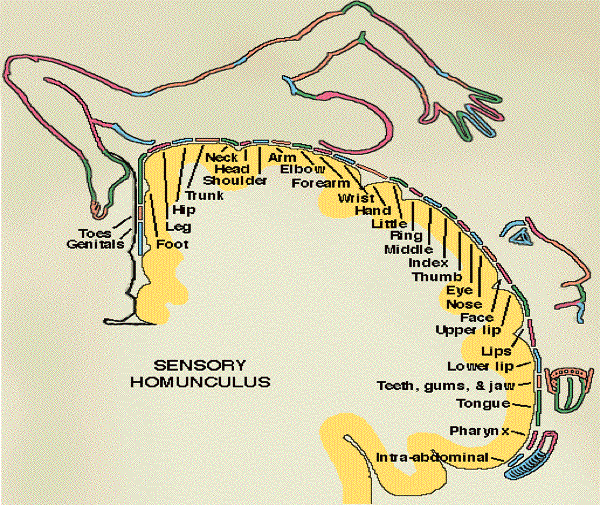
“Adults, weaned to the wrong music, cut short from their own potential, are not the best of mentors. The problem may be more difficult to understand than to solve. Beneath the veneer of civilization, in the trite phrase of humanism, lies not the barbarian and the animal, but the human in us who knows what is right and necessary for becoming fully human: birth in gentle surroundings, a rich nonhuman environment, juvenile tasks with simple tools, the discipline of natural history, play at being animals, the expressive arts of receiving food as a spiritual gift rather than as a product, the cultivation of metaphorical significance of natural phenomena of all kinds, clan membership and small-group life, and the profound claims and liberation of ritual initiation and subsequent stages of adult mentorship. There is a secret person undamaged in each of us, aware of the validity of these conditions, sensitive to their right moments in our lives.”

I think we can still raise children this way, pushing back against our rushed and fragmented world. More and more people seek natural birth, attachment parenting, child rearing balanced between freedom and responsibility, and free range learning. Nature-based living isn’t out of the equation, no matter where we live. It is restorative to spend time in wild places, but it takes only a shift in awareness to to immerse ourselves in nature wherever we are. As adults, we model for children how to treat all life with respect. In turn, children model for us many ways to find awe, metaphor, magic, and oneness in what we long ago learned to disregard. That is, if we pay attention.

Some might dispute that paying attention to such wonderment remains relevant in today’s world. Some may want to know what’s to be gained by dreams, imagination, watchfulness, and nature-centered thinking. Acknowledging the primacy of these wonders doesn’t point away from the path of achieving one’s potential. If we need an individual example, look to Lilian “Na’ia Alessa, a cell biologist who advances science by incorporating Western and traditional ways of knowing in her work.

Or wider examples. When psychologist Abraham Maslow developed his well-known hierarchy of needs he placed self-actualizers at the pinnacle. He defined such people as reaching “the full use and exploitation of talents, capacities, potentialities, etc.” Among those Maslow considered to be self-actualizers:  Spinoza, Goethe, Eleanor Roosevelt, Albert Schweitzer, Ralph Waldo Emerson and Joseph Haydn. These people didn’t “unlearn” older ways of knowing. In fact, the characteristics of self-actualizers sound quite a bit like children who aren’t limited to human-centered reasoning. Self-actualizers are spontaneous, they see things in fresh and often unconventional ways, they are interested in the unknown, they aren’t limited by other’s perceptions, they transcend cultural rigidity, and they feel compassion for all life. Some self-actualizers have what Maslow called “peak experiences.” A defining characteristic of a peak experience is a sense of unity with everything and everyone, a complete oneness. This too sounds like the children we’ve been discussing, those who haven’t yet been taught to stop seeing vibrant meaning around them.

So much is to be gained by a wider way of knowing. Let’s not unlearn all that we knew as children. Let’s see everything for what it can teach us. As poet Joy Harjo tells us, “Remember the plants, trees, animal life who all have their tribes, their families, their histories, too. Talk to them, listen to them. They are alive poems.”


How to Make Spiders Your Teachers, Trees Your Guides

amateur naturalist, spiders, mindfulness, nature, paying attention, field guide, children,

Pay close attention to anything. In it you’ll find wonders.

Consider the spider.

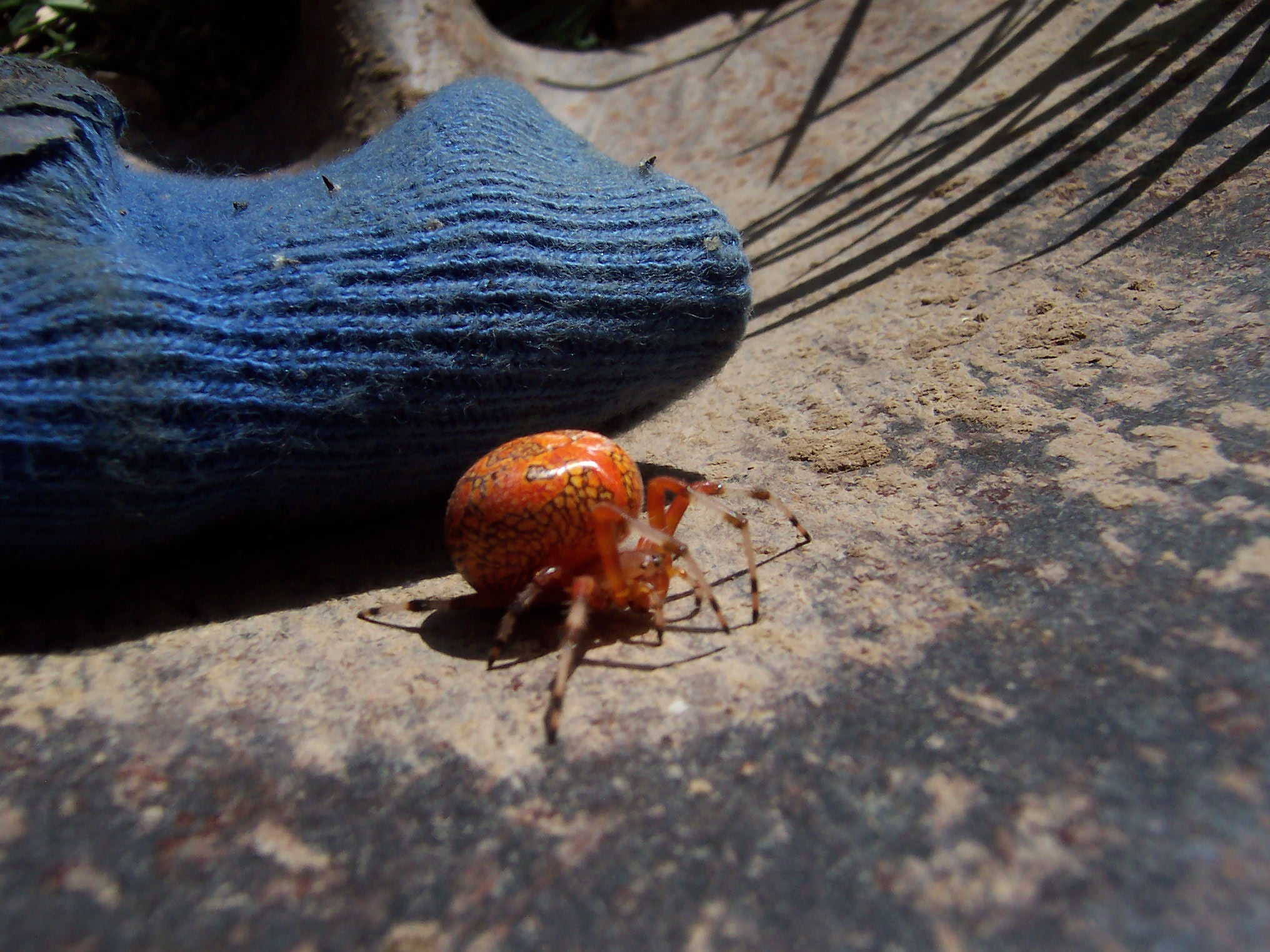
We appreciate spiders in our family. A large orb weaver lives just outside the front door. Every night when we take the dogs out before going to bed we pause to appreciate the intricate web she’s rewoven. It has a lot to teach us about strength, symmetry, impermanence and beauty.

I probably shouldn’t admit it, but a spider also hangs out on the ceiling of our pantry. Its continued presence means there are enough insects in the vicinity to keep it fed, which logically means there are that many fewer beasties getting into our potatoes, dry beans, oats and other stored foods. It has a lot to teach us about interdependence. I’m actually cheered to see it up there, a quiet brown chap making a life for itself high above my canning jars.

When we find the occasional spider elsewhere in the house we move it gently outdoors, unless it’s winter in which case we move it to a large potted plant. (I prefer spiders be relocated to basement plants but I suspect my family members free them in more conveniently located houseplants.)

No, our home isn’t teeming with creepy crawlies. It’s the same as your house. We’re all part of an ecosystem beyond our awareness. Our fellow Earth inhabitants proceed with lives of purpose everywhere around us whether we know it or not. As an example, beneficial bacteria reside in your gastrointestinal tract, contributing not only to digestion but overall health. These microbes outnumber the cells in your body 10 to 1, their types varying widely from person to person—perhaps accounting for major differences in weight, energy and wellness.

No amount of clean living sets us apart from the wider ecosystem we’re in.

It’s easier to think of nature as “out there” in the pristine wilderness. But we’re a part of nature every moment. It is air we breathe, plants we eat, birdsong we hear, weather slowing this morning’s traffic, our very cells dividing and yes, that high pitched whine signifying a mosquito is hovering nearby.

Tiny creeping and flying things around us are the creatures we’re most likely to encounter, reminders that we share our ecosystem with others. It’s even possible to notice them with pleasure.

My kids particularly appreciate spiders so we pay closer attention to these creatures. I don’t know much about arachnids, but what I learn through my offspring helps me to see more complexity, beauty and worth that I could have imagined.

I think it’s easier to pay attention when we keep the joyous curiosity we’re born with but it’s possible to recapture it, to expand it into awe at the wonders everywhere around us.

Consider making a nature study of a something nearby. A tree’s lifecycle through the seasons, the activity around a wasp nest in the eaves, the behavior of birds at a feeder. We’ve learned some techniques for the amateur naturalist from Lyanda Lynn Haupt’s wonderful book Crow Planet: Essential Wisdom from the Urban Wilderness.

  1. Learn names, proper as well as colloquial. Learn details about habitat, health and interdependence with other life forms.
  2. Have patience. The practice of seeing, really seeing, takes more than time. It also takes cultivated watchfulness.
  3. Respect wildness.
  4. Cultivate an obsession. Let questions unfold into more questions and whenever possible, find a community of fellow enthusiasts.
  5. Keep a notebook. Writing observations and making drawings are wonderfully wider ways to learn.
  6. Maintain a field trip mentality. Keep up your observations wherever you go.
  7. Make time for solitude.
  8. Stand in the lineage. Vital knowledge has been gained by a long history of people no different than you, people who let the world around them teach its wonders to those whose eyes are open.

*

*

*