Free Fix For What Troubles Us

walking cures trauma, right way to walk, walk for inspiration, body-based trauma recovery, trauma recovery, depression recovery,

jodicox.deviantart.com

Most of my adult life I’ve taken a daily walk. A lot of those walks took place while pushing a stroller or hurrying behind tricycles. Now I walk while holding the leashes of three dogs on a rural road where vehicles are rare (when they pass they do so at high dog-frightening speeds). I try to use walks as a way of decompressing while paying attention to the moment I’m in rather than mulling over my current worries.

Apparently I could be getting much more from my walks. So could you.

I learned this in a roundabout way. I’ve been reading a lot the last few years about how we humans process trauma. What we perceive as traumatic can be any experience of fear or pain in which we feel helpless. This happens more often than we might imagine, particular in our earliest years. Consider being held down for a medical procedure as a small child. People loom over us, their words barely understood because we’re afraid or hurting, and we’re completely vulnerable. Trauma can be entirely emotional in nature too— sudden job loss or betrayal by a loved one or any of life’s common cruelties.

Normally, the support of people who care about us helps to ease trauma we’ve experienced, particularly if we’re free to exhibit shakiness and sighing along with other necessary bodily reactions. Plus, truly restful sleep helps to cool the heat of most traumas. As we enter the REM state of sleep, when our eyes zip back and forth under our eyelids, we’re processing stressors while refreshing ourselves for the upcoming day. (Even the happiest people have more negative than positive dreams, indicating that the dream state is a natural time to work through stressors.) Those who suffer from depression or PTSD often have disrupted sleep, leaving them with a build-up a unrelieved stress and trauma.

Talk therapy for trauma is important, yet research shows us that it’s not all in our heads. Trauma lodges in our subconscious and our bodies as well. That’s why innovative therapies such as Somatic ExperiencingEFT, and EMDR are so helpful.

As biologist Robert Sapolsky pointed out in Why Zebras Don’t Get Ulcers , despite constant vigilance, zebras still witness members of their herd, at times their own young, being torn apart and eaten by predators. Although animals are regularly exposed to such traumatic events, they don’t suffer from the health effects of chronic stress as humans do.   Are humans weaker? Hardly. We’re as self-healing as any other creature. Nature’s wisdom allows us to recover quite nicely from illness and injury. Nearly every generation of our ancestors have overcome hunger, disease, accidents, and yes, psychological trauma too. Chances are in the hunter-gatherer era, which made up 99 percent of human history, people could count on rituals to ease psychological trauma after getting through a famine, an attack, or an accident. Those rituals often involved dancing and drumming. And that’s where I get back to walking, because I discovered the mention of drumming and dancing as trauma-recovery methods in a book with an unfortunately self-help-y title, Walking Your Blues Away by Thom Hartmann.

Hartmann points out that such rituals are bilateral activities. So are many of the body-based trauma healing methods I mentioned. These methods all use bilateral movement while evoking what distresses us, dissipating the strong “charge” associated with trauma throughout the mind/body. Hartmann explains that bilateral movement (even of the eyes) is a fundamental and elegant mechanism for healing trauma.

In its simplest form, this mechanism involves rhythmic side-to-side stimulation of the body. This side-to-side motion, or bilateral movement, causes nerve impulses to cross the brain from the left hemisphere to the right hemisphere and back at a specific rate or frequency. This cross-patterning produces an organic integration of left-hemisphere “thinking” function with right-hemisphere  and brain-stem “feeling” functions. This integration is a necessary precursor to emotional and intellectual healing from trauma.

Hartman says that the rhythmic left-right-left-right of walking, paired with a visual/mental process, also stimulates this internal integration. Which makes sense. Because until relatively recently in the long span of history people spent a lot of time walking. Walking away from the hunt, the battle, or any misery helped our ancestors process trauma. Even long after mankind began using the wheel, people walked a good distance every day. Walking is just one of the many ways that a more active, collaborative way of life once entirely natural to our kind helped us to operate with both hemispheres of the brain fully engaged without significant hemispheric dominance. (Check out The Whole-Brain Path to Peace for more on this.)

Hartmann writes about a way of walking that helps to release emotional charge, even reawakens motivation and inspiration. It relies on simply walking with your arms freely moving as your legs stride forward. Not talking, window shopping, listening to music through earbuds, or walking with arms restricted (by strollers, leashes, carried items). Here’s the general method.

1. Define an issue that troubles you, even something small. If there’s no issue, then select an optimal future state for yourself and visualize it.

2. While walking, bring up the story around your issue and frame it in a few words or sentences. Notice the strength of your emotions around that story. Give it a number on a scale of 0 (don’t care) to 100 (extremely intense).  If instead you are taking an optimal future sort of walk, while holding your visualization also remember times in the past when you accomplished or felt something similar. Allow the emotional state of those positive memories to suffuse the hoped-for future state.

3. While walking, gently keep your attention on the issue or visualization/memories you’ve chosen. Walk at a relaxed speed, for about a half hour.

4. Notice how the issue changes. The charge around it may begin to fade, the memory remaining but in perspective. Let the process continue until you notice a shift in feeling. Retell the story to yourself, and again rate your emotions on a scale of 0 to 100. (For the story to become more useful and less painful, several walks may be required.) Whether taking an issue walk or optimal future state walk, allow yourself to feel the positive changes you’re incorporating. Stand up straighter, breathe deeply, experience the pleasure of your stride.

5. Anchor this new state by observing the new internal story and new feelings. Think of ways your new perspective is helpful to you, perhaps even framing how you might tell the story or see the future differently. You may want to create a gesture, word, or sound to anchor it further as you finish your walk. You may also want to talk to someone about it, or sketch, write a journal entry, or in other ways help yourself more firmly hold this expanded awareness.

Walking for our own peace of mind and to create new inspiration sounds wonderful. I may not be ready to give up walking with my dogs, but I’ll be out there swinging my leash-holding arms while envisioning a world of greater hemispheric balance.  What does walking or other body-based practice do for you?

resources

Walking Your Blues Away: How to Heal the Mind and Create Emotional Well-Being by Thom Hartmann

Any books by Peter Levine. The first one I read, In an Unspoken Voice: How the Body Releases Trauma and Restores Goodnesswasn’t aimed at the layperson but I was still captivated by its brilliance.

Somatics: Reawakening The Mind’s Control Of Movement, Flexibility, And Health by Thomas Hanna (his discussion of red light, green light response is illuminating) and the organization Somatic Experiencing

Focusing by Eugene Gendlin and The Focusing Institute

The EFT Manual by Gary Craig as well as the EFT organization 

Getting Past Your Past: Take Control of Your Life with Self-Help Techniques from EMDR Therapy by Francine Shapiro as well as EMDR Institute

Scared Sick: The Role of Childhood Trauma in Adult Disease by Robin Karr-Morse

Hope For Humanity: How understanding and healing trauma could solve the planetary crisis by Malcolm Hollick

Dying My Hair Pink

Time to dye it?

Well, maybe. I haven’t seen anyone with pink hair in our small town, passing through or otherwise. But I’m contemplating it. Action may be necessary after what happened the other day.

I was out on the town engaging in a not-so-fascinating adventure: shopping for canning jar lids. I heard someone call out behind me from a distance. It was a stranger’s voice.

Using the logic bestowed on most members of our species, I assumed she was hailing some other person in the store so I ignored her. A moment later that stranger zoomed up behind me and said,

“Oh, I thought you were my mom.”

I’m a warm and motherly person, true. But I was not that stranger’s mother. Worse, she was in my approximate age group. Which means her own mother either looks like someone who gave birth as a kindergartener OR I look really old. (Particularly from behind.)

The stranger muttered something like, “Sorry, she has blonde hair too.”

Raised to be polite at all costs, I simply smiled at her (fist shake at Nice Girl upbringing). I’m not sure what an appropriate response might have been. Snort-enhanced laughter perhaps.

Wait, it gets worse.

I saw her join a woman one aisle over. I witnessed her call this woman “Mom.” Her mother was clearly 15 to 20 years old than I. And wearing tan stretch pants. With tennis shoes. And a quilted handbag.

Alas, I see I’ve fallen right into the basement of People Who Make Superficial Comments despite my regular attempts to be my Better Self.

I’m not mocking my elders, heck, I’m looking forward to being a rowdy old lady myself (which is how I’ll finally outgrow that Nice Girl upbringing). And I’m in no position to judge this woman’s appearance, especially after outing myself as a beauty flunky. As I tell my kids, everyone has a lovely gleaming soul. (Boy do they ever like to hit me back with that one when I get snarky.) But I’m finding the chronological escalator a bit too relentless.

When I was younger I took a constantly functional body and seemingly unlimited time ahead for granted. Now various parts creak and I realize I may not be able to fit all my enthusiasm into an ordinary lifespan. Sometimes I walk by the library windows, noticing a stumpy little woman in the reflection. Who is that woman, I wonder? Why is she carrying my purse? It takes a moment to sink in. That’s me. I may feel like a fourteen-year-old sneaking out of the house in a halter top, but instead I’m some lady wearing a scarf.

I was raised to use everything up. To smack the bottle till it was empty, then add a little water and shake it to get out the last lingering drops. I fully intend to do that with my life too. I’ll be using up every single bit. But if I get any more reminders about being old before my time, you may see me with pink hair. Or at least pink streaks. My quietly rebellious fourteen-year-old self would be proud. And the rowdy old lady I hope to become will understand.

Reading Readiness Has To Do With The Body

reading readiness, kids sit too much,

Today’s kids sit more than ever. Babies spend hours confined in car seats and carriers rather than crawling, toddling, or being carried. As they get older their days are often heavily scheduled between educational activities and organized events. Children have 35 percent less time for free play than they did a generation ago, and that’s before factoring in distractions like TV or video games.

Left to their own devices, children move. They hold hands and whirl in a circle till they fall down laughing. They beg to take part in interesting tasks with adults. They want to face challenges and try again after making mistakes. They climb, dig, and run. When they’re tired they like to be rocked or snuggled. According to the authors of A Moving Child Is A Learning Child, stifling these full body needs actually impairs their ability to learn.

Sensory experience and fun. (CC by 2.0 Micah Sittig)

We know that our little ones walk and talk on their own timetables. No rewards or punishments are necessary to “teach” them. Yet children are expected to read, write and spell starting at five and six years old as if they develop the same way at the same time. Academics are pushed on young children with the assumption this will make them better students. This approach is not only unnecessary, it may be contributing to problems such as learning disorders, attention deficits, and long term stress.

Studies contrasting reading instruction at age five compared to instruction at age seven find earlier lessons may damage reading development. By the time children reach the age of 11, students who were instructed earlier show poorer text comprehension and less positive attitudes toward reading than children whose instruction started later.

Literacy isn’t easy. It requires children to decode shapes into sounds and words, to remember these words correctly in written and spoken form, and to understand their meaning. Allowing reading to develop naturally or teaching it later tends to create eager, lifelong readers. Why?

why pushing school-like lessons hinders learning,

Children pushed to read early (not those who naturally pick it up) tend to rely on right brain processes because that area matures more quickly. These early readers are likely to guess at unknown words using clues such as appearance, context, beginning and ending letters. Their main tactic is memorizing sight words. These are valuable methods but not a balanced approach to reading. Such children may quickly tire after reading short passages or read smoothly but have difficulty deriving meaning from what they read. The procedure they use to decode words can make the content hard to comprehend. These reading problems can persist.

On the other hand, children benefit when they learn to read naturally or are taught later. That’s because, as the left brain matures and the pathway between both hemispheres develops, it becomes easier for them to sound out words, to visualize meanings, and mentally tinker with abstractions. They memorize short sight words but sound out longer words, an approach that is less taxing. As they incorporate more words into their reading vocabulary they more easily picture and understand what they are reading.

developing eager readers,

In order for children to read, write and spell they must be developmentally ready. Some are ready at the age of four or five, some not for many years later. This readiness includes complex neurological pathways and kinesthetic awareness. It includes the proprioceptive sense developed through sensory receptors in the muscles, joints, and tendons: a form of maturation essential for a physical sense of self (even essential for learning how to modulate one’s voice and to hold objects carefully).

Such readiness isn’t created by workbooks or computer programs. It’s the result of brain maturation as well as rich experiences found in bodily sensation and movement.

These experiences happen as children play and work, particularly in ways that cross the midline. They includes expansive movements such as climbing, jumping, digging, swimming, playing hopscotch and catch, riding bikes, sweeping, running. They also include fine movements such as chopping vegetables, drawing, building, playing rhyming and clapping games, using scissors, and playing in sand. And of course there’s the essential growth that comes from snuggling, listening to stories, singing, trying new tastes,  enjoying make believe. Children are drawn to such experiences. Without these bodily experiences, warns pediatric occupational therapist Angela Hanscom,  they won’t have a strong foundation for learning. (Find out more in her book Balanced and Barefoot: How Unrestricted Outdoor Play Makes for Strong, Confident, and Capable Children.)

how to boost reading readiness,

These activities stimulate the child’s brain to develop new neural pathways. Such activities also build confidence, smooth sensory processing, and create a bank of direct experience that helps the child visualize abstract concepts. Well-intended adults may think a good use of a rainy afternoon is a long car ride to an educational exhibit. A young child is likely to derive more developmental value (and fun) from stomping in puddles and digging in mud followed by play time in the tub.

There are many other factors contributing to reading readiness. Perhaps most important is a supportive family life where play, reading, and conversation are an enjoyable part of each day. But it helps to remember that young children want to participate in the purposeful work of making meals, fixing what’s broken, and planting the garden. They also need free time without the built-in entertainment of specialized toys, television, or video games. Their development is cued to movement. These bodily experiences prepare children for the magic found when shapes become words, words become stories, and they become readers.

raising eager readers,

Portions of the post excerpted from Free Range Learning.

How Kids Benefit From Real Responsibilities

hands on responsibilities for toddlers, household chores benefit kids,

Years ago my two older kids, about seven and nine at the time, were getting ready to wash the floor. A neighbor girl knocked at the door asking to play. When my son told her he was going to wash the floor first she begged to be included. Although this girl had more monetary advantages than my children could have imagined, she was entranced. She’d never seen kids doing chores, let alone kids in charge of cleaning a floor.

She pitched right in as they scooted furniture out of the way, then swept. I gave them a bucket of slightly soapy water and they went to work with rags, scooting across the wet floor on their knees like crabs, giggling as the floor got wetter and their scooting became sloshy sliding. Their method didn’t matter to me. I was holding the baby and diverting the toddler while peeling potatoes and finishing up a work-related call. I was pretty sure the floor would be somewhat cleaner when they were done. They dried it with towels, moved the furniture back with appropriate grunting and groaning, then slumped on the couch. They looked entirely relaxed, as people do when satisfied with a job well done. When I got off the phone I came in to thank them. They were admiring how the floor caught the light and cautioning our toddler to keep his sippy cup on the table.

After that day the neighbor girl asked if she could do chores every time she came over. It seemed funny at the time, but I think now that she recognized she’d been missing the sense of accomplishment and camaraderie found in working together.

The floors aren’t spotless in my house. The bathrooms are also far from perfect. But I’m totally at peace with this. That’s because my kids handle much of the cleaning around here. I’m happy to do the cooking (or more truthfully I have control issues about what goes into the food my family eats). And I don’t mind being the family laundry wench, although I know kids are capable of handling their own laundering tasks. But in the spirit of “we’re all in this together” I’ve expected my kids to handle a sizeable share of household (and farm) work ever since they were small. I still do.

Timing

Actually, starting young is the key. When toddlers beg to help fold laundry or wash the car with us it’s easier to send them off to play so we can get the job done ourselves. But this is exactly the time to foster a child’s natural helpfulness.

It’s also a powerful way to promote positive development in all sorts of areas. Research shows that children who participate in household tasks are more likely to succeed in adulthood.

Twenty years of data analyzed by professor Marty Rossmann at the University of Minnesota found that the best predictor of success in young adulthood on measures related to education completion, meeting career goals, and maintaining good relationships with family and friends was whether they had begun doing chores in the preschool years. This association did not hold up when young people did not begin helping out around the house until the mid-teen years. Even I.Q. scores had a weaker correlation with success than giving children early responsibilities.

Forty-five years of data from the Glueck Study of inner-city males (part of the longer-running Harvard Grant Study) found that willingness and ability to work in childhood — shown by holding part-time jobs, participating in household chores, or taking part in school clubs or sports — was a stronger predictor of adult mental health than factors such as social class or family problems.

The 2019 study “Associations Between Household Chores and Childhood Self-Competency” of nearly 10,000 U.S. children entering kindergarten in 2010/2011 assessed how regularly they participated in household chores. These same children were assessed again when they reached third grade for prosocial behavior, prosocial behavior, academics, and life satisfaction. Researchers concluded, “The frequency of chores in kindergarten was positively associated with a child’s perception of social, academic, and life satisfaction competencies in the third grade, independent of sex, family income, and parent education… Compared with children who regularly performed chores, children who rarely performed chores had greater odds of scoring in the bottom quintile on self-reported prosocial, academic ability, peer relationship, and life satisfaction scores.”

A small, more recent 2022 study, “Executive functions and household chores: Does engagement in chores predict children’s cognition?” of five to thirteen-year-old children affirms that both self-care chores (such as making one’s own snack) and family-care chores (such as helping make a family meal) significantly predicted improved executive functioning including working memory, flexible thinking, problem solving, follow-through, and self-control.

We tend to spend a lot on activities and products for our children assuming this enriches their lives but if they don’t get the chance to take on real responsibilities, we’re depriving them of key components of adult competency.

Young children clamor to be included. When a preschooler begs to help prepare dinner, he doesn’t want to play with cooking toys, he wants to participate in the real work that’s taking place. It slows us down to let him cut fresh mushrooms with a butter knife (and restraint to avoid criticizing or re-cutting), but a child recognizes his contribution toward dinner. He’s also more likely to eat it.

Movement and Hands-on Experience
how movement builds bodies and brains, chores=success,

Helping out engages young children in activities that promote movement-cued development. This includes large motor activities like digging in the garden, carrying a watering can, putting away groceries, and sweeping with a broom. It also includes fine motor tasks like using a screwdriver and tearing lettuce for a salad.

Childhood is a period of major neuroplasticity, when learning actually changes the brain’s functional anatomy. Hands-on experiences are particularly vital at this time. In fact, the child who regularly engages with manipulatives (arranging veggies on a platter, setting the table, sorting socks) and applies real-world math (measuring and pouring coffee beans in the grinder, taking things apart and putting them together, following recipes) has a strong foundation of representational experience, which enables better understanding of abstract mathematical concepts when they are introduced later. These movement-based tasks are also closely linked to the brain development necessary for reading and writing. (Find out more about this in Sally Goddard Blythe’s wonderful book, The Well Balanced Child: Movement and Early Learning.)

Growing as a Person and a Family

chores build relationships,

Children accustomed to flashy toys and rapidly changing screen images may become so wired to this overstimulation that without it they’re bored. The slower pace of yard and household tasks can be an important antidote, especially when we’re willing to go at a child’s pace. Young children tend to balk when they’re hurried or left out. They show us, stubbornly and often loudly, that there’s nothing more important to them than the here and now. So whenever possible, slow down so you can make working together enjoyable. Letting a small child spread peanut butter, cut sandwiches, and pour milk into cups from a small pitcher affirms the value of the present moment. It also makes an ordinary lunch into a tea party.

The benefits don’t end for older children. Hands-on experience in all sorts of tasks and hobbies promotes learning, builds character, and helps to form the basis of our future selves. When neurologist Frank R. Wilson interviewed high achievers he found many credited their expertise to attributes learned through hands-on activities. In his book, The Hand: How Its Use Shapes the Brain, Language, and Human Culture, Wilson emphasizes that resourcefulness and self-definition arise from the use of our hands more than from the dictates of our educational system.

In a way, doing tasks together puts parent and child on more even ground. So often we parents are rushing to schlep our kids to practice or lessons or other kid-oriented events, making them the pivot around which a family’s activities revolve. Taking part in regular tasks together, even if we’re pulling weeds on opposite sides of the garden, affirms the sort of mutuality that advertisers tell us is only found in pricey vacations. Of course time afterwards for a nice game of hoops and some cold lemonade builds bonds too.

As our children grow, doing tasks together can continue to strengthen our relationships. Moments of meaningful interaction happen easily when washing dishes, folding laundry, fixing the car, or walking the dog together. Working on shared chores helps a child’s contemplative side emerge, prompting discussions that may never have happened otherwise. This is true between parent and child as well as between siblings. I remember my mother bemoaning the arrival of our dishwasher because we no longer took turns washing and drying, ending a relaxed half hour of post-dinner conversation each evening.

It’s easy to make these activities a tradition. Teenagers who have always helped out when a parent puts on snow tires, cleans out the basement for a yearly garage sale, or cans pickles may grumble when asked, but chances are they’d feel excluded if left out too. In part, who we are is defined by what we do. Growing up with hands-on lessons in taking initiative, practicing cooperation, and working towards a goal helps to shape character. And it transforms pickle-making from drudgery to an important family ritual.

Delayed Gratification
early responsibility for success in adulthood,

This is a biggie in the “you’ll thank me later” department because kids who are able to delay gratification are much more likely to do well as they grow up.

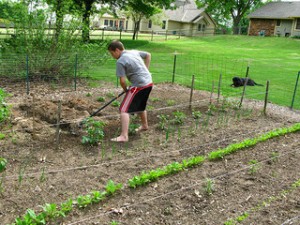
We model delayed gratification each time we choose to work for a later or larger goal. This includes saving, making do, and making it ourselves. We demonstrate it when the whole family pitches in to rake a neighbor’s leaves while she’s recovering from a broken hip. We teach it when we let a child see that if he doesn’t do the laundry when it’s his turn, there won’t be a clean team shirt to wear to the game. And we show that it’s expected every time our kids pitch in with the ordinary jobs necessary to run a household.

This may seem negative, particularly when popular culture constantly screams “have it now” and “get what you want.” But there are enormous positives. Our children become familiar with the pleasures of anticipation, which multiplies the eventual delight when a goal is reached. They also begin to internalize the ability to delay gratification.

This is pivotal for success. Multiple studies (cited in Daniel Goleman’s book Emotional Intelligence) found that children who were able to defer gratification grew into teens and young adults who were more socially competent, better able to deal with frustration, more dependable, reached higher educational attainments, and were effectively able to make and reach long-term goals. Delayed gratification is also related to impulse control. Research shows that a child’s ability to control his or her impulses at an early age is predictive of success even decades later as a healthy, financially stable, and positive member of the community.

Expecting children and teens to take an active part in running a household gives them plenty of opportunity to gain the positive coping skills that help them control their impulses and delay gratification. It may seem like returning to the old adage, work first, play later, but the benefits can be extraordinary.

Skill building

give kids real work, make chores meaningful,

Regular tasks allow our children to see for themselves how the world works. They grasp principles of science and math as a seed becomes a tree, as boards are transformed into bookshelves, as flour and yeast turn into bread. They develop traits such as patience. They are motivated to apply what they’re learning to more challenging endeavors of their own. Sure, it doesn’t hurt to know what it takes to grow the tomatoes, make the sauce, and prepare the beans for tonight’s enchiladas. But more importantly, as our children become proficient at the jobs necessary to sustain their families, they also see themselves as capable. That perception transfers across all endeavors.

There’s no denying that children who participate pick up useful skills. They see that maintenance is easier than waiting till the car or laptop breaks. They can set the table, toss a salad, make a sandwich, and boil pasta. Not right away, but eventually. While they are making real contributions to running the household they’re actively learning how to cook, launder, clean, make repairs, maintain a vehicle, budget expenses, and handle other tasks which are essential for an independent life once they’re adults. Wonderful lessons in cause and effect are reinforced when children complete work and benefit from the results. Seeing oneself as an agent of useful change, priceless.

They also learn from the examples we show them, such as how to handle pressure and ways to learn from mistakes. Whether we’re four or 40, gaining competency feels good. It doesn’t hurt to give credit where it’s due. So if your child has been busy chopping mangoes, strawberries, and pineapple into tasty chunks, try renaming the result “Sophie’s Special Fruit Salad” for extra reinforcement.

Purpose

meaningful chores for kids, finding purpose in chores, raising responsible kids, teaching delayed gratification, building impulse control,

When we stack firewood to prepare for the upcoming winter, make a gift to celebrate a friend’s good news, or change a favorite recipe to accommodate Grandpa’s diabetes, our efforts have purpose and value. As our children participate along with us, they feel the intrinsic satisfaction of doing something that has meaning.

So many educational tasks put before our children serve no purpose other than to instruct. But when learning is connected to something truly purposeful, it can’t help but kindle motivation.

From the earliest time our species lived on planet Earth, young children benefitted from the purposeful learning that comes when adults around them are engaged in practical activities — welcoming a child’s questions and eagerness to be included as entirely natural parts of growing up. It acknowledges that these essential skills are necessary for maintaining and belonging in a community.

Children feel honored to be included in real work that includes real challenges. If we pay attention, we see that’s just what they pretend to do when they play.

Beyond Chores

teaching impulse control, delaying gratification, families working together,

I’m not fond of the word “chores.” It implies that kids and adults have tasks that are set apart from the rest of our lives. Making work around the house and yard a regular part of our lives together seems more natural.

I think it’s valuable to get work done together as much as possible. For me, the simplest way to respond to grumbling has always been, “that’s just how we do it in our family,” without engaging in arguments on the topic. And of course balance is essential. Children and teens (well, all of us) need time for daydreaming, play, socializing, relaxation, projects, and all of life’s other joys.

My kids have their own chores, which they sometimes rotate. They haven’t always done them well or on time by any means. Accepting a floor as clean as a child will get it is part of having children participate. And I’m pretty laid back about things like clean bedrooms. (I remind them we try to adhere to the Firefighter Rule: Could emergency workers navigate a bedroom if necessary?) I understand that kids put less energy into tasks that don’t seem to have much importance. They recognize that a clean bedroom doesn’t affect our family’s functioning, while they know for sure that cutting and stacking firewood will keep our house warm. Hence, the firewood is done right while their rooms are often just short of scandalous.

We’ve never given them an allowance, mostly because we haven’t been able to afford it. Families have counted on children throughout history for work that was reliable and essential. Today we are fortunate that we don’t have to rely on our kids to survive, but we can expect them to contribute. The tasks may not be fun or interesting but they are necessary. They demonstrate to every child that he or she is a valuable contributor to the well-being of the family. And hearing, “Thanks, we couldn’t have done it without you,” feels good too.

I’m pretty sure growing up this way has contributed to how super responsible my kids are now in their teen and young adult years. They see a pile of boxes I need to load for our food co-op and carry them, never waiting for me to ask. They gladly stop whatever they’re doing to pitch in for an hour or all day when help is needed in the garage or barn or back yard. They are incredibly capable people who are far more astute and skilled than I’ll ever be. They can milk cows, fix tractors and cars, cut and bale hay, install plumbing, make meals, diagnose a sick chicken, hang drywall, identify spiders, back up their political opinions, weld, put on a roof, well, you get the idea. Sure, they have busy social lives and enjoy keeping their faces aimed at screens just like everyone else. But they recently spent an entire weekend helping a family member pack, move, and make repairs. They worked hard and displayed nothing but their usual good cheer. After exhausting 14 hour days I asked if they’d rather have skipped this particular task. Every one of them affirmed that it was no big deal. And I heard my words come back to me, “It’s just the way we do things in our family.”

Portions of this article were excerpted from Free Range Learning.

Mother & Child Are Linked At The Cellular Level

fetal cells heal mother, life long benefits of pregnancy, baby's cells help mother,

Fetal cells remain to heal a mother throughout her life. shortgreenpigg.deviantart.com

Today is my youngest child’s birthday. As my mother used to tell me, we always carry our children in our hearts. I know this is true emotionally. Apparently it’s also true on the physical level.

Sometimes science is filled with transcendent meaning more beautiful than any poem. To me, this new research shows the poetry packed in the people all around us.

It’s now known that cells from a developing fetus cross the placenta, allowing the baby’s DNA to become part of the mother’s body.  These fetal cells persist in a woman’s body into her old age. (If she has been pregnant with a male child it’s likely she’ll have some Y-chromosomes drifting around for a few decades too). This is true even if the baby she carried didn’t live to be born. The cells of that child stay with her, resonating in ways that mothers have known intuitively throughout time.

Fetal cells you contributed to your own mother may be found in her blood, bone marrow, skin, kidney, and liver. These fetal cells appear to “treat” her when she is ill or injured.   Researchers have noticed the presence of these cells in women diagnosed with illnesses such as thyroid disease and hepatitis C. In one case, a woman stopped treatment against medical advice. A liver biopsy showed “thousands of male cells” determined to be from a pregnancy terminated nearly 20 years earlier. These cells helped her body recover just as fetal cells you gave your mother rush to help repair her from within when she’s unwell.

Fetal cells may influence a woman’s autoimmunity, although it’s not yet known if they are always beneficial. According to fascinating accounts in Do Chocolate Lovers Have Sweeter Babies?: The Surprising Science of Pregnancy, the more fetal cells there are in a woman’s body, the less likely she is to have conditions such as multiple sclerosis and rheumatoid arthritis. That’s not always the case. It’s thought that sometimes a mother’s body may instead battle those cells, thus provoking autoimmune disorders. (Apparently family dynamics are complicated even at the cellular level.)

There’s evidence that fetal cells provide some protection against certain cancers. For example, they’re much more prevalent in the breast tissue of healthy women than in those with breast cancer. Fetal cells are less common in women who developed Alzheimer’s disease, suggesting they provide late-life protection. Fetal cells can contribute stem cells, generate new neurons in the mother’s brain, even help to heal her heart. Her heart!

Look around at your family. Any woman who has ever been pregnant, even if she miscarried so early she never knew she was with child, is likely to be a microchimera (a person who carries the cells of another person).  Fetal cells have the imprint of her child’s father and his ancestry. Fetal cells can be shared from one pregnancy to another, meaning the cells of older siblings may float within younger siblings. These cells are another reminder of the ways we are connected in a holographic universe.

Overall, the presence of fetal cells in a woman’s body is associated with substantially improved longevity, with an overall mortality rate 60 percent lower than women whose bodies don’t contain such cells.

I’d like to think that my fetal cells helped my mother battle the congestive heart failure that eventually took her life. I like to consider that I carry within me my older sister’s fierce intelligence and that my talented younger brother benefits in some way from the cells of both his sisters. Knowing that I carry the cells of my four living children as well as babies I lost makes my heart ever more full on this special day.

We heal our mothers and our children heal us. Again poetry takes a back seat to nature’s awesome secrets.

Learning Disabilities Linked To Environmental Toxins

toxic waste causes learning disabilities, prenatal exposure to pollution, my child affected by pollution,

fema.gov

Parents of children who struggle with learning disabilities or health problems are familiar with questions that keep us awake at night. Is it genetic, congenital, dietary? Is it my parenting? It is fate? While helping our kids every day to gain new strengths we still search for the cause, hoping we’ll find lasting solutions.

Of course, learning problems have been observed in children for generations, but evidence is mounting that toxins in our highly industrial world are a contributing factor. Today, one out of every six children has a developmental disability. Many of these conditions affect the nervous system: developmental delays, learning disorders, sensory deficits, autism, and cerebral palsy.

Most of us are familiar with studies linking lead (largely from old paint dust and chips) and mercury (from coal-fired power plants, certain fish) to cognitive and behavioral problems.

We’re also aware that BPA found in plastics like food containers, toys, lining of metal cans, and beverage bottles can impair brain function in mammals, via hormone signaling in areas of the brain related to forming memories and retaining information. Choosing only eco-friendly versions of these products doesn’t remove the danger entirely. Even goods marked “BPA-free” can contain damaging chemicals.  And this exposure isn’t just linked to plastics. It’s also found on store receipts!  While debate continues over the effect of these chemicals on our health, it’s interesting to note that studies conducted by independent scientists show adverse effect while those financed by BPA-using industries tend to show the risk is negligible.

Some of the newest research points to cadmium as another potential culprit. This heavy metal naturally occurs in the earth’s crust, but cadmium is released through smelting, burning fossil fuel, incinerating waste, and using phosphate fertilizer—where it’s taken up by food crops such as root vegetables and grains. Cadmium exposure also comes through tobacco smoke, even some toys and jewelry. Children with high levels of cadmium in their urine were found to have more learning disabilities and special education needs. These neurocognitive problems were reported by parents in a study of  2,200 children ages 6 to 15, and more studies with data directly from schools and physicians are needed. Although we can modify our habits to limit exposure to most toxins, the presence of cadmium is largely out of individual control.

We’re also discovering that exposure to all sorts of modern-day chemicals before birth and during the formative years may be related to later learning problems. These chemicals are ubiquitous. An article in the medical journal The Lancet, titled “Developmental Neurotoxicity of Industrial Chemicals –A Silent Pandemic,” reports that half of 201 chemicals identified as neurotoxic are produced in high volume (more than 1 million pounds each year) and over 20 are often found in chemical waste.

follow-up report by Harvard School of Public Health identifies 278 additional neurotoxic chemicals. A multi-national effort is underway to test for developmental toxicity. Experts estimate that up to a quarter of the 80,000 to 100,000 chemicals in use around the world may show neurotoxic properties.

For those of us who know the hope and hard work required to raise children who have additional burdens, such test results are only the beginning. We want action to protect the brains and bodies of every child.

Take Action

Follow EPA advice and information about protecting kids from toxins in the home

Check out specifics about toxins in skin care products your children use.

Get involved in the Environmental Working Group‘s Kid-Safe Chemical Campaign

Support the Clean Air Council‘s push to reduce the emission of mercury, arsenic, and dioxin from coal-fired plants

Contact your legislators to support the Safe Chemicals Act

Use the Open Secrets database to find out how your elected officials are funded by lobbying groups.

Raising Elijah: Protecting Our Children in an Age of Environmental Crisis

Plastic-Free: How I Kicked the Plastic Habit and How You Can Too

Smart Mama’s Green Guide: Simple Steps to Reduce Your Child’s Toxic Chemical Exposure

Super Natural Home: Improve Your Health, Home, and Planet–One Room at a Time

The Newman’s Own Organics Guide to a Good Life: Simple Measures That Benefit You and the Place You Live

Slow Death by Rubber Duck: The Secret Danger of Everyday Things

Ecological Intelligence: The Hidden Impacts of What We Buy

Unacceptable Levels

Use Your Body Up

While waiting with other members of our food co-op, someone who should think of other ways to start a conversation asked me a cuttingly critical question. I couldn’t even come up with an answer. That’s not like me. The best response I could muster was a fake laugh, as if to acknowledge that she must have been joking. (She wasn’t.) Her question seemed to be more curious than mean spirited but it forced me to think about how other people see me.

I thought I’d let Beauty go, along with her twin sister, Shame, long ago. Apparently not.

Some people look amazing all the time and at any age.  They know what clothes are in, what accessories to use, how to walk in fussy shoes gracefully. I’m impressed by them even if they seem like a species only faintly related to my comfortably slouchy self.

My presence makes people who are fashion backward and technologically inept feel much better about themselves. Clearly there are perks for hanging out with me. But apparently I give so little thought to my appearance that others might come away with the wrong impression. As my questioner put it, “You really leave the house looking like that? It must be easy when you don’t care.”

I do care.

I care about practically everything.

It’s exhausting.

I churn through my days trying, and sometimes succeeding, in doing what good I can do even if on the smallest scale. I talk to people and animals kindly, try to listen more than react,  and when I’m upset ask myself what darkness in myself lets me see shadows elsewhere. I write about natural learning and sustainability and peace. I support good causes and when times are hard, as they tend to be, I attach myself to hope like a barnacle.  This leaves very little energy for personal beautification. Heck, I rarely muster up the ooompf to keep weeds from towering over my vegetable plants so there’s no way I’ll get around to using a blow dryer or nail polish. I’ve never had the money let alone the inclination to have a manicure or pedicure, go to a spa, or have my hair styled. Well, I’ve never actually had a hair style….

When I came home I emailed a few close friends. I explained I’d been at the co-op, where we unload a truck and do other labors befitting less-than-great clothes, so I wore jeans and an old embroidered cotton shirt, my hair tied up and scuffed clogs on my feet. Because I’m no saint, I described the unflattering horizontal stripes of the shirt my questioner wore and how it was a so tight that her form-fitting pants pushed bulges of flesh through at least three of those stripes. (I try to be non-judgmental. That day I failed.) Then I asked the most important question. I’ve never steered that question to appearances before. My friends were all ridiculously nice when really, I was hoping to know if it’s time to start dying my hair or stop wearing my daughter’s hand-me-ups.

I know we broadcast something about our self-esteem via our appearance. Still, I’m not any more motivated than I was before that day at the co-op. I tweezed an eyebrow once, back when I was a teen. It hurt at the tears-in-my-eyes level. Won’t do that again. There’s no way I’ll bother wearing earrings or remembering hand lotion.

But I’ve realized an appearance-based truth from all of this. My body, like everyone else’s body, gets used up by life. And that’s exactly how it’s supposed to be. Years of changing diapers, gardening, canning, washing dishes, kneading dough, and taking walks no matter the weather have left me with creaking knees and hands that belong on someone much older. These are all ways of using my body for a purpose. When I stroll off the planet I want to know that I’ve enjoyed all the health, vigor, pleasure, and meaningful work my body can generate.

During yesterday’s walk the wind was intense and it started to rain. My face and hands were pelted with icy drops from a beautiful still-bright sky. I should have left the house with a scarf and gloves but I didn’t turn around. I walked right into the wind, letting it toss my hair as freely as it blew the last leaves off the trees. I felt completely alive.

enjoy your body not your looks, beyond beauty, beyond body perfection, die used up,

Aja-ann Trier /www.etsy.com/shop/SagittariusGallery

Yes, Diet Can Affect A Child’s Behavior

research diet and behavior, food intolerance and mood, food intolerance and school problems,

USDA Commons

I’m one of those annoying people.  I grow enough organic produce to put up hundreds of jars of home canned goods each year. I grind grain to make fresh flour, use coconut oil instead of canola, even make my own herbal tinctures. I was probably a little nutty about nutrition before I had kids. I got a lot nuttier afterwards. All of my health-foodie ways didn’t ward off my third child’s problems. He was born with a hole in his heart. Even after that was resolved he rarely seemed fully healthy. He had asthma, chronic skin irritations, an ever-stuffy nose, and low resistance to any passing germ. He never complained and his disposition was so sunny that we believed the doctors who told us there was no reason to worry. I reassured myself that his life was full of good food, wonderful experiences, and plenty of nurturing from our close extended family. But that sunny disposition didn’t ease the way for him at school.

ADHD and diet,

Image mountainwaves’ Flickr photostream

His kindergarten teacher said he was cheerful but he preferred helping other kids to completing his own work.  The next year it got worse. His first grade teacher complained that he was distracted, didn’t get his work done, and tended to sit with his hands folded over his head in a posture that enraged her. At her insistence we took him to a psychologist. He was diagnosed with ADD.

I was sure we could find a solution, maybe by further perfecting his already healthy diet. So we took him to a pediatric allergist for a series of tests. The outcome shocked us. My little boy reacted strongly to nearly everything I’d been feeding him. Worse, the doctor warned us that our son’s breathing was dangerously impaired during food intolerances may surprise you,  and after the test, which indicated that his food allergies were serious. Final test results showed that my son was allergic to soy, to nearly a dozen fruits, and to every grain but rice. The foods I had long suspected, including chocolate and dairy, were not a problem at all.

The doctor was so concerned by my son’s asthma flare up that he advised the gold standard, an elimination test to uncover additional food intolerances. We went home with a long list of dietary and environmental allergens to avoid. My son’s dinner that night was a bowl of rice cereal. Ever the optimist, my son noted that he’d be happy to live on chocolate milk.

For decades experts have denounced any link between diet and behavior problems. They often poo poo’d a connection between common health problems and food as well. Back in the 1970’s, parents who insisted their children thrived on the Feingold Diet were told the evidence was entirely anecdotal. Studies that disproved diet and behavior links, despite questionable procedures, were widely publicized. One such study examined children’s reaction to food dyes. Both the experimental and control group of children were given beverages containing sweeteners and artificial flavoring, only the experimental group’s beverage also contained food dye. Both groups of children behaved similarly after the drink. Claims for a connection between diet and behavior were then denounced although press releases rarely mentioned how the tests were conducted. But scientific evidence is accumulating to prove what parents have suspected all along.

research diet and child behavior, diet and mood, diet and ADHD,

Wikimedia Commons

Our children’s minds and bodies are built by what they eat. Some children (like mine) are much more sensitive than others. Previous studies have shown that even children who are not diagnosed with ADHD or other behavioral disorders react to drinks containing artificial color and sodium benzoate. Not just a mild reaction. They typically increase their activity levels by one-half to two-thirds, in league with their ADHD peers.

But everywhere our kids turn, marketers push processed and nutritionally devoid foods at them. In fact, more than a third of the calories U.S. children consume now come from junk food.  Is it worth fighting the battle against these overwhelming influences? Certainly seems that way. More and more data is piling up to prove the point. And it’s compelling. Research shows that a junk food diet is linked to a lower IQ and a greater likelihood of school failure. And it’s not just junk food. We might feed our kids the healthiest foods, but if they don’t tolerate these foods well chances are they will react.

One study took a close look at the way ADHD behavioral problems may be caused or accelerated by diet. One hundred children with ADHD symptoms, ages 4 to 8, took part. Fifty of the children and their parents were counseled about healthful diets. The other fifty children were put on diets limited to foods unlikely to cause reactions: rice, turkey, lamb, carrots, lettuce, pears, and other hypoallergenic items.

elimination diet, food intolerance,

Image from jimforest’s Flickr photostream

By the study’s end the majority of the children on the limited diet showed significant improvement on a variety of behavioral ratings. Before the diet their symptoms put them in the moderate to severe range of ADHD, but diet intervention reduced to symptoms to those classified as mild or non-clinical. That’s big news.

In my son’s case, changing his diet wasn’t easy. But we could see the difference in a week’s time. His stuffy nose cleared. The bumps on his skin smoothed out. And we discovered that he kept his arms folded over his head so often because it expanded his lungs and help him breathe, something he didn’t need to do as his asthma got better. My son didn’t stick with all the new dietary limitations all the time, especially as he got older. And a restricted diet wasn’t the whole answer.

Together we learned that school wasn’t the right place for his particular gifts to flourish. Once we started homeschooling we were free to explore more natural learning. Without the pressure of cafeteria lunches, classroom snacks, and school parties it was much easier to feed him the foods his body tolerated well. Including chocolate milk. Being the nut I am, I took even chocolate milk to the extreme. Now we have dairy cows.

Healing The Next Generation

reducing parental stress, epigenics, improving the future,

Image courtesy of corazondedios.deviantart.com

The science of epigenetics shows that the choices we make today will resonate in the minds and bodies of our grandchildren.

How? Each of us has biochemical markers that signal our genes in response to input such as nutrients, toxins, even behavior. As a result potential gene expression is switched on or off.

epigenic healing, epigenics and society, parental stress and children,

Nucleosome Wikipedia

These epigenetic changes persist well after the original stimulus for change is gone. Some of them pass on through generations like biologic memories of what our ancestors ate and breathed, as well has how they felt about their experiences. This also means that our personal choices today can become a living inheritance sent on to those we won’t live to see.

As Duke University genetics researcher Randy Jirtle, Ph. D recently commented,

We can no longer argue whether genes or environment has a greater impact on our health and development, because both are inextricably linked. Each nutrient, each interaction, each experience can manifest itself through biochemical changes that ultimately dictate gene expression, whether at birth or 40 years down the road.

epigenic changes, effects of parental nurturance,

Image courtesy of corazondedios.deviantart.com

Much of the research about epigenetics correlates to earlier studies showing that parental stress has a negative and long-lasting effect on their children, often well into adulthood. That’s true of the effect of prenatal stress, parental stress during early childhood,  parental depression, conflict in the home, unemployment, poverty, and homelessness. Epigenetics may, in part, explain the strong correlation between these stressors and resulting poor mental and physical health in the next generation.

But there’s good news too. Studies have shown that early nurturance can flip “dimmer switches” on genes related to stress, permanently shaping offspring to be calmer and better able to handle new situations. Healthier too.

healing generational depression, healing generational anxiety,

Chances are good that I was born with genes predisposing me to anxiety or depression.  My sorrowful grandmother nurtured my own mother as best she could despite very stressful circumstances. In turn, I was lovingly nurtured and well attached to my parents. As a result, these predispositions were more likely to be dimmed or switched off in me. I hope to carry on this legacy of positive epigenetic changes by gently parenting my children. Epigenetics show us that grandparents and parents can bless children to come (including foster children and adopted children) even if they don’t live to see those children.

As a society, we’ve known for a long time that serious parental stress leaves a legacy of pain into the next generation. Maybe the science of epigenetics will be enough to convince us that parental support and nurturance doesn’t just benefit the child. It also benefits society as a whole.

healing future generations,

Image courtesy of corazondedios.deviantart.com

Additional resources

Epigenetics: The Ultimate Mystery of Inheritance by Richard C. Francis

The Genie in Your Genes by Dawson Church

The Genius in All of Us: New Insights into Genetics, Talent, and IQ by David Shenk

7 Ways To Access Your Body’s Unique “Knowing”

developing body based awareness, raising consciousness, paying attention,

Ever notice that the smallest children seem to be one with their bodies? Unlike us, they don’t value their thoughts over their senses. They also don’t get caught up in ruminating about what isn’t directly part of the moment. Past or future: irrelevant. Other people’s opinions of their appearance: irrelevant. They are tuned to the sensory world around and within them.

This state of awareness may be similar to the state that was essential for our earliest ancestors, whose attention to the here-and-now ensured survival. Eons ago, hunter-gatherers had to be alert for scents, sights, and sounds of potential food or danger. Chances are this alertness included respect for the body’s way of knowing—unease felt in the belly, anticipation in the throat, restlessness in the limbs—signaling awareness transcending overt indicators. And they had to be able to respond appropriately and meaningfully in an instant. Pausing to consider their options would have let the antelope get away or given the bear time to attack. The people who were most attuned to their body’s perceptions (inner as well as outer) were more likely to live, passing along those abilities to the next generation. We have the same capacities today although typically they’re pushed well below our awareness.

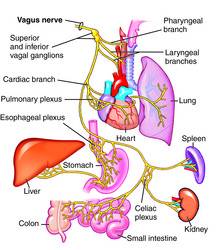
Powerful nerves connect our brains with our digestive system, heart, lungs, and other organs. And this communication is sensory. It isn’t top down, with our brains bossing around our bodies. Instead 90 percent of the information goes the other way, with the gut informing the brain.  The network of nerves along our digestive system is so significant that researchers call it the enteric brain.

Our impulses and emotions are influenced (perhaps generated) by the nerves in our gut. Our brains then work to logically explain the emotion, as Candace Pert explains in her groundbreaking book, Molecules Of Emotion.

Our intuition and reasoning is also influenced by our enteric brain. This ability to know without thinking about it is what Malcolm Gladwell termed “adaptive unconscious” in his bestseller Blink. We constantly process data from all around us (as well as within us) below the level of conscious awareness. Accessing and understanding this information is part of what makes us safe and happy.  What we call feeling good is a sense of accord with this innate bodily knowing, transmitted to us directly as a visceral sensation.

We drive ourselves and our children away from this awareness when we emphasize head over body, when we value thoughts but dismiss that knowing  in our very cells. We worsen the problem when we adopt the standard practice of valuing one hemisphere of the brain over the other.

So what are some ways to tune ourselves to this bodily knowing? 

1. Notice how the youngest children perceive reality. They have an innate ability to assign unique meanings and interpret creatively. They haven’t yet learned the boundaries of acceptable/unacceptable forms of knowing. Simply watching, listening to, and living within the reality of a very young child can stretch your perceptions and re-awaken your awareness.

2. Avoid the distraction of multitasking. This fractures your attention into tiny (often useless) pieces.

3. Devote time each day to simple practices which cultivate awareness. Daydream. Contemplate a flame, or the evening sky, or a tree. Meditate. Take a walk that’s focused entirely on sensation—-the feeling of your feet as they touch and push away from the ground with each step, the whoosh of air in and out of your lungs, the temperature of the outdoor air as it contacts your exposed skin. Eat slowly. Look into a loved one’s eyes.

4. Practice using your intuition. With regular use, your gut sense and intuitive hunches will become more reliable. Try using the classic Intuition Workout by Nancy Rosanoff.

5. Check out what Eugene Gendlin calls focusing.   We’ve been talking about the feeling of knowing that lies deep in us, related to the way our bodies carry concerns or life situations. According to Gendlin’s book Focusing, these perceptions can be accessed using specific steps of clear bodily attention. This opens up knowingness as it is “felt” and garners direct information that comes from the center of one’s being.

6. Pay attention to your dreams. When you waken, spend a few moments relishing the feelings and images you just experienced in the dreamworld. Let them enter your waking body and waking consciousness. They are specific to you, and have unique purpose that transcends analysis. They are another form of direct knowing.

7. Ask your body questions and “listen” as answers arrive in the form of images, physical sensations, memories, or emotions. You may want to ask a headache why it’s occurring or ask your throat why it feels tight. Learn to recognize metaphors in your body’s answers.

“My belief is in the blood and flesh as being wiser than the intellect. The body-unconscious is where life bubbles up in us. It is how we know that we are alive, alive to the depths of our souls and in touch somewhere with the vivid reaches of the cosmos.” D.H. Lawrence