Holiday Project Rush

a

I’m a crafter wannabe with no talent to back up those aspirations. But my desire to come up with frugal and meaningful presents pushes me to attempt projects rather than stare dreamy-eyed at all the luscious offerings I can’t afford, the ones made by people with real skill.

Over the years my four kids and I have made hundreds of gifts: mosaic tiles, felted ornaments, hand-dipped candles in rustic holders, glass magnets, painted pillowcases, you name it we’ve probably done it. In most cases these projects came out reasonably well. Any flaws could easily be ascribed to the youthful nature of the participants. But now my kids are old enough to make or buy their own gifts, no need for mom’s help.

Yesterday one of my sons heated and hammered iron into an odal rune amulet, similar to the ones worn by his Scandinavian ancestors to ward off jötnar, those unhelpful yet powerful beings known as trolls. I want to wear one, or at least hang it near my computer where pesky trolls still lurk.


Another of my sons is doing woodworking projects. One is a simple board with a beverage opener mounted on it. But he’s hollowed out the back, where he’s installed a powerful magnet. When a  cap is popped off, it’ll cling like magic to the board just below the opener. Another of his projects is a five foot long custom rack for halters and ropes to be used in our barn. The wood on each is sanded and oiled to smooth perfection.
 

And my daughter has been making darling felt owl ornaments, inspired by her volunteer work at a avian wildlife rehabilitation center. These plump, stuffed little creatures are a hoot.
 

I had only a few projects lined up this year.

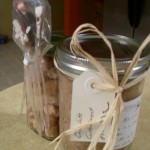
1. Homemade cocoa mix kits with chocolate spoons and homemade cocoa nib marshmallows. These are going into cookie baskets I give to neighbors and elderly aunt types.

2. A few felt ornaments (okay, I got the idea from my daughter), which I’ll use to adorn packages.

3. And my main project, cement stepping stones embedded with my friends’ favorite quotes. It was fun detective work finding out those quotes (including Virginia Woolf, J.R. R. Tolkien, and Buddha) but not so fun doing the project in a crowded garage.

I know leaving enough time is essential if I want to create in a lighthearted way rather than with that teeth-gritting get it done already attitude. But this year I got started too late.

Being short on time also leads to poorly done (okay: ridiculously bad) projects.

I hurriedly assembled my cocoa kits, meaning I couldn’t come up with more artful labels than old adhesive printer forms.
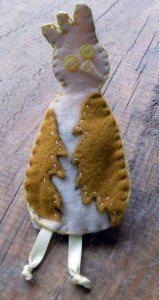


The felt ornaments, which I intended to look like quizzical chickens, were described by one of my helpful family members as strangled poultry.  I may just hang them on our tree o’homemade ornaments rather than give them away.


And I shan’t speak of the cement stepping stones, still sloshy in their forms.

At least my kids have learned to make their own projects joyfully, creatively, and occasionally ahead of time. Maybe my craft attempts aren’t the outcome of my artistic longings. Maybe generating kids who are themselves artful is what I’ve been working on all along.

Because this year’s gifts are still secret, I had to offer this throwback post from GeekMom.com

Toes Making A Fist

Toddler shoes so classic they're now on eBay. (image: JuneeMoonVintage)

Toddler shoes so classic they’re now on eBay. (image: JuneeMoonVintage)

There was an era when stiff white baby shoes were de rigur. Parents were assured their children’s feet wouldn’t develop properly without them. This was before the Internet, so it wasn’t easy to disprove industry lobbyists’ advertising campaigns, women’s magazine articles, and mainstream doctors repeating all the same falsehoods.

But my husband and I, being freethinkers, believed barefoot must surely be nature’s perfect design, so we didn’t get our first child shoes until he was nearly two. Grandparents on both sides muttered about our poor unshod child wearing hand-knit socks in the winter. When we finally broke down, we broke down completely, and ended up buying those same little white shoes.  (Freethinkers? Not so much.)

We knew we’d made a mistake. The shoes cost approximately the same as our weekly grocery budget. They seemed to cause our child to fall more often and made his gait somewhat awkward, so we put them on him infrequently.  The sound of those shoes clumping on the floor brought back memories, I swear, of wearing similar shoes when I was small except that mine had maddening little bells attached. <shakes fist on behalf of toddler selfhood>

We were determined to get more flexible footwear when we took our child to get his second pair a few months later. We eased his little feet out of the white baby shoes and the shoe salesman checked sizing on one of those metal measurers unique to shoe stores. (The term is Brannock Device, I looked it up.)

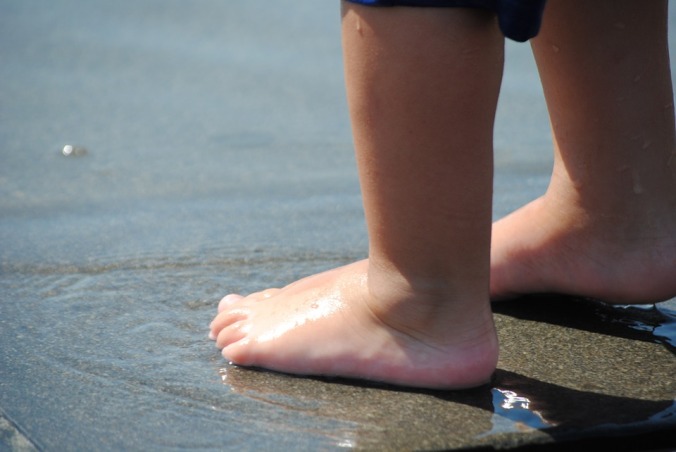
This time, we insisted on a soft pair of sneakers. The salesman knelt, put the shoes on, laced them up, and asked our little boy to walk in them. Our sweetie did as he was told. I don’t know if he he’d been wearing shoes he’d outgrown or if the new shoes finally fit his wide feet, but he took a few tentative steps and a big smile slid across his face. He said clearly, with the wonder of the newly liberated, “My toes don’t have to make a fist any more!”

The phrase has remained a family joke even though that toddler is now a young man (still with feet so wide they’re hard to fit). Each time I hear it I cringe to think of the pain his poor crunched up toes must have been in. And it continues to remind me that children, especially young children, can’t always tell us something is wrong. They accommodate as best they can to a tight fit, to falls, to an awkward gait, even to !#*! bells that jingle at every step.

Children accommodate to all sorts of things. That’s why we’re not aware they’re suffering from chronic headaches (as my daughter did) or meekly compliant around a babysitter who hits (as my friend’s son was) or have to battle rats that get in their bedrooms at night (as a child in our neighborhood did). We have no idea why it seems they’ve become clingy, whiny, or unreasonable.  Sometimes we can’t see any change in their behavior at all.

It’s a blessed relief when we’re finally able to figure out what’s wrong. Only then can we make it better.

Let’s remember to be on the lookout out for anything in our children’s lives that forces them to accommodate  to misery.  Let’s keep a look out for constriction and pain in our own lives too.

kids can't tell us what's wrong

I’d love to hear your own “toes making a fist” stories.


Acts of Kindness That Take Moments

fit acts of kindness in your busy day

Be kind whenever possible.

It is always possible.

~Dalai Lama

Compassion is contagious. The wisest among us have always taught this truth and researchers agree: a kind word or helpful gesture inspires recipients to act more compassionately themselves. This tendency to “pay it forward’ influences dozens more in an enlarging network of kindness. Even more heartening, the effect persists.

When kindness begats more kindness, it sets in motion a ripple effect far greater than we might imagine. (We know it boosts the giver’s health and happiness too, especially when we perform a variety of caring acts.)

Want to fit more compassion in your day?


1 minute acts of compassion

When something good happens, amplify it. If you see a public servant going above the call of duty, contact their supervisor to commend them. If you’ve gotten excellent service at a restaurant, repair shop, or other business leave a complimentary review online. If one of your children’s friends did something unexpectedly generous or thoughtful, call their parents to share the story.

Take the time to introduce yourself and ask the names of people you see on a regular basis. That way you can greet the office security guard, postal carrier, and librarian by name every time you see them.

Next time you renew your driver’s license, check the organ donor box.

Let someone leaning on a cane  or trying to calm a fussy baby go in front of you in the checkout line.

Add a coin to an expired meter.

Give an authentic compliment to a family member, friend, or co-worker. Think of it as being on the prowl for the positive.

Let your online clicks do some good by using search engine that donates to charities. Try Good Search or EcoSearch. Registering is speedy, then you can use it daily.

Pick up a few extra umbrellas when you see them on sale. Keep them in your car or at work, ready to gift someone who doesn’t have one. (Or heck, next time it looks like rain, have fun hanging a umbrellas from tree branches and road signs in a busy part of town!)

When you buy coffee, pay extra for “suspended coffee.” It’s an anonymous act of charity,  allowing the barista to give a cup of coffee to someone who has difficulty paying.


5 minute acts of kindness

Create a separate, secret email account for each of your kids. Send an email whenever you take a great picture, share a funny moment, or want to preserve a memory. Give them the email address when they become parents for the first time.

Save empty pill bottles from over-the-counter as well as prescription meds and supplements. Soak the labels off, then send them to Medicine Bottles for Malawi.

Write a personal note of appreciation. Seem daunting? Here’s a thank you note template!

Send mail to a child. Kids love getting mail but rarely, if ever, receive anything personal addressed to them. Here are some unusual snail mail ideas.

Perform secret favors for family members or co-workers. There’s something about doing this anonymously that imbues even the most menial tasks with meaning.

Make a small investment in someone’s endeavor through Kiva. Once it’s repaid, loan that money to another recipient. Choosing which person or project to back is a great family activity.

Be a resonant listener. Give your full attention to the other person. Nod, encourage them to go on, respond in ways that show you empathize. This may be the single most powerful thing you can do for anyone.


15 minute acts of compassion

Ask your hair salon, barber, or pet groomer to donate to Matters of Trust. The organization collects hair clippings as well as fur and fleece, recycling them into mats used to absorb oil in the event of a toxic spill in waterways.  Or donate on your own!

Sick or infirm neighbor? Offer to walk her dog.

Go through a book shelf and drop off books you no longer use to your local library or an area women’s shelter. Or ship them to Books for SoldiersBooks for Africa, or Reader to Reader.

Extra homemade cookies? Stop by to deliver them to your local fire station, along with your thanks.

Make bird treats by rolling pinecones in peanut butter and then birdseed. Hang them up on a tree outside your window.

Text or email a few people to set up a series of meals for someone who is recovering from surgery or just gave birth. Here’s how to make this work.

Have a purse, backpack, or messenger bag you no longer use? Fill it with non-perishable snacks, hygiene products, a water bottle, a few dollars, and new pair of socks. Next time you come across a homeless person, offer it to him or her.

Go through your closets, collect old running shoes (any brand) and drop them off at the nearest Nike store’s Reuse-a-Shoe collection. The shoes will be ground up for use as surface material on playgrounds and running tracks.

Greet new people in your neighborhood with a small gift such as a houseplant or fresh loaf of bread.

Use children’s drawings as wrapping paper, tucking inside them a piece of wrapped candy or silk flower, along with a note like “thanks for being so nice” or “you made my day.” Then when you’re out together, stay on the lookout for a nice cashier, helpful librarian, or kind friend to hand out a surprise package. It cues kids to see goodness everywhere.

Do something good for yourself! Try making your own highly personal Bits of Joy list. That way whenever a bit of time opens, even a few minutes, you’ll be prompted to devote it to something you love to do.


Resources

Guerrilla Encouragement Efforts: Gestures of kindness even the smallest children can do.

40 Ways Kids Can Volunteer from Toddler to Teen  Make no-sew dog toys to donate to pet rescue shelters, participate in a toy co-op, even earn a Congressional Award,

25 Ways to Spread Some Kindness  From leaving money in certain vending machines to using a Pass It Forward box.


Fiction Worth Fawning Over

fiction worth reading

My desk is littered with what from a distance might look like irregular paper snowflakes. They work their way into stacks of books, unfinished to-do lists, and other desk detritus.  As you might imagine, they aren’t snowflakes. They’re book titles torn from magazine and newspaper reviews.

As an insomniac, I have plenty of time to read. A few nights ago I gave up trying to sleep a little before 2 am. I got up, snuggled in a blanket on the couch, and read until it was time to make coffee and start the day at six. That probably explains how I get through so many books in the average week.

I wouldn’t be able to support my reading habits if I bought most of what I read. Instead, I order them from one of civilizations best inventions, the library. I don’t know about you, but when I own a book it languishes because I’ve got all the time in the world to read it. Yet I’m motivated to zip through library books since they’re mine for only a few weeks.

Although I review books and read book reviews, I know reviews aren’t even close to a sure thing. (As my daughter says when I’m once again disappointed in a much-anticipated volume, “What have we learned about reviews?”) Instead, I’ve found that recommendations from friends are the best way to find the titles  I’ll fall in love with next.

So, as a friendly gesture, I’m sharing some books I love in hopes that you will too.


 State of Wonderby Ann Patchett takes us into the Amazon jungle where the competing aims of pharmaceutical researchers and indigenous people unfold in prose so vivid you can feel the humidity and hear the insects.  This is a tale of lies, poison arrows, reluctant heroes, and strange miracles. The last few chapters offer an entirely satisfying conclusion without a trace of the cloying sentiment so common in lesser books.


aAll the Light We Cannot See by Anthony Doerr has won many (richly deserved) awards including the Pulitzer.  I read this book soon after it came out and actually grabbed people’s wrists as I implored them to read it. The main characters are a blind French girl and an orphaned German boy growing up as war irrevocably alters their destinies. Their stories swoop through the lives of many characters, even the minor ones so clearly rendered that they’re real as the person sitting next to you. There are few novels by any author as perfectly executed as this one


The Signature of All Thingsby Elizabeth Gilbert is one of those rare books which manages to combine science and history into a captivating story.  In it, a brilliant young woman defies her era’s conventions to pursue science, eventually leaving behind her quiet life to explore the larger world.  The book manages to be cerebral and carnal, large in scope yet about the miniature cosmos of moss. Although there were a few pages that jangled off-key, it is an amazing book. I gave it as a gift to one friend along with terrarium I’d planted with mosses. (A trip to Tahiti would be just as relevant, but moss is a bit more affordable.)


aPeace Like a River by Leif Enger is, I daresay, is as timeless a masterpiece as To Kill A Mockingbird.  The plot seems ordinary enough: a family from rural Minnesota goes on a quest to save the eldest son who has escaped from jail during his trial for murder. The telling,  however, illuminates the ordinary to gleaming transcendence. The fully drawn characters of Peace Like a River are people you want to invite to dinner so you can thank them for offering such sustenance. Enger makes every line worth savoring in this story of justice, faith, and enduring loyalty.


Euphoria by Lily King is very loosely based on episodes in the life of anthropologist Margaret Mead.  I’ve been quietly obsessed with (and often appalled by) anthropology since discovering it was a thing back in high school.  Euphoria has that and much more: revelation, rivalry, lust, despair, and a recognition that what we see says more about us than who we’re observing. Reading it, I was so immersed that I was surprised to look up and find I wasn’t climbing a ladder to a treehouse in the wilds of New Guinea.


The History of Love by Nicole Kraus is artful, complex, and beautifully written. There are books within this book, including a book written about a Polish girl named Alma and decades later,  another Alma, named after a character in a Chilean book that her mother is translating.  Kraus pulls together disparate strings including Holocaust survival, plagiarism, and a ten-year-old lamed vovnik — knotting them into a hauntingly lovely story about overcoming the greatest cruelty of all, loneliness.


Station Eleven by Emily St. John Mandel is a stark look at a world we take for granted — where small rectangles hold the power to connect us with people around the world, where metal cylinders transport passengers across the sky, where something magical called the Internet answers every question — although that world is gone in Station Eleven. After nearly all of humanity has been wiped out by a plague the future is a dangerous place, but we see it come alive through a troupe of artists who travel from settlement to settlement playing Beethoven and performing Shakespeare. Their motto is lifted from Star Trek: “Survival is insufficient.” This book brings that motto come alive.


Speak by Louisa Hall offers us five very different voices, each emerging from different times and places. They include Alan Turing, a Puritan girl, and a doomed babybot. These characters act within ever-tightening strictures that, together, make up a larger pattern. Hall asks us to consider what it means to understand each other in this thought-provoking and entirely original novel.


Jewelweed by David Rhodes is a book of quiet insight told from many viewpoints—an ex-con, chronically ill child, wary young mother, minister, long-distance trucker, and others. Although it takes place in rural Wisconsin, the humble epiphanies Rhodes shares are relevant in any setting. At 464 pages this is a long novel, but you may find yourself wishing for a sequel. I do.
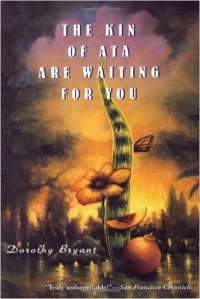


The Kin of Ata Are Waiting for You by Dorothy Bryant was written in 1971, yet it’s ever more necessary in our time. The novel centers on a successful yet desperate man who finds himself transported to an unknown place, one that seems primitive to him. He finds he’s landed in a kind of Eden where the inhabitants uphold and maintain the “real” world through their dreams. I was reminded of Daniel Quinn’s Ishmael as I read Bryant’s book, but Quinn’s book left me in despair while this one imparted a sense of delight and wonder.


Bel Canto (P.S.) by Ann Patchett. Yes, another Patchett book! Music forms the spine of this unlikely story. Wealthy international businessmen, a world-famous singer, and desperate terrorists move the storyline along with pacing that speeds up and slows down like the plot of an opera, coming to a sudden ending with nary a curtain call. Even if opera isn’t your thing, you may find yourself searching out pieces integral to the narrative. I suspect this novel, all on its own, created many new opera lovers.


Sum: Forty Tales from the Afterlives by David Eagleman. I’ve never encountered a book quite as imaginatively intelligent.  Written by a neuroscientist, this intriguing volume offers wildly divergent speculative tales. Each is only a few pages, but Eagleman packs them with such fresh ideas that it’s best to read only one at a time in order to fully savor them.  This book makes a great gift. I’ve given it to a teen, to one of those people who have everything, and to someone who insisted he wasn’t much of a reader. They all adored it.


Okay, if my motive still isn’t apparent, I want you to tell me what fiction YOU are fawning over!

Hopeful, Helpful Holiday Links

hopeful, helpful holiday links

“The best and most beautiful things in the world cannot be seen or even touched. They must be felt with the heart.”     Helen Keller

Sharing ideas and reflections here in hopes of passing along some holiday inspiration. 


Ideas


100+ non-toy gift ideas100+ Non-Toy Gifts for Toddlers to Teens 

Give real tools, out-of-the-ordinary experiences, even a giant Scrabble game. Over 100 suggestions to deepen connections and spark new ideas.


Resources for Simple Holiday Gifts & FunResources for Simple Holiday Gifts & Fun

Dozens of resources including simplified holiday traditions, DIY gift-giving, and more.


Fighting Crazed Holiday SyndromeFighting Crazed Holiday Syndrome

Five tactics to de-stress the holidays, including Shun Those Voices and renounce How Does She Do It All Disease.


aDo-Gooder Gifts: Personal As Well As Global

Clever ways to pair gifts to charity with a personal gift.


Reflections

Our worst Christmas became our most memorable ChristmasOur Worst Christmas Became Our Most Memorable Christmas

Heartwarming true story with despair, secrets, delight, and some poo.


aWhat Do Your Gifts Say? 

There’s meaning embedded in our gifts. We have certain intentions as we shop, wrap, anticipate giving, and finally offer the gift. Our efforts try to say something.


Preserve the Santa myth without lyingDo You Tell The Truth About Santa?

How to preserve delight in Santa without lying to your kids.

Calling the Dog


a

 Calling the Dog


Following messages left in leaves, soil, air

he wanders too far.

When I call    he pauses

quickening

to hurl fullness and glory

ahead of the self

like whales breach, tigers lunge, hawks soar.

There’s nothing but an arc

between hearing his name and springing

toward the one who named him.


I want this completeness.

I want to feel 100 trillion cells spark

from my body in answer

to what we call spirit.

I want to taste

the shimmering voltage course

from every rock, tree, star.


A moment before reaching me

he unsprings,

back to golden fur and brown eyes

arriving tongue first.


Laura Grace Weldon

from Tending  (for my friends Cocoa Bean and Winston)

Sideways Procrastination

Procrastinating by accomplishing other things.

Tipping over in 1, 2, 3.   vintag.es/2015/02/a-list-of-donts-for-women-on-bicycles.html

Several very large deadlines lurk on my horizon. Instead of clicking into high gear to get going I’m barely pedaling fast enough to keep from tipping over. The more I excoriate myself for falling behind, the farther I fall behind. I could easily blame this on chronic insomnia or existential angst or a nasty case of what-the-hell-did-I-get-myself-into. Blame, however, is useless for motivation purposes.

I was raised with the Puritan ethic: work hard, be polite at all costs, and avoid the unspeakably vile sin of laziness. Yet I’ve come to believe it’s in our do-nothing moments, like lying in the grass watching the clouds stroll by, that we most truly inhabit our lives. This probably explains why two tigers, named Full Tilt and Full Stop, tend to snarl at each other in my mind. I compromise to keep those tigers at bay.

I do this by letting myself be lured by the call of other things I want to do, things that suddenly seem delightful in comparison to the things I have to do. Here are a few examples.

  1. When I agreed to help a non-profit streamline their mission statement, I stalled by reorganizing kitchen cupboards.
  2. When I committed to editing a dissertation on organizational differences in international companies, I put it off by planting a few dozen strawberry plants and weeding the asparagus bed.
  3. Heck,  a few years ago when I was supposed to be editing an anthology, I dawdled by writing poetry. That turned into a whole poetry collection!

This, my friends, is what I call Sideways Procrastination.

The practice is weirdly energizing. For rationalization purposes, I tell myself that by doing something amusingly unrelated I’ll return to the task I’m avoiding with a fresh outlook and enhanced enthusiasm. I’m not sure it works that way, but it’s my operating excuse.

Here are three of my recent Sideways Procrastination endeavors.


One

My dear friend and filmmaker Susan took me along on her latest adventure, filming Artocade in Trinidad Colorado.

Artocade art car festival 2015, Trinidad Colorago

Here are a few of the amazing entries in Artocade 2015.

To send her a small token of my thanks, I turned a toy truck into a toy art truck. Gluing baubles and beads was play to me,  and play, as we all know, rejuvenates the spirit 

tiny art car, er, truck


Two

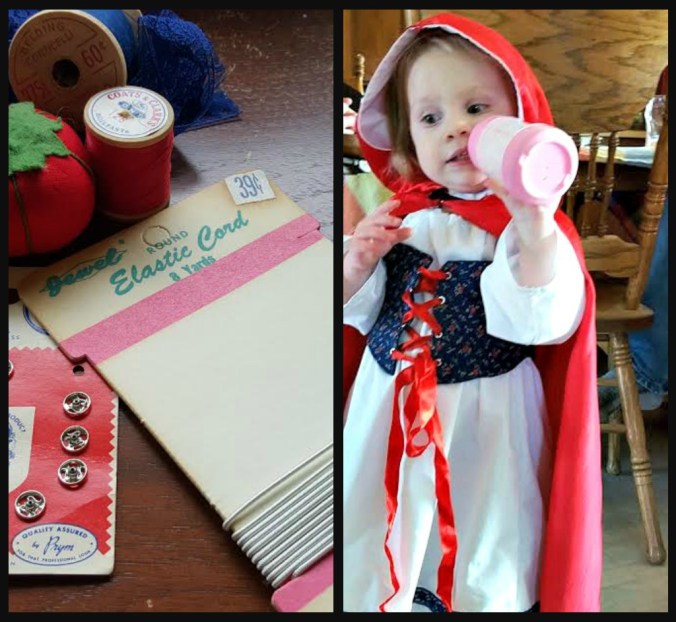
I dug around in the sewing supplies left to me by my mother and grandmother for a project. I turned an unused piece of red satin,  an old white sheet, and lots of vintage notions into a Red Riding Hood costume for Liv.  It was challenging (especially turning a tiny scrap of quilted fabric into a vest) and it was fun.

vintage notions, Red Riding Hood costume


Three

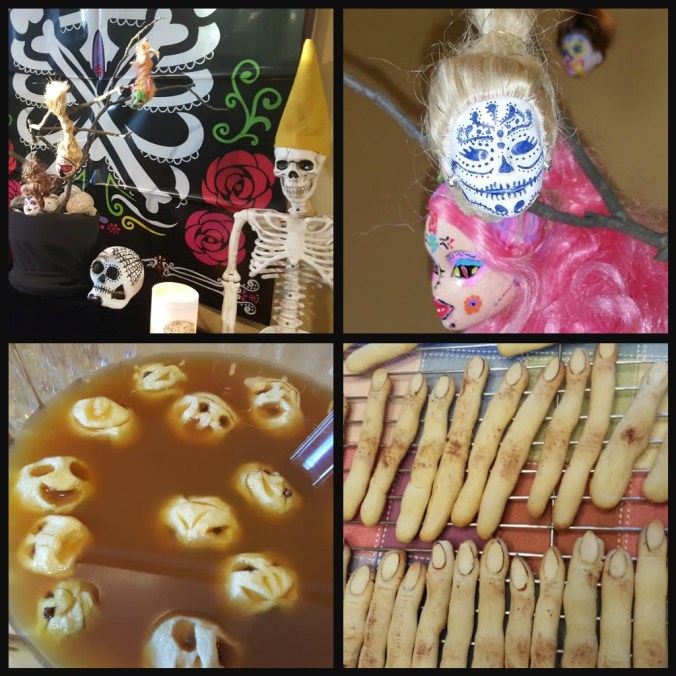
My daughter and I invited a few arty friends over for a Day of the Dead art party complete with skull painting, Barbie head alterations, finger cookies, and shrunken head punch. Preparations were a blast, the event was even blastier. ((I know “blastier isn’t a word but it should be.)

dead of the dead art party


Many people seem to be great at focusing, but I’m not. I’ve got to sidle up to a task, peek around, and then break in burglar-style.  Sometimes that approach works and the marvelous state of flow settles over me. Often it doesn’t and I find myself escaping into more Sideways Procrastination.

Chances are good that right now I’m in the kitchen concocting something fussy for dinner, or outside hauling something around in our old blue wheelbarrow, or curled on the couch reading a book I promised to review. I’m doing this even though I should be at my desk clattering away on the keyboard. What can I say? It’s just what Sideways Procrastinators do.

Early Childhood Education, 1938 version

Preschool learning by doing.

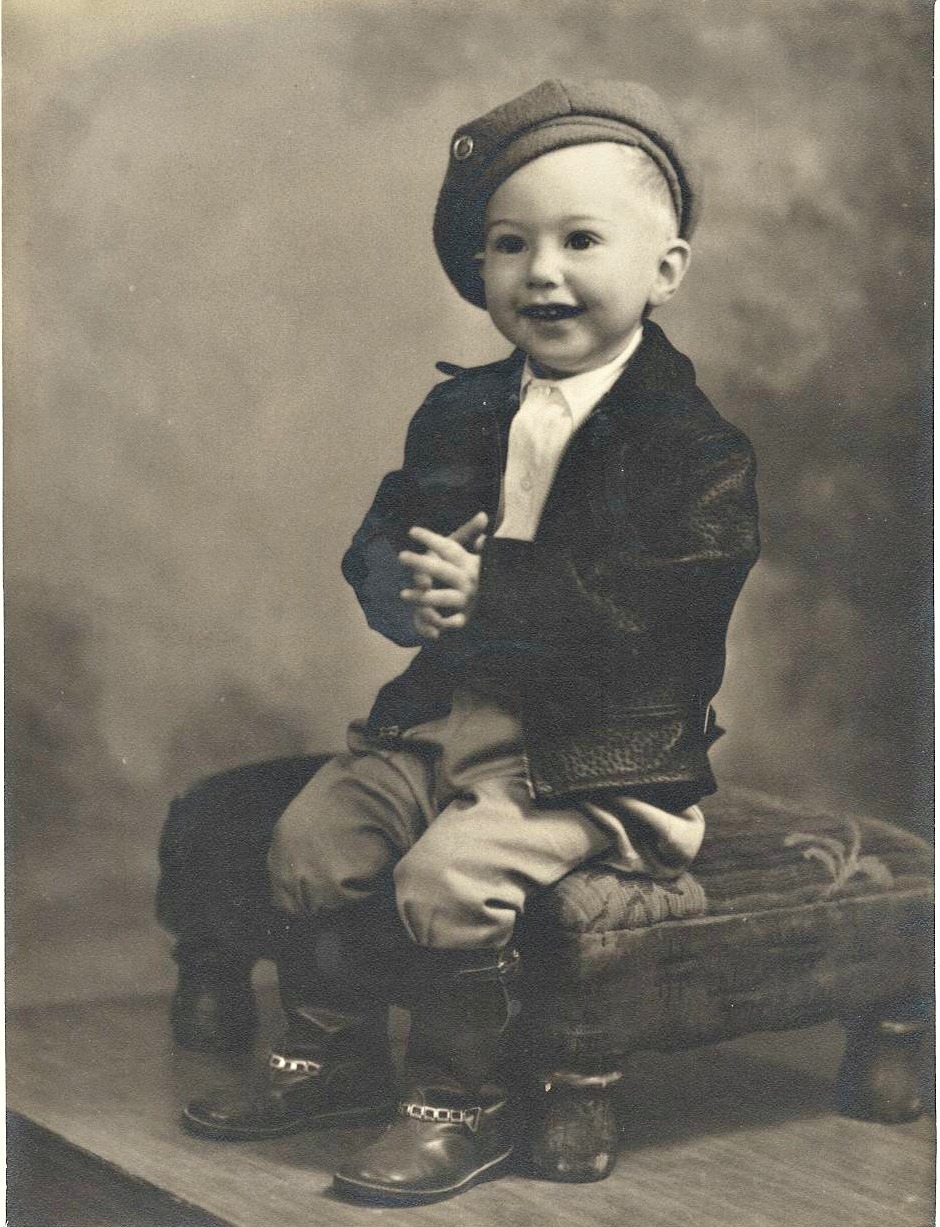
Guest post by Charles Clanton Rogers, pictured here before his blogging days.

“Catch that bird! Don’t let that chicken get away, Charles!”

I was four years old, enrolled in  Grandmother’s Biology & History class.  On that morning we covered the food chain, the hunt, the kill, butchering, anatomy of a hen, and introduction to animal reproduction.

This was 1938 Oklahoma. Money was scarce for everyone. My great inherited fortune was not money, but family. I was an only child and only grandchild of a doting family. I was kind of a “prince” of an infinitely small principality consisting of five adults and one little boy.

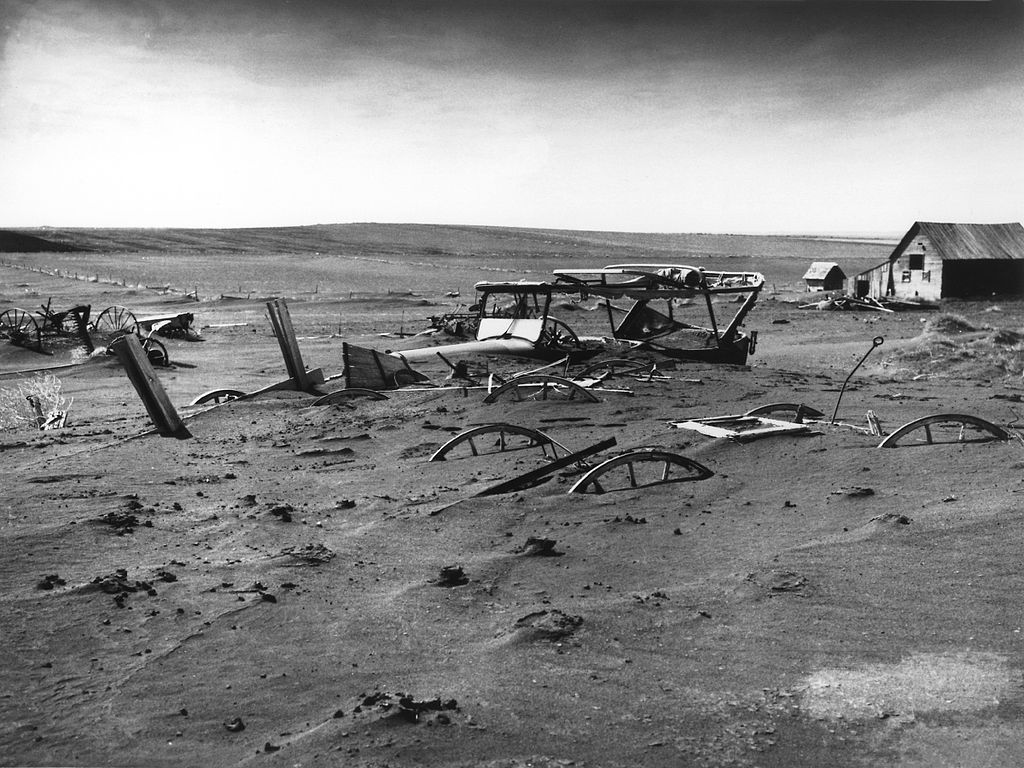
I didn’t know it then, but the entire country was mired in the Great Depression. In our state, dust bowl conditions were destroying farms and forcing “Okies” into a desperate exodus in pursuit of California jobs.

vintage unschooling,

Farm equipment buried in dust. Image: americaslibrary.gov

Back to the morning’s Biology & History lesson. Grandma and I were “the hunters.” We caught that chicken, terminated its earthly journey, then plucked and cleaned it. I learned comparative anatomy as Grandmother identified the hen’s internal structures. She talked about the chicken and egg as a circle of life. Then she coated the pieces in egg and flour, and fried it along with fresh okra that we picked from her garden (we were the “gatherers” too). After lunch was my Music lesson, which meant Grandmother sang.

That was just the morning.

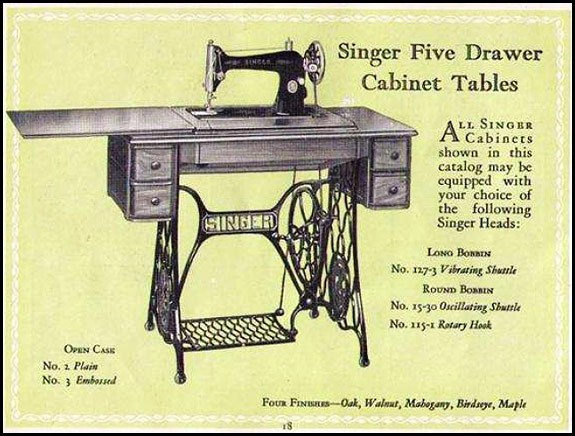
My grandmother earned supplemental income by sewing clothes for ladies in the community.  That responsibility couldn’t be neglected.  Her sewing machine was a Singer foot trade model.  She sat with both feet on the treadle. Pumping it back and forth moved a belt from the treadle up to a pulley attached to the needle mechanism. I didn’t realize it then, but observing the mechanical action was itself a Physics lesson.

oldsingersewingmachineblog.files.wordpress.com

Image: oldsingersewingmachineblog.files.wordpress.com

Grandmother would spread the material out on the floor and pin the pattern pieces. She trusted me to cut pieces around the patterns with pinking shears. I knew a mistake could cause waste and expense so I took this responsibility very seriously.

While she was making a dress, I had my own little sewing projects. I learned how to thread a needle and sew two pieces of cloth together.  It seemed like a way to pass the time, but that early sewing experience came in handy years later when I became a physician.

When I tired of sewing I passed the time with coloring books and Crayolas . I think I had 8 or 10 colors.

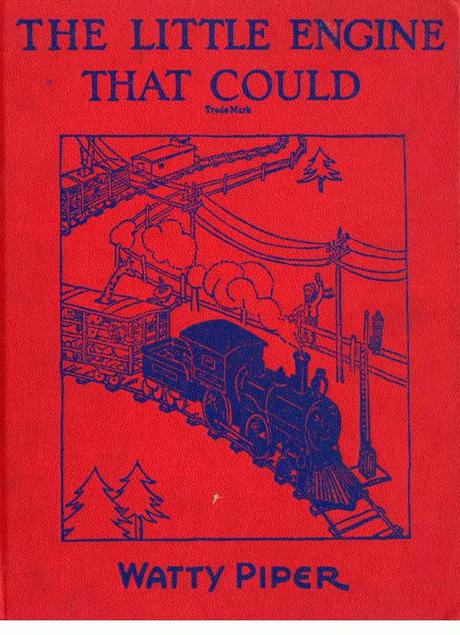
After dinner, Grandmother read to me. (The Little Engine That Could
was my favorite.)

Grandmother had plenty of other things to do, but whatever she was doing I was part of her team.  Often she impressed upon me that I needed to learn my lessons well, because I was going to grow up and have children and students and it would be my sacred responsibility to teach them the things she taught me just as her parents had taught her when she was a girl.

Grandmother’s love was undeniable. She certainly knew, as the poet wrote, “The hand that rocks the cradle is the hand that rules the world.”

Every waking moment was an education. That suited me just fine.  It did not occur to me that the immersive learning of my early years were in any way unusual.  My “preschool/home school” didn’t have any names or labels. It was just Life. I thought it was what everyone did.

George Gershwin and DuBois Heyward wrote Porgy & Bess in 1934, my birth year. The lyrics of its immortal song, Summertime, could have been the theme of my preschool years:

One of these mornings you’re gonna rise up singing,

And you’ll spread your wings and you’ll take to the sky,

But ’til that morning, there ain’t nothin’ can harm you….

hush little baby, don’t you cry.


I became acquainted with retired physician and teacher Charles Clanton Rogers when he commented on one of my posts. Charles enjoyed writing about history, science, art, and music, but my favorites among his work described living with a sense of astonishment. As he wrote,  “I have an idea of what it is like to experience life before a thing is known; and then to witness its deployment. ” I rarely offer guest posts but when I asked, he gladly shared glimpse of a lovingly guided early education with us. This lovely man recently passed away and I still miss our lively exchanges.  

Are You A Jackhammer or a Hummingbird?

Hummingbird or Jackhammer: styles of full spectrum learning

What lures you to full spectrum learning?

“When we try to pick out anything by itself, we find it hitched to everything else in the Universe.” ~John Muir

Ten-year-old Matias is enthusiastic about all things automotive. He calls out model and year of cars passing the street in front of his apartment in an impressive display of mental acuity. He learned every detail of how engines work by quizzing everyone he could who knew anything about cars, then turned to YouTube for more in-depth information. That led to inquiries about types of fuels and manufacturing processes, which led to questions about the history of the assembly line and the formation of unions. Books and documentaries have made him familiar with figures such as Nikolaus Otto and Karl Benz as well as Elon Musk. Matias loves going to auto museums, car shows, and races. Although he says a visit to a demolition derby didn’t upset him, he’s been talking ever since about ways to save cars from junkyards. He’s excited about the potential for energy-efficient vehicles and he really hopes self-driving cars don’t become a thing before he gets to drive.

Notice how this fascination leads him eagerly through all sorts of fields?

Natural learning takes place across a spectrum. History, math, music, science, art, literature, business, philosophy, and athletics don’t neatly divide into “subjects.” They’re interrelated. A child notices one bare sliver of a topic, and intrigued, follows it. That pursuit lights up a totally new subject until a dazzling array of possibilities opens, each refracting new angles. The thrill of exploring is inseparable from a love of learning.

Some children, like Matias, become so absorbed in a single subject that it seems their personalities are inseparable from that passion. Their bemused families can’t help but stoke the fire of that interest. Activities and discussions with the child take on a distinct tone. Indeed, family members are changed by close association with someone who loves the world in such a focused manner.

Most of the time children learn in far more unobtrusive manner. It may seem they go through their days unaffected by the influences that pour in all around them. Yet gradually their comprehension deepens. This is a mysterious process, an ongoing improvisation that weaves together previous experiences with new comprehension and insight. But then, our children are changed by what they’ve come to understand in ways none of us can measure or assess.

Few of us are absorbed by the sort of overwhelming fascination Matias shows for all things automotive. Instead we’re open to many directions, staying with our interests as long as inspiration calls us before moving on.  We have what polymath Emilie Wapnick calls “multipotentiality.”  As she writes,

The only constant in my life is shape-shifting, exploration and evolution… There’s something that draws me to each of my interests and it’s not “excellence.” I have no interest in committing to one thing forever. Once I no longer feel inspired in a field, I simply move on. Some people call this “quitting,” I call it growth.

You’ll notice, however, that “find your passion” is the recommended approach.  The pressure starts in childhood, with well-meaning people doing their very best to get kids on a fast track to success in sports or music or STEM.  The push to find, pursue, and excel in a particular field doesn’t stop after graduation. Throughout adulthood we’re told “find your passion” in our careers, our creative lives, even our spiritual development.

I think writer Elizabeth Gilbert shares an apt metaphor in her recent talk. She says some people are like her, driven to focus on one pursuit. She calls such people jackhammers. Other people flit from curiosity to curiosity. This, she says, is the “flight of the natural born hummingbird.” She admits that for years she exhorted people to act like jackhammers in order to reach their goals. Then she had an epiphany — the world needs more than jackhammers. When people allow themselves the freedom to be hummingbirds, she says,

Two things happen. One, they create incredibly rich complex lives for themselves. and they also end up cross-pollinating the world. That’s the service you do. You bring an idea from here and you weave in and take up the next thing, because your entire being brings a different perspective. It ends up aerating the culture.

Chances are, most of us can’t be fully described by terms like jackhammer or a hummingbird.  The larger lesson here is the wisdom of freeing ourselves (and our children) to explore what intrigues us. Then we understand on our own terms that full spectrum learning is inseparable from life.


Portions of this post are excerpted from Free Range Learning

18 Playful Cures for a Toy Overload

toy overload, play without toys,

But there’s nothing to do! (CC by 2.0 Dennis Brekke)

Friends of ours were burdened with a serious toy overload. Their four children had generous weekly allowances and lots of gift-giving relatives. As a result, there were more toys than I’ve ever seen in one home. When the family room was overrun,  their father would use a snow shovel to scoop the floor clean. He dumped the shovelfuls in big plastic bins and hauled them to the basement. After doing this a few times he realized the kids rarely bothered to get out those particular playthings. They didn’t really miss them at all.

I deeply admire the mother I interviewed for The Boy With No Toys although we’ve personally never taken an anti-toy stance in our family. Over the years we’ve happily accumulated dolls, trucks, building sets, art supplies, stuffed animals, as well as lots of books. We emphasize quality, not quantity. It’s one way of sparing our planet the burden of sweatshop-made, eco-unfriendly products.  And more importantly, we think it’s part of raising kids who aren’t oriented toward materialism for their own well-being, both now and in the future.

Too often the typical options for childhood amusement include overly structured activities, lots of screen time, and commercial playthings that do the entertaining for them. Unfortunately, kids can become accustomed to someone or something else providing the fun for them. As a result they may not be attuned to the slower pace of conversation, the expansive pleasure of make-believe, or the subtle wonders found in nature. They may actually have trouble generating their own fun.

Even if you limit screen time and emphasize free play, young children can still be overwhelmed by too many playthings. A study  done in Britain found the average 10-year-old owns 238 toys, but mostly plays with 12 favorite items!

Simply reducing a toy overload can help children play more creatively, cooperate more easily, and become more resourceful. Here are some toy overload solutions.


Rotate toys

Make it a family policy to have fewer playthings available any one time. This way your child can deal with a smaller selection and play areas are less cluttered. Take a sensitive approach. Pick up a few things that have been long ignored and put them away for that proverbial rainy day. When you do get out a toy or stuffed animal that has been “resting” you’ll want to put away another object. If children notice, it’s common for them to feel sudden affection for the toy you’re putting into hibernation. When you face objections, don’t make the policy painful. Work together to find another toy that your child can agree to put away. You’ll find the same old toys take on a new luster when a young child hasn’t seen them for a while.


Reserve toys for specific situations.

It’s helpful to deem some toys for use only under certain conditions. These might be perfect opportunities to use toys that require a parent close by, or a way to minimize use of passive entertainment toys they’ve been given. Keep such items for situations when your child is forced to be passive anyway such as the car seat, at a restaurant, or while you’re on an important call. Even very young children come to recognize that such toys are kept in a diaper bag, a parent’s car, or on a high shelf for special occasions. Explanations before and after use, “We only use this in the car” or “This is a Mama’s-on-a-work-call toy” help keep the boundaries drawn and make it easy to put the toy away for the next time.


Join or set up a toy lending library 

Collections of donated toys can be found through some museums, community centers, and public libraries. Toy lending programs give families access to a wider range of ordinary playthings and more expensive toys than they might ordinarily afford, as well as toys for special needs children. Search online to find a toy library near you or for helpful advice on starting a collaborative toy lending service. Find a toy library near you using USA Toy Library Association listings and find out more via the International Toy Library Association.


Assemble play kits using non-toy items

You can throw together kits that stimulate imaginative play while repurposing old objects. (Of course, these suggestions are not appropriate for children who put objects in their mouths or are too young to use the items safely.) To keep up the appeal factor, put the kits away between use. They are great to get out when kids have friends over.

Office: Use a briefcase or file box. Tuck in office-type items such as memo pad, non-working cell phone, calendar, writing implements, round-tip scissors, post-it notes, and calculator. A big thrill is a tape dispenser—this alone can keep small kids happily occupied. A major coup is finding a manual typewriter at a thrift store. You’ll need to help kids understand how to type one letter at a time to keep the keys from becoming tangled.

Doctor: Fill a small suitcase with a stethoscope, tongue depressors, tiny flashlight, notebook for doctor’s notes, and plenty of gauze to bind up injuries. Children particularly enjoy using the items to diagnose and treat dolls or stuffed animals.

Costume: A costume box or trunk is a childhood classic. Add cast-off and thrift store items likely to enhance make-believe. Don’t worry about actual costumes, just toss in a range of imagination-sparking things. Include work wear, dress-up, jewelry, wallets, purses, shoes, vests, tool belt, badges, lengths of fabric that can be used as capes or veils, and plenty of hats.

Building: Fill a large container with heavy cardboard tubes as well as sturdy cardboard boxes. Add a roll or two of masking tape, string, clean yogurt cups, egg cartons, popsicle sticks, corks, plus hardware cast-offs such as nuts and bolts. Encourage children to build whatever they choose from the cardboard supply. They might need help punching holes in the cardboard to insert bolts or string. When you can, bring home the largest cardboard box you can wheedle out of an appliance store. Children will find all sorts of ways to use it.

Market:  Save empty clean food packages, reglue boxes shut so they look new, and keep them in a bin along with any toy fruits and vegetables you may already have. Children can set up a play shop with these items, adding their own toys or books for additional merchandise. Lend them your fabric shopping bags to load pretend purchases. They may want to swipe a pretend debit card, use homemade money, or barter to cover their transactions. (They can use a similar concept to play Library with their books, Car Repair Shop with their riding toys, and so on.)


Encourage Deconstruction

Grandparents on both sides of our family kept a lookout for broken items our kids could take apart. This is marvelously fun as well as educational. It also requires very close supervision! Kids will need flat head and Phillips screwdrivers, needle-nosed pliers, safety glasses, wire cutters or heavy-duty scissors, and possibly some child-sized work gloves. Before letting them start, cut off and discard any electric plugs as well as cords on the item. Also check for glass parts or batteries that can cause injury, and make sure the item doesn’t have tubes (as old radios and televisions once did) Be forewarned, kids may encounter sharp bits of metal, coiled springs, and other surprises.

We put small deconstruction items in a shallow box (to catch the pieces) . Normally they’d work at the kitchen table to take apart things like a watch, Dymo labelmaker, motherboard, hand-held mixer, clock, printer, VHS or DVD player,  can opener, camera, radio, household fan, remote control car, and once a Furby (which creepily resumed its ability to talk once it was little more than a Furby skeleton), Large items they’d take apart outside on the driveway, with a big open box where they could put pieces. They took apart a microwave, several different bikes, and a lawn tractor. (This led one of my sons to drag a neighbor’s lawn tractor out of the trash, whereupon he fixed it and used it to make money mowing lawns!)


Permit hideouts

Most children like making their own realms under blankets, in closets, and behind furniture. Outdoors they make dens and forts out of a few branches or leftover planks. Provide sheets or blankets to drape over the furniture for an indoor hiding place, with couch cushions for support. On occasion, try to get a large packing box from stores selling refrigerators and washing machines. Your child can direct you to cut a few openings to transform the box into a boat, space ship, or castle. Once inside a hideout, children are in another entirely necessary world.


Let them play with water

Little kids adore water play. Pull up a stool to the sink and let them wash a few unbreakable dishes or toys with mild soap. They’ll stay busy pouring water from soup ladle to funnel to pitcher to cup. Add to the fun by putting a few ice cubes in the sink, giving them foil to shape into boats, or letting them add food coloring. Encourage them to gather a few water safe objects (perhaps a block, a spoon, a popsicle stick, a ball, a rubber band) and guess which ones will float before putting them in the water.  Or you might let them play in the tub for an hour or more while you sit nearby reading a book or getting some work done on the laptop.

Outdoors there are many more water options. On a hot day, water wiped on the house or driveway with a brush temporarily darkens the surface, giving toddlers the satisfying impression they are “painting.” It dries quickly so they can paint again. You can also give them a bucket and sponge to let them wash a tricycle, a watering can to give the plants a drink, or a sprinkler to run through. Don’t forget the pleasures of water added to dirt. Mud pies are a childhood classic.


Help kids set up obstacle courses

A rainy day indoor course might consist of a few chairs to wriggle under, a rope to hop over, four pillows to leap on in a row, three somersaults through the hall, and a quick climb up the bunk bed ladder.  Outdoors they can set up a bike, trike, or scooter obstacle course. Mark the course with sidewalk chalk or masking tape. The course may lead them around cones, through a sprinkler, under crepe paper streamers hanging from a tree branch, and on to a finish line. More fun? Setting up obstacle courses on their own.


Bring back legacy games

All that’s needed for most sidewalk games are chalk, while backyard games only require a ball and a sense of fun. For instructions you may have forgotten or never learned, check out Preschooler’s Busy Book, Great Big Book of Children’s Games, or Team Challenges.  Or dig into the game database offered by Bernie DeKoven at DeepFun. And remember to add those classic hand-clapping games, typically played while chanting a rhyme. A few rounds of Miss Mary Mack or Say Say My Playmate aren’t just fun, studies show they’re also brain boosters.


Stage treasure hunts

 First hide a prize. Then place clues throughout the house or yard. For very young children, those clues can be pictures or rebus sentences. For older children, the clues can be written as poems or riddles. Each clue leads to the next set of clues before the treasure is discovered. The prize doesn’t need to be a toy or goodies, since the hunt itself is the real fun. Try “hide a packed lunch day” and let everyone search for the cache of lunches. Those who find sustenance first need to help others so the kids can eat together. Or hide the book you’re been reading aloud so kids can search for the treasure of the next chapter. Once they’re familiar with treasure hunts, children can create them for each other.


Let them help

Even the smallest children want to participate in the real work that makes a household function. They want to tear lettuce for a salad, clean crumbs with a small whisk broom, measure beans and pour them in the coffee grinder, sort socks, carry kindling for the fireplace, water the garden, basically anything they see their elders doing. They benefit in remarkable ways, from greater dexterity to the development of character traits that lead to long-term success. What’s more, they have fun doing it.


Emphasize non-toy gifts for holidays and birthdays

It’s disheartening to give a highly anticipated toy or the newest gadget only to see it ignored a week or even a day later. You can give things like real tools for working with wood, crafting with fiber, or exploring the outdoors. These tools will be used over and over again as kids build valuable skills. You can give passes to events, subscriptions, and much more. For a listing of over 100 non-toy gifts, check here.


Encourage loose parts play

Loose parts are anything kids can join together, line up, dig with, pour, dump out, take apart, swing around, push, lift, drag, climb on, or otherwise use as curiosity leads them. That is, as long as the adults in their lives give them the permission and the time to do so. No need to buy special objects for loose parts play. Nature is full of loose parts. So is a kitchen cupboard. Here’s more on encouraging loose parts play.

Take advantage of temporary circumstances

A large tree with damage from a lightning strike had to be taken down in our back yard. What was left behind were perfect playthings. There were large slices of wood the kids used as blocks and wheels. There were piles of brush they cut up with small hack saws and used to make forts. There was the stump itself, the best home base ever for games of tag.

One time my husband hauled home a junk car he’d bought for next to nothing so he could cannibalize it for parts. The few days it sat in our driveway were a delight for our five-year-old. We put one of his dad’s old shirts on him, mixed up a whole bucket of thick red tempera paint, and handed him a large paintbrush. He dragged a step stool around and painted the whole car, windows included. When they could, neighborhood kids came over to add second and third coats.

The septic system had to be dug up and fixed at our next house. When the company was done they left a towering pile of dirt. It was there for months until we had the money to rent the equipment necessary to move it. The kids called it their “mountain.” It inspired lots of imaginative play, one day they might be explorers running over the top and the next day they might be sitting in the dirt playing with toy trucks. They were sorry to see it go.

You may never have these particular circumstances, but there’s a good chance you’ll have others. Mother-in-law coming for a visit? Get her to teach your kids something she enjoys doing, maybe knitting or playing chess or Tai Chi. Power disrupted due to a storm? Let the kids play hide and seek or flashlight tag in your suddenly spooky dark house.  Invited to a wedding? Find some instruction on YouTube and practice the dances that are likely to happen at the reception. Nothing like kids who’ve got the moves! Your kids won’t have much trouble finding the most playful options for any circumstances. All you have to do is say “yes.”


Portions of this article were first published in Natural Life Magazine