The Great Dying

http://www.tovima.gr/science/article/?aid=583936, Methanoscarcina caused The Great Dying

 Significance of Planetary Flatus

Proceedings of the National Academy of Sciences: Evidence that methane emitted by the single-celled Methanoscarcina caused the largest mass extinction on Earth.

 It is called The Great Dying.

250 million years ago

(only seconds in Earth’s long day)

90 percent of all species perished.


It’s blamed on gas.


Eon’s amnesia hides certainty,

yet experts say our verdant Earth

was broiled and poisoned

by these likely suspects:


  1. Methane clathrate,  known as “fire ice”  (hat tip to Robert Frost).
  2. Massive volcanic eruptions.
  3. Asteroids slamming into shale deposits, instigating a sudden Permian-Triassic fracking.


Now, research incriminates

one-celled Methanosarcina.

It bloomed across oceans,

converting marine carbon

into so much methane

the weather broke.


You who insist humans

can’t change the climate,

consider this microbe.

It waits on the ocean floor.

It waits in your convoluted guts.

It asks you to remember.


Last time

our blue green world

needed ten million years to recover.

Laura Grace Weldon


First published by Litbreak. Find more poems in my collection, Tending. 

Big Events for Little Kids? Um, No

small kids prefer calm to festivals, parties, and fairs

When my firstborn was 10 months old I went to hear a speaker at the evening meeting of a local mother’s organization. Except for nursing babies, children weren’t allowed. Sleeping baby on my shoulder, I sat happily among other women who were going through the same experience that had changed my life so completely at the age of 22. I was acquainted with Le Leche meetings, but women here ramped up the game: hair done, make-up on, reasonably trendy clothes worn. I was wearing the equivalent of a sack, feet stuffed into pre-baby boots, hair an artless mess.

A business meeting was conducted before the speaker was introduced. These were serious women. They ran a tight group with weekly programs and seasonal parties for kids, plus monthly speakers, all made possible by active committees and subcommittees. At the close of the program, two welcoming committee members greeted me, extolling the virtues of the organization and inviting me to a kids’ party in the community rec center the next weekend. My son wasn’t remotely old enough to care but, easily pressured, I agreed to show up.

The party was held in one of those stark recreation center gyms. Even an overload of decorations didn’t make that cavernous space seem welcoming.  Large and surprisingly fancy games were set up. These weren’t rented games, they were constructed from plywood and artistically painted, surely the result of much parental labor. Costumed figures roamed at a slow pace. Their progress could be tracked by children’s horrified shrieks and mothers’ eager exclamations. Tiny children were strapped in strollers, slightly older children were expected to do things like stand between taped lines to throw a ball at a brightly painted hole or sit at a table where pre-cut shapes were meant to be glued onto paper. There was a lot of noise. I was more overwhelmed than my son by all these frantic attempts to manufacture fun. We escaped after a few minutes.

The next morning a committee chair called, sweetly informing me the group allowed attendance at two events before I was expected to join. Serving on a committee was a condition of membership. She outlined the group’s structure at length while her baby daughter screamed unrelentingly in the background. I awkwardly explained that membership wasn’t for me,  blaming it on my baby’s need for calm and structure. (Pretty much what most other babies in my acquaintance needed as well.)

I didn’t learn quickly. Over the next year or two I checked out a number of weekend events for families. I took my little one to fairs, children’s concerts, and open air arts programs. These were flustering events with more chaos than either one of us could tolerate, punctuated by the wails of tiny children who clearly preferred to toddle or run around rather than be strapped in for an afternoon of overstimulation. End-of-their-rope parents walked grimly by with balloons tied to strollers. I overheard one parent hiss between tightly stretched lips, “We’re here so you can have FUN.”

My little boy seemed smaller at these events, constrained and passive, while at home he was a mighty explorer and intrepid experimenter. Being stuck in a car seat, then a stroller, forced into the observer role —- this wasn’t the way he thrived.

I’ll readily admit my firstborn was an experimental child.  Trial and error proved many of my choices for him to be poorly considered, or, more often, far too over considered. (I have apologized to him, even thought he laughs it off as experimental offspring learn to do.) But thanks to those early experiences I spared his younger siblings crowded and contrived events meant to entertain children. The public events we did attend were quieter and more enticing for kids: a yearly peace fair with non-competitive games, an arts festival held at a junkyard, an outdoor international fair where one could wander along while watching music and dance, a nature area’s pioneer program with stations along the trails to teach traditional hands-on skills.

I’d venture to guess there are very few loud, overdone events that really appeal to the youngest kids. When we see this through our children’s eyes we see that exhausting ourselves in pursuit of purported fun isn’t fun at all. Rather than all the fuss getting there, the expense, the promises of merriment, and what always seems like a longer trip back I’m pretty sure kids are happier with an unexpected pleasure like using the garden hose to make mud pies or having mom bring home a big cardboard box to make into a fort or  filming some silly home movies with dad’s phone. Invite a kid friend over and it’s even more fun.

Meanwhile, adults can relax a bit. Read a book, sit in the sun, chat with a fellow adult, drink a glass of wine, or heck, make some mud pies too. This isn’t just slacker parenting at its best. It’s also a prescription for peace.

More thoughts on parenting groups:

Collaborate with others to create your own more relaxed parents’ group, meeting up for kid-friendly gatherings at nature areas,  playspaces, and back yards.

Find an existing group that meets your needs. If you are nursing a child, try your local Le Leche League chapter.  Consider joining the Holistic Moms Network, your local Mothers & More group, Mom’s Club, or check out Meetup.com for groups in your area.

Set up a playgroup that meets in a senior center or assisted living facility. Here’s how.


Average Oppression

no such thing as average

Image: Vince Alongi CC by 2.0

“Nature is busy creating absolutely unique individuals, whereas culture has invented a single mold to which all must conform. It is grotesque.”  ~Krishnamurti

When one of my sons got a physical for his first full-time job, the doctor informed him he was in the “overweight” category and handed him a pamphlet about weight loss. Tall and well-muscled, my son was in no way overweight. In fact, shirts that correctly fit his shoulders and chest were so oversized at his waist that they billowed out. But BMI charts rely on a standard weight/height ratio to determine what people should weigh. At six feet tall, the chart showed he’d be at a normal weight as low as 140 pounds but was overweight at a strong and healthy 190 pounds.

The logic train derails when we start standardizing anything in nature, whether potatoes or people.

Fresh produce deemed “ugly” (in other words, deviating from average) is tossed out. The United Nations reports that retailers’ “high cosmetic standards” exclude somewhere between 20 to 40 percent of fresh produce from going to market. That translates to 800 to 900 million tons of crooked carrots, asymmetrical apples, lumpy potatoes, and other perfectly edible foodstuffs wasted worldwide.  Terribly wrong, but common practice in today’s consumer market.

We’re doing what we can to standardize humans too. Babies are measured against averages even before they’re born. That’s not always helpful. For example, one study shows up to 30% of pregnant women are told they’re carrying large babies, making them five times more likely to end up with a scheduled c-section. That continues even though 90 % of those babies are born weighing less than the medical definition of a large baby. We judge the birth process by averages too, although the very methods used for evaluation can result in more intervention and greater risk.

As we grow up, the metrics defining what’s average come with a built-in expectations that we should surpass them. Parents eagerly compare first steps and first words, as if these milestones are somehow predictive. Preschools introduce academics, often at the expense of free play,  even though there’s known harm from using this approach.

Education has never been more test-heavy, starting with timed tests in kindergarten all the way up through SATs, ACTs, and GREs. This too is illogical, because better test scores don’t correlate with later success. A decade and a half (or more) of testing for what, exactly?

Each student has what’s termed a “jagged learning profile.” As Todd Rose explains in his TED talk The Myth of Average, we design education for the average student when there is no such thing as the average student.

If you design learning environments on average, odds are, you designed them for nobody. So no wonder we have a problem. We’ve created learning environments that, because they are designed on average, cannot possibly do what we expected them to do — which is nurture individual potential.

Think about what that really costs us. Because every single student has a jagged learning profile it means that the average hurts everyone, even our best and brightest… Designing on average destroys talent in at least two ways. First, it makes your talent a liability. We all know kids like this. So unbelievably gifted in one area that their educational environment can’t challenge them. They get bored and a shockingly high number of them drop out. The second way that designing on average destroys talent, is that your weakness makes it hard for us to see let alone nurture your talent.


(I urge you to read Todd Rose’s new book, The End of Average: How We Succeed in a World That Values Sameness.)

We’re ranked throughout life by metrics like income, educational attainment, weight, cholesterol level, fitness level, and age although such numbers can’t possible describe who we are, how we treat others, or what our lives are like. We know we’re individuals, heck, if it weren’t for variability in facial features we wouldn’t recognize each other. But being measuring against the average is so thoroughly accepted that we don’t call it what it is, oppressive. This kind of ranking is one of the main instruments keeping us separate, disconnected, competitive, busy, and unhappy.

As Rose writes, “Typing and ranking have come to seem so elementary, natural, and right that we are no longer conscious of the fact that every such judgment always erases the individuality of the person being judged.”

Nature shows us the principles inherently necessary in living systems:  cross-pollination,  diversity, self-assembly, interdependence, adaption, balance, and an undeniable tendency toward beauty.  Anything less is limiting and oh so wrong.

Your Permanent Record Isn’t You


your permanent record isn't you!

Image: CC by 2.0 Alan Levine

I have boxes of old albums in my closet. The cardboard jackets are faded and the records inside may not be playable. I have no way of checking since we haven’t owned a record player for decades.

These relics were once vital to me, but even as a teenager, back when I felt as if I lived within the notes and lyrics of my favorite songs, I didn’t assume that recordings fully expressed an artist’s music. A record was just that, a “record” of what was played at the time the audio equipment was on and how those tracks were edited.

A record can’t capture the process of composing or the life of the musician. It can’t truly sum up the sounds that formed the musician’s work — from lullabies heard in infancy all the way to the hiss of air brakes on a touring bus. A recording is only a glimpse into something larger, deeper, and essentially inexpressible.

Which brings to mind a term that handcuffs students to a superficial and stunningly inadequate account of who they are. Their “permanent record.”

A permanent record is too often a weapon used to cajole and threaten. It teaches kids that their best impulses —- to explore, to find worth, to help others —- are instruments of utility. Although the love of learning and the desire for mastery are higher callings, it reduces them to a way of proving one’s ranking.

We strand young people on a narrow path while the wider world beckons in a million ways. Years of “pay attention” and “eyes on your paper” can dampen, even extinguish the unmeasurable and unique gifts each child brings to life.

Night after night of homework, grade after grade, test score after test score  — there’s barely room for what’s not assigned to fit in a student’s life.

Ask today’s students. They’ll tell you there’s no authentic part of themselves in their permanent records other than a summary of the ways they bent (or failed to bend) themselves into shapes expected of them.

I wonder what music is inside that we haven’t let them play?

Teaching a Squirrel to do Tricks, Almost

happiness is process not outcome

No squirrels were harmed in this post. Image by easterngraysquirrel.deviantart.com

Eric* and I knew we could teach a squirrel to do tricks.

First, get it to eat food we’d thrown.

Then, get it to eat from our hands.

Next, train it to come when called.

Ultimately, get it to wear a costume and ride a squirrel-sized bicycle.

We talked about this at length, interrupting each other eagerly as new thoughts occurred to us. I was so thrilled at the prospect that my spine seemed to jingle with sparks.

Eric and I didn’t normally play together. We didn’t normally speak to each other. Boys and girls almost never hung out together in my neighborhood, and besides, he was going into fourth grade that fall while I’d only be a third-grader.

But Eric and I were united by a vision. Sitting in his front lawn, grass bristling against our legs, we bragged about how much animals liked us. Eric said he could whistle and a bird would land on his arm. He didn’t offer to demonstrate that skill right then. I implied I was some kind of mystic who could hear animals talk to each other. I was pretty sure I could hear that squirrel, sitting on its haunches in a nearby tree, practically begging us to be its friend.

All our efforts to lure it closer failed, so we reluctantly decided to build a squirrel trap. Not that we were the trapping sort of kids, but we’d make it up to the squirrel once we’d captured him.

Enthralled, we didn’t pay any attention to the likelihood of our vision becoming a reality. The moment was everything. We were in the powerful state of flow. You know what this feels like — invigorating, enlivening, wholly absorbing.

Process actually has more to do with our happiness than outcome, according to some psychologists. Maybe this is what happens when highly successful people don’t appear all that blissful once they’ve gotten to the top of their fields. Celebrities, sports figures, and others sometimes reach what seems to be the pinnacle of wealth and status only to self-destruct. Eric and I weren’t likely to reach the pinnacle of squirrel training, but we didn’t care.

We rustled up some scrap wood, a hammer, and nails. Squatting on a driveway too hot to sit on, we tried to transform small and oddly shaped plywood pieces into the trap of our dreams. When that failed we simply tried to build some kind of 3-D shape. We failed, failed again, failed a few more times, then resorted to something else. A cardboard box.

This material was easier to handle but not easy enough. The dull mat knife we were allowed to use barely sawed through the cardboard. Our attempts at making a door we could shut from a distance gave us several quite painful rubber band-related injuries. We slowed down as we realized our grand plans might not be workable. Not because it wasn’t a great idea, we agreed, but due to our construction skill deficits.

Both of us still loved the vision of that squirrel becoming our friend. Even if he didn’t wear a costume and learn to ride a squirrel-sized bicycle, we were happy there in the driveway where we’d realized magic was just a little too hard for us to build right then. There was awkward silence.

Thankfully, two bigger boys rode by on their bikes and mocked Eric for playing with a girl. Relieved, we took this as an excuse to go our separate ways, completely satisfied with our attempts. That squirrel never knew how close it was to fame.


*Name changed just in case Eric is now a squirrel whisperer.

45 Cures for Cabin Fever

fun inside activities, cabin fever cures

Stuck inside? Make cabin fever fun by trying something new.

Set a new world record. The youngest person to write a bilingual book was six years old and youngest professional videogamer was six years old. Guinness World Records has a long list of records they encourage kids to break including most balloons burst in 30 seconds, tallest toilet paper tower in 30 seconds, largest bubblegum bubble, most dice stacked with chopsticks in a minute. Check out the kids’ area of the site for challenges as well as their and links for educators.

Stage an indoor snowball battle. Grab some paper from the recycling pile, crumple into balls, and throw.

Yarnbomb a piece of furniture. Too complicated? Just wrap it in brightly colored yarn or fabric strips.

Turn your daily lives into a guessing game. Take turns issuing a challenge and writing down everyone’s guesses, then prove each other right or wrong. The proof part is particularly fun as everyone hurries to count, measure, and calculate. Kids might choose to guess how many shoes are in the house. How many books. How many countries are represented in a drawerful of shirts (as long as they have origin tags). Guess the measurement of each other’s heads. How many inches it is from the front door to the TV, the computer, the bathroom. Guess how many days or hours each person has been alive. How long each person can stand on one foot. Well, you get the idea. The kids will not think this is fun if you have them guess how quickly they can put away their Lego. For more ways to make fun into math and math into fun, check out these 100 Math Activities and Resources.

Communicate via banana. Write a message or draw a picture on the skin of a banana using a toothpick or pencil. It’ll darken within an hour.

Paint without using your hands. Try taping the brush to a remote control toy, dangling it by a string, or rolling it across the paper. Or you might paint as this talented young artist does, by holding a paint brush in your mouth.

Make geodes out of eggshells and Epsom salts.

Start inventing. Save cardboard boxes and cardboard tubes of all sizes, along with string, rubber bands, lids, paper clips, yogurt cups, and so on. Distribute equal amounts of this “junk” so kids can build whatever they choose —- like a junk marble run or egg drop (from a window). Try a specific challenge, similar to the old TV series Junkyard Wars.  Kids can invent sorters that send pennies down one chute and dimes down another, bridges that hold weight, catapults that toss ping-pong balls, or simply let inspiration hit.

Make a batch of Make Ahead Pizza with this recipe from Attainable Sustainable.

Help out the birds (and squirrels, they’re hungry too). Fill orange halves with birdseed, make a birdseed wreath, or coat pinecones with peanut butter and roll in birdseed. Keep the binoculars and bird guide close for bird watching. To attract even more birds during the winter, consider putting a heated bird bath on your deck or porch railing.

Play with tape. Rolls of painter’s tape or masking tape can spur new play ideas. Toy vehicles and action figures can travel along roadways made of tape stretched along on the floor. Overpasses, buildings, and other roadside features can be made from shoeboxes and other cardboard discards. Tape a giant checkerboard on the carpet, then use two sets of matching items for playing pieces. Tape a hard-surfaced floor to mark out hopscotch or skellzies. Stretch tape, sticky side out, across a doorway and take turns throwing crumpled paper at it to see if it sticks.

Make paper dolls (or paper dinosaurs, robots, elves, whatever) from stiff paper, connecting the limbs with brads. Then cut out accessories. Use large sheets of paper to draw backgrounds. These paper characters can act out stories with endless variations.

Camp in. Put up a tent in the living room, construct forts using couch cushions, or toss a sheet over a table. Such secret hideaways are a portal to make-believe. (A flashlight per kid really amps up the fun.)

Make the easiest homemade cheese. You need only one ingredient other than milk.

Build geometric sculptures. This simply requires toothpicks and miniature marshmallows. It’s a great way to make free-form sculptures while discovering some principles of geometry. As the marshmallows dry they’ll adhere ever more tightly to the toothpicks. After a day or two of drying the kids can decorate their sculptures with markers or paint if they’d like.

Make marshmallow shooters and target shoot with those leftover marshmallows.

Set up an obstacle course. Release some pent-up energy with a temporary indoor obstacle course. It might consist of a few chairs in a row to wriggle under, six plastic cups to run circles around, a squared off area to perform ten jumping jacks, then three somersaults down the hall before turning around to do it all in reverse. Older kids can set up a simple obstacle course for smaller kids. The adult in charge might want to put safety rules in place before the frenzy begins.

Learn to play a free instrument you already have. Really, it’s in your kitchen.

Go through old photos to see how places where your family came from have changed. You can pin them on Historypin.com, send them to the area’s historical society, or post them on social media tagged to the town.

Paint the tub. Just mix up some bathtub paints, then put kids in a (dry) tub to paint away. When they’re done they can clean it up and themselves with water.

Puzzle it out. Set out a big, somewhat complicated puzzle and leave it out in an area where everyone can work on over a period of days until it’s done.

Make Flarp. It’s said to have the same properties as Silly Putty, except it also farts. (You know this will be a hit.)

Get moving. Balance a book on each head and see how far kids can walk before it falls off, use pillowcases for gunny sack races, tape zigzag and dash lines on the floor to follow for a run and jump race, bat balloons back and forth, turn on the music and dance, call out animal names (snake! kangaroo! sloth!) and move as those animals move, tape bubble wrap to the floor and jump.

Mix up some elephant toothpaste

Make a movie. Steven Spielberg started making movies as a kid so be sure to save your child’s film for posterity. Fame may hit. (Spielberg’s mother let him dump cans of cherry pie filling in the cupboards that slowly oozed out so he could film a horror movie. She probably wanted a free afternoon to watch her soaps, but there’s something to be said for creative license….)

Perform good deeds. Bake some goodies to share with a neighbor, local firefighters, or your librarians. For more family volunteering ideas, check 40 Ways to Volunteer, Toddler to Teen.

Draw on the windows. Use washable window markers to play tic-tac-toe or hangman. Or draw some sunshine.

Make fairies and superheroes out of wooden clothespins.

Snowy out there? Check out 15 Smarty Pants Ways to Enjoy Snow.

Goo around with homemade (and safe for toddler) slime.

Make your own family board game. Keep it simple for small ones, add twists and more complex questions for older kids. Together you can incorporate inside jokes, everyone’s names, favorite places around town, whatever your family decides.

Go postal. Consult 38 Unexpected Ways to Revel in Snail Mail to find out how you can find a pen pal, register for a mail exchange, mail strange objects without packing them in a box, and more.

Make Cosmic Suncatchers using glue, food coloring, and plastic lids.

Get your kids to predict the future. Better yet, write to your future selves. The kids may want to write to themselves as they’ll be in ten years or at your age. Don’t make this a child-only activity. Sit down and write to your future self too. You’ll want to include a description of an average day, list your favorite foods and activities, and imagine what you’ll be doing at that future date. Now seal those envelopes, write “Do Not Open Until ______” on the outside, and keep them somewhere you’ll remember.

Start throwing things. Juggling boosts brain development and reinforces a growth mindset. It’s also fun once you get the hang of it. Here’s more about juggling including how-tos.

Build a craft stick catapult.

Create sock puppets. Add features like ping-pong ball eyes, yarn hair, and a cardboard mouth. For more ideas grab a copy ofHow to Make Puppets With Children or 10-Minute Puppets. Once your puppets are ready, create a theater out of a large cardboard box, practice a few scenes, then put on a performance.

Play vocabulary-boosting dictionary games. Trust me, these are actually a lot of fun.

Record a broadcast. For inspiration, you might listen to a recording of an old radio show, like the original 1938 broadcast of War of the Worldsthen make your own audio story complete with narration and sound effects. Toss in some campy advertisements for extra fun.

Learn magic tricks via KidZone magic tricks and About.com’s easy card tricks for kids. You might also want to consult Knack Magic Tricks: A Step-by-Step Guide to Illusions, Sleight of Hand, and Amazing Feats and Kids’ Magic Secrets: Simple Magic Tricks & Why They Work.

Stage a treasure hunt. First, hide a prize. The prize doesn’t have to be a toy (it could be a snack or pack of crayons). Next, hide clues. For non-readers the clues can be rebus pictures, digital photos, or magazine cut-outs. For readers try riddles, short rhymes, or question-based clues. Each one should lead the child to a spot where the next clue is hidden. If you have more than one child let everyone search for clues and figure them out together. Or stage treasure hunts for each child in turn using the collaborative efforts of those who are waiting. Once kids are familiar with treasure hunts they can easily set them up on their own. To get you to play they may turn off your cell, hide it, and chortle gleefully while you track it down.

Create art out of salt and glue.

Slide on the steps. Flatten cardboard from a large box and place over stairs so kids can race cars up and down, roll balls, or pretend to be mountain-climbers. Couch pillows at the bottom help cushion sliding mountain climbers.

Teach traditional clapping games to small children

Have a picnic. Yes, a picnic. Fling a tablecloth or beach towel on the floor. Eating on the floor may be novel enough but make sure the meal consists of picnic-y finger foods for real authenticity. You might want to fire up the grill to cook hot dogs and roast marshmallows. If you’re eating on a tiled floor in the kitchen consider amping up the fun by ending the picnic with a brief rainstorm you impose with a squirt bottle. Then again, maybe not. The kids will get you back some day.

Holding Together

Hubble telescope poem

Too Little


Nose pressed in tiny squares

against the screen, I watch

casual laughing gods

walk home from school.

I envy their long legs

and glossy notebooks,

their unseen power

to unlock

words from shapes,


My sister drops A+ papers

and library books

on the speckled Formica table.

Asks me how many times

a butterfly flaps its wings.

Tells me I’m wrong.

Eats two cookies.

Announces we’re made up

of tiny things called cells,

made up of tinier things

called atoms,

also made of what’s smaller.


The kitchen walls stretch

to galaxy proportions,

the table a raft among stars.

I hold tight to my chair

and concentrate,

keeping my short legs,

my clumsy fingers,

the balloon of my body,

from dissolving into bits.


Laura Grace Weldon


Originally published by Litbreak. 

Poetry Writing Hacks: 7 Playful Ways To Create Poetry

Spine poetry

Spine poetry

I’m eager to liberate poetry from that stuffy good-for-you closet where it’s so often kept. That is, as long as I can do so playfully.

Each time I lead poetry-writing workshops I learn from students as young as eight years old. I see them write in a direct line from experience to meaning, use metaphor intuitively, and fiercely adore their own work. Our time together often looks like crafts or games, but it’s much more. We draw faces on peanut shells, glue them to cardboard, and write poems around them. We use bright permanent markers to adorn an old footstool or rocking chair with poems to make a classroom Inspiration Seat. We ask stones to tell us what they’ve seen over their long geologic history, then write down our impressions. We compose from the perspective of carrots as we bite, chew, and swallow them. We write on prayer flags to let poetry fly with the wind. We write and release poems in public places for others to find. It’s never, ever boring.

The following poetry writing hacks are fun to do with kids. But don’t forgot they’re great to do with anyone—your book group, at a family reunion, as a party game, even to liven up a meeting.


Stack up spine poetry

Ever noticed a stack of books with titles that, together, form unintentional wordplay? That’s spine poetry. Over 20 years ago, artist Nina Katchadourian started the Sorted Books Project,  creating clusters of books that display clever idiosyncrasies and themes. (Some images were published under the title Sorted Books.)

To create your own spine poetry start by looking through books you have on hand and pull out titles that appeal to you. Then arrange them spine out to form poems. Take a photo to preserve your literary remix. If you’d like, share your images on Twitter as #spinepoem or #spinepoetry.


Play Exquisite Corpse

This absurdly pleasing game was dreamed up during the Parisian Surrealist Movement. There are a variety of approaches. Basically you start with a good-sized piece of paper. Each person writes a phrase or sentence, folds the paper to conceal lines from previous contributors, and passes it on to the next player with only the newest passage revealed. Keep going around until the paper is used up, then read the whole construction aloud.


Encounter unexpected poetry

Collect a variety of everyday objects. You might come up with an apple, peanut butter jar, mitten, shoe, flashlight, toy dinosaur, and nightlight. Then label each object by taping a word where it can’t be readily seen, perhaps folding the word to the inside or hiding it underneath. You don’t want the labels to read “apple” or “peanut butter jar.” Instead use unrelated yet evocative words like “beast,” “messenger,” “neck,” “song,” “intention,” and so on.

Each person picks one of the objects and writes a poem fragment leaving a blank for the object. If someone gets stuck, encourage them to simply write two or three adjectives and a verb. You might study the apple, then write, “Red, round _____ crisp on my tongue.” When the apple is turned over, a label reading “silence” transforms the poem fragment into: “Red round silence, crisp on my tongue.”  Or you might pick up the flashlight, write, “High intensity _______ let’s me see where I’m going” only to find that it’s labeled “wrath.” Change word tense to fit the poem fragment as necessary. If inspired, turn the fragment into a longer poem.


Keep a perpetual poem going

There’s something freeing about adding to an evolving verse. There are no rules, only possibilities. Start it with a line stuck with magnets on a file cabinet or fridge door. Or paint a cupboard,  wall, even your car with chalkboard paint  — keeping chalk handy for anyone to use. Or cut strips of paper to leave out in a container next to a jar of markers and a box of poster tack, letting contributors stick the next line right on the wall. In my house we use dry erase markers on a laminated world map mounted in the kitchen.


Make collage poems

Collect words and phrases from all sorts of sources such as food containers, magazines, and junk mail. Provide heavy paper or mat board so each person can glue their word choices into a collage poem.


Write an erasure poem

Choose a page from a magazine, newspaper, or unwanted book, then blot out some of the words to reveal a new meaning. You can also make erasure poems digitally using the Erasures site via Wave Books. They provide classic texts and the e-tool for erasures. Check out Austin Kleon’s erasure poems in his book Newspaper Blackout.


Pull a poem from a bag

Romanian poet Tristan Tzara was denounced by his fellow Surrealists when he proposed making a poem by pulling words from a hat.   In 1920 he wrote “Dada Manifesto on Feeble & Bitter Love” which contains these instructions:

To Make a Dadaist Poem

Take a newspaper (or magazine or other printed resource)
Take some scissors.
Choose from this paper an article of the length you want to make your poem.
Cut out the article.
Next carefully cut out each of the words that makes up this article and put them all in a bag.
Shake gently.
Next take out each cutting one after the other.
Copy conscientiously in the order in which they left the bag.
The poem will resemble you.
And there you are – an infinitely original author of charming sensibility, even though unappreciated by the vulgar herd.


This article was originally published in Poet’s Quarterly.

I Want You To Meet Vimala McClure

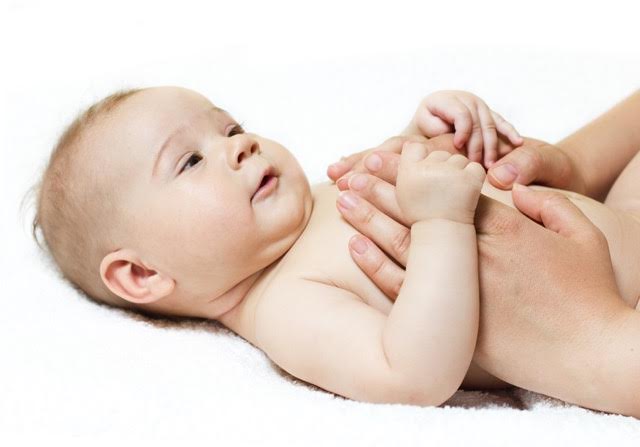
Vimala McClure, developed infant massage techniques for healing and bonding

Chances are you or someone you know has been touched by Vimala McClure’s work.  I’m honored to let you know more about this extraordinary woman through our recent interview.   

Please tell us about your introduction to infant massage at an orphanage in India.

In 1973, I was 21 years old. I had been practicing yoga and meditation for a few years, and I wanted to be a yoga instructor. The only way to do that, at the time, was to travel to a training center in Northwest India. The training center was also an orphanage; I was expected to work in the orphanage by day, and a yoga monk would come in at night to train us.

During the time I was there, I made a discovery that was to substantially redirect my life. I loved the children, who always came rushing to me, wanting to hug me, to sit on my lap, and for me to sing with them. I noticed that all the children I saw, both in and out of the orphanage, were delightful. They were open and relaxed and always smiling. In spite of their extreme poverty, they were happy. They had a relaxed way of being in the world, and I often saw both boys and girls walking around with a baby on their hip.

One night after class, I was walking around the compound. I approached the sleeping quarters of the children and peeked in. A girl, about 12 years old, was massaging a baby. I waited until she was finished, and went in to talk to her. She told me that massage, especially for babies, was traditional. An Indian mother regularly massages everyone in her family and passes these techniques on to her daughters. At the orphanage, the eldest massaged the little ones nearly every day. I asked her if she could show me how to do it. She happily agreed, and allowed me to massage the baby, who was so relaxed and sleepy. I learned how to use oil, warm my hands, and do each stroke. The baby connected with me immediately. She gazed into my eyes, smiled, and drifted off to sleep.

I was profoundly touched by this experience. I thought about it a lot. I began to think that maybe the children in India were so relaxed in the way they carried themselves because they had been massaged every day in their infancy. It was a type of nurturing I hadn’t seen in the United States. Though I noticed how cuddly, relaxed and friendly the Indian children appeared to be, it remained for me to become pregnant a few years later before I started seriously thinking about the advantages of infant massage. During my pregnancy, I became interested in all aspects of childbirth and infant development, and began studying everything I could find. I read the book Touching: The Human Significance of the Skin by Ashley Montagu, and I was determined to massage my baby as part of our everyday life. I read through the bibliography and decided to find the research upon which Montagu’s claims were based. I had a feeling that this information could be translated to humans. Montagu had made this connection throughout his book, and thinking about massaging my baby was suddenly very exciting.

To make a very long story a bit shorter, after I had massaged my baby for several months, I decided to share this wonderful art with other parents. I put together massage strokes from the Indian massage that I knew, from yoga, from reflexology, and Swedish massage. I designed a curriculum for a five-session course and began to teach. After a couple of years, I wrote a manuscript which, through many magical moments, was published by Bantam/Random House in 1979 (I revised and updated the book
six times, including a new edition coming out next year). I founded a nonprofit organization, the International Association of Infant Massage, trained instructors all over the U.S., then trained seasoned instructors to be Instructor Trainers. We now have chapters in over 70 countries, and a Circle of Trainers with over 50 Instructor Trainers from around the world.

What are some of the benefits of massage in pregnancy?

In nearly every bird and mammal studied, close physical contact has been found to be essential both to the infant’s healthy survival and to the parent’s ability to nurture. In studies with rats, if pregnant females were restrained from licking themselves (a form of self-massage), their mothering activities were substantially diminished. Additionally, when pregnant female animals were gently stroked every day, their offspring showed greater weight gain and reduced excitability, and the mothers showed greater interest in their offspring, with a more abundant and richer milk supply. Evidence supports the same conclusions for humans.

According to the latest research, women who experience stress, worry or panic attacks before and/or during pregnancy are more than twice as likely to report that their babies cry excessively. Experts suggest an infant’s excessive crying, if not from gastrointestinal colic or other physiological problems, may be due to the mother’s production of stress hormones during pregnancy, which cross the placenta and affect the development of a baby’s brain. A parenting specialist, Dr. Clare Bailey, said: “Mothers can easily get into a traumatic negative cycle when worrying about a newborn. The more they worry, the less they sleep and calm themselves, and the more they worry. Anxiety can make them hyper-vigilant, distressed by crying, and they can feel rejected by their babies. It intuitively sounds likely that a calm mother who feels relaxed, comfortable, and confident will be more likely to help a baby to self-settle. Babies can pick up emotional cues very early on.”

The research, published in the journal Archives of Disease in Childhood, looked at nearly 300 women who were in the early stages of pregnancy. They were asked about their history of anxiety and depression, and were interviewed during their pregnancy and until their children were 16 months old. A large percentage of women with anxiety disorders reported excessive crying following the birth. Further analysis found that babies born to women with an anxiety disorder were significantly more likely to cry for longer periods. It is possible for stress hormones to cross the placenta and contribute to an infant’s crying spells.

Mothers who have meaningful skin contact during pregnancy and labor tend to have easier labors and are more responsive to their infants. In addition, research has shown that mothers whose pregnancies are filled with chronic stress often have babies who cry more and for longer periods than those whose pregnancies were peaceful and supported.

What are some of the benefits of infant massage?

I think about the benefits in this way:

  1. Interaction: Massaging your baby promotes bonding; it contains every element of the bonding process. Infant massage promotes a secure attachment with your child over time. It promotes verbal and nonverbal communication between the two of you. Your baby receives undivided attention from you, he feels respected and loved. It is one of the only times that all of his senses are nourished.
  1. Stimulation: Infant massage aids in the development of your baby’s circulatory, respiratory, and gastrointestinal systems. It aids in sensory integration, helping your baby learn how her body feels and what its limits are. Massaging your baby helps make connections between neurons in the brain, which helps develop her nervous system; it also aids the generation of muscular development and tone, and contributes to her mind/body awareness.
  1. Relaxation:  Regular infant massage improves sleep, increases flexibility, and regulates behavioral states. It reduces stress and stress hormones and hypersensitivity. Massaging your baby creates higher levels of anti-stress hormones and promotes an improved ability to self-calm. It teaches your infant to relax in the face of stress. The “Touch Relaxation” which I developed is used throughout the massage; it is a particular way to teach your baby to relax upon your cue.
  1. Relief: Infant massage helps with gas and “colic,” constipation and elimination, muscular tension, and teething discomfort. It also helps with “growing pains,” organizes the nervous system, relieves physical and psychological tension, and softens skin. It helps release physical and emotional tension, balances oxygen levels, and provides a sense of security.

Is massage helpful for preemies and babies who are in poor health?

The premature baby’s first contact with human touch may bring pain; needles, probes, tubes, rough handling, bright lights—all sudden, after the warm protection of the womb. One of the first things parents can do to help and to begin bonding is to touch and hold their baby. This wonderful expression of caring contributes to both physical and psychological healing, not only for babies but for parents, too. Much of the anguish of those first days and weeks can be minimized if parents can feel some sense of control.

My book, and particularly the new edition (to be released next year) has a large chapter on this subject. The International Association of Infant Massage (IAIM) is the world leader in nurturing touch, primarily due to our focus on observing cues that are in alignment with a baby’s ability to receive touch. We have pioneered and refined touch concepts over decades through working with various people, including professionals in many cultures globally.

Through their cues, preemies tell you what kind of touch they are able to receive at any given moment. While the research conducted by Tiffany Field at the Touch Research Institute in Miami, U.S.A. showed good outcomes from massaging babies in the NICU. I have come to believe that actual massage techniques are better when used after the baby is home, and that holding techniques—communication through touch—are better for premature babies. The same goes for medically fragile babies.

Some of our senior instructors began to notice that premature babies were giving “disengagement” or stress cues when being massaged. Cherry Bond, a Neonatal Nurse and IAIM Certified Infant Massage Instructor, developed a “5-Step Dialogue” that helps parents to do something with their babies rather than to their babies. She says, “Every cue is like a single word in a sentence, which is part of a whole story that parents can use to participate in a unique dialogue with their baby.” Certified Infant Massage Instructors with IAIM can help parents through this 5-Step Dialogue, which includes how to observe babies’ cues, how to understand the concept of permission, and various ways to touch and hold the baby. In most cases, we recommend that parents do not massage the baby until they are home and the baby can be considered a “newborn.”

“Kangaroo Care” is now being used in NICUs everywhere. The idea is for parents to hold their infants on their chest—ideally, skin-to-skin. With infants that need a lot of medical intervention, this can be difficult, but not impossible. Nurses can help you place your baby on your chest, with whatever tubes and wires are connected to her. Research shows that stable parent-infant bonds are fundamental to healthy child development. For parents of babies born prematurely or with special medical needs, this early bonding can be interrupted by the complex medical care required in a NICU. An ongoing study conducted at a large metropolitan NICU, presented at the American Academy of Pediatrics (AAP) National Conference & Exhibition in 2015 shows that a little skin-to-skin snuggling between mothers and babies can go a long way toward reducing maternal stress levels. The study examined mothers’ stress levels before and after they held their babies “kangaroo style” (skin-to-skin inside the pouch of the parent’s shirt) for at least one hour, and the results were remarkably positive.

Can you tell us about a few mothers and babies you’ve worked with over the years?

This is a bit difficult! With years of teaching and magical moments happening in just about every class, it’s hard to choose! I worked for several years with a pediatric practice in Denver, Colorado. When parents brought in a colicky baby, the doctors would refer them to me. I would go to their homes and work with them, first teaching them the Colic Relief Routine I developed, then, after the colic was resolved, I taught them how to massage their babies. One mother was very distressed about her crying baby. “He just doesn’t like me!” she said. I could tell she was disengaging — withdrawing from her baby.

After talking with her about colic and reassuring her that she was doing fine as a mom and her baby was simply in pain, I showed her the Colic Relief Routine, and asked her to do it at least once a day (preferably twice) for two weeks, and I would return in two weeks. When I returned, I saw a beaming mother, wearing her baby on her chest. She told me that at first her baby fussed and cried through the routine, but after a couple of days, he began to pass gas and fecal matter toward the end of the routine. Then her baby began “working” with her, bearing down when she massaged him, followed by yoga postures that are part of the routine. She said that afterward, he would pass gas and his crying diminished. At the two week mark, he was a happy baby, no longer crying for hours every day.

She learned how to do the full massage, and no longer had to do the Colic Relief Routine. Both mom and baby loved the massage, and I could see the bonding happening before my eyes, whereas before there was withdrawal. What would have happened if she hadn’t learned these techniques? This question made me more committed to making infant massage a part of everyone’s baby care repertoire.

Please talk about how you incorporate principles of yoga, meditation, and the ancient wisom of the Tao Te Ching into parenthood.

I had been practicing and teaching yoga and meditation since I was 20 years old. After my children were grown (actually, when they were teenagers), I studied Taoism and the Tao Te Ching— a book of aphorisms by the ancient Chinese warrior-philosopher Lao Tzu. I was very inspired by this book and what it had to say about how a warrior should conduct himself. Halfway through, I saw that much of the advice in this little book would be timely for mothers as well. Being a good mother is being a warrior in many ways.

Our family went on a vacation to Kauai, and I brought the book with me. We drove up to the top of the highest waterfall in the world. There was an open space with a couple of tables and chairs, overlooking the incredible mountains and ocean on Kauai’s south side. My family went hiking, and I stationed myself in this space. The beauty was astounding, with a foggy mist hanging overhead, and views out over the ocean as far as I could see. I went through the Tao te Ching and transliterated every aphorism into something that would relate to motherhood. I finished the book in one day.

The publisher New World Library — whose authors have included Deepak Chopra, Eckhart Tolle, and Shakti Gawain — published The Tao of Motherhood in 1991, 1994, 1997, and a 20th anniversary edition in 2011.
Can you share a bit about your own journey, transmuting significant difficulties into deeply loving and useful work?

I worked very hard to bring my vision — of infant massage being an integral part of our culture — to fruition. I also traveled to India many times during those years — from 1976 through 1988. In 1989, I had a Traumatic Brain Injury from a bad fall in my art studio, which was followed by a severe case of Fibromyalgia (which was, then, practically unheard-of). I was unable to teach for the next 24 years; the illness — chronic, widespread pain that never ceased —  was exacerbated by complications and completely disabled me. I stayed in touch with my growing organization, advising, writing, and attending conferences when it was possible. Having practiced meditation and yoga since my early 20s, my spiritual life got me through this fiery test of my body, mind, and soul. In 2014 I had a miraculous recovery; one day I woke up pain-free and totally healthy in every way. My doctors were, and continue to be, astounded.

I was able to step back into my organization, continue writing and working to bring awareness of infant mental health and infant massage to the world. Today I am healthy, energetic, fit, and deeply happy with my life. I live alone now, and my adult children and three grandchildren live fairly close. I am delighted to be able to be “me” again for my kids. They, too, are amazed and happy to “have mom back.”

How can we learn more?

I write a blog for our international newsletter, which readers can find at our international website and for our U.S. site.

To find a Certified Infant Massage Instructor go to  iaim.net  or infantmassageusa.org

Readers can find my books at Amazon. com:

Infant Massage–Revised Edition: A Handbook for Loving Parents

The Tao of Motherhood

The Path of Parenting: Twelve Principles to Guide Your Journey

how infant massage can help babies heal, bond, and sleep well


I Live in Dichotomy House

bull steer

I’m standing at the kitchen counter rolling out crust to make an entrée my son wants for his birthday. Beef pies. They won’t be filled with just any beef, but the tender flesh of a two-year-old steer named Clovis who spent his whole life on our little farm. It’s hard to reconcile my feelings with the facts. Right now I’m dicing the brisket, a place where Clovis liked to be scratched.

Years ago my daughter made an excellent case for raising a dairy cow as a learning experience for her and homegrown way for us to procure healthy grassfed milk we could turn into yogurt, kefir, and cheese. On her birthday we gave her a red halter and soon after we got a lovely Guernsey. Isabelle changed her life. All our lives

The spring that Isabelle gave birth to her first bull calf was another game-changer. Initially I tried to delude myself that little Dobby  could be trained to work as an ox or that we could find him a place in some farm animal sanctuary. Delusions they were indeed. Our only option was to raise him for a year or two, knowing all our hand-fed carrots and apples couldn’t forestall his eventual fate.

When he was small my daughter halter-trained him, leading him out the pasture gate to fresh grass. Even later, at 1,600 pounds, he followed her just as future steers would do. Long before they had to leave, she wisely insured they’d be calm and unafraid for the day they’d be led to the truck taking them away.

It’s a hard truth indeed to realize that calves who love to be brushed, calves who cavort in exultation when the gate to a fresh pasture is opened, calves who are clearly attached to the mother who birthed them and continues to care for them, cannot live out their natural lifespans. We consoled ourselves knowing that at least here our steers lived every day of their lives with their mother, grazing and nursing in peace until the last day they breathed. And that Isabelle could live out her natural lifespan, more than three times longer than dairy cows are typically permitted in the U.S. This is rare, almost unheard of, on today’s farms.

But I veer from my point. (This veering is a chronic problem of mine.)

My scruples once ruled. My children were raised on vegetarian food made from scratch. I used to be pretty darn strident about this. Heck, I used to be pretty strident about all sorts of things, from education to politics. My scruples haven’t changed, at least I think they haven’t, but my ability to live with dichotomy has.

Maybe it was precipitated by that not-so-great dinner of bean patties with buckwheat groats and mushroom gravy, but at this point three out of four of my offspring now include meat in their diets. (Yes friends, it’s true, our dictates don’t inform our kids’ choices. ) My husband once ate meat only at restaurants and other people’s houses because I couldn’t bear to have the flesh of once-living creatures in our home. Then he became a hunter. People dear to me quite happily flourish on the opposite end of the political spectrum and I do my (sometimes faltering) best to establish common ground, because really, every one of us wants the same things —-among them the freedom to live in safety, do what enhances our lives, and find meaning in our everyday activities. People dear to me also raise their children very differently than I’ve chosen, from sleep training to stringently academic schooling to tough love.

Every year I’ve learned more about accepting, even embracing, differing viewpoints. It’s not easy. There’s plenty of kvetching, from me and surely from the people who do their best to put up with me. This is a very big deal. It’s the foundation of peace, the only possible way forward for our species.

I slice up the very flesh I once lavished with rubs and scratches,  then I roll out dough (yes, with whole grain flour) because my son hopes I’ll try the Cornish Pasty recipe he showed me. (For vegetarian family members, I make spinach pies that are refreshingly free of contradictions.)

I have no philosophy that fully explains this contradiction. But I try to stay awake and aware as I make food for someone I love out of the flesh of an animal I once loved. I reflect sorrowfully that, since last spring, we have no cattle at all on our back pasture. I’m sure I miss those mindful beings far less than my daughter must.

I wash the wooden cutting board, wipe the counters, and consider how complicated and paradoxical life is. We live on life, pass from life, and life goes on. I don’t know what to make of it except to rationalize a second glass of wine.