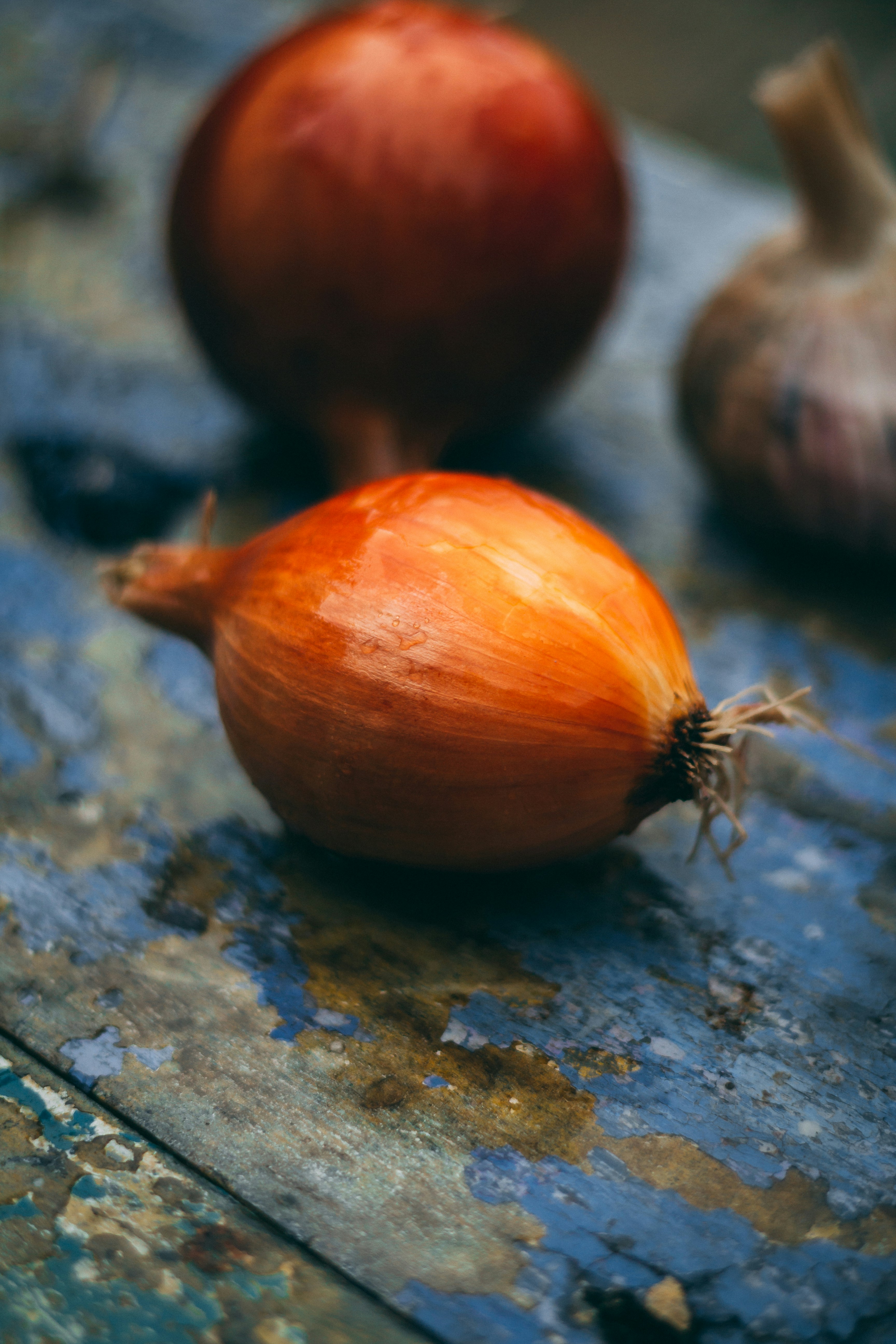
A while back I had not one but three people contact me about a poem of mine titled “What The Onion Teaches.” This is a highly uncommon occurrence for a writer of my anonymity. Even stranger, that poem had been published a decade ago.
It turns out my short and simple poem had been assigned in some college lit class (I’m guessing freshman) along with the ubiquitous questions on what the poet meant, why the poem’s images were chosen, and worse. I had an engaging back-and-forth with one student who really wanted to get extra credit on his assignment. But I didn’t have answers for his professor’s questions.
To me, none of those questions get anywhere near why we read, let alone write, poetry. Such questions often turn readers away from their own experience of a poem. (Reading imposed for the purpose of assigning a grade may be a main reason why so few people read for pleasure once they’re out of school.)
I am incredibly fortunate to be in a longstanding poetry workshopping group. The five of us gather once a month around a picnic table in a quiet nature preserve to read, discuss, and hopefully improve each other’s newest poems. Very often we find meanings, metaphors, and other juicy bits the poet hadn’t anticipated. The eye of the beholder and all. Oftentimes the poet, too, finds what they hadn’t realized was there.
The process of recognition can be delayed, the way it was when I asked an artist friend about her fondness for painting a pond close to her home. The spring pictures were gorgeous, but I thought my favorites were her autumn scenes. Until I saw her winter versions. Each painting included three foreground trees and a misty, out-of-focus tree beyond the water. I asked if it was always misty when she painted. She told me there wasn’t really a tree on the other side, it just made for good perspective. Much later, when we were talking about our offspring, she mentioned for the first time that she’d had a fourth child, a full-term stillborn son. I asked (probably too directly) if he might be represented by that fourth tree, always present with the other three trees. “Oh my God,” she said. “I never thought of it that way.”
The poems we’ve loved have a way of deepening in us, so I’m no longer surprised when a poem I haven’t encountered for years speaks to places in me that have evolved since I last read it. That’s true of poems I’ve written too. The presence of something significant can be right there, waiting till we see it, like that misty tree.
Reading is a creative process itself. We travel where the words send us, an almost magical collaboration with the writer across space and time. All forms of art can take us beyond ourselves and our perspectives as if sliding us briefly into parallel worlds. The arts can slow us down, awaken wonder, jab at conscience, set us off in reverie for as long as we welcome the respite from ourselves. Literature, visual art, and the performing arts can even show us how to enter into the hearts of the most unlovable among us, a practice of perceiving that would serve us well in what we call the real world.
Tracy K. Smith writes, in Fear Less: Poetry in Perilous Times, about the miseries of the news cycle.
“I found myself thinking, Poetry wouldn’t allow us to behave this way. I just knew that poetry, a kind of mother to so many, would find a way to jostle us out of our rote engagement with one another. Poetry would insist that our listening be permitted to lead us, even briefly, out of our rigid stances, our staunchest habits. Already I could hear Mother Poetry saying: Come. Sit. Calm yourselves and attend more generously to one another.”
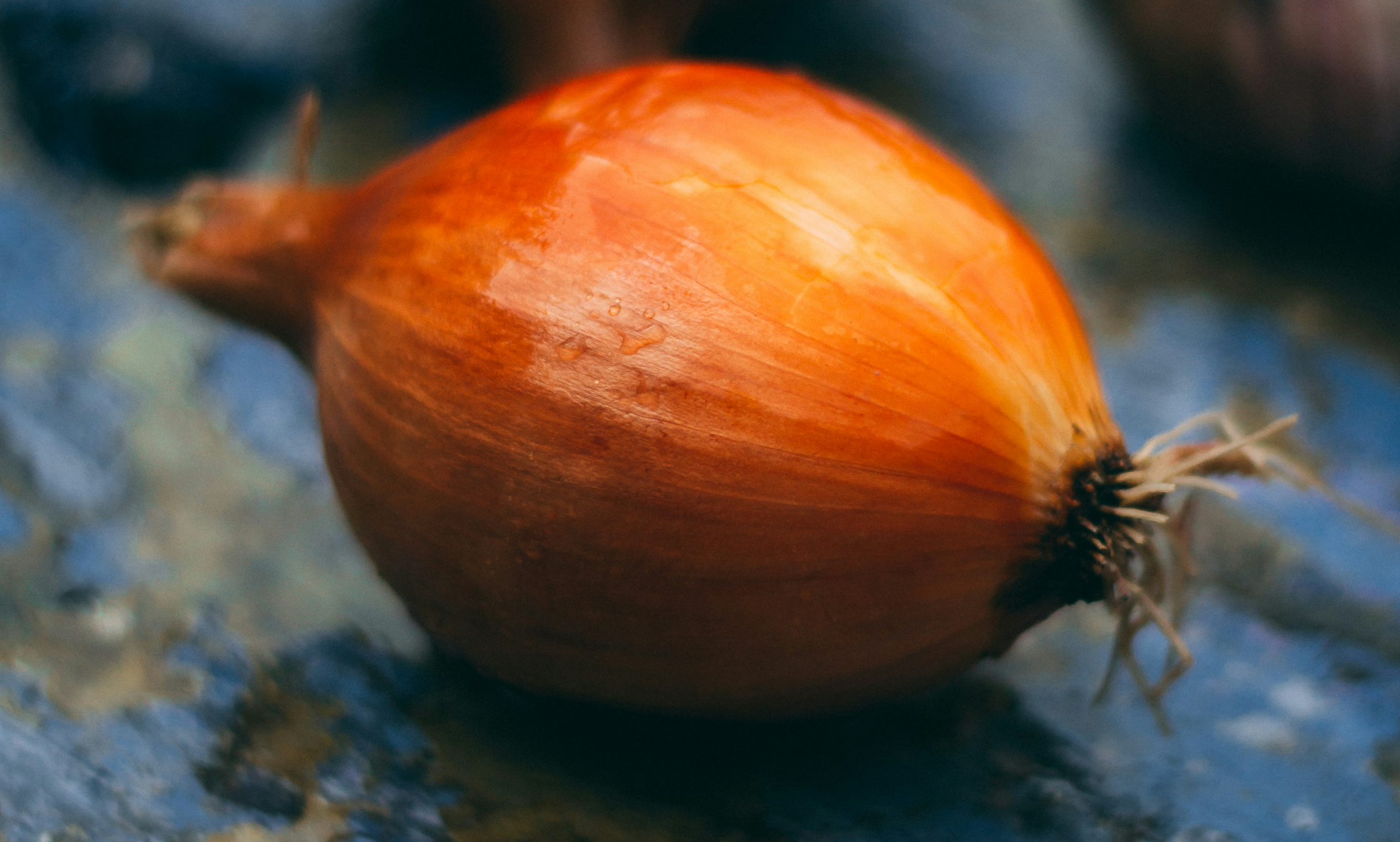
An onion is itself a kind of a poem, the way anything is when we consider it closely. I think of how an onion’s skin is remarkably durable, yet falls into fragile bits when we pull it away, each layer useful all the way to its center where it may already be greening with the impulse to new life. That impulse is alive in art too.


When I was teaching I knew a poet who gave permission for her poem to be used on the state test. She wrote back to them that the questions they asked students to answer about the poem were ones she, the author, couldn’t answer. Thanks for the Tracy K. Smith quote and your lovely writing to “jostle us out of our rote engagement with one another.”
LikeLike
this is a stunningly beautiful essay. thank you.Sent from my iPhoneOn Oct 13, 2026,
LikeLike