Getting and Giving, Big Time

We haven’t gotten this far through brutal force or greed.

Nope. It has taken cooperation, curiosity and cleverness.

Ninety-nine percent of our time on earth as a species has been spent as hunter-gatherers. Our ancestors wouldn’t have survived without collaborating to find food, raise children and stay safe from large predators.

This is still true now no matter what 24 hour news channels tell us. Each moment of the day we’re more likely to react with compassion, calm interest or cleverness than with any form of overt negativity.

Cooperative efforts abound all around us. Perhaps we simply need to look at life-enhancing innovations we take for granted in a new way. Consider these examples.

Want to travel the world finding friendly strangers offering you a place to sleep for free? You can through CouchSurfing. Their motto encourages everyone to “Participate in Creating a Better World, One Couch at a Time.”  Started in 2004, this non-profit network has connected travelers with locals in 232 countries. This has resulted in nearly 3 million positive experiences, almost 2 million reported as friendships. People who never would have met are connecting, sharing experiences and developing greater cultural understanding.

How about Freecycle? Nearly 7 million members across the world make up this grassroots, non-profit movement of people who give and get goods for free in their own communities. The Freecycle Network, which started humbly in 2003, says, “Our mission is to build a worldwide gifting movement that reduces waste, saves precious resources & eases the burden on our landfills while enabling our members to benefit from the strength of a larger community.”

Or consider books set free to find new readers. Since 2001, BookCrossing members in more than 130 countries have shared millions of books with strangers. They’ve also enjoyed the treasure-hunt pleasure of finding books they want to read. It’s all part of an innovative network linking books and readers.  More local book-sharing concepts are springing up everywhere. Recently a small town in the UK transformed an unused phone booth into a book exchange. They outfitted the booth with shelves and waited to see if anyone would participate. Residents continue to share books and movies anonymously at the booth, which is always open.

Maybe you need a bigger example. There’s always the Internet. Harvard Law professor Jonathan Zittrain notes in a TED talk that the net itself is built by millions of “disinterested acts of kindness” and based on trust, curiosity and reciprocity.

Giving and collaborating seem to be an intrinsic part of human nature. That may be why people freely share their expertise by editing Wikipedia entries, providing support online or otherwise helping people they’ll never meet via the net. That may be why giving inspires people to greater heights of generosity or creative expression, even when the act remains anonymous. The blogosphere abounds with art, craft and music exchanges.  Increasingly this is taking place IRL more often too.  In October an art collective calling themselves the Future Machine transformed an unused newspaper box into a “Stranger Exchange.”  Located in Boston, the box features simple instructions on the side.

1. Leave an item; 2. Take an Item and 3. Don’t be a Stranger.

Their website offers a simple way to link people who give and take items in the box.  Items in the box have included a map of Luxembourg, AA batteries and an invitation to a long ago New Year’s Eve party. They’ve also included projects created specifically for Stranger Exchange such as artwork and a mix tape made in response to another mix tape found in the box.

A post about this phenomenon by Rachael Botsman noted, “Interestingly, the early ‘members’ of the Stranger Exchange seem be participating for similar intrinsic motivations that are fueling the open peer-to-peer movements such as Flickr, Wikipedia, BitTorrent, BePress and so on. For these systems to keep flourishing, people need to “give before they get,” a dynamic that is built on a new kind of trust, trust in people you don’t know or are not even friends with.

This in turn reinforces certain behaviors—collaboration, kindness, openness and honor—that are critical for sharing to happen between strangers. What’s interesting is that once people participate in these exchanges, they experience the proverbial “warm inner glow” and they crave that experience again. In other words, the altruistic action and indirect reciprocity becomes self-reinforcing.”

Botsman is co-author of a book coming out next fall titled What’s Mine is Yours: The Rise of Collaborative Consumption. I’m looking forward to what the book will tell us about the rise in sharing, trading, gifting and swapping in communities around the world. I suspect it will have to do with the cooperation, curiosity and cleverness—-the foundations of our early survival and the building blocks of our shared future.

Creative Commons photo courtesy of Erica Reid’s Flickr photostream

Crazy Busy

simplify holidays, crazy busy, holiday frenzy solutions,

Orin Zebest’s work on Flickr

Who isn’t busy all the time? But around the holidays we’re crazy busy. At least women are, and those lights in our lives we call children make the pace even more frantic.

Sure we make all sorts of efforts to simplify and de-stress but for most of us the joys of holiday shopping, gifting, cooking, decorating, visiting, hosting, and merrymaking have to fit right into our regular (overburdened) schedules.

It’s not like we can make more time where there is none. Well, maybe we can. Or at least use our time differently. I confess to the Crazy Busy Syndrome but I fight back with these tactics.

Renounce the How-Does-She-Do-It-All Disease. You know the symptoms. You show excessive responsible because you’re sure no one else will do it (or do it right). You uphold traditions your family counts on. You pay close attention to get just the right gifts. You worry about money more than usual. You try to keep the focus on intangibles like faith and togetherness. When the frenzy is over you end up with an empty feeling. I’m the first to stand and admit that I’m still in recovery from this disease.

The cure? Talk to your loved ones about what means the most to them, then slice away the rest. If there’s disagreement, slice anyway.

Shun Those Voices. They’re everywhere around the holidays. They seem so genuine and alluring but their sole aim is to make you feel insufficient. They speak to you from TV, magazines, websites, blogs, store displays— let’s admit they’re ubiquitous. These voices tell you that you’re not enough. To compensate you must do more. Dress beautifully, make elaborate meals, buy lavish gifts and wrap them more ingeniously.

This is the only diet you need to go on. Don’t watch a single cooking show, don’t open one slick women’s magazine, stay away from Pinterest, and avoid stores as much as possible. You’ll have a lot more time, plus you won’t have to reassemble what’s left of your self esteem.

Screw Tradition. No, I don’t mean avoiding your house of worship or shunning Grandma’s house. I do mean it’s possible to celebrate the season without so much of the heavy Gotta Do It weight hanging over you.

Some of my most memorable holidays have actually been those that veered wildly from tradition. My family will not forget a holiday dinner at Rebecca’s house complete with walls of wet paint, an oven on fire, and a dog getting sick everywhere. The zinger, she was eager to show foreign guests how we celebrate here in the U.S!

If you’ve always gone to the movie theater to see the newest holiday releases after a day of shopping, skip both and go to a play at your community theater. If you’ve accepted every holiday invitation despite the costs of babysitters and lost sleep, limit your yes RSVPs to those events that are the most warm and wonderful. If you’ve always accommodated your kids’ requests for gifts because it’s Christmas or Hanukkah or Kwanzaa, put new limits on materialism —try emphasizing non-toy gifts or give four gifts in the categories of Want, Need, Wear, Read. If you’ve always driven around to see the holiday lights, instead go outside on a frosty night to sing together (even if only to a lone tree lit by moonlight). You’ll not only save time and money, you’ll also create new traditions.

Rethink Gift-Giving. Things have gotten out of hand. Children in this country once looked forward to a fresh orange, maybe a piece of candy and if they were lucky a toy or useful gift like a pocketknife or sewing kit. Historian Howard Chudacoff writes in Children at Play: An American History that most toys co-opt and control a child’s play. They’re better off with free time and objects they can use to fuel their imaginations (yes, a cardboard box).

I admit things got out of hand in my own house. In a quest for meaning (let’s rephrase that to my quest for meaning) we’ve always had handmade holidays. Yes, I’m one of those annoying people….. Meals from scratch, homemade organic cookies, handmade gifts. Each of my four children made gifts for everyone every year, gifts that took substantial effort such as woodworking, felting, and ceramics. My teens still make some of the gifts they give although thankfully I’m not the one coming up with the ideas and supervising the process. The last few years economic realities have made hand made gifts ever more necessary, for other gifts I turn to non-profit and artisan sources. Try products offered by non-profits you support, works of art sold at local galleries, and these resources for simple holiday giving.

Last Resort. This tactic is heavy duty, the one I bring out when I start to feel sorry for myself. Because we’re not crazy busy in comparison to women throughout history. We think we’re stressed? Our foremothers hauled water; carded, spun and sewed clothes; chopped firewood and maintained the stove they cooked on; ground grain and made bread each day; planted and weeded gardens, then canned or dried the harvest; stretched limited food reserves with careful planning to last until the next harvest; cared for babies, children and the elderly with no professional help; treated the sick, stitched wounds and prepared the dead for burial; well, you get the idea.

Worse, many many women in the world still do this sort of grinding labor each day. Typically, women in developing countries work 17 hours a day.  Our sisters receive a tenth of the world’s income while performing two-thirds of the world’s work. These harsh realities put any concept of busy or stressed right out of my head. For more information and ways to help, check out the wonderful book Half the Sky: Turning Oppression into Opportunity for Women Worldwide.

So fight the Crazy Busy Syndrome with all you’ve got. Remember to count your blessings, including the joy of not eating my homemade buckwheat cookies!


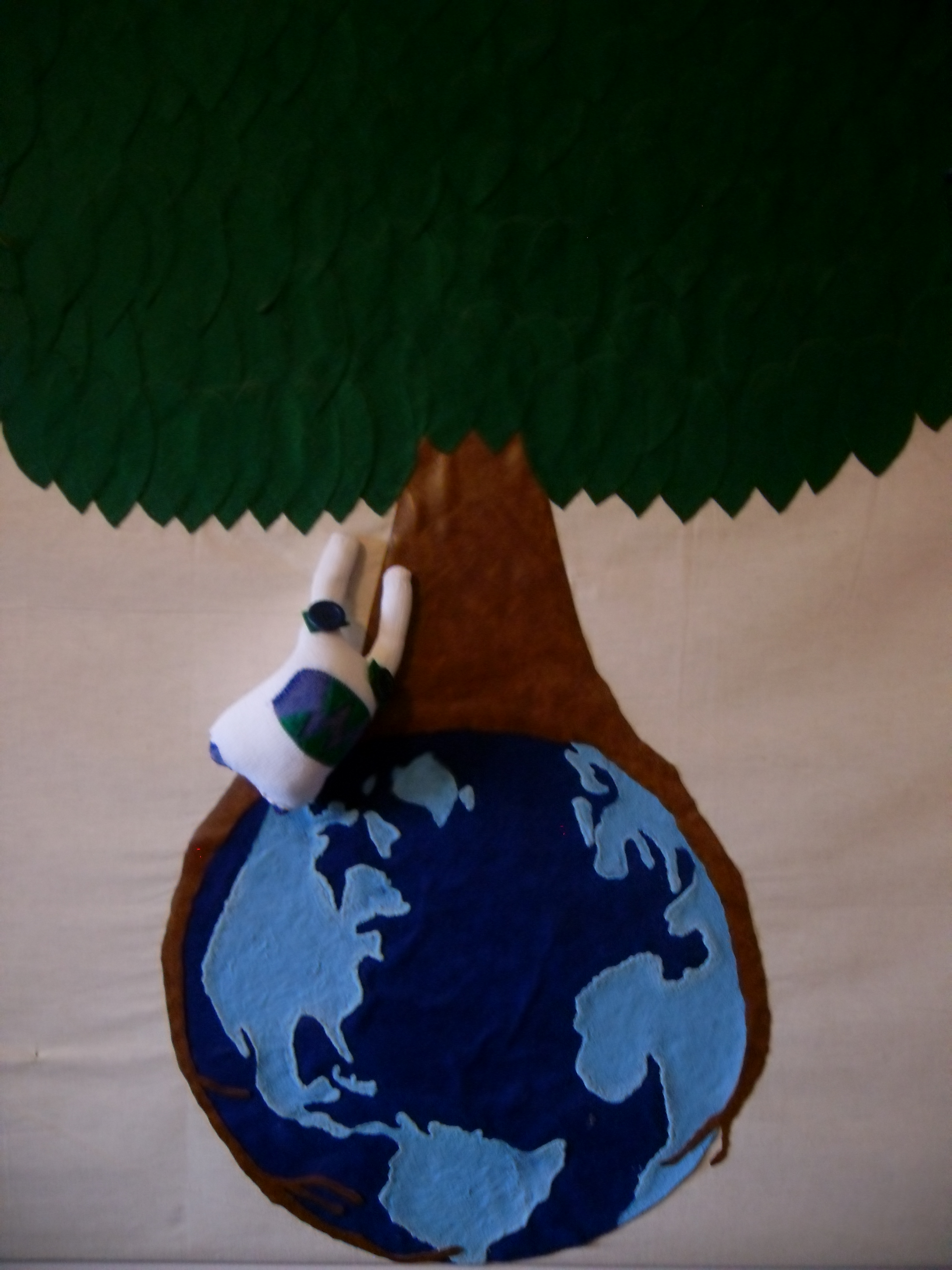
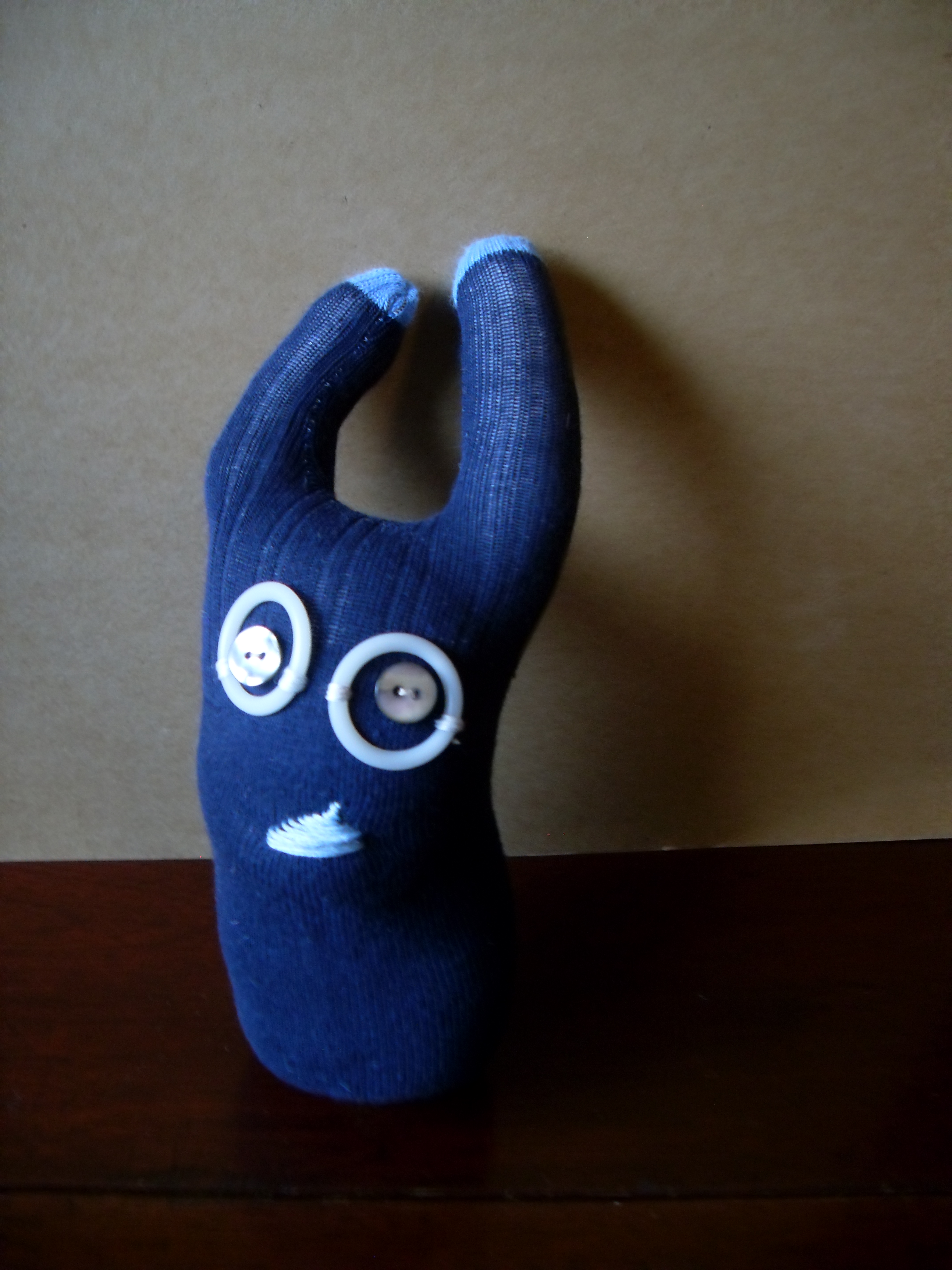
Sock Monsters Take On The World

Okay, maybe not the world, but these guys are trying.

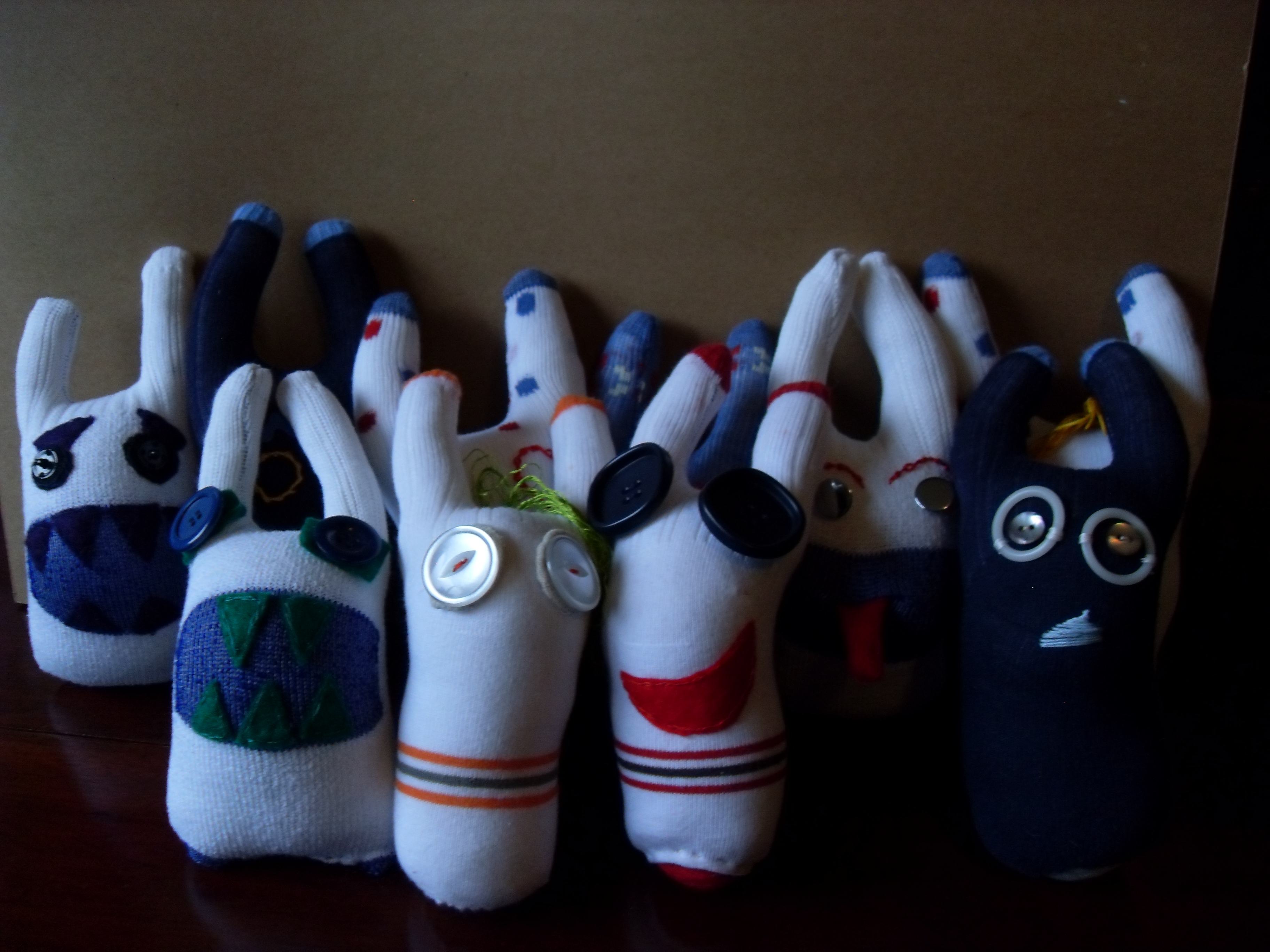
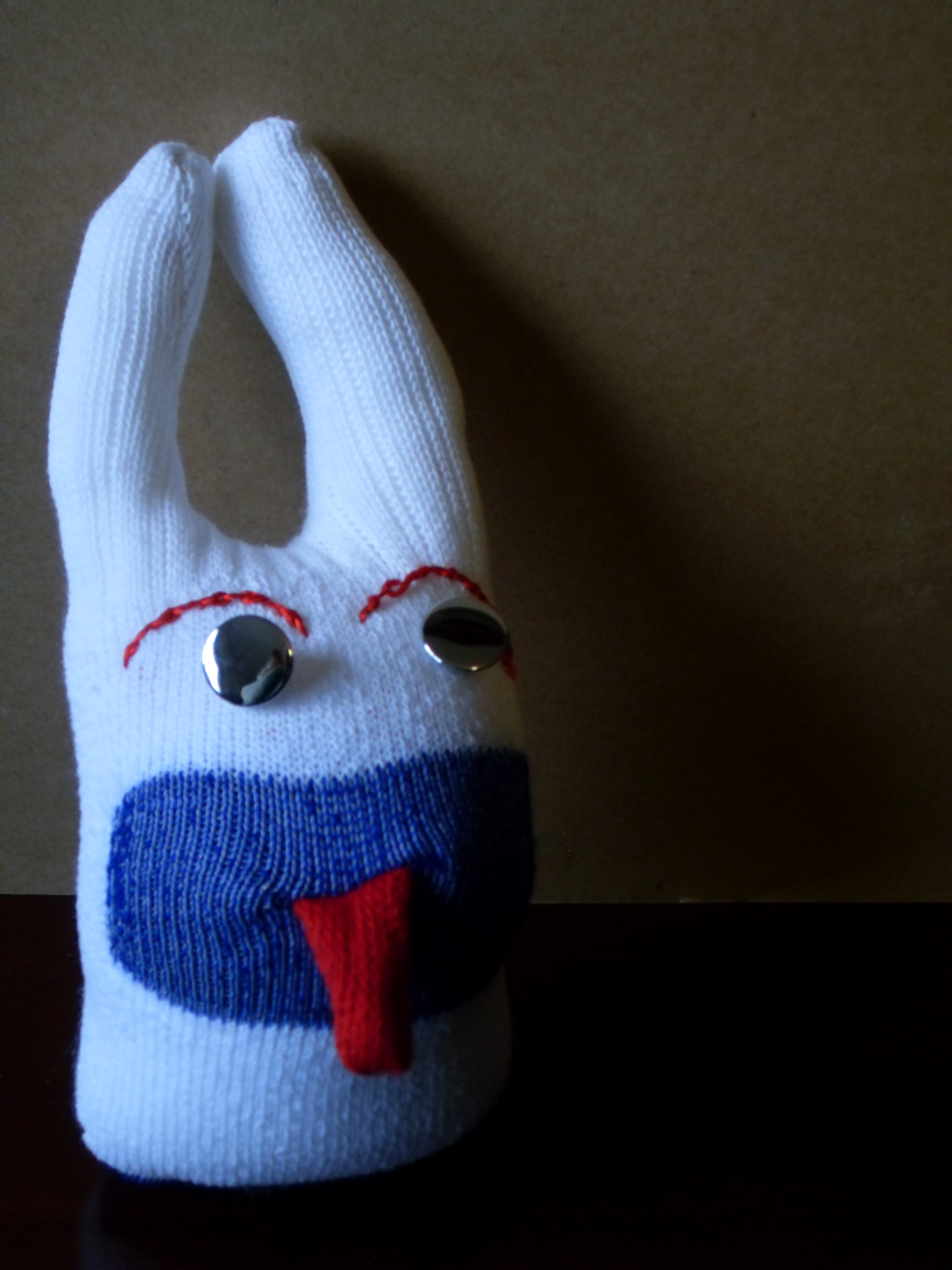
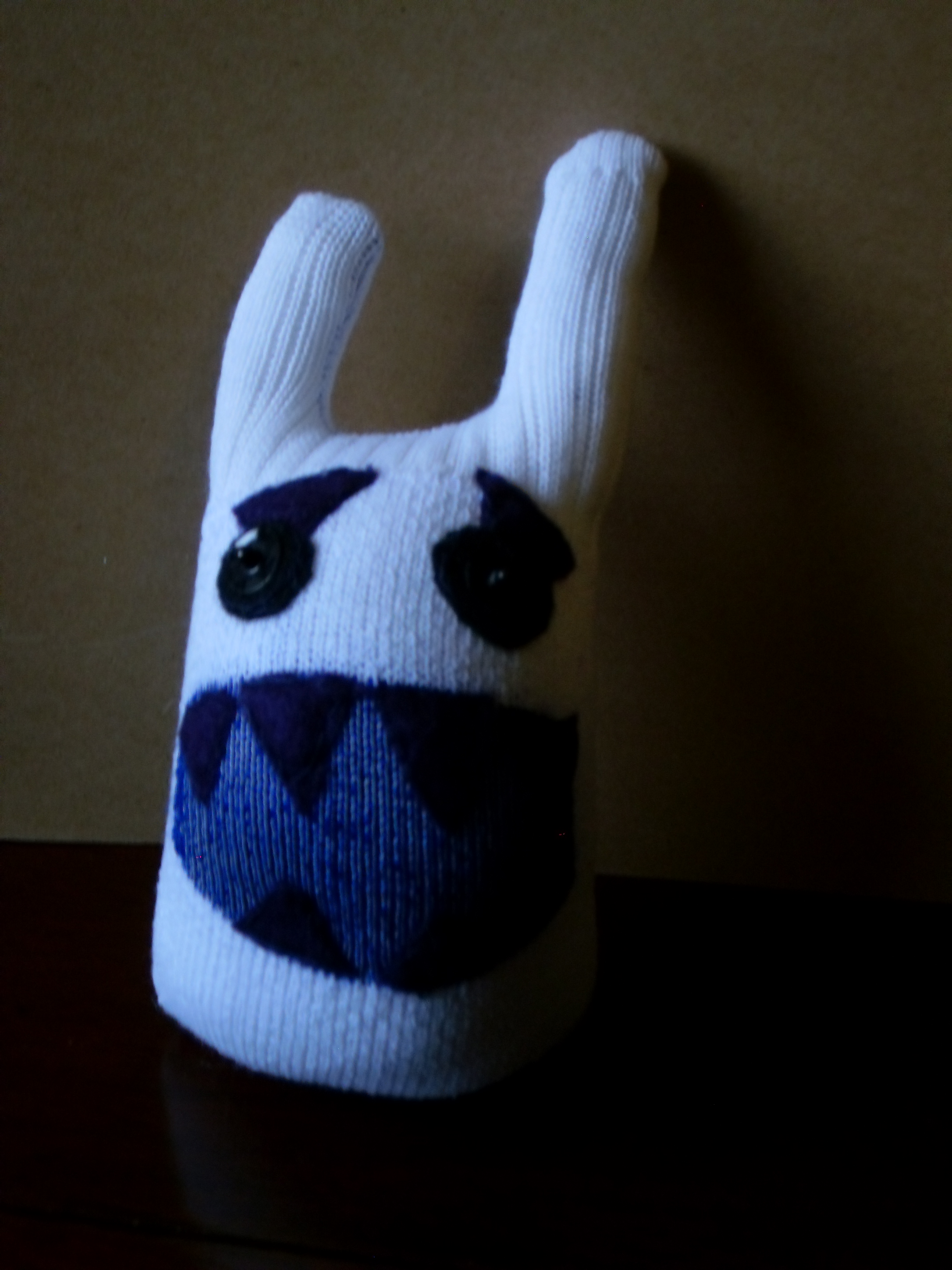
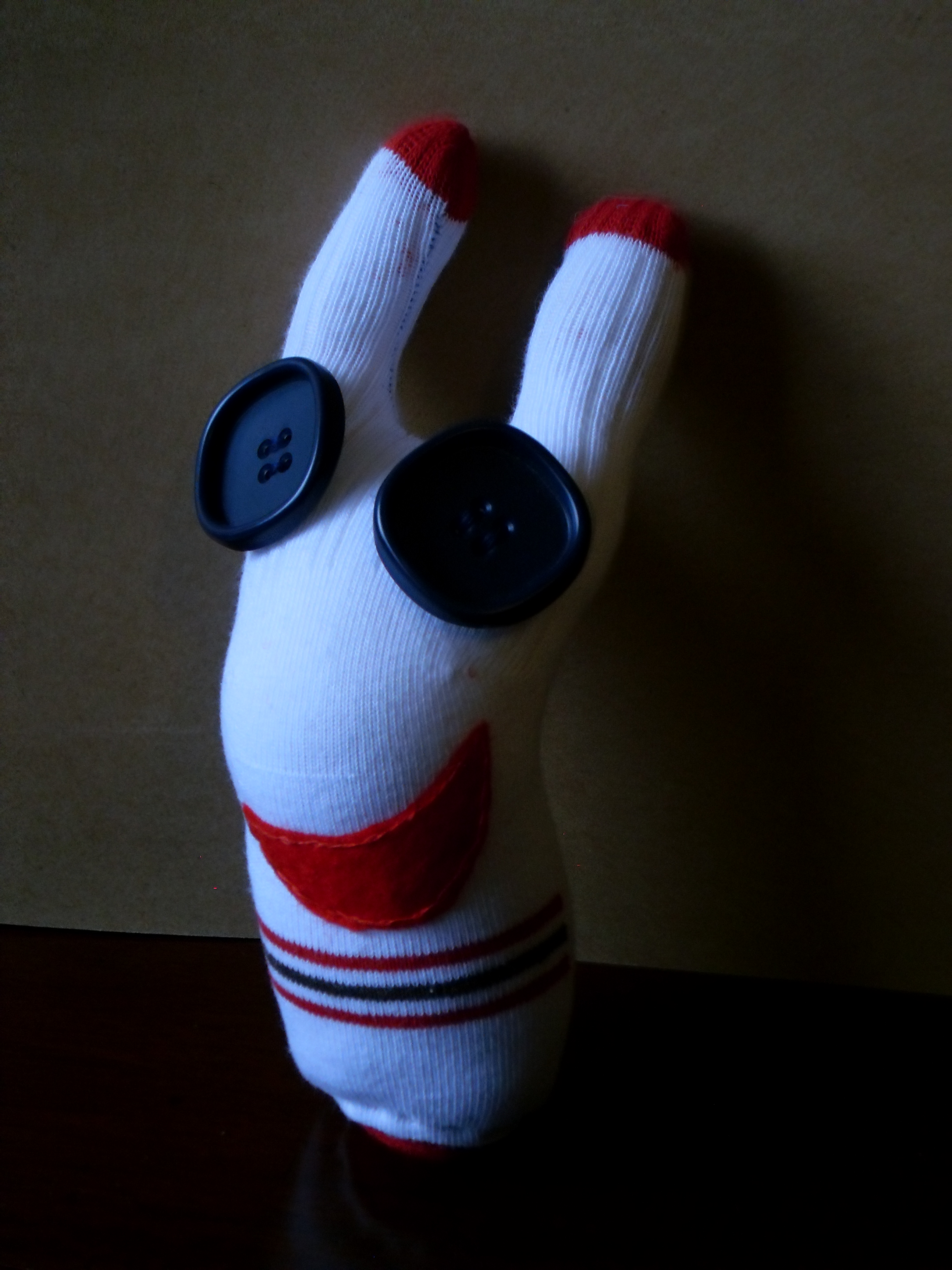
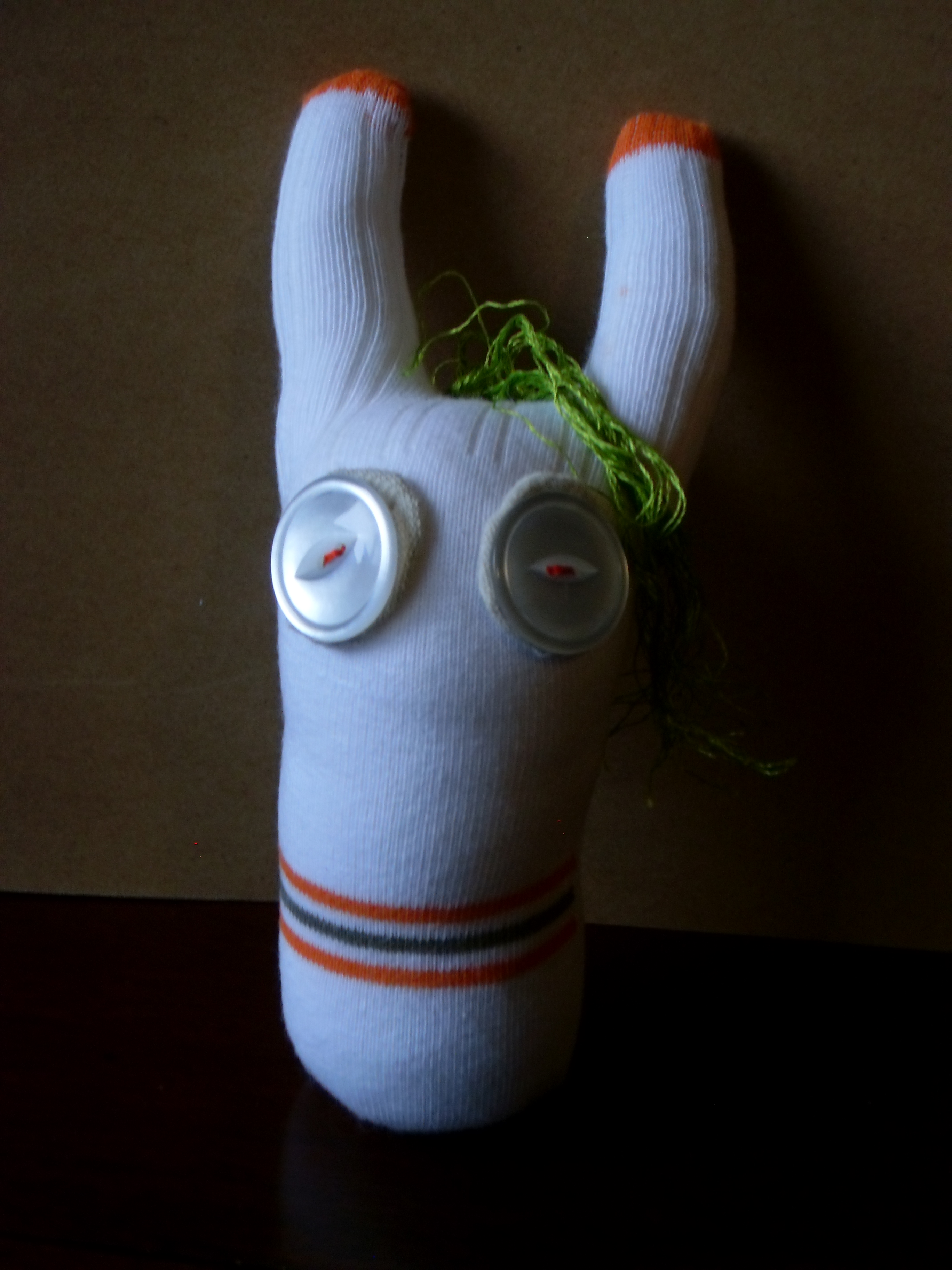
I started making sock monsters a few weeks ago in hopes of earning some money for the holidays. The monsters require little in the way of new materials other than stuffing and socks. Their features are created out of vintage buttons, embroidery floss, rick rack, even thread so old it’s wrapped around wooden spools. This makes them extra special because these notions were left to me by my mother and grandmother. It’s also, frankly, necessary frugality. I’m grateful every day to be writing and living on our little farm especially when others have greater struggles. But I do notice that smaller portions of bliss pie are particularly sweet, perhaps because each morsel is savored.

As I stitch odd little ears, embroider asymmetrical eyes, string bright tufts of hair and appliqué teeth on these monster faces my thoughts keep turning to a woman I’ve recently begun corresponding with, a woman whose selfless actions call out the best in others.

Her name is Sasha Crow. Back in the autumn of 2005 she read an article about an Iraqi ambulance driver who had been killed during a U.S. bombing raid while trying to rescue the injured. Survivors included his young widow with six small children. Sasha had a moment of connection reading the names of those children. She managed to contact the journalist to see what she might do to help the family. Finally the answer came back. The widow needed a quarter acre of land, two cows and some sheep. Sasha hadn’t expected this request, but mustered up a fundraiser among her Seattle friends to provide the struggling Iraqi family with some assurance of security.

After that Sasha was more crucially aware of the needs of Iraqi refugees, the largest Christian diaspora of our time. The slogan “Not In Our Name” suddenly took on many real faces. And Sasha’s life changed.

Now with activist Mary Madsen and other dedicated volunteers, Sasha runs a shoestring charity based in Jordan which provides direct relief to Iraqi refugees. Innocent civilians, described dispassionately as “collateral damage” in wartime, have inspired her to call the non-profit organization Collateral Repair Project (CRP).

Here I sit in my comfortable house night after night leaning close to a gooseneck lamp as I stitch soft toys. My dogs sleep on the rug nearby. I listen, as long as the Internet connection is good, to podcasts on science or philosophy or spirituality. When my kids come in the room I solicit their ideas for the next sock monster’s face. I hear wind picking up enough to give a delightful feeling of contrast: cold outside, warm inside. I know that my heart won’t let me keep any money I might make by selling these monsters.

Sasha and I have been corresponding in particular about a project she’s struggling to get off the ground. Iraqi refugees in Jordan are not permitted, by law, to work. Before being displaced by war they were teachers, engineers, business owners—-never expecting to lose everything. Now they try to live on small assistance checks while waiting to see what the future might bring. Sasha realized with horror that many of the babies in these families are sickly and malnourished. Their mothers have been separated from close extended family ties, traumatized by war, and too often are unable to breastfeed. Without this vital source of nourishment Sasha knows the infants suffer from the lack of nutrients at this formative stage.  When there’s no money for milk let alone formula, what little milk there is gets watered down. Or worse, families must resort to feeding their babies sugar water. Sasha has tried promoting projects to advance the cause of breastfeeding through peer-to-peer relationships, like Le Leche League, but there’s insufficient funding. Right now she’s simply trying to provide formula and milk to babies in need. But no one, not one major relief agency, will partner with CRP’s Milk Fund because it’s a global goal to advance breastfeeding (a cause she supports, but logic dictates that formula is also needed in this situation). Even older children are not getting the nutrients they need. Hence, the project has to be funded directly.

All proceeds earned by these sock monsters will go to CRP. This first batch will be sold at Elements Gallery, run by artists Steve and Debra Bures. Then, if I’m weary of monster making I’ll come up with something else. Maybe an online art challenge with all works sold to benefit CRP. Or a big mid-Eastern feast this winter, all proceeds going to CRP. Any other ideas? I’d love to hear them.

Wind may be howling outside, but here the monsters are soft and made with love.  In a small way they’re taking on the misery created by larger monsters.

How to Get Involved With CRP

Take a look at CRP Projects


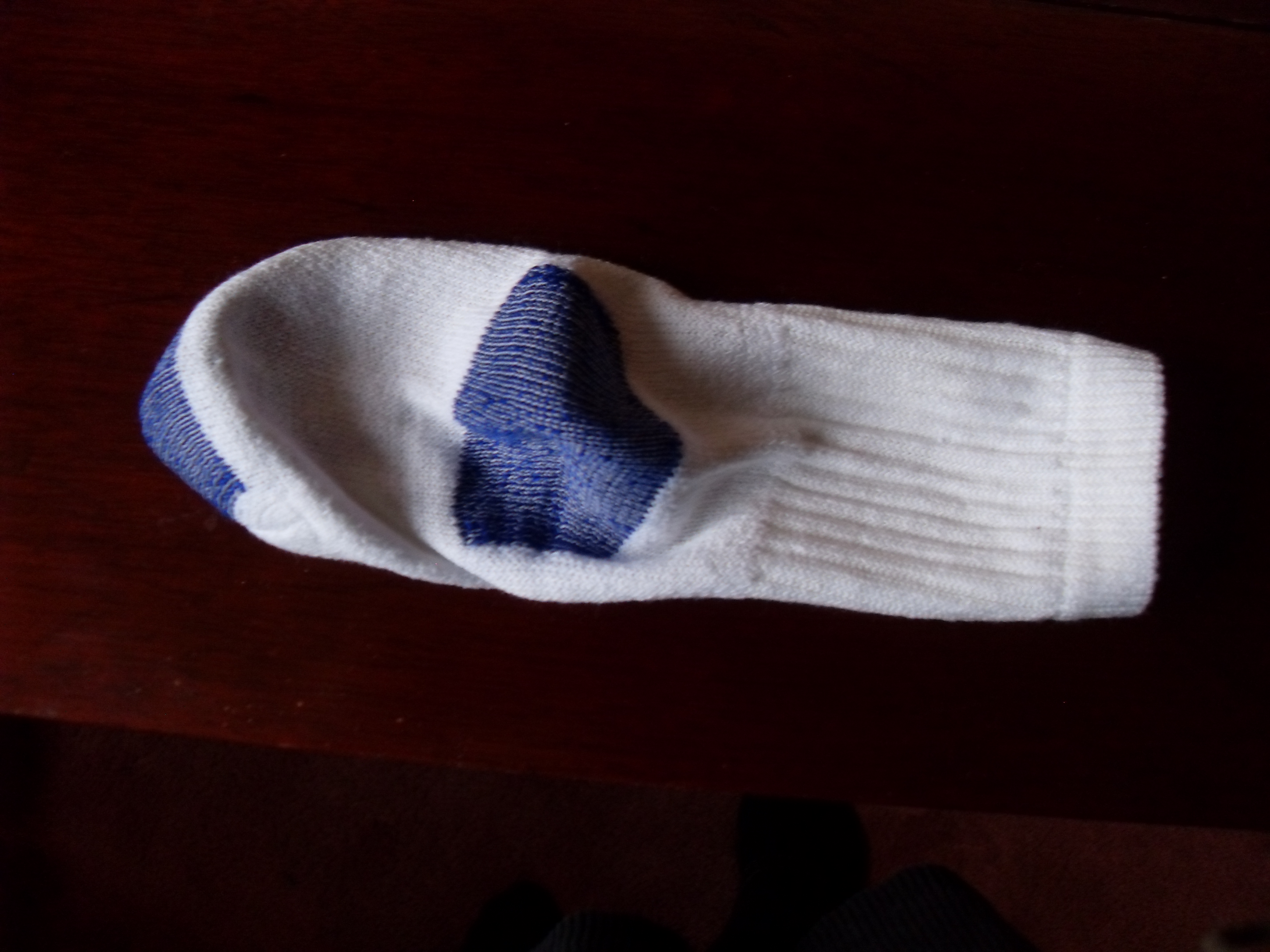
How to Make Sock Monsters

Select a baby or toddler-sized sock.

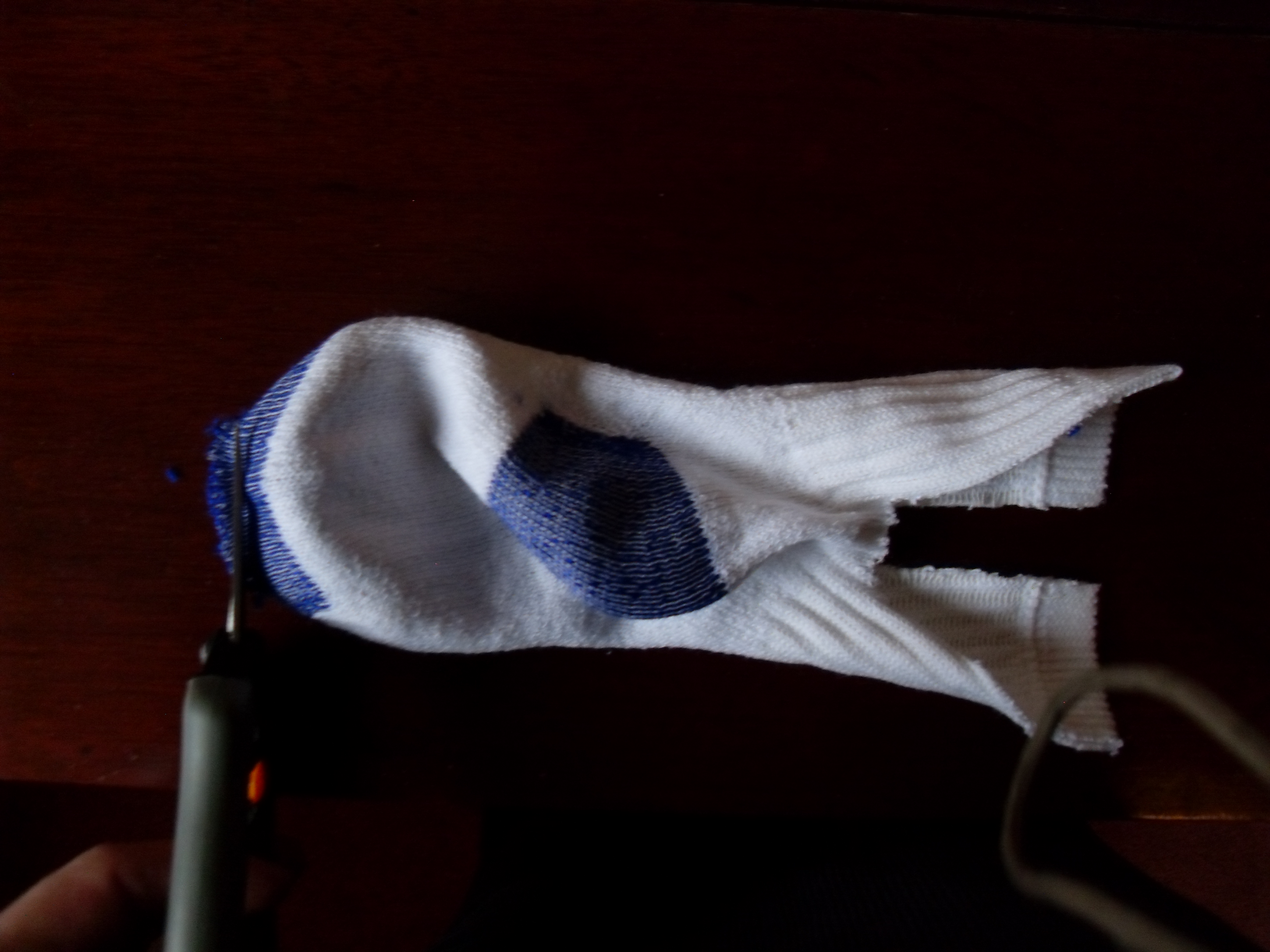
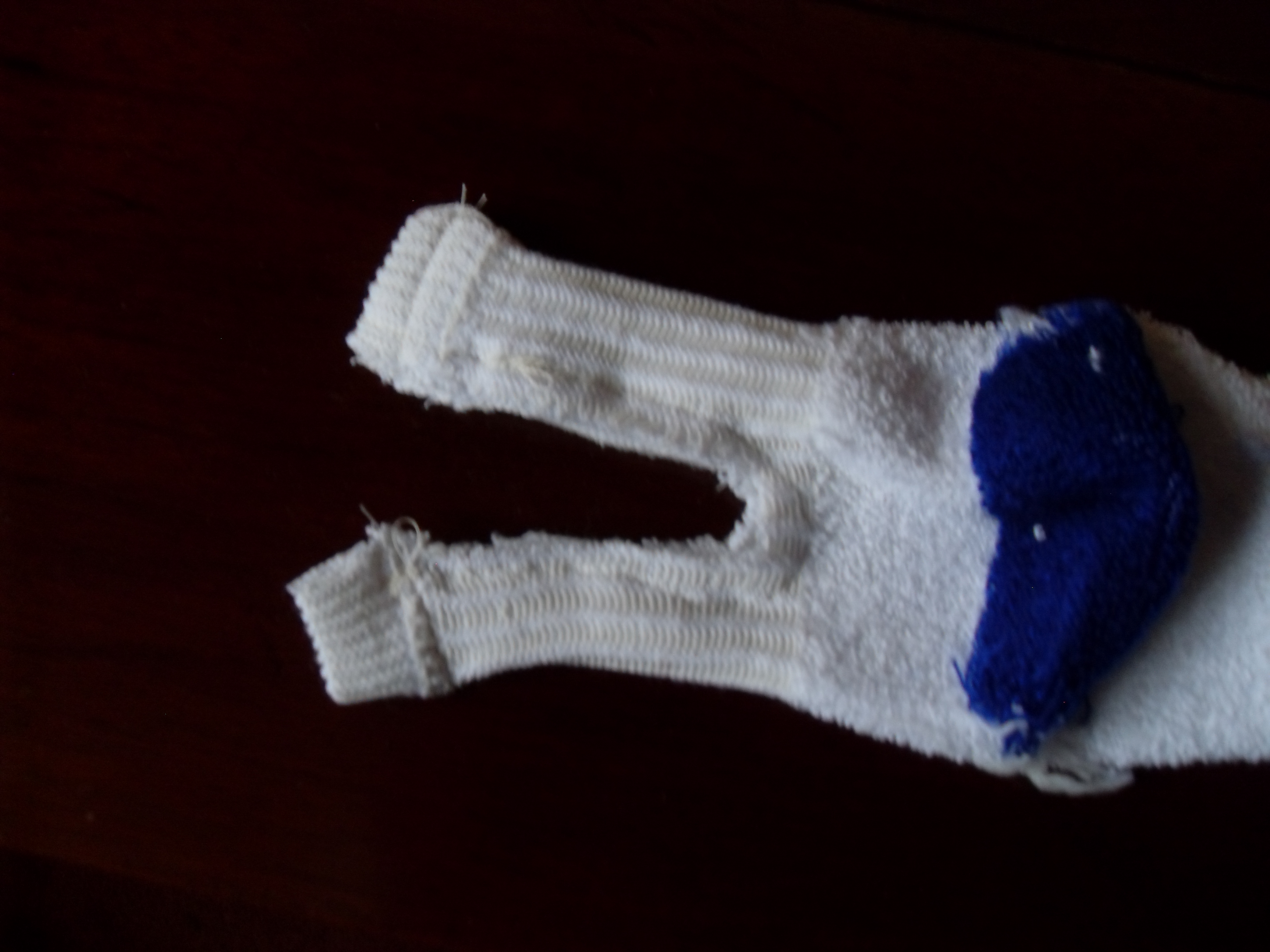
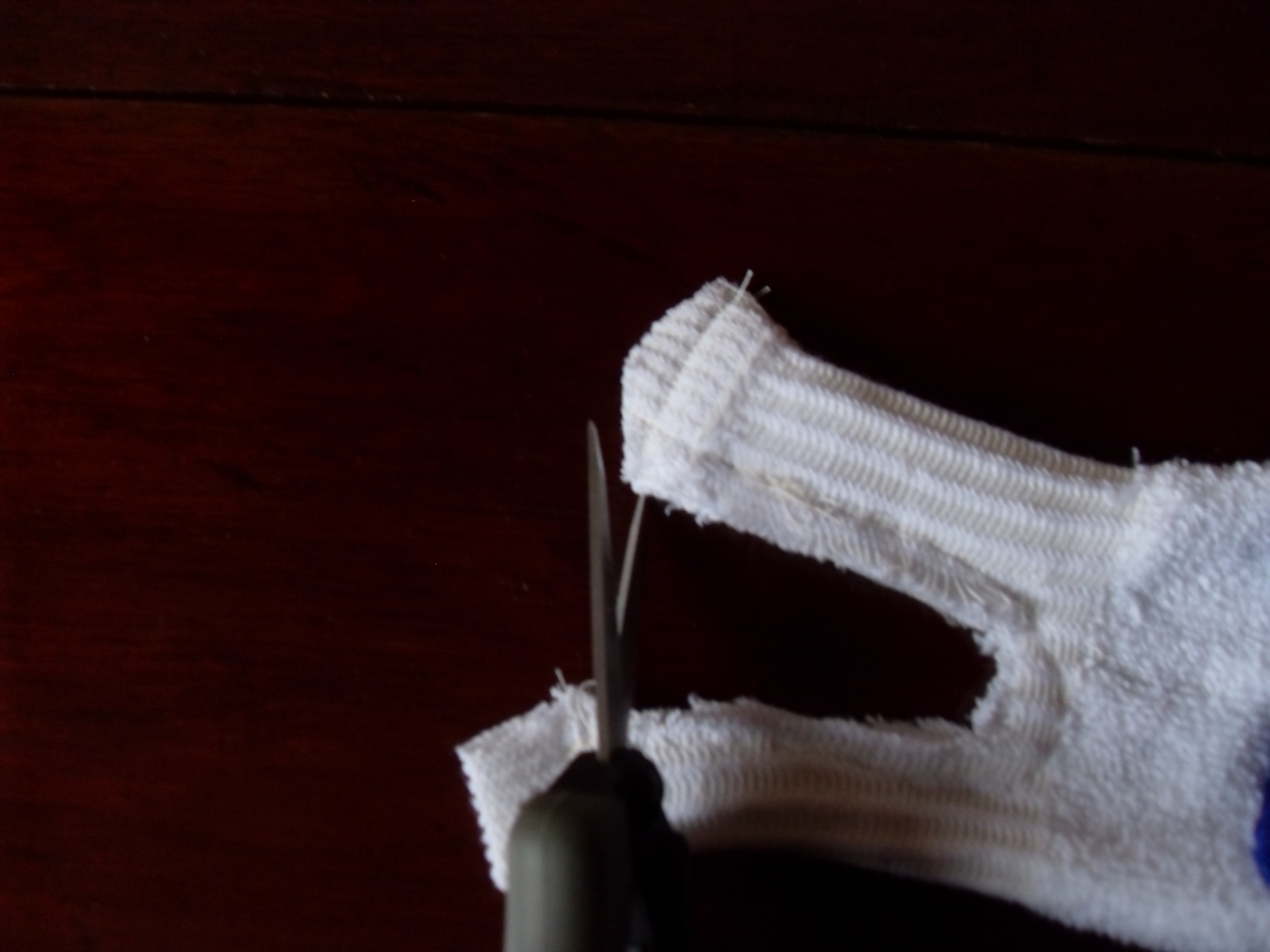
Remove an inch or so strip from the open end of the sock. Snip open a small space at the toe.  If you choose, make a small slit at the heel where you can sew in a tongue or tasty morsel the monster might want to chew on.

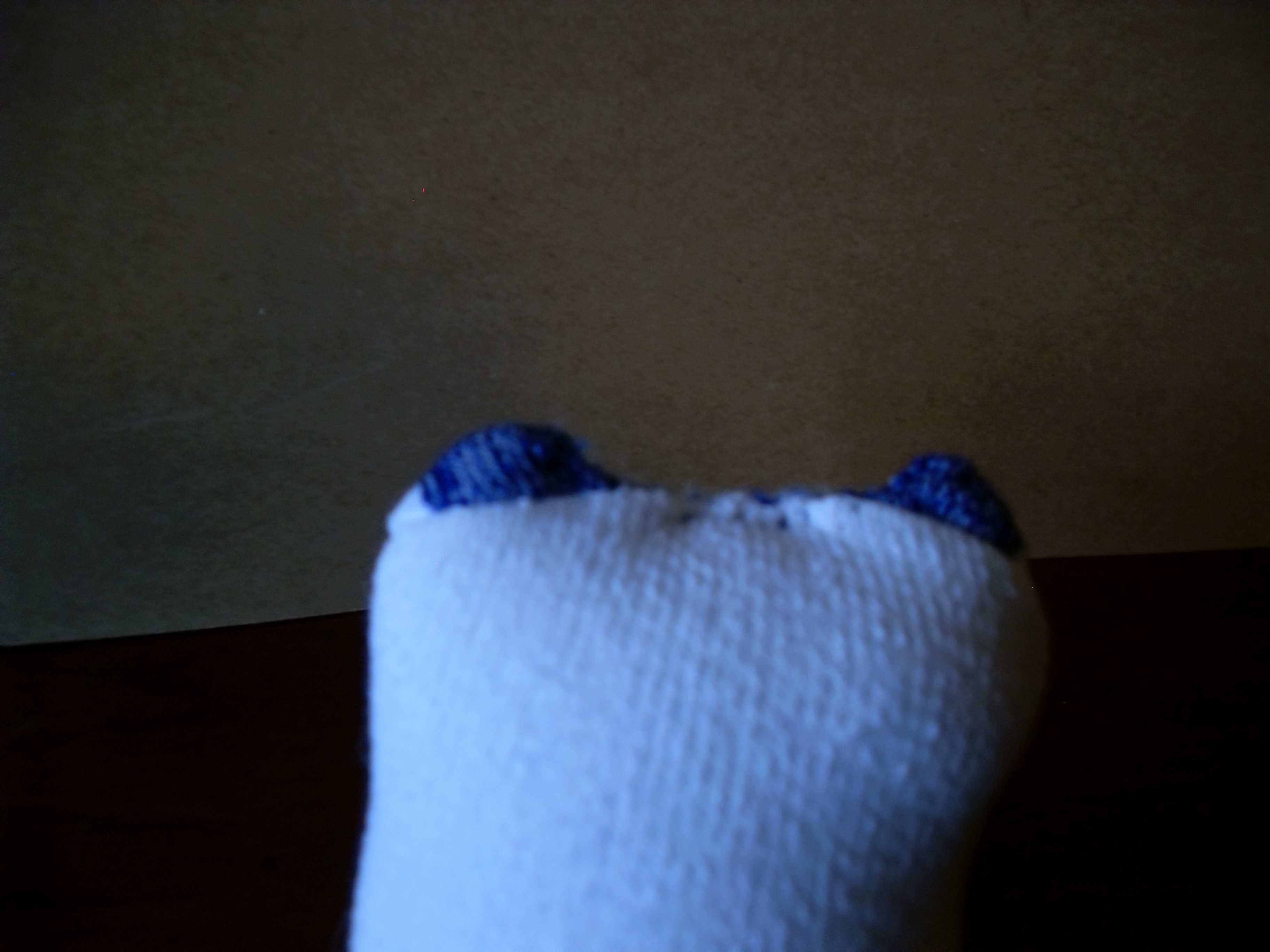
Then turn the sock inside-out. Sew the ends and sides of the ears closed in a continuous seam. Try making one shorter than the other.

Trim the seam.

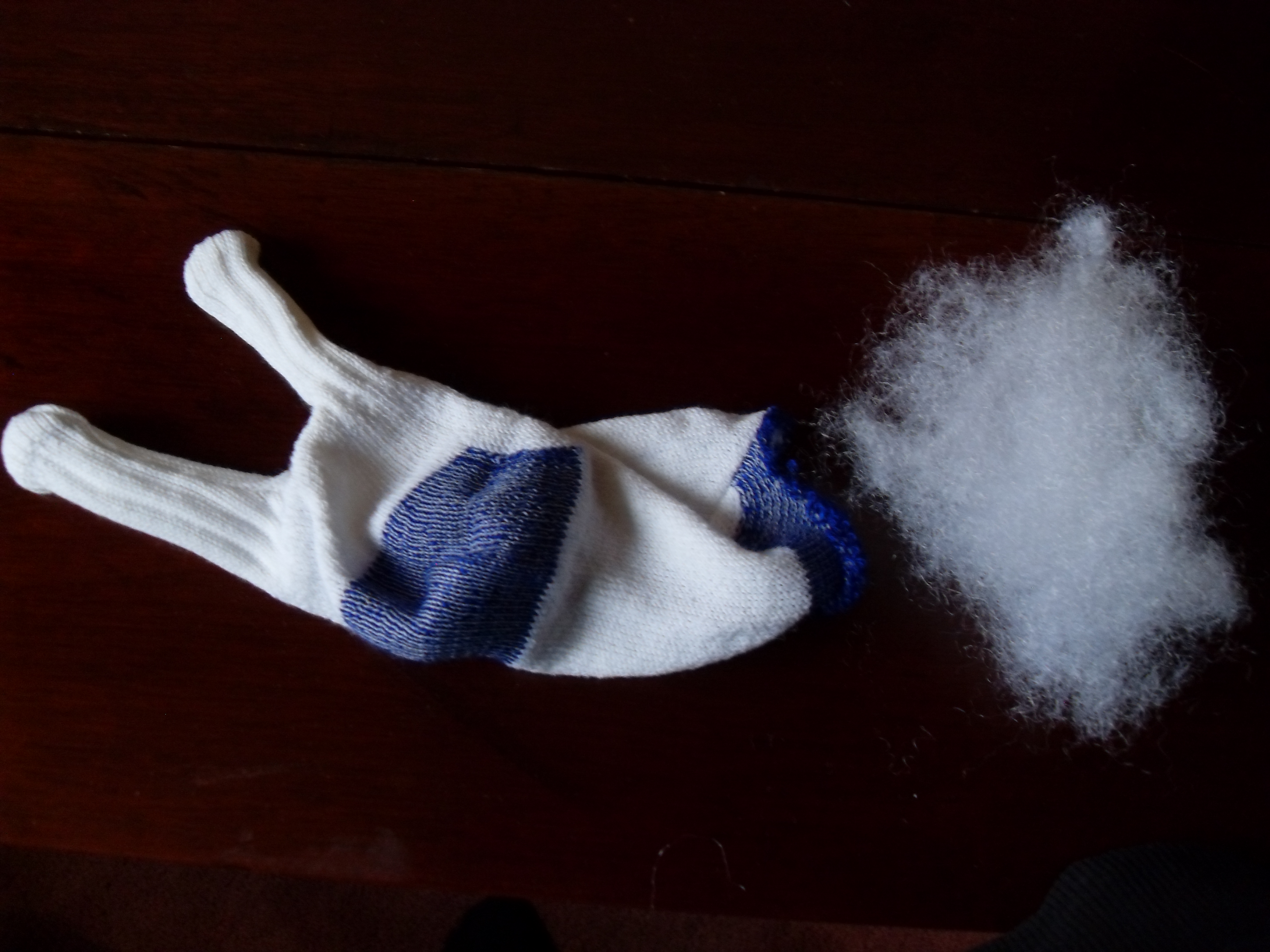
Stuff the sock tightly with polyfill or old pillow contents or dryer lint or whatever you’ve got. Start with the ears and work your way down.  Leave the bottom end open for now, as you may want to stitch through this opening as you add features.

Now it’s time to add personality. Remember if you’re making a sock monster for a baby, the safest features are those drawn or embroidered on.

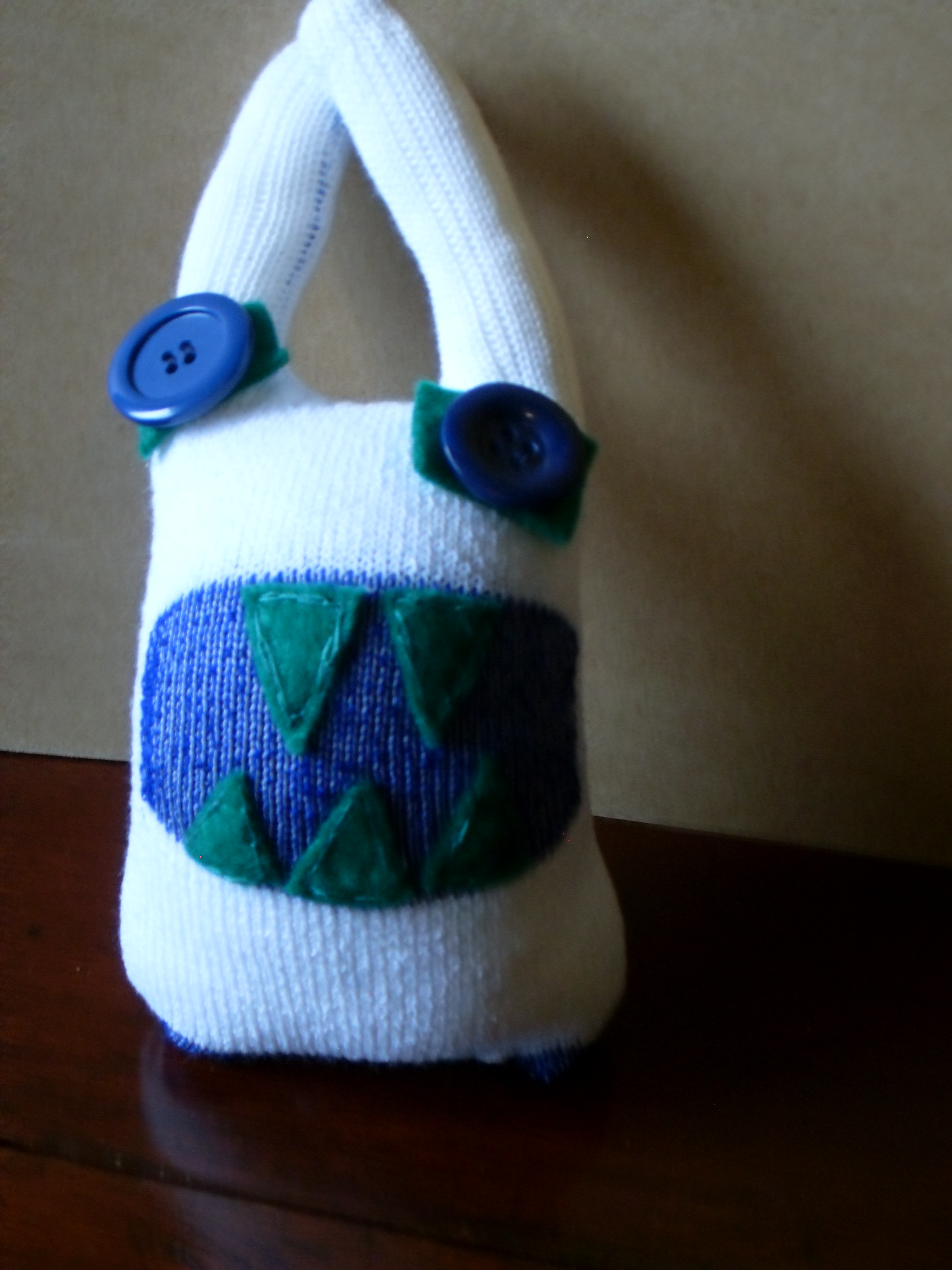
Try some scary felt teeth.

A tongue made from left over bits of sock (yes, monster surgery).

Layered eyes of notions like snaps and binding.

A silly sideways felted mouth and giant button eyes.

Perhaps a bright patch of embroidery floss hair.

Or ring glasses.

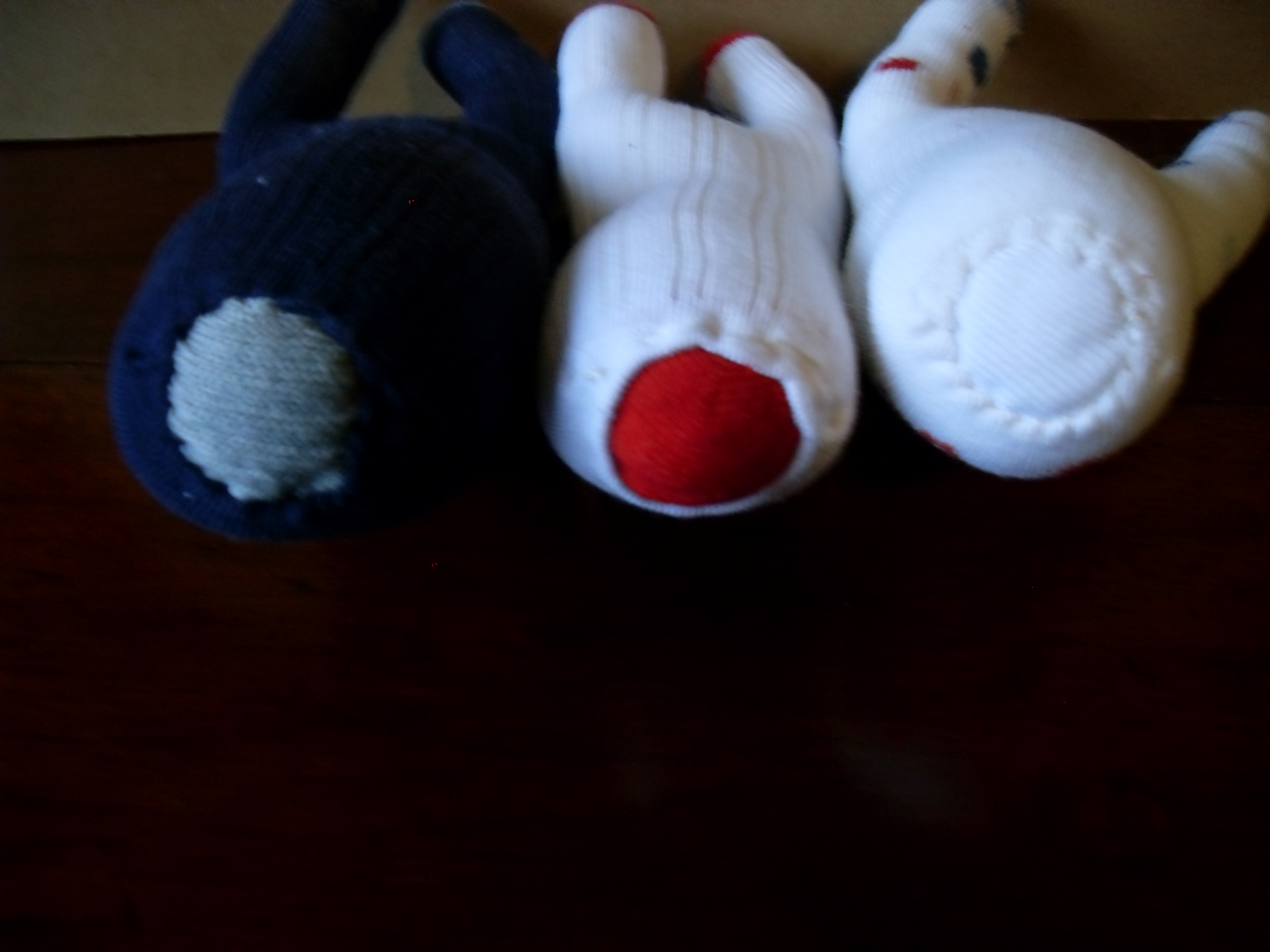
Then sew the toe opening (monster rear) closed. You may choose to seam the sides together for a simple bottom, which looks like toes on this head-standing sock monster.

Or insert a bit of sock fabric and sew the opening shut, making a somewhat more stable monster  (standing-wise, not necessarily emotionally).

I’ve been experimenting with feet, hands and wings on my next monsters.  Sock monsters are much more forgiving than actual monsters, thank goodness.


Open-Eyed Optimism

hillside

Our dinner table topics tend to be obscure and in-depth because my kids delve deeply into their own interests. Detailed conversations about plant classification, advanced computer cooling methods, arachnid behavior and diesel fine-tuning require little from me except that I keep my eyes open.

But elections are coming up and we also tend to talk a lot about politics. These are conversations I can get into. These are also conversations where I need to temper myself. I know it’s important to stay open to everyone’s perspective around the table so I can hear what they have to say. This is difficult when I have strong opinions built on years of activism.

It’s easy to utter pat answers and give what may seem like trite explanations. It’s more valuable to build bridges of understanding than to be “right.” So I try, often unsuccessfully, to keep myself from snorting in derision about moneyed interests and short-sighted politicians. I want my family to continue to care deeply about things.

I also have to temper myself because politics are one of the few areas where my natural optimism wears thin. Still, it’s terrifically important to me that my family remain optimistic. According to The Optimistic Child: A Proven Program to Safeguard Children Against Depression and BuildLifelong Resilience by Martin E.P. Seligman, there are major differences between pessimists and optimists. People who are cynical believe negative conditions will last a long time. They give up easily and tend to blame themselves when things go wrong. In contrast, optimistic people look at negative conditions as a challenge and look for ways to prevent the next misfortune.  In fact optimists find life more fulfilling and rewarding. That’s an outlook worth cultivating.

Seligman recently spoke about infusing meaning and optimism into education. In one study, high school students not only read the classics but focused on the strengths of main characters. They also turned good intentions into actions benefiting others. The result?  Greater love of learning and increased social skills.

Looking for what’s valuable, what works, what brings joy is something we can do in all aspects of our lives.

Every day our children observe the direct kindness we demonstrate. They also witness the generosity of spirit we express as we talk about others, discuss issues and yes, listen. Our words and actions show them how to approach to the world.

For the Children

The rising hills, the slopes,

of statistics

lie before us.

the steep climb

of everything, going up,

up, as we all

go down.

In the next century

or the one beyond that,

they say,

are valleys, pastures,

we can meet there in peace

if we make it.

To climb these coming crests

one word to you, to

you and your children:

stay together

learn the flowers

go light.

Gary Snyder

from Turtle Island (A New Directions Book)