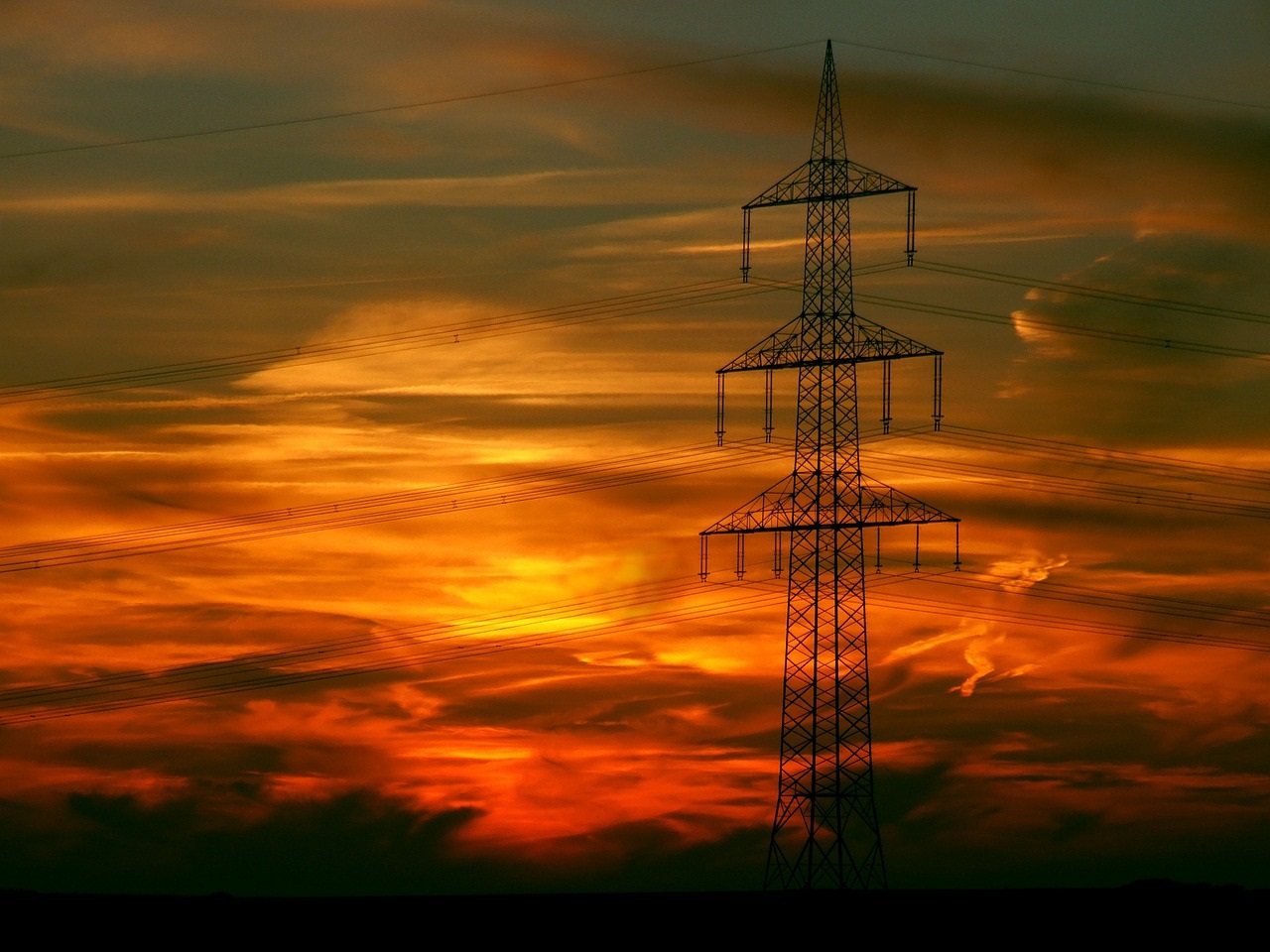
Over a decade ago a power outage started in Ohio, rapidly spreading to four other states and parts of Canada. In some places power wasn’t restored for days. For a time, systems with backup generators continued working but only as long as those generators had fuel. ATM machines couldn’t be accessed, gas stations couldn’t pump gas, phone service was disrupted, and water systems lost pressure.
When it started, my parents checked in with a neighbor who was home alone next door. My mother told the 14-year-old girl if she needed something she only had to ask. “I’m fine,” the girl assured her.
About an hour later the (now distraught) girl rang my parent’s doorbell. “I don’t know what to do!” she said.
“What’s wrong?” my alarmed mother asked her, “Are you okay?”
It turned out no particular thing was wrong, exactly. But this girl was close to panic. She couldn’t get online. She couldn’t recharge her phone. She couldn’t turn on the TV. Tired of her iPod and without other familiar diversions she was left to her own devices.
She. Didn’t. Know. What. To. Do.
Maybe we’ve unlearned how to be with ourselves, perhaps for the first time in history. Our ancestors, whether hunting or hoeing, had hours each day to think their own thoughts. They had time to notice nuances in the natural world. They had time to know themselves. Those previous eras weren’t all golden by any means, but our ancestors probably couldn’t have imagined a future generation populated by people who would suffer when left without moment-to-moment diversions.
What are we diverting ourselves from, exactly?
My friend Urmila, who lives in India, tells me that we most fully inhabit our lives when we’re not doing but being. She says there’s a big different between her culture and ours. In the West believe a good day is spent getting a lot accomplished. Our spare minutes are filled with distractions, our vacations are way to check items off our bucket lists, and family time needs to be fit into a schedule.
To her a good day is one of daydreams, contemplation, meditation, a quiet walk—simply experiencing the flow of time.
(Urmila has motivated me to stop uttering what I think is the curse word of our time.)
Which brings me to a relevant study. Researchers performed brain scans on rats as they went through a maze and again afterwards. They found rats, given a chance to relax, showed enhanced learning and memory retention compared rats who were not. The scientists noted that human experiences also require periods of quiet wakeful introspection to make sense of them.
What we experience is just raw data until we feel it, think about it, and weave it into our personally tapestry. Relaxing and reflecting lets us find meaning in our experiences. That sounds like a life more fully lived, whether the power is on or not.


 Laura Grace Weldon