Mother & Child Are Linked At The Cellular Level

fetal cells heal mother, life long benefits of pregnancy, baby's cells help mother,

Fetal cells remain to heal a mother throughout her life. shortgreenpigg.deviantart.com

Today is my youngest child’s birthday. As my mother used to tell me, we always carry our children in our hearts. I know this is true emotionally. Apparently it’s also true on the physical level.

Sometimes science is filled with transcendent meaning more beautiful than any poem. To me, this new research shows the poetry packed in the people all around us.

It’s now known that cells from a developing fetus cross the placenta, allowing the baby’s DNA to become part of the mother’s body.  These fetal cells persist in a woman’s body into her old age. (If she has been pregnant with a male child it’s likely she’ll have some Y-chromosomes drifting around for a few decades too). This is true even if the baby she carried didn’t live to be born. The cells of that child stay with her, resonating in ways that mothers have known intuitively throughout time.

Fetal cells you contributed to your own mother may be found in her blood, bone marrow, skin, kidney, and liver. These fetal cells appear to “treat” her when she is ill or injured.   Researchers have noticed the presence of these cells in women diagnosed with illnesses such as thyroid disease and hepatitis C. In one case, a woman stopped treatment against medical advice. A liver biopsy showed “thousands of male cells” determined to be from a pregnancy terminated nearly 20 years earlier. These cells helped her body recover just as fetal cells you gave your mother rush to help repair her from within when she’s unwell.

Fetal cells may influence a woman’s autoimmunity, although it’s not yet known if they are always beneficial. According to fascinating accounts in Do Chocolate Lovers Have Sweeter Babies?: The Surprising Science of Pregnancy, the more fetal cells there are in a woman’s body, the less likely she is to have conditions such as multiple sclerosis and rheumatoid arthritis. That’s not always the case. It’s thought that sometimes a mother’s body may instead battle those cells, thus provoking autoimmune disorders. (Apparently family dynamics are complicated even at the cellular level.)

There’s evidence that fetal cells provide some protection against certain cancers. For example, they’re much more prevalent in the breast tissue of healthy women than in those with breast cancer. Fetal cells are less common in women who developed Alzheimer’s disease, suggesting they provide late-life protection. Fetal cells can contribute stem cells, generate new neurons in the mother’s brain, even help to heal her heart. Her heart!

Look around at your family. Any woman who has ever been pregnant, even if she miscarried so early she never knew she was with child, is likely to be a microchimera (a person who carries the cells of another person).  Fetal cells have the imprint of her child’s father and his ancestry. Fetal cells can be shared from one pregnancy to another, meaning the cells of older siblings may float within younger siblings. These cells are another reminder of the ways we are connected in a holographic universe.

Overall, the presence of fetal cells in a woman’s body is associated with substantially improved longevity, with an overall mortality rate 60 percent lower than women whose bodies don’t contain such cells.

I’d like to think that my fetal cells helped my mother battle the congestive heart failure that eventually took her life. I like to consider that I carry within me my older sister’s fierce intelligence and that my talented younger brother benefits in some way from the cells of both his sisters. Knowing that I carry the cells of my four living children as well as babies I lost makes my heart ever more full on this special day.

We heal our mothers and our children heal us. Again poetry takes a back seat to nature’s awesome secrets.
Use Your Body Up

While waiting with other members of our food co-op, someone who should think of other ways to start a conversation asked me a cuttingly critical question. I couldn’t even come up with an answer. That’s not like me. The best response I could muster was a fake laugh, as if to acknowledge that she must have been joking. (She wasn’t.) Her question seemed to be more curious than mean spirited but it forced me to think about how other people see me.

I thought I’d let Beauty go, along with her twin sister, Shame, long ago. Apparently not.

Some people look amazing all the time and at any age.  They know what clothes are in, what accessories to use, how to walk in fussy shoes gracefully. I’m impressed by them even if they seem like a species only faintly related to my comfortably slouchy self.

My presence makes people who are fashion backward and technologically inept feel much better about themselves. Clearly there are perks for hanging out with me. But apparently I give so little thought to my appearance that others might come away with the wrong impression. As my questioner put it, “You really leave the house looking like that? It must be easy when you don’t care.”

I do care.

I care about practically everything.

It’s exhausting.

I churn through my days trying, and sometimes succeeding, in doing what good I can do even if on the smallest scale. I talk to people and animals kindly, try to listen more than react,  and when I’m upset ask myself what darkness in myself lets me see shadows elsewhere. I write about natural learning and sustainability and peace. I support good causes and when times are hard, as they tend to be, I attach myself to hope like a barnacle.  This leaves very little energy for personal beautification. Heck, I rarely muster up the ooompf to keep weeds from towering over my vegetable plants so there’s no way I’ll get around to using a blow dryer or nail polish. I’ve never had the money let alone the inclination to have a manicure or pedicure, go to a spa, or have my hair styled. Well, I’ve never actually had a hair style….

When I came home I emailed a few close friends. I explained I’d been at the co-op, where we unload a truck and do other labors befitting less-than-great clothes, so I wore jeans and an old embroidered cotton shirt, my hair tied up and scuffed clogs on my feet. Because I’m no saint, I described the unflattering horizontal stripes of the shirt my questioner wore and how it was a so tight that her form-fitting pants pushed bulges of flesh through at least three of those stripes. (I try to be non-judgmental. That day I failed.) Then I asked the most important question. I’ve never steered that question to appearances before. My friends were all ridiculously nice when really, I was hoping to know if it’s time to start dying my hair or stop wearing my daughter’s hand-me-ups.

I know we broadcast something about our self-esteem via our appearance. Still, I’m not any more motivated than I was before that day at the co-op. I tweezed an eyebrow once, back when I was a teen. It hurt at the tears-in-my-eyes level. Won’t do that again. There’s no way I’ll bother wearing earrings or remembering hand lotion.

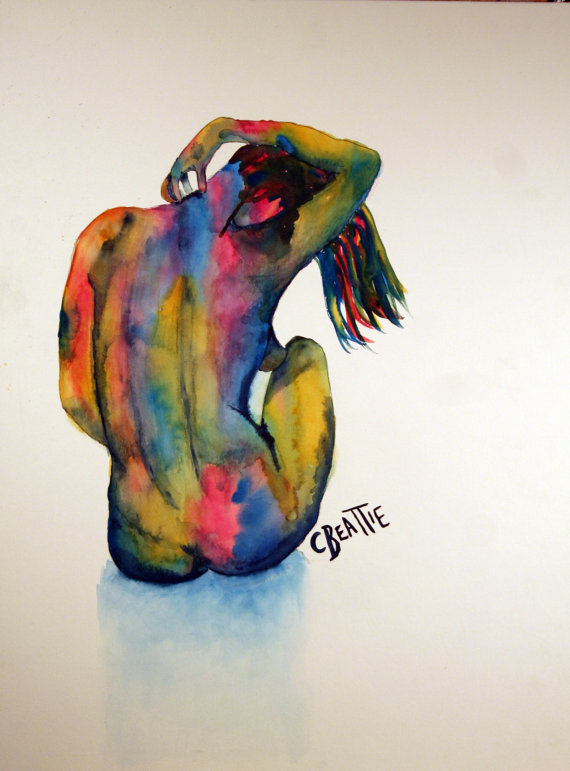
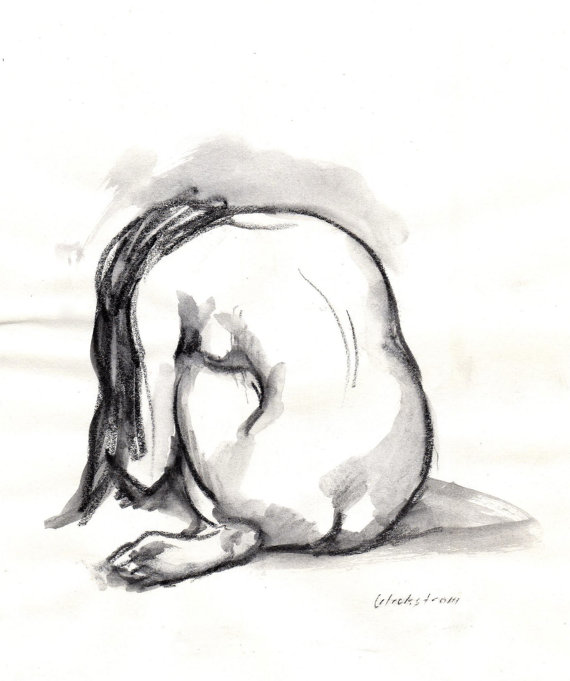
But I’ve realized an appearance-based truth from all of this. My body, like everyone else’s body, gets used up by life. And that’s exactly how it’s supposed to be. Years of changing diapers, gardening, canning, washing dishes, kneading dough, and taking walks no matter the weather have left me with creaking knees and hands that belong on someone much older. These are all ways of using my body for a purpose. When I stroll off the planet I want to know that I’ve enjoyed all the health, vigor, pleasure, and meaningful work my body can generate.

During yesterday’s walk the wind was intense and it started to rain. My face and hands were pelted with icy drops from a beautiful still-bright sky. I should have left the house with a scarf and gloves but I didn’t turn around. I walked right into the wind, letting it toss my hair as freely as it blew the last leaves off the trees. I felt completely alive.

enjoy your body not your looks, beyond beauty, beyond body perfection, die used up,

Aja-ann Trier /www.etsy.com/shop/SagittariusGallery

Yes, Diet Can Affect A Child’s Behavior

research diet and behavior, food intolerance and mood, food intolerance and school problems,

USDA Commons

I’m one of those annoying people.  I grow enough organic produce to put up hundreds of jars of home canned goods each year. I grind grain to make fresh flour, use coconut oil instead of canola, even make my own herbal tinctures. I was probably a little nutty about nutrition before I had kids. I got a lot nuttier afterwards. All of my health-foodie ways didn’t ward off my third child’s problems. He was born with a hole in his heart. Even after that was resolved he rarely seemed fully healthy. He had asthma, chronic skin irritations, an ever-stuffy nose, and low resistance to any passing germ. He never complained and his disposition was so sunny that we believed the doctors who told us there was no reason to worry. I reassured myself that his life was full of good food, wonderful experiences, and plenty of nurturing from our close extended family. But that sunny disposition didn’t ease the way for him at school.

ADHD and diet,

Image mountainwaves’ Flickr photostream

His kindergarten teacher said he was cheerful but he preferred helping other kids to completing his own work.  The next year it got worse. His first grade teacher complained that he was distracted, didn’t get his work done, and tended to sit with his hands folded over his head in a posture that enraged her. At her insistence we took him to a psychologist. He was diagnosed with ADD.

I was sure we could find a solution, maybe by further perfecting his already healthy diet. So we took him to a pediatric allergist for a series of tests. The outcome shocked us. My little boy reacted strongly to nearly everything I’d been feeding him. Worse, the doctor warned us that our son’s breathing was dangerously impaired during food intolerances may surprise you,  and after the test, which indicated that his food allergies were serious. Final test results showed that my son was allergic to soy, to nearly a dozen fruits, and to every grain but rice. The foods I had long suspected, including chocolate and dairy, were not a problem at all.

The doctor was so concerned by my son’s asthma flare up that he advised the gold standard, an elimination test to uncover additional food intolerances. We went home with a long list of dietary and environmental allergens to avoid. My son’s dinner that night was a bowl of rice cereal. Ever the optimist, my son noted that he’d be happy to live on chocolate milk.

For decades experts have denounced any link between diet and behavior problems. They often poo poo’d a connection between common health problems and food as well. Back in the 1970’s, parents who insisted their children thrived on the Feingold Diet were told the evidence was entirely anecdotal. Studies that disproved diet and behavior links, despite questionable procedures, were widely publicized. One such study examined children’s reaction to food dyes. Both the experimental and control group of children were given beverages containing sweeteners and artificial flavoring, only the experimental group’s beverage also contained food dye. Both groups of children behaved similarly after the drink. Claims for a connection between diet and behavior were then denounced although press releases rarely mentioned how the tests were conducted. But scientific evidence is accumulating to prove what parents have suspected all along.

research diet and child behavior, diet and mood, diet and ADHD,

Wikimedia Commons

Our children’s minds and bodies are built by what they eat. Some children (like mine) are much more sensitive than others. Previous studies have shown that even children who are not diagnosed with ADHD or other behavioral disorders react to drinks containing artificial color and sodium benzoate. Not just a mild reaction. They typically increase their activity levels by one-half to two-thirds, in league with their ADHD peers.

But everywhere our kids turn, marketers push processed and nutritionally devoid foods at them. In fact, more than a third of the calories U.S. children consume now come from junk food.  Is it worth fighting the battle against these overwhelming influences? Certainly seems that way. More and more data is piling up to prove the point. And it’s compelling. Research shows that a junk food diet is linked to a lower IQ and a greater likelihood of school failure. And it’s not just junk food. We might feed our kids the healthiest foods, but if they don’t tolerate these foods well chances are they will react.

One study took a close look at the way ADHD behavioral problems may be caused or accelerated by diet. One hundred children with ADHD symptoms, ages 4 to 8, took part. Fifty of the children and their parents were counseled about healthful diets. The other fifty children were put on diets limited to foods unlikely to cause reactions: rice, turkey, lamb, carrots, lettuce, pears, and other hypoallergenic items.

elimination diet, food intolerance,

Image from jimforest’s Flickr photostream

By the study’s end the majority of the children on the limited diet showed significant improvement on a variety of behavioral ratings. Before the diet their symptoms put them in the moderate to severe range of ADHD, but diet intervention reduced to symptoms to those classified as mild or non-clinical. That’s big news.

In my son’s case, changing his diet wasn’t easy. But we could see the difference in a week’s time. His stuffy nose cleared. The bumps on his skin smoothed out. And we discovered that he kept his arms folded over his head so often because it expanded his lungs and help him breathe, something he didn’t need to do as his asthma got better. My son didn’t stick with all the new dietary limitations all the time, especially as he got older. And a restricted diet wasn’t the whole answer.

Together we learned that school wasn’t the right place for his particular gifts to flourish. Once we started homeschooling we were free to explore more natural learning. Without the pressure of cafeteria lunches, classroom snacks, and school parties it was much easier to feed him the foods his body tolerated well. Including chocolate milk. Being the nut I am, I took even chocolate milk to the extreme. Now we have dairy cows.

Healing The Next Generation

reducing parental stress, epigenics, improving the future,

Image courtesy of corazondedios.deviantart.com

The science of epigenetics shows that the choices we make today will resonate in the minds and bodies of our grandchildren.

How? Each of us has biochemical markers that signal our genes in response to input such as nutrients, toxins, even behavior. As a result potential gene expression is switched on or off.

epigenic healing, epigenics and society, parental stress and children,

Nucleosome Wikipedia

These epigenetic changes persist well after the original stimulus for change is gone. Some of them pass on through generations like biologic memories of what our ancestors ate and breathed, as well has how they felt about their experiences. This also means that our personal choices today can become a living inheritance sent on to those we won’t live to see.

As Duke University genetics researcher Randy Jirtle, Ph. D recently commented,

We can no longer argue whether genes or environment has a greater impact on our health and development, because both are inextricably linked. Each nutrient, each interaction, each experience can manifest itself through biochemical changes that ultimately dictate gene expression, whether at birth or 40 years down the road.

epigenic changes, effects of parental nurturance,

Image courtesy of corazondedios.deviantart.com

Much of the research about epigenetics correlates to earlier studies showing that parental stress has a negative and long-lasting effect on their children, often well into adulthood. That’s true of the effect of prenatal stress, parental stress during early childhood,  parental depression, conflict in the home, unemployment, poverty, and homelessness. Epigenetics may, in part, explain the strong correlation between these stressors and resulting poor mental and physical health in the next generation.

But there’s good news too. Studies have shown that early nurturance can flip “dimmer switches” on genes related to stress, permanently shaping offspring to be calmer and better able to handle new situations. Healthier too.

healing generational depression, healing generational anxiety,

Chances are good that I was born with genes predisposing me to anxiety or depression.  My sorrowful grandmother nurtured my own mother as best she could despite very stressful circumstances. In turn, I was lovingly nurtured and well attached to my parents. As a result, these predispositions were more likely to be dimmed or switched off in me. I hope to carry on this legacy of positive epigenetic changes by gently parenting my children. Epigenetics show us that grandparents and parents can bless children to come (including foster children and adopted children) even if they don’t live to see those children.

As a society, we’ve known for a long time that serious parental stress leaves a legacy of pain into the next generation. Maybe the science of epigenetics will be enough to convince us that parental support and nurturance doesn’t just benefit the child. It also benefits society as a whole.

healing future generations,

Image courtesy of corazondedios.deviantart.com

Additional resources

Epigenetics: The Ultimate Mystery of Inheritance by Richard C. Francis

The Genie in Your Genes by Dawson Church

The Genius in All of Us: New Insights into Genetics, Talent, and IQ by David Shenk

7 Ways To Access Your Body’s Unique “Knowing”

developing body based awareness, raising consciousness, paying attention,

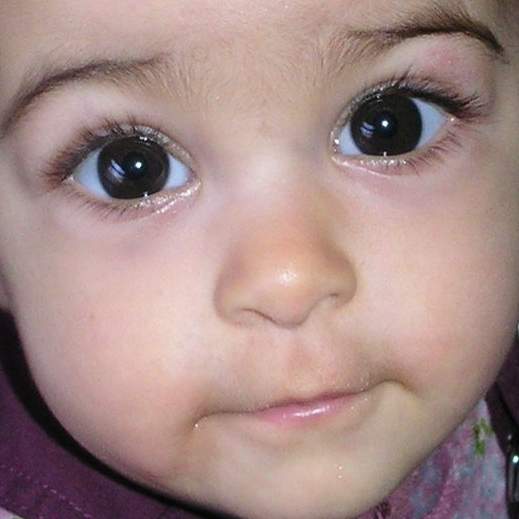
Ever notice that the smallest children seem to be one with their bodies? Unlike us, they don’t value their thoughts over their senses. They also don’t get caught up in ruminating about what isn’t directly part of the moment. Past or future: irrelevant. Other people’s opinions of their appearance: irrelevant. They are tuned to the sensory world around and within them.

This state of awareness may be similar to the state that was essential for our earliest ancestors, whose attention to the here-and-now ensured survival. Eons ago, hunter-gatherers had to be alert for scents, sights, and sounds of potential food or danger. Chances are this alertness included respect for the body’s way of knowing—unease felt in the belly, anticipation in the throat, restlessness in the limbs—signaling awareness transcending overt indicators. And they had to be able to respond appropriately and meaningfully in an instant. Pausing to consider their options would have let the antelope get away or given the bear time to attack. The people who were most attuned to their body’s perceptions (inner as well as outer) were more likely to live, passing along those abilities to the next generation. We have the same capacities today although typically they’re pushed well below our awareness.

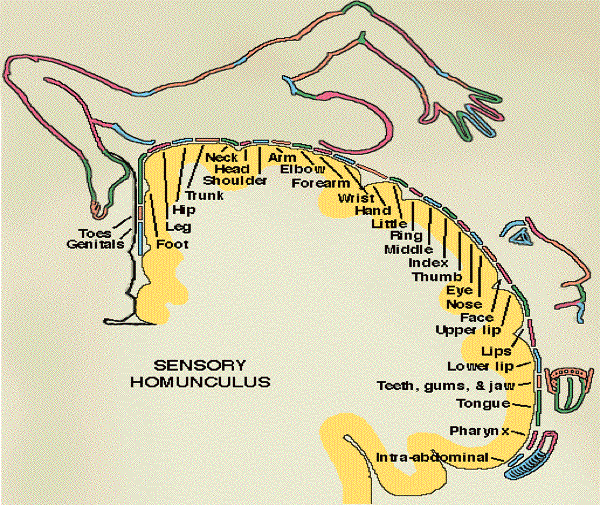
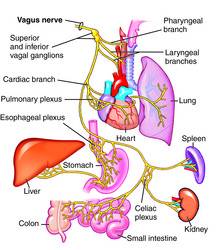
Powerful nerves connect our brains with our digestive system, heart, lungs, and other organs. And this communication is sensory. It isn’t top down, with our brains bossing around our bodies. Instead 90 percent of the information goes the other way, with the gut informing the brain.  The network of nerves along our digestive system is so significant that researchers call it the enteric brain.

Our impulses and emotions are influenced (perhaps generated) by the nerves in our gut. Our brains then work to logically explain the emotion, as Candace Pert explains in her groundbreaking book, Molecules Of Emotion.

Our intuition and reasoning is also influenced by our enteric brain. This ability to know without thinking about it is what Malcolm Gladwell termed “adaptive unconscious” in his bestseller Blink. We constantly process data from all around us (as well as within us) below the level of conscious awareness. Accessing and understanding this information is part of what makes us safe and happy.  What we call feeling good is a sense of accord with this innate bodily knowing, transmitted to us directly as a visceral sensation.

We drive ourselves and our children away from this awareness when we emphasize head over body, when we value thoughts but dismiss that knowing  in our very cells. We worsen the problem when we adopt the standard practice of valuing one hemisphere of the brain over the other.

So what are some ways to tune ourselves to this bodily knowing? 

1. Notice how the youngest children perceive reality. They have an innate ability to assign unique meanings and interpret creatively. They haven’t yet learned the boundaries of acceptable/unacceptable forms of knowing. Simply watching, listening to, and living within the reality of a very young child can stretch your perceptions and re-awaken your awareness.

2. Avoid the distraction of multitasking. This fractures your attention into tiny (often useless) pieces.

3. Devote time each day to simple practices which cultivate awareness. Daydream. Contemplate a flame, or the evening sky, or a tree. Meditate. Take a walk that’s focused entirely on sensation—-the feeling of your feet as they touch and push away from the ground with each step, the whoosh of air in and out of your lungs, the temperature of the outdoor air as it contacts your exposed skin. Eat slowly. Look into a loved one’s eyes.

4. Practice using your intuition. With regular use, your gut sense and intuitive hunches will become more reliable. Try using the classic Intuition Workout by Nancy Rosanoff.

5. Check out what Eugene Gendlin calls focusing.   We’ve been talking about the feeling of knowing that lies deep in us, related to the way our bodies carry concerns or life situations. According to Gendlin’s book Focusing, these perceptions can be accessed using specific steps of clear bodily attention. This opens up knowingness as it is “felt” and garners direct information that comes from the center of one’s being.

6. Pay attention to your dreams. When you waken, spend a few moments relishing the feelings and images you just experienced in the dreamworld. Let them enter your waking body and waking consciousness. They are specific to you, and have unique purpose that transcends analysis. They are another form of direct knowing.

7. Ask your body questions and “listen” as answers arrive in the form of images, physical sensations, memories, or emotions. You may want to ask a headache why it’s occurring or ask your throat why it feels tight. Learn to recognize metaphors in your body’s answers.

“My belief is in the blood and flesh as being wiser than the intellect. The body-unconscious is where life bubbles up in us. It is how we know that we are alive, alive to the depths of our souls and in touch somewhere with the vivid reaches of the cosmos.” D.H. Lawrence