Peace In Action

This comes from my nonviolence workshop days.

Each week we talk about how to recognize and respond to the earliest hints of conflict, from the interpersonal to the global. We begin to see myriad creative, collaborative ways to respond. We also begin to recognize some of the things we’ve heard about, witnessed, or done ourselves have actually been examples of nonviolence. At the end of each session, I ask participants to share stories of peace in action. These stories strengthen our bones, build our world anew.

One day a woman describes driving home when she comes across three young teens hunched with menace over a fourth. One holds a length of wood at his side and it appears he’s used it on that boy. She finds herself pulling the car over, standing at her door, yelling leave him alone.

All four look up, incredulous. Why you stop for him? one boy jeers. She comes closer till the cowering boy stands up straight, his face impassive, and walks away.

She says, Does it matter who I stop for? Next time it might be you.

Same

I haven’t seen my favorite eight-year-old since Christmas Eve. Her parents are, again, being careful because of Covid case counts in our area. Although I miss her and her younger siblings so much I feel tearful writing this sentence, our occasional phone call lets me talk one-on-one with her in a way we rarely get to do during visits.

Today, our nearly 90 minute call started with guessing games. What Am I Thinking is her favorite. Some of today’s correct guesses turned out to be ladybugs, clouds, and atoms. Then we played Would You Rather, which simply consists of taking turns making up questions like, “Would you rather travel by hot air balloon or sailboat?” and “Would you rather be an elephant or a whale?” but she’s so darn mature these days that she tends to say, “I’d like to experience both.” This lasts until our questions get much sillier, like “Would you rather eat worms or garbage?”

She switched screens to show me her room which she recently cleaned and organized. Her large stuffed bear, who she’s named Friendly Bear, holds its own toy animal pal under one arm and a book under another. “I know you’ll like this,” she said, “because books are your favorite thing.”

We discussed which superpowers we’d choose. I said healing, so I could help heal the world. She said she’d like to be able to fly. “I’d fly over right now to hug you.”

We discussed what it’s like to talk to animals and trees. She and I agreed, they are very good listeners. “Especially when you’re sad,” she said. I told her I don’t hear dogs or trees answer in a way I can hear with my ears, but I sometimes I feel what they say inside of me. “Me too!” she said, “We’re just the same!”

Then she talked about how her mind likes to go so wild that she doesn’t notice time passing. She said, “I look around and say to myself, ‘How is this real? How am I real?”” I said, “Me too! We’re just the same!”

Where I’m Finding Delight This Week

****

I’m thrilled to be leading a free online workshop with the Ohio Arts Council, in partnership with Riffe Gallery’s newest exhibition. We’ll be writing about beauty, anger, despair, and the vital role of art in changing our world. It’s coming up this Thursday (Feb 3rd). If you’re interested, sign up here.

***

I adore Cremaine Booker’s exquisite recording of Faure’s “Pavane.” It’s heavenly in every way – from production values to his expressive interpretation. Pretty sure I’ve listened to this a dozen times. It’s currently my main earworm.   

  ***

This morning I learned that 65 species of animals laugh. A few years ago I wrote Are You An Anthropocentrist? with examples of our fellow creatures making tools, doing math, demonstrating altruism, and so much more. Pretty sure laughter is just the iceburg edge of what we don’t yet recognize…

***

I’m still thinking about a recent conversation with my friend Margaret. We discovered we’re both feeling the same exhaustion, confusion, and awe as if we’ve been communing on some nearby yet intangible realm. “It seems to me,” she said, “as if we’re all experiencing what the other experiences on some level.”

I told her that gave me a leap of hope. We as a global community are going through every bit of this together – disease, personal upheaval, uncertainty, and the ever-increasing perils of climate change – even if some are suffering far much more acutely than others. Maybe the anger and selfishness that’s so often in the news these days are coping mechanisms some people resort to when they’re trying to put boundaries between themselves and the sheer weight of compassion that’s trying to force its way in.     

***

I’ve been in a writer’s slump lately, so it’s a delight to have a poem published in Stirrings as well as a poem in As It Ought To Be.

***

I’m gratefully distracted by a stack of wonderful library books including Ari Honarvar’s A Girl Called Rumi, Joanna Macy’s memoir Widening Circles, and Barbara Brown Taylor’s An Altar In The World.

***

Another song in my head lately is the beautifully honest “Hope Comes” by Abigail and Shaun Bengson. As Abigail sings, “Hope comes from the center of the hurt.” Yes, yes indeed.

Darkness

Darkness

“Darkness deserves gratitude. It is the alleluia point at which we learn to understand that all growth does not take place in the sunlight.” ~Joan Chittister

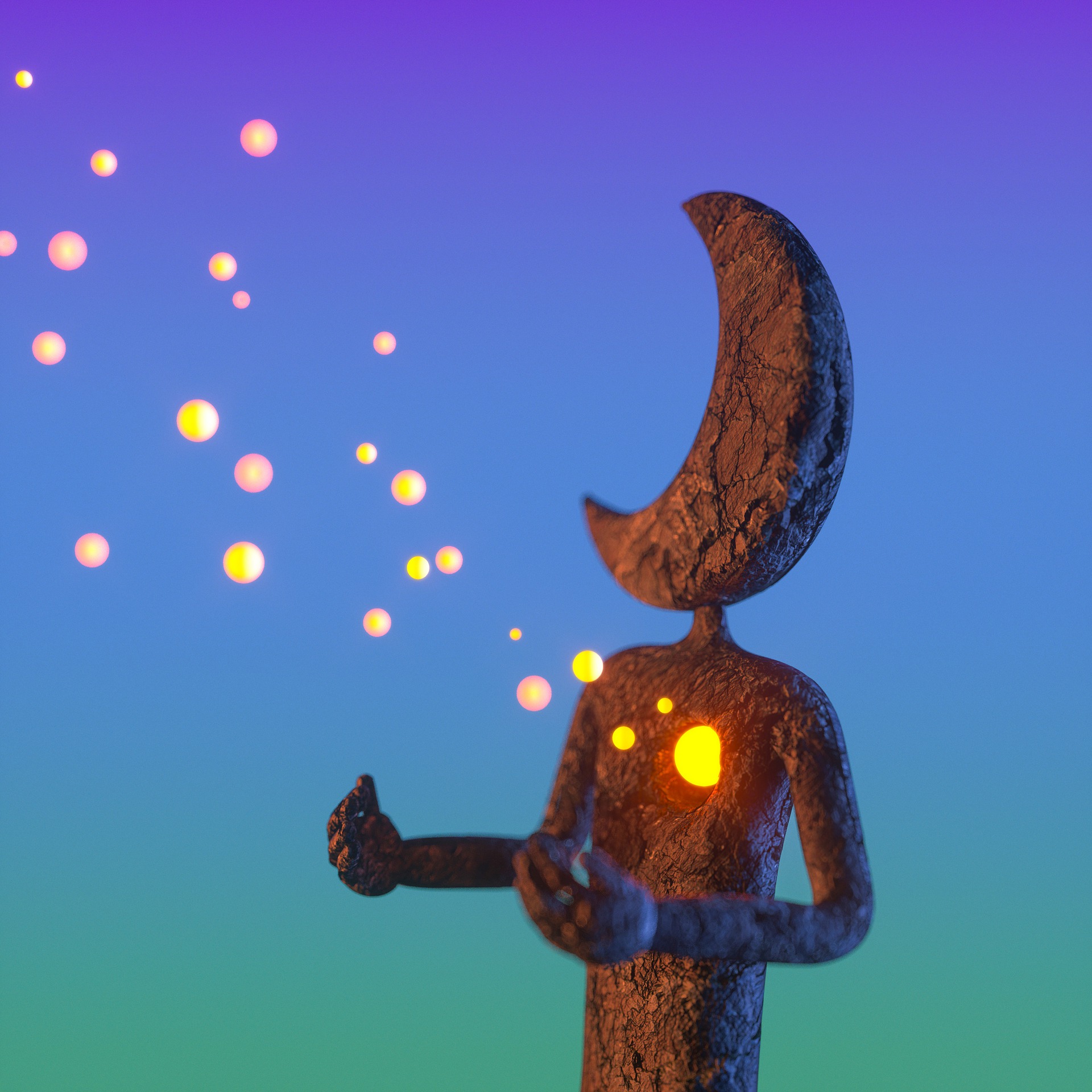
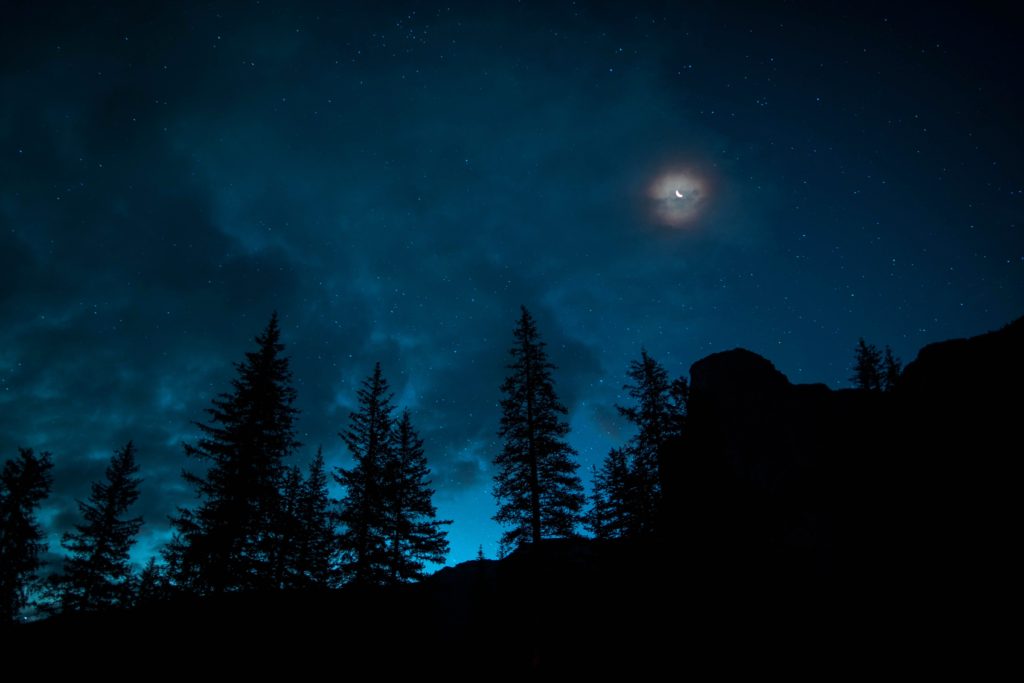
“The moon is a loyal companion.

It never leaves. It’s always there, watching, steadfast, knowing us in our light and dark moments, changing forever just as we do. Every day it’s a different version of itself. Sometimes weak and wan, sometimes strong and full of light.

The moon understands what it means to be human. Uncertain. Alone. Cratered by imperfections.”

~ Tahereh Mafi

“When we open to the pain of our world, we discover our interconnectedness in the web of life. This is the gift of dark and dangerous times: to find again our mutual belonging.” –Joanna Macy

“Logic and sermons never convince,
The damp of the night
drives deeper into my soul.”
~Walt Whitman

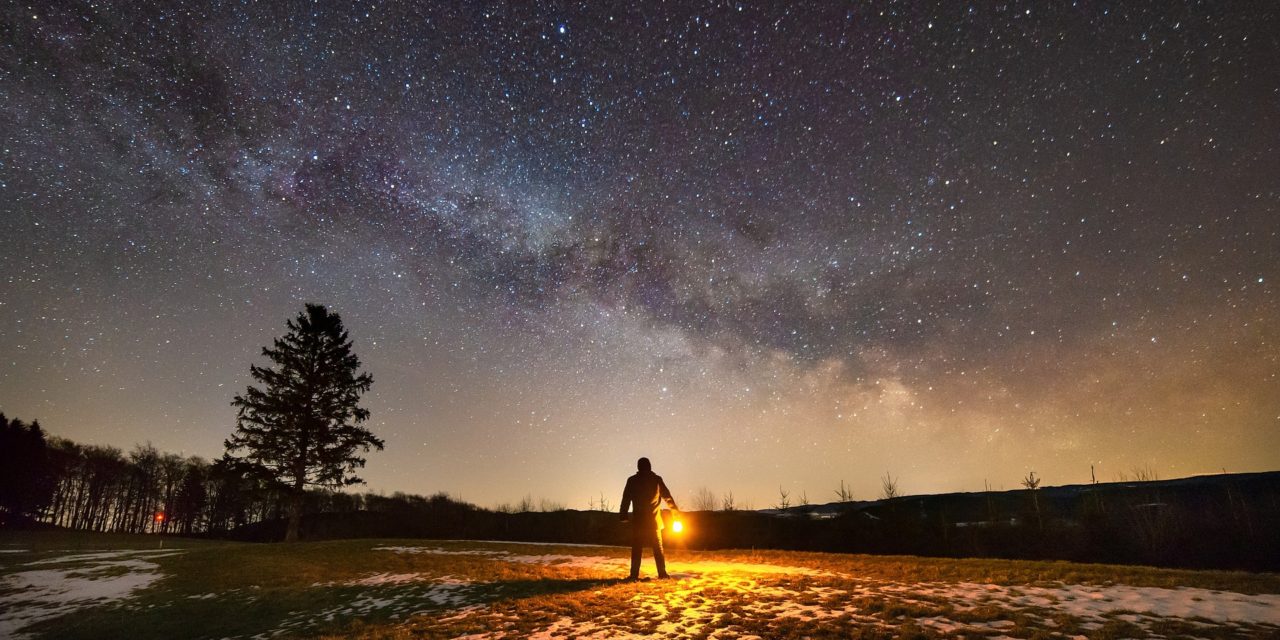
“Meditating under the solemnity of the night sky… a mysterious transaction between the infinity of the soul and the infinity of the universe.”    ~Victor Hugo

“i want to be
in love with you

the same way
i am in
love with the moon

with the light
shining
out of its soul.”
~Sanober Khan

“Night is purer than day; it is better for thinking, loving, and dreaming. At night everything is more intense, more true. The echo of words that have been spoken during the day takes on a new and deeper meaning.”   ~Elie Wiesel

“There are stars whose radiance is visible on Earth though they have long been extinct. There are people whose brilliance continues to light the world though they are no longer among the living. These lights are particularly bright when the night is dark. They light the way for humankind.”    ~Hannah Senesh

“I don’t think existence wants you to be serious. I have not seen a serious tree. I have not seen a serious bird. I have not seen a serious sunrise. I have not seen a serious starry night. It seems they are all laughing in their own ways, dancing in their own ways. We may not understand it, but there is a subtle feeling that the whole existence is a celebration.”   ~Osho

“I often think that the night is more alive and more richly colored than the day.”    ~Vincent Van Gogh

“The world rests in the night. Trees, mountains, fields, and faces are released from the prison of shape and the burden of exposure. Each thing creeps back into its own nature within the shelter of the dark. Darkness is the ancient womb. Nighttime is womb- time. Our souls come out to play. The darkness absolves everything; the struggle for identity and impression falls away. We rest in the night.”    ~John O’Donohue

Originally appeared in Braided Way: Faces & Voices of Spiritual Practice

Heavy Parcel

There can be no keener revelation of a society’s soul than the way in which it treats its children.” Nelson Mandela

Late this afternoon a car pulls in the drive, a woman leaps out with a package, my husband steps from the garage to take it. He sees she has a small child strapped in the backseat. She sees him seeing, says with a shrug, “No daycare, no other choice.”

When he tells me, my first response is guilt. We try (not always successfully) to order directly from companies, organizations, and makers rather than the Monolith Named After A Rainforest River. But still, that means delivery. Which brought this mother out today. This is how she earns enough to feed her family in a country that has zero assured benefits for parents.

I think about the choices our system (more specifically, our system of rapacious capitalism) forces parents to make right now.

Human babies need to be held and nurtured on their own schedules. The importance of secure attachment to parents/caregivers cannot be understated. As Bethany Saltman writes in The Cut, secure attachment in the first year has been shown to be:

“…more important than temperament, IQ, social class, and parenting style to a person’s development. A boom in attachment research now links adult attachment insecurity with a host of problems, from sleep disturbances, depression, and anxiety to a decreased concern with moral injustice…

Beyond all the research linking secure attachments to everything good, attachment is connected to something so profound it’s hard to describe. The literature calls it ‘mentalization:’ UCLA psychiatrist Dan Siegel refers to it as ‘mindsight.’ Basically, it’s the experience of knowing you have a mind and that everyone else has one, too. Then it’s one small step to see that others have feelings, too.” 

Twenty-five percent of new mothers in the U.S. return to work only two weeks after giving birth. Less than 10 percent of fathers have any paid leave available through their employers at all, although few fathers with this option take more than a week off due to concerns their employers will view them as less committed to the job. Research shows parental leave results in long-standing benefits for children and their parents. For example, each week of paid leave reduces the risk of postpartum depression for mothers. It also statistically reduces infant mortality. Fathers who take at least two weeks of paternity leave are more likely to be more involved in parenting, stay married, and have children who feel close to their fathers over the next ten years.  Sweden assures parents 56 weeks, Estonia 84 weeks with up to 166 weeks at lower pay, Japan 52 weeks or more, the U.S., zero.

Today I also read a tweet by Siyanda Mohutsiwa, who grew up in Botswana quite naturally helping out women and their newborns for weeks at a time. She writes,

One of western modernity’s greatest cruelties is the fact that couples are expected to raise newborns alone. I’ll never understand it and it really is an impossible thing… What I’m trying to say is this is not normal. Humans have been giving birth for millennia and nobody was expected to do it alone. It’s not normal to expect someone/a couple to raise an infant alone.

I don’t know who’s to blame. Obviously capitalism and its insistence that you can replace the functions of the extended family/community with products, gadgets, and sheer willpower. The lie that everything is a competition, and that “good mothers” don’t need help.

Humans are herd animals because we need lots of help. It’s not just because we’re social and it’s fun to banter and joke. It’s because we literally need help to make it through this life cycle called being human…

When I lived in a European city, I used to hear my neighbor sobbing alone with her baby. I thought to myself, if this is “civilization” then I don’t want any part of it.  

I wish I could have said to that delivery woman as I’ve said many times to friends, “Leave your kids here for the rest of your shift. It’s no problem at all –my house is full of books and toys and healthy food and comfy places to relax, come on back when you’re done working,” but of course, I couldn’t. We’re instructed nonstop to trust no one. Entire segments of the media have their viewers/listeners convinced they can’t even walk into a coffee shop without high power weaponry slung on their hips.

I used to carry extra board books, snacks, and toys in the diaper bag I continually toted. That’s because I encountered parents everywhere who were stuck in store lines or at the clinic who hadn’t found the time or mental energy or money to throw some child amusements into their bags. I’d hand something to the parent saying, “I have an extra, I don’t need it back” while their newly happy baby was gumming wooden keys or their no-longer-screaming toddler was carefully turning the thick pages of Rainbow Fish.

The box delivered today was heavy with cat food. I’m glad our cats have supplies on hand but can’t help but think how much I’d rather that mother’s child was running around, reading, and playing instead of being than stuck immobile in a car seat out of a system-created necessity for his mom to work all day delivering things so much less essential than mothering.

I’m sure she did everything possible to make the best of it. They probably sang together, listened to kids’ audiobooks, looked out the windows at cows and horses in our rural township. But still, this package of cat food weighs heavily here. It’s a fraction of the weight of injustice, but I can barely carry it while thinking of the people who bear greater weight every day.

Shoulders

by Naomi Shihab Nye

A man crosses the street in rain,
stepping gently, looking two times north and south,
because his son is asleep on his shoulder.

No car must splash him.
No car drive too near to his shadow.

This man carries the world’s most sensitive cargo
but he’s not marked.
Nowhere does his jacket say FRAGILE,
HANDLE WITH CARE.

His ear fills up with breathing.
He hears the hum of a boy’s dream
deep inside him.

We’re not going to be able
to live in this world
if we’re not willing to do what he’s doing
with one another.

The road will only be wide.
The rain will never stop falling.

Favorite 2021 Reads

a

Here we are at the close of another long pandemic year. The family of five next door is recovering from Covid, a neighbor across the street has been released from ICU but still struggles to breathe due to Covid. I am grateful for so much in this year of crisis –tender words, caring people, careful science, an ever-louder call for justice, the natural world’s infinite teachings in every tree and stream and dragonfly. And of course for the way books help hold me together even when so much is falling apart. Here’s a nod to a few of the most memorable books I read this year.

FICTION
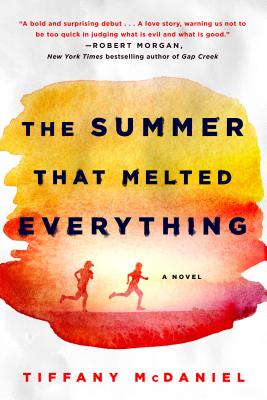
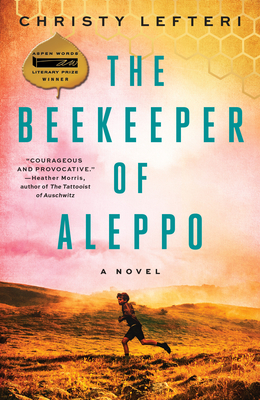
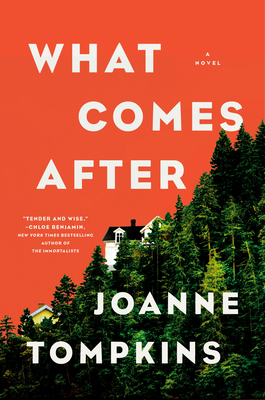
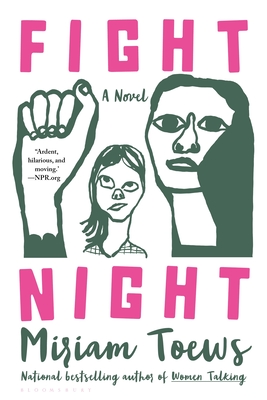
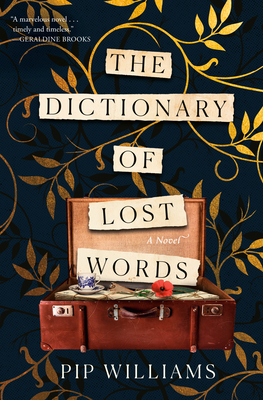
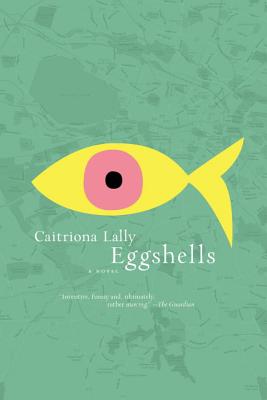
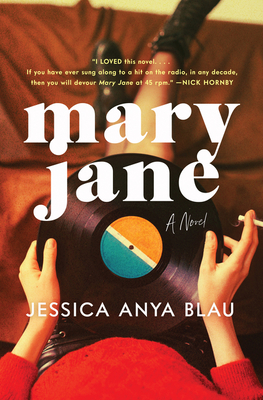
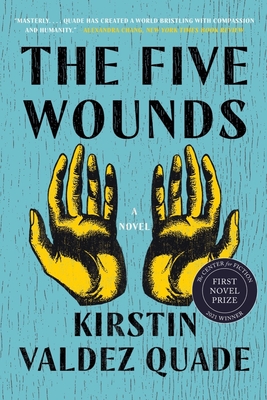
a The Summer That Melted Everything (Indie link) by Tiffany McDaniel is a holy wow of a novel. Strange, allusive, and so beautifully written that I’m able to overlook my usual insistence on a redemptive ending. Character names alone are compelling: names like Autopsy, Grand, Dresden. This is a perfect book group pick because there’s so much to talk about on every page. During the hot summer of 1984, Fielding Bliss’ father asks the devil to show himself. A 13-year-old stranger named Sal, a boy who speaks like an angel, shows up claiming to be the devil. McDaniel writes, “If looks were to be believed, he still was just a boy. Something of my age, though from his solemn quietude, I knew he was old in the soul. A boy whose black crayon would be the shortest in his box.” The town of Breathed, Ohio reacts. Simmering bigotry and condemnation flare in reaction to Sal’s gentle ways and to the heat itself. McDaniel writes, ”It was a heat that didn’t just melt tangible things like ice, chocolate, Popsicles. It melted all the intangibles too. Fear, faith, anger, and those long-trusted templates of common sense.” ** a The Beekeeper of Aleppo (Indie link) by Christy Lefteri tells of the artist Afra and her beekeeper husband Nuri. They live close to family and friends in the lovely hills of Aleppo, Syria until they are forced to make a harrowing journey to safety, fleeing to the UK where Nuri hopes to work with his cousin teaching fellow refugees to become beekeepers. Their quiet endurance is not all strength. As Lefteri writes, “There is always one person in a group who has more courage than the rest. It takes bravery to cry out, to release what is in your heart.” Lefteri’s novel rises from her work with refugees and her parents’ refugee experience. Somehow she manages to make this wrenching topic not only deeply affecting, but almost magical. This is thanks to her lucid writing but also from the way each chapter’s last word is continued in the first sentence of the next chapter. And in the way we are reminded, “Where there are bees there are flowers, and wherever there are flowers there is new life and hope.” ** a What Comes After (Indie link) by JoAnne Tompkins twines the plot around an abandoned pregnant teen, several suicides, and murder, yet somehow what rises from the author’s words is an abiding trust in inner light — including the ways it can be diminished by unhealed pain. I appreciated the insight into Quaker faith here, especially discernment practices such as the Clearness Committee which “… is premised on the belief that each of us holds an inner teacher, a voice of truth that guides us. We are not here to fix Isaac or give advice or save him. We are here to help him find inside himself the answers and strength he needs.” Tompkins explores themes of kindness, courage, forgiveness, and what it means to raise a child. She writes, “It didn’t take long to understand that there was no recipe or equation. Parenting was a river of moment-by-moment decisions, intuitions, a balancing of one’s own needs, which did factor in somehow, with those of the child. But mostly it was being there, truly there, with all your senses. Trusting the heart knowledge that arises with full attention.” What also stands out for me is the author’s tender brilliance in writing about the connection between humans and their beloved canine companions. The dog, Rufus, is as essential a character as any of the people in What Comes After. I may remember him long after other details about the book fade. a Fight Night (Indie link) by Miriam Toews features an intrepid nine-year-old named Swiv and her far more intrepid grandmother, with appearances by Swiv’s complicated and very pregnant mother. Swiv’s observations are spot on, as in, “He looked sad and happy at the same time. That’s a popular adult look. Because adults are busy and have to do everything at once, even feel things.” I have a thing for novels written from the perspective of perceptive wisecracking children (ala The Elegance of the Hedgehog and Extremely Loud and Incredibly Close and My Grandmother Asked Me To Tell You She’s Sorry). This fits in with the best of them, including gems like, “To be alive means full body contact with the absurd” and “…Mom does the emotional work for the whole family, feeling everything ten times harder than is necessary so the rest of us can act normal.” The little bits of what grandma calls homeschooling make it all the better. a The Dictionary of Lost Words (Indie link) by Pip Williams is an engaging novel which I adored most for what it addresses. If you’re a word lover and book lover, this book is for you. If you’re interested in class division, suffrage, or the British home front during WWI it’s for you. But the galvanizing focus is on which words were deemed worthy of becoming dictionary entries. Williams writes, “Words define us, they explain us, and, on occasion, they serve to control or isolate us.” The main character’s lifelong work is to recognize and save words that were overlooked because they were too common, not in print, not sufficiently upper-class male to deserve dictionary space. Bravo! a Eggshells (Indie link) by Caitriona Lally is, admittedly, not for everyone but I appreciate the journey inside the author’s playfully unique mind. This is the story of Vivian, an abuse survivor whose search for a portal to a world where she belongs also makes her a close observer of a world no one else sees. Until [spoiler alert] she is befriended by someone claiming the name Penelope, another abuse survivor who doesn’t question Vivian’s perceptions but joins in as best she can. I understand other readers’ frustration with the plot’s minimalism, but to me this is a resounding story of resilience and presence. It reminded me, in the best way, of comedian Steve Martin’s sensitive and nuanced book The Pleasure of My Company written from the perspective of a character dealing with agoraphobia. Here’s a favorite quote from Eggshells,  “Two cars are racing through narrow streets lined with stalls. The cars plunge through the stalls, people scatter, tables of fruit and vegetables and meat and fish are knocked and sprawled and squashed and smashed. I want to see the film about the cleanup, the film about the people who are injured by the cars, the film about the people whose livelihoods have been ruined by a man in sunglasses who values his life above all else. I feel like I’m the only person rooting for the fruit seller instead of the hero.” a Mary Jane (Indie link) by Jessica Anya Blau is a charmingly wide-eyed coming-of-age story. In the 1970’s, 14-year-old Mary Jane, who loves to cook with her mother and sing in the church choir, gets a summer job caring for the child of a local doctor. This girl is invigorated by her exposure to a freewheeling household of open affection, wild music, and general chaos. In turn, she exposes them to family dinners, ironed clothes, and predictability. As Blau writes, “In the Cone family, there was no such thing as containment. Feelings were splattered around the household with the intensity of a spraying fire house. I was terrified of what I might witness or hear tonight. But along with that terror, my fondness for the Cones only grew. To feel something was to feel alive. And to feel alive was starting to feel like love.” This story is a refreshing dip into a summer of flip flops, lemonade, and music. Memorable escapism with memorable characters, illuminated by the author’s gentle insistence in finding the humanity in each character. a The Five Wounds (Indie link) by Kirstin Valdez Quade begins as Amadeo Padilla struggles to fulfill a painful role as Jesus in his town’s Good Friday procession, until his pregnant teenaged daughter shows up on his doorstep. This tender, vivid story brings us fully into a young mother’s choices. Under all the obvious dysfunction is a wonderfully complex family. This is a gritty, large-hearted novel about connection, faith, and learning to make do. As Quade writes, “Having children is terrifying, the way they become adults and go out into the world with cars and functioning reproductive systems and credit cards, the way, before they’ve developed any sense or fear, they are equipped to make adult-sized mistakes with adult-sized consequences.”
NONFICTION
a

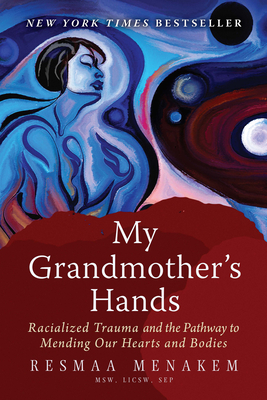
My Grandmother’s Hands: Racialized Trauma and the Pathway to Mending Our Hearts and Bodies (Indie link) by Resmaa Menakem combines deeply personal stories, neuroscience findings, and ancestral wisdom to illuminate a pathway toward racial healing in America. His expertise in somatic therapy — emphasizing the mind-body connection– helps us understand how we (often unconsciously) embody the trauma of past generations. I’ve read a lot about trauma and somatic healing, and this approach takes it another step forward. In Menakem’s words, “A disdain for history sets us adrift, and makes us victims of ignorance and denial. History lives in and through our bodies right now, and in every moment.”

One more quote: “Recent studies and discoveries increasingly point out that we heal primarily in and through the body, not just through the rational brain. We can all create more room, and more opportunities for growth, in our nervous systems. But we do this primarily through what our bodies experience and do—not through what we think or realize or cognitively figure out.”
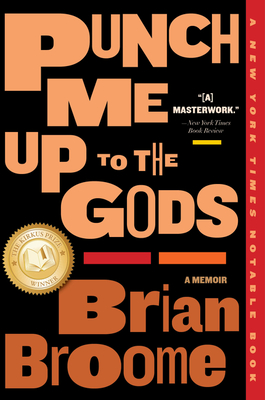
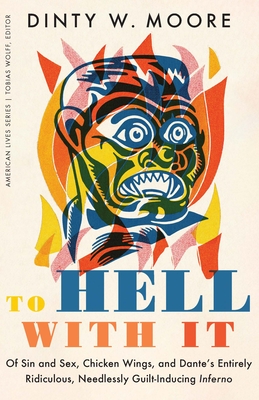
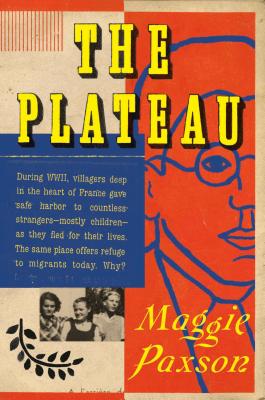
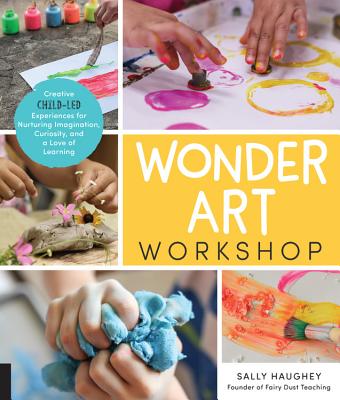
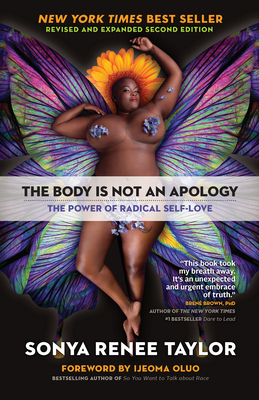
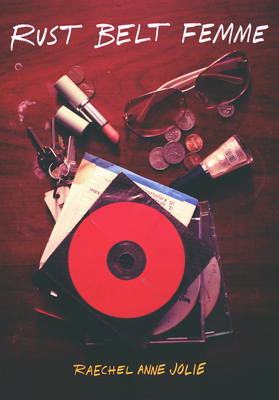
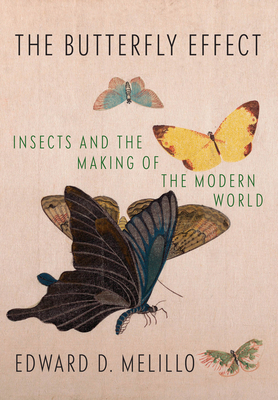
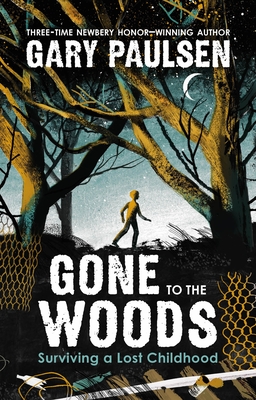
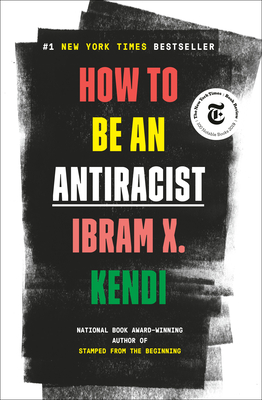
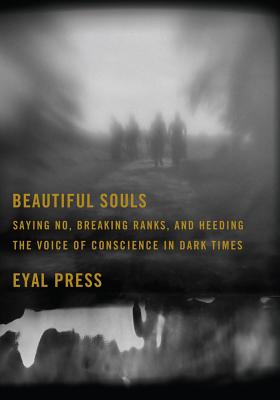
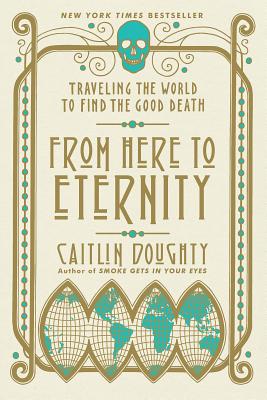
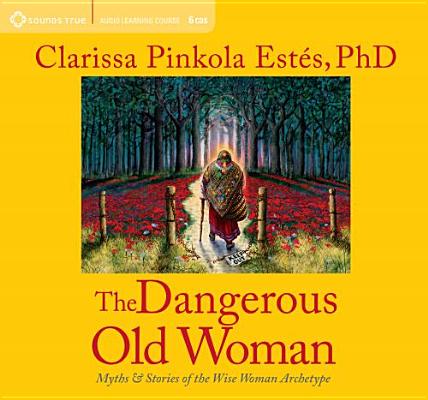
a Punch Me Up To The Gods (Indie link) by Brian Broome is a powerhouse of a memoir. It is made more intensely and achingly meaningful by the author’s repeated close observation of a father and young child, wrapping up with a beautiful letter to the child who is both a stranger and himself. This book is funny, revelatory, and a necessary wisdom teaching. Here are two short excerpts to demonstrate just how wise: “I think about my father and the clarity that comes with age tells me that he must have suffered… He was anxious. He was lonely. And he was insecure. There is no thing on earth more dangerous than a man who refuses to accept he is carrying all of these loads, because it then becomes up to everyone else to carry them for him in one way or another.” “It is only through your own lived experience that you will learn that living on the outside of ‘normal’ provides the perfect view for spotting insecure and flimsy principles camouflaging themselves as leadership or righteousness.” a To Hell With It: Of Sin and Sex, Chicken Wings, and Dante’s Entirely Ridiculous, Needlessly Guilt-Inducing Inferno (Indie link) by Dinty W. Moore describes growing up Catholic and wondering why Dante’s angry poem “Inferno” led Christianity to embrace the concepts of original sin and hell. Moore’s careful observations are amusingly irreverent but also deeply informed. He wonders what his life and those of his ancestors might have been if they hadn’t lived under constant threat of damnation, concluding “. . . this grand mystery of creation and life . . . is not something that can be neatly packaged into a strict set of rules and punishments, hung on the door of a church, and used to order the actions of mankind for century upon century.” He also writes about the toll of depression, noting”…each time that ugly snake of despair circled around me and tried to take a bite out of me, I was kept alive by humor and by incredulity. And thank God for humor and incredulity, because I deserve to be happy. We all deserve to be happy.” Don’t miss this brilliant, funny, revelatory book. a The Plateau  (Indie link) is an exploration by anthropologist Maggie Paxson into the history of a French village, the  Plateau Vivarais-Lignon, known for a centuries-long tradition of offering safe haven to strangers in wartime and refugees in today’s world. Paxson (I love that the first three letters of her last name mean peace in Latin) takes her time exploring (and yes, dragging out the narration) to consider what led this region to follow conscience rather than much safer allegiance to rulers in times of evil. This is a topic dear to me, so I don’t expect everyone will enjoy the details Paxson offers, but it’s heartfood for me. As Paxson writes in the first chapter, “Surely, there had to be ways of looking for… eye-to-eye decency. Surely, there were ways to study its power and its limits, particularly when people were faced with tempestuous times. Were there communities out there that were good at being good when things got bad? In my research on memory, I’d studied practices of resistance and persistence. Could there be communities that were somehow resistant to violence, persistent in decency? I didn’t know exactly what I was on to, but I knew I wanted to study it. In shorthand, I called it peace.” Every account of conscience and compassion is nourishment to me, making this book a meal. a Wonder Art Workshop: Creative Child-Led Experiences for Nurturing Imagination, Curiosity, and a Love of Learning (Indie link) by Sally Haughey is my new favorite in process-oriented, exploratory art for young children. Each project is an invitation to play which empowers children to experiment, invent, and express themselves. Already I’ve set out several of these projects for the youngest people in my life. We’ve picked flower petals and hammered their colors onto fabric, we’ve dipped toys in paint to wheel and stomp onto paper, and we’ve arranged pictures on the ground composed of feathers, pinecones, stones, and leaves. a Home Ground: Language for an American Landscape (Indie link) edited by the late Barry Lopez is unlike any other book I’ve read. It’s a treasure trove of deeply local terms for America’s waterways and landscapes in 850 descriptions and 70 quotations gathered from writers Luis Alberto Urrea, Linda Hogan, Barbara Kingsolver, Bill McKibben, and many others. As Lopez writes in the introduction, “We have a shapely language, American English. A polyglot speech, grown up from a score of European, African, and Asian immigrant tongues, and completely veined with hundreds of expressions native to the place we now occupy –Uto-Aztecan, Eyak-Athabaskan, Iroquoian, Muskogean, Caddoan, and Salishan. We have named the things we’ve picked out on the land, and we’ve held on to the names to make ourselves abiding and real, to enable us to resist the appeal of make-believe lands, hawked daily as anodynes by opportunists, whose many schemes for wealth hinge on our loss of memory, the anxiety of our alienation, our hunger after substance.” This anthology of place-based terms isn’t one most of us would read from first to last page. Instead it’s a resource for any of us who love words and love the natural world. a The Body Is Not An Apology (Indie link) by Sonya Renee Taylor goes well beyond body positivity to explode cultural pressures to fit into oppressive “norms.” As she writes, “Living in a society structured to profit from our self-hate creates a dynamic in which we are so terrified of being ourselves that we adopt terror-based ways of being in our bodies. All this is fueled by a system that makes large quantities of money off our shame and bias.” She seamlessly demonstrates that the transformation of radical self-love can lead to transforming systems of injustice. This is a book to underline, highlight, dog-ear. It’s a book to revisit, often. It’s a book to give to friends or to read with friends. As Taylor writes, “Our beliefs about bodies disproportionately impact those whose race, gender, sexual orientation, ability, and age deviate from our default notions. The further from the default, the greater the impact. We are all affected – but not equally.” One more quote from this entirely quotable book: “Natural intelligence intends that every living thing become the highest form of itself and designs us accordingly… Natural intelligence does not require we do anything to achieve it. Natural intelligence imbues us with all we need at this exact moment to manifest the highest form of ourselves, and we don’t have to figure out how to get it. We arrived on this planet with this source material already present.” a Rust Belt Femme (Indie link) by Raechel Anne Jolie is a memoir of growing up in Cleveland towns not far from where I was raised. Her childhood was a mosaic of struggle, laughter, and cultural touchpoints specific to the late 80s and early 90s. Jolie includes crucial insights about class as well as stirring descriptions of her hungry mind. Here’s one sample: “Summer days in the valley were the closest thing I had to religion. The shattered-glass water in the creek, the abundance of the mill, running like the wind was carrying me against an earth full of bones. It was awe and repentance, holy baptism washing the soles of my dirty feet. It was daydreaming that felt real for survival. It was all sacred ritual, inadvertent and weightless as grace.” a The Butterfly Effect: Insects and the Making of the Modern World (Indie link) by Edward D. Melillo deftly pulls science, history, and culture together to create an entirely enticing read. This book describes the little-recognized world of insects including their role in myth, art, and culture; the ways they are used (including to make silk, shellac, dye); and their essential interconnection to everything else in nature. I found myself talking about this book to whoever found themselves in the same room I was in while I read. a Gone To The Woods: Surviving A Lost Childhood (Indie link) by the late Gary Paulsen, a much-admired author of more than 200 books for children and teens about wilderness, adventure, and resilience. His coming-of-age memoir, written in third-person, is a testament to surviving extremely challenging circumstances and an entirely memorable book. Here’s a relatively mild glimpse from its early pages, when Paulsen is five years old. “His mother took him to the station in Chicago, carrying his small cardboard suitcase. She pinned a note to the chest of his faded corduroy jacket scribbled with his name and destination, shoved a five-dollar-bill in his pocket, hugged him briefly, and handed him over to a conductor… who assured her the boy would be ‘carefully watched.’ As soon as his mother’s back was turned, he jammed the boy in a seat between two wounded soldiers coming home to recuperate, and disappeared –he would not be seen again for the whole trip.” a How to Be an Antiracist (Indie link) by Ibram X. Kendi brilliantly weaves ethics, history, science, and culture into a more whole cloth. As Kendi writes, “What’s the problem with being ‘not racist?’ It is a claim that signifies neutrality: ‘I am not a racist, but neither am I aggressively against racism.’ But there is no neutrality in the racism struggle. The opposite of ‘racist’ isn’t ‘not racist.’ It is ‘antiracist.’” On these pages, Kendi asks us to reflect, challenge ourselves, rework our beliefs, and commit to activism. As he says, “Americans have long been trained to see the deficiencies of people rather than policy. It’s a pretty easy mistake to make: People are in our faces. Policies are distant. We are particularly poor at seeing the policies lurking behind the struggles of people.” a Beautiful Souls: Saying No, Breaking Ranks, and Heeding the Voice of Conscience in Dark Times (Indie link) by Eyal Press follows the paths taken by four unlikely resisters. The author doesn’t present them as inspiring stories but instead delves into psychology, history, and social pressure to explore what made these people act as they did. From the prologue, “This is a book about such nonconformists, about the mystery of what impels people to do something risky and transgressive when thrust into a morally compromising situation: stop, say no, resist.” Press makes it clear that acts of conscience are seen by the majority as betrayal rather than heroism or moral courage. These acts often lead to a lifetime of stigma. I was inspired anyway. a From Here to Eternity: Traveling the World to Find the Good Death (Indie link) by Caitlin Doughty, mortician and death acceptance advocate, takes us on a global journey to better understand how people everywhere handle grief and their own fear of death by participating fully in customs which honor the dead. Although at first Doughty considered the concept “holding space” to be “saccharine hippie lingo,” she comes to recognize it as a crucial part of what we are missing. She writes, “Everywhere I traveled I saw this death space in action, and I felt what it means to be held. At Ruriden columbarium in Japan, I was held by a sphere of Buddhas glowing soft blue and purple. At the cemetery in Mexico, I was held by a single wrought-iron fence in the light of tens of thousands of flickering amber candles. At the open-air pyre in Colorado, I was held within the elegant bamboo walls, which kept mourners safe as the flames shot high. There was magic to each of these places. There was grief, unimaginable grief. But in that grief there was no shame. These were places to meet despair face to face and say, ‘I see you waiting there. And I feel you, strongly. But you do not demean me.” She also writes, “Show me the manner in which a nation cares for its dead and I will measure with mathematical exactness the tender mercies of its people, their respect for the laws of the land and their loyalty to high ideals.” Especially now, with a pandemic raging, this is a galvanizing read. a The Dangerous Old Woman: Myths and Stories of the Wise Woman Archetype (Indie link) by Clarissa Pinkola Estés is only available in audio format, which is the perfect way to take in deep wisdom teachings that mix stories and poetry to examine the ancient legacy of the crone. She says, “Did you know, you were born as the first, and the last and the best and the only one of your kind, and that eccentricity is the first sign of giftedness? These are two of the crone truths I have to offer you.” This is a slow, yet transformational journey that casts light everywhere. As Pinkola Estés says, “If you are not free to be who you are, you are not free.”

Paired Poetry Gift Ideas

You may have never given a poetry book as a gift. Most people have never bought a poetry book for themselves either. Yet a wealth of excellent poetry awaits, with more books coming out every day, each one capable of creating new poetry lovers. When I give a poetry book, whether to a poetry lover or a doesn’t-really-read-poetry friend, I like to pair the book with a related present. Here are a few suggestions based on books I’ve read recently. (Many are anthologies, a great way to entice readers.) Let these ideas inspire your own ideas. And please share in the comments what gift you’ve paired with a book, or what you’d like to receive in tandem with a book.

&&&&&  

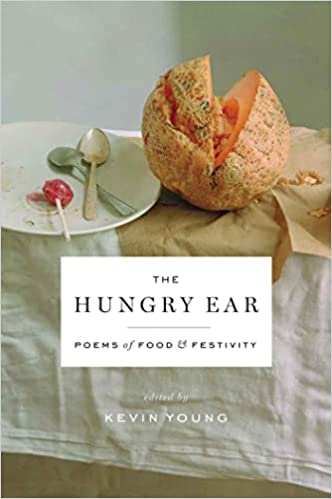
The Hungry Ear: Poems of Food and Drink edited by Kevin Young (indie link) is a nourishingly hearty 336 page anthology with works by Elizabeth Alexander, Tracy K. Smith, Martín Espada, and others. It’s also perfect to pair with food-related gifts. Consider gifting it with something flavorful, like locally roasted coffee or spiced nuts. Or really step it up with a legacy gift like these salt boxes made from trees milled and shaped by the crafter. If you have the time, you might instead gift it with something you’ve cooked or baked yourself.

&&&&&

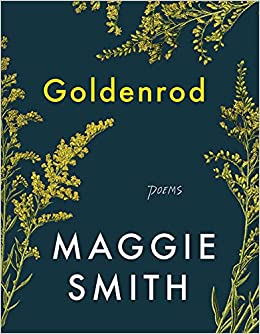
Maggie Smith’s Goldenrod (indie link) explores parenthood, nature, and memory with a uniquely sharp tenderness. Somehow I think a picture frame goes well with this gift, a way of honoring what’s dearest to your recipient.  

&&&&&

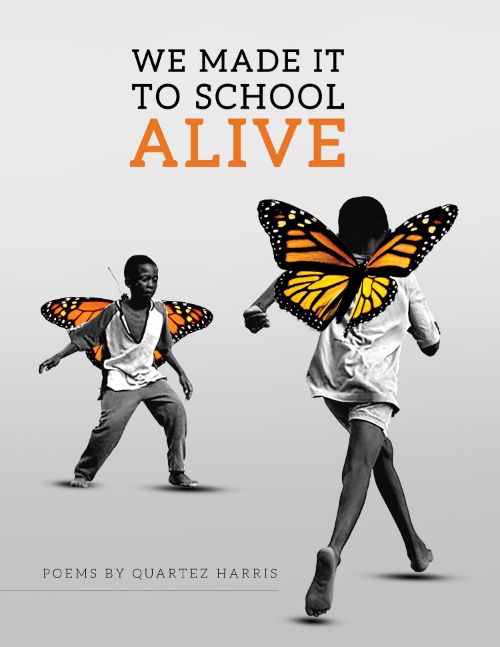
Ohio’s current Poet of the Year, Quartez Harris, is driven by his work as a second-grade teacher as well as by his students’ experiences with gun violence, poverty, and racism. I’d pair We Made It To School Alive with a gift certificate, maybe one that allows the recipient to give toys, games, or books purchased from black-owned businesses like Kido, Little Likes Kids, Paper Play and Wonder, or Puzzle Huddle to a loved child or to donate them to an area daycare, school, or afterschool program

&&&&&

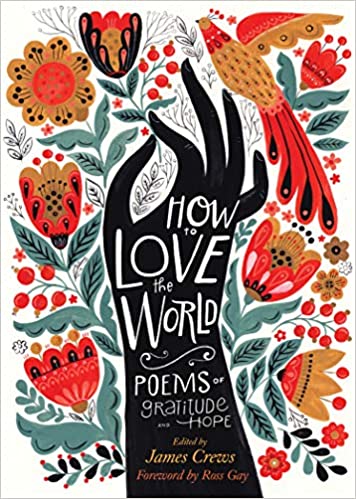
How To Love The World: Poems of Gratitude and Hope (indie link) edited by James Crews is a deep refreshing sigh in book form. These poems are antidotes to hurry, worry, and divisiveness. There are many gifts that could accompany this anthology but it occurs to me that Darn Tough, the guaranteed-to-last U.S.-made socks, are perfect for cozying up at home as well as exploring the world. The way poetry is, too, although without the socks’ airtight guarantee.

&&&&&

Ada Limón’s Bright Dead Things: Poems (indie link) intimately connects the reader to place and memory with what I can only describe as courage flung wide open. I like to imagine an unexpected gift idea sparked by the title, like a 3D printed skull planter made from eco-friendly bioplastic by a woman-owned business. Maybe tuck a hardy succulent in with your gift…

&&&&&

U.S. Poet Laureate Joy Harjo gathers the work of more than 160 poets in this historically comprehensive anthology of Native poetry, titled When the Light of the World Was Subdued, Our Songs Came Through (indie link). The works represent nearly 100 indigenous nations including current poets such as Natalie Diaz, Tommy Pico, and Layli Long Soldier. You might pair this gift with hawthorne jam or wild rice mix from Red Lake Nation Foods, candy clusters from Bedré Fine Chocolate, or use the Native Products Directory to purchase goods from other Native and First Nations entrepreneurs.

&&&&&

Poetry of Presence: An Anthology of Mindfulness Poems (indie link) edited by Phyllis Cole-Dai and Ruby R. Wilson, is 252 pages of peace. Anything that speaks to you of mindfulness is a perfect pairing. Each time I dip into this collection I feel cleansed and more whole. Maybe a handmade bar of soap from a local shop or one of the literary goats milk soap bars from The MacBath shop.

&&&&&

In The Shape Of A Human Body I Am Visiting On Earth: Poems From Far and Wide (indie link) edited by Ilya Kaminsky, Dominic Luxford, and Jesse Nathan opens on every page to stirringly memorable poetry, both old and new, from around the world. World poetry is wide open to gift possibilities. I’m a staunch supporter of Kiva.org which also has a storefront with products handmade by Kiva microlending clients with plenty of fine offerings.

&&&&&

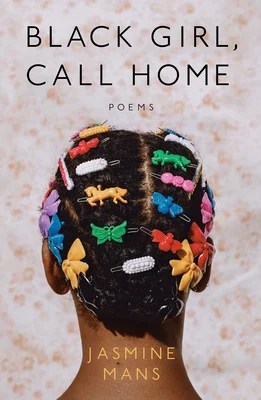
Black Girl, Call Home (indie link) by Jasmine Mans is a tribute to her mother and an evocation of home wherever it is found. Mans speaks to feminism, trauma, and growing up as a young, queer Black woman. It reads like music to me, so I’d pair it with tickets to a show at a local venue, with headphones, or with a Spotify gift card.

&&&&&

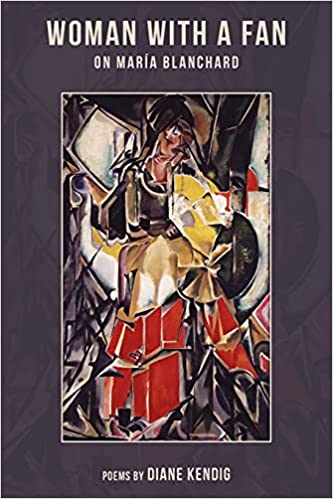
Woman with a Fan: On Maria Blanchard (indie link) offers Diane Kendig’s vividly intelligent poems and essays in response to Spanish painter Maria Blanchard, whose art has long been overlooked due to sexism and ableism. It would be fun to pair this gift with a Spanish wine, spices, or olive oil bought from a local shop or online from La Tienda.  

&&&&&

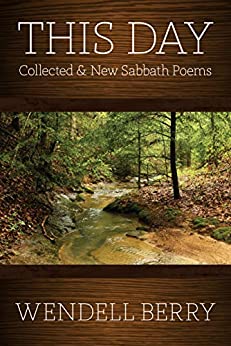
The poems in Wendell Berry’s This Day: Collected & New Sabbath Poems (indie link) rise from the poet’s deep connection to the land and its influence on his faith, politics, and relationships. As he says, “I believe in what I stand on.” I’d pair this with a sturdy gardening implement like a good trowel or maybe the wondrous delight of a mushroom-growing kit.   

&&&&&

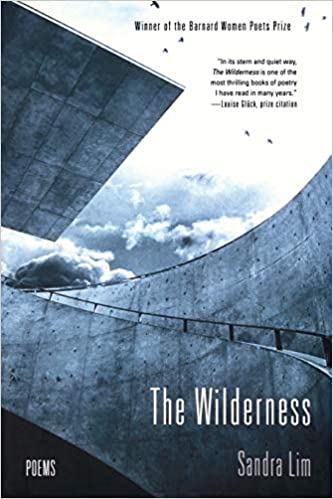
Sandra Lim’s The Wilderness (indie link) maps the inner and outer selves with an evocative and philosophical, well, wildnessFor some reason it occurs to me that it pairs well with a magnifying glass or another reminder to really look, up close, at what’s around us.

&&&&&

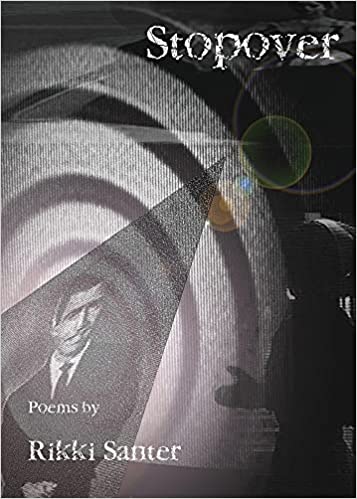
Rikki Santer’s new collection, Stopover (indie link) is inspired by Rod Serling’s classic and unforgettable Twilight Zone series. You might pair it with an Imagine If You Will t-shirt or a Twilight Zone pint glass.

&&&&&

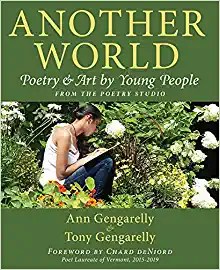
Another World: Poetry and Art by Young People from The Poetry Studio, (indie link) edited by Ann and Tony Gengarelly, is an inspiring anthology for readers of any age. “These students’ poems and art … ring of truth in a time of lies,” says Young People’s Poet Laureate, Naomi Shihab Nye, “We need them.” I’d pair this gift with an eco-friendly, endlessly reusable Rocketbook notebook which “writes” like paper on wipe-clean pages yet can send your notes directly to cloud services. Or maybe with jewelry made out of plastic drawn from ocean waste.

&&&&&

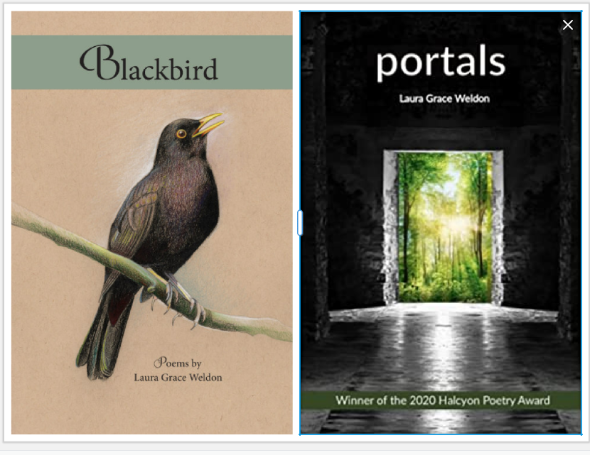
If you’re still reading, let me mention two of my own books. I was named 2019 Ohio Poet of the Year on the strength of my book Blackbird. (indie link) Each book sold is also a donation to the Medina Raptor Center. Although the poems range far from the topic of birds and on to subjects as unusual as cow pastures, dictionaries, to-do lists, and astrophysics –you might pair it with a gift of birdseed or a homemade birdfeeder like these birdseed outdoor ornaments. My most recent book is Portals (indie link) with poems seeking connection between our inner and outer worlds. To me this book pairs well with the quiet light cast by beeswax candles. I can recommend candlemaker Maribeth Moser whose etsy shop offers simple as well as whimsical candles. One of my favorites is her fern patterned pillar candle.  

Contemplative Errands

I make my way east on Smith Road from our rural Ohio township, heading toward the nearest small town for this week’s errands — library, local market, fabric store. These last few tumultuous years I crave peace, so I don’t click on a podcast or audiobook. I drive in the quiet of my own thoughts. (They are not all that quiet.)  

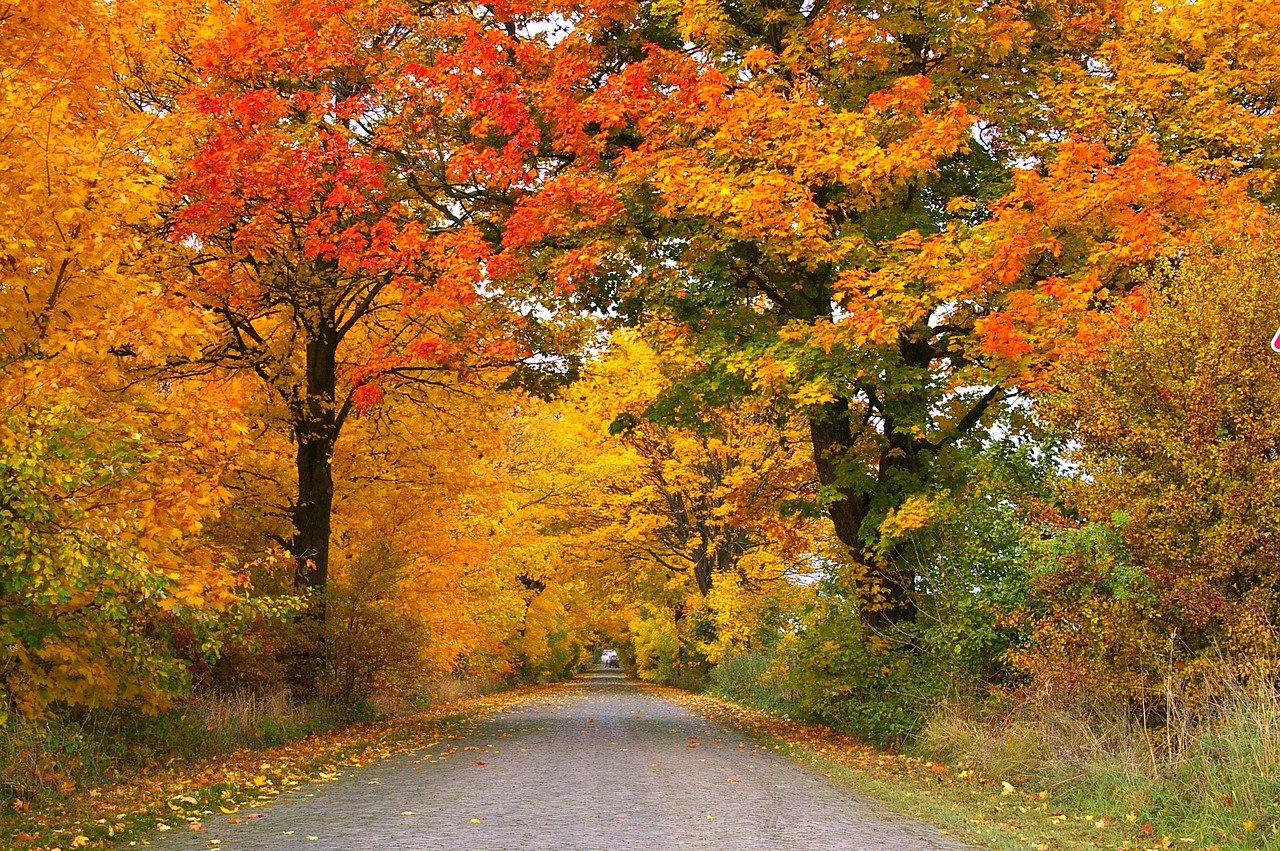
It’s a gorgeous autumn day. Leaves are at their peak and stand out against vivid blue skies. Temperatures are an unseasonable 67 degrees. Even my light sweater is too warm.

On my left I pass a place that still yanks at my feels. For years an old house with a rotting roof stood there, surrounded by weeds and junk cars. Despite its decay, this was a home. It lifted my spirits to see laundry on the line and light in the window. That house surely survives in the memories of those who lived there. It also hangs on in a poem I titled, unimaginatively, “House On Smith Road.” Here are a few of its lines:

There are people who keep going
past all predictions,
chewed up by cancer
or rattling with emphysema.
They hold things together
for the daughter struggling
with heroin, the spouse
wandering through dementia.
I think of them as this house
slides ever closer to the ground,
plastic flowers still blooming 
on that brave tilting porch.

The old house was knocked down a few years ago and another home stands there now. I wonder if the new residents sense the energy fingerprint left by everyone who ever lived there – the old farmhouse most recently but also all who came before, back to the Haudenosaunee Confederacy, and back before them to the earliest peoples.  

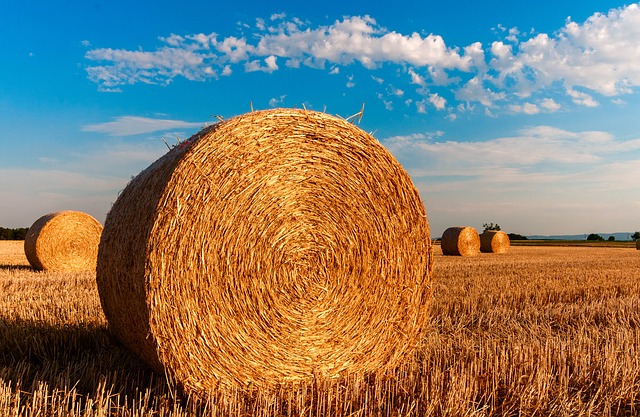
Hills I drive over were carved by glaciers thousands of feet thick. The ice sheet was so heavy that earth’s surface is still rebounding from that long-ago weight. Between these gentle slopes lie fields of dry soybeans and baled hay brilliant in the sunlight.

I wave “go ahead” to a woman turning left on Columbia Road. I let my eyes rest on a house that captured my attention each election year. The yard was always festooned with signs for both Republican and Democratic candidates. Many times I’d see one sign blocking another, then the next time I’d see a bigger sign replace the blocked sign, like a checkers game played with opinions. It always gave me hope to see people with such different politics sharing one home.

I find myself behind a school bus and wait as it drops children off every few driveways. Little children in the back make silly faces in response to my finger-waggling ears.

Finally I arrive at the store. A man sits in the pickup truck next to me, windows up, engine running. I get out, pull on my mask, walk past another vehicle parked and running, this one with a young woman on speaker phone who talks in loud angry tones.

I go in to collect bounty sown, harvested, and held by many hands before mine: bananas, dates, walnuts, coffee, lentils, soap, wine, oatmeal.

I get in line behind a frail elder who hangs on hard to the cart handle, his middle-aged daughter solicitous as she unloads. A man with the name Eduardo on his tag never stops ringing up groceries as he lifts a hand in salute to this elder he calls “sir.” They talk easily and I notice the older man straighten into his height.

When it’s my turn I tell Eduardo the respect he showed a stranger made my day. He tells me as a teen he worked at a nursing home. “Only in housekeeping,” he says, “but the people living there treated me like family.” I tell him worked at such a place too, starting at age 13. In the few minutes it takes to pack my rumpled cloth bags, Eduardo explains he is far from his grandmother in Puerto Rico but hopes she finds respect everywhere. “We have much to learn from our oldest people,” he says.

Back in the parking lot the woman still swears into her phone, the man still waits, both cars running, and I hope they too are finding beauty here in the hours we have.

Steadily Drained

Beady unblinking eyes, some red and some white, stare out from my phone charger, coffee maker, speakers, PC, printer, and elsewhere. The average U.S. home has about 40 electronic devices draining power, accounting for around 10 percent of one’s energy bill. Some call this leaking electricity or vampire energy.

Things I used to get done on a regular basis now seem to take forever. I never used to squeak right up against deadlines, beg out of regular obligations, fail to answer necessary texts, forget things like sympathy cards. Never, ever. But I have the last few years, excoriating myself all the while.

Adding up U.S. households, all this leaking energy totals the output of 26 power plants. This in a time when people in the U.S. use more electricity, per capita, than nearly anywhere else in the world. 

Sometimes I cancel a walk with a friend, a walk I’ve been looking forward to, because I just can’t muster up whatever it takes to get myself out of the house. Then I wonder what the heck is wrong with me when surely both my friend and I need the restorative pleasure of time in nature.

Energy consumption, especially in industrialized countries, is one of the main factors behind increasing and permanently destructive climate change. Disastrous floods and fires, extreme storms, record-breaking temperatures, drought, crop failure, and much more. The health impact on living creatures, including us, is already severe.

I manage to work, make meals, and sometimes floss my teeth, that’s about it. Books have always been one of my favorite ways to retreat. Thanks to insomnia I’ve gotten a lot of reading in over the years, but I’m reading more now. A lot more. (I try to track titles on Goodreads, because I find myself mistakenly checking out library books I’ve already read.)

Even half-measures political leaders try to put into place are failing, almost entirely thanks to greed. We don’t need to look much farther than Joe Manchin III, of West Virginia, who almost singlehandedly got the proposed U.S. climate agenda pulled from the current budget bill. This jobs-intensive program to replace much of the nation’s dependence on fossil fuel with renewable energy is gutted. I don’t understand why it isn’t against the law for elected officials to take legislative action that blatantly promotes their own or their family’s financial self-interest. Manchin is the top recipient of campaign contributions from coal, gas and oil, utilities, and other dinosaur industries while his family-owned coal brokerage firm Enersystems paid over one million to Manchin and his wife last year alone. Meanwhile people in his state rank dead last or darn close in areas such as economy, infrastructure, health care, education, and overall well-being, Heck, West Virginia comes in last in a “happiest states in America” ranking. It’s almost as if we haven’t noticed the damage done by rapacious partnerships between officials and fossil fuel companies over the last century. This sort of thing has gone on throughout history everywhere people have held power over others, but there’s no longer even an attempt to hide the appalling moral failings of those in charge, failings that will haunt this planet long after they are gone.

I’m a cool weather weirdo. While most people I know exult in summer’s bright heat, it depletes me. Give me a brisk autumn day with a breeze combing bright leaves into the air and I’m in bliss. Give me a sunny winter day with millions of ice crystals gleaming from the snow, bliss again. But summer’s heat and humidity persisted here in Northeastern Ohio through September and well into October. Temperature-sensitive crops like tomatoes, peppers, eggplant, and summer squash are still abundant in my gardens when normally we would have long since pulled out those plants. This feels inexpressibly wrong somewhere deep in my cells. I know anomalous weather wreaks havoc on the exquisitely timed needs of birds, pollinators, and other creatures. Only this week, three-quarters of the way through October, are we finally experiencing seasonal weather.  Well, except for the two tornadoes in our county this week.  

We’ve long been told that we as individual consumers are the world’s energy vampires. If we all stopped using straws and carried groceries home in fabric totes, the threat of climate change would melt into a concern no more worrisome than a few extra sunny days. Fingers of shame have been pointed at those who travel by air or eat meat. Individual action is important, but it also deflects from the world’s worst contributors to climate change. The U.S. is again ramping up the military budget when the U.S. military is already the world’s single largest consumer of oil, a worse polluter than as many as 140 countries. And for half a century, giant corporations have known and concealed the dangerous global effects of extracting, transporting, and burning fossil fuels. In a carefully orchestrated distraction, these companies have engaged in what a new report calls well-funded “cutting-edge propaganda” which cast doubt on climate science and steered media attention toward consumer responsibility. Twenty of these companies are responsible for more than a 35 percent of global greenhouse gas emissions, as noted in a Guardian article, where climatologist Dr. Michael Mann is quoted as saying, “The great tragedy of the climate crisis is that seven and a half billion people must pay the price — in the form of a degraded planet– so that a couple of dozen polluting interests can continue to make record profits.” Climate change, of course, hurts the poorest people the most both in the U.S. and around the world.

Something vital is drained from us when human decency is set afire by those in power. It saps hope and exhausts our strength to make positive change happen. For most of us, deadly racism, viciousness aimed at asylum seekers, the constant and cumulative trauma of far right extremism overlaid by an ongoing pandemic constantly drains our inner resources, depleting our mental and physical energy, making it hard to even get through our daily obligations. This happens even if much of it is below our minute-by-minute awareness. I still want to believe there is a core of true humanity within every person. I still want to do my part for the next seven times seven generations. Thank God our local library system doesn’t impose late fines any more…

I highly recommend what my wise and visionary friend Dr. John C. Robinson has to say about all this in his books and articles. In Climate Change: From Darkness To Hope , he asks us to “notice how your deep self responds to the climate threat” in order to find where we feel called to respond. As he writes, “we must learn to live again on this planet as if everything were new, unfamiliar, and sacred, and reorganize our communities to meet the dramatic needs of a new reality. No one can do this alone but all of us just might be able to do it together. Though still in my own personal alchemical transformation, I feel it happening, I trust it: I am moving from haunted to focused; I am preparing for a greater role in Creation’s evolutionary unfolding, as we all are.”
Experiment In Savoring

It’s a sunny day in a quaint Ohio town. I’ve taken up a position on the sidewalk under a blue tent. Most people going by avert their eyes.

I’m here because, nearly two years ago, I agreed to do a book signing at an independent bookshop so adorable it could easily serve as the setting for a novel. The pandemic postponed this signing so long that I’m sitting here with the title that came out before my most recent book.

Although I’ve had four books published, I’ve never done an individual bookstore event before. Readings, yes. Workshops, yes. Group signings like the annual fabulous Author Alley at Loganberry Books, yes. This is a fresh experience for me. Other writers have told me bookstore signings can be excruciating. Often the only people who stop by are those asking if there’s a public bathroom or where the horror section is located. Today I’ll discover what it’s like for myself. Except I’m not inside, I’m out on the sidewalk. The open-sided tent blocks the pavement, meaning passersby must walk under it. This forces them to decide whether to look or not look at the strange woman sitting a few hopeful feet away.

I brought a basket of wrapped chocolates, a pen, bookmarks, and a little poster noting that a portion of each book sale goes to support the work of Medina Raptor Center. I brought what I hope is enough curiosity about this experience to tamp down my ongoing urge to hide in the stacks of the bookstore behind me. I tell myself I will savor the face of every person going by. I will spend by two whole hours being fully present.

People savoring isn’t difficult, especially since it has been over a year and a half without teaching in-person classes. I miss faces! But that fully present thing is as hard as it has ever been. My restless mind wanders every which way. My eyes linger on trees outlined by blue skies but thoughts continue scrolling. Wedding gowns displayed in a store window across the street can’t help but contrast with memories of my own frugal wedding where our church basement reception offered no music, no meal, no table seating. (We’ve stayed married, disproving all the naysayers.) The number of people going by with coffee reminds me of pre-pandemic days when I’d regularly meet friends in a coffeeshop to catch up on our lives. The clock in the town square chimes – 15 whole minutes have passed.

A trapped beetle buzzes angrily in my pocket, except it’s not an insect, it’s my phone. I know I shouldn’t look at it, but I do. Then I do some more, at least when no one is walking by.

I smile at families heading to the ice cream shop or sandwich shop, then smile as they pass by afterwards. A little girl wearing unicorn pants says, “I like your hair” before I can compliment her many perfect braids. I notice how many people walk by with faces aimed at their phones. I listen to conversation snippets, like “They’re finally moving to Portland” and “Naw, no way!” and  “He won’t go to therapy.”   
A huge streetside pot draped with withering coleus is so dry that I give it half the water from my travel mug, hoping no one hears me say, here you go friend.   

I try again to settle my mind by focusing on a lamppost’s reflection in a store window across the street. It’s perfectly meditative for almost a minute. The town square clock chimes – a half hour has passed.  

I listen to music blaring from passing vehicles, most often classic rock played by expensive-looking motorcycles ridden, in nearly every case, by gray-haired sunglass-wearing men. This makes the few cars blasting hip hop a nice contrast.

I notice significantly more white vehicles than any other color. At one point there are five white cars parked in the angled lines in front of me. I count colors in passing traffic for a while to get a ratio. Looks like one out of six is white, at least for the few minutes that counting holds my attention. I briefly ponder whether white is a dog-whistle, coded language for what I’d rather not imagine, then chastise my thoughts for heading that direction.

Plots for short stories come to mind. I imagine the guy who has been walking back and forth, coffee in hand, for the last 15 minutes is actually a spy. I think of a story based on the weird dream I had the night before. I was in a dystopian future where desperate people pushed contaminants under their skin hoping they might sell the resulting antibodies to Big Pharma. I consider a story about a writer who quietly dies at her book signing table, but nobody notices. These are all stories I’ll never write.

A man with young children has gone by three times. He shares a friendly aside at each pass, even claims he’s heard of my book. I feel extra tenderness for him, not only because he is jovial with his kids, but also because he looks like a dead friend looked 20 years ago.

A handholding couple stops to talk about a mystery they both read. One lovely elder notes the title of my book, then breaks into Bye Bye Blackbird, a song I used to play on the piano for nursing home residents in my first job out of college. I join her for the chorus and she pretends I have a lovely voice. I insist it’s easy to follow her more melodic voice. The clock chimes – an hour has passed.

The few people who ask, “What’s your book about” recoil almost visibly when I say it’s a poetry collection. Most people don’t ask.
Not long before my sojourn is over, a poet friend pops by to say hello. I’m wildly happy to see a familiar face. We talk about deep time, about the impulse to write, and about book publishing. I’ve enjoyed his presence so thoroughly I don’t notice the clock chiming until I’m a full 20 minutes past my time to pack up and leave.

I carry the books back in the bookstore, apologize that not copy one sold, and head out for the hour’s ride home. From the security of my elderly car I savor a cloudless sky so blue it’s nearly iridescent.