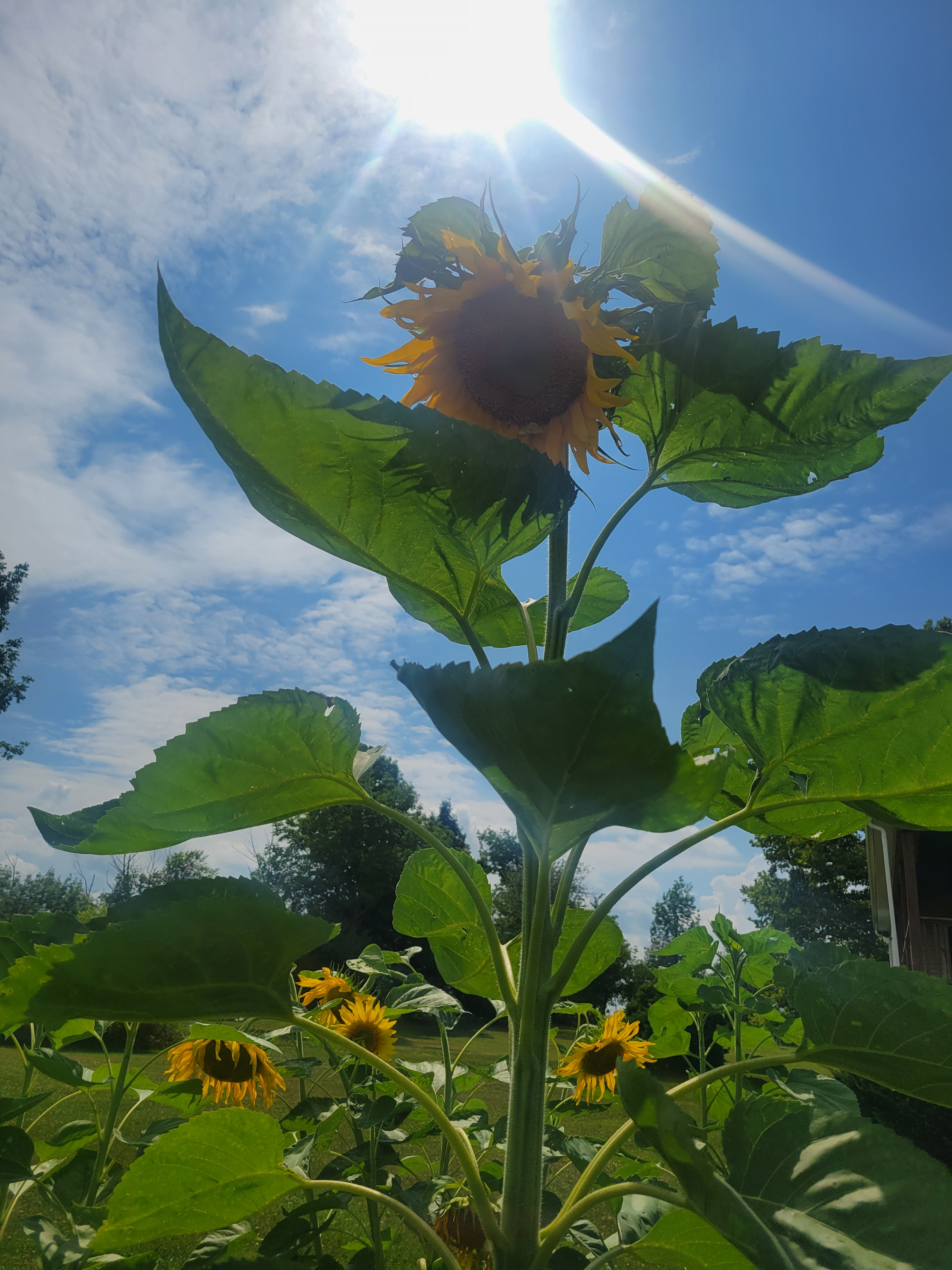
“Listen patiently, quietly and reverently to the lessons, one by one, which Mother Nature has to teach, shedding light on that which was before a mystery, so that all who will, may see and know.” ~Luther Burbank
It has been a very hot summer, one that ramps up my concern for this lovely planet’s future. The heat also makes it miserable to do much in our gardens other than admire weeds as they flourish. But, then, co-existence with weeds is the way we do things around here.
We are in full harvest mode, which means wading into the thrum of green toward the bright lure of purple eggplant, red tomatoes, yellow squash, pink grapes, peppers of many hues. Everything is alive and beautiful, weeds included.
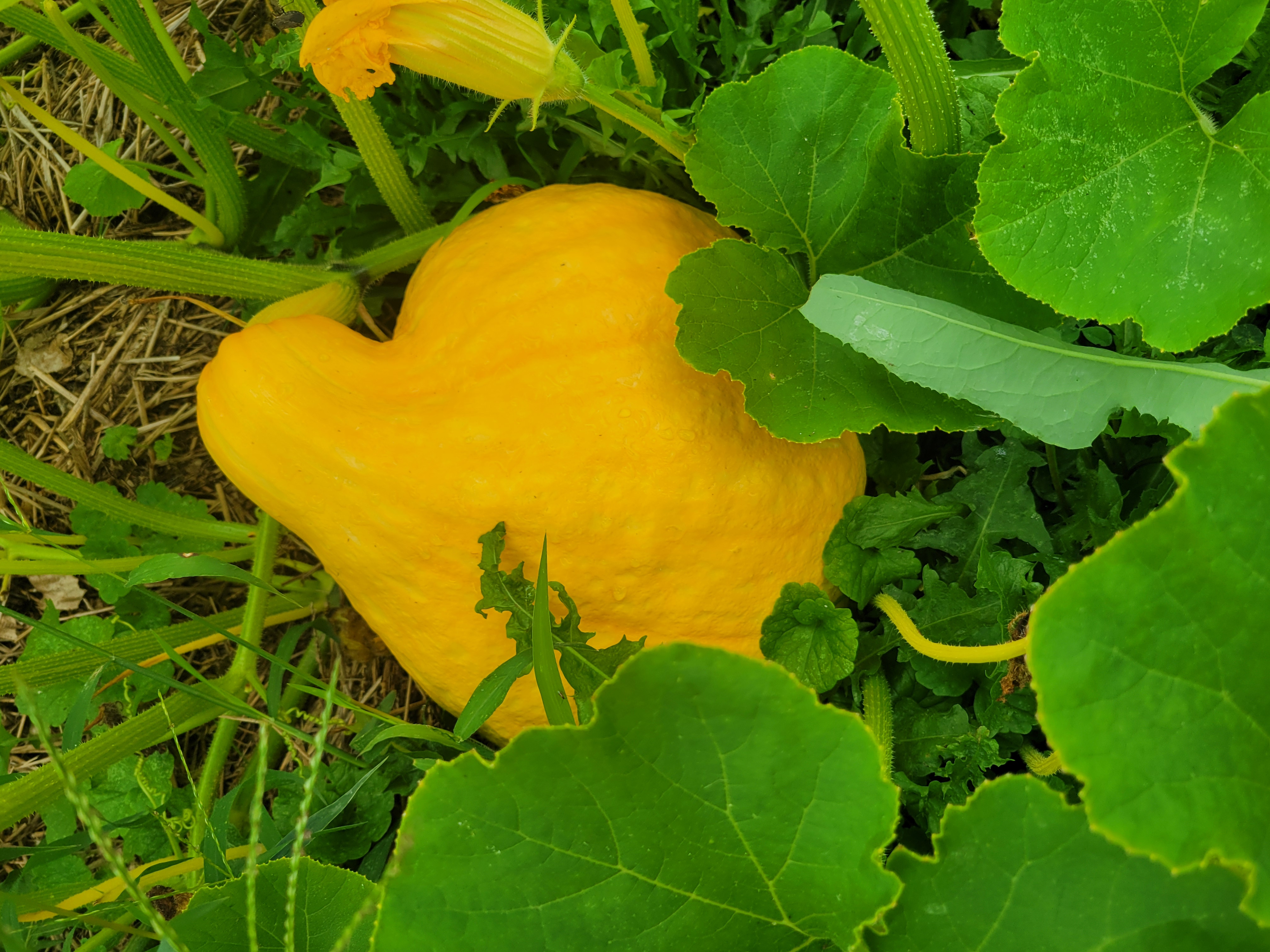
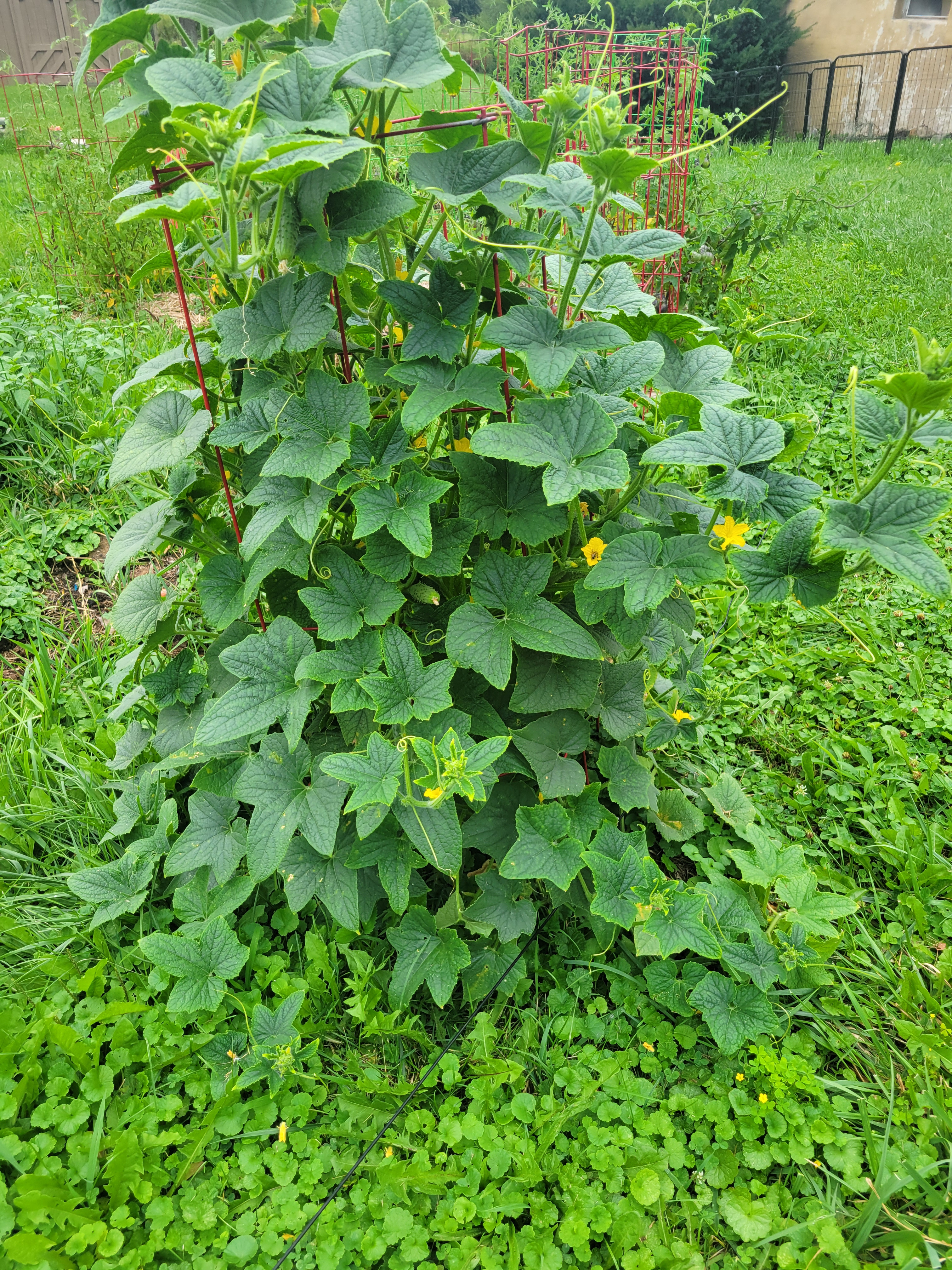
I’ve never had much success at conventional gardening with its orderly plantings surrounded by bare soil. Bare soil, in nature, is unnatural. And, honestly, I always felt sorry for the vibrant healthy plants I pulled up simply because I deemed them weeds, like some kind of vegetal colonizer. I often apologized as I did. It eased my conscience a bit to haul these stacks of dying weeds off to feed cows or chickens.
Mostly I’ve avoided pulling up much of anything. That’s why, for years, I tried all sorts of weed suppression ideas.
The strangest was the spring I covered rows by laying down long strips cut from worn out jeans I’d been saving to make a jeans quilt. The sturdy denim fabric held up beautifully through the entire growing season and into the next. Eventually it decayed back into dirt, which is what I’d hoped for, but not without leaving behind long sturdy fibers that could unintentionally trap, injure, or even cause the death of birds and small animals. It was an arduous process to pull them all out. It’s been about 25 years since then and while those fibers are gone I still, on occasion, run across a jeans rivet when I’m planting.
Before that I tried carpet discards, an approach suggested in a long-ago Mother Earth News article. It assured me that decades-old carpet was safe. (I suspect that advice was, well, suspect.) It needed to be pulled up at the end of the growing season and I was troubled by how much biomass was pulled up too, impoverishing rather than helping the soil.
The worst was the year we got leftover landscape “fabric” free from a friend’s market garden business. You’ve seen the stuff: black water-permeable plastic material that’s held down with stakes or clips or mulch. It’s commonly used on all sorts of farms, from small to large, conventional to organic. I pulled it up that year after the last harvest and was appalled to see our normally friable soil hard and dead-looking. We never used it again.
We now know sheet mulches, like the ones I mentioned (as well as astroturf, plastic mulch, and other so-called weed solutions) suppress the development of mycorrhizal fungi so essential to plant health. They also wreck the habitat for beneficial soil-dwelling creatures, overheat the ground, prevent organic matter from being incorporated into the soil, and impede the health of plant roots. Their presence wrecks the necessary carbon dioxide and oxygen exchange between soil and air—essentially suffocating the soil. If that’s not alarming enough, landscape fabric contains petrochemicals which break down into toxic substances including microplastics. (You know, the microplastics known to increase the severity of heart disease, cause arterial damage and strokes, harm hormone and reproductive systems, disrupt gut biome, lower fertility, cause premature births, impair learning and memory,) One analysis shows that three feet of landscape fabric can release hundreds of millions of microplastic particles.
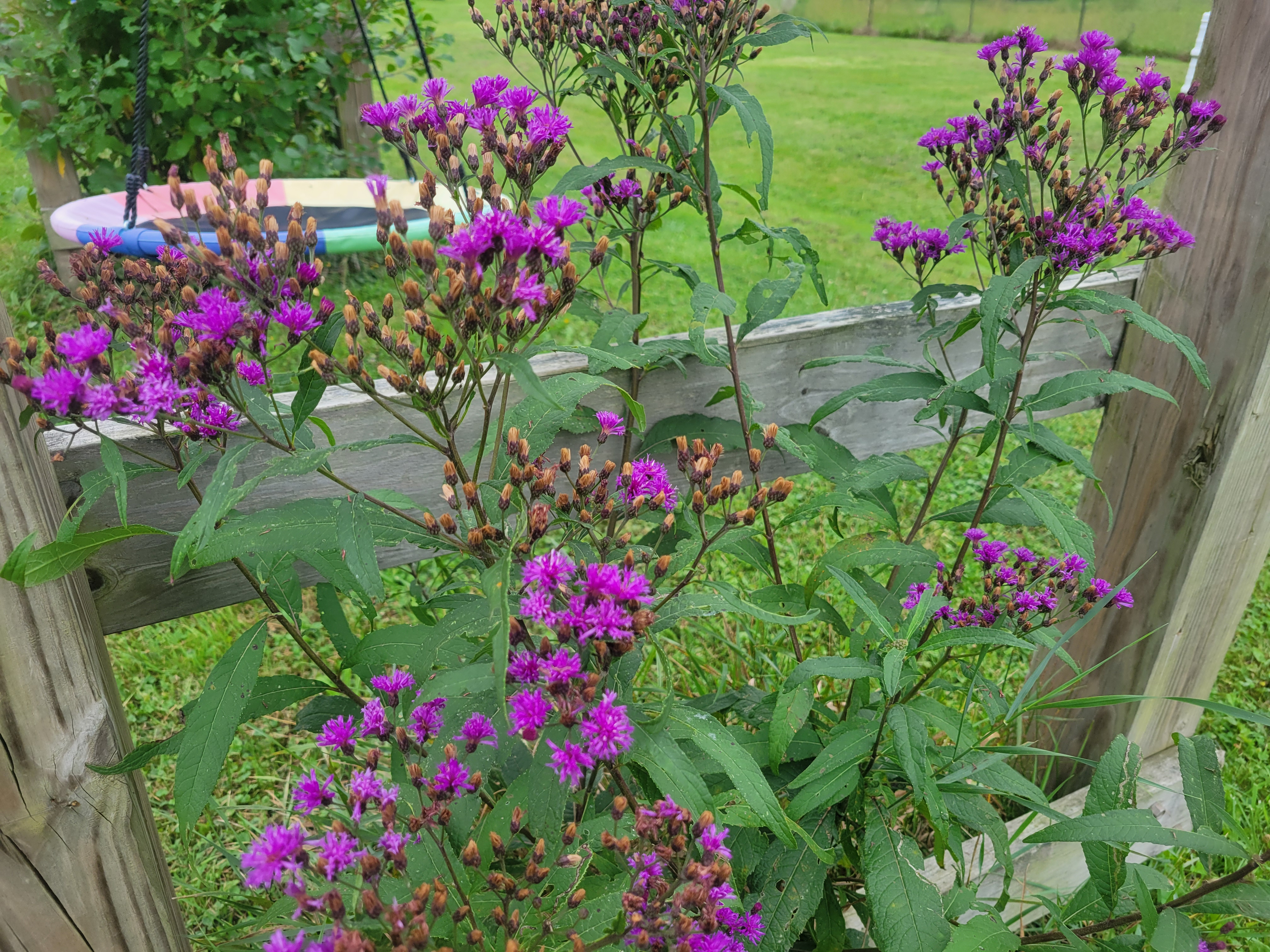
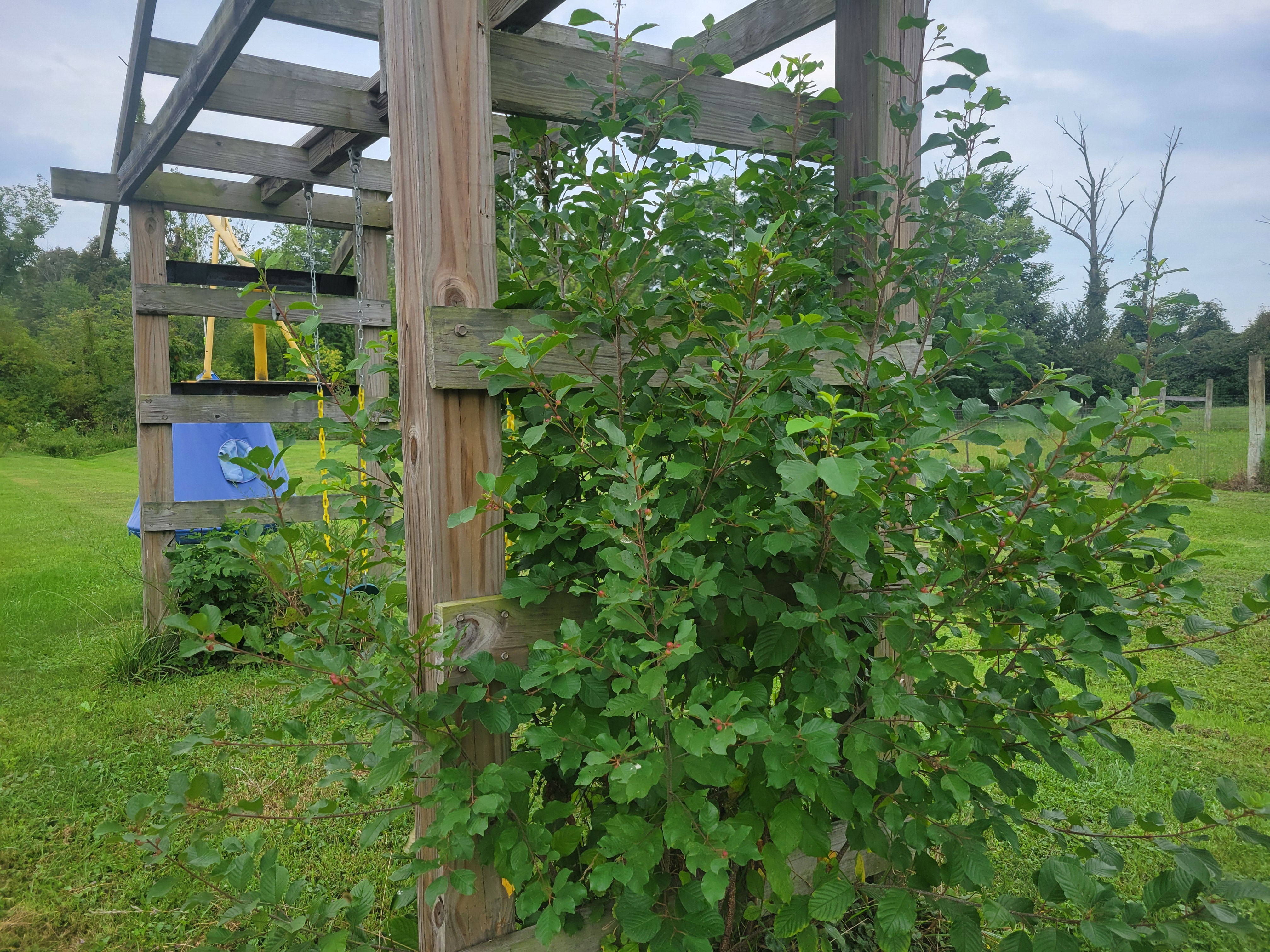
I have since learned how fully the native plants we call weeds improve the soil, support pollinators, and nourish myriad life forms necessary for a balanced ecosystem. Perfect weedless plantings now look wrong to me.
Yes, seedlings need protection from weeds in their earliest weeks of life. I start hundreds of seeds under the fancy grow light table my husband built. These babies, even after hardening off, need space and light in the garden. The system we’ve evolved takes some labor when planting, but is kind to the soil and kind to our backs. Best of all, it frees us to do little more than water and harvest throughout the growing season. There are two main aspects to our method.
One, we leave wide rows where grass, clover, and other green life springs up of its own accord as nature intended. Every now and then my husband runs the push mower along these rows. In narrower patches, he or I run the weed whacker. These plants function as green ground cover. I see them as naturally occurring companion plants. By this time of year we don’t bother mowing them at all, although it would look more tidy. Instead we brave the knee-high jungle to pick flowers and vegetables from amongst their lively blooming weed cohabitators.
Two, we barely disrupt the ground for planting. No rototilling, no hoeing. We move a trowelful or two of dirt for each plant, then we augment the opening with rotted manure or compost. We fold thick overlapping layers of the New York Times (or saved, tape-free cardboard) around each plant after it has been tucked into the soil. Probably a foot or less on all sides. We top this newspaper mulch with well-rotted straw that spent the winter stacked around the chicken coop. (One could use grass clippings or fresh straw instead.) It’s important to water the plant and its surrounding paper/straw immediately not only for the plant’s health but also to prevent any slight breeze from spreading newspaper sections around the neighborhood. (Yes, I’ve been spotting running after newspaper sections gusting across the yard.) The newspaper and straw break down by the end of the growing season, effectively becoming dirt by the next spring when we do the same thing all over again. It also brings me a measure of peace to tuck awful headlines around tender little seedlings, as if something good can come from all that bad news.
A side benefit to our weedy gardens? They’re busy with bees, butterflies, hummingbirds, and other pollinators. Plus, we don’t lose a lot of our vegetables to neighborhood rabbits, deer, woodchucks, etc. (Okay, except for the Night of the Marauding Raccoons in our hoop house.) I see rabbits in our side garden every evening, oftentimes they hang out there for hours. They’ve chomped down a few tender shoots of spinach and chard, but they mostly eat what’s most tantalizing to them–weeds!
The biggest relief is how much the garden doesn’t need me. My ministrations are marginal, hardly necessary next to nature’s real magic. Sure, we water pretty diligently in the hot weather. I even pull a few weeds when they’re taking over a plant’s space. But I’m not remotely responsible for the riot of life growing around me. The flowers, vegetables, and every one of the weeds are beautiful.
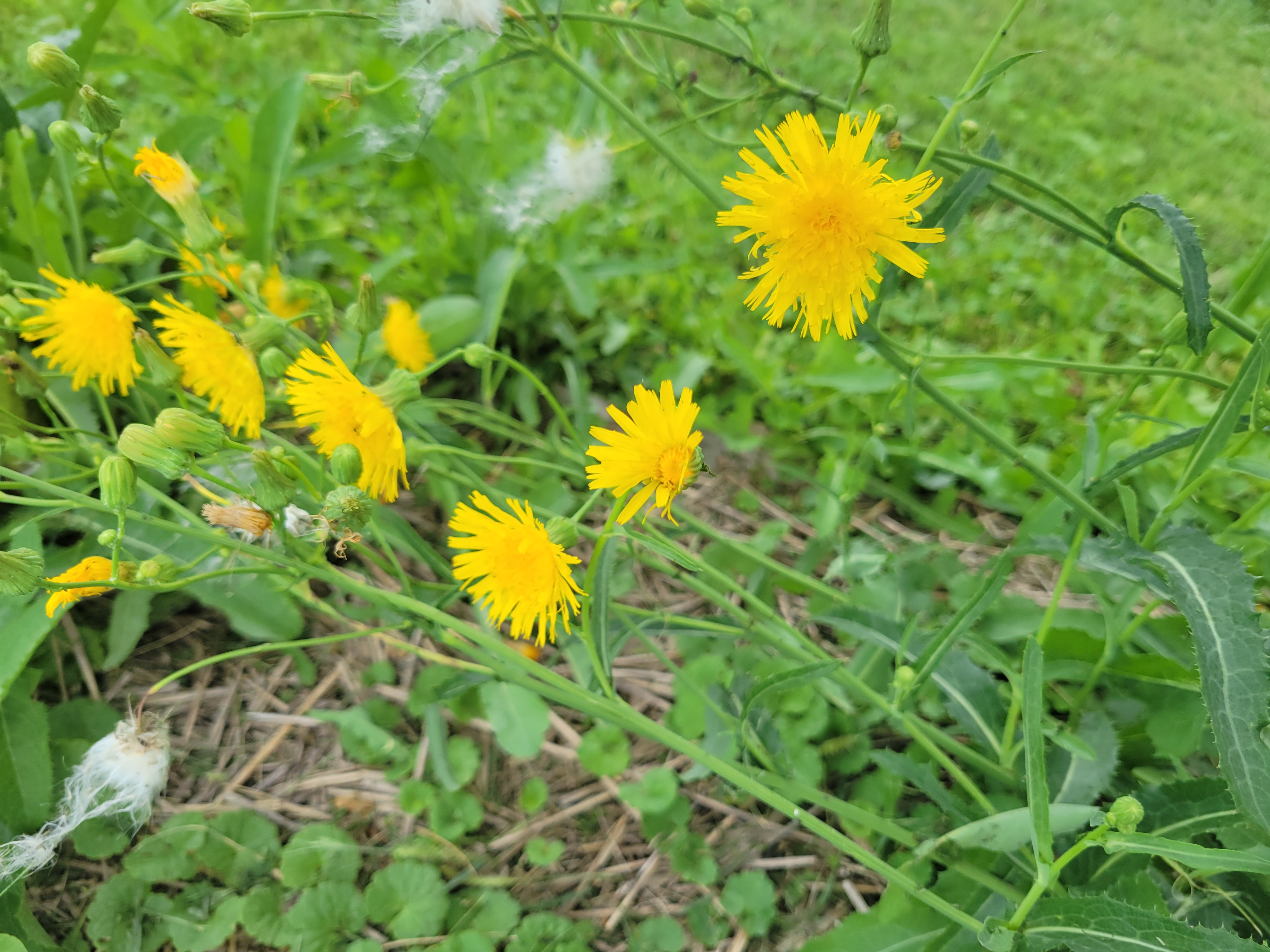
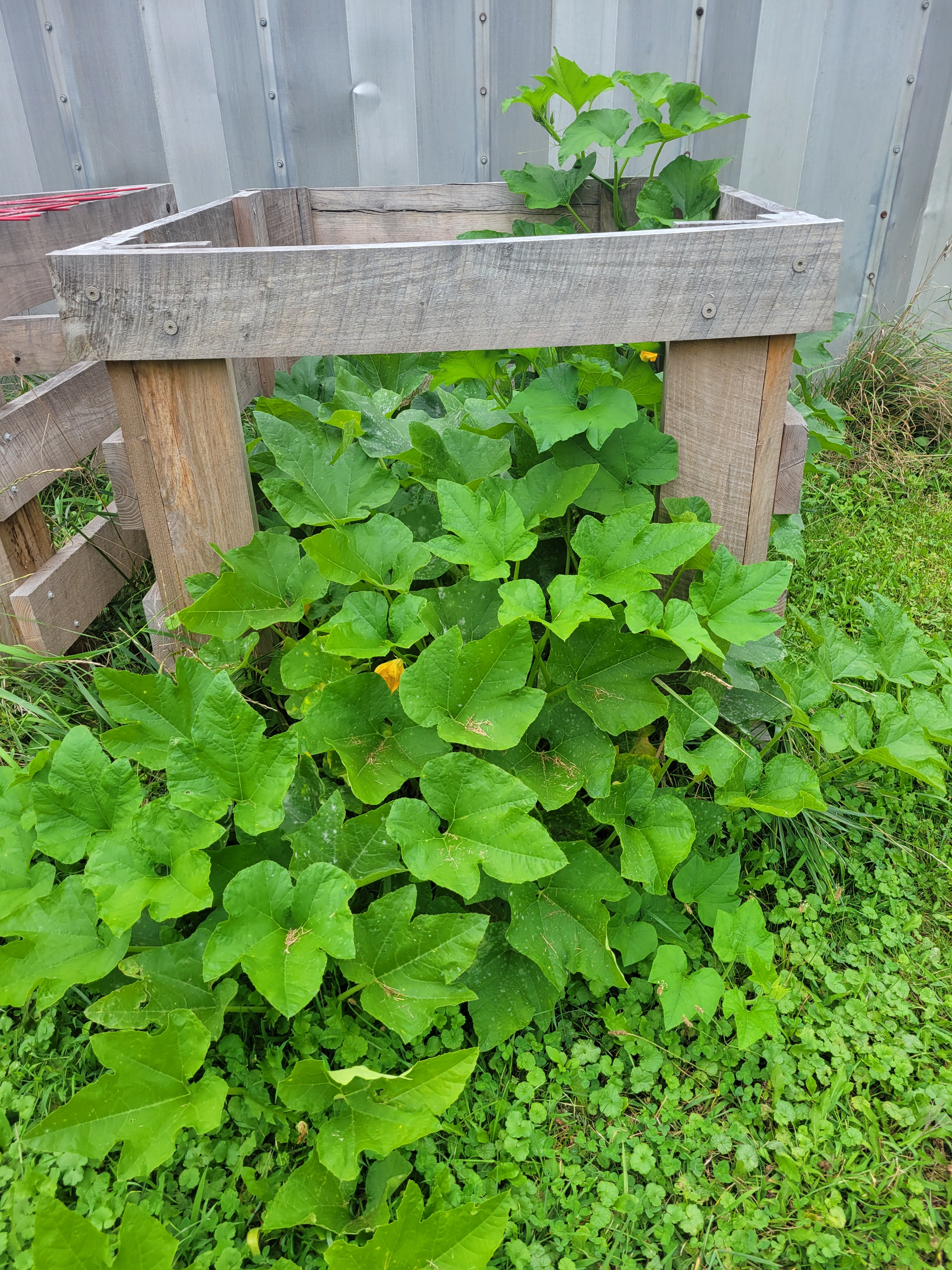
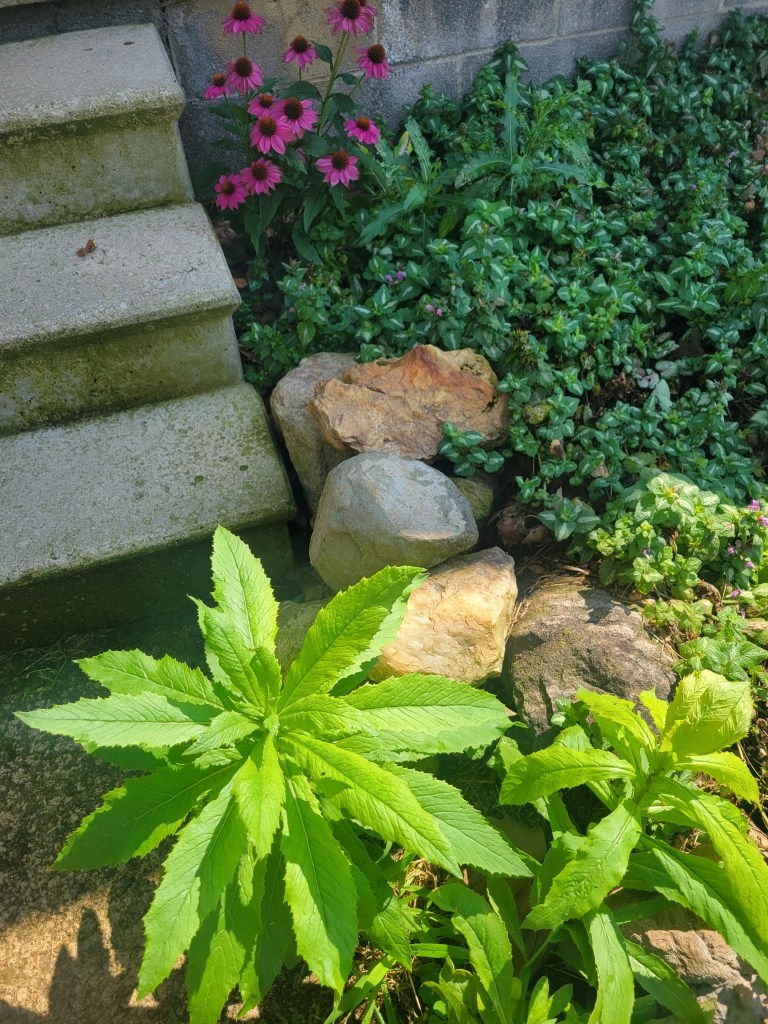
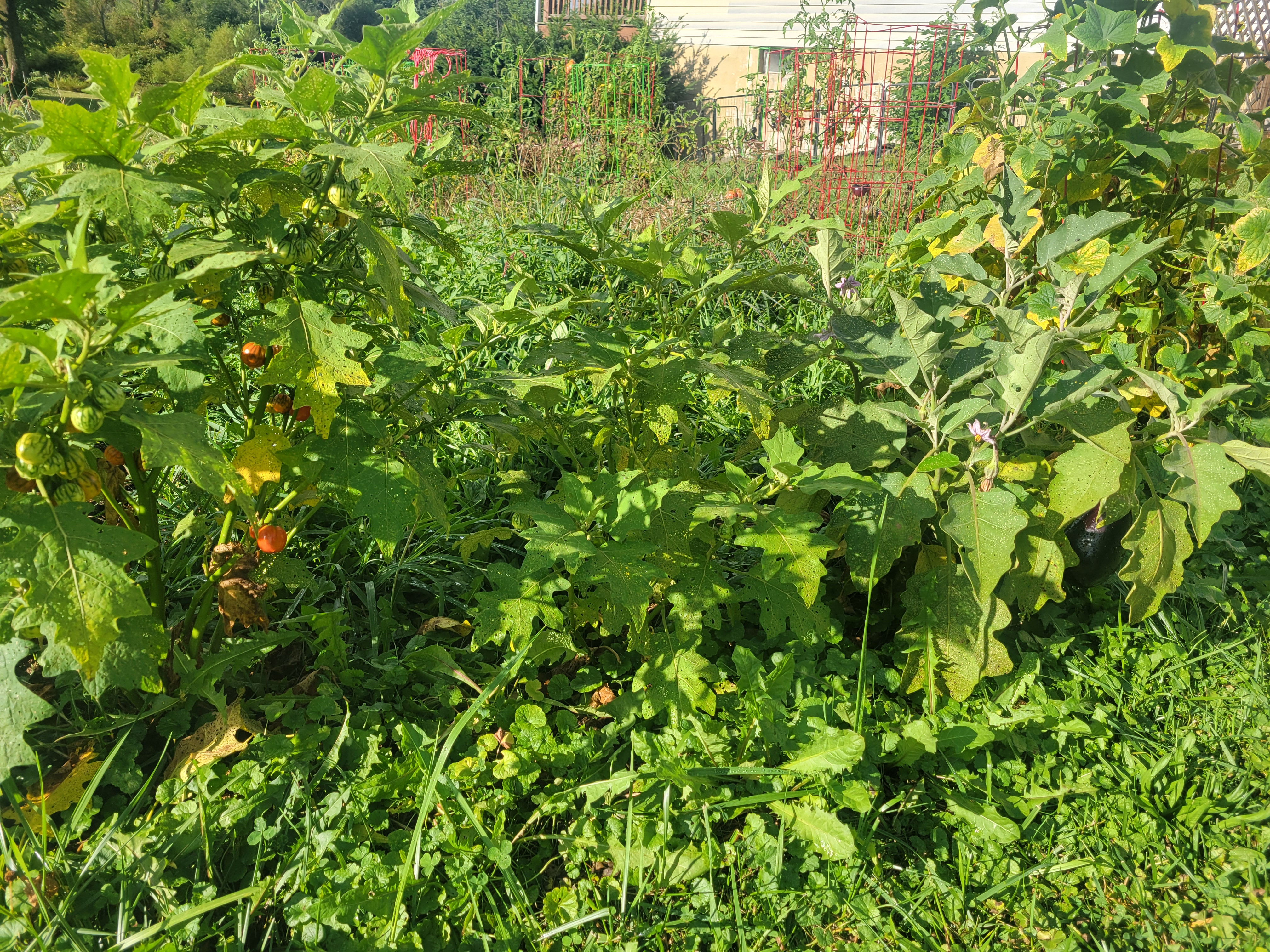
We remove cucumber, melon, and gourd plants as soon as they’re done producing to prevent future plants from dealing with pests and diseases common to cucurbits. But that’s it. I no longer bemoan a messy garden. No longer judge myself for my failure to keep up with standard gardening practices. Perhaps my lazy-forward methods mean I gather a little less produce. (Or maybe not.) But I gather more peace from our feral gardens than I ever did in years of trying to keep up. The appearances-at-all-costs thing feels oppressive to me, whether it refers to our bodies or our possessions or our social status. That doesn’t mean I don’t see the beauty of a fashionably dressed person or a perfectly tended garden, it’s just never been for me.
As autumn folds into winter each year, the weeds remain. It feels right to learn what I can from our plant elders. All winter, I notice birds and other creatures feed on seedheads and dried fruits. I see them find shelter in the dry stalks. I pay attention to the patterns snow and wind make in this gone-wild space. I take heart in the way these plants bend, then lie down as they give what’s left of themselves back to the dirt.
Weed I Won’t Pull
Some hardship curved it into
a green ampersand. Tendrils sprout
along a resolute stem.I want to lean close, ask
for some photoautotrophic wisdom.Listen to the soil’s bacterial choir.
Convert to the worship
plants have practiced since the Beginning.Laura Grace Weldon
 Laura Grace Weldon